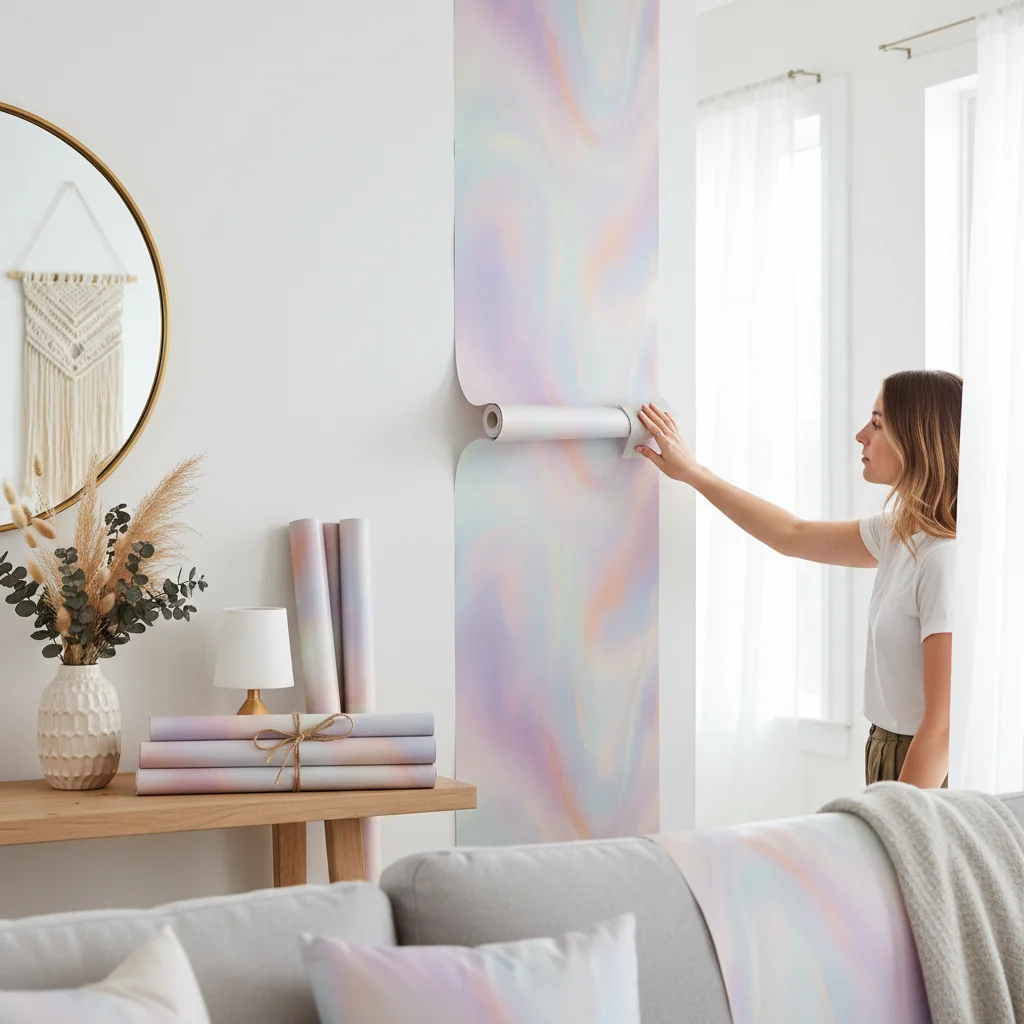
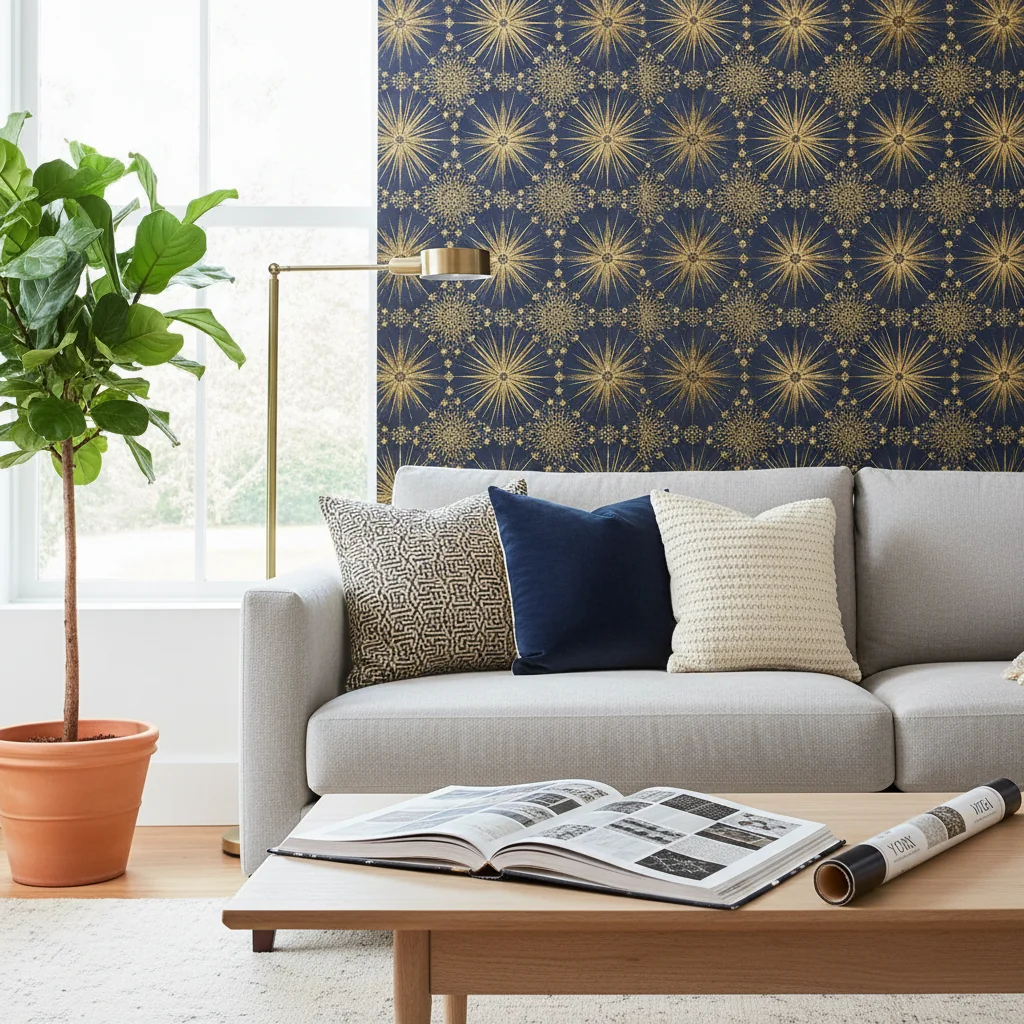
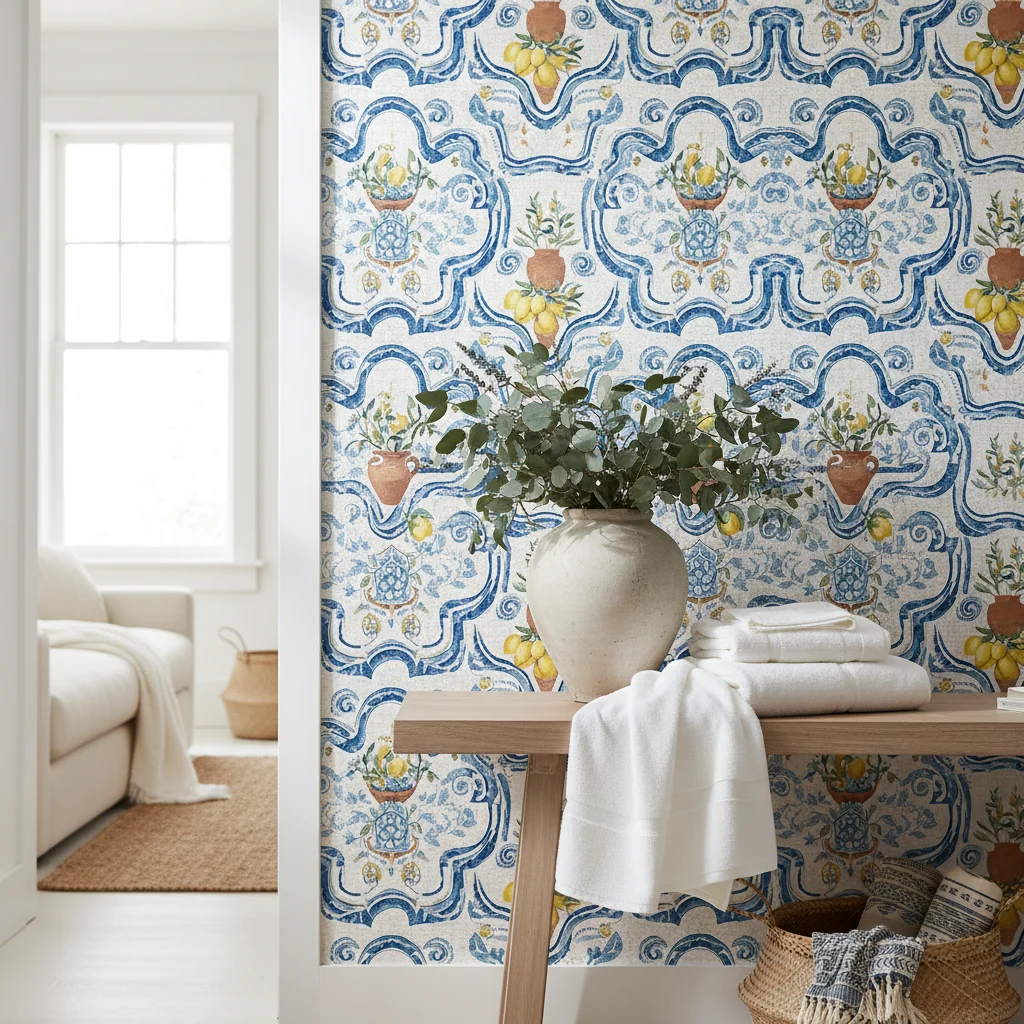
Abstract art wallpaper is a dynamic and sophisticated design element that profoundly transforms interior spaces, injecting personality, color, and movement onto walls. It offers a unique opportunity to curate an environment that reflects contemporary aesthetics and individual style, moving beyond traditional patterns to embrace artistic expression. This wallcovering category is characterized by non-representational imagery, focusing on form, color, texture, and line to create visual impact rather than depicting recognizable objects. At Starhouse, we understand that selecting the right abstract art wallpaper involves a precise understanding of its types, materials, and how it integrates with your overall design vision, ensuring a cohesive and aspirational home environment.
Key takeaways
- Abstract art wallpaper is defined by non-representational designs that prioritize color, form, texture, and line to create visual interest.
- It significantly transforms a room’s aesthetic, serving as a powerful focal point and influencing mood and perceived space.
- Key types include geometric, organic, gestural, minimalist, and textural abstracts, each offering distinct visual characteristics.
- Material choices such as non-woven, vinyl, and peel-and-stick, along with finishes like matte or satin, dictate durability, installation ease, and final appearance.
- Precise measurement and surface preparation are crucial for successful installation, whether undertaking a DIY project or engaging professional services.
- Styling involves careful pairing with furnishings, textiles, and lighting to achieve a harmonious and sophisticated interior design.
What is Abstract Art Wallpaper?
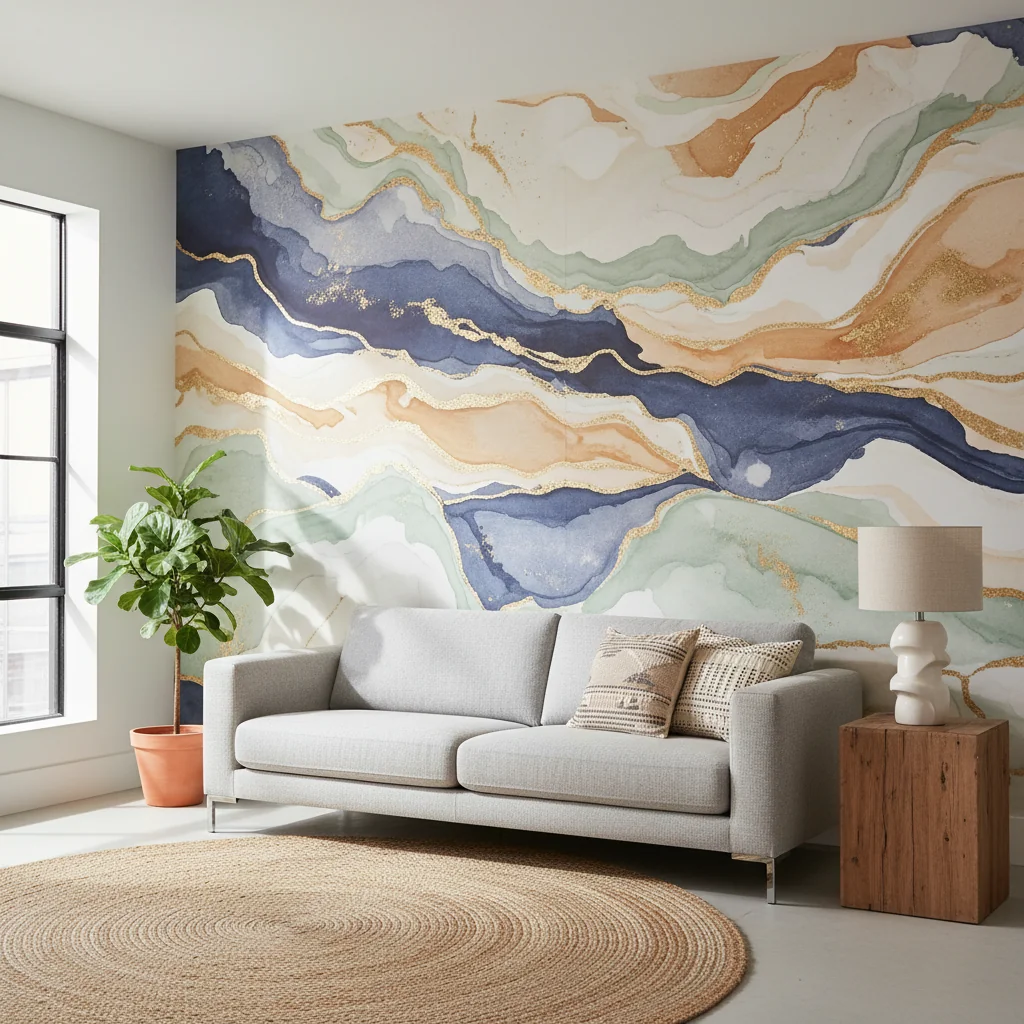
Abstract art wallpaper is a category of wallcovering characterized by designs that do not depict recognizable objects or scenes but instead utilize forms, colors, textures, and lines to create a visual composition. It represents a departure from traditional representational art, inviting viewers to interpret meaning and emotion through non-objective elements. This style of wallpaper transforms walls into expansive canvases, offering a sophisticated and often dramatic backdrop for contemporary interiors.
The essence of abstract art wallpaper lies in its ability to evoke feeling and movement without relying on literal imagery. Historically, abstract art emerged in the early 20th century as artists sought to express universal truths and emotions beyond the constraints of the visible world. This philosophical foundation translates directly into wallpaper design, where patterns can range from bold, energetic strokes to subtle, minimalist compositions. It is not merely a decorative covering; it is an integrated artistic statement for the architectural space.
Distinguishing abstract art wallpaper from other decorative wallcoverings is crucial for precise application in design. Unlike geometric patterns that might be repetitive and structured, or scenic murals that depict landscapes, abstract designs often possess an organic flow or a deliberate disruption of conventional form. The focus shifts from what is depicted to how the visual elements interact and influence the viewer’s perception of space and mood. This quality allows abstract wallpaper to be incredibly versatile, adapting to various design schemes from ultra-modern to eclectic, while always maintaining a sense of curated artistry.
When incorporating abstract art wallpaper, one is essentially bringing a piece of modern art directly onto the architectural surface. This makes the wall an active participant in the room’s narrative, rather than a passive backdrop. The designs can be subtle, employing muted tones and soft textures to create a sense of calm, or they can be vibrant and dynamic, using contrasting colors and bold forms to inject energy and create a powerful focal point. Understanding this fundamental characteristic enables informed design choices that maximize the aesthetic impact of this unique wallcovering.
The Transformative Power of Abstract Art Wallpaper
Abstract art wallpaper profoundly transforms interior spaces by acting as a dynamic focal point, influencing the room’s perceived size, mood, and overall aesthetic with its non-representational designs. It elevates a standard wall into a curated art installation, providing depth, character, and a unique visual narrative that can redefine an entire room’s atmosphere.
The psychological impact of abstract patterns is significant. Energetic, gestural abstracts with bold colors can infuse a space with vitality and creativity, making them ideal for home offices or creative studios. Conversely, abstract designs featuring soft, organic forms and muted palettes can promote tranquility and relaxation, perfectly suited for bedrooms or meditation areas. The absence of a specific subject allows the viewer’s mind to wander, engaging with the colors and forms on a deeper, more emotional level. This engagement creates a more immersive and personalized experience within the home.
Abstract art wallpaper also offers unparalleled design versatility. It can seamlessly integrate into various design styles, from minimalist contemporary to bohemian eclectic. In a minimalist setting, a textured abstract wallpaper can introduce subtle depth and interest without cluttering the visual field. In a maximalist approach, a vibrant, multi-colored abstract mural can serve as the anchor for a rich tapestry of patterns and textures. Its adaptability stems from its inherent lack of literal meaning, allowing it to complement diverse furnishings and decor elements.
Furthermore, abstract designs can manipulate the perception of space. A large-scale abstract mural with expansive, flowing lines can make a smaller room feel more open and expansive by drawing the eye across the wall. Conversely, a densely patterned abstract wallpaper can create a sense of intimacy and coziness in a larger, more open-plan area. The strategic use of color within abstract patterns also plays a role; cool tones can recede, making a space feel larger, while warm tones can advance, creating a more inviting and enclosed feeling. This allows designers and homeowners to leverage abstract wallpaper as a sophisticated tool for spatial manipulation.
For enhancing modern and contemporary interiors, abstract art wallpaper is an indispensable tool. It aligns perfectly with the clean lines, open spaces, and emphasis on artistic expression characteristic of these styles. An abstract wallcovering can introduce an element of unexpected artistry, breaking up monotonous surfaces and adding a layer of visual complexity that traditional wall treatments often cannot achieve. It elevates the space beyond mere decoration, making it a testament to intentional design and curated taste. This transformative power is what positions abstract art wallpaper as a cornerstone of sophisticated home décor.
Types of Abstract Art Wallpaper and Their Unique Characteristics
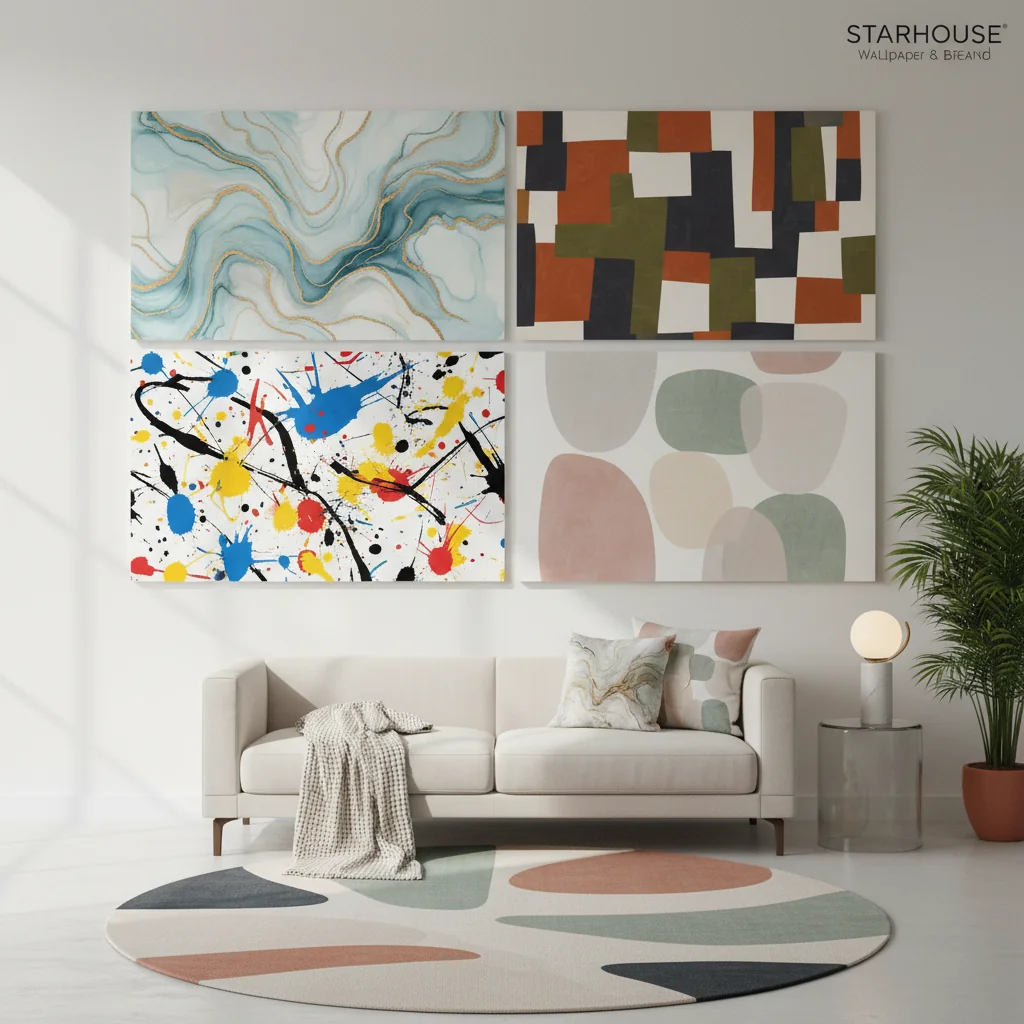
Abstract art wallpaper encompasses a diverse range of styles, each offering distinct visual qualities and emotional impacts that can profoundly shape an interior space. Understanding these categories is essential for selecting a design that perfectly aligns with your aesthetic goals and the desired ambiance of a room.
Geometric Abstract
Geometric abstract wallpaper is characterized by its precise, non-representational forms such as squares, circles, triangles, and polygons, often arranged in structured or repeating patterns. This style brings a sense of order, balance, and modernity to a space. It frequently employs clean lines and sharp angles, making it a natural fit for contemporary, minimalist, and mid-century modern interiors. The patterns can range from subtle interlocking shapes in monochromatic palettes to bold, contrasting color blocks that evoke movements like Cubism or Op Art. A key characteristic is its intellectual appeal and ability to create a visually stimulating yet organized environment.
- Cubist-Inspired: Features fragmented, overlapping planes and multiple perspectives, creating a dynamic and complex visual texture.
- Op Art (Optical Art): Utilizes geometric shapes and precise color arrangements to create illusions of movement, depth, or hidden images, providing a captivating and often disorienting effect.
- Bauhaus Influence: Emphasizes functionality, simplicity, and geometric forms, often with primary colors and a focus on industrial aesthetics.
Organic Abstract
Organic abstract wallpaper draws inspiration from natural forms and fluid shapes, eschewing strict geometry for curves, swirls, and biomorphic designs. This type often evokes a sense of calm, fluidity, and connection to nature, even without depicting specific natural elements. It can soften harsh architectural lines and introduce a gentle movement into a room. Color palettes tend to be earthy, muted, or reflective of natural phenomena like water, clouds, or rock formations, though vibrant organic abstracts also exist. The emphasis is on natural flow and unconstrained expression.
- Biomorphic: Features forms reminiscent of living organisms, cells, or natural growth patterns, often undulating and irregular.
- Abstract Expressionist (soft edges): Characterized by fluid brushstrokes and emotional gestural marks, but with a more subdued and less aggressive application compared to purely gestural styles, focusing on the interplay of color and form.
Gestural/Action Painting Abstract
Gestural or action painting abstract wallpaper captures the energy and spontaneity of the artist’s hand, characterized by bold brushstrokes, drips, splatters, and dynamic lines. This style is highly expressive and can infuse a space with intense energy and dramatic flair. It is often associated with the Abstract Expressionist movement and artists like Jackson Pollock. These wallpapers are ideal for creating a powerful focal point and are particularly effective in spaces that benefit from a sense of artistic freedom and raw emotion, such as creative studios, entertainment areas, or bold living rooms. The patterns are often non-repeating or feature very large, impactful repeats.
- Drip Painting: Mimics the technique of dripping or pouring paint, creating intricate, overlapping networks of lines and colors.
- Bold Brushstrokes: Features prominent, visible brushwork, conveying movement, texture, and the artist’s immediate expression.
Minimalist Abstract
Minimalist abstract wallpaper embraces simplicity, often using limited color palettes, subtle textures, and understated forms to create a sense of calm and sophistication. The focus is on essential elements, negative space, and the quality of the materials. This style avoids clutter and excessive detail, instead relying on nuanced variations in tone, subtle gradients, or very sparse, intentional patterns to make an impact. It is perfect for creating serene, uncluttered environments where peace and contemplation are prioritized, such as bedrooms, bathrooms, or contemporary living areas seeking understated elegance.
Textural Abstract
Textural abstract wallpaper emphasizes the surface quality and perceived depth, often replicating or suggesting materials like concrete, plaster, fabric weaves, or distressed metals. While the patterns might be subtle, the primary appeal is the tactile quality and visual richness they bring. These wallpapers can add warmth, sophistication, and an artisan feel to a room without introducing overwhelming patterns or colors. They are excellent for creating a sophisticated backdrop that complements rather than competes with other design elements, and they are particularly effective in creating a sense of luxury or industrial chic. Some designs may even incorporate actual raised textures for a true three-dimensional experience.
Digital Abstract
Digital abstract wallpaper leverages computer-generated designs to create patterns that might be impossible to achieve through traditional painting or printing methods. This includes intricate geometric algorithms, gradient shifts, pixelated art, or manipulated photographic elements that become abstract compositions. Digital abstracts often feature vibrant, precise colors and can achieve seamless, large-scale murals with incredible detail. They are at the forefront of contemporary design, offering futuristic aesthetics and unique visual effects that are perfect for tech-forward or avant-garde interiors.
Mural Abstract
Mural abstract wallpaper is a large-scale, often non-repeating design that covers an entire wall or a significant portion of it, creating an immersive artistic statement. Unlike traditional wallpaper rolls with repeating patterns, a mural is a single, continuous image. Abstract murals can embody any of the styles mentioned above—geometric, organic, gestural—but their defining characteristic is their expansive scale and ability to transform a wall into a singular piece of art. They are ideal for creating dramatic focal points in living rooms, dining rooms, or commercial spaces, offering a truly custom and impactful visual experience. The scale allows for grand statements that might be overwhelming in smaller formats, but breathtaking when applied across an entire surface.
Each type of abstract art wallpaper offers a distinct avenue for personal expression and interior enhancement. Understanding these characteristics allows for a precise and impactful selection, ensuring the chosen wallcovering contributes effectively to the overall design narrative of your home.
Materials and Finishes: Understanding the Foundation of Your Abstract Design
The material and finish of abstract art wallpaper significantly influence its appearance, durability, and ease of installation, making these factors as crucial as the design itself in achieving a successful interior. The substrate determines the paper’s structural integrity, while the finish dictates its visual texture, light reflection, and resistance to wear.
Substrate Types
The base material, or substrate, of wallpaper dictates its performance characteristics, including breathability, ease of installation, and longevity.
-
Non-woven Wallpaper: This is a highly popular and modern substrate, composed of a blend of natural and synthetic fibers.
- Characteristics: Non-woven wallpaper is breathable, dimensionally stable (meaning it resists shrinking or expanding), and incredibly easy to install and remove. It is often referred to as “paste the wall” wallpaper because the adhesive is applied directly to the wall, not the paper.
It is also tear-resistant and typically washable. - Best Use: Ideal for living rooms, bedrooms, and dining areas where durability and ease of future removal are desired. Its breathability also makes it suitable for environments where slight moisture variation might occur, though it is not fully waterproof.
- Durability: Excellent for residential use, holding up well against general wear and tear.
- Characteristics: Non-woven wallpaper is breathable, dimensionally stable (meaning it resists shrinking or expanding), and incredibly easy to install and remove. It is often referred to as “paste the wall” wallpaper because the adhesive is applied directly to the wall, not the paper.
-
Vinyl Wallpaper: Known for its exceptional durability and moisture resistance, vinyl wallpaper is a practical choice for high-traffic or humid areas.
- Characteristics: Vinyl is typically a solid sheet of vinyl with a decorative surface. It is highly washable, scrubbable, and resistant to grease and moisture. This makes it extremely robust. However, it is less breathable than non-woven options.
- Best Use: Perfect for kitchens, bathrooms, laundry rooms, and children’s playrooms where frequent cleaning and resistance to humidity are paramount.
- Durability: Very high; designed to withstand significant wear, moisture, and staining.
-
Paper-backed Vinyl Wallpaper: This type combines a decorative vinyl surface with a paper backing.
- Characteristics: It offers a good balance between the aesthetic flexibility of vinyl and the easier handling of paper-based products during installation. The vinyl surface provides durability and washability, while the paper backing allows for traditional paste application and removal.
- Best Use: Suitable for areas needing moderate durability and washability, such as hallways or active family rooms, where a full solid vinyl might be overkill but more protection than non-woven is desired.
- Durability: Good; more durable and washable than pure paper, but generally less robust than solid vinyl.
-
Fabric-backed Vinyl Wallpaper: This is the most robust type of vinyl wallpaper, often used in commercial settings due to its extreme durability.
- Characteristics: A woven fabric (like cotton or polyester) forms the backing, providing exceptional strength and tear resistance. The vinyl surface is typically thick and highly resistant to damage, making it suitable for very high-traffic areas.
- Best Use: While primarily commercial, it can be used in residential settings for extreme durability needs, such as very busy mudrooms or commercial-style home offices.
- Durability: Superior; designed for heavy-duty applications and longevity.
-
Peel-and-Stick (Self-Adhesive) Wallpaper: This innovative type features an adhesive backing that is protected by a removable liner.
- Characteristics: Often made from vinyl or a durable fabric blend, peel-and-stick wallpaper is designed for easy, temporary, or semi-permanent installation. It can be repositioned during application and cleanly removed without damaging the wall, making it ideal for renters or those who frequently update their decor.
- Best Use: Apartments, rental properties, accent walls, or for design enthusiasts who enjoy frequent changes. It is also excellent for DIY projects due to its forgiving nature.
- Durability: Good for its intended use; generally resistant to moisture and easy to clean, but its adhesive bond may weaken over extremely long periods or in very high humidity.
Finishes
The finish of abstract art wallpaper significantly impacts its visual appeal, how it interacts with light, and its perceived texture.
-
Matte Finish: A matte finish absorbs light rather than reflecting it, resulting in a soft, non-glossy appearance.
- Characteristics: This finish provides a sophisticated, understated look, often enhancing the depth and richness of colors. It minimizes glare and hides minor wall imperfections more effectively than glossy finishes.
- Aesthetic Impact: Creates a luxurious, velvety feel, ideal for designs aiming for an artistic, painterly effect, or a subtle, natural aesthetic.
-
Satin/Eggshell Finish: Offering a subtle sheen, satin finishes reflect a small amount of light, providing a soft glow.
- Characteristics: This is a popular compromise between matte and gloss. It offers a degree of light reflection that brightens a room without being overly reflective. It is generally more durable and easier to clean than matte finishes.
- Aesthetic Impact: Adds a touch of elegance and can make colors appear more vibrant than matte, while still maintaining a sophisticated look.
-
Gloss/High-Gloss Finish: A glossy finish is highly reflective, bouncing light off the surface.
- Characteristics: This finish creates a vibrant, almost wet look, making colors pop and adding a modern, sleek aesthetic. However, it also highlights any wall imperfections and can produce significant glare, especially in brightly lit rooms.
- Aesthetic Impact: Best for creating a dramatic statement or enhancing the luminosity of a digital or geometric abstract. Use judiciously to avoid overwhelming a space.
-
Textured Finish: This finish involves a raised pattern or tactile surface that adds physical dimension to the wallpaper.
- Characteristics: Textured wallpapers can mimic natural materials like linen, grasscloth, plaster, or provide a subtle embossed pattern. The texture adds depth, warmth, and interest, often without the need for complex visual patterns.
- Aesthetic Impact: Creates a rich, layered look, enhancing the sensory experience of the room. It can also help to conceal minor wall irregularities.
Material and Finish Comparison
This table provides a concise overview of common wallpaper material types and their key attributes, aiding in the selection process for your abstract art wallpaper.
| Material Type | Durability | Washability | Installation Ease | Ideal Use Cases |
|---|---|---|---|---|
| Non-woven | Good to Excellent | Good (Wipeable) | Easy (Paste the Wall) | Living rooms, bedrooms, dining areas, general residential. |
| Solid Vinyl | Excellent | Excellent (Scrubbable) | Moderate | Kitchens, bathrooms, laundry rooms, high-traffic areas. |
| Paper-backed Vinyl | Good | Good (Wipeable) | Moderate | Hallways, active family rooms, moderate durability needs. |
| Peel-and-Stick | Good | Good (Wipeable) | Very Easy (DIY-friendly, removable) | Rentals, accent walls, frequent redecoration, temporary use. |
| Textured (e.g., Fabric-backed) | Very Good to Excellent | Varies by surface, often Good | Moderate to Difficult | High-end residential, commercial, adding tactile depth. |
Understanding the interplay between substrate and finish is paramount. A bold, gestural abstract design on a matte non-woven substrate will present a different aesthetic and perform differently than the same design on a glossy vinyl. Starhouse curates options that balance aesthetic appeal with practical performance, ensuring your abstract art wallpaper choice is both beautiful and functional for your home.
Choosing the Right Abstract Art Wallpaper for Your Space
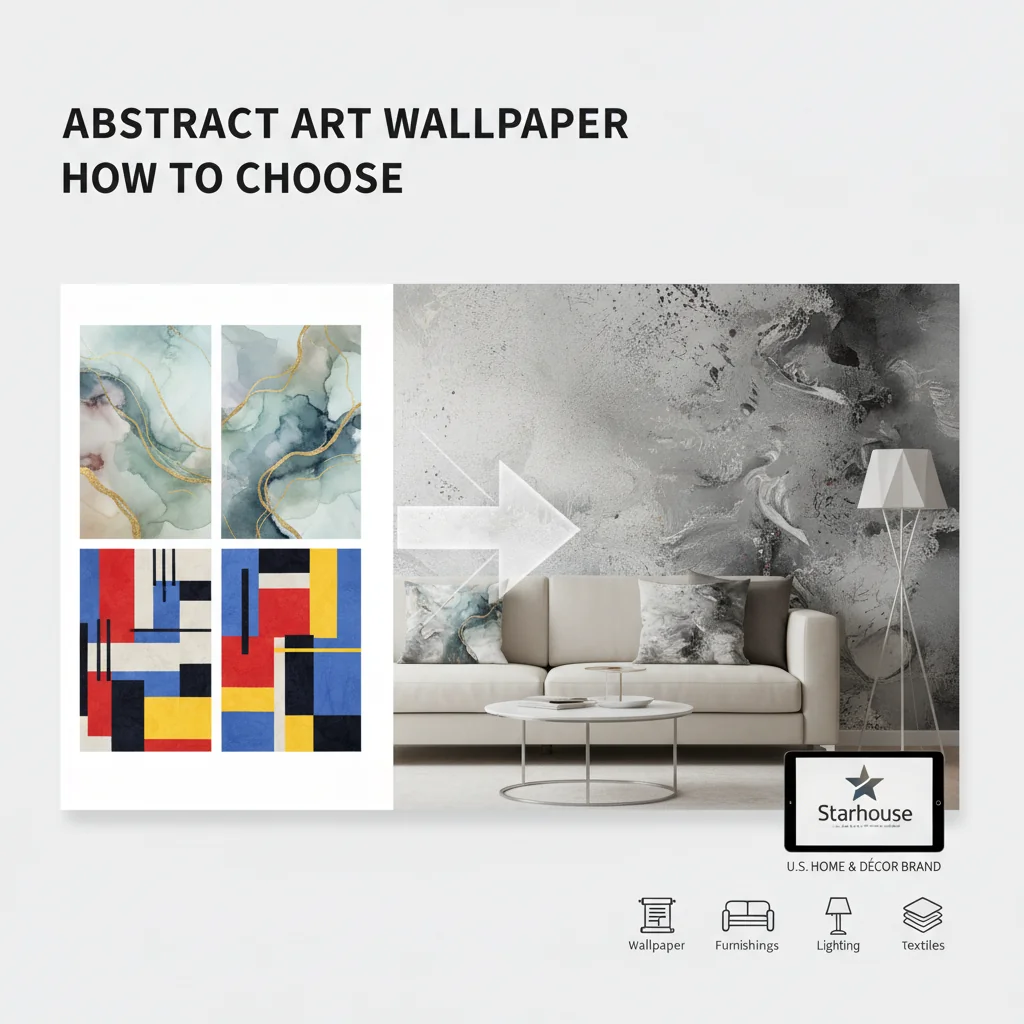
Selecting the ideal abstract art wallpaper involves a thoughtful assessment of your room’s function, existing decor, desired mood, and the specific characteristics of the wallpaper itself. A precise approach ensures the wallpaper integrates seamlessly and enhances the overall design narrative of your home.
Consider the Room’s Function
The primary use of a room significantly dictates the most appropriate abstract wallpaper design and material. This initial assessment prevents aesthetic mismatches and ensures practical suitability.
- Living Room: As a central gathering space, the living room can accommodate bold, statement-making abstract murals or vibrant geometric patterns that serve as a conversation starter. Designs with depth and sophisticated color palettes are often preferred.
- Bedroom: For a sanctuary of rest, opt for abstract patterns with soft, organic forms, muted colors, or subtle textures that promote tranquility and relaxation. Minimalist abstracts or those with gentle gradient shifts are excellent choices.
- Home Office/Study: This space benefits from wallpaper that inspires creativity and focus. Geometric abstracts can provide structure, while dynamic, gestural patterns might stimulate innovative thinking. Avoid overly distracting or busy designs.
- Kitchen/Bathroom: These areas require wallpapers that are specifically moisture-resistant and washable, such as solid vinyl or paper-backed vinyl. Abstract patterns here can add an unexpected artistic touch to utilitarian spaces, perhaps with a sleek, contemporary design for a kitchen backsplash area or an organic, spa-like abstract for a bathroom.
- Dining Room: A dining room can embrace elegance and drama. Richly textured abstracts, sophisticated metallic accents within abstract designs, or large-scale, impactful murals work well to create an inviting and luxurious atmosphere for entertaining.
Harmonize with Your Existing Color Palette
The color scheme of your abstract art wallpaper must either complement or thoughtfully contrast with the colors already present in your furnishings, textiles, and decor. A harmonious palette creates a cohesive and polished look.
- Complementary: Choose a wallpaper that features colors already present in your room, perhaps in different shades or tones. This creates a unified and calm aesthetic.
- Contrasting: Introduce a wallpaper with a color that dramatically contrasts with your existing scheme, but ensure it is balanced by other elements in the room. For example, a vibrant abstract on one wall can be balanced by neutral furnishings.
- Monochromatic: Select an abstract wallpaper in varying shades and textures of a single color already prominent in the room. This creates depth and sophistication without introducing new hues.
- Pulling Colors: Identify two or three dominant or accent colors in your abstract wallpaper and echo those colors in smaller decor items like throw pillows, vases, or artwork throughout the room. This technique ties the wallpaper into the overall design.
Assess Scale and Pattern Repeat
The size and repetition of the abstract pattern are critical for visual balance and can significantly impact the perceived size of a room.
- Small Patterns: In smaller rooms or on accent walls, small, intricate abstract patterns can add detail without overwhelming the space. They provide texture and subtle interest.
- Large Patterns/Murals: For expansive walls or to create a dramatic focal point in larger rooms, a large-scale abstract pattern or a full mural is highly effective. These designs make a bold statement and can visually expand the space. Ensure the pattern repeat is considered during measurement to avoid awkward cuts.
- Vertical vs. Horizontal Elements: Abstract designs with strong vertical lines can make ceilings appear higher, while horizontal elements can make a room feel wider.
Consider the Impact of Lighting
Both natural and artificial light sources interact with wallpaper, affecting its appearance throughout the day and evening. A precise evaluation of lighting is indispensable.
- Natural Light: Rooms with abundant natural light can handle darker or more saturated abstract colors without feeling oppressive. However, highly reflective finishes (glossy) might create glare.
- Artificial Light: In rooms with limited natural light, lighter abstract patterns and finishes (satin or matte) can help brighten the space. Consider how your light fixtures (recessed, sconces, lamps) will illuminate the wallpaper, enhancing its textures and colors.
- Shadows and Depth: Textured abstract wallpapers can create interesting shadows and add depth under directional lighting, enhancing their tactile quality.
Integrate with Existing Furnishings
The abstract art wallpaper should complement your furniture, either by creating a harmonious backdrop or by providing a deliberate, stylistic contrast that enhances both elements.
- Modern/Minimalist Furniture: Pair with geometric, minimalist, or subtle textural abstracts to reinforce the clean aesthetic.
- Eclectic/Bohemian Furniture: Bold, organic, or gestural abstracts can add to a rich, layered look, embracing a mix of styles and patterns.
- Traditional Furniture: While less common, certain sophisticated, muted abstract patterns can provide an unexpected contemporary twist to traditional settings, creating an intriguing juxtaposition.
Define the Desired Mood
Abstract art wallpaper is a powerful tool for setting the emotional tone of a room. Its visual language directly influences the atmosphere.
- Energetic/Stimulating: Choose vibrant colors, bold contrasts, and dynamic, gestural patterns.
- Tranquil/Calm: Opt for soft, muted colors, organic forms, and subtle textures or minimalist designs.
- Sophisticated/Luxurious: Consider rich jewel tones, metallic accents, deep textures, or elegant monochromatic abstracts.
- Playful/Creative: Bright colors, whimsical organic shapes, or imaginative digital abstracts can foster a sense of fun and innovation.
Reflect Your Personal Style
Ultimately, your abstract art wallpaper should resonate with your personal aesthetic and make you feel comfortable and inspired in your home. This is an opportunity for profound self-expression.
By systematically evaluating these factors, you can make an informed and confident decision, ensuring your abstract art wallpaper choice is not only visually stunning but also perfectly suited to your lifestyle and design aspirations. At Starhouse, we believe in empowering you to make these precise design choices. We are curating a collection of abstract art wallpapers that cater to diverse tastes and needs. We invite you to tell us what you’re looking for to get early access to our curated selections and share your design aspirations with us.
Sizing, Measuring, and Installation Considerations
Accurate sizing and precise measurement are critical for a seamless abstract art wallpaper installation, preventing material waste and ensuring an aesthetically successful outcome. Proper preparation and understanding of installation methods are equally vital for a professional finish.
Accurate Wall Measurement
Before purchasing any wallpaper, meticulous measurement of the wall surfaces is non-negotiable. Errors in this stage directly lead to insufficient material or excessive waste.
- Measure Height and Width: Measure the height of each wall from ceiling to baseboard at several points, noting the highest measurement. Then, measure the total width of each wall.
- Account for Openings: Subtract the area of doors and windows from the total wall area, but do not subtract the full width of these openings when calculating how many strips you need. It is always better to have a slight excess of wallpaper to ensure pattern matching and account for trimming.
- Calculate Total Square Footage: Multiply the height by the width for each wall, then sum these values to get the total square footage requiring wallpaper.
Calculating Rolls or Panels
Wallpaper is typically sold in rolls or, for murals, as individual panels. Understanding pattern repeat is paramount for accurate ordering.
- Roll Dimensions: Standard wallpaper rolls in the U.S. generally measure 20.5 inches or 27 inches in width and are 33 feet long, covering approximately 56 square feet. However, actual coverage varies significantly with pattern repeat.
- Pattern Repeat: This is the vertical distance before the pattern repeats itself. A larger pattern repeat means more waste per strip to ensure the design aligns seamlessly across panels. Always factor in an additional 15-20% for waste, especially with large repeats or complex patterns. For rolls with a 21-inch repeat, you might lose 1-2 feet per strip for alignment.
- Number of Strips: Divide the total width of your wall by the width of one wallpaper strip (e.g., 20.5 inches). Round up to the nearest whole number to determine how many strips are needed per wall.
- Total Rolls: Calculate how many full strips you can get from one roll (e.g., a 33-foot roll divided by a 9-foot wall height yields 3 full strips). Then divide the total number of required strips by the number of strips per roll. Always round up to ensure you have enough material.
- Mural Panels: Abstract murals are often sold in numbered panels designed to be installed in a specific sequence. Measure the height and width of the wall and compare it to the mural’s dimensions. Ensure sufficient overlap for trimming.
Professional Installation vs. DIY
The complexity of abstract art wallpaper designs and the type of material can influence whether professional installation is recommended or if a DIY approach is feasible.
- Professional Installation: Essential for large-scale murals, intricate pattern matches, delicate materials like grasscloth, or if you lack experience. Professionals ensure precise alignment, proper adhesive application, and a flawless finish, which is critical for expensive or visually complex abstract designs.
- DIY Installation: Feasible for peel-and-stick wallpapers, smaller accent walls, or designs with minimal pattern repeat. Peel-and-stick is particularly forgiving as it allows for repositioning. Always follow the manufacturer’s specific instructions for your chosen wallpaper type.
Crucial Surface Preparation
Proper wall preparation is the most critical step for successful wallpaper adhesion and a smooth finish. Neglecting this step can lead to bubbles, peeling, or visible imperfections.
- Clean Walls: Ensure walls are free from dust, dirt, grease, and grime. Use a mild detergent solution and rinse thoroughly.
- Smooth Surface: Fill any holes or cracks with spackle, sand smooth, and wipe clean. Wallpaper will highlight, not hide, imperfections.
- Prime Walls: Apply a high-quality wallpaper primer (like a “sizing” or “wall-prep” primer). This creates a consistent surface for adhesion, seals porous walls, and aids in future removal. It is particularly important for new drywall or previously painted walls.
- Remove Old Wallpaper: Completely remove any existing wallpaper. Do not attempt to wallpaper over old layers, as this can lead to bubbling, peeling, and an uneven finish.
Essential Tools Required
Having the right tools simplifies the installation process and contributes to a professional result.
- Measuring Tools: Tape measure, straightedge, pencil.
- Cutting Tools: Sharp utility knife with plenty of fresh blades, scissors.
- Application Tools: Smoothing tool (plastic smoother or wallpaper brush), seam roller (for traditional wallpaper), plumb bob or laser level (for ensuring vertical alignment).
- Adhesive Tools (for unpasted paper): Paste brush or roller, paste tray.
- Cleaning: Sponge, buckets of clean water.
- Safety: A sturdy step ladder or scaffolding is essential for reaching high areas safely. According to guidelines from pdx.edu, proper ladder safety, including ensuring stability and maintaining three points of contact, is critical during any installation process to prevent falls.
Peel-and-Stick Specifics
Peel-and-stick abstract art wallpaper offers unique advantages for DIY enthusiasts.
- Ease of Application: Simply peel off the backing and apply to the wall. Its repositionable nature allows for adjustments during installation, making it very forgiving for beginners.
- Clean Removal: Designed to remove cleanly without damaging walls or leaving sticky residue, which is ideal for renters or those who like to frequently change their decor.
- Surface Type: While generally easy, peel-and-stick adheres best to smooth, clean, and primed walls. Heavily textured walls may not provide sufficient adhesion.
By approaching the sizing, measuring, and installation of abstract art wallpaper with precision and attention to detail, you ensure a stunning and long-lasting aesthetic enhancement to your home.
Styling and Pairing Abstract Art Wallpaper with Your Decor
Styling abstract art wallpaper involves harmonizing its dynamic presence with furnishings, textiles, lighting, and accessories to create a cohesive and impactful interior design. The goal is to integrate the wallpaper as a key artistic element that elevates the entire room’s aesthetic, rather than having it stand in isolation.
Complementary Furniture Selection
The style and scale of your furniture should either complement the abstract wallpaper or create a deliberate, thoughtful contrast that enhances both elements.
- Modern and Minimalist Furniture: Abstract art wallpaper pairs exceptionally well with sleek, unadorned furniture. Clean lines and simple forms allow the wallpaper to truly shine as the room’s artistic focal point. Consider mid-century modern pieces or contemporary designs with minimal ornamentation.
- Eclectic and Bohemian Styles: For a layered and curated look, combine abstract wallpaper with a mix of furniture styles, textures, and periods. An organic abstract wallpaper can tie together diverse elements, while a geometric abstract can introduce a structured counterpoint to free-spirited decor.
- Avoid Over-Furnishing: When using a bold abstract wallpaper, resist the urge to fill the room with too much furniture or overly busy pieces. Allow the wallpaper space to breathe and make its statement.
Integrating Textiles and Textures
Textiles—such as rugs, throws, and pillows—are crucial for adding softness, warmth, and another layer of visual interest that can echo or contrast with the wallpaper.
- Echoing Colors: Pull accent colors directly from the abstract wallpaper and incorporate them into your textiles. For example, if your wallpaper has a subtle blue hue, introduce throws or pillows in varying shades of blue.
- Varying Textures: Pair a smooth, glossy abstract wallpaper with soft, plush rugs and velvet pillows to add tactile contrast. Conversely, a textured abstract wallpaper might be complemented by smoother fabrics to create balance.
- Pattern Play: If your abstract wallpaper is complex, opt for solid-colored or subtly textured textiles. If the wallpaper is more minimalist, you can introduce patterned textiles, ensuring they do not clash with the abstract design.
Strategic Lighting for Enhancement
Lighting plays a pivotal role in highlighting the abstract art wallpaper, emphasizing its textures and colors, and setting the overall mood of the room.
- Accent Lighting: Use picture lights, wall-mounted spotlights, or track lighting to specifically illuminate the wallpaper, drawing attention to its artistic qualities and creating depth.
- Ambient Lighting: Ensure overall room lighting is sufficient to appreciate the wallpaper during all times of day. Dimmers are valuable for adjusting the mood.
- Natural Light: Consider how natural light will interact with the wallpaper. A glossy finish might reflect too much sunlight, while a matte finish might absorb it, creating a more subdued effect.
Curated Accessories and Artwork
Accessories should complement the abstract wallpaper without competing for attention. Less is often more when the wall itself is a work of art.
- Minimalist Accessories: Opt for sculptural pieces, simple vases, or understated decorative objects that align with the wallpaper’s aesthetic.
- Complementary Artwork: If hanging additional art, ensure it either continues the abstract theme or provides a harmonious contrast. Sometimes, the abstract wallpaper itself is sufficient art.
- Metallic Accents: Metals like brass, chrome, or matte black can introduce a modern edge that pairs well with many abstract designs, particularly geometric or digital abstracts.
- Greenery: Indoor plants add organic texture and color, providing a natural counterpoint to the abstract forms on the wall.
Creating a Focal Point
Abstract art wallpaper is inherently a focal point. Design the rest of the room to support and enhance this central element.
- One Statement Wall: Often, applying abstract wallpaper to a single accent wall is the most effective way to create a dramatic focal point without overwhelming the space.
- Furniture Placement: Arrange key furniture pieces, such as a sofa or bed, to face or sit against the wallpapered wall, emphasizing its importance.
Leveraging Color Matching and Contrast
Effective styling involves a thoughtful application of color theory to create either seamless harmony or intentional, impactful contrast.
- Color Palette Extension: Select a wallpaper that shares a dominant color with your existing decor or introduces a new color that is part of a broader, harmonious palette. For example, if your living room features warm grays and creams, an abstract wallpaper with soft charcoal and taupe strokes would integrate beautifully.
- Strategic Contrast: Introduce an abstract wallpaper with a bold, contrasting color to add energy and modern appeal. For instance, in a predominantly neutral room, a wallpaper featuring vibrant teal or mustard yellow abstract forms can create a striking visual anchor. This approach requires careful balancing with other neutral elements to prevent visual chaos.
- Tonal Variation: Utilize abstract wallpapers that incorporate various shades and tints of a single hue. This creates depth and sophistication without introducing new colors, allowing for a monochromatic yet dynamic scheme. This is particularly effective with minimalist or textural abstracts.
Layering Textures for Depth
The interplay of textures adds a rich, sensory dimension to a room, enhancing the impact of your abstract wallpaper.
- Smooth vs. Rough: If your abstract wallpaper has a smooth, sleek finish (like a high-gloss digital abstract), introduce rougher textures through natural wood furniture, woven baskets, or linen textiles to create tactile interest.
- Soft vs. Hard: Counterbalance the hardness of abstract geometric lines with soft, plush rugs, velvet cushions, or flowing drapes. This softens the overall aesthetic and makes the space feel more inviting.
- Natural Materials: Incorporate elements like stone, raw wood, metal, and plants. These natural textures often provide a grounding effect that beautifully complements the often ethereal or dynamic nature of abstract art. For example, a large, leafy plant can soften the edges of a sharp geometric abstract.
Starhouse understands the nuanced art of pairing and styling. We recognize that the right abstract art wallpaper can transform a room, and its integration with other elements is paramount for a polished, aspirational result. As noted by York Wallcoverings, artistic abstracts offer a distinctive opportunity to “elevate your space with a fresh perspective,” emphasizing the importance of thoughtful design integration. By considering these precise styling principles, you ensure your abstract art wallpaper becomes an integral, celebrated component of your home’s unique design narrative.
Current Trends in Abstract Art Wallpaper
Current trends in abstract art wallpaper emphasize organic forms, rich textures, and bold, expressive color palettes that reflect contemporary design sensibilities, moving towards more personalized and immersive environments. These trends are driven by a desire for unique aesthetics and a deeper connection to artistic expression within the home.
Biophilic Abstracts
Biophilic design, which seeks to connect occupants with nature, is a dominant force in contemporary interiors. Biophilic abstract wallpapers feature organic shapes, fluid lines, and patterns inspired by natural elements like water, geological formations, or botanical structures, but without literal representation. The color palettes often lean towards earthy tones, greens, blues, and muted pastels. This trend creates serene, calming spaces that promote well-being and a sense of connection to the natural world.
Wabi-Sabi and Imperfect Abstracts
Embracing the Japanese aesthetic of wabi-sabi, this trend celebrates imperfection, transience, and natural processes. Abstract wallpapers in this category feature distressed textures, muted and earthy color palettes, subtle gradients, and designs that mimic aged plaster, weathered stone, or natural dyes. They evoke a sense of authenticity, craftsmanship, and quiet beauty, creating peaceful and contemplative environments that value natural materials and understated elegance.
Maximalist Abstracts
In contrast to minimalism, maximalist abstracts are characterized by their boldness, vibrant colors, and large-scale, often intricate patterns. These wallpapers are designed to make a dramatic statement, covering entire rooms or significant accent walls. They might feature an explosion of gestural brushstrokes, complex digital compositions, or an abundance of overlapping abstract forms. The goal is to create a rich, layered, and visually stimulating space that expresses personality and exuberance.
Digital Art Integration and AI-Generated Patterns
Technological advancements are profoundly influencing abstract art wallpaper. Digital art integration involves computer-generated patterns, intricate geometric algorithms, and seamless gradient shifts that were once impossible to achieve. AI-generated designs are emerging, offering unique, one-of-a-kind abstract compositions that can be customized to specific color schemes or stylistic preferences. These wallpapers often have a futuristic, hyper-realistic, or surreal quality, pushing the boundaries of traditional design.
Art Deco Revival Abstracts
A resurgence of interest in the glamorous and geometric aesthetics of the Art Deco era is evident in current abstract wallpaper trends. These designs feature stylized geometric patterns, often with metallic accents (gold, silver, bronze), rich jewel tones, and symmetrical or interlocking forms. They evoke a sense of luxury, sophistication, and vintage elegance, seamlessly blending historical influences with a modern abstract sensibility.
Monochromatic and Tonal Abstracts
This trend focuses on depth and texture within a single color family. Monochromatic abstract wallpapers utilize varying shades, tints, and textures of a single hue (e.g., different shades of gray, blue, or beige) to create subtle yet impactful designs. The emphasis is on the interplay of light and shadow, the tactile quality of the surface, and the nuanced variations within the color. This approach creates sophisticated, calming, and highly versatile interiors that allow other design elements to stand out.
Textured Abstracts with Embossed Details
Beyond visual texture, current trends also incorporate physical texture through embossed details. These wallpapers feature raised patterns, often mimicking fabric weaves, plaster effects, or abstract sculptural forms. The tactile quality adds a new dimension to the design, inviting touch and creating a more immersive experience. These are particularly effective in creating a sense of luxury and depth, making walls feel more substantial and artistic.
These trends illustrate the dynamic evolution of abstract art wallpaper, offering a wide spectrum of choices to create highly personalized and contemporary interiors. At Starhouse, we continually curate our collection to reflect these leading-edge aesthetics, ensuring you have access to the most sophisticated and impactful designs for your home.
Care and Maintenance for Long-Lasting Beauty
Proper care and maintenance are essential for preserving the aesthetic appeal and longevity of abstract art wallpaper, ensuring it remains a pristine and impactful element in your home for years. Different wallpaper materials require specific cleaning protocols to prevent damage and maintain their finish.
General Cleaning Instructions
Regular, gentle cleaning prevents the buildup of dust and grime, which can dull the wallpaper’s appearance over time.
- Dusting: For most wallpaper types, a soft, dry microfiber cloth or a feather duster is sufficient for routine dusting. Perform this weekly or bi-weekly to prevent accumulation.
- Wiping (Wipeable Wallpaper): Many modern wallpapers, especially non-woven and peel-and-stick, are designated as “wipeable.” This means they can be gently cleaned with a lightly damp, clean sponge or cloth. Use plain water or a very mild, non-abrasive soap solution. Always wring out the sponge thoroughly to prevent excess moisture from soaking into seams or the backing.
- Scrubbing (Scrubbable Wallpaper): Vinyl wallpapers are typically “scrubbable,” meaning they can withstand more rigorous cleaning. For tougher stains, use a soft brush and a mild detergent solution. Rinse with a clean, damp cloth and then dry with a soft, dry cloth. Always test any cleaning solution in an inconspicuous area first.
Spot Treatment for Spills and Stains
Immediate action is crucial for spills to prevent permanent staining, especially on less durable wallpaper types.
- Blot, Don’t Rub: For liquid spills, immediately blot the area with a clean, dry cloth to absorb as much liquid as possible. Rubbing can spread the stain or damage the wallpaper’s surface.
- Mild Cleaning Agent: For most stains, a diluted solution of mild dish soap and warm water is effective. Apply the solution to a clean cloth, gently dab the stain, and then wipe with a clean, damp cloth to remove any soap residue. Dry thoroughly.
- Specific Stains: For grease, a small amount of cornstarch or talcum powder can absorb the oil before gently brushing it off. For ink, specialized wallpaper cleaners might be required, but always test first.
- Avoid Harsh Chemicals: Never use abrasive cleaners, bleach, or harsh chemical solvents on wallpaper, as these can permanently discolor or damage the material and finish.
Protecting from UV Exposure
Prolonged exposure to direct sunlight can cause wallpaper colors to fade, especially with vibrant abstract designs.
- Window Treatments: Use curtains, blinds, or UV-filtering window films on windows that receive direct, intense sunlight. This protects the wallpaper from harmful UV rays while still allowing natural light into the room.
- Rotate Furniture: If possible, occasionally rearrange furniture that might be blocking sunlight from certain areas, ensuring even exposure if fading is a concern.
Humidity Control
Excessive humidity can negatively impact wallpaper adhesion and lead to issues like peeling or mold growth.
- Ventilation: Ensure good ventilation in humid areas like bathrooms and kitchens. Use exhaust fans during and after showering or cooking.
- Dehumidifiers: In consistently humid climates or seasons, consider using a dehumidifier to maintain optimal indoor humidity levels, typically between 30-50%.
- Avoid Direct Water Exposure: While some wallpapers are moisture-resistant, direct and prolonged water exposure (e.g., from splashes near a sink or shower) should be minimized.
Repairing Minor Damage
Addressing small issues promptly can prevent them from escalating and requiring more extensive repairs.
- Bubbles: For small air bubbles, you can often use a hypodermic needle to carefully puncture the bubble, then gently smooth the wallpaper down with a clean, dry cloth or wallpaper smoother. For larger bubbles, a utility knife can create a small slit, allowing air to escape and adhesive to be reapplied.
- Peeling Seams: If seams begin to peel, use a seam roller and a small amount of wallpaper adhesive (or a specialized seam repair adhesive) to re-secure the edges. Apply adhesive sparingly with a fine brush, press down firmly, and wipe away any excess.
- Tears/Scratches: For small tears, carefully apply a tiny amount of wallpaper adhesive to the back of the torn piece and press it back into place. For more noticeable damage, if you have leftover wallpaper, you can cut a patch to precisely match the pattern and replace the damaged section.
By adhering to these precise care and maintenance guidelines, your abstract art wallpaper will continue to be a stunning and enduring feature of your home’s sophisticated interior design.
Common Mistakes to Avoid When Using Abstract Art Wallpaper
Avoiding common pitfalls ensures that abstract art wallpaper enhances rather than detracts from your interior design, leading to a polished and professional result. Awareness of these mistakes is crucial for a successful application.
1. Overwhelming the Space
A common mistake is using a bold, highly saturated, or complex abstract wallpaper on all four walls of a room, especially in smaller spaces. This can make the room feel busy, cramped, and visually chaotic rather than artistic.
- Correction: For strong abstract designs, consider using them on a single accent wall. This creates a powerful focal point without overwhelming the entire space. For full-room application, opt for more subtle, monochromatic, or textural abstract patterns with a softer visual impact.
2. Ignoring Room Scale and Ceiling Height
Mismatching the scale of the abstract pattern with the room’s dimensions can lead to an awkward aesthetic. A very large pattern in a tiny room can feel disproportionate, while a minuscule pattern in a vast room might get lost.
- Correction: In small rooms or with low ceilings, choose abstract patterns that are either small and delicate or large-scale murals that visually expand the space. For large rooms with high ceilings, bold, expansive abstract patterns or murals are ideal. Consider how vertical or horizontal elements in the abstract design can influence perceived ceiling height or room width.
3. Poor Surface Preparation
Skipping or inadequately performing wall preparation is a critical error. Wallpaper will highlight, not hide, imperfections like bumps, holes, dirt, or uneven paint, leading to an unprofessional finish and potential adhesion issues.
- Correction: Always clean walls thoroughly, fill and sand any imperfections, and apply a high-quality wallpaper primer (sizing). This ensures a smooth, clean, and consistent surface for optimal adhesion and a flawless appearance. Removing old wallpaper completely is also non-negotiable.
4. Mismatched Styles with Existing Decor
Applying an abstract wallpaper that clashes with the existing furniture, textiles, or overall design style of the room can create a discordant and uninviting environment.
- Correction: Evaluate your current decor. If your style is minimalist, opt for a geometric or minimalist abstract. If it’s eclectic, a vibrant organic or gestural abstract might work. Ensure the wallpaper either harmonizes with the existing aesthetic or provides a thoughtful, intentional contrast that elevates both elements. Consider color palettes and the overall mood you wish to create.
5. Neglecting Lighting Considerations
Failing to account for how natural and artificial light interacts with the wallpaper’s color and finish can lead to unexpected and undesirable visual effects, such as glare or dullness.
- Correction: Assess the natural light exposure of the room. In brightly lit rooms, a matte or satin finish might be preferable to avoid excessive glare from a glossy abstract. In rooms with limited light, lighter colors and finishes can help brighten the space. Consider how accent lighting can be used to highlight the wallpaper’s textures and colors.
6. Inaccurate Measurements and Under-ordering
Underestimating the amount of wallpaper needed, especially without accounting for pattern repeat and waste, leads to delays, color batch inconsistencies, and frustration.
- Correction: Measure all walls meticulously, accounting for height, width, and openings. Calculate the number of rolls or panels required, factoring in an additional 15-20% for pattern match and trimming. Always purchase all rolls from the same dye lot to ensure color consistency.
7. Fear of Boldness or Lack of Commitment
Sometimes, homeowners choose an abstract wallpaper that is too safe or uninspired, missing the opportunity to make a truly impactful design statement. Conversely, a lack of commitment to the abstract style can lead to hesitant choices that don’t fully realize the design potential.
- Correction: Embrace the inherent artistic nature of abstract wallpaper. If you love a bold design, commit to it and design the rest of the room to support it. If you’re hesitant, start with an accent wall or a peel-and-stick option to test the waters. Recognize that abstract art wallpaper is an opportunity for unique self-expression.
By consciously avoiding these common errors, you empower yourself to make precise and confident design decisions, ensuring your abstract art wallpaper installation is a successful and celebrated feature of your home.
Sources
Frequently Asked Questions About Abstract Art Wallpaper
What is the primary characteristic that defines abstract art wallpaper?
The primary characteristic defining abstract art wallpaper is its non-representational nature; it uses forms, colors, textures, and lines to create a visual composition without depicting recognizable objects or scenes, focusing instead on evoking emotion and movement.
Is abstract art wallpaper suitable for small rooms?
Yes, abstract art wallpaper is suitable for small rooms, but careful selection is crucial. Opt for designs with subtle patterns, muted colors, or large-scale murals that visually expand the space. Avoid overly busy or dark patterns on all walls, which can make a small room feel cramped.
What is the difference between non-woven and peel-and-stick abstract wallpaper?
Non-woven abstract wallpaper requires adhesive to be applied to the wall (“paste the wall” method), is breathable, and generally durable. Peel-and-stick abstract wallpaper has a self-adhesive backing, making it highly repositionable, easier for DIY installation, and typically removable without wall damage, ideal for temporary use or renters.
How do I choose the right color palette for my abstract wallpaper?
Choose a color palette that either complements your existing decor by echoing current hues, or provides a thoughtful contrast that is balanced by other elements in the room. Consider the desired mood: warm colors for energy, cool colors for tranquility. You can also pull accent colors from the wallpaper into your furnishings and accessories for a cohesive look.
Can I install abstract wallpaper myself, or should I hire a professional?
DIY installation is feasible for peel-and-stick abstract wallpapers or designs with minimal pattern repeat, especially on accent walls. However, for large-scale abstract murals, intricate pattern matching, or delicate materials, hiring a professional ensures precise alignment, proper adhesive application, and a flawless, long-lasting finish.
How do I care for and clean abstract art wallpaper?
Most abstract art wallpapers require regular dusting with a soft, dry cloth. For wipeable types (non-woven, peel-and-stick), use a lightly damp cloth with mild soap. Vinyl wallpaper (scrubbable) can withstand more vigorous cleaning with a soft brush and mild detergent. Always blot spills immediately and avoid harsh chemical cleaners to prevent damage.
What are current trends in abstract art wallpaper?
Current trends include biophilic abstracts with organic forms, wabi-sabi inspired designs emphasizing imperfection, bold maximalist patterns, digital and AI-generated art, Art Deco revival geometrics with metallic accents, and sophisticated monochromatic or textural abstracts that add depth with subtle variations.
Conclusion
Abstract art wallpaper offers an unparalleled opportunity to infuse your home with sophisticated artistry and personalized style, transforming ordinary walls into captivating statements. From the precise geometry of modern patterns to the fluid grace of organic forms, and the bold energy of gestural designs, each type provides a distinct avenue for expression. Understanding the nuances of materials, finishes, and the critical steps of accurate measurement and meticulous installation ensures a professional and enduring aesthetic.
At Starhouse, we are dedicated to curating a collection that embodies these principles of design excellence and artistic integrity. We believe that your home should be a reflection of your unique vision, a space where every element, including your wallcoverings, contributes to an aspirational and refined atmosphere. The right abstract art wallpaper not only enhances your interior but also creates a mood, defines a focal point, and elevates the entire living experience.
We are actively building a comprehensive selection of abstract art wallpapers, alongside furnishings, textiles, lighting, and accessories, designed to meet the highest standards of taste and quality. Your input is invaluable as we shape this collection to perfectly match the evolving design needs of discerning homeowners across the United States. We invite you to engage with us as we prepare to launch our curated offerings. Share your design aspirations and let us know what you envision for your ideal home. Tell us what you’re looking for to get early access and be part of Starhouse’s journey to redefine home décor.