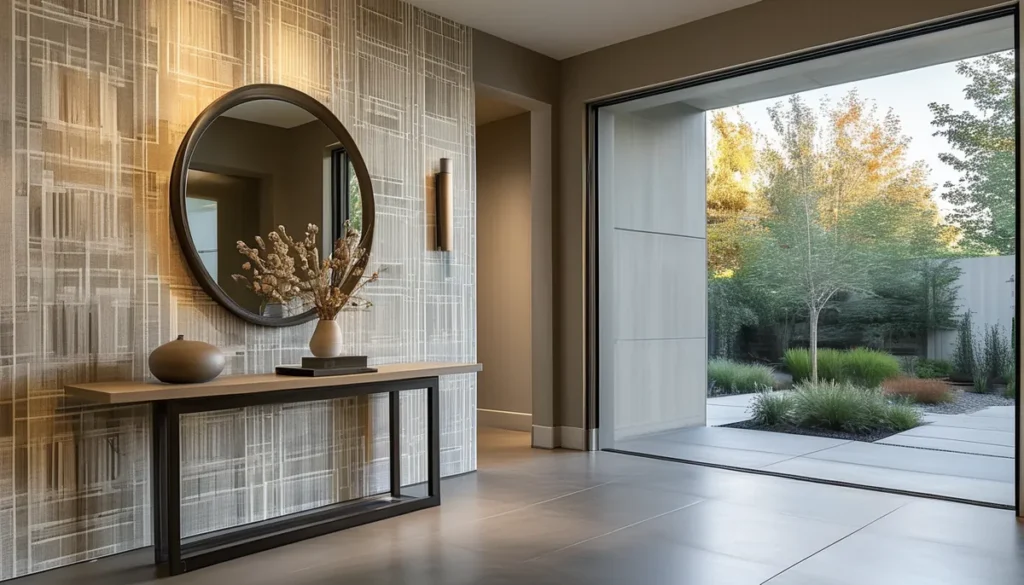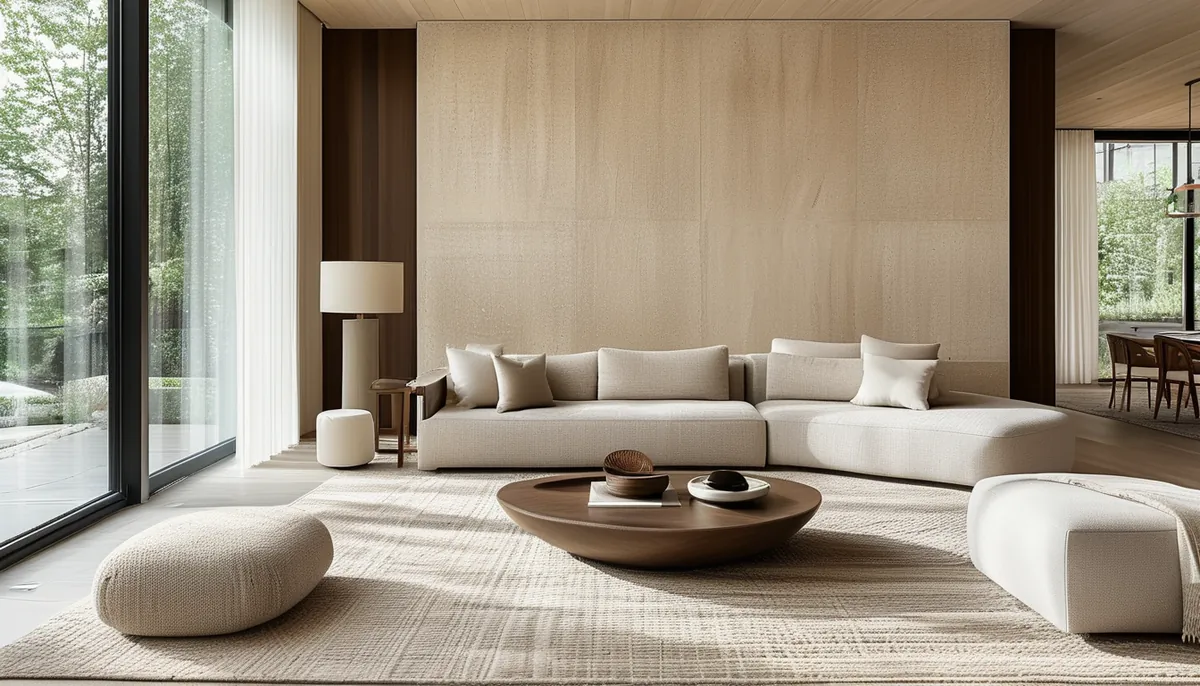
When choosing wallpaper, understanding the material is your first step. Different types offer distinct looks, durability, and installation challenges.
Choosing the right wallpaper material
Paper wallpaper, often called traditional or peelable wallpaper, is the most budget-friendly option. It’s made from paper pulp and usually has a smooth finish. While affordable and easy to remove, it’s also the least durable. Paper wallpaper can tear easily during installation and is susceptible to moisture damage, making it unsuitable for bathrooms or kitchens. Its primary advantage is its low cost and the wide variety of designs available.
Vinyl wallpaper is a popular choice for high-traffic areas and moisture-prone rooms like kitchens and bathrooms. It features a paper or fabric backing covered with a layer of PVC (polyvinyl chloride). This PVC layer makes it highly durable, scrubbable, and water-resistant. Vinyl wallpaper can withstand frequent cleaning, making it practical for homes with children or pets. It’s also forgiving during installation, as it can often be wiped down if adhesive gets on the surface. Look for options specifically rated for kitchens and bathrooms if moisture is a concern.
Non-woven wallpaper, also known as ‘paste-the-wall’ wallpaper, is made from a blend of synthetic fibers and paper pulp. This construction makes it more breathable than vinyl and easier to hang. The ‘paste-the-wall’ method means you apply the adhesive directly to the wall, not the paper, which speeds up the process and reduces the risk of over-soaking the paper. Non-woven wallpapers are generally durable, washable, and easy to remove, often peeling off in large strips without leaving residue. This material is excellent for most rooms in the house, offering a good balance of aesthetics, durability, and ease of use.
Textured wallpaper can be made from various materials, including grasscloth, fabric, wood veneer, or embossed vinyl. These wallpapers add depth and a tactile element to your walls. Grasscloth, for example, is made from natural plant fibers and offers a unique, organic look but can be delicate and difficult to clean. Fabric wallpapers, like silk or linen, provide a luxurious feel but are often more expensive and can stain easily. Embossed wallpapers, often vinyl-based, mimic the look of textured materials like stucco or raised patterns and are generally more durable and easier to maintain than natural fibers or fabrics.
Textile wallpaper, such as silk, linen, or cotton, offers a sophisticated and luxurious appearance. These wallpapers add a soft texture and depth to walls, creating an elegant ambiance. However, they are typically more expensive, prone to staining, and require professional installation and care. They are best suited for low-traffic areas like bedrooms or dining rooms where they can be protected from wear and tear.
Metallic wallpaper incorporates metallic foils or inks to create a shimmering or reflective effect. These wallpapers can add a touch of glamour and sophistication, reflecting light to make a room feel larger and brighter. They are available in various patterns and finishes, from subtle shimmers to bold, high-shine designs. Metallic wallpapers are best used as accent walls due to their dramatic effect and can be more challenging to install perfectly, as imperfections in the wall surface may be more noticeable.
How to measure your walls for wallpaper
Accurate measurements are critical to avoid running out of wallpaper or having excessive waste. You’ll need a tape measure, a pencil, and a calculator. Measure the width and height of each wall you plan to cover. For each wall, multiply the width by the height to get the square footage of that wall. Add the square footage of all walls together to get the total square footage of the room. Always measure at the widest point of the wall and at the highest point of the ceiling. Remember to account for windows and doors; measure their width and height and subtract their square footage from the total. However, it’s often easier to simply measure the entire wall and then trim the wallpaper to fit around these openings.
When calculating how many rolls you need, consider the wallpaper’s pattern repeat. A larger pattern repeat means you’ll need more wallpaper because you’ll have to discard more of each subsequent strip to match the pattern. Most wallpaper is sold in double rolls. A standard double roll covers approximately 56 square feet (about 5.2 square meters), though this can vary. Check the manufacturer’s specifications for the exact coverage of the roll you are purchasing. It’s always better to buy one extra roll than to run short, as dye lots can vary between batches, making it impossible to get an exact color match later.
Preparing your walls for wallpaper
Proper wall preparation is crucial for a smooth, long-lasting wallpaper finish. Start by removing any old wallpaper or paint. For old wallpaper, use a scoring tool to create small holes in the paper, then apply a wallpaper stripper solution. Let it soak according to the product’s instructions, then scrape off the old paper with a putty knife or wallpaper scraper. If the walls are painted, ensure the paint is in good condition. If the paint is peeling or chalky, it needs to be addressed. Wash glossy paint with a degreaser and lightly sand it to create a surface the adhesive can grip. For matte or satin finishes, a good cleaning might suffice.
Next, fill any holes or cracks with spackling compound. Sand the repaired areas smooth once they are dry. Check for any bumps or imperfections; the smoother the wall, the better the wallpaper will adhere and look. After sanding, wipe down the walls with a damp cloth to remove dust. Allow the walls to dry completely. For optimal adhesion, especially with lighter-colored wallpapers or in rooms with high humidity, applying a wallpaper primer is highly recommended. Primer seals porous surfaces, prevents the wallpaper adhesive from soaking into the wall, and makes future removal easier. Ensure the primer is compatible with your chosen wallpaper type.
How to hang wallpaper
Hanging wallpaper can be a rewarding DIY project, but it requires patience and precision. First, ensure your walls are clean, dry, and primed. Cut your wallpaper strips to the required length, adding about 4 inches (10 cm) to the height for trimming at the ceiling and baseboard. If your wallpaper has a pattern repeat, carefully align the pattern on each successive strip before cutting. It’s best to cut several strips at once, ensuring the pattern is continuous.
For traditional wallpaper (paste-the-paper): Apply an even coat of wallpaper adhesive to the back of the wallpaper strip using a roller or brush. Fold the pasted ends towards the center (booking the paper) and let it rest for the time recommended by the manufacturer, usually 5-10 minutes, to allow the adhesive to activate. This also helps prevent bubbles.
For non-woven wallpaper (paste-the-wall): Apply the adhesive directly to the wall, covering an area slightly wider than your wallpaper strip. This method is generally faster and easier.
Starting in a corner or a well-lit area, position the first strip of wallpaper on the wall, leaving about 2 inches (5 cm) overlap at the ceiling. Use a wallpaper brush or smoother to smooth the paper from the center outwards, pushing out any air bubbles. Ensure the strip is perfectly plumb (vertical) using a spirit level or plumb bob. This is critical for the entire installation.
Butt the next strip up against the edge of the previous one, ensuring the pattern matches precisely. Avoid overlapping strips unless specifically instructed by the manufacturer, as this can create visible seams. Use a seam roller to gently press down the seams for a clean finish. Cut away the excess wallpaper at the ceiling and baseboard using a sharp utility knife and a straight edge or putty knife. Continue this process for all remaining strips, carefully matching the pattern at each seam.
For obstacles like light switches or outlets, turn off the power, remove the cover plates, and carefully cut an ‘X’ in the wallpaper over the opening. Trim the excess around the opening. Smooth the paper down, and then reattach the cover plate once the wallpaper is dry. After hanging all the wallpaper, wipe down the entire surface with a clean, damp sponge to remove any excess adhesive. Allow the wallpaper to cure completely, which can take 24-48 hours, before reattaching any fixtures.
Common wallpaper installation mistakes to avoid
Several common mistakes can lead to a frustrating installation and a less-than-perfect final look. One of the most critical is failing to prepare the walls properly. Hanging wallpaper over unprimed, dirty, or damaged walls will result in poor adhesion, visible imperfections, and potential peeling. Ensure walls are smooth, clean, and properly primed before you start.
Another common pitfall is not checking the pattern repeat and orientation. Hanging strips upside down or mismatching patterns at the seams will be immediately obvious and detract from the overall aesthetic. Always lay out your strips and confirm the pattern match before applying adhesive. When using a pattern, ensure it flows correctly from one strip to the next.
Forgetting to check the dye lot is another critical error. Wallpaper rolls from different batches can have slight color variations. Always inspect the dye lot numbers on all your rolls before starting and ensure they all match. If they don’t, contact the retailer immediately.
Not using enough adhesive or applying it unevenly is also problematic. For paste-the-paper, ensure full coverage and allow sufficient booking time. For paste-the-wall, apply a consistent layer of adhesive to the wall. Insufficient adhesive leads to bubbles and peeling edges. Conversely, using too much adhesive can cause it to seep through seams and create a mess that’s hard to clean.
Finally, not using a sharp blade when trimming can tear the wallpaper, leaving ragged edges. Always use a fresh, sharp blade in your utility knife for clean cuts at the ceiling, baseboard, and around openings. A dull blade will snag and pull the paper.
Understanding wallpaper promotions and discounts
Many retailers, including Atlantic Wallpaper & Decor, offer various promotions to make purchasing wallpaper more affordable. Keep an eye out for seasonal sales, holiday discounts, and clearance events. Signing up for email newsletters is a great way to be notified of upcoming sales and exclusive offers. Some retailers also provide first-time buyer discounts or loyalty programs that reward repeat customers.
Look for bundle deals where purchasing multiple rolls or coordinating items like borders or adhesives might result in savings. Sometimes, free shipping thresholds can help reduce the overall cost, especially for larger orders. Always compare prices across different retailers and check for coupon codes before making a final purchase. Don’t hesitate to ask customer service about any ongoing promotions or potential discounts.
Featured products and new collections
Atlantic Wallpaper & Decor often showcases featured products that highlight popular trends or new arrivals. These can include anything from luxurious grasscloth textures to bold, contemporary geometric patterns. Staying updated on these featured items can give you a sense of current design directions and inspire your own choices. Regularly checking the ‘New Arrivals’ or ‘New Collections’ section of their website is key to discovering the latest styles and designs in wallpaper and coordinating fabrics. This is where you’ll find the freshest patterns, color palettes, and material innovations that can truly update your home’s aesthetic.
Exploring all our brands
A significant advantage of shopping with a large retailer like Atlantic Wallpaper & Decor is the access to a wide array of reputable brands. From well-known international designers to specialized boutique manufacturers, you can find a diverse selection catering to every taste and budget. Brands might range from classic, traditional styles to ultra-modern and avant-garde designs. Exploring ‘All Our Brands’ allows you to discover unique aesthetics and quality standards specific to each manufacturer. This curated selection ensures you’re choosing from established names known for their quality and design innovation. For example, you might find collections from brands like Rifle Paper Co., known for its whimsical floral and botanical prints, or other brands offering everything from sophisticated damasks to playful children’s patterns.
How to hang wallpaper videos and resources
Visual learning can be incredibly helpful when tackling a DIY wallpaper project. Many retailers, including Atlantic Wallpaper & Decor, offer ‘How to Hang Wallpaper’ videos. These step-by-step visual guides cover everything from measuring and preparing walls to cutting, applying paste, hanging strips, and trimming. Watching these videos can demystify the process, build your confidence, and help you avoid common mistakes. Look for videos that demonstrate techniques for different wallpaper types, such as paste-the-wall versus paste-the-paper methods.
Beyond videos, comprehensive guides and articles are often available. These resources can provide detailed instructions, tips for tricky areas like corners or around windows, and advice on choosing the right tools and adhesives. Some sites may also offer downloadable checklists or troubleshooting guides. These educational materials are invaluable for ensuring a professional-looking finish, even for beginners.
Measure up your project with confidence
The ‘Measure Up’ section on a retailer’s site is designed to help you accurately calculate the amount of wallpaper needed. This typically involves inputting the dimensions of your room—height, width, and length—and the number and size of windows and doors. The tool will then use this information, along with the specific wallpaper’s pattern repeat and roll coverage, to suggest how many rolls to purchase. Some calculators also factor in potential waste from pattern matching.
Using these tools can significantly reduce the risk of ordering too little or too much wallpaper. Remember that these are often estimates, and it’s generally advisable to add at least one extra roll to your order to account for any unforeseen issues or future repairs. Always double-check the calculated quantity against your own measurements and consider the complexity of your room’s layout and the wallpaper pattern.
Exploring different wallpaper styles
The world of wallpaper offers an incredible range of styles to suit any decor. Traditional patterns, like damasks, florals, and paisleys, offer timeless elegance and work well in classic or formal settings. They can add a touch of sophistication to dining rooms or living rooms. For a more contemporary feel, geometric patterns, including chevrons, stripes, and abstract designs, are popular. These can bring energy and a modern edge to bedrooms, offices, or even hallways. Stripes, in particular, can be used to visually alter the perception of a room’s dimensions, making ceilings appear higher or rooms wider.
Nature-inspired designs, such as botanical prints, trees, and landscapes, bring the outdoors in. These can range from delicate floral motifs to lush jungle scenes. They create a calming and organic atmosphere, perfect for bedrooms or living areas. For a bolder statement, animal prints and global-inspired patterns, like Moroccan tiles or tribal motifs, can add personality and flair to a space. These are excellent for accent walls or rooms where you want to make a strong design statement.
Faux finishes mimic the look of other materials, such as brick, wood, concrete, or marble. These offer the aesthetic appeal of these materials without the cost or installation complexity. They can provide an industrial vibe with a faux brick or concrete look, or a touch of rustic charm with a faux wood design.
Themed wallpapers cater to specific interests or aesthetics. This includes everything from vintage styles and art deco designs to modern farmhouse and Scandinavian looks. Specialty wallpapers, like those with glitter, flocking, or metallic accents, add unique textures and visual interest. For a truly dramatic impact, consider custom wallpaper murals, which can transform an entire wall into a stunning piece of art. These murals can depict anything from serene landscapes to vibrant cityscapes or abstract art, offering unparalleled personalization.
The enduring appeal of patterns like plaid wallpaper also remains strong, offering a classic, preppy, or rustic charm depending on the color and scale of the pattern.