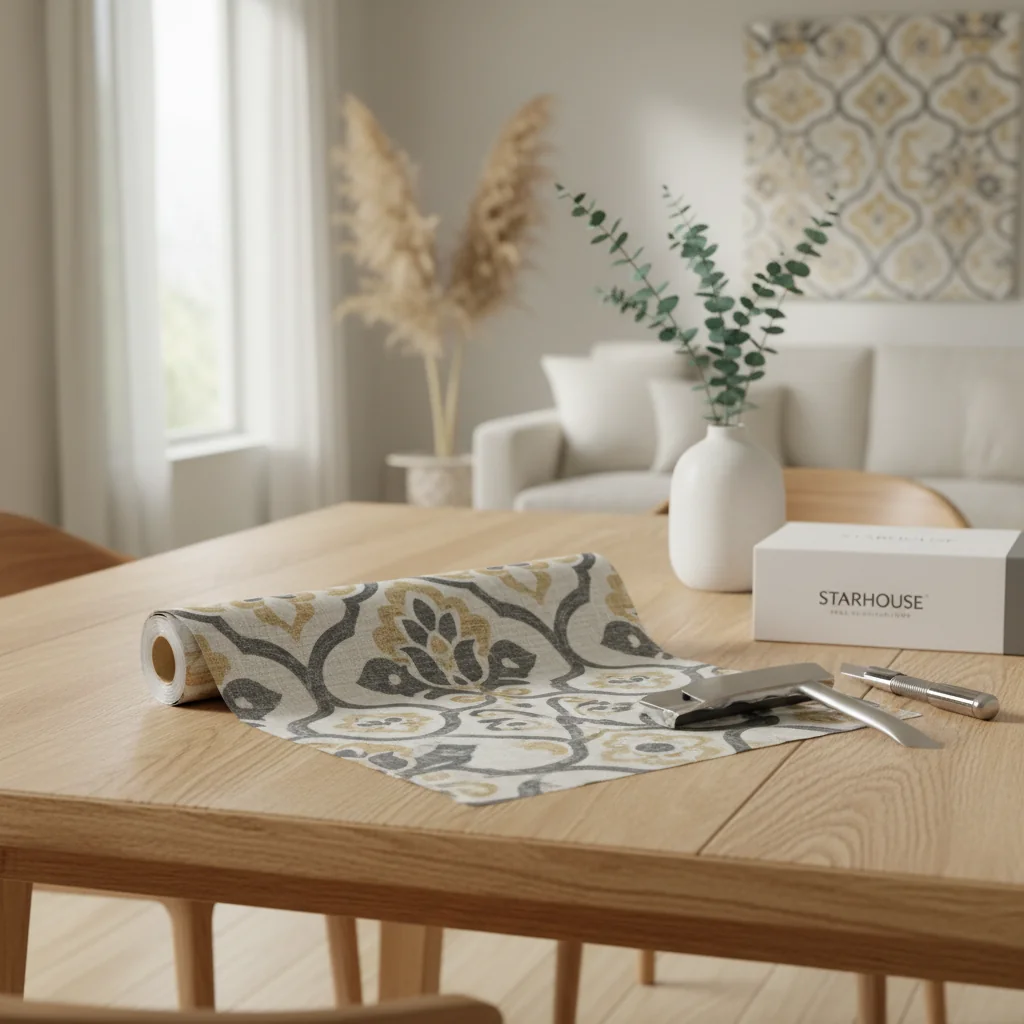
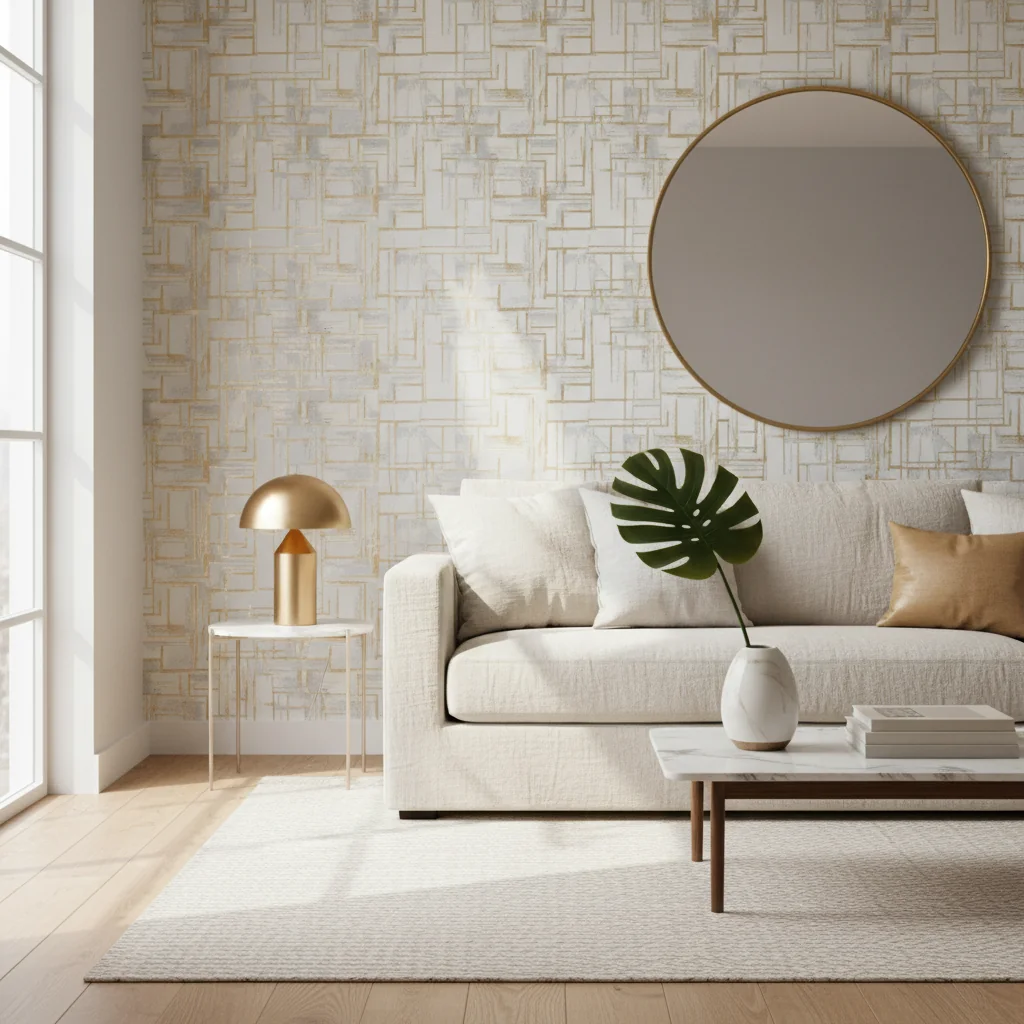
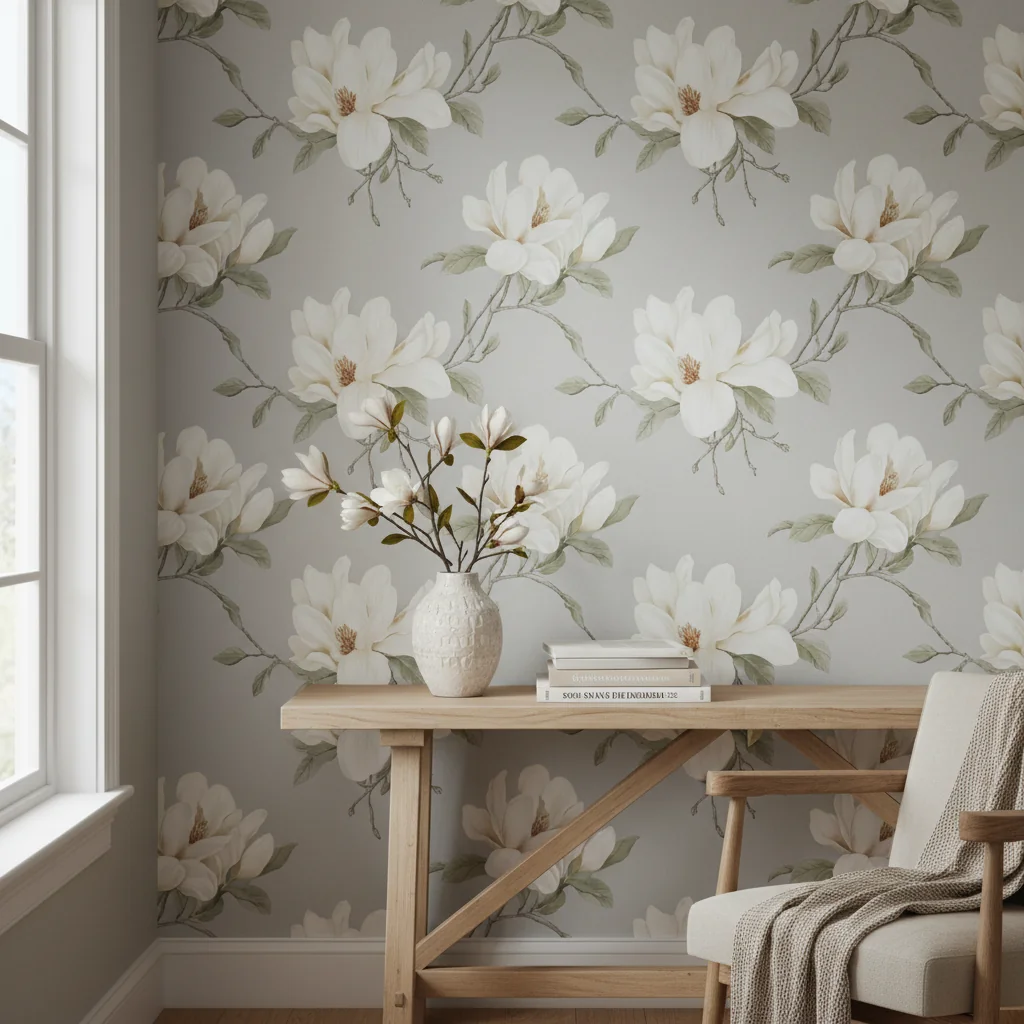
Blush wallpaper, defined as wallcovering featuring a soft, muted pink hue often infused with undertones of beige, peach, or rose, offers an unparalleled blend of sophistication and warmth, transforming interiors into serene and inviting sanctuaries. This versatile design element, typically constructed from materials such as non-woven cellulose or vinyl, provides both aesthetic depth and practical durability, making it a cornerstone for contemporary and classic décor schemes across the United States. Its inherent subtlety allows for broad application, from creating a delicate backdrop in a bedroom to serving as a bold, yet refined, statement in a living area, demonstrating a remarkable capacity to elevate any space with understated elegance.
Key Takeaways
- Blush wallpaper encompasses a diverse spectrum of soft, muted pinks, offering significant versatility for various design aesthetics from minimalist to maximalist.
- Selecting the appropriate blush wallpaper requires careful consideration of material types (e.g., peel-and-stick, traditional, non-woven vinyl) and their specific properties like durability, moisture resistance, and ease of installation.
- Accurate wall measurement and calculation of wallpaper rolls, including a 10-15% overage for pattern matching and trimming, are critical for a seamless, professional installation.
- Blush tones pair harmoniously with a wide array of colors, including neutrals, metallics, deep greens, and blues, enabling designers to craft balanced and cohesive interior palettes.
- Adherence to safety standards, particularly concerning lead content in older homes or specific products, is paramount during installation and maintenance, with federal regulations providing clear guidelines.
- Proper care, tailored to the specific wallpaper material, ensures the longevity and pristine appearance of blush wallcoverings, protecting the investment in your home’s aesthetic.
Understanding Blush Wallpaper: A Spectrum of Sophistication
Blush wallpaper represents a nuanced category of wallcoverings characterized by its delicate, soft pink coloration, which typically incorporates subtle infusions of beige, peach, or rose to achieve a sophisticated, understated aesthetic. This specific hue is not merely “pink”; rather, it is a refined interpretation that avoids the saccharine qualities often associated with brighter pinks, instead offering a mature and versatile palette that significantly enhances interior design. Its appeal lies in its ability to introduce warmth, elegance, and a calming ambiance without overwhelming a space, making it a highly sought-after choice for designers and homeowners alike.
The color psychology of blush is deeply rooted in its association with comfort, serenity, and understated luxury. Psychologically, soft pinks evoke feelings of tenderness, compassion, and tranquility, creating environments that promote relaxation and well-being. Unlike vibrant reds that stimulate or stark whites that can feel sterile, blush provides a gentle visual embrace, fostering a sense of security and softness. This makes it an ideal choice for private retreats such as bedrooms and nurseries, where a calming atmosphere is paramount, but also for communal spaces where a welcoming and sophisticated tone is desired.
Historically, variations of soft pink have appeared in interior design for centuries, though “blush” as a distinct trend has gained significant traction in recent decades, particularly with the rise of minimalist and Scandinavian-inspired aesthetics. In the Rococo era, delicate pastels, including light rose and peach tones, were prevalent, symbolizing opulence and refined taste. The Victorian era saw a resurgence of floral patterns often featuring muted pinks, emphasizing romance and intricacy. The contemporary embrace of blush wallpaper, however, is marked by its versatility and modernity, moving beyond overtly feminine connotations to become a gender-neutral and widely appealing design element. It signifies a shift towards softer, more organic color schemes that prioritize comfort and natural light, aligning perfectly with modern living sensibilities.
The spectrum of blush undertones is crucial for selecting the ideal shade for a specific interior. Warm blush tones, infused with peach or coral, tend to create a sunnier, more inviting atmosphere, often complementing natural wood finishes and brass accents. These warm variants can make a room feel cozier and more intimate, especially in spaces with ample natural light. Conversely, cool blush tones, which lean towards lavender or grey, offer a more contemporary and serene feel. These cooler interpretations pair exceptionally well with chrome, silver, or matte black finishes, and are particularly effective in spaces aiming for a minimalist or modern-chic aesthetic. Neutral blush, often containing a balanced beige or taupe base, provides maximum versatility, acting as an elegant backdrop that harmonizes with almost any existing décor or color scheme. Understanding these subtle distinctions is essential for achieving a cohesive and intentional design outcome with blush wallpaper.
Types of Blush Wallpaper: Beyond the Surface
The world of blush wallpaper extends far beyond a singular product, encompassing a variety of types each with distinct characteristics regarding installation, durability, and aesthetic impact. Choosing the correct type is paramount to ensuring both the visual success and functional longevity of your wallcovering project. Different compositions cater to specific needs, from temporary updates to long-term, high-traffic solutions, directly influencing the preparation required, the application process, and the overall maintenance of the finished wall.
Peel-and-Stick Wallpaper
Peel-and-stick wallpaper, also known as self-adhesive or removable wallpaper, features an adhesive backing that is protected by a release liner, allowing for easy application and removal without the need for traditional paste. This type is ideal for renters, those who frequently redecorate, or individuals seeking a low-commitment design solution. Its primary benefit lies in its ease of installation and removal, often requiring only basic tools like a utility knife and a smoother. Most peel-and-stick options are made from vinyl or non-woven materials, offering reasonable durability and wipeability. However, proper wall preparation, including cleaning and priming, is still crucial to ensure optimal adhesion and prevent bubbling.
Traditional Wallpaper (Pre-pasted and Unpasted)
Traditional wallpaper refers to wallcoverings that require adhesive for installation, falling into two main categories: pre-pasted and unpasted. Pre-pasted wallpaper comes with a dry adhesive applied to its backing that is activated by water, typically by soaking or misting the paper. Unpasted wallpaper requires a separate adhesive (paste) to be applied to its back or directly to the wall before hanging. Both types offer a more permanent and durable solution compared to peel-and-stick options, often available in a wider range of materials and textures, including heavy-duty vinyls and delicate paper-based designs. Installation for traditional wallpaper is generally more involved, often requiring specialized tools and techniques, and is typically best suited for long-term applications where removal is not a frequent consideration.
Liquid Wallpaper (Textile Wallcoverings)
Liquid wallpaper, more accurately described as textile wallcoverings or fabric-backed wallcoverings, is a premium category that often features a textile surface (such as silk, linen, or synthetic fibers) bonded to a paper or non-woven backing. This type is renowned for its luxurious feel, tactile depth, and superior acoustic properties, which can help dampen sound within a room. While not “liquid” in application, the term sometimes colloquially refers to textured wall finishes. These wallcoverings are installed using heavy-duty wallpaper paste and require meticulous attention during application due to their weight and delicate surface. They offer a unique aesthetic that cannot be replicated by printed papers, providing rich texture and an unparalleled sense of sophistication.
Wall Murals
Blush wall murals are large-scale, continuous images or patterns printed onto wallpaper panels that, when installed together, create a seamless, expansive design across an entire wall. Unlike repeating patterns, murals offer a singular, often artistic, statement piece, providing depth and a unique focal point to a room. They can depict anything from abstract art and scenic landscapes to oversized floral motifs in blush tones. Murals are available in both peel-and-stick and traditional paste-the-wall formats, allowing for flexibility in installation based on the desired permanence and DIY skill level. The precise alignment of panels is critical for a flawless mural installation, often requiring careful planning and execution.
Fabric-Backed Vinyl Wallpaper
Fabric-backed vinyl wallpaper consists of a solid vinyl surface layer laminated to a fabric backing, typically made of woven or non-woven synthetic fibers. This construction results in an exceptionally durable, tear-resistant, and washable wallcovering that is highly suitable for high-traffic areas, commercial spaces, and rooms prone to moisture, such as bathrooms and kitchens. The fabric backing provides stability and helps prevent shrinking or stretching during installation, making it easier to handle than some other heavy-duty options. Its robust nature ensures longevity and ease of maintenance, making it a practical choice for functional yet aesthetically demanding environments.
Grasscloth and Natural Fiber Wallpaper
Grasscloth wallpaper is a type of natural fiber wallcovering made from hand-woven fibers such as sisal, jute, hemp, or seagrass, which are then laminated onto a paper backing. This material offers unparalleled texture, depth, and an organic, artisanal aesthetic that introduces warmth and natural elegance to a space. Each roll of grasscloth is unique, featuring slight variations in color and weave, which contribute to its distinctive charm. Installation requires specialized adhesive and careful handling, as grasscloth can be delicate and is typically not washable. It is important to note that seams are often visible with grasscloth, which is considered part of its inherent character and appeal, rather than a flaw.
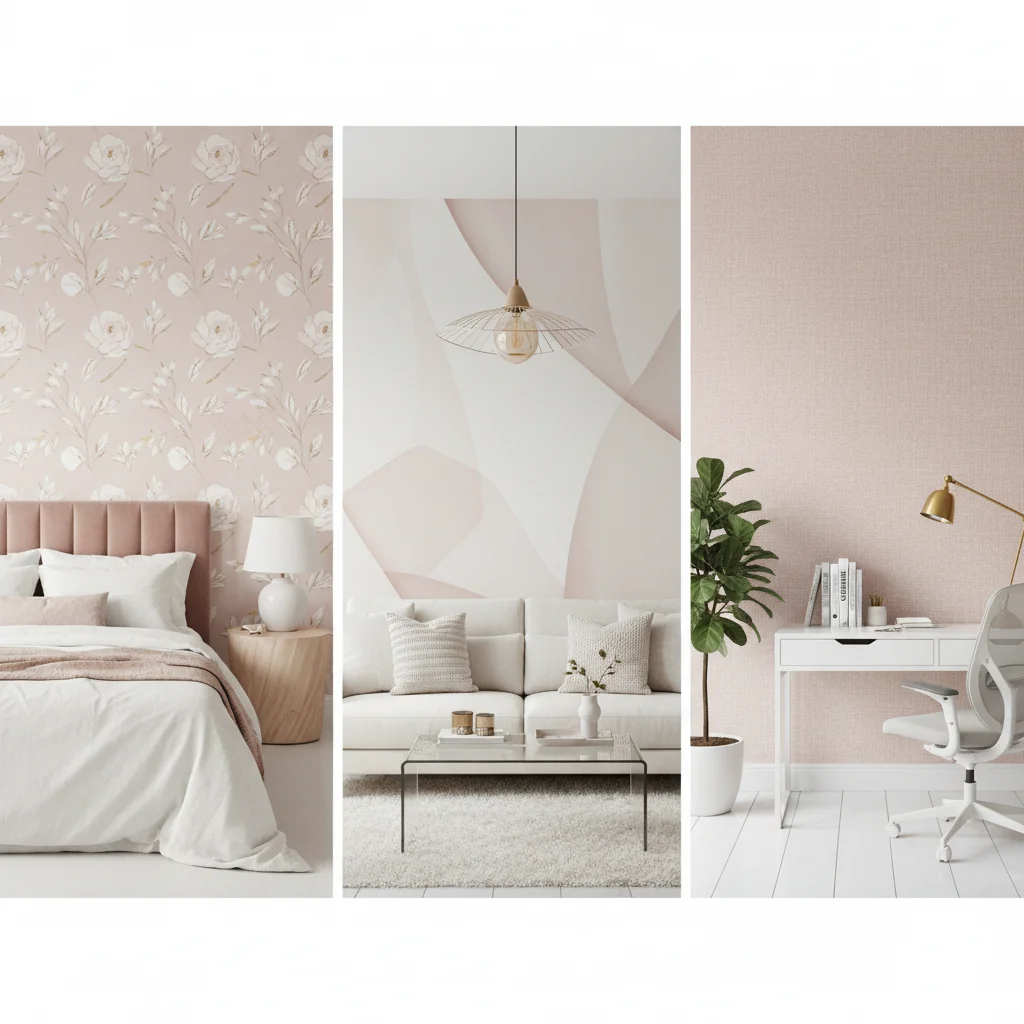
Understanding these distinct types of blush wallpaper allows for informed decision-making, ensuring that the chosen product not only aligns with your aesthetic vision but also meets the practical demands of its intended application. Each type offers a unique balance of beauty, durability, and ease of installation, catering to a broad spectrum of design projects and lifestyle requirements.
Materials and Their Impact: From Durability to Tactile Experience
The material composition of blush wallpaper significantly dictates its performance, aesthetic qualities, and suitability for various environments, influencing factors such as durability, cleanability, and ease of installation. Different materials offer distinct tactile experiences and visual effects, ranging from robust, washable surfaces ideal for high-traffic areas to delicate, luxurious textures designed for sophisticated retreats. A comprehensive understanding of these materials is essential for making an informed selection that aligns with both functional requirements and design aspirations.
Vinyl Wallpaper (Solid Vinyl and Fabric-Backed Vinyl)
Vinyl wallpaper is one of the most popular and versatile options due to its exceptional durability and ease of maintenance.
Solid vinyl wallpaper is a wallcovering where the decorative surface is made entirely of vinyl, offering superior resistance to moisture, stains, and abrasion.
This makes it an excellent choice for bathrooms, kitchens, and high-traffic areas where frequent cleaning is necessary. It is typically washable and scrubbable, capable of withstanding robust cleaning agents.
Fabric-backed vinyl, as previously discussed, combines the strength of a vinyl surface with a textile backing, further enhancing its tear resistance and dimensional stability, making it a preferred option for commercial applications or durable residential settings. Both types of vinyl wallpaper are relatively easy to install and remove, offering a practical yet attractive solution.
Non-Woven Wallpaper
Non-woven wallpaper is a modern and increasingly popular material composed of a blend of natural and synthetic fibers, such as cellulose and polyester. This composition makes it highly breathable, preventing moisture entrapment that can lead to mold and mildew, and exceptionally easy to install and remove.
Non-woven wallpaper is a wallcovering made from a breathable blend of synthetic and natural fibers, known for its ease of installation and removal, and resistance to tearing.
It is often referred to as “paste-the-wall” wallpaper because the adhesive is applied directly to the wall, not the paper, simplifying the process and reducing mess. Non-woven materials are also dimensionally stable, meaning they resist shrinking or expanding when wet, leading to seamless installations. They are generally washable and environmentally friendly, as they are often PVC-free and recyclable.
Paper-Based Wallpaper
Paper-based wallpaper, often the most traditional form, is made entirely from paper pulp. While it offers a classic aesthetic and can be very cost-effective, it is also the most delicate type of wallpaper. It is less durable than vinyl or non-woven options and is generally not washable, making it unsuitable for high-moisture or high-traffic areas. Installation requires careful handling to prevent tearing or stretching, and removal can sometimes be challenging, often requiring scoring and wetting. Despite these limitations, paper-based wallpapers are excellent for creating intricate patterns and delicate finishes in low-traffic areas like formal living rooms or guest bedrooms, where their inherent charm and historical appeal are prioritized.
Textile/Fabric Wallpaper
Textile or fabric wallpaper incorporates natural or synthetic fibers woven onto a backing, providing a luxurious, soft, and warm tactile experience. Materials like silk, linen, velvet, or even fine jacquards can be used, imbuing a room with unparalleled elegance and depth. This type of wallpaper also offers acoustic benefits, helping to absorb sound and create a quieter environment. Due to their delicate nature and often intricate construction, textile wallpapers are typically high-end products requiring professional installation and specialized care. They are generally not washable and are best suited for formal living areas, dining rooms, or master bedrooms where their aesthetic impact is paramount and exposure to wear and tear is minimal.
Mylar/Foil Wallpaper
Mylar or foil wallpaper features a thin metallic film (Mylar) or actual metal foil laminated onto a paper or non-woven backing. This material creates a highly reflective, glamorous surface that catches and plays with light, adding a sense of drama and sophistication to a room. Mylar wallpapers are often used to create a statement wall or to brighten a dimly lit space, as their reflective properties can make a room feel larger and more luminous. They are generally durable and washable, but installation requires an exceptionally smooth wall surface, as any imperfections will be highlighted by the reflective finish. Careful handling is also necessary to prevent creasing or scratching the metallic surface.
Specialty Finishes (Flocked, Embossed, Metallic)
Beyond the base material, many blush wallpapers feature specialty finishes that add an extra layer of visual and tactile interest.
Flocked wallpaper is a wallcovering featuring raised, velvet-like patterns created by adhering fine textile fibers onto the surface, providing a luxurious, three-dimensional texture.
Embossed wallpaper has a raised pattern pressed into the material, creating a textural relief that adds depth and sophistication. Metallic accents, often incorporated into printed patterns or as a Mylar/foil base, introduce shimmer and glamor, particularly effective in blush tones where they enhance the warm glow. These specialty finishes elevate the design, providing a bespoke feel and enhancing the overall decorative scheme.
| Material Type | Durability | Ease of Installation | Aesthetic Qualities | Price Range (Approx.) | Ideal Use Cases |
|---|---|---|---|---|---|
| Peel-and-Stick (Vinyl/Non-Woven) | Moderate to High | Very Easy (DIY-friendly) | Modern, versatile, temporary | Moderate | Rentals, temporary décor, accent walls, DIY projects |
| Traditional (Paper-Based) | Low to Moderate | Moderate (can be delicate) | Classic, intricate patterns, matte finishes | Low to Moderate | Low-traffic areas, formal rooms, guest bedrooms |
| Traditional (Non-Woven) | High | Easy (Paste-the-wall) | Contemporary, seamless, breathable | Moderate to High | Most rooms, high-traffic areas, eco-conscious designs |
| Traditional (Solid Vinyl) | Very High | Moderate | Practical, robust, wide range of patterns | Moderate | Bathrooms, kitchens, laundry rooms, high-traffic areas |
| Traditional (Fabric-Backed Vinyl) | Exceptional | Moderate (heavy, stable) | Durable, commercial-grade, textured options | Moderate to High | Commercial spaces, very high-traffic residential areas |
| Textile/Fabric | Moderate (delicate surface) | Difficult (professional recommended) | Luxurious, tactile, acoustic benefits | High | Formal living/dining rooms, master bedrooms, studies |
| Grasscloth/Natural Fiber | Moderate (delicate, not washable) | Difficult (professional recommended) | Organic, textured, natural, unique variations | High | Accent walls, living rooms, bedrooms (low moisture) |
| Mylar/Foil | High (surface can scratch) | Moderate (needs very smooth walls) | Glamorous, reflective, modern, statement-making | Moderate to High | Accent walls, powder rooms, contemporary spaces |
Each material presents a distinct set of advantages and considerations, allowing for tailored solutions to diverse design challenges. At Starhouse, we understand the importance of material integrity and curate our selections to ensure both enduring beauty and practical functionality for your home.
Deciphering Blush Wallpaper Styles and Patterns
Blush wallpaper transcends a single aesthetic, manifesting in an extensive array of styles and patterns that can dramatically alter the mood and character of a room. From minimalist solids to intricate botanicals, each design offers a unique visual language, enabling homeowners and designers to tailor the blush hue to specific interior visions. Understanding the nuances of these styles is crucial for selecting a pattern that harmonizes with existing décor, architectural elements, and the desired emotional impact of the space.
Solid and Textured Blush
Solid blush wallpaper provides a clean, understated backdrop, allowing other design elements in the room to take precedence while still infusing warmth and color. This style is particularly effective in minimalist or Scandinavian-inspired interiors where simplicity and tranquility are valued. Textured solid blush wallpapers, featuring subtle weaves, slub effects, or embossed patterns, add depth and tactile interest without introducing a graphic motif. These textures catch the light in unique ways, creating a dynamic surface that feels both sophisticated and inviting. They are excellent for creating a serene atmosphere in bedrooms or for providing a soft, continuous color wash in living areas.
Geometric Blush Patterns
Geometric patterns in blush tones introduce structure, rhythm, and a contemporary edge to a space. These designs can range from bold, large-scale interlocking shapes to delicate, repeating motifs like hexagons, chevrons, or abstract lines. Art Deco-inspired blush geometrics often feature metallic accents, adding a touch of glamor and vintage sophistication. Modern geometric blush patterns tend to be cleaner, with softer lines and often irregular shapes, aligning with contemporary design trends. They are ideal for creating a focal point in a living room, adding visual interest to a home office, or bringing a playful yet refined energy to a powder room.
Floral and Botanical Blush
Floral and botanical patterns are a timeless choice, and in blush, they take on a particularly romantic and elegant character. These designs can vary widely, from delicate, small-scale sprigs reminiscent of vintage chintz to large, dramatic, and abstract floral murals. Watercolor-effect blush botanicals offer a soft, ethereal quality, perfect for creating a dreamy bedroom or a serene dining area. More vibrant or stylized floral patterns can bring a playful, contemporary feel. The combination of natural motifs with the gentle blush hue creates a harmonious balance, connecting interiors to the tranquility of the outdoors while maintaining a sophisticated palette.
Abstract and Artistic Blush
Abstract and artistic blush wallpapers serve as statement pieces, transforming walls into canvases. These patterns often feature painterly strokes, organic swirls, marbling effects, or fluid, non-representational designs. They are perfect for contemporary interiors seeking a unique, gallery-like aesthetic. The beauty of abstract blush patterns lies in their ability to evoke emotion and spark conversation without adhering to specific themes. They can introduce a sense of movement and creativity, making a room feel dynamic and personalized. These designs are particularly effective in accent walls or in creative spaces like studios or modern living rooms.
Stripes and Metallics in Blush
Striped blush wallpapers, whether vertical or horizontal, offer a classic way to manipulate perceived room dimensions. Vertical stripes can make ceilings appear higher, while horizontal stripes can make a room feel wider. The addition of metallic elements, such as subtle gold or rose gold stripes, elevates the design, adding a touch of luxury and reflectivity. Metallic blush wallpapers, either as an overall finish or integrated into patterns, catch and refract light, creating a shimmering effect that enhances the room’s glamor and depth. These are excellent choices for adding sophistication to hallways, powder rooms, or a chic dressing area.
Toile and Damask Blush
For those drawn to traditional elegance, toile and damask patterns in blush offer a sophisticated nod to classical design. Toile de Jouy (often simply “toile”) patterns feature pastoral scenes, often in a single contrasting color against a light background, and in blush, they bring a romantic, timeless charm. Damask patterns, characterized by their ornate, often symmetrical, and raised designs, typically feature a subtle sheen or flocked texture. In blush, damask evokes a sense of regal opulence and historical grandeur, perfect for formal dining rooms, traditional bedrooms, or sophisticated living spaces that embrace classic aesthetics.
Kids’ and Nursery Themes in Blush
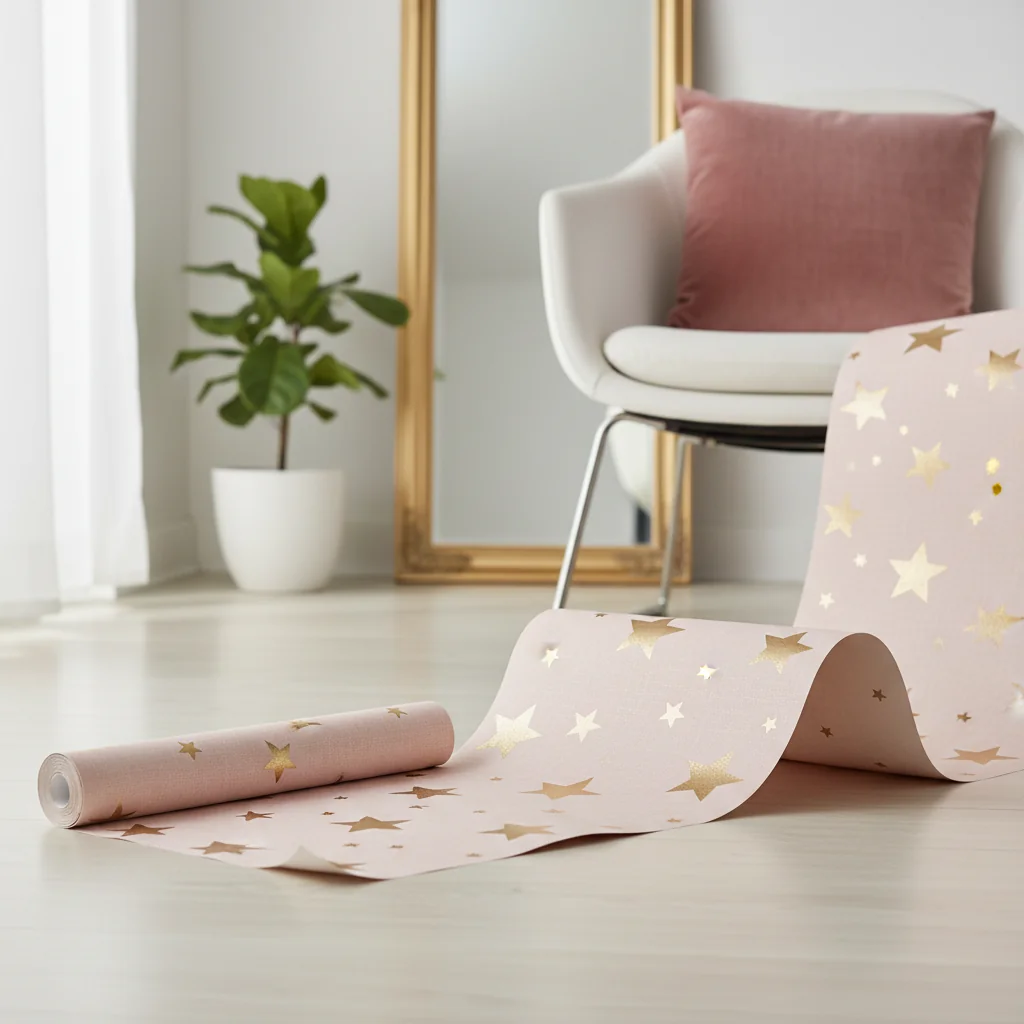
Blush is an increasingly popular choice for nurseries and children’s rooms, moving beyond traditional gender stereotypes to offer a soft, calming, and imaginative backdrop. Patterns can include whimsical animals, stars, clouds, subtle polka dots, or abstract playful shapes. The gentle nature of blush creates a serene environment conducive to rest and play, fostering a sense of comfort and security. When selecting blush wallpaper for children’s spaces, it is crucial to consider the material’s durability and cleanability, opting for washable vinyl or non-woven options to withstand daily wear and tear. Furthermore, ensuring the product meets safety standards for children’s products is paramount, particularly regarding lead content. The U.S. Consumer Product Safety Commission (CPSC) regulates lead in consumer products, establishing limits under the Consumer Product Safety Improvement Act (CPSIA). Specifically, the CPSC enforces lead content limits in children’s products to protect against health hazards, which could include certain types of paint or finishes on wallpaper. For detailed information, refer to 15 USC 1278a: Children’s products containing lead; lead paint rule.
Key considerations for pattern selection:
- Room Size and Scale: Large patterns can overwhelm small rooms, while small patterns might get lost in expansive spaces. Match the scale of the pattern to the size of the room for visual balance.
- Existing Décor and Furniture: Ensure the wallpaper pattern complements the style, color, and scale of your furniture and existing decorative elements. Avoid clashing patterns or an overly busy aesthetic.
- Desired Mood and Ambiance: Floral patterns often create a romantic feel, geometrics a modern one, and solids a serene one. Choose a pattern that aligns with the emotional atmosphere you wish to cultivate.
- Lighting Conditions: Patterns with metallic elements or reflective surfaces will react differently to natural and artificial light, impacting the room’s perceived brightness and glamor.
- Focal Point vs. Background: Decide whether the wallpaper is intended to be a dominant focal point or a subtle background element. Bold patterns are best for focal points, while subtle textures or small repeating patterns work well as backgrounds.
By carefully considering these stylistic nuances, you can harness the full potential of blush wallpaper to create interiors that are not only beautiful but also deeply reflective of your personal taste and lifestyle.
Choosing the Perfect Blush Wallpaper for Your Space
Selecting the ideal blush wallpaper involves a nuanced decision-making process that extends beyond mere aesthetic preference, requiring careful consideration of room functionality, lighting, existing color palettes, and overall design aspirations. The right choice will seamlessly integrate into your home, enhancing its ambiance and reflecting a sophisticated design sensibility, while a mismatched selection can detract from the intended effect. This comprehensive approach ensures that your blush wallpaper not only looks stunning but also performs optimally within its designated environment.
Room Functionality and Material Suitability
The intended use of a room significantly influences the type of blush wallpaper material you should select.
- Living Room: As a central gathering space, the living room can accommodate a wide range of blush wallpaper styles. Consider grand statements with large-scale floral murals or sophisticated geometric patterns. Durable non-woven or fabric-backed vinyl options are excellent for longevity, especially in homes with children or pets.
- Bedroom: For a sanctuary of rest, focus on serenity and comfort. Subtle solid blush textures, soft botanical prints, or gentle abstract patterns in non-woven materials are ideal. Prioritize breathability and ease of removal if redecorating frequently.
- Bathroom/Powder Room: High moisture levels demand specific material properties. Washable vinyl or fabric-backed vinyl blush wallpaper is essential to resist humidity and splashes. These rooms often serve as opportunities for bold, unexpected choices, such as metallic blush patterns or vibrant florals, due to their smaller size.
- Dining Room: Elegance and conversation are key. Consider luxurious textile blush wallpapers for their tactile depth or sophisticated damask patterns for a traditional feel. Non-woven wallpapers with subtle metallic accents can also create a refined backdrop for entertaining.
- Home Office: Promote inspiration and focus with blush wallpaper that offers a calming yet stimulating environment. Geometric patterns in muted blush can add structure, while a soft, solid texture can provide a serene backdrop for concentration.
- Nursery/Kids’ Room: Beyond aesthetics, safety is paramount. Opt for non-toxic, washable, and durable blush wallpaper. Ensure any chosen product adheres to federal safety guidelines regarding lead content, especially if the wallpaper has painted elements or specific finishes. The U.S. Environmental Protection Agency (EPA) provides comprehensive guidelines on lead-safe practices and hazard standards. The EPA’s regulations, such as those under TSCA Sections 402 and 403, establish hazard standards and clearance levels for lead in paint, dust, and soil, which are crucial for ensuring a safe environment in children’s spaces. Consult resources like the Hazard Standards and Clearance Levels for Lead in Paint, Dust and Soil (TSCA Sections 402 and 403) for detailed compliance information.
Lighting Considerations
The way blush wallpaper interacts with light is a critical design factor.
- Natural Light: In rooms with abundant natural light, blush wallpaper can appear lighter and more vibrant. Warm blush tones will glow, while cooler blushes will maintain their serene quality. Consider how the light changes throughout the day.
- Artificial Light: The type of artificial lighting (warm vs. cool bulbs) will significantly impact the perceived color of blush wallpaper. Warm LED or incandescent bulbs will enhance peach and rose undertones, making the room feel cozier. Cooler, daylight-balanced bulbs will emphasize grey or lavender undertones, creating a crisper, more modern look. Metallic finishes on blush wallpaper will reflect artificial light, adding glamor.
- Direction of Light: Walls receiving direct light may highlight subtle textures and patterns more effectively, while walls in shadow might benefit from lighter blush tones or reflective materials to prevent the space from feeling dim.
Existing Color Palette and Overall Aesthetic
A cohesive design integrates blush wallpaper seamlessly with your home’s existing color scheme and desired aesthetic.
- Complementary Colors: Blush pairs beautifully with a wide array of colors. Neutrals like cream, beige, and soft gray create a serene and sophisticated palette. Deep greens (sage, emerald), navy blues, and rich teals offer striking contrast and depth. Metallics like gold, brass, and rose gold enhance blush’s warmth and luxury.
- Contrasting Colors: For a bolder statement, introduce deeper, richer hues in furnishings or accents. Charcoal gray, deep burgundy, or even black can provide a dramatic counterpoint to soft blush.
- Overall Aesthetic:
- Modern/Minimalist: Opt for solid blush, subtle textures, or abstract geometric patterns.
- Traditional/Classic: Consider damask, toile, or intricate floral designs.
- Bohemian/Eclectic: Large-scale botanicals, natural grasscloth, or hand-painted murals can introduce character.
- Glam/Art Deco: Metallic blush patterns, geometric designs with gold accents, or flocked textures are ideal.
Budget Considerations
Wallpaper prices vary significantly based on material, brand, and complexity of the design.
- Entry-Level: Basic paper-based or simple vinyl peel-and-stick blush wallpapers offer an affordable way to introduce color and pattern.
- Mid-Range: Non-woven and higher-quality vinyl options, including those with subtle textures or more intricate prints, provide a balance of durability and design.
- High-End: Textile, grasscloth, Mylar, or custom mural blush wallpapers represent a significant investment, justified by their unique aesthetic, tactile quality, and often professional installation requirements.
Remember to factor in potential professional installation costs, especially for complex patterns or delicate materials, as this can add 50-100% to the material cost.
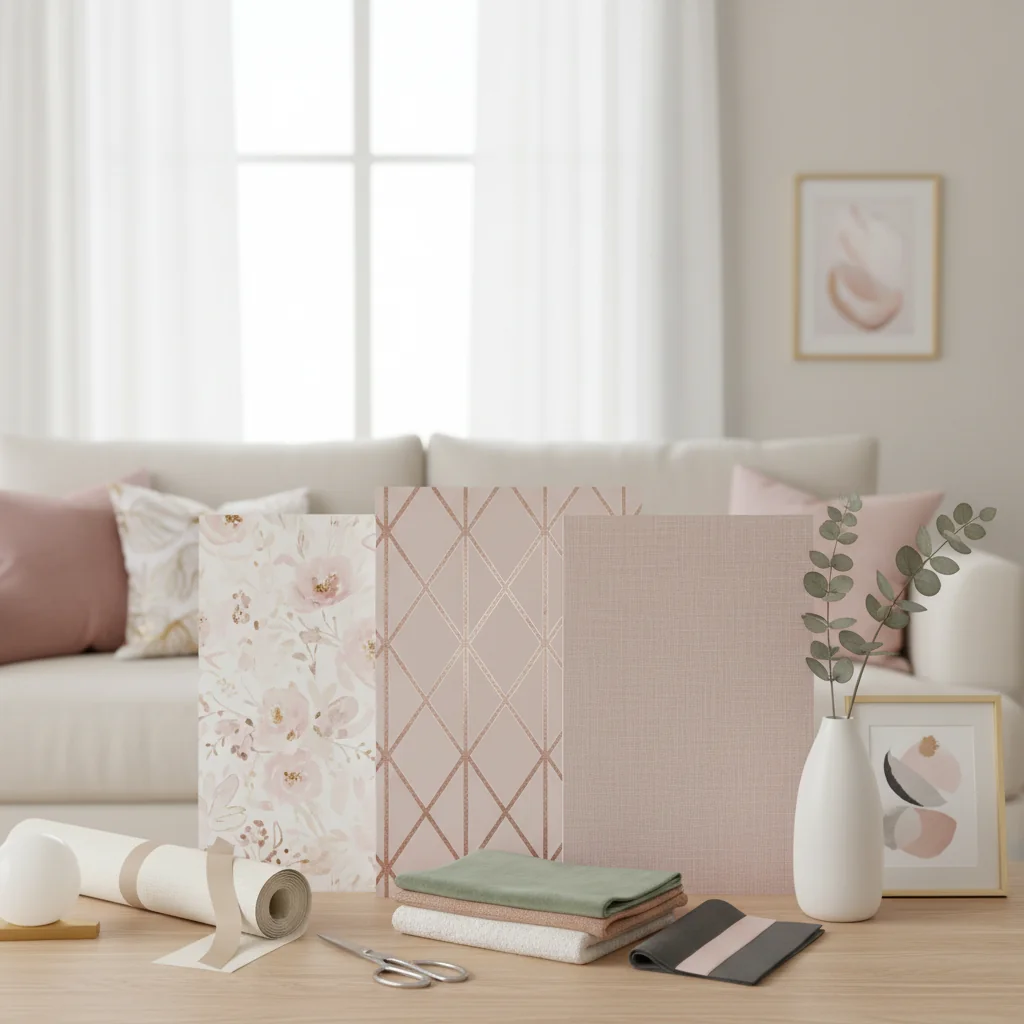
Step-by-step decision-making process:
- Define Room Function: Determine the primary use of the room and necessary material properties (e.g., moisture resistance, durability).
- Assess Lighting: Observe natural and artificial light conditions and how they might affect blush tones.
- Evaluate Existing Décor: Consider furniture, textiles, and other colors to ensure harmonious integration.
- Determine Desired Mood: Decide if you want a serene, vibrant, formal, or playful atmosphere.
- Explore Styles & Patterns: Research various blush wallpaper styles (solids, geometrics, florals) that align with your aesthetic.
- Obtain Samples: Always order samples to test how the blush color and pattern appear in your actual space under different lighting conditions.
- Set a Budget: Establish a realistic budget for both materials and potential installation.
- Measure Accurately: Proceed to the next step of precise measurement once your choice is finalized.
By meticulously working through these considerations, you can confidently select a blush wallpaper that not only transforms your space but also stands the test of time, both aesthetically and functionally.
Accurate Sizing and Measurement for Flawless Installation
Accurate sizing and meticulous measurement are the foundational steps for any successful wallpaper installation, directly impacting both the aesthetic outcome and the overall project budget by preventing material waste. Precision in these calculations ensures that you purchase the correct quantity of blush wallpaper rolls, minimize visible seams, and achieve a professional, seamless finish, regardless of whether you opt for a DIY approach or professional installation. Errors in measurement can lead to frustrating delays, additional costs for reordering, and an unsightly final product.
Tools Required for Measurement
Before beginning, gather the necessary tools for precise measurement:
- Steel Measuring Tape: A retractable metal tape measure, at least 25 feet long, is essential for accurate wall dimensions.
- Pencil: For marking measurements directly on the wall or on a sketch.
- Paper and Pen: To record all dimensions clearly and systematically.
- Step Ladder or Stepladder: To safely reach the full height of your walls for accurate vertical measurements.
- Plumb Bob or Laser Level: While not strictly for initial measurement, these are crucial for ensuring vertical alignment during installation, which impacts pattern matching.
Measuring Walls: Height, Width, and Obstacles
To accurately determine the amount of blush wallpaper needed, follow these steps:
- Measure Wall Height: Measure the height of each wall from the baseboard to the ceiling. Take at least three measurements across the width of the wall (left, center, right), as walls may not be perfectly uniform. Use the tallest measurement for your calculations to ensure full coverage.
- Measure Wall Width: Measure the width of each wall horizontally. For walls with multiple sections (e.g., around a fireplace or a bay window), measure each section individually.
- Account for Doors and Windows: While you will not wallpaper over these openings, you must measure their dimensions (height and width). You will subtract these areas from your total wall surface later, but initially, treat the entire wall as a solid surface for calculating vertical strips, as you will need the full length of each strip that runs past an opening for pattern matching and trimming.
- Sketch Your Room: Create a simple sketch of your room, noting all walls, doors, and windows. Label each wall (e.g., Wall A, Wall B) and record its precise height and width. This visual aid helps organize your measurements and calculations.
Calculating Rolls: Repeat Patterns and Waste Factor
Calculating the number of wallpaper rolls is more than simply dividing total wall area by roll area; pattern repeat and waste factor are critical.
- Calculate Total Wall Surface Area: Multiply the height of each wall by its width, then sum these areas to get the total square footage to be covered. Do not subtract windows and doors at this stage for initial strip calculation.
- Determine Number of Strips per Roll: Wallpaper rolls come in standard dimensions. A common U.S. roll size is 20.5 inches (approx. 1.71 feet) wide by 33 feet long.
* Divide the roll length (e.g., 33 feet) by your measured wall height (e.g., 8 feet). This gives you the number of full strips you can get from one roll (e.g., 33 / 8 = 4.125, so 4 full strips). - Account for Pattern Repeat: If your blush wallpaper has a pattern repeat (a specific distance before the pattern begins again vertically), you must add this length to your wall height for each strip. For example, if your wall is 8 feet high and the pattern repeat is 21 inches (1.75 feet), you will need 8 feet + 1.75 feet = 9.75 feet per strip to ensure perfect pattern alignment. This significantly reduces the number of strips you can get from one roll.
* New calculation: Roll length (33 feet) / Adjusted strip length (9.75 feet) = 3.38, so 3 full strips. - Calculate Total Number of Strips Needed: Divide the total width of your walls (e.g., 40 feet) by the width of one wallpaper strip (e.g., 20.5 inches or 1.71 feet).
* Total strips = 40 feet / 1.71 feet = 23.39, so 24 strips. - Determine Total Rolls Needed: Divide the total number of strips needed (e.g., 24) by the number of strips you can get from one roll (e.g., 3 for a pattern repeat).
* Total rolls = 24 / 3 = 8 rolls. - Add Waste Factor: Always add an additional 10-15% to your calculated roll quantity to account for trimming, pattern matching errors, and potential future repairs. For complex patterns or unusually shaped rooms, consider adding 20%.
* Final rolls = 8 rolls * 1.15 = 9.2, so round up to 10 rolls.
Understanding Roll Dimensions and Coverage
Wallpaper rolls are typically sold in standard dimensions, but these can vary by manufacturer and region. In the U.S.:
- Single Roll: Often 20.5 inches wide by 16.5 feet long (approx. 28 sq ft). However, wallpaper is frequently priced and sold in “double rolls” or “bolts.”
- Double Roll/Bolt: Commonly 20.5 inches wide by 33 feet long (approx. 56 sq ft). This is the most common residential size.
- European Rolls: May be wider (e.g., 27 inches) or longer (e.g., 39 feet), offering different coverage.
- Commercial Rolls: Can be significantly wider (e.g., 54 inches) and longer, designed for large-scale projects.
Always check the specific dimensions and stated coverage per roll for the blush wallpaper you intend to purchase, as these figures are crucial for accurate calculations.
Professional vs. DIY Installation
Deciding between professional and DIY installation hinges on several factors:
- DIY Installation: Suitable for peel-and-stick wallpapers, simple patterns, or smaller accent walls. Requires patience, attention to detail, and basic tools. Can save on labor costs.
- Professional Installation: Recommended for complex patterns (large repeats, murals), delicate materials (textile, grasscloth), high-end wallpapers, and large rooms. Professionals possess the expertise, specialized tools, and techniques to ensure a flawless finish, handle challenging architectural features, and manage pattern matching seamlessly, ultimately protecting your investment. While it adds to the cost, it often guarantees superior results and saves time and frustration.
Regardless of your approach, precise measurement is non-negotiable. It is the cornerstone of a beautiful and enduring blush wallpaper application.
Current Trends in Blush Wallpaper Design (Updated June 2026)
Blush wallpaper continues to evolve as a prominent design element, moving beyond fleeting fads to establish itself as a sophisticated and enduring choice in contemporary interiors. As of June 2026, current trends emphasize sustainability, tactile experiences, and a harmonious blend of classic motifs with modern interpretations. These trends reflect a broader shift towards creating spaces that are not only aesthetically pleasing but also functional, environmentally conscious, and deeply personal.
Sustainable and Eco-Friendly Options
The demand for environmentally responsible products is increasingly influencing wallpaper design, with blush options at the forefront of this movement. Consumers are actively seeking blush wallpapers made from recycled materials, such as post-consumer content, or those featuring natural, renewable fibers like bamboo, linen, or cork. Non-woven wallpapers, celebrated for their breathability and PVC-free composition, remain a popular choice, particularly when paired with water-based, VOC-free inks. Brands are also prioritizing ethical sourcing and manufacturing processes, offering certifications that assure minimal environmental impact. This trend underscores a commitment to both beautiful interiors and planetary well-being.
Textural Play: Embossed, Grasscloth, and Velvet Effects
Beyond visual appeal, current blush wallpaper trends heavily emphasize the tactile experience. Embossed patterns, which create raised, three-dimensional designs, add significant depth and sophistication, inviting touch as well as sight. Grasscloth and other natural fiber blush wallcoverings continue to gain popularity for their organic texture, subtle variations, and ability to introduce a natural, artisanal warmth to a space. Furthermore, wallpapers with velvet-like flocking or soft fabric finishes in blush tones are highly sought after, offering a luxurious, opulent feel that enhances comfort and acoustic properties. This focus on texture transforms walls from flat surfaces into engaging, sensory elements within a room.
Maximalist Florals and Botanicals
While blush can be inherently subtle, current trends embrace its application in bold, maximalist floral and botanical designs. This involves large-scale, dramatic motifs featuring oversized blooms, lush foliage, or intricate garden scenes, often presented as wall murals. These designs are not merely decorative; they are immersive art pieces that create a striking focal point and inject vibrant energy into a room. The blush hue softens the intensity of these bold patterns, preventing them from overwhelming the space and instead offering a sophisticated, romantic, and deeply engaging visual experience. This trend allows for a rich expression of personality and a connection to nature.
Subtle Geometrics and Abstract Forms
For those favoring a contemporary aesthetic, blush wallpaper trends lean towards subtle geometrics and organic abstract forms. These designs feature soft lines, gentle curves, and understated patterns that contribute to a serene yet modern ambiance. Unlike the sharp, high-contrast geometrics of previous years, current blush geometrics are often tone-on-tone or feature muted contrasting colors, creating a sophisticated backdrop rather than a stark statement. Abstract patterns draw inspiration from nature’s fluidity, offering organic shapes and gentle gradients that provide visual interest without rigid structure, ideal for creating a calm, artistic, and contemporary environment.
Blush with Metallic Accents
The pairing of blush with metallic accents remains a strong trend, elevating the elegance and glamor of any space. Rose gold, gold, and brass elements are frequently integrated into blush wallpaper designs, appearing as delicate lines, shimmering patterns, or full metallic backgrounds. These metallic details catch and reflect light, adding a subtle sparkle and a luxurious sheen that enhances the warmth and sophistication of the blush tones. This combination is particularly effective in creating chic, aspirational interiors, from elegant powder rooms to stylish living areas, infusing a sense of refined opulence.
Ombre and Gradient Effects
Ombre and gradient blush wallpapers are gaining traction for their ability to create a soft, ethereal transition of color across a wall. These designs feature a gradual shift from a deeper blush to a lighter shade, or from blush to a complementary neutral like cream or soft gray. This seamless blending creates a sense of depth, height, and tranquility, making rooms feel more expansive and serene. Ombre effects can be particularly captivating in bedrooms, nurseries, or any space where a calming, dreamy atmosphere is desired, offering a modern and artistic alternative to traditional patterns.
These current trends demonstrate that blush wallpaper is far more than a passing fancy; it is a versatile and evolving design tool that continues to inspire and transform interiors. By embracing sustainable practices, textural richness, and sophisticated pattern play, blush wallpaper remains a cornerstone of thoughtful and elegant home décor.
Care and Maintenance for Lasting Beauty
Proper care and consistent maintenance are indispensable for preserving the pristine appearance and extending the lifespan of your blush wallpaper, ensuring it remains a beautiful and impactful element of your interior design for years to come. The specific cleaning regimen required depends critically on the material composition of the wallpaper, as different types possess varying levels of durability and resistance to moisture and cleaning agents. Adhering to manufacturer guidelines and employing appropriate techniques will protect your investment and maintain the aesthetic integrity of your walls.
General Cleaning Guidelines
For all types of blush wallpaper, a routine of gentle cleaning is recommended to prevent dust and grime buildup:
- Dusting: Regularly dust your wallpaper using a soft, dry cloth, a feather duster, or a vacuum cleaner with a soft brush attachment. This prevents dust from accumulating and becoming ingrained in the material.
- Gentle Wiping: For washable or scrubbable wallpapers (e.g., vinyl, non-woven), use a soft, damp sponge or microfiber cloth with a small amount of mild, non-abrasive soap (like dish soap) diluted in warm water. Always wring out the cloth thoroughly to avoid oversaturating the wallpaper.
- Test in an Inconspicuous Area: Before applying any cleaning solution to a visible area, always test it on a small, hidden section of the wallpaper (e.g., behind furniture or near a corner) to ensure it does not cause discoloration or damage.
- Rinse and Dry: After cleaning, gently wipe the area with a clean, damp cloth to remove any soap residue, then immediately dry with a clean, soft towel to prevent water spots or streaks.
Specific Material Care
Care instructions vary significantly by wallpaper material:
- Vinyl Wallpaper (Solid and Fabric-Backed): These are the most durable and easiest to clean. They are generally washable and often scrubbable. You can use a mild detergent solution and a sponge, and even a soft brush for stubborn marks on scrubbable types. Always wipe dry.
- Non-Woven Wallpaper: Typically washable, non-woven wallpapers can be gently wiped with a damp cloth and mild soap. Avoid harsh scrubbing, as this could damage the surface or pattern. They are more resistant to tearing when wet than paper-based options but still require care.
- Paper-Based Wallpaper: This material is the most delicate and is generally not washable. Spot cleaning, if attempted, should be done with extreme caution using a very slightly damp cloth (almost dry) and absolutely no scrubbing. For most marks, a dry eraser or a piece of white bread (gently dabbed) might lift minor smudges. Professional cleaning is often recommended for significant stains.
- Textile/Fabric Wallpaper: These are highly delicate and typically not washable. Dusting with a soft brush or vacuum attachment is the primary method of cleaning. For stains, professional cleaning specializing in fabric wallcoverings is strongly advised to avoid damage or watermarks.
- Grasscloth/Natural Fiber Wallpaper: Grasscloth is not washable and is highly susceptible to water damage and staining. Dust regularly with a soft brush or vacuum. Avoid any liquid cleaners. Visible seams are inherent to grasscloth; do not attempt to “clean” them away.
- Mylar/Foil Wallpaper: Generally washable and durable, Mylar wallpaper can be gently wiped with a damp cloth and mild soap. Be cautious of scratching the metallic surface; avoid abrasive cleaners or harsh scrubbing.
Stain Removal Tips
Immediate action is key for stain removal on blush wallpaper:
- General Stains: For washable wallpapers, blot (do not rub) fresh stains with a clean, damp cloth. A diluted solution of mild dish soap can be used for grease or food stains.
- Ink/Marker: For washable surfaces, a small amount of rubbing alcohol on a cotton swab can sometimes lift ink, but test discreetly first. For non-washable papers, this is extremely challenging and may require professional intervention.
- Grease: For washable papers, a paste of baking soda and water applied gently and then wiped off can sometimes absorb grease.
- Mold/Mildew: If mold appears, it indicates a moisture problem that must be addressed first. For washable papers, a very diluted bleach solution (1 part bleach to 10 parts water) can be used, but test thoroughly as it may discolor. For delicate papers, professional mold remediation is necessary.
Preventative Measures
Proactive steps can significantly reduce the need for intensive cleaning:
- Humidity Control: Maintain consistent indoor humidity levels, especially in bathrooms and kitchens. Use exhaust fans to prevent excessive moisture, which can cause wallpaper to peel or encourage mold growth.
- Avoid Direct Sunlight: Prolonged exposure to direct sunlight can cause blush wallpaper to fade over time. Use blinds, curtains, or UV-filtering window films to protect your walls.
- Protect High-Traffic Areas: In areas prone to scuffs or splashes, consider installing chair rails, wainscoting, or clear protective panels over the wallpaper.
- Clean Spills Immediately: Address any spills or splatters on the wallpaper as soon as they occur to prevent them from setting and becoming permanent stains.
Repairing Minor Damage
Minor damages can often be repaired to extend the life of your blush wallpaper:
- Lifting Seams: For traditional wallpaper, use a small amount of wallpaper seam adhesive applied with a fine brush underneath the lifting edge, then press firmly with a wallpaper seam roller.
- Small Tears: If you have leftover wallpaper scraps, cut a piece slightly larger than the tear, align the pattern, and carefully glue it over the damaged area. For very small tears, a clear-drying wallpaper adhesive can be used to reattach the torn piece.
- Bubbles: For small bubbles, use a utility knife to make a tiny slit in the center of the bubble, then inject a small amount of adhesive and press out the air, smoothing with a roller.
By adopting a diligent approach to care and maintenance, your blush wallpaper will continue to exude its unique charm and sophistication, contributing to a beautifully maintained home environment.
Styling and Pairing Blush Wallpaper: Creating Harmonious Interiors
Blush wallpaper, with its inherent versatility and gentle sophistication, serves as an exceptional foundation for crafting harmonious and aesthetically pleasing interiors. The key to successful styling lies in understanding how to effectively pair this delicate hue with complementary color palettes, furniture, lighting, and accessories, ensuring that the overall design feels cohesive, balanced, and intentional. By leveraging blush as either a subtle backdrop or a focal point, designers can evoke a wide range of moods, from serene and romantic to chic and contemporary.
Color Palettes that Complement Blush
Blush’s adaptability allows it to integrate seamlessly with numerous color schemes:
- Neutrals (Cream, Beige, Gray): This pairing creates a soft, sophisticated, and understated palette. Cream and beige enhance blush’s warmth, fostering a cozy and inviting atmosphere. Soft grays, from light silver to charcoal, provide a cool, modern contrast that allows the blush to subtly pop without being overwhelming, resulting in a balanced and elegant space.
- Metallics (Gold, Brass, Copper): The addition of metallic accents instantly elevates blush to a realm of glamor and luxury. Gold and brass fixtures, frames, or decorative objects warm up the blush tones, creating a rich and opulent feel. Copper accents introduce a slightly more rustic yet still refined touch, deepening the blush’s inherent warmth.
- Greens (Sage, Emerald, Olive): Pairing blush with various shades of green creates a naturally refreshing and balanced aesthetic. Sage green offers a soothing, earthy complement, evoking a tranquil garden feel. Deeper emerald or olive greens provide a striking contrast that feels both sophisticated and organic, grounding the lightness of blush and adding depth.
- Blues (Navy, Teal, Sky Blue): Blues offer a cool, elegant contrast to the warmth of blush. Navy blue, in particular, creates a dramatic and refined pairing, ideal for a chic, contemporary space. Lighter sky blues or dusty blues introduce a serene, airy quality, perfect for creating a peaceful and expansive feel. Teal offers a vibrant, jewel-toned contrast that adds personality and depth.
- Deep Reds/Burgundy: For a more dramatic and luxurious interior, blush can be paired with deep reds or burgundy. This combination creates a rich, opulent, and romantic atmosphere, often seen in traditional or maximalist designs. The lighter blush provides a delicate counterpoint to the intensity of the deeper reds, preventing the space from feeling too heavy.
- Whites/Off-Whites: For a crisp, clean, and airy aesthetic, blush wallpaper pairs exceptionally well with pure whites or soft off-whites. This combination maximizes natural light and creates a fresh, minimalist look, allowing the blush to provide a delicate hint of color without dominating the space.
Furniture and Decor Integration
The selection of furniture and decorative elements plays a crucial role in harmonizing with blush wallpaper:
- Wood Tones: Light, natural wood tones like birch, ash, or light oak complement blush beautifully, enhancing its soft, organic appeal. Darker woods such as walnut or mahogany can create a sophisticated contrast, adding depth and a touch of traditional elegance.
- Upholstery Fabrics: Velvet upholstery in deep jewel tones (emerald, navy) or rich neutrals (charcoal, cream) adds a luxurious texture and visual interest against blush. Linens and cottons in light, natural hues maintain a soft, airy feel, while bouclé or textured fabrics introduce modern comfort.
- Art and Mirrors: Choose artwork with complementary colors or metallic frames to enhance the blush backdrop. Large mirrors with ornate gold or simple brass frames can reflect light and expand the perceived space, making the blush appear even more luminous.
- Lighting Fixtures: Introduce lighting fixtures in brass, gold, or rose gold finishes to echo the warmth of blush and add a touch of glamor. Sculptural light fixtures can become focal points against a subtly patterned blush wall.
- Textiles: Layering textiles such as throws, pillows, and rugs in complementary colors (grays, greens, blues) or contrasting textures (faux fur, chunky knits) adds comfort and visual interest, grounding the blush wallpaper.
Creating Focal Points with Blush Wallpaper
Blush wallpaper is adept at creating impactful focal points or enveloping an entire room in a soothing embrace:
- Accent Walls: Applying a bold blush floral or geometric pattern to a single wall can dramatically define a space, such as behind a bed in a bedroom or on the main wall in a living room. This approach allows for a strong design statement without overwhelming the entire room.
- Entire Rooms: For a truly immersive and serene experience, covering all walls in a subtle solid blush or a delicate texture creates a cohesive and calming environment. This is particularly effective in bedrooms, nurseries, or powder rooms, where a continuous color wash can feel expansive and tranquil.
- Architectural Features: Use blush wallpaper to highlight specific architectural elements, such as inside recessed shelving, on the back of built-in bookcases, or within wall panels, adding unexpected pops of color and texture.
By thoughtfully integrating blush wallpaper with other design elements, you can create interiors that are not only stylish and on-trend but also deeply personal and reflective of a sophisticated design sensibility. The versatility of blush ensures that it can be adapted to almost any aesthetic, making it a powerful tool in the designer’s palette.
Common Mistakes to Avoid When Working with Blush Wallpaper
While blush wallpaper offers immense potential for transforming interiors, certain pitfalls can derail even the most well-intentioned design project. Avoiding these common mistakes is crucial for ensuring a flawless installation, achieving the desired aesthetic outcome, and maximizing the longevity of your chosen wallcovering. Precision, planning, and a thorough understanding of wallpaper properties are paramount to a successful application.
Ignoring Surface Preparation
One of the most frequent and impactful mistakes is neglecting proper wall preparation. Applying wallpaper directly over uneven, dirty, or unprimed walls will inevitably lead to bubbling, peeling, or visible imperfections. Walls must be clean, dry, smooth, and free of dust, grease, or old adhesive residue. For best results, patching any holes or cracks, sanding smooth, and applying a quality wallpaper primer (sizing) is essential. Primer creates a uniform surface, aids adhesion, and facilitates easier removal in the future. Bypassing this step compromises the entire installation.
Underestimating Roll Quantity
Under-calculating the number of wallpaper rolls needed is a common error that can lead to significant delays and frustration. This typically occurs by failing to account for pattern repeat, trimming waste, and an essential 10-15% overage. Ordering too few rolls can result in mismatched dye lots (slight color variations between batches), which become highly noticeable on the wall. Always follow the detailed measurement and calculation steps, including the waste factor, and purchase all rolls from the same dye lot to ensure color consistency.
Mismatching Patterns
For blush wallpapers with repeating patterns, misaligning the pattern from strip to strip creates a jarring and unprofessional appearance. This mistake often stems from rushing the installation, failing to understand the pattern repeat, or not using a plumb line to ensure the first strip is perfectly vertical. Careful dry-fitting of strips before applying adhesive, meticulous alignment, and patience are necessary to achieve a seamless, continuous pattern.
Neglecting Room Lighting
The impact of both natural and artificial lighting on blush wallpaper is often underestimated. A blush tone that looks perfect in a brightly lit showroom might appear entirely different in your home’s specific lighting conditions. Neglecting to consider how the color changes throughout the day and under various artificial light sources can lead to dissatisfaction. Always obtain samples and test them on your walls in different areas of the room for at least 24-48 hours to observe their true appearance.
Overlooking Material Suitability for the Room
Choosing a blush wallpaper material that is unsuitable for the room’s function is a significant oversight. For instance, using delicate paper-based wallpaper in a high-moisture bathroom or a high-traffic hallway will lead to rapid deterioration, peeling, and damage. Conversely, an overly durable, commercial-grade vinyl might feel out of place in a serene bedroom. Always match the wallpaper material’s properties (washability, durability, breathability) to the specific demands of the room.
Choosing the Wrong Adhesive (for Traditional Wallpaper)
For traditional unpasted blush wallpaper, selecting the incorrect type of adhesive can compromise adhesion and make future removal difficult. Different wallpapers (e.g., heavy vinyl, delicate paper, grasscloth) require specific types of paste (e.g., heavy-duty clay-based, clear non-staining, pre-mixed vinyl adhesive). Using an inadequate adhesive can cause the wallpaper to sag, peel, or fail to adhere properly, while an overly strong adhesive might damage the wall during removal. Always consult the wallpaper manufacturer’s recommendations for the correct adhesive.
Rushing the Installation Process
Wallpaper installation, particularly for traditional types, is a process that demands patience and attention to detail. Rushing through steps like surface preparation, measuring, cutting, pasting, or smoothing out air bubbles increases the likelihood of errors. Allocate ample time for the project, especially if you are a DIY novice. Taking breaks, working systematically, and allowing adhesives to set properly are crucial for a professional and lasting finish.
By proactively addressing these common mistakes, you can ensure your blush wallpaper project is a resounding success, creating a beautiful and enduring enhancement to your home.
Sources
- 15 USC 1278a: Children’s products containing lead; lead paint rule | uscode.house.gov
- Hazard Standards and Clearance Levels for Lead in Paint, Dust and Soil (TSCA Sections 402 and 403) | US EPA
- EPA Lead Paint Safety Rules | Benjamin Moore
- reginfo.gov
Frequently Asked Questions About Blush Wallpaper
Is blush wallpaper still in style?
Yes, blush wallpaper is definitively still in style as of June 2026, evolving from a trend to a versatile and sophisticated staple in interior design, particularly with an emphasis on sustainable materials, textural variations, and muted undertones. Its adaptability allows it to integrate seamlessly into both contemporary and classic aesthetics, ensuring its continued relevance.
What colors go well with blush wallpaper?
Blush wallpaper pairs harmoniously with a broad spectrum of colors, including neutrals such as cream, beige, and soft gray for a serene look; metallics like gold, brass, and rose gold for glamor; deep greens (sage, emerald) and blues (navy, teal) for sophisticated contrast; and crisp whites for a fresh, airy feel. These combinations create balanced and visually appealing interiors.
Can I use peel-and-stick blush wallpaper in a bathroom?
Peel-and-stick blush wallpaper can be used in a bathroom, but it is crucial to select a vinyl-based or moisture-resistant option designed for high-humidity environments. While it offers temporary aesthetic appeal, traditional vinyl or fabric-backed vinyl wallpapers generally provide superior long-term durability and resistance to moisture and steam compared to standard peel-and-stick types.
How do I clean blush wallpaper?
Cleaning blush wallpaper depends on its material: washable types (vinyl, non-woven) can be gently wiped with a damp cloth and mild soap, then dried immediately. Delicate paper-based or natural fiber wallpapers (grasscloth) are generally not washable and should only be dusted or spot-cleaned with extreme caution, often requiring professional intervention for significant stains.
How much does blush wallpaper cost?
The cost of blush wallpaper varies significantly, ranging from approximately $20-$50 per single roll for basic paper-based or simple peel-and-stick options, to $50-$150 per double roll for quality non-woven or vinyl, and up to $200-$500+ per roll for high-end textile, grasscloth, or custom mural designs. Prices are influenced by material, brand, pattern complexity, and roll dimensions.
Is it hard to install blush wallpaper?
The difficulty of installing blush wallpaper varies by type: peel-and-stick is generally considered easy for DIYers, while traditional pre-pasted or unpasted wallpapers require more skill, patience, and specific tools. Delicate materials like grasscloth or large-scale murals are often challenging and are best installed by a professional to ensure a flawless finish and proper pattern matching.
What’s the difference between blush and millennial pink?
While often used interchangeably, “blush” is a broader, more enduring term referring to a soft, muted pink with varied undertones (beige, peach, rose), emphasizing sophistication and warmth. “Millennial pink” was a specific, trend-driven hue prominent in the mid-2010s, typically a slightly warmer, sometimes peachier, and more saturated soft pink that has since evolved, with “blush” now encompassing a more refined and timeless spectrum of these soft pinks.
Conclusion
Blush wallpaper has undeniably cemented its position as a cornerstone in sophisticated interior design, offering a unique blend of warmth, elegance, and versatility that transcends fleeting trends. From its diverse material compositions and intricate patterns to its seamless integration with a myriad of color palettes, blush empowers homeowners and designers to craft spaces that are both deeply personal and universally appealing. Whether you envision a serene sanctuary, a chic contemporary living area, or a charming nursery, the thoughtful selection and precise application of blush wallpaper can profoundly elevate your environment, imbuing it with a refined sense of calm and aspirational beauty.
At Starhouse, we are dedicated to curating a collection that embodies this very essence of refined living. We understand that your home is a canvas for your unique style, and the right wallcovering can define its character. As we meticulously build our premier selection of wall décor, furnishings, textiles, lighting, and accessories, we invite you to be a part of this exciting journey.
Tell us what you’re looking for to complete your space and get early access to our exclusive collection. Share your design aspirations and join our community of discerning homeowners. Visit starhouseusa.online to connect with us and discover how blush wallpaper can transform your vision into a stunning reality.