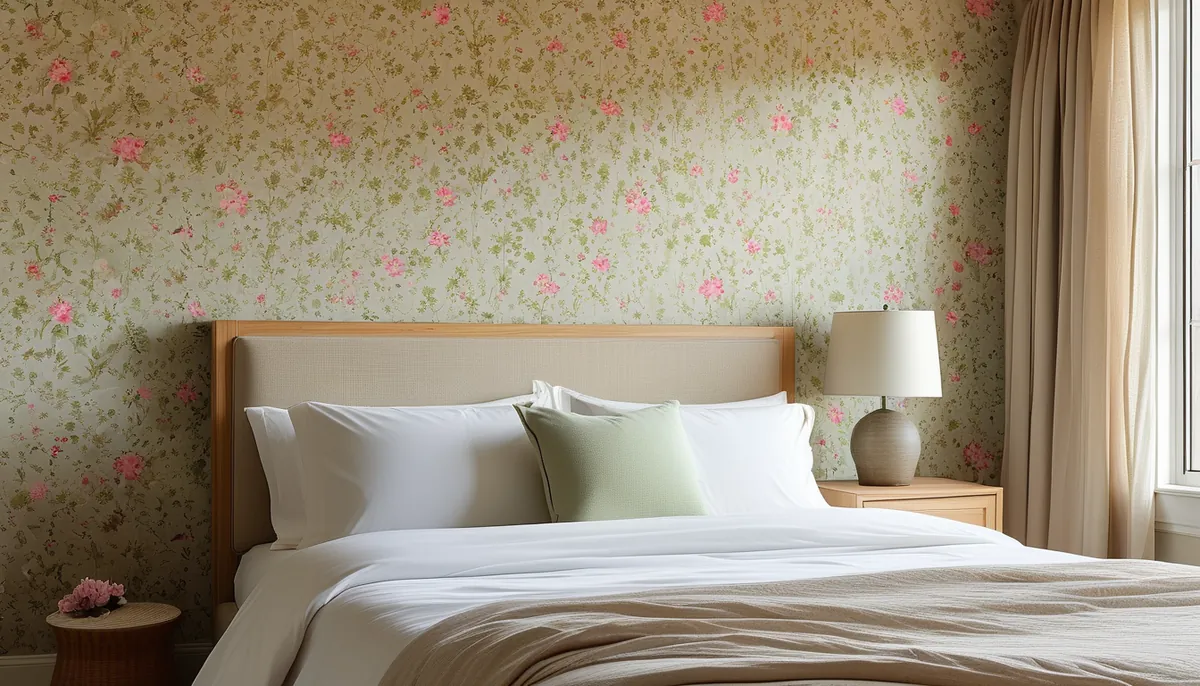
Choosing dainty floral wallpaper is about more than just aesthetics; it’s about creating an atmosphere. Unlike bold, large-scale florals, delicate patterns offer a softer, more nuanced visual appeal. They can make a room feel larger and more serene, making them ideal for bedrooms, powder rooms, or even as an accent wall in a living area. The key is to match the scale and color of the pattern to the size and light of your room.
Understanding pattern scale and color
When you opt for dainty floral wallpaper, pay close attention to the size of the blooms and leaves. Small, tightly spaced flowers create a more traditional, vintage feel, while scattered, more open designs can feel modern and airy. Consider the background color too. A light background with muted floral tones will enhance a sense of space and light. For a bolder yet still delicate look, try a darker background with lighter, intricate floral details.
Think about how the colors will interact with your existing furniture and decor. Pastels like blush pink, soft blue, or sage green often work well for a calming effect. For a touch of sophistication, consider wallpapers with metallic accents, such as subtle gold or silver outlines on the floral elements. These can catch the light and add a luxurious dimension without overpowering the room.
Types of dainty floral wallpaper and their materials
Dainty floral wallpaper comes in various materials, each offering different benefits in terms of durability, application, and finish. Understanding these options will help you make an informed decision for your project.
Paper wallpaper
This is often the most budget-friendly option. Traditional paper wallpaper can be beautiful but is less durable and susceptible to moisture damage, making it unsuitable for high-humidity areas like bathrooms or kitchens. It typically requires the application of paste to both the paper and the wall. While it offers a wide range of intricate designs, its lifespan is shorter compared to other materials.
Vinyl wallpaper
Vinyl wallpaper is a popular choice due to its durability and ease of cleaning. The vinyl coating makes it resistant to moisture and stains, which is why it’s a good option for kitchens and bathrooms, though not always recommended for areas with direct water exposure like shower stalls. It’s also relatively easy to hang and remove. Many vinyl wallpapers feature a non-woven backing, which is easier to work with than traditional paper.
Non-woven (or ‘paste-the-wall’) wallpaper
This is a modern favorite among DIYers and professionals alike. Non-woven wallpaper is made from a blend of natural and synthetic fibers, making it breathable, durable, and easy to handle. The biggest advantage is that you apply the paste directly to the wall, not the paper, which significantly speeds up the installation process and reduces the risk of stretching or tearing the delicate floral patterns. It’s also generally easier to remove than traditional paper.
Peel-and-stick wallpaper
Peel-and-stick wallpaper has surged in popularity for its user-friendliness and temporary nature. It’s essentially a large sticker with an adhesive backing that you simply peel off and apply to the wall. This makes it perfect for renters or for those who like to redecorate frequently. While convenient, ensure you choose a high-quality brand, as cheaper versions can sometimes leave residue or lose their adhesion over time. Ensure the wall surface is smooth and clean for best results. You can create a beautiful new look with floral wallpaper designs using this method.
Where to use dainty floral wallpaper
The versatility of dainty floral patterns allows them to enhance various spaces within your home. Their subtle nature means they can be used in many areas without becoming overwhelming.
Bedrooms
Dainty florals are a natural fit for bedrooms, promoting a sense of calm and tranquility. Consider a soft, pastel floral pattern on an accent wall behind the headboard to create a serene focal point. This can make the room feel more restful and inviting.
Powder rooms and half-baths
These smaller spaces are perfect for making a statement with wallpaper. A delicate floral design can add a touch of elegance and personality without overwhelming the limited square footage. It’s a great way to create a memorable impression for guests.
Living rooms and dining rooms
For a more sophisticated approach, use dainty floral wallpaper on an accent wall in a living or dining room. Pair it with neutral-colored furniture and decor to let the wallpaper be the star. This approach adds visual interest without making the room feel too busy. You can explore stunning modern floral wallpaper designs that incorporate this delicate aesthetic.
Home offices
A subtle floral pattern can bring a touch of nature and inspiration to your home office. It can help create a pleasant and productive atmosphere. Opt for designs that are calming and not too distracting, ensuring your focus remains on your work.
Hallways and entryways
These transitional spaces can be easily overlooked. A dainty floral wallpaper can add warmth and character, making a welcoming statement as soon as someone enters your home.
Installation tips for delicate patterns
Hanging wallpaper, especially with delicate patterns, requires care and attention to detail to ensure a flawless finish. Following these tips can save you time and frustration.
Prepare your walls properly
This is the most critical step. Walls must be clean, dry, and smooth. Fill any holes or cracks, sand them smooth, and prime the walls. If you are hanging wallpaper over a previously painted surface, ensure the old paint is well-adhered and not peeling. For optimal adhesion, especially with non-woven or peel-and-stick options, consider using a wallpaper primer specifically designed for your chosen material.
Measure twice, cut once
Accurate measurements are crucial. Measure the height of your wall and add a few extra inches (about 4-6 inches total) to the top and bottom for trimming. When cutting your strips, pay attention to the pattern repeat. Ensure that the floral motifs align correctly from one strip to the next to avoid a disjointed look.
Use the right tools
Essential tools include a sharp utility knife or razor blade, a smoothing tool (like a plastic smoother or a wallpaper brush), a seam roller, a measuring tape, a level or plumb line, and a paste brush or roller if needed. A sharp blade is key to making clean cuts, especially on intricate floral designs.
Work methodically
Start in a corner or at a prominent point, using a level to ensure your first strip is perfectly vertical. For non-woven wallpapers, apply paste to the wall and hang the paper, smoothing it from the center outwards to remove air bubbles. For traditional paper, follow the manufacturer’s instructions regarding paste application and booking time (allowing the paste to activate). For peel-and-stick, work in small sections, carefully aligning the pattern as you go.
Align the pattern carefully
This is where patience pays off. When hanging subsequent strips, carefully match the floral elements of the new strip to the previous one. A slight overlap might be necessary depending on the wallpaper type, but aim for seamless alignment. A seam roller can be used gently to press down seams once the wallpaper is in place, but be cautious not to crush delicate printed details.
Common mistakes to avoid
Even with the best intentions, certain errors can detract from the beauty of your dainty floral wallpaper. Being aware of these pitfalls can help you achieve a professional-looking result.
Ignoring the pattern repeat
This is a frequent oversight. If your wallpaper has a significant pattern repeat, failing to account for it will result in misaligned floral motifs across seams, making the wallpaper look amateurish. Always check the pattern repeat information on the roll.
Using the wrong adhesive
Different wallpaper types require specific adhesives. Using a wallpaper paste that is too thick or too thin, or not suitable for your wallpaper material (e.g., using standard paste on vinyl), can lead to peeling, bubbling, or difficulty in application. Always follow the manufacturer’s recommendations.
Not preparing the walls
Hanging wallpaper over uneven, dirty, or unprimed surfaces is a recipe for disaster. The wallpaper won’t adhere properly, and imperfections in the wall will show through, ruining the delicate floral effect. Proper wall preparation is non-negotiable.
Cutting corners on tools
Using a dull blade, a cheap smoothing tool, or skipping the level can lead to uneven cuts, air bubbles, and crooked lines. Invest in good quality tools; they make the job easier and the results much better.
Rushing the process
Wallpapering requires patience. Rushing through measurements, cutting, or smoothing can lead to mistakes that are difficult to fix. Take your time, especially when aligning patterns and smoothing out bubbles.
By considering the scale and color, choosing the right material, and following careful installation practices, you can successfully incorporate the charm of dainty floral wallpaper into your home. Whether you’re looking for a subtle touch or a more prominent feature, these delicate patterns offer a timeless way to update your walls with beautiful floral wallpaper designs.