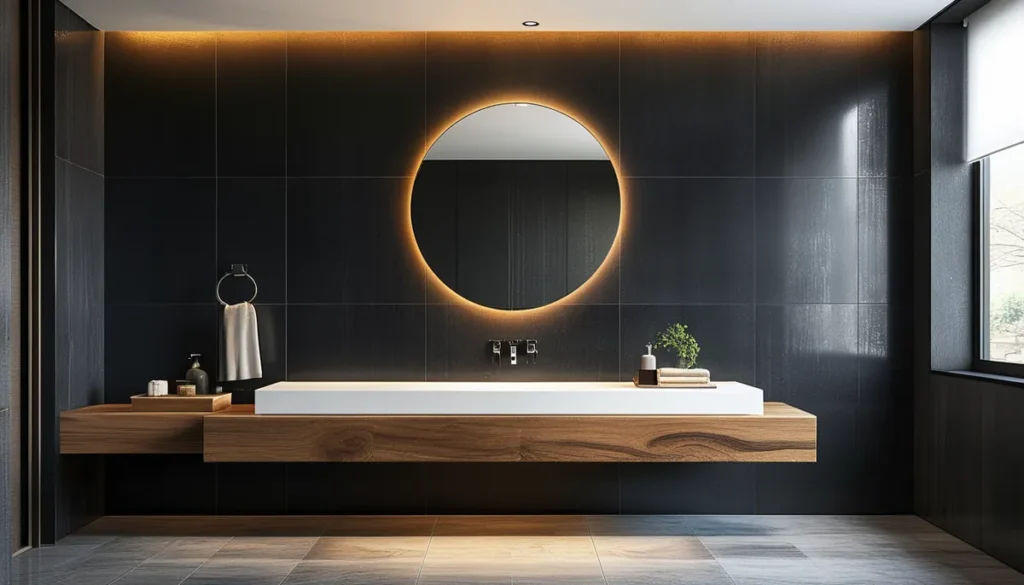
Fabric peel and stick wallpaper offers a distinct texture and depth that vinyl or paper options can’t match. If you’re looking for a sophisticated yet easy-to-install wall covering, this is a strong contender. Unlike smooth surfaces, fabric adds a tactile quality, making walls feel warmer and more inviting. This type of wallpaper often mimics the look of linen, grasscloth, or other woven materials, providing a high-end appearance without the complexity of traditional wallpaper installation.
Understanding fabric peel and stick materials
Most fabric peel and stick wallpapers are not made of 100% natural fabric due to the adhesive backing. Instead, they often feature a fabric-like texture printed on a vinyl or a PVC-based material. This combination provides the aesthetic appeal of fabric with the durability and ease of application of vinyl. Some premium options might incorporate a thin layer of real fiber on top of a vinyl base, offering genuine texture.
When selecting fabric peel and stick, consider the weave and thickness. A tighter weave will offer a smoother appearance, while a looser weave, like some grasscloth-inspired designs, will have more visible texture and variation. The thickness of the material can also affect how well it hides minor imperfections on your wall. Thicker options tend to be more forgiving.
Where to use fabric peel and stick wallpaper
Fabric peel and stick is versatile, but its textural quality makes it particularly well-suited for certain applications:
- Accent Walls: Create a dramatic focal point in living rooms, bedrooms, or dining rooms. The texture adds a layer of visual interest that commands attention.
- Bedrooms: The soft texture can enhance the cozy and relaxing atmosphere of a bedroom.
- Powder Rooms and Half Baths: These small spaces are perfect for experimenting with bold textures and patterns without overwhelming the entire home.
- Home Offices: Add a touch of sophistication and reduce glare compared to very shiny surfaces.
- Closets and Entryways: These smaller, transitional spaces can benefit from a unique design touch.
Avoid using fabric peel and stick in high-moisture areas like full bathrooms or directly behind a kitchen sink unless the product explicitly states it’s moisture-resistant. While some vinyl-based fabric wallpapers can handle moderate humidity, prolonged exposure to water can affect the adhesive and the material itself.
Installation: what you need to know
The primary advantage of fabric peel and stick is its ease of installation. You don’t need traditional wallpaper paste, which simplifies the process significantly. However, proper preparation is crucial for a seamless finish.
Surface preparation
Your walls must be clean, dry, and smooth. Dust, grease, and old wallpaper residue will prevent the adhesive from sticking properly. Wash your walls with a mild detergent and water, then let them dry completely. Fill any holes or cracks with spackling compound and sand them smooth. For best results, prime the walls with a water-based primer. This creates a uniform surface and makes future removal easier.
Consider the color of your existing wall. If you’re applying a light-colored fabric wallpaper over a dark wall, the dark color might show through, especially with looser weaves. A coat of white or neutral primer can prevent this.
Application process
Start by peeling back a few inches of the backing paper from the top of the first strip. Align the top edge of the wallpaper with the ceiling and the edge of the wall (or a straight seam if you’re starting in the middle of a wall). Gently press the top edge onto the wall.
Slowly peel off the backing paper while smoothing the wallpaper onto the wall with a felt smoother or a plastic scraper. Work from the center outwards to push out any air bubbles. Overlap subsequent strips according to the manufacturer’s instructions, usually by about 1/16 inch (approx. 1.5 mm). This overlap helps prevent gaps and ensures a cohesive look.
When cutting around windows, doors, or outlets, use a sharp craft knife or utility knife. Make relief cuts to help the material conform to the shape, then trim excess carefully. For corners, cut the wallpaper about an inch past the corner, then fold it over and trim the excess for a clean edge.
Dealing with common issues
Air bubbles are the most common problem. If you notice one, gently lift the wallpaper strip back to the bubble and re-smooth it. For small bubbles that appear after installation, you can sometimes prick them with a fine needle and gently press the air out.
Bubbling or peeling at the edges can occur if the wall wasn’t properly prepared or if there’s too much humidity. Ensure edges are firmly pressed down. If a section starts to lift significantly, you may need to reapply a small amount of wallpaper adhesive designed for peel and stick, or replace the strip.
Fabric peel and stick vs. other options
Compared to traditional wallpaper, fabric peel and stick is far easier to install and remove, making it ideal for renters or those who like to redecorate frequently. You can find easy peel and stick wallpaper without the mess of paste and the commitment of permanent wallpaper.
When comparing it to vinyl peel and stick, fabric options offer a more premium, textured look. Vinyl is generally more durable and easier to clean, making it a practical choice for kitchens and high-traffic areas. However, for a softer, more sophisticated aesthetic, fabric peel and stick often wins.
For those interested in natural textures, you might also explore grasscloth peel and stick wallpaper, which provides a similar organic feel but with the distinct texture of natural fibers. If you’re drawn to textured wall coverings, exploring the best high-quality peel and stick wallpaper for your home should include looking at both fabric and grasscloth styles.
Durability and removal
The lifespan of fabric peel and stick wallpaper can vary depending on the quality of the product and the environment. Generally, expect it to last anywhere from 3 to 7 years. High-quality options with robust adhesive backing will perform better over time.
Removal is typically straightforward. Slowly peel the wallpaper down at a 45-degree angle. If there’s any remaining adhesive residue, it can usually be wiped away with a damp cloth or a mild cleaner. Unlike traditional wallpaper, it shouldn’t leave significant damage to your drywall if removed carefully. For even easier application, explore guides on easy peel and stick wallpaper.
Fabric peel and stick wallpaper provides a beautiful, textured alternative to standard wall coverings. By understanding the materials, preparing your surfaces correctly, and following the application steps, you can successfully enhance your home’s interior. Whether you’re creating an accent wall or redoing an entire room, this material offers a stylish and manageable DIY solution. For more on updating your home, check out our guide on easy peel and stick wallpaper.