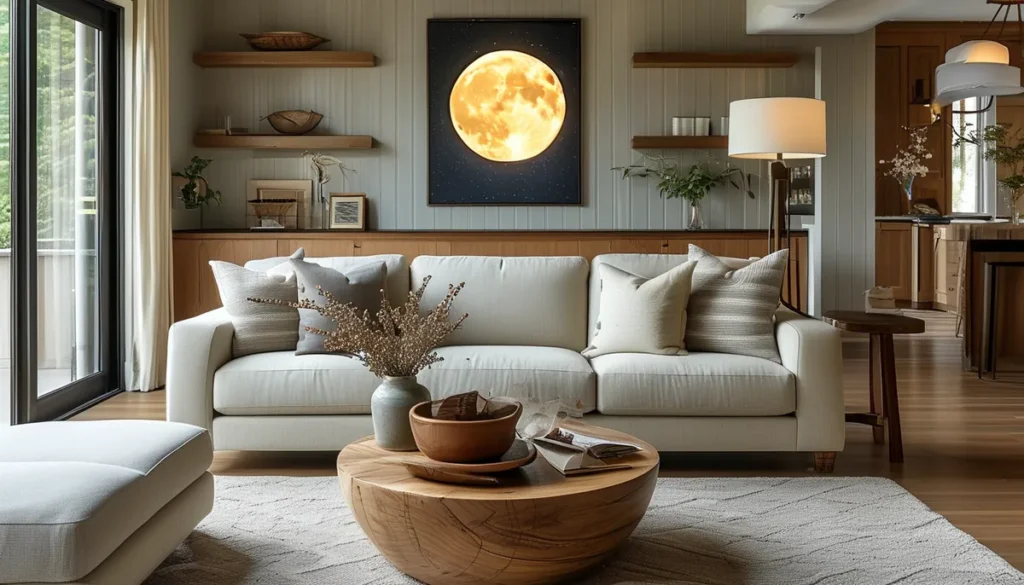
Consider the realism you want. Faux wood peel and stick wallpaper ranges from highly detailed prints that mimic natural wood grain down to the last knot, to more stylized or abstract interpretations. High-definition printing can create a surprisingly convincing look, especially from a distance. For a truly authentic feel, look for options with texture, though most are smooth.
Types of faux wood peel and stick wallpaper
The visual style of faux wood peel and stick wallpaper dictates its suitability for different spaces. You’ll find:
- Rustic barn wood: Often features a distressed, weathered look with varied plank widths and colors. Great for accent walls in living rooms, bedrooms, or man caves.
- Modern wood paneling: Mimics contemporary wood paneling styles, from clean vertical slats to geometric patterns. Ideal for adding warmth to minimalist or Scandinavian-inspired rooms.
- Log cabin style: Creates the look of stacked logs, suitable for themed rooms or a cozy, rustic retreat feel.
- Whitewashed or painted wood: Offers a softer, brighter look, perfect for coastal or farmhouse aesthetics.
- Dark stained wood: Provides a dramatic, sophisticated, or masculine feel, excellent for studies, home bars, or feature walls.
- Unique wood species simulation: Some wallpapers mimic specific woods like oak, pine, or even exotic types, offering distinct color and grain patterns.
When selecting, hold samples up to your intended wall and view them in natural and artificial light to see how the color and pattern change.
Adhesive strength and removability
The ‘peel and stick’ aspect is crucial. Most use a water-based or solvent-based adhesive. Water-based adhesives are generally more forgiving during application, allowing you to reposition pieces. Solvent-based adhesives can be stickier and harder to move once applied, but may offer longer-term hold. Always check the manufacturer’s recommendations for wall surfaces. Products designed for drywall usually adhere well but should be removed carefully to avoid damaging the underlying surface. For textured walls or walls with certain finishes (like satin or high-gloss paint), adhesion might be compromised. Test in an inconspicuous area if unsure. This type of wallpaper is generally designed for temporary use, making it a good option for renters or those who like to redecorate frequently. It’s often removable in large sheets without leaving significant residue, unlike traditional paste-applied wallpaper.
Application considerations for faux wood wallpaper
Proper surface preparation is non-negotiable for successful application. The wall must be clean, dry, and smooth. Dust, grease, or grime will prevent the adhesive from bonding properly. If you have existing wallpaper, decide if you’re applying over it or removing it. Applying over unprepared surfaces or textured paint is a common mistake that leads to peeling. For best results, clean the walls with a mild detergent and water, then allow them to dry completely. If your walls are particularly glossy, a light sanding can help the adhesive grip better, but be sure to wipe away all dust afterward. You can find more detailed steps in our guide to easy peel and stick wallpaper.
Tools and materials needed for installation
Gather your supplies before you start. You’ll typically need:
- Measuring tape
- A sharp utility knife or craft knife with extra blades
- A squeegee or smoother tool (often included or recommended by the manufacturer)
- A level or straight edge
- A step ladder
- A pencil for marking
- A clean cloth or sponge
If you are working with existing wood paneling, you might need to consider how the peel and stick wallpaper will interact with the seams. For detailed guidance on this specific scenario, refer to our article on peel and stick wallpaper over wood paneling.
How to install faux wood peel and stick wallpaper
Installation is a DIY-friendly process:
- Measure your wall: Determine the height and width, and calculate how many rolls you’ll need, accounting for pattern repeat if applicable. It’s always wise to buy an extra roll to ensure consistency and for potential future repairs.
- Cut your panels: Carefully measure and cut the wallpaper panels to the correct size, adding an extra inch or two at the top and bottom for trimming.
- Peel and stick: Start at the top corner of your wall. Peel back about 6-12 inches of the backing paper. Align the edge of the wallpaper with the ceiling or corner.
- Smooth as you go: Use your squeegee to smooth the wallpaper onto the wall, working from the center outwards to push out any air bubbles. Slowly peel the backing paper down as you continue to smooth.
- Trim excess: Once a panel is applied, use your utility knife to carefully trim the excess wallpaper at the ceiling and baseboard.
- Overlap or butt seams: Depending on the wallpaper’s design, you’ll either butt the edges of the panels together for a seamless look or overlap them slightly according to the manufacturer’s instructions. Most modern faux wood wallpapers are designed to be butted.
- Work around obstacles: For outlets or light switches, carefully cut an ‘X’ in the wallpaper over the opening, then trim away the excess from the inside out.
Take your time, especially on the first few panels. Patience prevents mistakes like wrinkles or bubbles. If you encounter an air bubble you missed, you can often gently lift the panel back and reapply, or prick the bubble with a pin and smooth it out.
Common mistakes to avoid
Several pitfalls can derail your faux wood peel and stick wallpaper project:
- Improper surface preparation: Applying to dirty, dusty, or greasy walls is the most common cause of failure.
- Rushing the process: Trying to apply panels too quickly can lead to misalignment, bubbles, and tears.
- Not accounting for pattern repeat: If your chosen wallpaper has a distinct pattern, you must align subsequent panels correctly, which may require more material.
- Using a dull blade: A dull utility knife will tear the wallpaper instead of cutting it cleanly, leaving ragged edges.
- Over-stretching: While applying, avoid pulling too hard, which can distort the pattern or damage the material.
- Ignoring manufacturer instructions: Each product can have specific guidelines for application and removal.
For a more comprehensive understanding of installation, our guide to wood panel peel and stick wallpaper offers valuable insights.
Durability and maintenance
Faux wood peel and stick wallpaper is generally durable and easy to maintain. Most vinyl-based options are wipeable with a damp cloth and mild soap. Avoid abrasive cleaners, as they can damage the printed surface. Spills and common household marks can usually be cleaned off without issue. However, it’s not as robust as solid wood or traditional paneling, so avoid harsh scrubbing or exposure to excessive moisture, especially in bathrooms or kitchens unless specifically rated for such environments.
Choosing the right finish and color
The finish of the wallpaper—matte, satin, or glossy—impacts the final look. Matte finishes tend to look more like natural wood. Satin offers a slight sheen, while glossy finishes can reflect light and may appear less realistic, though they can brighten a space. Color choice is also critical. Lighter tones (like beige, cream, or light grey washes) can make a room feel larger and brighter. Darker tones (like charcoal, deep brown, or black wood effects) add drama and coziness. Consider the existing color palette of your room. Does the faux wood need to complement existing furniture, flooring, or paint colors? For advice on selecting the best high-quality options, consider our resources on high-quality peel and stick wallpaper.
When to use faux wood peel and stick wallpaper
This type of wallpaper is incredibly versatile. It’s perfect for:
- Accent walls: To add a focal point without overwhelming the space.
- Renter-friendly updates: Easily add style without permanent changes.
- DIY projects: A great material for beginners to test their skills.
- Covering minor wall imperfections: It can hide small cracks or blemishes on drywall.
- Themed rooms: Creating a specific atmosphere like a cabin, modern farmhouse, or industrial loft.
- Temporary decor: For seasonal changes or staging a home for sale.
It’s particularly effective in living rooms, bedrooms, dining areas, home offices, and even hallways. While some are moisture-resistant, it’s generally best to avoid high-moisture areas like inside shower stalls unless explicitly stated otherwise by the manufacturer.
Cost versus traditional wood paneling
Faux wood peel and stick wallpaper is significantly more affordable than installing actual wood paneling. Material costs for wallpaper can range from $20 to $100+ per roll (covering typically 20-50 sq ft), depending on quality and design. Real wood paneling, including installation, can easily run into thousands of dollars for a room. Beyond the cost savings, the installation time is drastically reduced with peel and stick options, making it a cost-effective solution for achieving a wood-paneled look quickly.
Where to buy faux wood peel and stick wallpaper
You can find faux wood peel and stick wallpaper at major home improvement stores, online retailers like Amazon, Wayfair, and dedicated wallpaper websites. Always check reviews for quality and ease of application. Purchasing from a reputable source ensures you’re getting a product that performs as advertised.
Transforming your space
The ability to dramatically alter a room’s aesthetic with minimal effort and cost makes faux wood peel and stick wallpaper a compelling choice. Whether you’re aiming for a cozy, rustic vibe or a sleek, modern look, there’s a design to match. Remember to choose a pattern that complements your existing decor and to follow installation guidelines for the best, most lasting results. For more inspiration on how to update your home, explore our peel and stick wallpaper guide.