Choosing the right flower wall wallpaper can dramatically alter the mood and aesthetic of a room. Before you commit, understand the different types of floral patterns available, their suitability for various spaces, and what to expect from installation and maintenance.
Understanding floral wallpaper scale and pattern
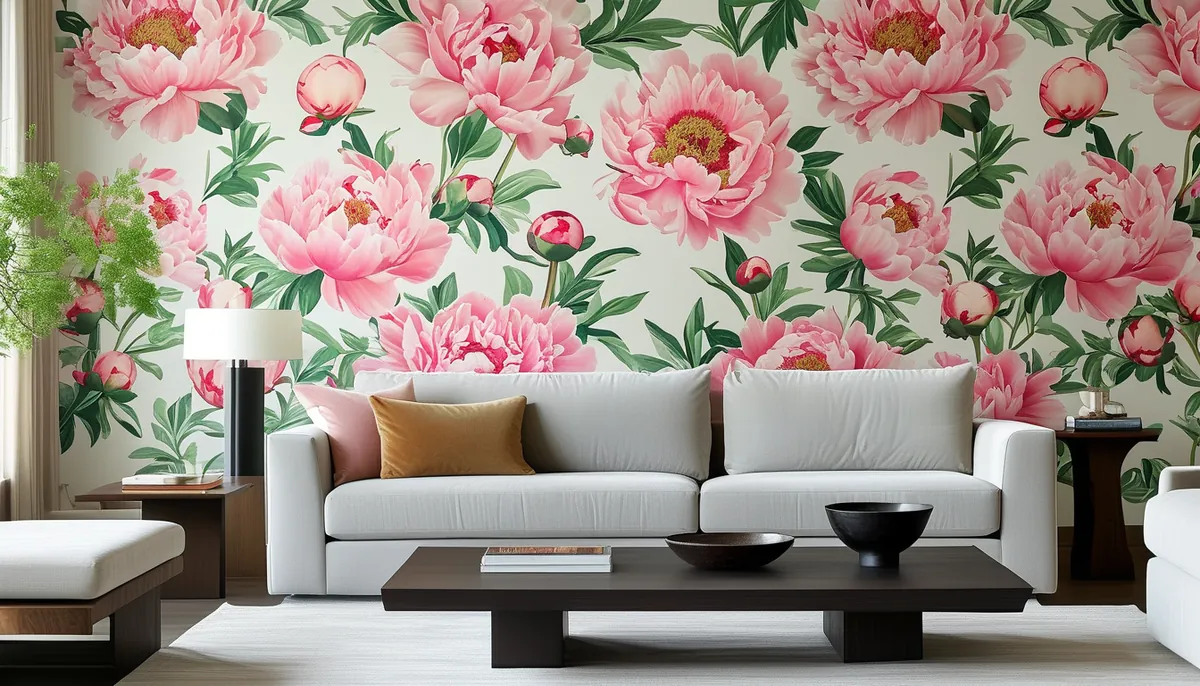
The scale of your floral pattern is crucial. A large-scale floral design can make a small room feel intimate and dramatic, while a small, delicate floral print might get lost or feel too busy in a large space. Consider the overall dimensions of your walls and furniture. For example, a bold, oversized peony pattern might overwhelm a cozy reading nook but would be stunning on a feature wall in a living room or dining area. Conversely, a ditsy floral print, with its tiny, repeating flowers, can add subtle texture and charm to a bedroom or a powder room without being overpowering. Think about the feeling you want to evoke: dramatic and bold, or soft and whimsical?
Types of flower wall wallpaper and their best uses
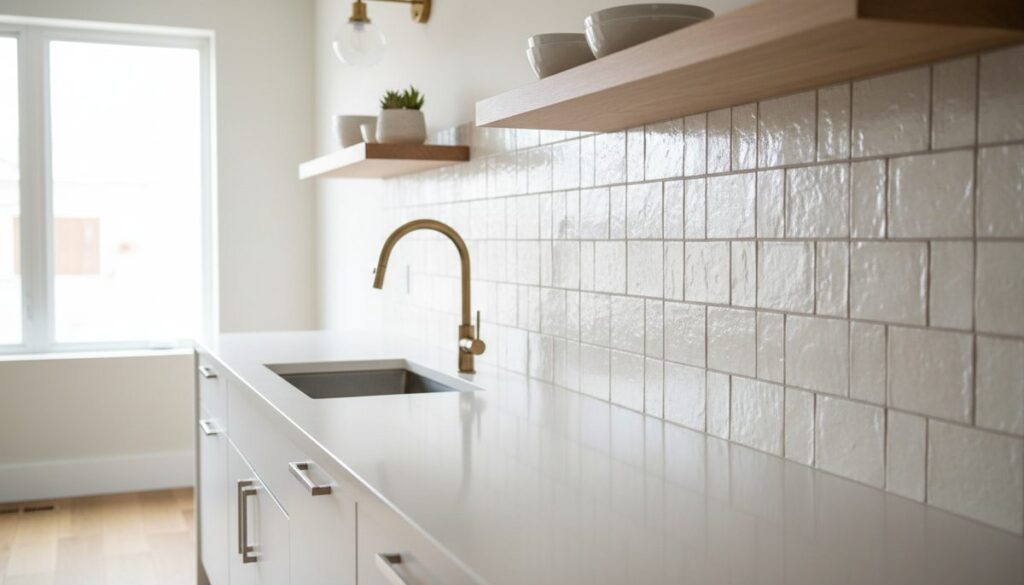
Floral wallpaper isn’t a one-size-fits-all solution. The type of paper and the nature of the floral design dictate its best application. You’ll encounter everything from classic rose patterns to modern abstract florals. For high-moisture areas like bathrooms or kitchens, look for vinyl-coated or solid vinyl wallpapers, as they offer better durability and are easier to clean. For a more sophisticated look in a living room or bedroom, consider textured papers like grasscloth with a subtle floral overlay or embossed papers that add depth. Peel-and-stick options are fantastic for renters or for those who like to change their decor frequently, though they may have limitations on pattern complexity and longevity compared to traditional pasted wallpapers.
Whimsical walls with playful florals
For a touch of enchantment, whimsical floral wallpapers are an excellent choice. These often feature more stylized, fantastical, or even anthropomorphic flowers and foliage. Think of illustrated wildflowers, dancing daisies, or botanical prints with a storybook feel. These designs are perfect for children’s rooms, nurseries, or for anyone looking to inject a sense of fun and lightheartedness into their home. They pair well with minimalist furniture to let the walls be the star, or with vintage pieces for a romantic, eclectic vibe. Find Beautiful Flowers on Wallpaper if you’re drawn to this playful aesthetic.
Scandinavian garden harmony
Scandinavian design emphasizes simplicity, functionality, and a connection to nature. Floral wallpaper in this style often features muted color palettes—think soft greens, blues, grays, and creams—with botanical motifs that are clean, graphic, and understated. These designs evoke a sense of calm and natural beauty, mirroring the serene landscapes of Nordic gardens. They work beautifully in bedrooms, living rooms, or home offices where a peaceful atmosphere is desired. Pair them with light wood furniture, clean lines, and natural textures to complete the look.
Other patterns
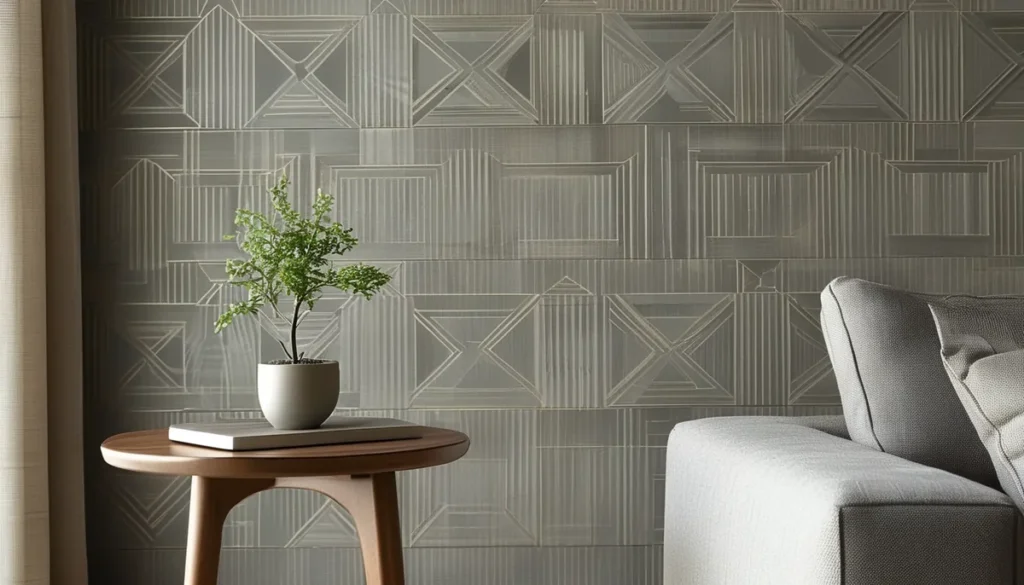
Beyond traditional and whimsical florals, explore other floral-inspired patterns. This category includes abstract floral designs, geometric interpretations of flowers, or even floral damasks that offer a more subtle nod to the motif. Abstract florals can be a great way to incorporate color and movement without being overly literal, making them suitable for more contemporary spaces. Geometric florals offer a modern twist, often found in sharp lines and repeating patterns. Floral damasks provide a classic, sophisticated option, usually in a single color or tone-on-tone, adding texture and elegance without a bold statement. Get Exquisite Flowery Wallpaper Designs for inspiration across these diverse styles.
Installation considerations for flower wall wallpaper
Proper installation is key to achieving a professional and lasting finish with your flower wall wallpaper. Most traditional wallpapers require the application of wallpaper paste to the wall or the paper itself (paste-the-wall vs. paste-the-paper). Always follow the manufacturer’s instructions carefully, as different materials have varying requirements.
Preparation is paramount
Start by ensuring your walls are clean, dry, and smooth. Remove any old wallpaper, paint, or debris. Fill any holes or cracks with spackle and sand them smooth once dry. For best results, especially with lighter-colored wallpapers, apply a coat of primer. This seals the surface, ensures better adhesion, and makes future removal easier. Mark a plumb line using a level to ensure your first strip goes on straight – this is critical, as all subsequent strips will align with it.
Hanging techniques
When hanging, work from the top down, smoothing out any air bubbles or wrinkles with a wallpaper brush or smoother as you go. Overlap seams slightly or butt them together, depending on the wallpaper type and manufacturer recommendations. Trim excess paper at the ceiling and baseboard with a sharp utility knife or a specialized wallpaper trimming tool. Pay close attention to matching the pattern at the seams; this is where floral wallpapers can be particularly tricky. If your pattern has a large repeat, you might need to purchase an extra roll to ensure you have enough matching pieces.
Common installation mistakes to avoid
One of the most common mistakes is not allowing enough