Green stripe wallpaper offers an exceptionally versatile and enduring design solution, capable of transforming any space with its blend of classic appeal and contemporary flair. This distinctive wallcovering brings a sophisticated visual rhythm and a refreshing connection to nature, making it a powerful tool for defining atmosphere, enhancing architectural features, and adding a curated touch to interiors across the United States. From the subtle elegance of a pinstripe to the bold statement of a wide awning stripe, and from the calming hue of sage to the vibrant depth of emerald, green stripe wallpaper provides a dynamic foundation for diverse design aesthetics, seamlessly integrating into both traditional and modern homes.
Key takeaways
- Green stripe wallpaper offers a versatile design element, providing both visual rhythm and a connection to nature, suitable for diverse interior styles.
- Wallpaper types like peel-and-stick, traditional non-woven, and vinyl offer varying durability, ease of installation, and environmental considerations, with non-woven being a breathable and durable composite material ideal for many applications.
- Stripe patterns, from classic ticking to modern irregular designs, significantly influence a room’s perceived size and aesthetic, requiring careful consideration of scale and orientation.
- Accurate measurement, accounting for pattern repeat and waste, is critical for a seamless installation and to avoid material shortages.
- Proper care, tailored to the wallpaper’s material, is essential for maintaining its longevity and aesthetic appeal, extending its lifespan for years.
- Thoughtful styling, integrating complementary colors, textures, and furniture, transforms green stripe wallpaper into a cohesive and impactful design statement.
The Enduring Appeal of Green Stripe Wallpaper
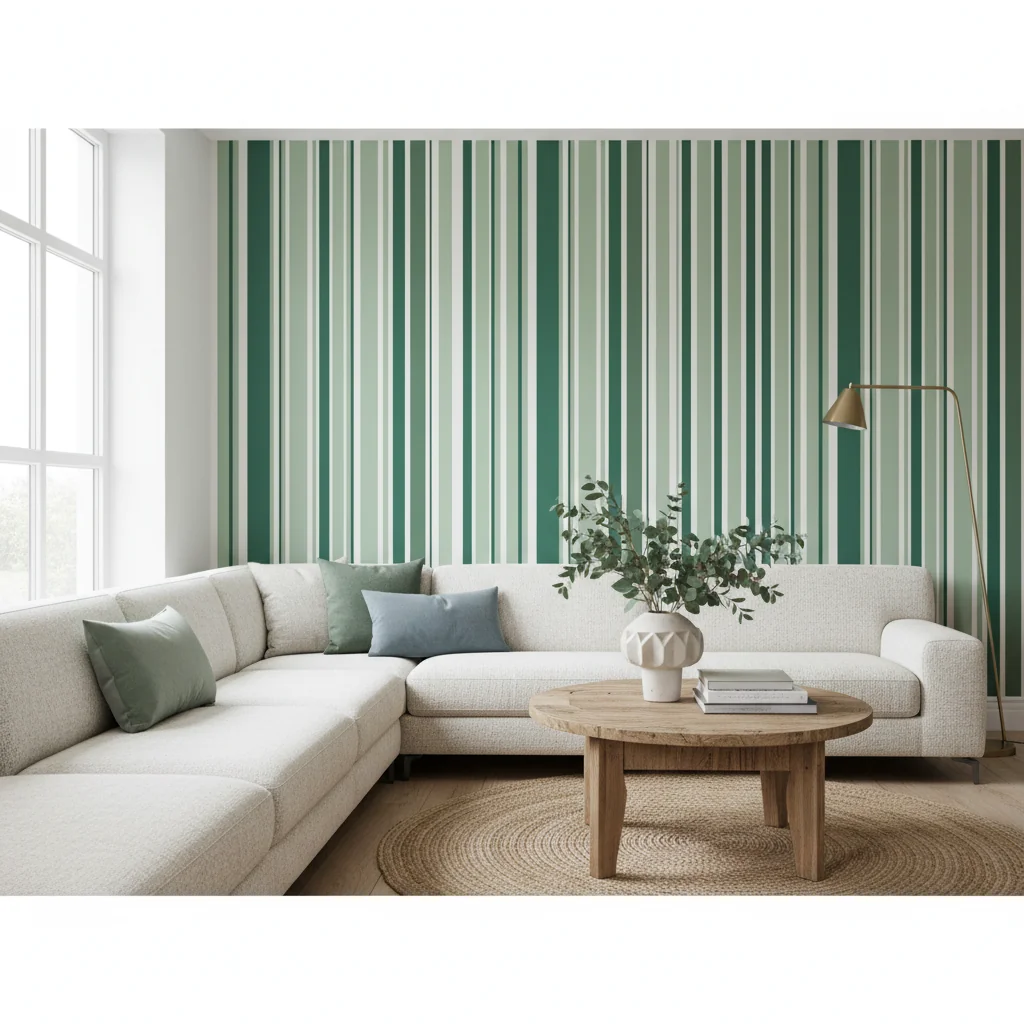
Green stripe wallpaper offers a timeless and inherently versatile design solution, consistently captivating homeowners and designers with its unique ability to infuse spaces with both classic elegance and a refreshing sense of nature. This enduring appeal stems from a powerful combination of color psychology and geometric precision, delivering a visual impact that is both calming and dynamic. The color green, inherently linked to growth, harmony, and renewal, evokes a sense of tranquility and balance within an interior. When paired with the structured linearity of stripes, it creates a sophisticated visual rhythm that can subtly guide the eye, define architectural elements, or expand the perceived dimensions of a room.
Starhouse recognizes green stripe wallpaper as a foundational element in creating curated, aspirational homes. Its universal resonance allows it to transcend fleeting trends, maintaining its relevance across various design eras and personal aesthetics. From the serene backdrop it provides in a bedroom to the vibrant energy it injects into a living area, green stripe wallpaper consistently delivers a polished finish. The inherent versatility of stripes—whether horizontal or vertical, wide or narrow, evenly spaced or irregular—allows for a customized expression of personal style. This adaptability ensures that green stripe wallpaper is not merely a decorative choice but a strategic design decision that enhances the overall atmosphere and perceived value of a space. It serves as a visual anchor, capable of grounding a room’s design while simultaneously introducing an element of sophisticated pattern.
The psychological impact of green is well-documented; it promotes feelings of calm, reduces stress, and fosters a connection to the outdoors, even within an urban setting. When combined with stripes, this effect is amplified by the sense of order and structure that lines inherently provide. Vertical stripes draw the eye upward, creating an illusion of height and grandeur, making a room feel taller and more expansive. Conversely, horizontal stripes can make a room appear wider and longer, lending a sense of intimacy and breadth. The choice of stripe width and spacing further refines this effect, allowing for precise control over the room’s visual dynamics. A narrow pinstripe, for example, offers a subtle texture and understated elegance, while a broad awning stripe makes a bold, architectural statement. This intrinsic design flexibility ensures that green stripe wallpaper remains a perennially popular and impactful choice for discerning homeowners seeking to elevate their interiors.
Exploring the Spectrum: Types of Green Stripe Wallpaper
Green stripe wallpaper comes in a diverse array of types, primarily distinguished by their material composition, application method, and overall durability, each offering unique benefits for specific applications and design preferences. Understanding these distinctions is crucial for selecting a product that not only achieves the desired aesthetic but also meets practical requirements for installation, maintenance, and longevity in your home.
**Peel-and-stick wallpaper is a self-adhesive material designed for temporary or semi-permanent application, featuring a protective backing that is peeled away during installation to reveal the adhesive layer.** This type is celebrated for its ease of installation and removal, making it an ideal choice for renters, DIY enthusiasts, or those who enjoy frequently updating their décor. It typically consists of a vinyl or fabric-based material with a pressure-sensitive adhesive. While generally less durable than traditional options, modern peel-and-stick wallpapers have significantly improved in quality, offering impressive print clarity and a range of textures. They are particularly popular for accent walls, furniture facelifts, or in spaces where a commitment to a permanent wallcovering is not desired.
**Traditional wallpaper, often referred to as paste-the-wall or paste-the-paper, requires a separate adhesive for application, providing a more permanent and robust wallcovering solution.** Within this category, several material types exist:
- Non-woven wallpaper is a breathable and durable composite material made from a blend of natural and synthetic fibers, offering superior tear resistance and dimensional stability compared to traditional paper-based options. This material is highly regarded for its “paste-the-wall” application method, where adhesive is applied directly to the wall rather than the paper, simplifying installation and making future removal cleaner and easier. Non-woven wallpapers are often washable, resistant to shrinking and expanding, and provide excellent breathability, which helps prevent mold and mildew growth. Starhouse recommends non-woven options for their balance of durability, aesthetic quality, and user-friendly characteristics.
- Vinyl wallpaper consists of a paper or fabric backing coated with a layer of vinyl, making it exceptionally durable, washable, and resistant to moisture and stains. This makes vinyl an excellent choice for high-traffic areas such as hallways, kitchens, and bathrooms, where cleanliness and resilience are paramount. Vinyl wallpapers are available in various thicknesses and textures, offering robust performance and a long lifespan. They are generally heavier and more rigid than non-woven types, requiring careful handling during installation.
- Paper-backed vinyl wallpaper combines a paper substrate with a vinyl surface. This offers a good balance of durability and cost-effectiveness, providing a washable surface with a more traditional backing.
- Solid vinyl wallpaper is 100% vinyl, making it extremely durable and scrubbable, often used in commercial settings but also suitable for residential areas demanding maximum resilience.
- Fabric-backed vinyl wallpaper features a fabric backing that adds strength and helps the wallpaper adhere smoothly to walls, particularly useful for larger, more complex installations.
- Paper wallpaper is the most traditional type, made entirely from paper. It is often more delicate, less washable, and requires careful handling during installation as it can tear when wet. Despite its fragility, paper wallpaper offers excellent print quality and a classic matte finish, making it suitable for low-traffic areas where a refined, traditional look is desired. Its porous nature means it is less resistant to moisture and stains than other types.
- Grasscloth wallpaper is a natural wallcovering made from woven fibers such as sisal, jute, or bamboo, adhered to a paper backing. It offers a unique, organic texture and a sophisticated, earthy aesthetic. While visually stunning, grasscloth is more delicate than synthetic options, not washable, and typically requires professional installation due to its natural variations and susceptibility to water damage. Its beauty lies in its imperfections and the depth it adds to a room.
When selecting your green stripe wallpaper, consider the environment of the room, the desired level of maintenance, and your comfort with different installation methods. Each type offers a distinct set of characteristics that will influence both the final look and the practical aspects of living with your chosen wallcovering.
Unpacking the Stripes: Patterns and Styles
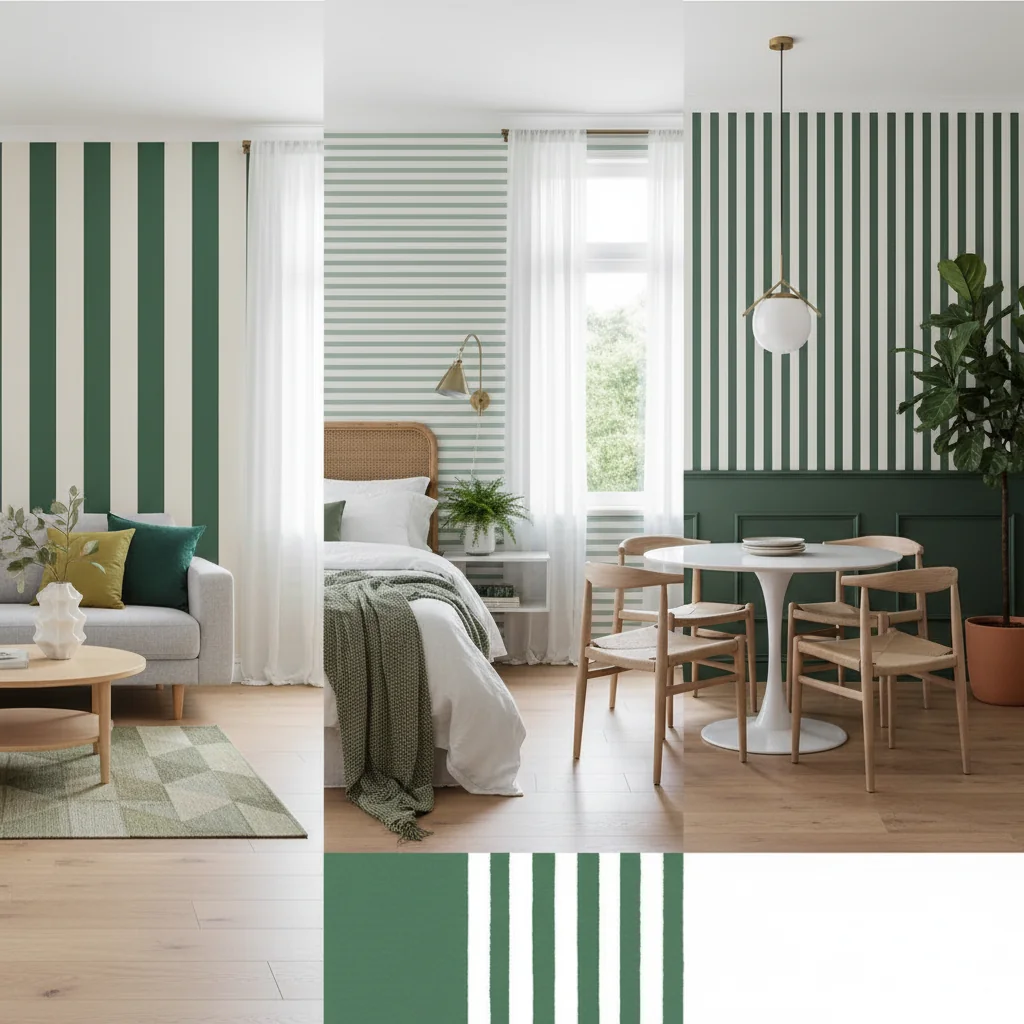
The visual impact of green stripe wallpaper is profoundly shaped by the specific pattern and style of its stripes, influencing everything from a room’s perceived dimensions to its overall aesthetic character. The variety in stripe width, spacing, color juxtaposition, and orientation provides a powerful design vocabulary, allowing for precise control over the atmosphere of any interior.
Stripe patterns can be broadly categorized into classic and modern interpretations, each carrying distinct design connotations:
Classic Stripe Patterns: Timeless Elegance and Order
- Pinstripe: Characterized by extremely fine, closely spaced lines, often in a contrasting color against a solid green background. Pinstripes offer a subtle texture and a sophisticated, tailored aesthetic, ideal for creating a refined, understated backdrop in studies, formal living rooms, or elegant bedrooms. They add depth without overwhelming the space.
- Ticking Stripe: Featuring two narrow lines closely spaced, often with a wider gap before the next pair. Historically found on mattress covers, ticking stripes evoke a rustic, farmhouse, or coastal charm. In green, they bring a fresh, casual elegance to kitchens, laundries, or children’s rooms.
- Candy Stripe: Defined by medium-width stripes of equal proportion, typically alternating between green and a lighter color like white or cream. Candy stripes exude a playful, cheerful, and often retro vibe, perfect for creating a bright and inviting atmosphere in nurseries, playrooms, or casual dining areas.
- Bengal Stripe: Slightly wider than a pinstripe but narrower than a candy stripe, Bengal stripes offer a balanced, crisp look. They are a versatile choice that can lean traditional or contemporary depending on the green hue and accompanying décor, suitable for living rooms, hallways, or home offices.
- Awning Stripe: Characterized by broad, bold stripes, often two or more inches wide, reminiscent of traditional awnings. Awning stripes make a strong visual statement, adding drama and a sense of architectural structure. They work exceptionally well in larger rooms or as a feature wall, creating a striking focal point with their confident linearity.
- Regency Stripe: This pattern typically features a wider, dominant stripe alternating with one or more narrower stripes, often in a more formal color palette. Regency stripes convey a sense of grandeur and historical elegance, suitable for more traditional or opulent interior designs.
Modern and Contemporary Stripe Styles: Dynamic and Expressive
- Irregular Stripes: These patterns feature stripes of varying widths, spacing, or even slightly wavering lines, breaking from perfect geometric uniformity. Irregular stripes offer a more organic, artistic, and relaxed feel, appealing to contemporary and eclectic design sensibilities. They add visual interest without being overly rigid.
- Ombre Stripes: Characterized by a gradual transition of color or intensity within the stripes, creating a gradient effect. Ombre green stripes can introduce a soft, ethereal quality or a dramatic fade, adding depth and a modern artistic touch to a room. This style is particularly effective in creating a serene or sophisticated ambiance.
- Textured Stripes: These stripes incorporate tactile elements or visual textures, such as subtle linen weaves, faux grasscloth effects, or metallic sheens, within the stripe pattern itself. Textured green stripes add a layer of sophistication and sensory appeal, making the wallcovering feel more luxurious and dimensional.
- Multi-Color Stripes: While the core color is green, these patterns incorporate other hues within the stripe arrangement. This allows for greater design flexibility, enabling the wallpaper to tie together a broader color palette in a room. For example, green stripes interspersed with thin lines of gold, navy, or even a complementary warm tone.
- Geometric Stripes (e.g., Chevron, Herringbone): While not strictly linear stripes in the traditional sense, patterns like chevron (V-shaped) and herringbone (broken zigzag) utilize striped elements to create dynamic geometric effects. A green chevron pattern can add significant energy and a modern edge, while a green herringbone offers a classic yet dynamic woven look.
Orientation and Scale
The orientation of stripes—vertical or horizontal—fundamentally alters a room’s perception. Vertical stripes draw the eye upward, making ceilings appear higher and rooms feel more formal. Horizontal stripes, conversely, elongate walls, making rooms feel wider and more intimate. The scale of the stripes (narrow vs. wide) also matters; narrow stripes create a subtle background, while wide stripes make a bold statement and can visually reduce the perceived size of a room if not used judiciously.
When selecting a green stripe pattern, consider the existing architecture, the size of the room, the amount of natural light, and the overall mood you wish to create. A well-chosen stripe pattern can define the character of a space with precision and confidence.
Material Matters: Durability, Texture, and Environmental Impact
The material composition of green stripe wallpaper dictates its durability, tactile quality, and environmental footprint, directly influencing its suitability for various spaces and long-term performance. Selecting the appropriate material is a critical decision, as it impacts everything from ease of cleaning to resistance against wear and tear, and even indoor air quality.
Each material type offers distinct advantages:
-
Vinyl Wallpaper: Highly durable, vinyl wallpaper is composed of a paper or fabric backing laminated with a vinyl surface. Its primary advantage is its exceptional resistance to moisture, stains, and abrasion, making it an ideal choice for high-traffic areas such as hallways, children’s rooms, kitchens, and bathrooms. Vinyl wallpapers are typically washable and can withstand scrubbing, ensuring longevity and ease of maintenance. They are available in a wide range of textures, from smooth to embossed, offering significant versatility in achieving different aesthetic effects. However, vinyl is generally less breathable than non-woven options and may contain Volatile Organic Compounds (VOCs), which can impact indoor air quality.
Volatile Organic Compounds (VOCs) are organic chemicals that have a high vapor pressure at ordinary room temperature, meaning they can easily evaporate into the air and contribute to indoor air pollution. The U.S. Environmental Protection Agency (EPA) does not directly regulate VOCs in household products, but it does provide information and recommendations for reducing exposure. Starhouse prioritizes offering products with low-VOC formulations to support healthier indoor environments.
- Non-Woven Wallpaper: As a blend of natural (cellulose) and synthetic (polyester) fibers, non-woven wallpaper is celebrated for its breathability, dimensional stability, and tear resistance. It is an excellent choice for bedrooms, living rooms, and dining areas where a balance of aesthetic appeal and moderate durability is desired. Non-woven materials are often washable, resistant to mildew, and crucially, they are “paste-the-wall” products, making installation and removal significantly easier than traditional paper-backed options. Many non-woven wallpapers are also PVC-free and printed with water-based inks, contributing to better indoor air quality compared to some vinyl alternatives.
- Paper Wallpaper: Made entirely from paper pulp, this traditional option offers a classic, matte finish and excellent print quality, making it ideal for intricate designs and rich color saturation. Paper wallpaper is generally less durable than vinyl or non-woven types; it is less resistant to moisture, tears easily when wet, and is not typically washable. It is best suited for low-traffic areas or formal spaces where its delicate aesthetic can be preserved. While often made from renewable resources, its lack of durability can lead to a shorter lifespan if not properly cared for.
- Grasscloth Wallpaper: A natural wallcovering crafted from woven fibers such as sisal, jute, or arrowroot, grasscloth is adhered to a paper backing. Its unique, organic texture and subtle variations provide unparalleled depth and sophistication, adding an element of natural luxury to any room. Grasscloth is delicate; it is not washable, can be susceptible to moisture damage, and its natural fibers mean seams are often visible, which is considered part of its charm. It requires professional installation and is best reserved for low-traffic, dry areas like formal dining rooms, master bedrooms, or studies. Its environmental impact is generally low due to its natural composition, though some adhesives may contain VOCs.
- Fabric Wallpaper: This type features a textile surface (e.g., linen, silk, cotton) bonded to a paper or non-woven backing. Fabric wallpapers offer a luxurious, soft tactile quality and exceptional depth of color. They are often among the most expensive options and require professional installation due to their delicate nature and tendency to fray. Fabric wallpapers are not washable and are best suited for formal living spaces or master bedrooms where their opulent texture can be appreciated without exposure to high traffic or moisture.
When making your selection, always consider the room’s function. A bathroom or kitchen demands a moisture-resistant and washable material like vinyl, while a formal dining room might benefit from the refined texture of grasscloth or fabric. For general living areas, a durable and breathable non-woven option often provides the best balance of aesthetics, performance, and ease of maintenance. Starhouse ensures its curated collection features materials that meet high standards for quality, durability, and responsible sourcing.
Choosing Your Perfect Green Stripe Wallpaper: A Decision Framework
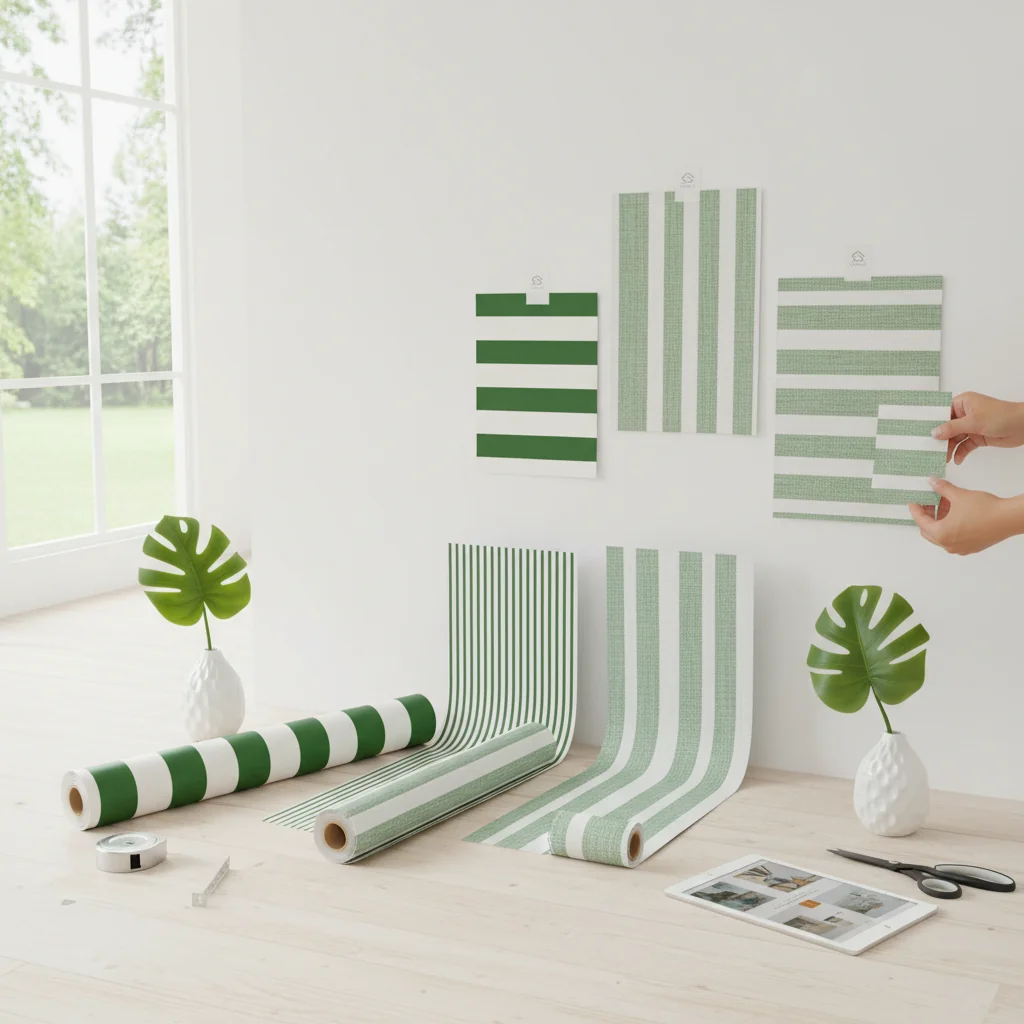
Selecting the ideal green stripe wallpaper requires a thoughtful assessment of the room’s function, existing décor, desired aesthetic, and practical considerations like light exposure and foot traffic. A systematic approach ensures that the chosen wallpaper harmonizes with the space and fulfills both design aspirations and practical needs.
Starhouse recommends evaluating several key factors to guide your decision:
-
Assess the Room’s Function and Environment:
- High-Traffic Areas (Hallways, Kids’ Rooms): These spaces demand maximum durability and washability. Vinyl or highly durable non-woven wallpapers are essential to withstand scuffs, marks, and frequent cleaning.
- Moisture-Prone Areas (Bathrooms, Kitchens): Moisture-resistant and scrubbable materials like solid vinyl or certain types of paper-backed vinyl are crucial to prevent mold, mildew, and damage from humidity and splashes. Ensure proper ventilation is also in place.
- Low-Traffic/Formal Areas (Bedrooms, Dining Rooms, Studies): Here, aesthetic considerations often take precedence. Delicate materials like grasscloth, fabric, or traditional paper, which offer unique textures and intricate patterns, can be considered for their luxurious appeal, as they will not be subjected to constant wear.
-
Consider Room Size and Natural Light:
- Small Rooms: Opt for lighter shades of green and narrower, more subtle stripe patterns to prevent the space from feeling overwhelmed. Vertical stripes can make ceilings appear higher, while horizontal stripes can make a narrow room feel wider.
- Large Rooms: Can accommodate bolder, wider stripes and deeper green hues without feeling visually crowded. Darker greens and broader stripes can add drama and intimacy to expansive spaces.
- Rooms with Limited Light: Lighter greens (e.g., mint, sage, pale olive) and reflective finishes (e.g., subtle metallic stripes) can help brighten and open up the space. Avoid very dark or dense patterns that absorb light.
-
Harmony with Existing Décor and Color Palette:
- Complementary Colors: Identify the existing colors in your furniture, textiles, and artwork. Green pairs beautifully with neutrals (cream, beige, gray), warm tones (gold, rust, deep wood tones), and cool accents (navy, teal, soft blues). Ensure the specific shade of green in the wallpaper complements these elements.
- Furniture Style: A classic pinstripe might perfectly suit traditional mahogany furniture, while an irregular, abstract green stripe could elevate a minimalist, mid-century modern aesthetic. The wallpaper should enhance, not clash with, your furniture.
- Pattern Mixing: If other patterns are present (e.g., on upholstery or rugs), select a green stripe wallpaper that provides balance. Often, a simpler stripe pattern or a different scale of stripe will work best to avoid visual chaos.
-
Stripe Scale and Orientation:
- Vertical Stripes: Create an illusion of height, making ceilings appear taller. Ideal for rooms with lower ceilings or to add a sense of formality.
- Horizontal Stripes: Make rooms feel wider and longer, adding a sense of breadth and intimacy. Effective in narrow hallways or to create a more relaxed atmosphere.
- Narrow vs. Wide Stripes: Narrow stripes offer subtlety and texture, acting as a sophisticated backdrop. Wide stripes make a bold statement and can define the architectural impact of a room.
-
Budget and Installation Method:
- Peel-and-Stick: Generally more budget-friendly and ideal for DIY, offering flexibility for temporary changes.
- Traditional (Paste): Often more durable and offers a wider range of materials (e.g., non-woven, grasscloth) but typically requires more skill for installation or professional help, incurring additional costs.
- Sample Testing: Always order samples. Adhere them to your wall for several days to observe how the green stripe wallpaper looks in different lighting conditions throughout the day and night. This step is critical for confirming your choice before committing to a full purchase.
By systematically considering these factors, you ensure that your chosen green stripe wallpaper not only aligns with your aesthetic vision but also functions optimally within your home environment, providing lasting beauty and satisfaction.
At Starhouse, we are dedicated to curating collections that inspire and elevate your living spaces. We invite you to share your design aspirations and tell us what you’re looking for, to gain early access to our exclusive selections.
Precision is Key: Sizing and Measuring for Green Stripe Wallpaper
Accurate measurement is paramount when preparing for green stripe wallpaper installation to ensure sufficient material, minimize waste, and achieve a seamless, professional finish. Underestimating quantities can lead to costly delays and difficulty matching dye lots, while overestimating results in unnecessary expense.
Follow this step-by-step guide for precise measurement:
- Measure Wall Height: Measure the height of the wall from the baseboard to the ceiling in several places. Use the tallest measurement for calculation. For ceilings over 8 feet, consider patterns with a smaller repeat or those that can be hung horizontally to maximize material efficiency.
- Measure Wall Width: Measure the total width of each wall you intend to cover. If you are wallpapering multiple walls, sum their widths. For walls with architectural features like windows or doors, measure the wall as if these features are not present; you will trim around them later, but you need to account for the full area.
- Calculate Total Square Footage: Multiply the maximum wall height by the total wall width to get the approximate square footage. This provides a baseline, but additional factors must be considered.
-
Account for Pattern Repeat: Green stripe wallpaper often has a pattern repeat, which is the vertical distance before the pattern begins again. This is crucial for matching stripes seamlessly from one strip to the next.
- Find the pattern repeat length (usually stated in inches) on the wallpaper specifications.
- Add the pattern repeat length to your wall height measurement for each strip. For example, if your wall is 96 inches high and the repeat is 21 inches, each strip needs to be cut to at least 117 inches to allow for matching and trimming.
-
Determine Number of Strips:
- Divide the total wall width (in inches) by the width of one roll of wallpaper (also in inches, typically 20.5 or 27 inches for U.S. standards). Round up to the nearest whole number to determine the total number of strips needed.
-
Calculate Number of Rolls:
- Most wallpaper rolls come in standard lengths (e.g., a single roll is approximately 33 feet long, covering about 56 sq ft for a 20.5-inch wide roll, or a double roll is 66 feet long, covering about 112 sq ft).
- Divide the total length needed for all strips (number of strips × adjusted strip height with repeat) by the length of a single roll. Round up to the nearest whole number to determine the total number of rolls required.
- Add for Waste and Future Repairs: Always factor in an additional 10-15% for waste. This buffer accounts for trimming, pattern matching, errors during installation, and provides extra material for future repairs. For complex rooms with many corners or architectural features, consider adding up to 20%. It is always better to have slightly more than not enough, especially since dye lots can vary between batches.
Example Calculation:
Assume a wall is 10 feet (120 inches) high and 15 feet (180 inches) wide.
Wallpaper roll is 20.5 inches wide with a 21-inch pattern repeat. Standard single roll length is 33 feet (396 inches).
- Adjusted Strip Height: 120 inches (wall height) + 21 inches (repeat) = 141 inches per strip.
- Number of Strips: 180 inches (wall width) / 20.5 inches (roll width) = 8.78. Round up to 9 strips.
- Total Length Needed: 9 strips * 141 inches/strip = 1269 inches.
- Number of Rolls: 1269 inches (total length) / 396 inches (single roll length) = 3.2. Round up to 4 single rolls.
- Add Waste: 4 rolls * 1.15 (15% waste) = 4.6. Round up to 5 single rolls.
Therefore, for this wall, you would need to purchase 5 single rolls of green stripe wallpaper. Always consult the specific manufacturer’s recommendations for their roll coverage, as this can vary. Starhouse emphasizes precision in preparation to ensure a flawless installation and a stunning final result.
Installation Insights: Peel-and-Stick vs. Traditional
The installation process for green stripe wallpaper varies significantly between peel-and-stick and traditional paste methods, each offering distinct advantages and requiring specific preparation and techniques. Understanding these differences is crucial for a successful application, whether you opt for a DIY approach or professional assistance.
Peel-and-Stick Wallpaper Installation
Peel-and-stick wallpaper is designed for relative ease of application and removal, making it a popular choice for temporary décor, rentals, or those seeking a less permanent commitment.
Preparation:
- Clean Walls: Ensure walls are clean, dry, smooth, and free of dust, grease, or mildew. Wash with a mild detergent and allow to dry completely.
- Smooth Surface: Peel-and-stick wallpaper adheres best to smooth surfaces. Fill any holes or cracks, sand rough patches, and prime freshly painted walls with a high-quality primer, allowing at least 3-4 weeks for paint to fully cure.
- Gather Tools: You will need a tape measure, utility knife with fresh blades, smoothing tool (squeegee), level, pencil, and a step stool or ladder.
Application Steps:
- Mark Your First Line: Use a level and pencil to draw a vertical line from ceiling to baseboard, approximately 20 inches from a corner (or the width of your wallpaper strip minus a small overlap). This ensures your first strip is perfectly plumb.
- Cut Strips: Measure and cut your first strip, adding 2-4 inches to the top and bottom for trimming. For patterned stripes, ensure you account for the pattern repeat when cutting subsequent strips.
- Apply First Strip: Carefully peel back about 6-12 inches of the backing from the top of the strip. Align the wallpaper with your plumb line, leaving a few inches of overlap at the ceiling.
- Smooth and Adhere: Slowly peel down the backing paper while simultaneously smoothing the wallpaper onto the wall with your squeegee, working from the center outwards to push out air bubbles. Overlap edges by about 1/16 inch for stripe matching, depending on the manufacturer’s instructions.
- Trim Excess: Once the strip is fully applied, use your utility knife and a straight edge (like the squeegee) to trim excess wallpaper at the ceiling and baseboard. Change blades frequently for clean cuts.
- Repeat: Continue with subsequent strips, carefully matching the green stripe pattern at the seams. Overlap slightly if recommended by the manufacturer to minimize visible seams.
Traditional Wallpaper Installation (Paste-the-Wall or Paste-the-Paper)
Traditional wallpaper, especially non-woven varieties, offers a more permanent and often more luxurious finish, requiring careful preparation and specific adhesive application.
Preparation:
- Wall Preparation: Walls must be clean, dry, smooth, and sealed. For porous surfaces or new drywall, apply a wallpaper primer/sealer. This creates a uniform surface for adhesion and aids in future removal. Allow primer to dry completely (24-48 hours).
- Gather Tools: You will need a tape measure, utility knife with fresh blades, smoothing brush or roller, level, pencil, seam roller, wallpaper paste (specific to your wallpaper type), paste brush or roller, water bucket, sponges, and a step stool/ladder.
Application Steps (Paste-the-Wall – common for non-woven):
- Mark Your First Line: Similar to peel-and-stick, use a level to draw a plumb line for your first strip.
- Cut Strips: Measure and cut all wallpaper strips in advance, adding 2-4 inches for trimming at the top and bottom. Carefully number the back of each strip in order and mark the top to ensure correct orientation and pattern matching.
- Apply Paste to Wall: Apply a generous, even layer of wallpaper paste directly to the wall section where your first strip will go, slightly wider than the strip itself. Work quickly to prevent the paste from drying.
- Hang First Strip: Carefully align the top of the first wallpaper strip with the ceiling line and your plumb line. Smooth the wallpaper onto the pasted wall with a smoothing brush or roller, working from the center outwards to remove air bubbles.
- Match Pattern and Seams: For subsequent strips, butt the edge of the new strip tightly against the previous one, carefully aligning the green stripe pattern. Use a seam roller to gently press down the seams, ensuring they are flat and secure. Avoid excessive pressure that can squeeze out too much paste.
- Trim and Clean: Trim excess wallpaper at the ceiling and baseboard with a utility knife. Immediately wipe off any excess paste from the wallpaper surface and seams with a clean, damp sponge before it dries.
- Repeat: Continue this process for all walls, ensuring meticulous pattern matching for a flawless striped effect.
Professional vs. DIY: While peel-and-stick can be a rewarding DIY project, traditional wallpaper, especially with intricate green stripe patterns, often benefits from professional installation. Professionals possess the experience, tools, and techniques to handle complex cuts, tricky corners, and achieve virtually invisible seams, ensuring a superior and longer-lasting finish. Starhouse recommends assessing your comfort level and the complexity of the project before deciding on a DIY or professional approach.
Current Trends and Enduring Styles in Green Stripe Wallpaper
Contemporary trends in green stripe wallpaper lean towards organic textures, muted sage and olive tones, and irregular stripe patterns, while classic designs like pinstripes and wide awning stripes maintain their timeless appeal. The current design landscape embraces green stripes for their ability to introduce both a sense of calm and a dynamic visual element, adapting to various aesthetic movements.
Current Trends:
- Biophilic Design Integration: The strong emphasis on connecting interiors with nature drives the popularity of green. Green stripe wallpaper, particularly in shades like moss, forest, and emerald, plays into biophilic design principles, fostering well-being and a sense of the outdoors. Paired with natural wood, abundant plant life, and organic textiles, it creates serene and restorative environments.
- Muted and Earthy Tones: Bright, saturated greens are making way for softer, more subdued hues. Sage green, olive green, celadon, and dusty mint stripes are highly sought after. These softer greens offer a sophisticated, calming backdrop that integrates seamlessly with neutral palettes (creams, grays, warm whites) and natural materials, contributing to a tranquil and inviting atmosphere.
- Textural Emphasis: Beyond flat prints, green stripe wallpapers with tactile qualities are trending. This includes designs that mimic linen, grasscloth, or subtle woven textures within the stripes themselves. These textural elements add depth, sophistication, and a handcrafted feel, preventing the stripes from appearing too stark or one-dimensional.
- Irregular and Hand-Drawn Stripes: Moving away from perfectly uniform lines, irregular, hand-drawn, or subtly wobbly stripe patterns are gaining traction. These offer a more artistic, organic, and less formal aesthetic, perfect for creating a relaxed yet chic environment in modern and bohemian interiors. They introduce a playful imperfection that feels unique.
- Subtle Metallics and Sheen: Green stripe wallpaper incorporating subtle metallic elements (gold, brass, copper) or a gentle sheen within certain stripes adds a touch of understated luxury. This trend allows the wallpaper to catch light beautifully, creating a dynamic visual effect that shifts throughout the day, enhancing sophistication without being overly opulent.
- Wide-Set and Asymmetrical Stripes: While classic narrow stripes endure, wider-set stripes, often with asymmetrical spacing or varying widths within the pattern, are popular for making bold, contemporary statements. These designs can be used to dramatically alter the perception of space or create a powerful focal point.
Enduring Styles:
- Classic Pinstripes and Ticking Stripes: These refined, understated patterns remain timeless. Pinstripes offer a tailored, sophisticated backdrop for traditional and transitional spaces, particularly in studies or formal living areas. Ticking stripes, with their casual elegance, continue to be staples in farmhouse, coastal, and relaxed traditional interiors, bringing a comforting, familiar aesthetic.
- Awning Stripes: The bold, graphic impact of wide awning stripes ensures their continued relevance. They are a powerful tool for creating dramatic accent walls, adding a sense of grandeur to larger rooms, or injecting a playful, retro resort feel into sunrooms and children’s spaces. Their confident linearity makes an undeniable statement.
- Monochromatic Green Stripes: Using varying shades of green within the stripes (e.g., forest green and emerald, or sage and mint) creates a sophisticated, tonal effect. This approach offers depth and visual interest while maintaining a harmonious, cohesive color scheme, making it a versatile choice that adapts to many styles.
- Green and White/Cream Stripes: The crisp contrast of green paired with white or cream remains a perennially fresh and clean look. This combination brightens spaces, evokes a sense of cleanliness, and provides a versatile backdrop for a wide array of furniture and accessory choices, from traditional to modern minimalist.
Starhouse observes that the longevity of green stripe wallpaper lies in its inherent adaptability. By understanding both current trends and enduring styles, you can select a pattern that not only feels contemporary but also possesses the timeless quality to enhance your home for years to come. The key is to choose a green hue and stripe pattern that resonates with your personal style and the specific atmosphere you wish to cultivate.
Care and Maintenance for Lasting Beauty
Proper care and maintenance are essential for preserving the aesthetic integrity and extending the lifespan of green stripe wallpaper, with specific cleaning methods varying based on the material. Adhering to the manufacturer’s guidelines is paramount, as incorrect cleaning can cause damage, fading, or compromise the adhesive.
Starhouse provides general care instructions, but always refer to the specific product details for your chosen wallpaper.
General Maintenance Tips for All Wallpaper Types:
- Regular Dusting: Dust your wallpaper regularly with a soft, dry cloth, a feather duster, or a vacuum cleaner with a brush attachment. This prevents dust and cobwebs from accumulating and embedding into the surface.
- Immediate Spot Cleaning: Address spills and marks immediately. Fresh stains are significantly easier to remove than dried-on ones.
- Avoid Harsh Chemicals: Never use abrasive cleaners, bleach, or harsh chemical solvents on any wallpaper, as these can damage the finish, strip colors, or weaken the material.
- Test in an Inconspicuous Area: Before applying any cleaning solution to a visible area, always test it on a small, hidden spot (e.g., behind a door, inside a closet) to ensure it does not cause discoloration or damage.
- Control Humidity: Maintain consistent indoor humidity levels. Excessive humidity can cause wallpaper seams to lift or promote mold growth, especially in non-breathable types. Low humidity can cause shrinkage.
Material-Specific Care Instructions:
The washability of wallpaper is typically indicated by symbols on the product label. Common symbols include:
| Wallpaper Type | Washability | Cleaning Method | Special Considerations |
|---|---|---|---|
| Vinyl (Solid & Paper-backed) | Scrubbable / Washable | Wipe with a soft sponge or cloth dampened with mild soap (e.g., dish soap) and warm water. Rinse with a clean, damp cloth and dry immediately. | Excellent for kitchens, bathrooms, high-traffic areas. Highly resistant to stains and moisture. |
| Non-Woven | Washable / Lightly Washable | Gently wipe with a soft, damp cloth using plain water or a very mild, diluted non-abrasive cleaner. Avoid excessive rubbing. | Good for living areas, bedrooms. Breathable, aids in preventing mold. Generally durable but less scrubbable than vinyl. |
| Paper | Not Washable / Spongeable | For light marks, gently blot with a barely damp, clean sponge (plain water). For dust, use a dry, soft cloth or vacuum. Avoid rubbing. | Very delicate. Best for low-traffic, dry areas. Susceptible to water damage and tearing. |
| Grasscloth & Natural Fibers | Not Washable | Vacuum with a brush attachment to remove dust. For stains, consult a professional wallpaper cleaner. Avoid any moisture. | Highly delicate. Water can cause discoloration, shrinkage, or damage. Visible seams are inherent. |
| Peel-and-Stick (Vinyl/Fabric) | Varies (Lightly Washable to Washable) | For vinyl-based, use a damp cloth with mild soap. For fabric-based, often only gentle wiping with a dry or slightly damp cloth is recommended. | Check manufacturer’s instructions. Generally less robust than traditional vinyl. Adhesion can be affected by aggressive cleaning. |
Addressing Common Issues:
- Lifting Seams: For traditional wallpaper, use a seam roller or a small brush to apply a specialized seam adhesive under the lifted edge, pressing it firmly back into place. For peel-and-stick, gently re-adhere or use a spray adhesive designed for temporary wallcoverings if the original adhesive has lost its tack.
- Minor Tears or Bubbles: For small tears, carefully apply a small amount of wallpaper adhesive (or clear craft glue for peel-and-stick) under the tear and press flat. For bubbles, use a fine needle to puncture the bubble, then gently press out the air and smooth the paper flat.
By following these detailed care instructions, your green stripe wallpaper will maintain its vibrant appearance and structural integrity, continuing to enhance your Starhouse interior for many years.
Styling and Pairing: Integrating Green Stripe Wallpaper into Your Décor
Seamlessly integrating green stripe wallpaper into a room’s décor involves thoughtful consideration of complementary colors, furniture styles, textures, and lighting to create a cohesive and inviting environment. The goal is to ensure the wallpaper acts as a foundational design element that enhances, rather than overwhelms, the overall aesthetic.
Choosing Complementary Color Palettes:
The specific shade of green in your stripe wallpaper will guide your color scheme:
-
Neutrals: Green stripes pair effortlessly with a range of neutrals.
- Warm Neutrals (Cream, Beige, Taupe, Sand): These create a soft, inviting, and organic feel, enhancing the natural warmth of many green tones. Ideal for a serene bedroom or a comfortable living room.
- Cool Neutrals (Grays, Charcoal, White): Offer a crisp, modern, and sophisticated contrast. A deep forest green stripe with a cool gray sofa provides a contemporary and elegant look, while mint green and white stripes evoke a fresh, airy atmosphere.
-
Warm Accents: Introduce warmth through complementary colors.
- Gold, Brass, Copper: Metallic accents add a touch of luxury and sophistication, particularly with deeper greens like emerald or hunter. Think picture frames, lighting fixtures, or decorative objects.
- Terracotta, Rust, Burnt Orange: These earthy tones provide a rich, autumnal contrast to green, creating a cozy and grounded feel. Consider throw pillows, pottery, or accent chairs in these hues.
- Natural Wood Tones: Walnut, oak, and teak furniture beautifully complement green stripes, reinforcing the connection to nature and adding a timeless quality.
-
Cool Accents: Enhance the refreshing quality of green.
- Navy Blue, Teal, Sapphire: These deep blues create a sophisticated and classic pairing with green, especially in more formal or masculine spaces. Consider upholstered furniture or textiles in these shades.
- Soft Blues and Pale Lavenders: For a more serene and airy feel, light blues or subtle purples can create a harmonious, calming environment, particularly with lighter green stripes.
Harmonizing with Furniture Styles:
- Traditional/Transitional: Classic green stripe patterns like pinstripes, Bengal stripes, or subtle Regency stripes complement traditional furniture with rich wood finishes, ornate details, and plush upholstery. Pair with Chesterfield sofas, antique bureaus, and damask or floral fabrics for a cohesive, elegant look.
- Modern/Mid-Century Modern: Clean-lined furniture, minimalist designs, and natural materials work well with contemporary green stripe patterns. Consider irregular stripes, wide awning stripes, or ombre effects. Pair with sleek leather sofas, teak credenzas, and geometric accessories. Sage or olive green stripes enhance the organic modern aesthetic.
- Farmhouse/Coastal: Ticking stripes, candy stripes, or wider, more casual green stripes (especially in muted or pastel greens) are perfect for farmhouse or coastal styles. Combine with distressed wood furniture, wicker accents, linen textiles, and natural fiber rugs for a relaxed, inviting ambiance.
- Eclectic/Bohemian: Green stripe wallpaper can serve as an unexpected anchor in an eclectic space. Mix and match patterns, textures, and furniture from various eras. An irregular or textured green stripe can provide a unifying backdrop for a collection of unique pieces, allowing other elements to pop.
Incorporating Textures and Materials:
Varying textures adds depth and interest to a room featuring green stripe wallpaper.
- Soft Textiles: Introduce velvet, linen, wool, or chunky knits through throws, pillows, and rugs. These soften the linear quality of the stripes and add comfort.
- Natural Materials: Rattan, jute, bamboo, and unfinished wood bring organic warmth and reinforce the natural connection of green.
- Metallic Accents: Reflective surfaces in gold, brass, or chrome can add sparkle and sophistication, particularly effective in drawing attention to specific areas or objects.
- Ceramics and Pottery: Hand-thrown ceramics, glazed pottery, or concrete accents can add an artisanal, grounded feel that complements the natural essence of green.
Lighting Considerations:
Lighting plays a crucial role in how green stripe wallpaper is perceived throughout the day.
- Natural Light: Observe how natural light interacts with your green stripe wallpaper. Lighter greens will appear brighter, while darker greens can create a moody, sophisticated effect. Consider reflective stripes to maximize light.
- Layered Lighting: Implement a mix of ambient (overhead), task (reading lamps), and accent (spotlights on artwork) lighting. This allows you to control the mood and highlight specific areas of the wallpaper or room.
- Warm vs. Cool Tones: LED bulbs with warmer color temperatures (2700K-3000K) can enhance the coziness of green, while cooler temperatures (3500K-4000K) can make greens appear crisper and more vibrant.
By meticulously layering these elements, green stripe wallpaper transcends its role as a mere wall covering, becoming an integral component of a thoughtfully designed and harmonious living space. Starhouse encourages a holistic approach to interior design, where every element contributes to a unified and aspirational home.
Common Mistakes to Avoid When Using Green Stripe Wallpaper
Avoiding common pitfalls when selecting and installing green stripe wallpaper ensures a successful outcome, preventing issues such as pattern mismatch, insufficient material, and overwhelming a space. Awareness of these frequent errors allows homeowners to approach their project with greater confidence and achieve a polished, professional result.
- Under-Measuring or Forgetting Pattern Repeat: This is arguably the most common and frustrating mistake. Failing to accurately measure walls, neglecting to account for windows and doors (which still require material above and below), or forgetting to add extra for pattern repeat and waste (10-15% is standard) inevitably leads to running out of wallpaper mid-project. This can result in costly reorders, delays, and potentially receiving rolls from a different dye lot, leading to noticeable color variations. Always over-order slightly.
- Ignoring Stripe Scale in Relation to Room Size: Applying wide, bold awning stripes in a small powder room can make the space feel even smaller and more claustrophobic. Conversely, using very fine pinstripes in a large, expansive living room might make the pattern disappear, losing its intended impact. Always consider the scale of the stripes relative to the room’s dimensions. Narrower stripes generally suit smaller rooms, while wider stripes are better for larger spaces or for creating a dramatic accent.
- Poor Wall Preparation: Skipping essential prep steps like cleaning, patching holes, sanding rough areas, or applying primer/sealer can severely compromise the wallpaper’s adhesion and finish. Imperfections on the wall will often show through, and uneven surfaces can lead to bubbles, wrinkles, or lifting seams. Fresh paint needs ample time (3-4 weeks) to cure before wallpaper application.
- Incorrect Adhesive or Application: Using the wrong type of adhesive for traditional wallpaper (e.g., heavy-duty paste for lightweight paper) or applying it unevenly can cause the wallpaper to sag, bubble, or fail to adhere properly. For peel-and-stick, insufficient surface preparation or attempting to apply it to textured walls will lead to poor adhesion and premature peeling. Always use the adhesive recommended by the wallpaper manufacturer.
- Mismatched Stripe Patterns at Seams: Forgetting to account for the pattern repeat when cutting strips, or being careless during installation, can result in misaligned stripes across seams. This creates a jarring visual break that detracts from the wallpaper’s aesthetic. Meticulous attention to pattern matching is crucial for a seamless, professional appearance, especially with stripes.
- Overwhelming the Space with Too Much Pattern: While green stripe wallpaper is versatile, using it on all four walls in a very busy pattern or a very dark shade can make a room feel enclosed and overwhelming. Consider using it on an accent wall, in a niche, or only on the upper portion of a wall with wainscoting to introduce pattern without dominating the space. Balance is key.
- Neglecting Room Function in Material Choice: Installing delicate paper or grasscloth wallpaper in a high-moisture bathroom or a high-traffic hallway is a common error. These materials are not designed to withstand humidity, splashes, or frequent contact, leading to premature damage and disappointment. Always select a material suitable for the room’s specific demands (e.g., vinyl for bathrooms, non-woven for living areas).
- Ignoring Lighting Conditions: The appearance of green stripe wallpaper can change dramatically under different lighting. A vibrant emerald green might look sophisticated in bright daylight but appear dull or too dark in a dimly lit room at night. Always test samples on your wall and observe them throughout the day and evening to understand how the color and pattern interact with natural and artificial light sources.
By being mindful of these common mistakes, homeowners can navigate the selection and installation process for green stripe wallpaper with greater confidence, leading to a beautifully transformed and enduring space. Starhouse advocates for careful planning and execution to achieve exceptional design results.
Frequently Asked Questions About Green Stripe Wallpaper
Is green stripe wallpaper suitable for small rooms?
Yes, green stripe wallpaper is highly suitable for small rooms, provided the stripe scale and color palette are chosen judiciously to enhance the space. Lighter shades of green and narrower vertical stripes can make a small room feel taller and more expansive, while horizontal stripes can visually widen a narrow area.
Can I use green stripe wallpaper in a bathroom or kitchen?
Yes, you can use green stripe wallpaper in bathrooms and kitchens, but it is imperative to select a moisture-resistant and washable material like solid vinyl or certain types of paper-backed vinyl. These materials withstand humidity, splashes, and frequent cleaning, ensuring longevity in high-moisture environments.
How do I remove peel-and-stick green stripe wallpaper?
Peel-and-stick green stripe wallpaper is designed for easy removal; simply start at a corner and slowly peel the material away from the wall at a 45-degree angle. Most modern peel-and-stick options remove cleanly without damaging the underlying paint or leaving residue, though some light adhesive residue can be cleaned with warm, soapy water.
How do I match the stripe pattern at the seams?
Matching the stripe pattern at the seams requires careful alignment of the pattern repeat from one strip to the next. When cutting strips, always add the pattern repeat length to the wall height to ensure enough material for proper alignment. During installation, butt the edges of adjacent strips closely together, meticulously aligning the stripes before smoothing the wallpaper onto the wall.
What is the difference between “paste-the-wall” and “paste-the-paper” wallpaper?
What is the difference between “paste-the-wall” and “paste-the-paper” wallpaper?
“Paste-the-wall” wallpaper, typically non-woven, involves applying the adhesive directly to the wall before hanging the dry wallpaper strip, making it generally easier and cleaner to install. “Paste-the-paper” wallpaper requires applying adhesive to the back of the wallpaper strip itself, which then needs to “book” (fold and rest) for a few minutes before hanging, a method often used for traditional paper-backed materials.
Can I paint over green stripe wallpaper?
While technically possible for some types of wallpaper, painting over green stripe wallpaper is generally not recommended as it often compromises the texture and can lead to bubbling or peeling over time. The best practice is to remove the wallpaper entirely before painting to ensure a smooth, durable finish.
What are VOCs in wallpaper and why are they important?
Volatile Organic Compounds (VOCs) are organic chemicals that can off-gas from various household products, including some wallpapers and adhesives, potentially impacting indoor air quality. It is important to choose wallpapers labeled as low-VOC or PVC-free, especially for bedrooms and children’s rooms, to minimize exposure and promote a healthier indoor environment.
Sources
Green stripe wallpaper remains a powerful and sophisticated choice for homeowners across the United States, offering an unparalleled blend of timeless elegance and contemporary versatility. From the serene calm of a subtle sage pinstripe to the bold statement of an emerald awning stripe, its capacity to define, elevate, and personalize a space is undeniable. By understanding the nuances of material, pattern, and application, and by meticulously planning for installation and care, you ensure that your chosen green stripe wallpaper not only meets your aesthetic desires but also provides lasting beauty and functionality. Starhouse is committed to curating exceptional elements that transform houses into homes, reflecting discerning tastes and aspirational living.
As Starhouse continues to build its curated collection of exquisite home décor, we invite you to be part of our journey. Share your vision for your ideal living space and tell us what you’re looking for. Your insights will help shape our offerings, and you’ll gain early access to our exclusive selections, ensuring your home reflects the unique style and sophistication you envision.