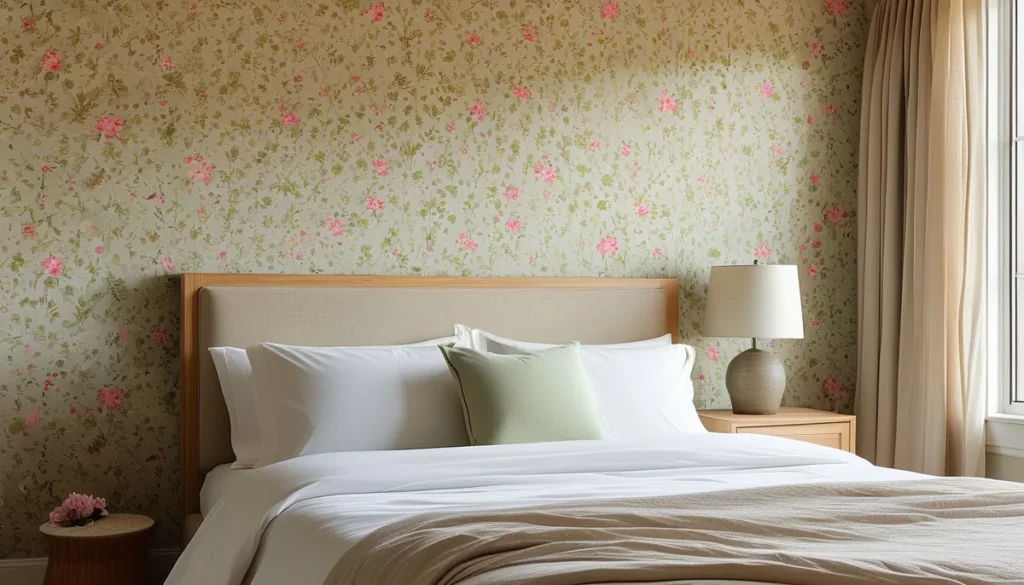
Choosing modern chinoiserie wallpaper means you’re not just picking a pattern; you’re selecting a statement piece that bridges historical artistry with contemporary design. Unlike traditional interpretations, modern chinoiserie often features bolder color palettes, simplified motifs, or unexpected material textures. You’ll need to decide if you want a subtle nod to the style or a full-blown immersive experience on your walls.
The key difference in modern chinoiserie lies in its adaptation. Traditional patterns depicting pastoral scenes, pagodas, and intricate flora and fauna are reinterpreted. Think of a classic blue and white porcelain pattern, but instead of delicate scenes, it might feature large-scale, almost abstract floral elements in unexpected color combinations like teal and coral, or even metallic finishes. This approach avoids making a room feel like a period piece and instead injects personality and a curated, eclectic feel.
Understanding the scale of modern chinoiserie patterns
When you look at modern chinoiserie wallpaper, the scale of the pattern is paramount. A large-scale design can serve as a dramatic focal point, ideal for a living room accent wall or a grand entryway. These oversized motifs can make a space feel more expansive and contemporary, especially when the background is a solid, neutral color. For smaller rooms or areas where you want a less overwhelming effect, a smaller, more intricate pattern might be better. However, modern takes often favor impact, so even smaller patterns tend to have a bolder presence than their historical counterparts. Consider the ceiling height and the overall dimensions of the room. A towering pagoda motif might look stunning in a room with 10-foot ceilings but could feel cramped in a space with 8-foot ceilings. Always check the pattern repeat; a large repeat means you’ll see the same elements less frequently, which can be good for very large walls but might require more paper for precise alignment.
Material options for your chinoiserie wallpaper
The material your modern chinoiserie wallpaper is printed on significantly impacts its look, durability, and application. You’re not limited to traditional paper anymore.
Vinyl-coated wallpaper
This is a popular choice for its durability and ease of cleaning. The vinyl coating makes it resistant to moisture and stains, making it suitable for kitchens, bathrooms, and high-traffic hallways. Modern vinyl chinoiserie often features a subtle sheen that can enhance the vibrancy of the colors and details. Ensure it’s breathable if used in a humid environment, or opt for specific vinyl formulations designed for such spaces.
Textured wallpapers
Some modern chinoiserie designs are printed on textured substrates to add depth and a tactile element. This could include embossed vinyl, fabric-backed vinyl, or even natural fiber papers like grasscloth or silk. A silk or faux-silk wallpaper with a chinoiserie print offers a luxurious sheen and a soft texture, elevating the elegance. Grasscloth provides a natural, organic backdrop that contrasts beautifully with the often-ornate chinoiserie motifs. These textured options can feel more custom and high-end.
Peel and stick wallpaper
For renters or those who like to change their decor frequently, peel and stick modern chinoiserie wallpaper is a fantastic option. It’s essentially a large decal applied directly to the wall. The adhesive is strong enough to hold but gentle enough to be removed without damaging most surfaces. Quality varies greatly, so look for thicker, more robust materials that won’t easily tear during application. Many modern chinoiserie designs are available in this format, offering convenience without sacrificing style.
Non-woven (s Hinton) wallpaper
This European-style wallpaper is made from a blend of synthetic fibers and paper pulp. It’s known for its durability, resistance to tearing, and breathability. Non-woven wallpapers are generally easier to hang than traditional paper, as they don’t expand or contract significantly when wet. Many high-quality modern chinoiserie prints utilize this material for a smooth finish and excellent color reproduction.
Color palettes in modern chinoiserie
While traditional chinoiserie often features a limited palette—think blue and white, or muted greens and golds—modern interpretations embrace a much wider spectrum. You can find:
- Bold and vibrant: Think fuchsia pagodas against a turquoise background, or emerald green dragons on a sunset orange base. These designs make a strong statement and are perfect for creating a maximalist or eclectic look.
- Monochromatic schemes: A modern take might use a single color, like a deep navy or a soft blush, with varying shades and textures to create depth and interest. This offers a sophisticated and less literal interpretation of the style.
- Metallic accents: Gold, silver, or copper foil incorporated into the pattern can add a touch of glamour and modernity, catching the light and drawing the eye. This works exceptionally well for evening rooms or spaces where you want a bit of sparkle.
- Subdued and sophisticated: Some modern designs opt for a more muted approach, using sophisticated, contemporary colors like charcoal, deep olive, or muted plum, often paired with cream or ivory. This offers a gentler way to incorporate chinoiserie into a minimalist or Scandinavian-inspired interior.
Where to use modern chinoiserie wallpaper
The versatility of modern chinoiserie means it can be used in various rooms and applications:
Accent walls
This is the most common application. A single wall, perhaps behind a bed, a sofa, or a credenza, can become a stunning focal point. It allows you to enjoy the intricate design without overwhelming the space. For inspiration on impactful accent walls, check out our guide on modern floral wallpaper designs, which shares similar principles of creating a visual statement.
Full room coverage
For the bold, covering all four walls can create an immersive, theatrical effect. This works best in larger rooms or spaces with high ceilings, and when the pattern isn’t overly busy or the color palette is more subdued. It’s a daring choice that truly embraces the essence of chinoiserie. Consider this for a dining room or a study.
Ceilings
Applying wallpaper to the ceiling, often called a ‘fifth wall’, can add an unexpected layer of luxury and surprise. A delicate chinoiserie pattern on the ceiling can draw the eye upward, making a room feel more grand. This is particularly effective in smaller powder rooms or bedrooms.
Backsplashes and interior doors
Think outside the traditional wall. Modern, durable wallpapers (especially vinyl) can be used as a unique backsplash in a kitchen or bar area, or even applied to the panels of interior doors for a whimsical touch. Always ensure proper sealing if using in a moisture-prone area.
Installation considerations for modern chinoiserie
Proper installation is crucial for achieving a professional look, especially with intricate patterns like chinoiserie.
Surface preparation
Your walls must be clean, dry, and smooth. Remove old wallpaper, fill any holes or cracks, and sand them smooth. A primer specifically designed for wallpaper application will ensure better adhesion and easier removal later. For peel and stick, ensure the wall is exceptionally clean; dust or grease can prevent proper adhesion.
Hanging the paper
Read the manufacturer’s instructions carefully. Most modern wallpapers are hung using the ‘paste the wall’ method (applying adhesive directly to the wall, not the paper) or are pre-pasted/peel-and-stick. Ensure you align patterns precisely, especially with large-scale motifs. Use a smoothing tool to press the paper onto the wall, working from the center outwards to eliminate air bubbles. A sharp utility knife is essential for trimming excess paper at the ceiling, baseboard, and around outlets.
Matching the pattern
This is where chinoiserie can be tricky. Pay close attention to the pattern repeat. You may need to ‘book’ the wallpaper (fold paste-to-paste) for a few minutes before applying it to the wall, allowing the adhesive to activate. Careful alignment ensures the scene flows seamlessly from one panel to the next. If you’re using a particularly intricate design, consider hiring a professional, especially for a full room installation. For a truly seamless look, explore options like chinoiserie mural wallpaper, which often comes in numbered panels designed for a specific wall.
Common mistakes to avoid
Several pitfalls can undermine your modern chinoiserie wallpaper project:
- Incorrect scale: Choosing a pattern that is too large or too small for the room can make it feel unbalanced.
- Ignoring wall condition: Hanging wallpaper over unprimed or damaged walls will lead to poor adhesion and visible imperfections.
- Poor lighting: The intricate details of chinoiserie can be lost in a dimly lit room. Ensure adequate lighting to appreciate the design.
- Over-cluttering: Because chinoiserie is visually rich, pairing it with too much busy furniture or decor can make a space feel chaotic rather than curated. Let the wallpaper be the star.
- Not ordering enough: Always order about 10-15% extra wallpaper to account for pattern matching, trimming, and potential future repairs. Running out mid-project is a common and frustrating mistake.
Embracing modern chinoiserie wallpaper allows you to infuse your home with a sense of history, artistry, and bold contemporary style. Whether you opt for a dramatic accent wall or a full room transformation, the key is thoughtful selection and careful installation. For further inspiration on adding color and pattern, explore our guide on green modern wallpaper, which highlights how specific colors can impact a room’s feel.
When considering the luxurious feel of chinoiserie, you might also be interested in other styles that bring a sense of sophistication, such as the timeless elegance found in chinoiserie wallpaper. And for those drawn to the dramatic flair of red, our guide on red chinoiserie wallpaper offers specific advice on selecting shades and styles.