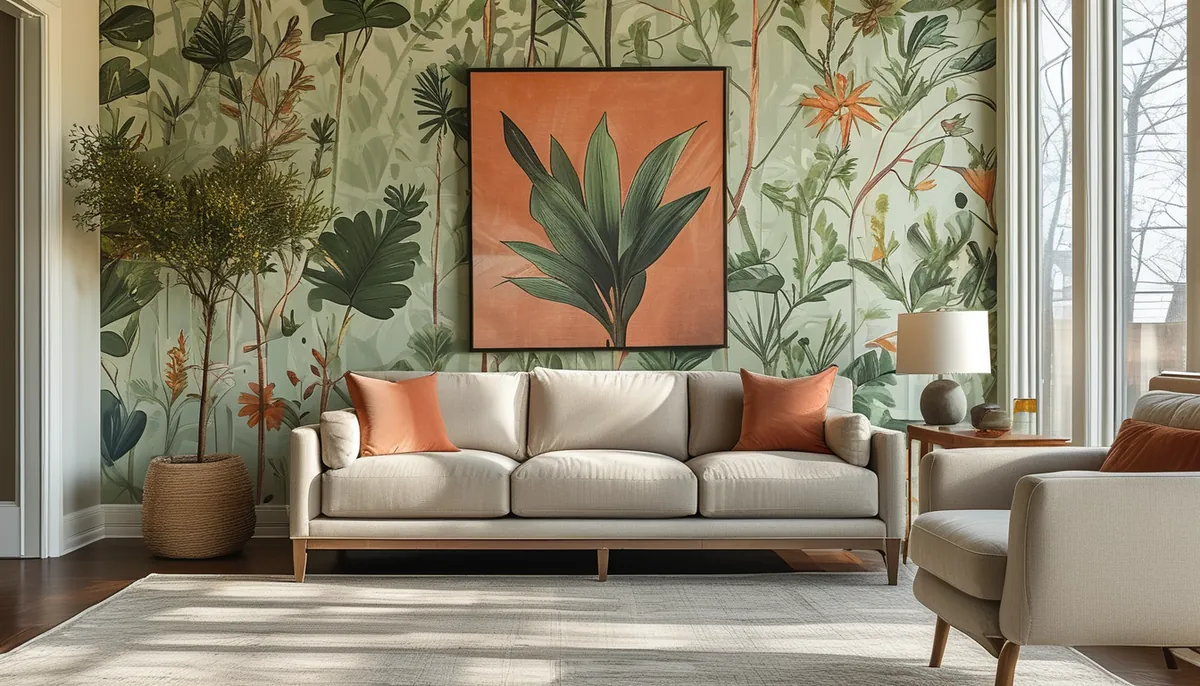
Choosing the right wallpaper can dramatically change the feel of a room. Forget the days of limited choices; today’s market offers an incredible range of patterns, textures, and materials. When selecting wallpaper, consider the room’s function, the existing decor, and the overall mood you want to create.
Consider scale and pattern repeat
The scale of a wallpaper pattern is crucial. Large-scale, bold prints can make a small room feel overwhelming, while tiny, intricate patterns might get lost in a large space. For smaller rooms, consider a pattern that is medium-sized or has a more subtle texture. For larger rooms, you can often get away with larger, more dramatic designs. Pay attention to the pattern repeat – this is the distance before the pattern starts over. A large repeat means you’ll need more wallpaper to align the pattern perfectly, leading to more waste. For busy patterns or those with a distinct directional element, a larger repeat can be more noticeable and require careful matching.
Match wallpaper to room function
Different rooms have different needs. In high-traffic areas like hallways or living rooms, opt for durable, washable wallpapers. Vinyl-coated or scrubbable papers are excellent choices. For bedrooms, you might want something more calming and serene, perhaps a subtle texture or a soft pattern. Kitchens and bathrooms benefit from moisture-resistant wallpapers, such as vinyl or foil-backed options, which can also withstand steam and frequent cleaning. For a powder room, you can be more adventurous with bold patterns or dramatic textures, as it’s a smaller space that’s used less frequently.
Explore different wallpaper materials
Wallpaper comes in various materials, each with its pros and cons:
- Paper-backed paper: The most traditional type, often the most affordable. It can be less durable and prone to tearing, making it best suited for low-traffic areas or accent walls.
- Vinyl wallpaper: Highly durable, washable, and moisture-resistant. It’s a great choice for kitchens, bathrooms, and kids’ rooms. It comes in solid vinyl or vinyl-coated paper.
- Foil wallpaper: Features a metallic foil surface that can create a modern, shimmering effect. It’s often used to cover imperfect walls as the metallic surface can reflect light and distract from minor flaws. Requires careful handling during installation.
- Textured wallpaper: Includes materials like grasscloth, cork, or fabric. These add depth and tactile interest to a room. Grasscloth, for instance, offers a natural, organic feel and is excellent for creating a serene atmosphere. These are often more delicate and may not be suitable for high-moisture areas.
- Peel-and-stick wallpaper: A popular DIY option. It’s easy to apply and remove, making it ideal for renters or those who like to change their decor frequently. While convenient, ensure you buy from reputable brands to guarantee adhesion and removability without damaging walls.
The impact of color and texture
Color plays a significant role in how a space feels. Light colors can make a room appear larger and more airy, while dark colors can create a cozy, intimate atmosphere. Consider the natural light in the room when choosing colors. A room with little natural light might benefit from lighter, brighter hues, while a room bathed in sunlight can handle deeper, richer tones. Gray wallpaper offers a versatile backdrop, ranging from light, airy shades to deep, dramatic charcoals. Explore blue wallpaper for a calming effect or beachy wallpaper designs for a coastal vibe.
Texture adds another dimension. A subtle linen texture can add warmth without overpowering the space. Bold textures, like raised damasks or faux brick, can become a focal point. Textured wallpapers can also help to mask minor imperfections on your walls, similar to how some vinyls work.
Creating accent walls
An accent wall is a fantastic way to introduce a bold pattern or a striking color without overwhelming the entire room. It’s a great starting point for experimenting with wallpaper design ideas. Choose one wall – often the one behind the bed in a bedroom, the fireplace wall in a living room, or the wall facing the entrance – and apply a statement wallpaper there. The other walls can be painted in a coordinating solid color, or a more subtle wallpaper from the same collection.
Geometric patterns for a modern look
Geometric wallpapers are incredibly versatile and can lend themselves to a variety of styles, from mid-century modern to contemporary. Stripes can elongate walls or widen a room depending on their orientation. Chevrons and diamonds add energy and visual interest. For a more understated approach, consider subtle geometric patterns with a tone-on-tone color scheme, which add texture and depth without being too busy. These are particularly effective in small spaces where a loud pattern might feel claustrophobic.
Floral and botanical designs for organic appeal
Floral and botanical motifs bring life and natural beauty into a home. From delicate, vintage-inspired blooms to bold, tropical foliage, there’s a design to suit every taste. These patterns can create a serene retreat or a vibrant, energetic space. For a touch of the tropics, explore coral wallpaper designs which often feature vibrant colors and intricate natural forms.
Stripes and damasks for classic elegance
Stripes offer a timeless appeal and can be used to influence the perception of a room’s dimensions. Vertical stripes draw the eye upward, making ceilings appear higher, while horizontal stripes can make a room feel wider. Damask patterns, with their ornate and often regal designs, add a touch of classic sophistication. They can range from subtle, tone-on-tone textures to bold, contrasting statements.
Tips for successful installation
Proper preparation is key to a professional-looking wallpaper installation. Start by cleaning your walls thoroughly. Remove old wallpaper, fill any holes or cracks with spackle, and sand the surface smooth. Prime the walls with a wallpaper primer – this helps the adhesive stick better and makes future removal easier. Ensure your first strip is perfectly plumb (vertical) using a spirit level; this will ensure all subsequent strips align correctly. Read the manufacturer’s instructions carefully, as application methods (pre-pasted, paste-the-wall, paste-the-paper) vary.
Common mistakes to avoid
One of the most common mistakes is not ordering enough wallpaper. Always order at least 10-15% extra to account for pattern matching, potential mistakes, and future repairs. Another pitfall is rushing the preparation phase; poorly prepped walls will lead to an uneven finish and potential peeling. Lastly, be mindful of the lighting in your room; a pattern that looks great in a showroom might appear too busy or too dull in your home’s specific lighting conditions.
Choosing wallpaper for specific rooms
Entryway and Hallway
This is the first impression guests have of your home. Consider a durable, washable wallpaper that can withstand scuffs. Bold patterns or interesting textures can make a statement here. A repeating pattern works well in a long hallway.
Living Room
The living room is a central gathering space. You can be more adventurous here, with large-scale prints, textured papers, or sophisticated patterns like damasks. Consider how the wallpaper will complement your furniture and artwork.
Bedroom
Bedrooms are sanctuaries. Opt for calming colors and softer patterns, or use a bold wallpaper on the accent wall behind the bed for a dramatic focal point. Matte finishes tend to absorb light and create a cozy atmosphere.
Kitchen
Durability and moisture resistance are key. Vinyl or scrubbable wallpapers are ideal. Consider patterns that are easy to clean and won’t show minor splatters. A backsplash can also be a great place for a fun, durable wallpaper.
Bathroom
Similar to kitchens, bathrooms need moisture-resistant options. Vinyl wallpapers are a good choice. Lighter colors can make a small bathroom feel more spacious. Foil wallpapers can add a touch of glamour.
Kids’ Rooms
Durability and washability are paramount. Fun, whimsical patterns are popular, but consider designs that can grow with the child. Peel-and-stick options are excellent for frequently changing tastes.