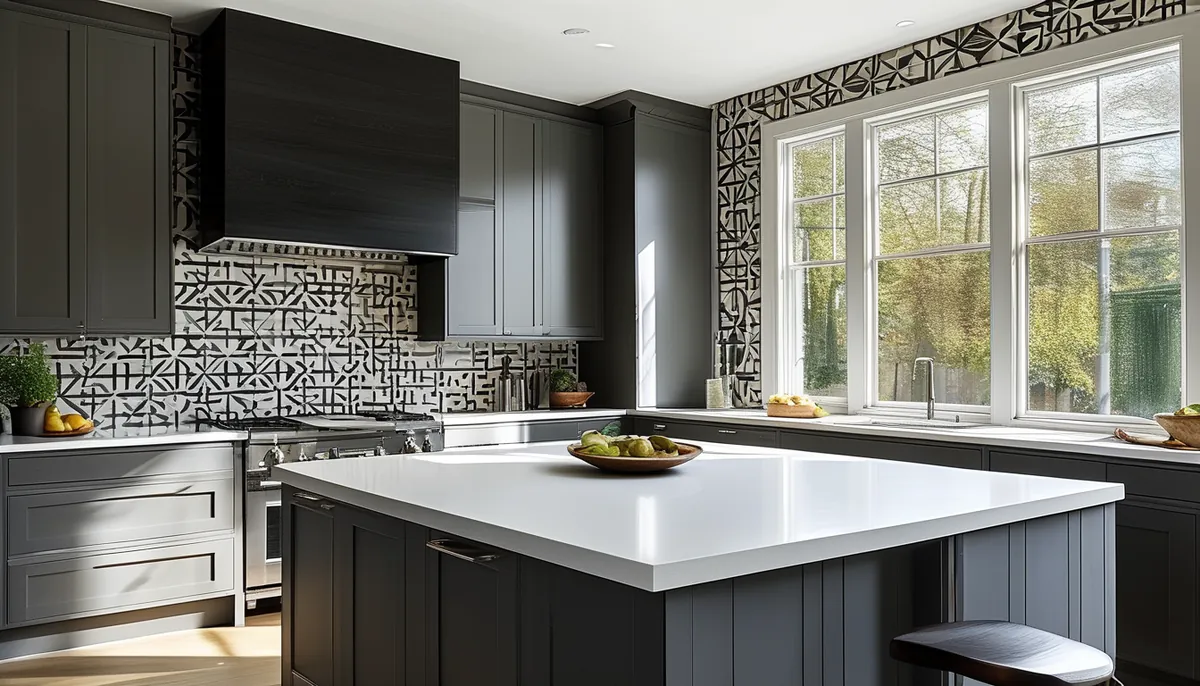
The sides and base of your kitchen island are often overlooked, yet they present a significant opportunity to inject personality and style into your kitchen. Applying wallpaper to a kitchen island can dramatically change the look and feel of the entire space, turning a functional piece of furniture into a decorative statement. When deciding on wallpaper for your kitchen island, durability and cleanability are paramount due to its high-traffic location.
Choosing the right wallpaper material
Not all wallpapers are created equal, especially when destined for a kitchen island. You need materials that can withstand splashes, grease, and frequent wiping. Here’s a breakdown of common options and their suitability:
Vinyl wallpaper
This is your top contender for a kitchen island. Vinyl wallpaper is exceptionally durable, water-resistant, and easy to clean. It often comes with a paper or fabric backing. The vinyl surface can handle scrubbing without damage, making it ideal for areas prone to spills and splatters. Look for options specifically labeled as “scrubbable” or “washable.” The thickness of vinyl wallpaper can vary, but a heavier gauge generally offers better durability. It’s also relatively forgiving during installation, allowing for some repositioning if you’re using a peel-and-stick variety.
Textured or embossed wallpapers
These can add depth and visual interest to your island. Materials like embossed vinyl or even certain types of grasscloth (sealed for moisture resistance) can work. However, be cautious with very deep textures, as they can trap grease and be harder to clean thoroughly. If you opt for textured wallpaper, ensure it’s a washable type and consider applying a clear, water-based sealant for extra protection, especially in active cooking zones.
Peel and stick wallpaper
This is a highly recommended option for DIYers and renters. Peel and stick wallpaper is essentially a large sticker made of vinyl or a similar durable material with an adhesive backing. It’s incredibly easy to apply and remove, making it perfect for experimenting with designs or for temporary updates. For a kitchen island, ensure you select a high-quality, thick peel-and-stick vinyl designed for durability. Thinner, cheaper versions might not hold up as well to wear and tear or cleaning. When properly applied, good quality peel and stick wallpaper can last for years. You can explore a wide range of patterns and colors, including those mimicking tile, wood, or intricate designs. For an in-depth guide on this versatile option, check out our Easy Peel and Stick Wallpaper Guide.
Traditional paper-backed wallpaper
While beautiful, traditional wallpaper is generally not recommended for kitchen islands. It’s less resistant to moisture and grease, and cleaning can easily damage the surface, leading to peeling or discoloration. If you absolutely love a specific traditional pattern, consider using it on a less exposed area of the island or ensuring it’s heavily sealed and maintained meticulously.
Key considerations for kitchen island wallpaper
Beyond material, several factors will influence your choice and the success of your project:
Durability and washability
This cannot be stressed enough. Your kitchen island is a high-traffic area. Select wallpaper that can withstand daily use, accidental spills, and regular cleaning. Vinyl and high-quality vinyl-based peel-and-stick options are the best bets. Look for labels indicating scrubbable, washable, or highly durable finishes.
Adhesive type
For peel-and-stick, the adhesive strength is crucial. It needs to be strong enough to adhere firmly to the island’s surface, even with temperature fluctuations in the kitchen, but not so strong that it damages the underlying material upon removal. Most reputable peel-and-stick wallpapers offer a balance. For traditional wallpaper, you’ll use a specific wallpaper paste, which needs to be compatible with both the wallpaper and the surface you’re applying it to.
Visual impact and design
Your kitchen island wallpaper will be a prominent feature. Consider how the pattern and color will interact with your existing cabinetry, countertops, and flooring. Bold patterns can create a dramatic focal point, while subtle textures can add sophistication. Think about the overall aesthetic you want to achieve. For inspiration on integrating patterns, you might find ideas in our post on Transforming Spaces with Floral Wallpaper, as similar principles apply to island design.
Size and scale of the pattern
A large, busy pattern might overwhelm a small island, while a very small, intricate pattern might get lost. Consider the dimensions of your island and choose a pattern scale that complements its size. For example, a large-scale geometric print can make a modern island pop, while a classic damask could lend elegance to a traditional design.
Moisture and heat resistance
Kitchens are prone to steam and heat, especially around the cooking area. While most vinyls offer good resistance, ensure the wallpaper can handle the environment without peeling, bubbling, or degrading. If your island is very close to a dishwasher or oven, this becomes even more critical.
Preparing your kitchen island for wallpaper
Proper preparation is key to a professional-looking and long-lasting finish. This involves several steps:
Clean the surface thoroughly
The island’s surface must be clean, dry, and free of any grease, dust, or old adhesive. Use a degreaser or a mild detergent, followed by a thorough rinse and drying. Any residue will prevent the wallpaper from adhering properly.
Repair imperfections
Fill any holes or cracks with a suitable filler and sand them smooth once dry. Smooth surfaces ensure the wallpaper adheres evenly and doesn’t show bumps or imperfections underneath.
Prime the surface (if necessary)
For some surfaces, especially raw wood or previously painted surfaces that are not in perfect condition, applying a primer can improve adhesion and create a more uniform base. Use a water-based primer suitable for the material of your island. For most well-maintained painted cabinets or laminate surfaces, a good cleaning might be sufficient, especially for peel-and-stick options.
Measure accurately
Carefully measure the height and width of each side of the island you plan to cover. Add a few extra inches to each measurement to account for trimming and wrapping around edges. It’s always better to have a little too much wallpaper than not enough.
How to apply wallpaper to a kitchen island
The application process varies slightly depending on the type of wallpaper, but the general steps for peel-and-stick are as follows:
Cut the wallpaper
Cut your wallpaper panels to size, remembering to add extra for trimming. It’s often easier to cut slightly larger pieces and trim them down for a precise fit.
Start applying
For peel-and-stick, peel back a few inches of the backing paper from the top edge. Align the wallpaper carefully with the top edge or corner of the island. Gently press the exposed adhesive strip onto the surface.
Smooth as you go
Slowly peel away the backing paper while simultaneously smoothing the wallpaper onto the surface with a squeegee or a clean, dry cloth. Work from the center outwards to push out any air bubbles. If you get a bubble, you can often carefully lift the wallpaper and reapply.
Wrap corners and edges
Carefully guide the wallpaper around corners, using the squeegee to ensure a firm bond. For edges, you can either wrap the wallpaper slightly around the back for a clean finish or trim it precisely at the edge. If wrapping, ensure a neat fold.
Trim excess
Once the wallpaper is applied and smoothed, use a sharp utility knife or a craft knife to carefully trim away any excess wallpaper along the bottom edge, around any openings (like appliance panels), or at the top if you didn’t wrap it. A metal ruler can help create straight cuts.
Repeat for all sides
Continue this process for all sides of the island that you wish to cover. Ensure consistent alignment and pressure for a seamless look.
Maintaining your wallpapered kitchen island
To keep your wallpaper looking its best, follow these maintenance tips:
- Wipe spills immediately: Don’t let spills sit, especially oily or colored liquids.
- Gentle cleaning: Use a soft, damp cloth with a mild soap solution for routine cleaning. Avoid abrasive cleaners or scrubbing pads, which can damage the wallpaper’s surface.
- Drying: After cleaning, gently wipe the area dry with a clean, soft cloth.
- Avoid excessive moisture: While vinyl is water-resistant, prolonged exposure to standing water is not recommended.
- Check for lifting: Periodically inspect the edges and seams for any signs of lifting and re-adhere them promptly if necessary, especially with peel-and-stick options.
By selecting the right material and applying it with care, wallpaper can be a fantastic way to update your kitchen island and add a unique design element. Consider exploring the vast array of patterns available, perhaps even finding inspiration from brands known for their distinctive style, such as those featured in our Rifle Paper Co. Wallpaper post, to bring a cohesive and personalized look to your kitchen.