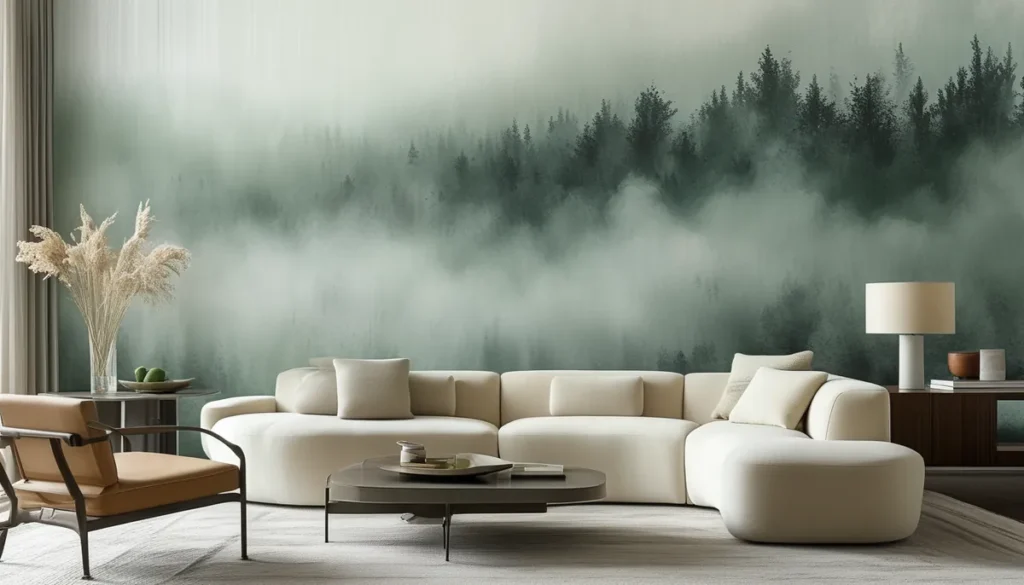
When selecting wallpaper for your lounge, think about the overall mood you want to set. Do you want a vibrant, energetic space, or a calm, relaxing sanctuary? The pattern, color, and texture you choose will heavily influence this.
Choosing wallpaper based on room size and light
Small lounges can feel cramped if you use busy, dark patterns. Opt for lighter colors and smaller, more subtle prints. Vertical stripes can also make the ceiling appear higher, adding a sense of spaciousness. Conversely, a large lounge can handle bolder patterns and darker colors without feeling overwhelmed. Consider how natural light enters the room. Rooms with abundant natural light can accommodate a wider range of colors and patterns, including darker or more dramatic options. In rooms with less natural light, lighter colors and reflective finishes (like those with a slight sheen) can help brighten the space.
Pattern types and their impact
The sheer variety of wallpaper patterns available means you can achieve almost any aesthetic. Florals can range from delicate and vintage to bold and modern. Geometric patterns offer a contemporary feel, with options like chevrons, hexagons, and abstract shapes. Damask and traditional motifs lend an air of elegance and sophistication, suitable for more formal lounges. For a minimalist or modern look, consider subtle textures or abstract designs. If you’re drawn to nature, botanical prints or scenic wallpapers can bring the outdoors in. For a touch of playful charm, consider whimsical patterns or even novelty prints, provided they align with your overall design vision.
For those seeking a classic and calming aesthetic, explore the timeless appeal of blue and white wallpaper. This combination offers versatility and can be adapted to various decor styles, from coastal to traditional.
Color palettes for your lounge
Color is a powerful tool in interior design. Blues and greens often evoke feelings of calm and tranquility, making them excellent choices for a relaxing lounge. Reds and oranges can add warmth and energy, creating a more vibrant atmosphere. Neutrals like grays, beiges, and whites provide a versatile backdrop that allows furniture and decor to stand out. Don’t shy away from bold accent colors, especially if you plan to use wallpaper on a single accent wall. Consider the existing color scheme of your furniture and decor when selecting wallpaper. The goal is to create a cohesive look. For instance, if you have a lot of warm wood tones, a wallpaper with earthy hues or even a deep green can complement it beautifully. Similarly, a gray sofa might pair well with a wallpaper featuring cool blues or sophisticated neutrals.
Consider the impact of different shades of green. A muted sage green can create a serene environment, while a brighter emerald can add a touch of luxury. Discover beautiful green wallpaper options that suit your style.
Using accent walls effectively
An accent wall is a fantastic way to introduce a bold pattern or a dramatic color without overwhelming the entire room. Choose the wall that is most visible when you enter the lounge, often the wall behind the sofa or a fireplace. This allows the wallpaper to become a focal point. When using an accent wall, keep the other walls in a more subdued color or texture that complements the accent wallpaper. This prevents the room from looking too busy. Ensure the pattern on the accent wall doesn’t clash with other elements in the room. For example, a large floral accent wall might not pair well with heavily patterned upholstery on your sofa. It’s about balance.
Texture and finish options
Beyond color and pattern, texture adds another dimension to your wallpaper choice. Grasscloth wallpaper offers a natural, organic texture that adds warmth and depth. Embossed wallpapers provide a subtle raised pattern, adding visual interest without being overly loud. Vinyl wallpapers are durable and often have a slight sheen, which can reflect light and make a room feel brighter. Fabric-backed vinyl offers a more luxurious feel and improved durability. For a truly unique look, consider 3D textured wallpapers that create a sculptural effect on your walls. The finish – matte, satin, or gloss – will also affect the light reflection and overall feel of the room. A matte finish absorbs light, creating a soft look, while a satin or gloss finish reflects light, adding brightness and a touch of glamour.
Material types and their practicalities
The material of your wallpaper impacts its durability, ease of installation, and maintenance. Here’s a breakdown:
Paper wallpaper
This is the most traditional and often the most affordable option. It’s generally less durable than other types and can be prone to tearing or water damage, making it less suitable for high-traffic areas or rooms prone to moisture, like a bathroom. It’s best for spaces where it won’t be subjected to a lot of wear and tear.
Vinyl wallpaper
Vinyl wallpaper is highly durable, washable, and resistant to fading. It often comes with a paper or fabric backing. This makes it an excellent choice for lounges, as it can withstand general wear and tear and is easy to clean. Many vinyl wallpapers are also scrubbable, meaning you can remove marks and scuffs with a sponge and mild soap. This practicality is a major advantage for busy living spaces.
Non-woven wallpaper
Made from a blend of paper and synthetic fibers, non-woven wallpaper is breathable, durable, and easier to hang than traditional paper. The key advantage is that it’s strippable – you can often remove it in one piece without needing to pre-soak or use a steamer, which significantly simplifies the redecorating process. It’s also more resistant to shrinking and tearing than paper wallpaper.
Textured wallpapers (e.g., grasscloth, wood-effect)
These wallpapers offer a tactile experience and visual depth. Grasscloth, made from natural fibers, provides an organic, artisanal look but requires careful installation and cleaning, as it’s not washable. Wood-effect or brick-effect wallpapers can mimic the look of natural materials at a fraction of the cost and installation effort, offering a dramatic visual impact. While they can be visually striking, ensure the print quality is high to avoid a cheap appearance.
Peel-and-stick wallpaper
This is a popular DIY option. It’s essentially a large sticker that adheres directly to the wall and can be repositioned or removed without damaging the paint underneath (when removed correctly). It’s ideal for renters or those who like to change their decor frequently. However, it may not be as durable as traditional wallpaper, and some cheaper versions can peel at the edges over time or lose their adhesive strength.
Installation considerations
Proper installation is crucial for a professional and long-lasting finish. Most wallpapers require the wall to be clean, smooth, and dry. You’ll typically need wallpaper paste, a smoothing tool, a sharp utility knife, and a straight edge. For non-woven and peel-and-stick options, the process is often simpler, involving applying the paper directly to the wall.
Preparing the walls
Before you start, ensure your walls are free of dirt, grease, and old wallpaper. Fill any holes or cracks with spackle and sand them smooth. If your walls are glossy, you might need to lightly sand them to help the adhesive grip. For very porous surfaces, you may need to apply a primer to seal the wall and ensure even paste absorption. This step is non-negotiable for a good result.
Hanging the paper
Start in a corner or near a prominent feature like a window. Use a level to ensure your first strip is perfectly vertical. This is critical because subsequent strips will align with the first. Overlap the seams slightly for most traditional wallpapers to ensure a good seal, but check the manufacturer’s instructions, as some modern wallpapers are designed for butt joints (seams meeting edge-to-edge).
Trimming and smoothing
As you hang each strip, use a smoothing tool to press out any air bubbles and ensure the paper adheres firmly. Trim any excess paper at the ceiling, baseboard, and around outlets or windows with a sharp utility knife. Replace the blade frequently for clean cuts.
Design styles for different lounges
Your lounge’s wallpaper should reflect your personal style and the overall architectural character of your home.
Modern and contemporary
Clean lines, geometric patterns, abstract designs, and minimalist color palettes are hallmarks of modern decor. Think bold graphic prints, subtle textures, or even a minimalist stripe. If you like clean, structured designs, consider green stripe wallpaper as a sophisticated option.
Traditional and classic
Elegant damasks, intricate florals, paisleys, and timeless motifs suit traditional lounges. Rich colors and sophisticated patterns can create a luxurious and inviting atmosphere. These designs often pair well with classic furniture styles.
Bohemian and eclectic
For a more relaxed and personalized feel, consider bold global-inspired patterns, vibrant florals, or even a mix of textures. This style embraces individuality and creativity, allowing for more adventurous wallpaper choices.
Farmhouse and rustic
Shiplap effects, subtle plaid patterns, natural textures like linen or grasscloth, and muted color palettes often define this style. It aims to create a cozy, comfortable, and down-to-earth atmosphere.
Mid-century modern
This style often features atomic-inspired prints, bold geometric shapes, and a specific color palette (think avocado green, mustard yellow, and burnt orange). Wallpaper can be a great way to inject this retro vibe into your lounge.
Considering focal points and mood
Think about what you want to be the star of your lounge. Is it a fireplace, a piece of art, or a stunning view? Your wallpaper can either complement these focal points or become one itself. A dramatic wallpaper on one wall can draw attention to a specific area. The mood you wish to create is paramount. A deep, moody blue might be perfect for a cozy reading nook, while a bright, energetic pattern could suit a lounge used for entertaining. For a vibrant, tropical feel, you might explore coral wallpaper designs that bring life and color to the space.
Budget and longevity
Wallpaper prices vary significantly by material, brand, and design complexity. High-end designer wallpapers can be expensive, while standard paper or vinyl options are more budget-friendly. Consider the longevity you expect. A high-quality vinyl or non-woven wallpaper might cost more upfront but will likely last longer and be easier to maintain than cheaper alternatives. If you plan to redecorate frequently, peel-and-stick might be a more cost-effective choice in the long run, despite a potentially higher per-roll cost, due to ease of removal.
Where to buy wallpaper
You can find wallpaper at:
- Big box home improvement stores (e.g., Home Depot, Lowe’s)
- Specialty wallpaper stores (online and brick-and-mortar)
- Online retailers (e.g., Amazon, Wayfair, Etsy)
- Designer showrooms (for high-end options)
When purchasing, always buy enough rolls from the same dye lot to ensure color consistency across your walls. Check the pattern repeat measurement on the roll to calculate how many rolls you’ll need, factoring in waste for matching.