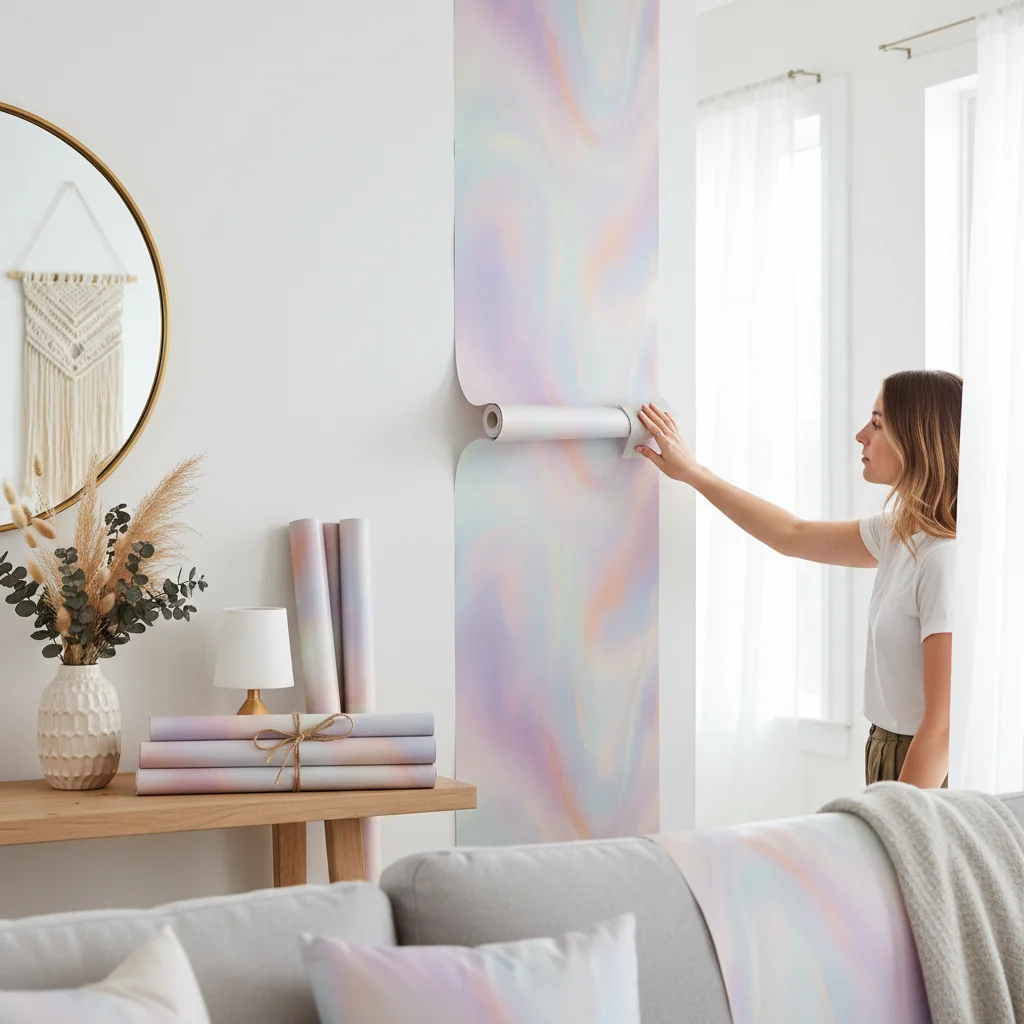
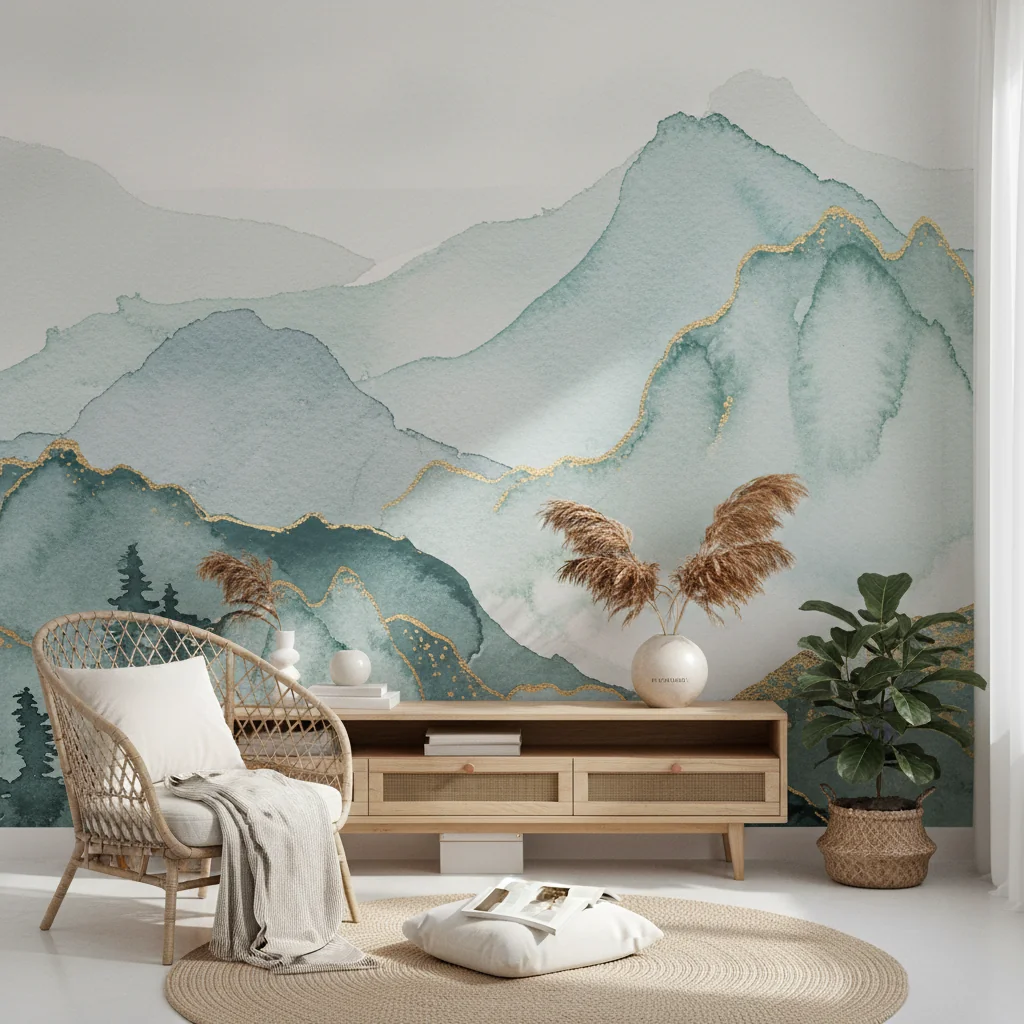
A wallpaper manufacturer is a specialized entity responsible for the complete lifecycle of wallcoverings, from conceptual design and material sourcing to advanced printing, finishing, and rigorous quality control. These manufacturers are the unseen architects behind the aesthetic and functional properties of the wallcoverings that define our interiors, employing complex processes to transform raw materials into decorative and durable surfaces. Their expertise encompasses not only artistic vision but also material science, ensuring that each roll meets specific performance standards for durability, washability, and environmental impact. At Starhouse, we understand that the distinction of a truly exceptional home begins with a deep appreciation for the origins of its elements, and the manufacturing process of wallpaper is a testament to both artistry and engineering.
Key Takeaways
- Wallpaper manufacturers are integral to the home décor industry, orchestrating the entire production process from design to distribution, ensuring product quality and innovation.
- Wallpapers are categorized by their substrate materials—such as non-woven, vinyl, and natural fibers—each dictating specific aesthetic, performance, and installation characteristics.
- Key considerations for selecting wallpaper include durability, washability, lightfastness, environmental impact, and specific room conditions, all of which are engineered during manufacturing.
- Precise measurement and understanding standard roll dimensions are crucial for successful wallpaper projects, with manufacturers providing consistent sizing and dye lot integrity.
- Modern manufacturing emphasizes sustainability, technological advancements like digital printing, and a growing focus on customizable, health-conscious, and biophilic designs.
- Proper care and maintenance, as outlined by manufacturers, are essential for preserving the longevity and appearance of wallcoverings, preventing common issues.
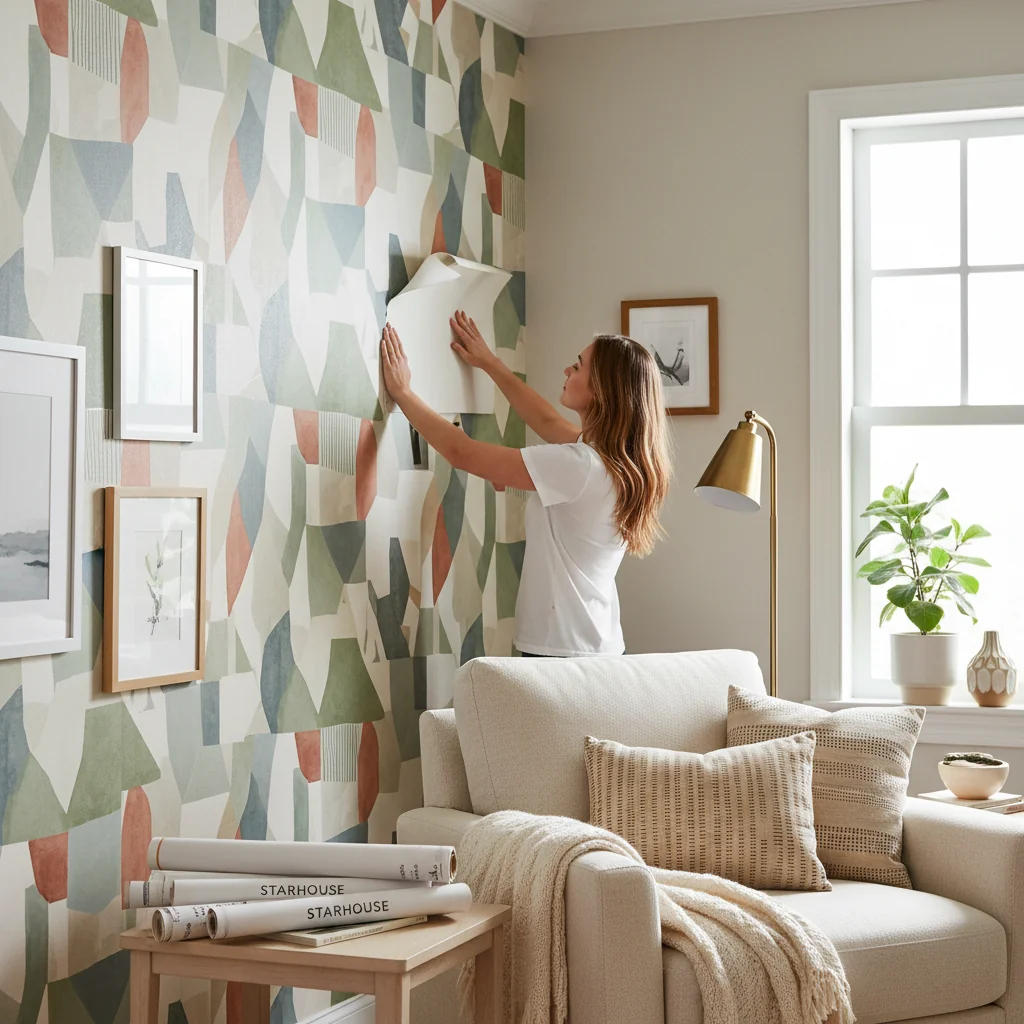
Understanding the Role of a Wallpaper Manufacturer
A wallpaper manufacturer is a pivotal force in the home décor industry, acting as the comprehensive orchestrator behind the creation, production, and distribution of wallcoverings, ensuring both aesthetic appeal and functional integrity. This role extends far beyond mere printing, encompassing a sophisticated blend of design innovation, material science, and precision engineering that ultimately dictates the quality and character of the finished product. From the initial spark of a design concept to the final roll delivered, manufacturers are responsible for a meticulous process that transforms raw materials into the decorative surfaces that define interior spaces across the nation.
Historically, wallpaper manufacturing has evolved from rudimentary hand-stamping to highly automated, technologically advanced processes. For over a century, companies like York Wallcoverings have exemplified this enduring legacy, producing wallcoverings from the same factory location in Pennsylvania, establishing themselves as the oldest and largest wallcovering producer in the United States. This heritage underscores a commitment to craftsmanship that continues to shape the industry, even as techniques and materials advance.
The journey of a wallpaper from concept to installation is intricate. It begins with extensive market research and trend analysis, informing the design team’s creation of patterns, textures, and colorways. Once a design is approved, material selection becomes paramount. Manufacturers must choose appropriate substrates—the base material—and inks that align with the design’s vision and the product’s intended performance. This involves rigorous testing for durability, lightfastness, and environmental safety.
Production involves various printing techniques, such as gravure, surface printing, screen printing, and increasingly, digital printing, each selected for its ability to render specific details and textures. Quality control is integrated at every stage, from inspecting raw materials to scrutinizing finished rolls for imperfections, color consistency, and adherence to specifications. This meticulous approach ensures that the product reaching the customer meets the high standards expected for a lasting home investment.
**Wallpaper manufacturer** is a specialized entity that designs, produces, and distributes wallcoverings, encompassing everything from material selection and pattern creation to printing, finishing, and quality assurance. Their comprehensive involvement ensures that wallcoverings are not only visually appealing but also structurally sound and environmentally responsible.
Types of Wallpaper and Their Manufacturing Processes
The main types of wallpaper are distinguished primarily by their substrate materials and manufacturing methods, which dictate their aesthetic characteristics, durability, and ease of installation and maintenance. Understanding these classifications is fundamental to appreciating the versatility and specialized applications of modern wallcoverings, as each type is engineered to meet specific design and functional requirements for residential and commercial spaces alike.
Manufacturers employ diverse techniques to create the vast array of wallcoverings available today. These processes are carefully selected based on the desired finish, pattern complexity, and performance specifications.
Traditional Paper-Backed Wallpapers
Traditional paper-backed wallpapers consist of a decorative paper layer printed onto a pulp paper base. These are among the oldest forms of wallcoverings, offering a classic aesthetic and a wide range of patterns. The manufacturing process typically involves applying inks to the paper base using gravure or surface printing, which allows for intricate detailing and rich color saturation. While they provide a beautiful finish, they generally require professional paste application and are less resistant to moisture compared to synthetic alternatives.
Non-Woven Wallpapers
Non-woven wallpapers are crafted from a blend of natural (cellulose) and synthetic (polyester) fibers, creating a highly breathable and stable substrate. This composition makes them exceptionally easy to install and remove, often referred to as “paste the wall” products, as the adhesive is applied directly to the wall, not the paper. Their manufacturing process involves combining these fibers into a sheet, which is then printed. Non-wovens are durable, washable, and resistant to tearing, making them a popular choice for their practical benefits and environmental considerations.
Vinyl Wallpapers
Vinyl wallpapers are highly popular due to their exceptional durability, washability, and versatility. They feature a paper or fabric backing coated with a liquid vinyl (PVC) layer, onto which patterns are printed. The thickness of the vinyl layer determines its classification and performance.
- Solid Sheet Vinyl: This type features a solid sheet of vinyl laminated to a paper or fabric backing. It is extremely durable and moisture-resistant, often used in high-traffic areas or environments prone to splashes, such as kitchens and bathrooms.
- Fabric-Backed Vinyl: Primarily used for commercial applications, this vinyl is laminated to a woven fabric backing, offering superior tear resistance and dimensional stability. These are often rated as Type I or Type II commercial wallcoverings, designed to withstand significant wear and tear.
The manufacturing of vinyl wallpapers often involves embossing techniques, where textured rollers press designs into the vinyl layer, creating tactile surfaces that mimic natural materials like grasscloth or stucco.
Grasscloth and Natural Fiber Wallpapers
Grasscloth and other natural fiber wallcoverings are manufactured by laminating hand-woven fibers—such as jute, sisal, seagrass, bamboo, or mica—onto a paper backing. This artisanal process highlights the unique textures and subtle variations inherent in natural materials, offering a sophisticated and organic aesthetic. Manufacturers like Phillip Jeffries specialize in curating and producing these distinctive, textured wallcoverings. Due to their delicate nature and natural variations, installation requires particular care, and they are generally not washable.
Textile/Fabric Wallpapers
Textile wallpapers are among the most luxurious options, made from woven fabrics like silk, linen, cotton, or blends, often backed with paper or non-woven material for stability. The manufacturing involves bonding the fabric to the backing and sometimes applying a protective finish. These wallcoverings offer exceptional tactile quality and depth of color, but they are typically more delicate and require specialized cleaning.
Mylar/Foil Wallpapers
Mylar or foil wallpapers feature a thin, reflective metallic surface laminated to a paper or non-woven backing. These wallcoverings are manufactured to create striking, luminous effects, adding glamour and light reflection to a space. The metallic surface can be smooth or embossed with patterns. Due to their highly reflective nature, meticulous wall preparation is crucial to hide any imperfections beneath.
Flocked Wallpapers
Flocked wallpapers are characterized by raised, velvety patterns created by applying finely cut textile fibers (flock) onto an adhesive-coated design on the wallpaper substrate. The manufacturing process involves electrostatic application of the flock, which adheres only to the patterned areas, creating a distinctive three-dimensional, tactile surface. These are often used for a luxurious, traditional aesthetic.
Peel-and-Stick (Self-Adhesive) Wallpapers
Peel-and-stick wallpapers are designed for ease of installation and removal, making them ideal for renters or those who frequently update their décor. These are typically made from vinyl or non-woven substrates, pre-coated with a pressure-sensitive adhesive and protected by a removable backing liner. The manufacturing process ensures the adhesive is strong enough for reliable adhesion but gentle enough for clean removal without damaging walls.
Murals
Wallpaper murals are large-scale images or designs printed digitally, often across multiple panels, to create a singular, continuous visual statement. Manufacturers utilize high-resolution digital printing technology to reproduce intricate artwork, photographs, or custom designs on various substrates, including non-woven and vinyl. This allows for immense customization and the creation of immersive, personalized spaces.
Commercial Wallcoverings
Commercial wallcoverings are engineered for high-performance environments, such as hotels, hospitals, and offices. They are predominantly heavy-duty vinyl (Type I, II, or III) with fabric backings, designed to meet stringent fire safety codes, abrasion resistance, and cleanability standards. Manufacturers focus on robust construction and specialized finishes to ensure these wallcoverings can withstand significant wear, frequent cleaning, and maintain their appearance over extended periods.
Materials and Substrates: The Foundation of Quality
The materials used in wallpaper manufacturing are diverse, ranging from natural fibers to synthetic polymers, and are meticulously selected to dictate the aesthetic, tactile qualities, durability, and functional performance of the finished wallcovering. The substrate, which is the base material, forms the fundamental layer upon which patterns are printed or natural elements are laminated, directly influencing the product’s breathability, moisture resistance, and ease of installation.
Manufacturers invest significantly in research and development to identify and process materials that meet both design aspirations and stringent performance specifications. The choice of substrate is a critical decision, impacting everything from the type of ink that can be used to the wallcovering’s environmental footprint.
Primary Substrate Materials
- Paper Pulp: This is the traditional base for many wallpapers. Manufacturers use both virgin and recycled paper pulp, which provides a smooth surface for printing and good absorbency for adhesives. Paper-based wallpapers are breathable but generally less durable and less moisture-resistant than synthetic options.
- Non-Woven Fibers: Comprising a blend of cellulose and polyester fibers, non-woven substrates are highly prized for their dimensional stability, breathability, and ease of installation (“paste the wall”) and removal. This synthetic-natural blend offers enhanced tear resistance and allows for greater design flexibility.
- Vinyl (Polyvinyl Chloride – PVC): Vinyl is a highly durable and versatile material used as a coating over paper or fabric backings. Its inherent properties make wallcoverings resistant to moisture, stains, and abrasion. Manufacturers can vary the thickness and texture of the vinyl layer to create different effects and performance levels, from light-duty residential to heavy-duty commercial grades.
- Natural Fibers: Materials like jute, sisal, seagrass, bamboo, cork, and mica are meticulously hand-woven or laminated onto a paper backing. These substrates introduce organic textures, subtle color variations, and a biophilic aesthetic. Their processing requires specialized techniques to preserve their natural beauty while ensuring structural integrity.
- Textiles: Luxurious fabrics such as silk, linen, cotton, and velvet are used for high-end wallcoverings. These textiles are often backed with paper or non-woven materials to provide stability and ease of hanging. The manufacturing process focuses on preserving the fabric’s drape and texture while ensuring adhesion to the backing.
**Substrate** refers to the base material onto which wallpaper patterns are printed or natural fibers are laminated, determining key characteristics like durability, breathability, and installation method.
Coatings and Finishes
Beyond the base substrate, manufacturers apply various coatings and finishes to enhance the wallcovering’s durability, washability, and aesthetic appeal.
- Acrylic Coatings: These provide a protective layer that enhances scrubbability and stain resistance without significantly altering the paper’s breathability.
- Vinyl Coatings: As mentioned, liquid vinyl is applied as a topcoat, making the wallpaper highly resistant to moisture, making it washable or scrubbable. The thickness of this coating directly correlates with the wallcovering’s durability and suitability for high-traffic or high-moisture areas.
- Protective Topcoats: Clear topcoats, often made from acrylic or urethane, can be applied to various substrates to improve resistance to scuffs, fading, and moisture, extending the lifespan of the wallcovering.
Inks and Adhesives
The choice of inks and adhesives is equally critical, influencing both the visual quality and the environmental profile of the wallpaper.
- Inks: Manufacturers primarily use water-based, solvent-based, or UV-cured inks. Water-based inks are increasingly favored for their lower VOC (Volatile Organic Compound) emissions and environmental friendliness. UV-cured inks offer excellent durability and vibrant colors, drying instantly under UV light. The printing method—gravure, surface, screen, or digital—dictates the specific ink formulation used.
- Adhesives: For pre-pasted or peel-and-stick wallpapers, manufacturers incorporate specialized adhesives. These are formulated to provide strong, reliable adhesion to the wall while allowing for clean removal without damaging the underlying surface. For traditional wallpapers, external adhesives are recommended, and manufacturers often provide guidance on compatible paste types.
The meticulous selection and combination of these materials and processes by wallpaper manufacturers ensure that each product is not merely decorative but a high-performance surface engineered for specific environments and aesthetic preferences. This foundational understanding is key to appreciating the quality and longevity of a well-chosen wallcovering.
Key Considerations When Choosing Wallpaper: A Manufacturer’s Perspective
When choosing wallpaper, manufacturers emphasize a holistic approach that balances aesthetic appeal with practical performance, ensuring the selected wallcovering is suitable for its intended environment and long-term use. The decisions made during the manufacturing process—from material selection to finish application—directly influence a wallpaper’s functional characteristics, making it crucial for consumers to understand these properties to make an informed choice. This perspective ensures that the wallcovering not only looks stunning but also performs effectively in its designated space.
At Starhouse, we curate collections with these considerations in mind, recognizing that the right wallpaper enhances both the beauty and utility of a room.
Durability and Performance
The resilience of a wallcovering is paramount, especially in high-traffic areas or spaces exposed to specific conditions. Manufacturers engineer wallpapers with varying degrees of durability:
-
Washability: This refers to the ability of the wallpaper to withstand cleaning.
- Washable: Can be gently wiped with a damp cloth and mild detergent. Suitable for living rooms or bedrooms.
- Scrubbable: Can endure more rigorous cleaning with a sponge and stronger detergent without damage. Ideal for kitchens, bathrooms, and children’s rooms. According to Brewster Home Fashions, this property is critical for maintaining hygiene and appearance in active spaces.
- Lightfastness: This property measures the wallpaper’s resistance to fading when exposed to light, particularly UV radiation. High lightfastness ratings are crucial for rooms with abundant natural light to prevent premature discoloration. Manufacturers rigorously test this to ensure patterns retain their vibrancy over time.
- Fire Ratings: For commercial applications, and increasingly for residential, manufacturers produce wallcoverings that meet specific fire safety standards, often classified by ASTM E84 ratings (Class A, B, C). These ratings indicate how quickly a material spreads flame and produces smoke.
- Abrasion Resistance: Especially important for commercial-grade wallcoverings or high-traffic residential hallways, this measures the material’s ability to resist wear from rubbing or scratching. Vinyl wallcoverings, particularly fabric-backed varieties, often excel in this regard.
- Moisture Resistance: In areas like bathrooms and kitchens, wallpapers with high moisture resistance (e.g., solid sheet vinyl) prevent warping, peeling, and mold growth.
Aesthetics: Pattern, Texture, and Color
The visual and tactile qualities are often the primary drivers of choice, and manufacturers meticulously craft these elements.
- Pattern Repeat: This is the vertical distance between one point on a pattern and the identical point on the next repeat. Manufacturers design patterns with specific repeats (e.g., straight match, drop match, random match) that impact installation and waste.
- Texture: Embossed, flocked, or natural fiber wallpapers add tactile dimension and depth, influencing how light interacts with the wall and enhancing the sensory experience of a room.
- Color Palette: Manufacturers develop extensive color palettes, often coordinating within collections, to offer specific moods and design possibilities. The quality of inks and printing processes ensures color accuracy and vibrancy.
- Scale: The size of the pattern should be proportionate to the room. Large-scale patterns can overwhelm small spaces, while subtle textures might get lost in expansive rooms.
Installation and Maintenance
Ease of installation and long-term care are practical considerations that manufacturers address through product design.
- Installation Method: Wallpapers are manufactured for different installation techniques: paste-the-paper (traditional), paste-the-wall (non-woven), or peel-and-stick (self-adhesive). Each method offers varying levels of difficulty and permanence.
- Maintenance Requirements: Manufacturers provide clear guidelines for cleaning and care, which vary significantly by material. Vinyl is typically low-maintenance, while natural fibers or delicate textiles require specialized attention.
Environmental Impact and Sustainability
With growing environmental consciousness, manufacturers are increasingly focusing on sustainable practices.
- VOCs (Volatile Organic Compounds): Manufacturers produce low-VOC or VOC-free wallpapers using water-based inks and non-toxic substrates, contributing to healthier indoor air quality.
- Certifications: Look for certifications like FSC (Forest Stewardship Council) for paper-based products, indicating responsible forest management. Milton & King, for example, emphasizes a commitment to craftsmanship, sustainability, and creative expression in their US-made wallcoverings.
- Material Sourcing: Ethical sourcing of natural fibers and the use of recycled content are key aspects of sustainable manufacturing.
Cost Considerations
Wallpaper prices vary widely based on material, complexity of design, manufacturing process, and brand prestige. Manufacturers offer options across different price points, from affordable mass-produced vinyls to high-end, hand-crafted natural fiber wallcoverings. Understanding the cost-to-value ratio in terms of durability and aesthetic longevity is essential.
Specific Room Applications
Manufacturers design specific wallcoverings for different room conditions:
- Bathrooms & Kitchens: Require scrubbable, moisture-resistant options, typically vinyl or heavily coated non-woven.
- Bedrooms & Living Rooms: Offer more flexibility for delicate materials like paper or textiles, where durability is less of a concern than aesthetic comfort.
- Children’s Rooms: Benefit from durable, washable, and sometimes peel-and-stick options for easy updates.
By considering these factors from a manufacturer’s viewpoint, consumers can select a wallpaper that not only transforms their space aesthetically but also meets the practical demands of their lifestyle and environment. This informed choice ensures satisfaction and longevity for their wallcovering investment.
Sizing, Measuring, and Estimating: Precision from Production to Installation
Wallpaper manufacturers standardize roll dimensions to ensure consistency and facilitate accurate estimation for installers and consumers, a critical aspect that directly impacts how a room is measured and how much material is required. This standardization, combined with an understanding of pattern repeat, allows for precise planning, minimizing waste and ensuring a seamless finish. The meticulousness at the manufacturing stage extends to providing clear guidelines for successful project execution.
Accurate measurement is the cornerstone of a successful wallpaper installation. Manufacturers produce rolls in standard widths and lengths, but regional variations exist, primarily between American and European standards.
Standard Roll Sizes
Wallpaper is typically sold in “single rolls,” “double rolls,” or “triple rolls,” though the packaging often refers to double or triple rolls as a single unit for purchase.
- American Standard Single Roll: Generally measures 20.5 inches wide by 16.5 feet long, covering approximately 28 square feet. However, it is almost always sold in double or triple roll bolts. A “double roll” is 20.5 inches wide by 33 feet long (56 sq ft), and a “triple roll” is 20.5 inches wide by 49.5 feet long (84 sq ft).
- European Standard Single Roll: Often measures 21 inches wide by 33 feet long, covering approximately 57.75 square feet. These are commonly sold as single rolls.
- Wider Rolls: Some specialty or commercial wallcoverings may come in wider widths, such as 27, 36, 42, 48, or even 54 inches, providing fewer seams for larger spaces. Murals are also often produced in custom-sized panels to fit specific wall dimensions.
It is imperative to note that while rolls might be referred to as “single,” “double,” or “triple,” they are often priced and packaged as continuous “bolts” containing the length of multiple single rolls. Always confirm the actual dimensions and square footage coverage on the product label.
How to Measure a Room Accurately
To estimate the required number of rolls, precise room measurements are essential.
- Measure Wall Height: Measure from the baseboard to the ceiling for each wall. If ceilings vary, use the highest measurement. Add an extra 4-6 inches per strip for trimming at the top and bottom.
- Measure Wall Width: Measure the total perimeter of the room.
- Calculate Total Square Footage: Multiply the total linear feet of all walls by the height. For example, if a room is 12 feet by 10 feet with an 8-foot ceiling, the perimeter is (12+10) x 2 = 44 feet. Total square footage is 44 feet x 8 feet = 352 sq ft.
- Account for Openings: Subtract the square footage of large openings like doors and windows. Generally, for typical residential rooms, do not subtract for openings smaller than 20 square feet, as the cut-outs contribute to trimming and pattern matching waste. For larger openings, subtract half their area.
Estimating Roll Quantity
Manufacturers understand that pattern repeat is a significant factor in estimating.
-
Consider Pattern Repeat: This is the length of the pattern before it repeats itself. A larger pattern repeat means more waste per strip to ensure a perfect match across seams. Manufacturers design patterns with specific repeat sizes (e.g., 0, 6, 12, 24 inches).
- Random Match: No specific pattern alignment needed. Minimal waste.
- Straight Match: Pattern matches horizontally at the same level across strips.
- Drop Match: Pattern matches horizontally, but the design drops down by half the pattern repeat on alternating strips. Requires more material.
- Use Manufacturer’s Coverage Data: Each roll will specify its coverage area. Divide your calculated wall square footage by the roll’s coverage, then add an extra 10-20% for waste, especially with large pattern repeats or complex room layouts.
- Round Up: Always round up to the nearest whole roll. It is better to have a little extra than to run short, particularly due to dye lot variations.
The Importance of Ordering Enough from the Same Dye Lot
Manufacturers take great care to ensure color consistency, but slight variations can occur between different production batches.
**Dye lot** refers to a specific batch of wallpaper produced at one time, ensuring consistent color and shade across all rolls within that batch.
Each roll carries a dye lot number, often printed on the label. It is critically important to purchase all the wallpaper needed for a single project from the same dye lot. Mixing dye lots can result in noticeable color discrepancies on the wall, even if the difference seems minor on the roll. Manufacturers advise purchasing an extra roll from the same dye lot to keep for future repairs or in case of miscalculation. This practice ensures a cohesive and professional finish that reflects the manufacturer’s commitment to quality.
Current Trends and Innovations in Wallpaper Manufacturing
Leading trends in wallpaper manufacturing are characterized by a strong emphasis on sustainability, technological integration, and a renewed focus on sensory experience through texture and custom design. Manufacturers are continually innovating to meet evolving consumer demands for personalized, eco-conscious, and high-performance wallcoverings, moving beyond mere decorative function to create holistic interior environments. These advancements reflect a dynamic industry committed to both aesthetic excellence and responsible production.
The landscape of wallcoverings is constantly evolving, driven by both design sensibilities and technological progress.
Biophilic Design Integration
Biophilic design, which seeks to connect occupants with nature, is a dominant trend. Manufacturers are responding by producing wallpapers that feature:
- Natural Textures: Authentic grasscloth, cork, mica, and wood veneer wallcoverings are highly sought after, bringing organic tactility and visual depth to interiors.
- Botanical Patterns: Lush foliage, abstract floral motifs, and serene landscape murals are popular, creating calming and restorative environments.
- Earthy Palettes: Colors derived from nature—deep greens, terracotta, muted blues, and sandy beiges—are prominent, fostering a sense of tranquility.
Maximalism and Bold Expression
Countering minimalist trends, maximalism embraces rich patterns, vibrant colors, and layered aesthetics.
- Statement Walls: Large-scale murals and bold, intricate patterns serve as focal points, transforming rooms into immersive experiences.
- Rich Colorways: Jewel tones, deep pastels, and saturated hues are used to create luxurious and dramatic interiors.
- Artistic Collaborations: Manufacturers partner with artists and designers to create unique, high-impact collections that push creative boundaries.
Textural Emphasis
The tactile quality of wallpaper is gaining prominence, with manufacturers exploring advanced techniques to create multi-dimensional surfaces.
- Embossed and Raised Designs: Techniques that create relief patterns, mimicking plasterwork, fabric weaves, or geometric textures, add depth and sophistication.
- Flocked Wallpapers: The revival of flocked designs offers a luxurious, velvety finish that is both visually striking and tactile.
- Mixed Media: Wallcoverings incorporating beads, metallics, or other embellishments are emerging, adding sparkle and intricate detail.
Customization through Digital Printing
Digital printing technology has revolutionized the industry, enabling unprecedented levels of customization and efficiency.
- Bespoke Murals: Customers can now commission large-format murals from personal photos, artwork, or custom designs, precisely sized to their walls.
- On-Demand Production: Digital printing allows manufacturers to produce small batches or even single rolls on demand, reducing waste and inventory costs, aligning with the “premium wallpaper printed in the USA” ethos highlighted by Milton & King.
- Enhanced Detail and Color: Digital printers can reproduce incredibly fine details and a vast spectrum of colors, offering greater design freedom.
Sustainability and Eco-Friendly Practices
Environmental responsibility is a core focus for modern wallpaper manufacturers.
- Eco-Friendly Materials: Increased use of non-woven substrates made from renewable or recycled fibers, FSC-certified paper, and natural materials like cork and bamboo.
- Low-VOC Inks: Adoption of water-based and UV-cured inks significantly reduces the emission of Volatile Organic Compounds, improving indoor air quality.
- Closed-Loop Manufacturing: Some manufacturers are exploring processes that minimize waste and recycle materials within their production cycles.
- Certifications: Growing demand for products with environmental certifications, such as GREENGUARD Gold or Declare labels, signifying rigorous testing for chemical emissions.
Technological Advancements and Smart Wallpapers
Innovation extends beyond materials to functional integration.
- Enhanced Durability Coatings: Development of advanced protective coatings that offer superior stain, abrasion, and moisture resistance without compromising aesthetics or breathability.
- Smart Wallpapers: While still nascent, research is ongoing into “smart” wallcoverings that integrate conductive inks or embedded sensors for functionalities like ambient lighting, touch-sensitive controls, or even air quality monitoring. The National Institute of Standards and Technology (NIST), among other research bodies, is a key player in materials science innovation that could eventually enable such advanced functionalities in everyday materials.
- Acoustic Wallcoverings: Specialized wallcoverings designed to absorb sound, improving acoustics in residential and commercial spaces.
These trends and innovations underscore the dynamic nature of wallpaper manufacturing, where artistry, technology, and environmental stewardship converge to create wallcoverings that are not only beautiful but also intelligent, sustainable, and perfectly tailored to contemporary living.
Caring for Your Wallcoverings: Manufacturer Guidelines
Proper care and maintenance, as recommended by wallpaper manufacturers, are essential for preserving the aesthetic integrity and extending the lifespan of your wallcoverings, ensuring they remain vibrant and pristine for years. Adhering to these specific guidelines, which vary significantly by material type and finish, prevents damage, discoloration, and premature wear, protecting your investment. Manufacturers meticulously test their products to provide the most effective and safe cleaning protocols.
The care instructions provided by manufacturers are tailored to the specific properties of the wallcovering’s substrate, inks, and protective coatings. Ignoring these guidelines can lead to irreversible damage.
General Cleaning Principles
Regardless of the wallpaper type, a few universal principles apply:
- Act Promptly: Address spills or marks as soon as possible to prevent them from setting.
- Test in an Inconspicuous Area: Before applying any cleaning solution to a visible area, always test it on a hidden spot (e.g., behind a door, in a closet, or on a leftover scrap) to ensure it does not cause discoloration or damage.
- Use Gentle Products: Opt for mild, non-abrasive cleaners. Harsh chemicals, bleach, or abrasive scrubbers can strip finishes, fade colors, or damage the material.
- Avoid Over-Wetting: Excessive moisture can weaken adhesives, cause seams to lift, or damage paper-based substrates. Use a damp, not soaking wet, cloth or sponge.
- Work from Bottom Up (for general cleaning): When cleaning an entire wall, start from the bottom and work upwards to prevent dirty water from dripping down onto already clean areas and leaving streaks.
Specific Care Instructions by Material Type
Manufacturers categorize wallcoverings by their washability ratings, which directly inform cleaning methods:
-
Washable Wallpapers (e.g., some non-wovens, light vinyls):
These can typically be wiped clean with a soft, damp cloth or sponge using a very mild, non-abrasive soap or detergent diluted in water. Gently wipe the surface and then immediately wipe with a clean, damp cloth to remove any soap residue. Dry with a soft, clean towel. Avoid scrubbing vigorously.
-
Scrubbable Wallpapers (e.g., most vinyls, some coated non-wovens):
Designed for more robust cleaning, these can withstand moderate scrubbing with a soft brush or sponge and a mild, non-abrasive household cleaner. Rinse thoroughly with a clean, damp cloth to remove all cleaning solution, then dry. These are ideal for high-traffic areas like kitchens, bathrooms, and hallways.
-
Highly Scrubbable/Commercial Grade Wallcoverings (e.g., heavy-duty vinyl):
These are engineered for maximum durability and can often be cleaned with stronger detergents or even some disinfectants, though always follow the manufacturer’s specific recommendations. They are built to withstand frequent and vigorous cleaning in commercial settings.
-
Delicate or Non-Washable Wallpapers (e.g., traditional paper, grasscloth, natural fibers, some textiles):
These materials require the most gentle care. They cannot be washed with water or detergents. For dust, use a soft, dry cloth, feather duster, or a vacuum cleaner with a brush attachment on the lowest setting. For minor marks, a dry artist’s eraser can sometimes be effective. For stains on natural fibers, professional cleaning may be necessary, and even then, results can vary due to the absorbent nature of the material.
-
Flocked Wallpapers:
The velvety texture of flocked wallpaper requires dry cleaning only. Use a soft brush or vacuum with a brush attachment to remove dust. Avoid any moisture, as it can damage the flocking.
Addressing Common Issues
- Dust: Regular, gentle dusting with a soft, dry cloth or a vacuum cleaner with a brush attachment helps prevent accumulation on all wallpaper types.
- Minor Damage (Tears/Bubbles): Manufacturers often advise on repair kits or techniques for minor tears (using matching adhesive) or bubbles (small incision and re-adhesion). Keeping a leftover piece of wallpaper from the original dye lot is invaluable for repairs.
- Fading: While manufacturers engineer for lightfastness, prolonged direct sunlight can still cause fading over many years. Consider window treatments in sun-drenched rooms to extend the life of your wallpaper.
- Mold/Mildew: In high-humidity environments, ensure adequate ventilation. If mold appears, consult the manufacturer’s guidelines immediately. For washable surfaces, a diluted bleach solution (1 part bleach to 10 parts water) may be recommended, but always test first and use sparingly. For non-washable types, professional remediation might be required.
By diligently following the care instructions provided by the wallpaper manufacturer, you ensure that your chosen wallcovering maintains its beauty and structural integrity, contributing to a well-preserved and inviting interior for years to come.
Styling and Pairing Wallcoverings: Curating Your Space
Wallpaper manufacturers design their collections with an inherent understanding of how their products will be styled and paired, curating patterns, textures, and colorways that facilitate cohesive and aspirational interior designs. This intentional design process ensures that each wallcovering is not an isolated element but a versatile component within a broader aesthetic, enabling designers and homeowners to create harmonious and impactful spaces. The manufacturer’s vision guides how their creations can be effectively integrated with furnishings, textiles, lighting, and accessories.
At Starhouse, we appreciate the art of curation, and our selection process mirrors the manufacturer’s intent to provide pieces that elevate and complete a room.
Defining Overall Room Aesthetic
The choice of wallpaper is often the first step in establishing a room’s overall aesthetic.
- Traditional: Manufacturers offer damasks, toile, floral patterns, and classic stripes in muted or rich color palettes to complement antique furniture and formal settings.
- Modern/Contemporary: Geometric patterns, abstract designs, and subtle textures in neutral or bold, contrasting colors are designed to pair with sleek, minimalist furnishings and clean lines.
- Bohemian/Eclectic: Wallpapers featuring global motifs, intricate botanicals, or natural textures like grasscloth lend themselves to layered, free-spirited interiors.
- Mid-Century Modern: Manufacturers create wallpapers with atomic patterns, organic shapes, and a distinctive color palette (teals, oranges, olives) that resonate with the era’s furniture and décor.
Using Wallpaper to Define Zones and Focal Points
Wallcoverings are powerful tools for architectural definition and creating visual interest.
- Accent Walls: A single wall covered in a bold pattern or unique texture draws the eye, creating a focal point in a living room, bedroom, or dining area. Manufacturers design specific patterns with the impact of an accent wall in mind.
- Defining Zones: In open-concept spaces, different wallpapers can subtly delineate functional areas—a vibrant pattern in the dining nook, a calming texture in the living area.
- Adding Architectural Interest: Wallpaper can mimic architectural elements like wainscoting, paneling, or exposed brick, adding character without extensive renovation.
Pairing Patterns, Solids, and Textures
Manufacturers often design collections with coordinating patterns, solids, and textures to facilitate effortless pairing.
- Pattern with Solids: A highly patterned wallpaper can be balanced by painted walls in a coordinating solid color, preventing visual overload.
- Texture with Smooth Surfaces: Combining a textured wallpaper (e.g., grasscloth or an embossed pattern) with smooth painted walls or sleek furniture adds tactile contrast and visual depth.
- Mixing Patterns: For a sophisticated look, manufacturers might suggest pairing patterns of different scales (e.g., a large floral with a small geometric) or complementary styles, ensuring a common color thread links them.
Integrating Wallpaper with Other Interior Elements
The true art of styling lies in how wallpaper interacts with the other elements of a room.
- Furniture: The scale and style of wallpaper patterns should complement furniture. A large, ornate pattern might overwhelm delicate furniture, while a subtle texture could be lost with robust pieces.
- Textiles: Coordinate wallpaper colors and motifs with upholstery, curtains, and throw pillows. Manufacturers often release collections that include fabric swatches or color guides for this purpose.
- Lighting: Wallpaper, especially those with metallic elements or textured surfaces, can dramatically interact with light. Consider how natural light and artificial lighting will enhance or alter the wallpaper’s appearance throughout the day.
- Accessories: Decorative objects, artwork, and mirrors should either complement the wallpaper’s style or offer a deliberate contrast to create visual interest.
Scale and Proportion
Manufacturers design patterns with specific scales, understanding their impact on a room’s perceived size.
- Small Rooms: Small-scale patterns or subtle textures can make a compact room feel larger and more cohesive. Vertical stripes can visually raise a low ceiling.
- Large Rooms: Large-scale patterns, murals, or bold designs can fill expansive walls, adding drama and preventing the room from feeling cavernous.
Manufacturers provide samples and often digital visualization tools to help customers envision how a particular design will look in their space, taking into account scale and proportion. By approaching wallpaper selection with a designer’s eye, informed by the manufacturer’s intent, one can transform a simple wall into a captivating canvas that harmonizes with the entire interior design scheme.
Common Mistakes to Avoid When Selecting and Installing Wallpaper
Avoiding common pitfalls in wallpaper selection and installation is crucial for achieving a professional, long-lasting finish and ensuring satisfaction with your design choice. Many issues stem from overlooking manufacturer guidelines or underestimating the technical aspects of the project, leading to costly reworks or aesthetic disappointments. By being aware of these frequent errors, you can approach your wallpaper project with confidence and precision.
1. Underestimating Pattern Repeat Waste
One of the most frequent mistakes is failing to account for the pattern repeat when estimating the number of rolls needed. Patterns, especially large-scale or drop-match designs, require significant trimming to align seamlessly across strips. Manufacturers clearly state the pattern repeat on the label, and it is imperative to factor this into your calculations, adding 10-20% extra material to your total. Under-ordering can lead to running out of wallpaper mid-project or, worse, needing to purchase additional rolls from a different dye lot.
2. Ignoring Room Conditions
Selecting a wallpaper without considering the environmental conditions of the room is a common error.
- Moisture: Using non-washable or non-moisture-resistant wallpaper in bathrooms, kitchens, or laundry rooms will lead to peeling, bubbling, and potential mold growth. Always choose vinyl or highly scrubbable non-woven options for high-humidity areas.
- Sunlight: Placing wallpaper with low lightfastness in a room with direct, prolonged sunlight exposure will result in premature fading and discoloration. Manufacturers specify lightfastness ratings; opt for higher ratings in sunny rooms.
- Traffic: Delicate paper or natural fiber wallcoverings are unsuitable for high-traffic areas like hallways or children’s playrooms where they are prone to scuffs and damage. Durable, scrubbable vinyls are the appropriate choice here.
3. Not Preparing Walls Properly
The success of any wallpaper installation hinges on proper wall preparation. Skipping steps like cleaning, patching, sanding, and priming can lead to a host of problems:
- Uneven Surfaces: Bumps, holes, or rough patches will show through the wallpaper, especially on smooth or reflective finishes.
- Poor Adhesion: Dirt, grease, or old adhesive residue will prevent the new wallpaper from sticking properly, causing bubbling or peeling.
- Stains Bleeding Through: Dark paint, marker, or water stains can bleed through lighter wallpapers if not properly sealed with a stain-blocking primer.
- Difficulty in Removal: Without proper priming, wallpaper can adhere too strongly to the wall, making future removal difficult and potentially damaging the drywall.
4. Mixing Dye Lots
As highlighted by manufacturers, purchasing wallpaper from different dye lots for the same project is a critical error. Even subtle variations in color or shade between batches will be noticeable once installed on the wall, creating an uneven and unprofessional appearance. Always check that all rolls have the same dye lot number before starting installation.
5. Choosing the Wrong Material for the Function
Beyond environmental conditions, the functional needs of a space should guide material choice. For instance, using a delicate silk wallcovering in a busy family room where spills are likely is an impractical choice. Similarly, a textured wallpaper designed for visual interest might not be ideal for a wall that needs to be perfectly smooth for projecting images. Always align the wallpaper’s material properties (durability, cleanability) with the room’s intended use.
6. Forgetting to Order Samples
Relying solely on online images or small swatches can be misleading. Colors appear differently on screen, and textures are best appreciated in person. Always order samples of your chosen wallpaper to see how the pattern, color, and texture interact with your room’s lighting, paint, and furnishings before committing to a full purchase. This step is invaluable for preventing costly mistakes and ensuring the final look meets expectations.
7. Rushing the Installation Process
Wallpaper installation requires patience and precision. Rushing can lead to misaligned patterns, visible seams, air bubbles, or damaged strips. Take your time, follow manufacturer instructions carefully, and if unsure, consider hiring a professional installer. Proper tools and a methodical approach are key to a flawless finish.
By being mindful of these common mistakes, you can ensure a smoother process from selection to installation, resulting in a beautifully wallpapered space that stands the test of time.
Sources
Frequently Asked Questions About Wallpaper Manufacturing
What is the difference between wallpaper and wallcovering?
While often used interchangeably, “wallcovering” is a broader term encompassing all materials designed to cover walls, including wallpaper, fabric-backed vinyl, natural fibers like grasscloth, and even specialized acoustic panels. “Wallpaper” typically refers to decorative paper-based or non-woven products with printed patterns.
How do manufacturers ensure wallpaper durability?
Manufacturers ensure durability by selecting robust substrates like non-woven fibers or vinyl, applying protective coatings such as acrylic or heavy-duty vinyl layers, and rigorously testing for properties like abrasion resistance, lightfastness, and scrubbability, often adhering to industry standards like ASTM classifications.
Can I install wallpaper myself, or should I hire a professional?
Manufacturers design some wallpapers, particularly peel-and-stick and “paste the wall” non-wovens, for easier DIY installation. However, for complex patterns, delicate materials, large rooms, or achieving a flawless finish, manufacturers often recommend hiring a professional installer who possesses the specialized tools and expertise to ensure optimal results and prevent common installation errors.
Are all wallpapers removable without damaging the walls?
No, not all wallpapers are designed for easy, damage-free removal. “Strippable” or “peelable” wallpapers, especially non-wovens and certain vinyls, are manufactured to come off in full sheets without residue or wall damage, particularly if the wall was properly primed. Traditional paper-backed wallpapers, however, often require wetting and scraping, which can be more labor-intensive and may cause minor wall surface damage.
What does “washable” or “scrubbable” mean for wallpaper?
“Washable” means the wallpaper can be gently wiped with a damp cloth and mild soap to remove light dirt. “Scrubbable” indicates a higher level of durability, meaning the wallpaper can withstand more vigorous cleaning with a sponge and stronger, non-abrasive detergents without damage. Manufacturers achieve these properties through specific surface coatings, typically vinyl or acrylic, making them suitable for different levels of activity and potential soiling.
How do manufacturers ensure color consistency across different rolls?
Manufacturers ensure color consistency by producing wallpaper in controlled batches, known as “dye lots.” Each dye lot uses the same ink formulations and printing parameters, and every roll within a lot is carefully inspected for uniformity. It is crucial for consumers to purchase all rolls for a single project from the same dye lot number to guarantee a seamless color match on the wall.
What are VOCs in wallpaper, and why are manufacturers reducing them?
VOCs, or Volatile Organic Compounds, are gases emitted from certain chemicals used in traditional inks and adhesives, which can contribute to indoor air pollution and health concerns. Manufacturers are actively reducing VOCs by transitioning to water-based inks, UV-cured inks, and low-VOC adhesives to create healthier indoor environments and meet stricter environmental regulations, aligning with sustainable production practices.
Conclusion
Understanding the intricate world of wallpaper manufacturing reveals a sophisticated blend of artistry, material science, and engineering that underpins every roll of wallcovering. From the careful selection of substrates and inks to the precision of printing and the rigor of quality control, manufacturers are dedicated to creating products that are not only visually captivating but also durable, functional, and increasingly sustainable. Their expertise shapes the very foundation of interior design, providing the tools to transform spaces with confidence and style.
At Starhouse, we are committed to curating a collection that embodies this dedication to quality and design excellence. We believe that an informed choice leads to a more beautiful and enduring home. As we prepare to launch our comprehensive catalog, we invite you to be part of our journey. Share your vision, your needs, and your aspirations for your space, and help us tailor our offerings to your desires.
Tell us what you’re looking for, and get early access to our curated collection as it unfolds. Visit starhouseusa.online to connect with us and shape the future of your home décor.