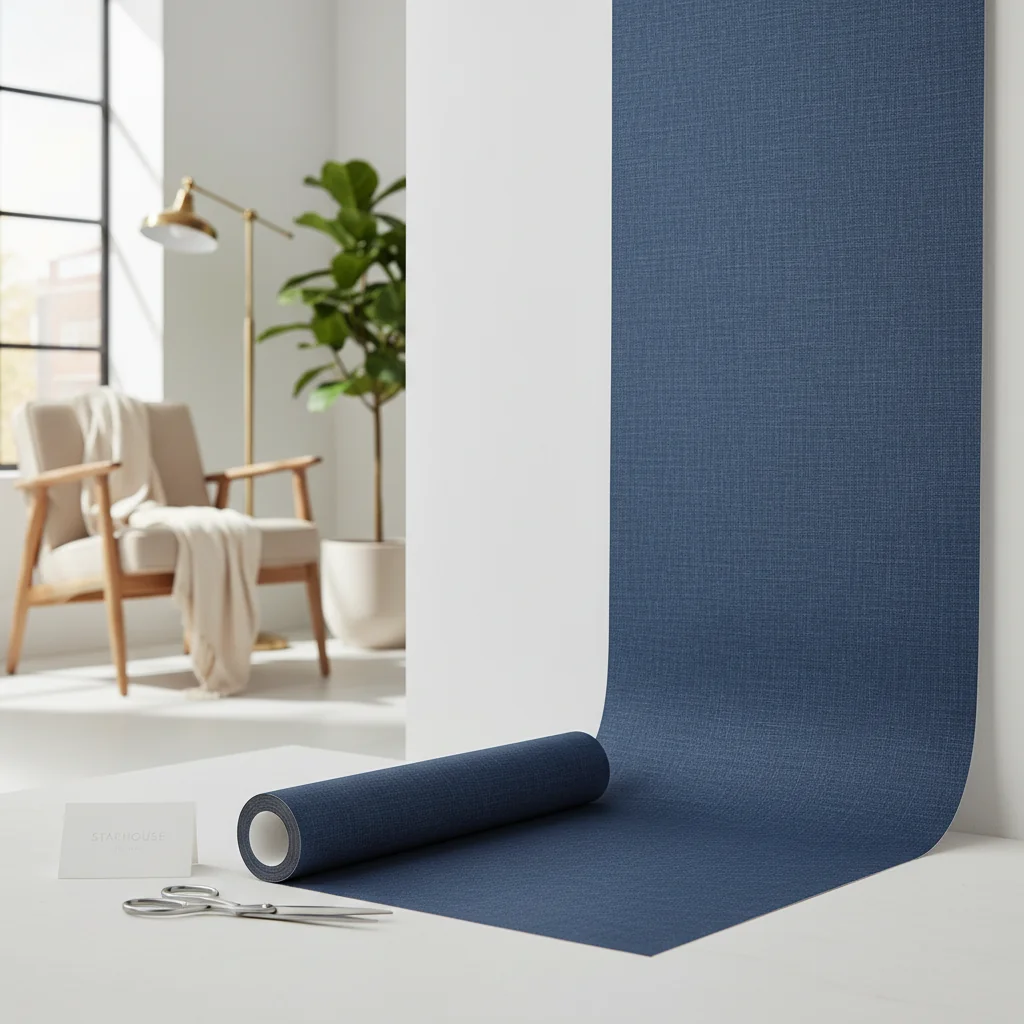
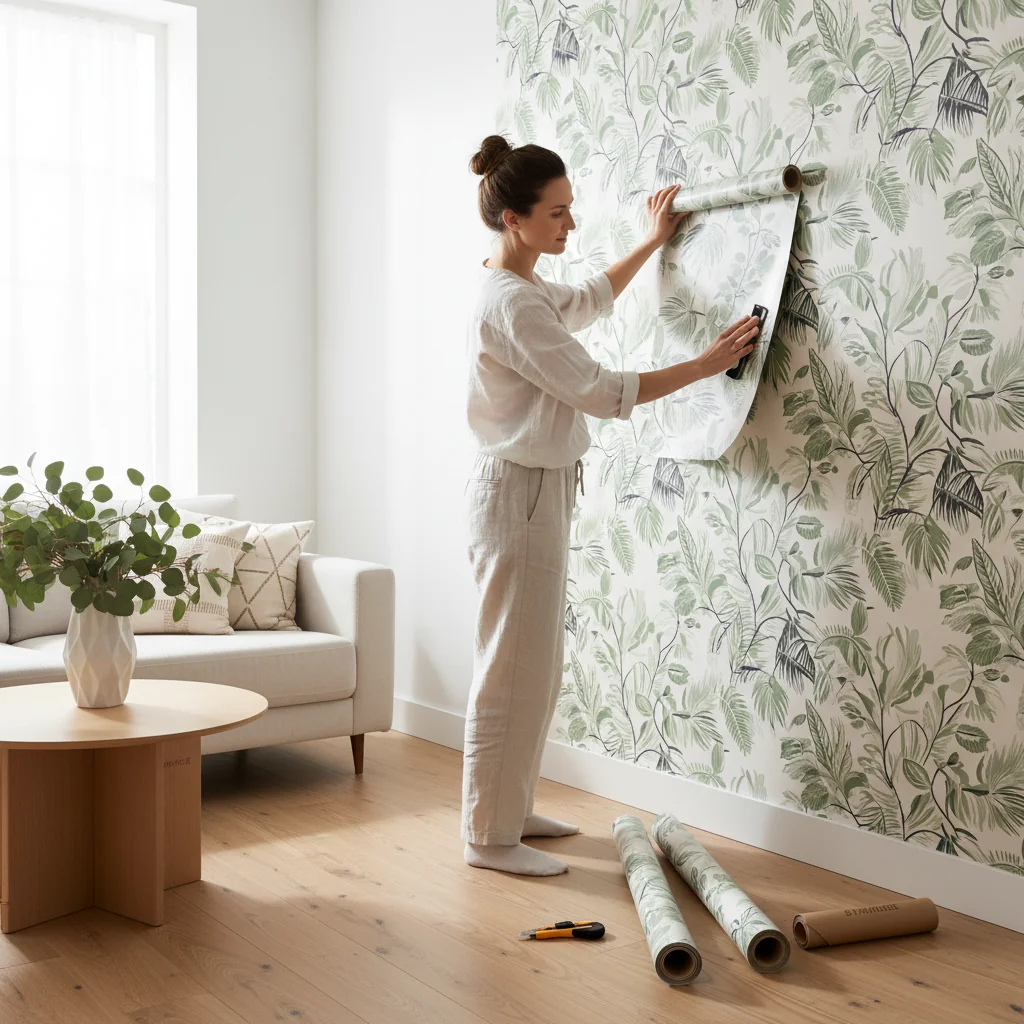
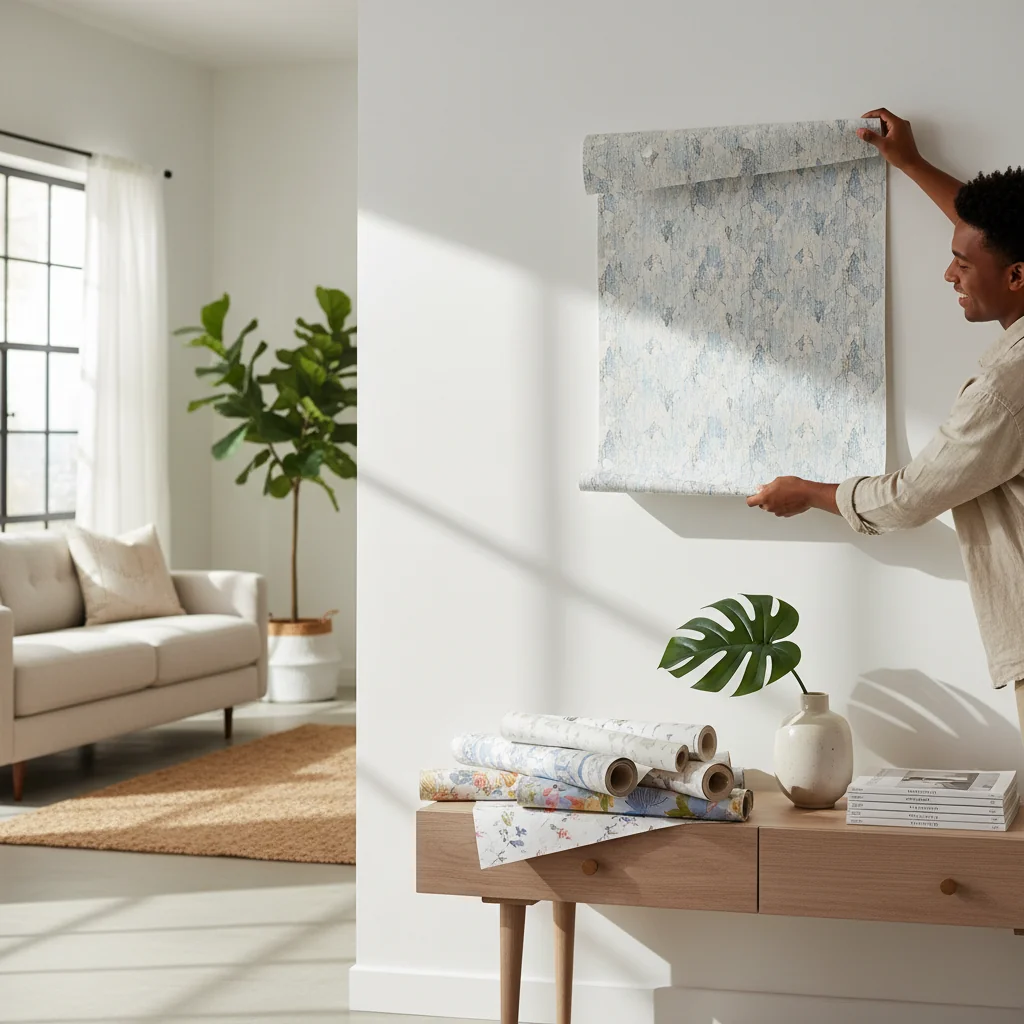
A wallpaper mural transforms an ordinary wall into a captivating focal point, offering a singular, expansive image or repeating pattern that covers an entire surface, fundamentally altering the aesthetic and atmosphere of a room. Unlike traditional wallpaper with its smaller, repeating motifs, a mural presents a cohesive, large-scale design, acting as a complete art piece for your walls. This specialized wall covering provides an immediate and dramatic impact, capable of evoking panoramic landscapes, intricate abstract art, or even hyper-realistic photographic scenes, bringing depth, character, and a unique narrative to any interior space. At Starhouse, we understand the power of such a statement piece to define a home, curating options that marry artistic vision with practical application, ensuring every installation becomes a cherished element of your design.
Key Takeaways
- Wallpaper murals are large-format wall coverings offering a single, expansive image or continuous design across an entire wall, distinct from traditional repeating wallpaper patterns.
- Key types include peel-and-stick for easy application and removal, paste-the-wall for robust installation, and traditional paste for durable, long-term solutions, each suited for different needs and skill levels.
- Material choices like non-woven, vinyl, and traditional paper significantly impact a mural’s durability, texture, and ease of maintenance, with finishes ranging from matte to gloss influencing the final aesthetic.
- Accurate measurement and meticulous wall preparation are paramount for a seamless installation, requiring precise calculations for height, width, and accounting for doors, windows, and architectural features.
- Current design trends favor biophilic motifs, maximalist expressions, vintage revivals, and abstract artistry, allowing for highly personalized and impactful interior statements.
- Proper care, including gentle cleaning and protection from direct sunlight and humidity, ensures the longevity and vibrancy of a wallpaper mural, preserving its artistic integrity for years.
- Successful styling involves harmonizing the mural with existing furniture, textiles, lighting, and accessories, ensuring a cohesive and balanced design narrative throughout the room.
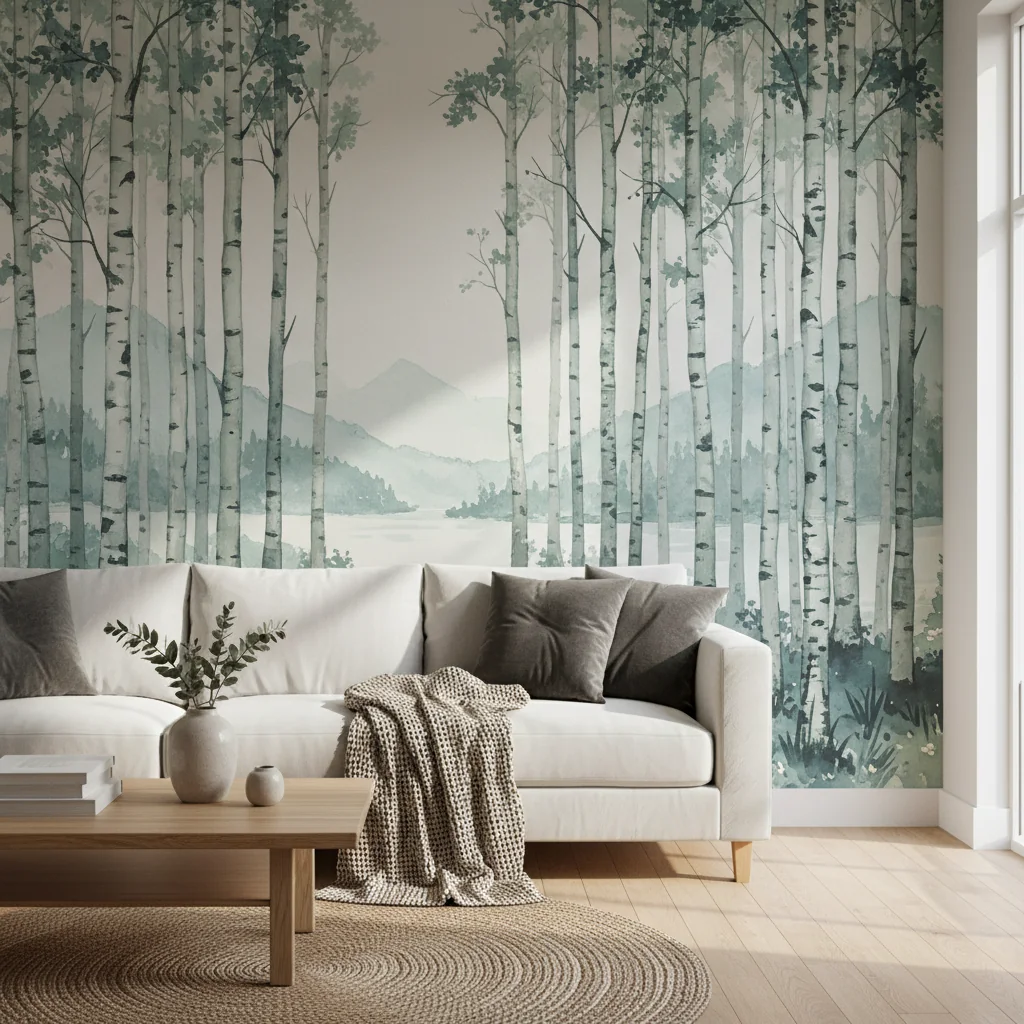
What Exactly is a Wallpaper Mural?
A wallpaper mural is a large-format wall covering designed to display a single, continuous image or an expansive, non-repeating artistic design across an entire wall or a significant portion of it, effectively transforming the surface into a grand piece of art. Unlike traditional wallpaper, which features smaller, repeating patterns that seamlessly connect across panels, a mural’s design is integrated and cohesive, much like a canvas painting scaled to architectural dimensions. This allows for breathtaking visual narratives, immersive landscapes, or bold graphic statements that traditional wallpaper cannot achieve.
Historically, murals were painted directly onto walls, a practice dating back to ancient civilizations. The modern wallpaper mural emerged as a more accessible and versatile alternative, leveraging printing technologies to reproduce intricate designs, photographs, and artistic compositions on various substrates. Today, these murals are typically printed in panels that are carefully aligned during installation to form the complete image. They offer an unparalleled opportunity to infuse a space with personality, depth, and a specific ambiance, making them a powerful tool in contemporary interior design.
Defining the Modern Mural
The contemporary wallpaper mural redefines wall decoration by offering a narrative or an expansive visual experience rather than just a pattern. It functions as a singular artistic statement, often becoming the room’s central focal point. This distinction is crucial: a mural tells a story, creates an illusion of depth, or presents a complete artistic composition that traditional wallpaper, by its repeating nature, cannot. Modern printing techniques allow for incredible detail, vibrant colors, and a vast array of thematic possibilities, from serene natural vistas to dynamic abstract forms.
The evolution of digital printing has democratized mural art, making custom designs and high-resolution imagery widely available. This means homeowners and designers can select from an extensive catalog of pre-designed murals or even commission bespoke pieces from their own images or concepts. The result is a highly personalized wall treatment that reflects individual taste and enhances the unique character of any room, from a cozy bedroom to a grand living area.
Mural vs. Traditional Wallpaper: A Clear Distinction
Understanding the fundamental difference between a wallpaper mural and traditional wallpaper is key to making an informed design decision. Traditional wallpaper is characterized by its repeating pattern, where individual motifs or designs are replicated across the entire roll and seamlessly match from one strip to the next. The focus is on creating a consistent texture or background that complements the overall decor.
In contrast, a wallpaper mural presents a distinct, often non-repeating image or scene that unfolds across multiple panels to create a single, unified artwork. The panels are designed to be installed in a specific sequence to form the complete picture, much like assembling pieces of a puzzle. This difference in design philosophy dictates their respective impacts on a space:
- Traditional Wallpaper: Offers texture, subtle pattern, and a cohesive background. It typically covers all walls in a room, providing a continuous decorative element.
- Wallpaper Mural: Provides a dramatic focal point, an immersive scene, or a large-scale artistic statement. It is often applied to a single accent wall, drawing immediate attention and setting the room’s mood.
Choosing between the two depends on the desired aesthetic and the role the wall covering is intended to play. For a subtle, textured backdrop, traditional wallpaper is ideal. For a bold, artistic statement that defines the room’s character, a wallpaper mural is the superior choice.
Exploring the Diverse Types of Wallpaper Murals
Wallpaper murals are available in several distinct types, primarily differentiated by their installation method and material composition, each offering unique advantages regarding ease of application, durability, and suitability for various environments. Understanding these types is crucial for selecting the mural that best aligns with your project’s demands, your comfort level with DIY installation, and your long-term design intentions. The primary categories include peel-and-stick, paste-the-wall, and traditional paste murals, alongside the distinction between custom and pre-designed options.
Each type is engineered to provide specific benefits, from temporary decorative solutions to permanent artistic installations. For instance, peel-and-stick murals prioritize convenience and flexibility, making them ideal for renters or those who frequently update their decor. Conversely, paste-the-wall and traditional paste murals offer enhanced durability and a more professional, integrated finish, suitable for long-term design commitments. Starhouse curates a range of these options to ensure every customer finds a mural that perfectly fits their vision and practical requirements.
Peel-and-Stick Murals: The Modern Convenience
Peel-and-stick wallpaper murals, also known as self-adhesive murals, are designed for maximum ease of installation and removal, featuring an adhesive backing that is activated by simply peeling away a protective liner. This type of mural is exceptionally user-friendly, making it a popular choice for DIY enthusiasts, renters, or anyone seeking a temporary or frequently changeable design solution. The absence of messy glues or pastes simplifies the process significantly, reducing installation time and effort.
Key Advantages:
- Effortless Installation: No need for external adhesives, brushes, or water trays. Simply peel and apply.
- Damage-Free Removal: Designed to be removed without damaging the underlying wall surface, leaving no residue behind. This is ideal for rental properties or temporary decor.
- Repositionable: Many peel-and-stick murals allow for minor repositioning during installation, offering a margin of error for alignment.
- Versatility: Suitable for a wide range of smooth, clean surfaces, including walls, furniture, and even ceilings.
Ideal Use Cases:
Peel-and-stick murals excel in children’s rooms where tastes evolve rapidly, in rental apartments where permanent alterations are prohibited, or for staging homes for sale. They are also excellent for creating temporary backdrops for events or holiday decorations. While generally durable for everyday use, their adhesive may be less robust than traditional pastes for high-traffic or high-humidity areas.
Paste-the-Wall Murals: Simplified Professionalism
Paste-the-wall murals represent a significant advancement in wallpaper technology, offering a balance between the ease of peel-and-stick and the durability of traditional methods. With this type, the adhesive is applied directly to the wall rather than to the back of the wallpaper panels. This innovation streamlines the installation process, making it cleaner and often faster than traditional pasting methods, while still ensuring a strong, lasting bond.
Key Advantages:
- Cleaner Installation: Eliminates the need for a pasting table, as paste is applied directly to the wall, reducing mess and simplifying cleanup.
- Easier Handling: The material remains dry when handled, preventing tears and making it easier to maneuver large panels.
- Good Adhesion: Provides a strong bond for long-term durability, suitable for permanent installations.
- Dry Strippable: Many paste-the-wall materials are designed to be dry strippable, meaning they can be removed in full sheets when it’s time for a change, often without extensive steaming or scraping.
Ideal Use Cases:
Paste-the-wall murals are highly recommended for homeowners seeking a professional, durable finish without the complexities of traditional wallpapering. They are perfect for living rooms, dining rooms, and bedrooms where a lasting design statement is desired. Their robust nature makes them suitable for higher-traffic areas, offering a resilient and aesthetically pleasing solution.
Traditional Paste Murals: The Enduring Classic
Traditional paste wallpaper murals require the application of a separate adhesive (paste) directly to the back of each mural panel before installation. This classic method, while requiring more steps and potentially more mess, provides an exceptionally strong and long-lasting bond, often considered the most durable option for permanent wall coverings. The paste allows for significant slide and adjustment during installation, which can be advantageous for precise alignment of intricate mural designs.
Key Advantages:
- Superior Adhesion: Offers the strongest and most permanent bond, making it ideal for long-term installations in any room.
- Adjustability: The wet paste allows for ample time to slide and adjust panels on the wall for perfect alignment, crucial for complex mural designs.
- Durability: Often made from robust paper or fabric-backed materials, these murals are built to withstand the test of time and can be highly resistant to wear and tear.
- Professional Finish: When installed correctly, traditional paste murals provide a smooth, integrated finish that looks custom-fitted.
Ideal Use Cases:
Traditional paste murals are the preferred choice for high-end residential projects, commercial spaces, or any application where maximum durability and a permanent, flawless finish are paramount. They are particularly well-suited for large, intricate murals where precise pattern matching across panels is essential. While requiring more skill and patience for DIY installation, the results are undeniably impactful and enduring.
Custom vs. Pre-designed Murals: Tailoring Your Vision
Beyond installation methods, wallpaper murals are also categorized by their origin: pre-designed or custom. This distinction directly impacts the uniqueness and personalization of your final wall art.
- Pre-designed Murals: These are ready-to-order designs from a manufacturer’s catalog, offering a vast array of styles, themes, and images. They are typically more cost-effective and readily available, providing a convenient solution for those who find a design that perfectly matches their aesthetic. Starhouse offers a curated collection of pre-designed murals, ensuring high quality and diverse artistic expressions.
- Custom Murals: Custom wallpaper murals allow for unparalleled personalization. You can provide your own high-resolution image, artwork, or collaborate with a designer to create a unique piece tailored specifically to your space, dimensions, and vision. This option is ideal for commercial branding, highly personalized residential projects, or when a specific artistic statement is required that cannot be found in existing catalogs. While generally more expensive and requiring a longer lead time, custom murals guarantee a one-of-a-kind result.
The choice between custom and pre-designed depends on your budget, timeline, and the level of personalization you desire. Both options offer the power to transform a room, but custom murals provide the ultimate expression of individuality.
Unveiling the Artistry: Styles and Themes in Wallpaper Murals
Wallpaper murals offer an expansive palette of styles and themes, capable of transporting a room to a different world or evoking a specific mood, making them a powerful tool for defining interior aesthetics. From serene natural vistas to dynamic abstract compositions, the thematic diversity ensures there is a mural to complement every design sensibility and functional space. Starhouse curates an extensive range of these artistic expressions, allowing homeowners to select a style that resonates deeply with their personal taste and interior vision.
The choice of style and theme directly influences the atmosphere of a room, dictating whether the space feels tranquil, energetic, sophisticated, or playful. Designers strategically use murals to create focal points, expand perceived space, or introduce an element of surprise and delight. Understanding the breadth of available styles empowers you to select a mural that not only looks stunning but also perfectly aligns with the desired emotional and functional impact of your environment.
Panoramic Landscapes and Nature
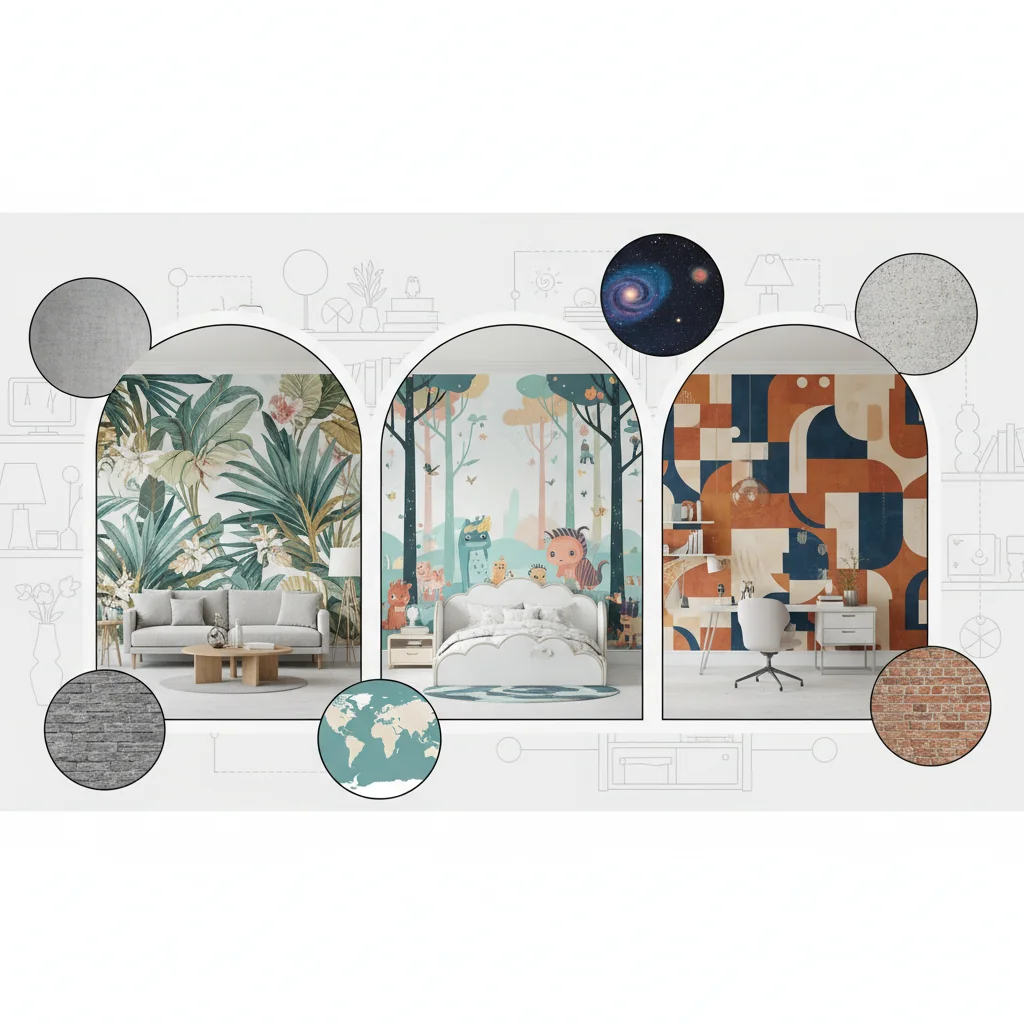
Panoramic landscapes and nature-themed murals bring the tranquility and grandeur of the outdoors directly into your home, creating a sense of expansiveness and calm. These murals often depict lush forests, majestic mountains, serene seascapes, or vibrant floral gardens, offering a visual escape. They are particularly effective in rooms where a connection to nature is desired, such as bedrooms, living rooms, or home offices, promoting relaxation and well-being.
Examples include:
- Forest Canopies: Dense, verdant trees creating an immersive, calming effect.
- Mountain Vistas: Dramatic peaks and valleys that add depth and grandeur.
- Coastal Scenes: Tranquil beaches, crashing waves, or serene ocean horizons for a peaceful ambiance.
- Tropical Jungles: Exotic flora and fauna for a vibrant, energetic feel.
These murals often feature natural color palettes, from earthy greens and browns to sky blues and sandy beiges, making them versatile for pairing with various furniture styles.
Abstract and Artistic Expressions
Abstract and artistic murals forgo literal representation in favor of form, color, and texture, providing a sophisticated and contemporary aesthetic that stimulates imagination and adds modern flair. These designs range from bold geometric patterns and fluid brushstrokes to subtle, textured compositions, offering a focal point that is both visually engaging and open to personal interpretation. Abstract murals are ideal for contemporary homes, art studios, or any space where a unique, non-representational statement is desired.
Key characteristics:
- Geometric Patterns: Intersecting lines, shapes, and polygons creating dynamic visual interest.
- Fluid Brushstrokes: Evoking movement and emotion through artistic strokes and color blending.
- Textural Illusions: Designs that mimic concrete, marble, or distressed surfaces, adding tactile depth.
- Color Field: Large expanses of color creating atmospheric and meditative spaces.
They pair well with minimalist furniture and allow other decor elements to pop against their artistic backdrop.
Geometric and Patterned
Geometric and patterned murals offer a structured and visually dynamic approach to wall decor, utilizing repeating shapes, lines, and forms to create rhythm and order. These styles can range from subtle, interlocking patterns that add texture to bold, graphic designs that make a strong contemporary statement. They are particularly effective in modern, minimalist, or mid-century inspired interiors, providing a sense of precision and intentionality.
Applications:
- Art Deco Inspired: Symmetrical, opulent patterns often with metallic accents.
- Scandinavian Simplicity: Clean lines and subtle patterns in muted tones.
- Bold Modernism: Large-scale, high-contrast geometric shapes for dramatic effect.
- Optical Illusions: Patterns that create a sense of depth or movement.
Geometric murals can define zones within open-plan spaces or add a sophisticated backdrop in offices and living areas.
Botanical and Floral
Botanical and floral murals celebrate the beauty of plants and flowers, bringing a touch of natural elegance and freshness into an interior space. These murals can range from hyper-realistic photographic depictions of blooms to stylized, painterly interpretations of foliage. They are versatile, suitable for creating a romantic, whimsical, or sophisticated ambiance, depending on the chosen design. Floral murals are particularly popular in bedrooms, dining rooms, and powder rooms, offering a sense of vitality and charm.
Variations include:
- Large-Scale Blooms: Oversized flowers creating a dramatic, romantic focal point.
- Dense Foliage: Lush green leaves and botanical elements for a biophilic feel.
- Vintage Botanical Prints: Scientific illustrations or antique floral motifs for a classic touch.
- Watercolor Florals: Soft, ethereal designs with a hand-painted aesthetic.
These murals often dictate a color palette for the rest of the room, drawing hues from the floral elements.
Architectural and Cityscapes
Architectural and cityscape murals offer a sense of grandeur, history, or urban sophistication, transporting viewers to iconic locations or showcasing intricate structural details. These murals can depict historical landmarks, bustling city skylines, ancient ruins, or neoclassical architectural elements. They are excellent for creating a dramatic backdrop in a study, a sophisticated living room, or a themed entertainment space, adding an element of travel and culture.
Popular themes:
- Iconic Skylines: Famous cityscapes at day or night, such as New York, Paris, or London.
- Historic Architecture: Roman arches, Gothic cathedrals, or Renaissance palaces for a timeless feel.
- Industrial Spaces: Exposed brick, concrete textures, or factory interiors for an urban, edgy look.
- Abstract Architecture: Deconstructed buildings or geometric interpretations of structures.
These murals often work well with industrial, modern, or classic decor styles, providing a strong narrative element.
Photographic Realism
Photographic realism murals reproduce high-resolution photographs onto your walls, creating an incredibly immersive and lifelike visual experience. This style is about capturing reality with stunning clarity and detail, whether it’s a breathtaking natural scene, a close-up of a texture, or a dynamic action shot. Photographic murals are perfect for creating an immediate, impactful statement and can effectively “open up” a smaller room by creating the illusion of depth and distance.
Applications:
- Nature Photography: Grand landscapes, close-ups of flora/fauna, or underwater scenes.
- Travel Destinations: Famous landmarks, cultural scenes, or serene street views.
- Textural Macro Shots: Detailed images of wood grain, stone, water, or fabric for tactile interest.
- Sports or Hobbies: Dynamic images related to personal interests, often in game rooms or studies.
The clarity and depth of photographic murals require high-quality source images and precise installation to truly shine.
Children’s and Whimsical
Children’s and whimsical murals are designed to spark imagination, creativity, and joy in younger occupants, featuring vibrant colors, playful characters, and fantastical scenes. These murals can transform a child’s bedroom or playroom into an enchanted forest, a bustling space station, or a magical underwater world. They are highly engaging, often serving as a backdrop for storytelling and imaginative play, and can easily be updated as a child grows.
Common themes:
- Fairytale Forests: Mythical creatures, enchanted trees, and whimsical characters.
- Space Adventures: Planets, rockets, astronauts, and starry galaxies.
- Animal Kingdoms: Friendly animals in their natural habitats or playful scenarios.
- Cartoon Characters: Beloved figures from books or animation.
These murals often employ bright, cheerful color palettes and can feature educational elements or interactive designs, such as growth charts.
Vintage and Historic
Vintage and historic murals draw inspiration from past eras, offering a sense of nostalgia, timeless elegance, or historical depth. These styles often feature archival prints, antique maps, classic art reproductions, or designs reminiscent of specific historical periods like the Roaring Twenties or Mid-Century Modern. They are ideal for creating a sophisticated, curated look in a study, a dining room, or a living area, adding character and a story to the space.
Popular vintage motifs:
- Chinoiserie: Elaborate Asian-inspired scenes with birds, flowers, and pagodas.
- Toile de Jouy: Pastoral scenes typically in monochromatic colors, evoking French country charm.
- Art Nouveau: Organic, flowing lines and natural forms from the late 19th/early 20th century.
- Retro Graphics: Bold patterns and color schemes from the 1950s-1970s.
These murals pair well with antique furniture, classic textiles, and decor that celebrates history and craftsmanship.
The Foundation: Materials and Finishes for Wallpaper Murals
The material composition and finish of a wallpaper mural are critical factors influencing its durability, texture, appearance, and ease of maintenance, directly impacting both the installation process and the longevity of your design. Modern mural technology utilizes a variety of substrates, each with distinct properties that make them suitable for different environments and aesthetic goals. Understanding these material characteristics, from non-woven to vinyl and traditional paper, is essential for selecting a mural that not only looks stunning but also performs optimally in your space.
The chosen material dictates how the mural interacts with light, how it feels to the touch, and how resilient it is against wear, moisture, and fading. Starhouse offers a curated selection of high-quality materials and finishes, ensuring that each mural provides both exceptional visual appeal and practical functionality. The finish, whether matte, satin, or gloss, further refines the mural’s visual impact, affecting how colors are perceived and how light reflects off the surface.
Non-Woven Materials: The Versatile Choice
Non-woven wallpaper mural materials are composed of a blend of natural and synthetic fibers, making them one of the most popular and versatile options available today. This advanced composition grants them superior durability, breathability, and ease of handling compared to traditional paper-based products. Non-woven murals are often described as “paste-the-wall” materials due to their stability and strength when wet, simplifying the installation process significantly.
Key Characteristics:
- Durability: Highly resistant to tearing, scratching, and general wear and tear, ensuring a longer lifespan.
- Breathability: Allows walls to breathe, which helps prevent mold and mildew growth, especially in humid environments.
- Dimensional Stability: Does not expand or contract when wet, making pattern matching and alignment much easier during installation.
- Easy to Remove: Often dry-strippable in full sheets, leaving minimal residue and making future redecoration simpler.
- Washable: Many non-woven murals are wipeable or washable, allowing for easy cleaning of minor marks.
Non-woven materials are an excellent choice for almost any room, including living areas, bedrooms, and even some bathrooms, due to their robust nature and user-friendly properties.
Vinyl-Coated Materials: Resilience and Cleanability
Vinyl-coated wallpaper murals feature a durable vinyl layer applied over a paper or fabric backing, providing exceptional resilience, moisture resistance, and ease of cleaning. This makes them particularly well-suited for high-traffic areas, kitchens, bathrooms, and commercial settings where durability and hygiene are paramount. The vinyl surface acts as a protective barrier, making these murals highly practical for demanding environments.
Key Characteristics:
- High Durability: Extremely resistant to scratches, scuffs, and abrasions, offering long-term wear.
- Moisture Resistance: The vinyl layer repels water, making it ideal for areas with high humidity or splashes, though not fully waterproof for direct water contact.
- Easy to Clean: Most vinyl murals are fully scrubbable, allowing for thorough cleaning with mild soap and water without damaging the design.
- Fade Resistance: The vinyl layer often provides good UV resistance, helping to prevent colors from fading over time.
While highly functional, vinyl murals can sometimes have a slightly less natural feel compared to non-woven or paper options. They are available in various thicknesses and textures, from smooth to embossed.
Traditional Paper Murals: Classic Aesthetic
Traditional paper wallpaper murals are made primarily from paper pulp, offering a classic and often more eco-friendly option, though generally less durable than non-woven or vinyl. These murals typically require traditional paste application, where the adhesive is applied directly to the back of the paper panels. Paper murals are cherished for their authentic feel, ability to absorb ink beautifully, and often a softer, more natural finish.
Key Characteristics:
- Authentic Feel: Provides a traditional wallpaper aesthetic, often with a subtle texture.
- Print Quality: Paper substrates can achieve excellent color vibrancy and detail, especially for intricate artistic designs.
- Breathable: Allows walls to breathe, similar to non-woven, which is beneficial for older homes.
- Eco-Friendly Options: Many paper murals are recyclable and sourced from sustainable forests.
Paper murals are generally less resistant to moisture and tearing than vinyl or non-woven, making them best suited for low-traffic areas like bedrooms, studies, or formal dining rooms where they are less likely to encounter moisture or heavy wear. Installation requires careful handling as wet paper can be fragile.
Fabric-Backed Options: Luxurious Texture
Fabric-backed wallpaper murals feature a textile layer (such as cotton or polyester) as their backing, providing enhanced durability, a luxurious tactile quality, and often a subtle texture that adds depth to the design. The fabric backing makes these murals more robust and tear-resistant during installation and removal, and they often boast superior acoustic properties, helping to dampen sound in a room. They are typically installed with traditional or heavy-duty paste.
Key Characteristics:
- Increased Durability: The fabric backing provides strength, making them resistant to tearing and stretching.
- Luxurious Feel: Offers a soft, often textured surface that adds a sophisticated and high-end aesthetic.
- Acoustic Benefits: Can help to absorb sound, contributing to a quieter and more comfortable environment.
- Conceals Imperfections: The thickness and texture can help mask minor wall irregularities more effectively than thinner materials.
Fabric-backed murals are an excellent choice for luxury residential projects, boutique hotels, or any space where a premium look and feel are desired. They are often more expensive but offer unparalleled elegance and longevity.
Finishes: Matte, Satin, and Gloss
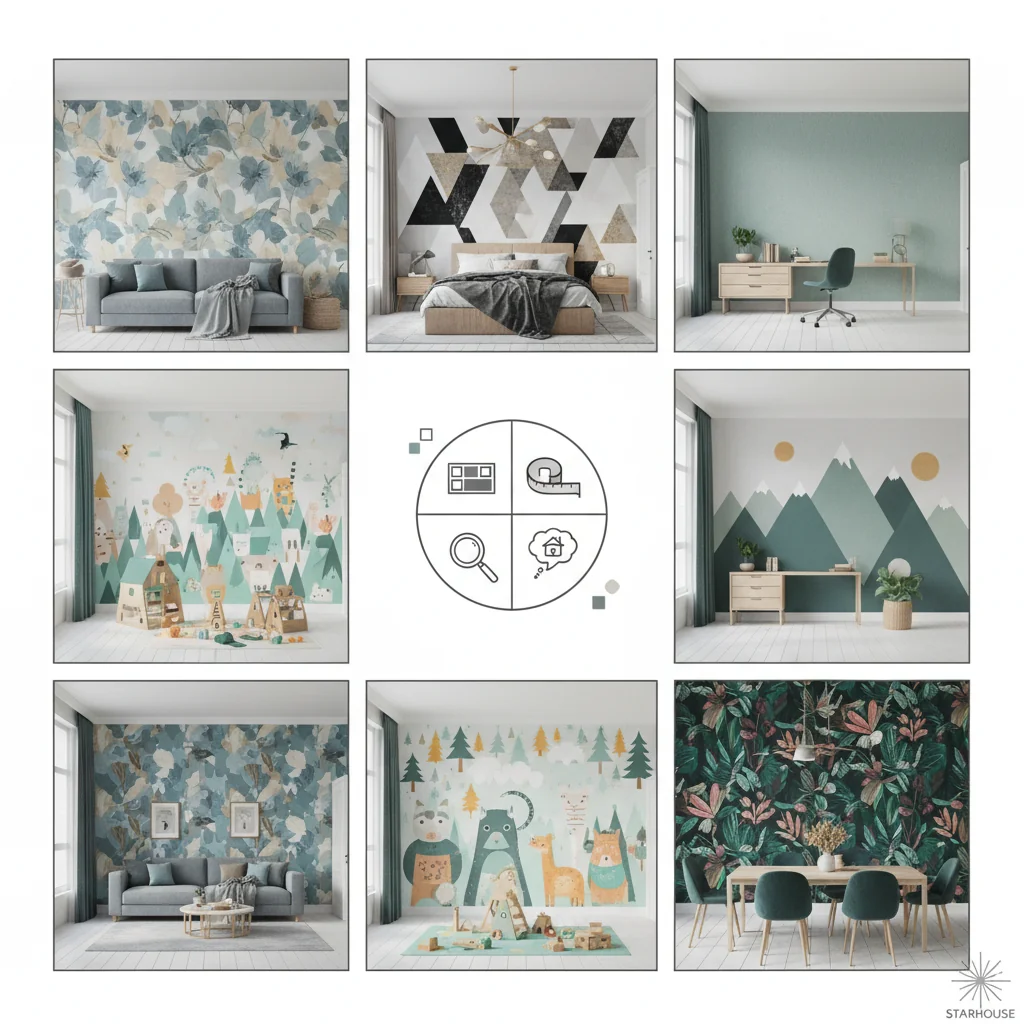
The finish of a wallpaper mural significantly impacts its final appearance, affecting how light reflects off the surface and how colors are perceived. Choosing the right finish is crucial for achieving the desired ambiance and complementing the overall design scheme.
- Matte Finish: A matte finish absorbs light rather than reflecting it, resulting in a non-shiny, soft appearance.
- Aesthetic: Provides a sophisticated, understated look, often resembling painted art or a smooth, plaster-like surface. Colors appear richer and deeper, without glare.
- Benefits: Minimizes glare and reflections, making it ideal for rooms with abundant natural light or where photography is taken. It also tends to hide minor wall imperfections more effectively.
- Considerations: Can be slightly less durable and harder to clean than glossier finishes, sometimes showing scuffs more easily.
- Satin (Eggshell) Finish: A satin finish offers a subtle sheen, a gentle luster that is more reflective than matte but less so than gloss.
- Aesthetic: A popular middle-ground, providing a refined look with a touch of elegance. It adds a slight vibrancy to colors.
- Benefits: Offers a good balance of durability and cleanability, making it suitable for moderate-traffic areas. It reflects some light, brightening the room without being overly reflective.
- Considerations: Still shows some minor imperfections, but less so than a full gloss.
- Gloss Finish: A gloss finish is highly reflective, creating a shiny, almost mirror-like surface that bounces light around the room.
- Aesthetic: Creates a dramatic, high-impact look that can make colors pop and add a sense of luxury or modernity.
- Benefits: Extremely durable and easy to clean, making it ideal for high-traffic areas, kitchens, and bathrooms. The reflective quality can make a room feel larger and brighter.
- Considerations: Highlights every wall imperfection and can produce significant glare, especially in direct sunlight. Can sometimes feel overpowering in large doses.
Textural Finishes: Adding Depth and Tactility
Beyond smooth surfaces, many murals are available with embossed or textured finishes that add a tactile dimension to the visual design. These textures can mimic natural materials like linen, canvas, plaster, or even wood grain, enhancing the realism and depth of the mural. Textural finishes are excellent for adding warmth and character, making a wall feel more substantial and inviting.
Common Textures:
- Linen/Canvas: Creates a subtle fabric-like texture, adding softness and depth, particularly effective for artistic or painted-effect murals.
- Plaster/Concrete: Mimics the rough, organic feel of these materials, ideal for industrial or minimalist aesthetics.
- Embossed Patterns: Raised designs that add a three-dimensional quality, enhancing the visual interest of geometric or damask patterns.
Textured murals can help to conceal minor wall blemishes and add a luxurious, custom feel to any space. They contribute to a multi-sensory experience, making the wall not just something to look at, but also something to appreciate by touch.
| Material Type | Durability | Ease of Installation | Ideal Use | Maintenance |
|---|---|---|---|---|
| Non-Woven | High (tear-resistant, stable) | Easy (paste-the-wall, repositionable) | All rooms, moderate to high traffic | Wipeable, sometimes washable |
| Vinyl-Coated | Very High (scratch, moisture resistant) | Moderate (paste-the-wall or traditional) | Kitchens, bathrooms, high-traffic areas | Scrubbable, very easy to clean |
| Traditional Paper | Moderate (less tear-resistant when wet) | Challenging (traditional paste, delicate) | Low-traffic areas, formal rooms | Delicate, generally not washable |
| Fabric-Backed | High (tear-resistant, durable) | Moderate (traditional paste) | Luxury spaces, acoustic needs | Generally wipeable, depends on top layer |
The Art of Selection: How to Choose the Perfect Wallpaper Mural
Choosing the perfect wallpaper mural involves a thoughtful consideration of various design elements and practical aspects to ensure it seamlessly integrates into your space and achieves your desired aesthetic. This process extends beyond merely liking an image; it requires an understanding of how the mural interacts with the room’s function, existing decor, color palette, scale, and natural light. A well-chosen mural becomes a harmonious extension of your home’s narrative, enhancing its beauty and character.
At Starhouse, we advocate for a holistic approach to mural selection, guiding you through the considerations that lead to a truly impactful and satisfying result. Precision in choice ensures that your mural is not just a decorative element, but a foundational piece that defines the room’s atmosphere and reflects your personal style with confidence and authority.
Defining Your Room’s Purpose and Mood
The primary function and desired mood of a room are paramount in mural selection, as they dictate the appropriate theme, color scheme, and intensity of the design. A mural for a tranquil bedroom will differ significantly from one chosen for an energetic playroom or a sophisticated dining area. We recommend starting with a clear vision of how you want the room to feel and what activities will take place there.
- Bedrooms: Opt for calming landscapes, soft botanicals, or subtle abstract patterns in muted tones to promote relaxation. Avoid overly stimulating or busy designs.
- Living Rooms: This is often the prime location for a statement mural. Consider grand landscapes, sophisticated architectural scenes, or bold abstract art that reflects your personal style and encourages conversation.
- Dining Rooms: Elegant florals, scenic vistas, or classic architectural motifs can enhance the dining experience, creating a refined atmosphere.
- Children’s Rooms/Playrooms: Vibrant, whimsical themes like space adventures, animal kingdoms, or fairytale scenes are ideal for sparking imagination and joy.
- Home Offices: Inspiring landscapes, geometric patterns, or subtle textures can promote focus and creativity without being distracting.
- Bathrooms/Powder Rooms: Moisture-resistant materials are crucial here. Consider serene seascapes, bold abstract patterns, or lush botanical designs that create a sense of escape.
The mural should align with the emotional resonance you wish to cultivate, whether it’s serenity, excitement, sophistication, or whimsy.
Harmonizing with Existing Décor
A wallpaper mural should complement, not compete with, your existing furniture, textiles, and accessories. It acts as an anchor for the room’s design, so its style, color, and scale must be considered in relation to what is already present. This ensures a cohesive and balanced aesthetic, preventing the room from feeling disjointed or overwhelmed.
Consider these aspects:
- Furniture Style: A modern, minimalist mural might clash with ornate, traditional furniture, while a vintage-inspired floral could perfectly accent a classic interior.
- Textiles and Upholstery: Draw inspiration from existing fabric patterns, colors, and textures. The mural should either echo these elements or provide a complementary contrast.
- Architectural Features: Take into account fireplaces, built-in shelving, windows, and doors. The mural design should ideally flow around these features without being awkwardly cut off or obscured.
- Overall Aesthetic: If your home leans industrial, a concrete-effect or cityscape mural might fit. For a bohemian vibe, consider an abstract or intricate botanical design.
The mural should feel like an organic extension of your home’s story, not an afterthought.
Mastering Color and Palette
Color is one of the most powerful tools in interior design, and a mural’s palette will significantly influence the room’s overall feel. We recommend selecting a mural with colors that either match or harmoniously contrast with your existing color scheme. Identifying dominant and accent colors in your room will guide your mural selection.
- Matching: Choose a mural where the main colors are already present in your room, creating a seamless, cohesive look.
- Complementary Contrast: Select a mural that introduces a complementary color to your existing palette, adding depth and visual interest without clashing. For example, a room with warm tones might benefit from a mural with cool blue accents.
- Monochromatic: For a sophisticated and subtle effect, choose a mural with varying shades of a single color already present in the room.
- Neutral Base: If your room has a neutral base (grays, beiges, whites), a mural can introduce a bold splash of color, becoming the room’s vibrant heart.
Always consider how natural and artificial light will affect the mural’s colors throughout the day and evening. Colors can appear differently under varying light conditions.
Understanding Scale and Proportion
The scale of the mural’s design elements and its overall proportion to the wall and room size are critical for a successful installation. An oversized pattern in a small room can feel overwhelming, while a tiny, intricate design on a vast wall might get lost. We advise a careful assessment of these elements.
- Small Rooms: Murals with a sense of depth, like landscapes or cityscapes, can make a small room feel larger. Avoid overly busy or large-scale patterns that can visually shrink the space.
- Large Rooms: Can accommodate grand, expansive murals with large-scale motifs or panoramic scenes that fill the wall without being overwhelming.
- Ceiling Height: Vertical designs or murals that draw the eye upwards can make low ceilings appear higher.
- Furniture Placement: Consider where furniture will sit against the mural. Ensure key design elements of the mural are not entirely obscured by large pieces of furniture.
A good rule of thumb is to consider the mural as a single piece of art; its size and content should be proportionate to the “gallery” wall it occupies.
Considering Natural Light
Natural light plays a significant role in how a mural appears in a room. The direction and intensity of light can alter colors, highlight textures, and even influence the perceived warmth or coolness of the design. A well-lit room can showcase a mural’s detail, while a dimly lit space might require a mural with lighter colors or a glossy finish to brighten it.
- North-Facing Rooms: These rooms tend to have cooler, indirect light. Murals with warm colors (reds, oranges, yellows) or a slightly glossy finish can counteract this coolness and add warmth.
- South-Facing Rooms: Benefit from abundant, warm light. They can handle a wider range of colors, including cooler tones, without feeling dark. Matte finishes work well here to prevent glare.
- East-Facing Rooms: Receive bright morning light. Consider murals that will look good with this morning vibrancy, perhaps with lighter colors or subtle patterns.
- West-Facing Rooms: Get warm, intense afternoon light. Murals with deeper, richer tones or a matte finish can absorb some of this intensity and prevent glare.
Always examine samples of your chosen mural under various lighting conditions in your specific room before committing to the full purchase.
Durability and Maintenance Needs
The practical aspects of a mural’s durability and maintenance requirements are just as important as its aesthetic appeal. Different materials offer varying levels of resistance to moisture, wear, and ease of cleaning, directly impacting the mural’s longevity and suitability for specific rooms. We recommend assessing the traffic and potential for spills or moisture in the chosen area.
- High-Traffic Areas (Hallways, Kids’ Rooms): Opt for highly durable and washable materials like vinyl-coated or robust non-woven murals. These can withstand scuffs and frequent cleaning.
- Kitchens and Bathrooms: Moisture-resistant vinyl murals are essential here to combat humidity and potential splashes. Ensure they are explicitly labeled as suitable for these environments.
- Low-Traffic Areas (Bedrooms, Formal Dining Rooms): Traditional paper or delicate fabric-backed murals can be used where durability is less of a concern, allowing for a wider range of aesthetic choices.
- Sunlight Exposure: If the wall receives direct, intense sunlight, choose murals with good UV resistance to prevent fading over time.
Understanding these practical considerations upfront ensures your mural remains beautiful and functional for years to come.
The “Feel” of the Space: Beyond Visuals
Beyond visual appeal, a mural contributes to the overall “feel” or sensory experience of a room. This includes how it impacts acoustics, perceived temperature, and even the sense of enclosure or openness. A mural can transform a cold, sterile space into a warm, inviting sanctuary, or add an energetic buzz to a quiet corner.
- Acoustics: Thicker, textured, or fabric-backed murals can slightly improve a room’s acoustics by absorbing sound, reducing echoes in large or sparsely furnished spaces.
- Perceived Temperature: Warm-toned murals (reds, oranges, yellows) can make a room feel cozier and warmer, while cool-toned murals (blues, greens) can evoke a sense of calm and coolness.
- Sense of Space: Murals with expansive landscapes or receding perspectives can make a small room feel larger and more open. Dense, large-scale patterns might create a more intimate, enclosed feeling.
- Emotional Connection: Ultimately, the mural should evoke a positive emotional response, making the space more personal and enjoyable.
Consider how the mural will contribute to the holistic sensory experience of your room, not just its visual impact. If you’re envisioning a complete transformation for your space and seeking unique pieces that truly speak to your style, tell us what you’re looking for. Starhouse is curating its collection to bring you early access to the home & décor you desire.
Precision in Planning: Sizing and Measuring for Your Mural
Accurate sizing and meticulous measuring are the cornerstone of a successful wallpaper mural installation, ensuring a seamless fit and professional finish without unsightly gaps or wasted material. Even the most stunning mural design will lose its impact if improperly sized or poorly aligned. We emphasize that precise measurements are not merely a suggestion but a mandatory step to avoid costly errors and achieve the desired visual effect. This process involves careful attention to wall dimensions, architectural features, and potential allowances for trimming.
At Starhouse, we guide our customers through these essential preparatory steps, understanding that a perfect installation begins long before the first panel touches the wall. Proper planning guarantees that your chosen mural will unfold as intended, creating a breathtaking and integrated artistic statement that enhances your home’s aesthetic with confidence and authority.
Essential Tools for Measurement
Before you begin measuring, gather the necessary tools to ensure accuracy and efficiency. Having the right equipment readily available prevents interruptions and allows for precise data collection.
- Steel Measuring Tape: A retractable steel tape measure, at least 25 feet long, is essential for accurate wall dimensions. Avoid cloth tapes, as they can stretch and provide inaccurate readings.
- Pencil: For marking measurements directly on the wall or paper.
- Notebook or Graph Paper: To record all measurements clearly and sketch a diagram of your wall.
- Laser Level (Optional but Recommended): Provides precise horizontal and vertical lines, which can be invaluable for ensuring square measurements and later for panel alignment.
- Step Ladder: To safely reach the highest points of your wall.
These tools, when used correctly, will lay the groundwork for a flawless mural installation.
Step-by-Step Measurement Guide
Follow these precise steps to measure your wall accurately for a wallpaper mural. Remember, it is always better to double-check every measurement to avoid discrepancies.
- Measure Wall Width: Measure the total width of the wall from corner to corner at three different points: the top, middle, and bottom. Record the widest measurement.
- Measure Wall Height: Measure the total height of the wall from floor to ceiling at three different points: the left, middle, and right. Record the tallest measurement.
- Account for Architectural Features: If your wall has windows, doors, or other architectural elements, measure their height and width, and their distance from the corners, floor, and ceiling. You will need these dimensions to plan panel layout and trimming.
- Add Overlap/Buffer: We strongly recommend adding an extra 2-4 inches to both the total width and total height measurements. This buffer provides crucial wiggle room for uneven walls, plumb lines, and final trimming, ensuring you have enough material for a perfect edge-to-edge fit. Most professional installers add at least 2 inches to each dimension.
- Sketch Your Wall: Create a simple diagram of your wall in your notebook, including all measurements and the locations of windows, doors, and outlets. This visual aid is invaluable for ordering and planning.
Always provide the largest measurements to the mural supplier, including the added buffer. It is far better to have a little extra material to trim than to come up short.
Understanding Panel Layouts
Wallpaper murals are typically printed in vertical panels that are designed to be installed side-by-side to form the complete image. Understanding how these panels are laid out is crucial for both ordering and installation.
- Standard Panel Widths: Mural panels usually come in standard widths, often around 18 to 24 inches. The total number of panels will depend on the mural’s overall width and the chosen panel width.
- Numbered Panels: Panels are almost always numbered sequentially (e.g., Panel 1, Panel 2, Panel 3…) to guide the installation order.
- Overlap: Many murals are designed with a slight overlap (typically 1/2 to 1 inch) on one edge of each panel. This overlap allows for precise alignment of the image and helps to create an invisible seam. Some murals are designed for butt-jointing, where panels meet edge-to-edge without overlap. Always check the manufacturer’s instructions.
- Centering the Image: For murals that are a distinct scene (e.g., a landscape), consider where the most critical part of the image will fall. You may want to center the mural on the wall or align it with a key piece of furniture or architectural feature. This might mean trimming some excess from the sides of the mural, so the buffer is essential.
A clear understanding of panel layout ensures that the mural’s design unfolds correctly and aesthetically on your wall.
Accounting for Overlap and Waste
Properly accounting for overlap and potential waste during the measuring and ordering process is fundamental to a professional mural installation. Neglecting these allowances can lead to insufficient material or visible seams.
- Seam Overlap: As mentioned, many murals require a slight overlap (e.g., 1/2 inch) between panels to ensure a perfect match and to prevent gaps as the material dries. This overlap is usually factored into the mural’s printed dimensions, but it’s important to be aware of it for installation.
- Trimming Allowance: The 2-4 inches added to the overall height and width measurements serve as a trimming allowance. Walls are rarely perfectly plumb or square, and this extra material allows you to cut a clean, straight edge at the ceiling, floor, and corners.
- Pattern Repeat (if applicable): While murals are generally non-repeating, some larger designs might have a subtle repeat across panels. If so, ensure you understand how much extra material might be needed to align patterns perfectly.
- Practice Cuts/Mistakes: While not ideal, having a small amount of extra material can be a lifesaver if a panel is accidentally damaged during installation or if a practice cut goes awry.
Always round up your measurements when ordering. It is far more cost-effective to have a small amount of leftover material than to reorder an entire mural due to a shortfall.
Preparing Your Wall Surface
Wall preparation is as critical as accurate measurement for a flawless mural installation. A smooth, clean, and properly primed surface ensures optimal adhesion and prevents imperfections from showing through the mural.
Essential Wall Prep Steps:
- Clean the Wall: Thoroughly wash the wall with a mild detergent (like sugar soap) and water to remove any dirt, grease, or grime. Rinse well and allow to dry completely, typically 24 hours.
- Repair Imperfections: Fill any holes, cracks, or dents with spackle or joint compound. Sand smooth once dry. Even small imperfections can be noticeable under a mural.
- Remove Old Wallpaper: All existing wallpaper must be removed. New wallpaper or murals will not adhere properly to old layers and can cause bubbling or peeling.
- Prime the Wall: Apply a high-quality primer specifically designed for wallpaper (often called a “sizing” primer). This seals porous surfaces, creates a uniform surface for adhesion, and aids in future removal. Allow the primer to dry according to manufacturer instructions, usually 24-48 hours.
- Ensure Smoothness: The wall must be as smooth as possible. Any texture, even subtle, can show through thinner mural materials. For heavily textured walls, consider skim coating to create a perfectly smooth surface.
Proper wall preparation ensures maximum adhesion and a professional, long-lasting finish for your wallpaper mural.
Professional Installation Considerations
While many wallpaper murals are designed for DIY installation, especially peel-and-stick options, complex designs, very large walls, or delicate materials often benefit from professional installation. A professional installer brings expertise, specialized tools, and an eye for detail that can guarantee a flawless result.
- Expertise: Professionals are skilled in precise pattern matching, seamless alignment, and handling various material types.
- Efficiency: They can complete the installation much faster and with fewer errors than a novice.
- Specialized Tools: Installers have access to tools like laser levels, seam rollers, and specialized cutting blades that contribute to a superior finish.
- Warranty: Many professional installers offer a warranty on their work, providing peace of mind.
- Problem Solving: They are adept at handling unexpected wall irregularities or challenges during installation.
For high-value murals or if you are not confident in your DIY skills, investing in professional installation is a wise decision to protect your investment and ensure a stunning outcome.
Current Canvas: Wallpaper Mural Trends in 2026
Wallpaper murals in 2026 are embracing a fascinating blend of natural inspiration, bold artistic expression, and a renewed appreciation for craftsmanship and historical charm, reflecting a collective desire for spaces that are both aesthetically enriching and deeply personal. These trends move beyond mere decoration, offering immersive experiences that connect inhabitants with the natural world, celebrate individuality, and evoke a sense of curated luxury. Starhouse remains at the forefront of these evolving design narratives, curating collections that embody these contemporary directions while maintaining timeless appeal.
The current landscape of mural design emphasizes sustainability, technological innovation, and a return to artisanal aesthetics, allowing for unprecedented versatility in transforming interiors. From serene biophilic designs to opulent maximalist statements, these trends provide homeowners with compelling options to infuse their spaces with character, depth, and a distinctly modern sensibility.
Biophilic Design: Connecting with Nature
Biophilic design continues its strong ascent, integrating natural elements and processes into interior spaces to enhance well-being and create a sense of calm and connection to the outdoors. Wallpaper murals are a primary vehicle for this trend, featuring expansive natural scenes that blur the lines between inside and out. This trend extends beyond simple landscapes, incorporating intricate botanical illustrations, lush forest canopies, and serene water features that evoke tranquility.
- Lush Greenery: Murals depicting dense tropical jungles, temperate forests, or intricate botanical gardens.
- Natural Textures: Designs mimicking wood grain, stone, or woven fibers, even if the material is smooth.
- Water Elements: Serene lake scenes, crashing ocean waves, or abstract representations of water.
- Flora and Fauna: Detailed illustrations of plants, birds, and subtle wildlife that bring life to walls.
Biophilic murals are particularly popular in bedrooms, bathrooms, and home offices, where their calming influence supports relaxation and focus. They often feature natural color palettes, dominated by greens, blues, and earthy tones.
Maximalist Expressions: Bold and Abundant
Maximalism in mural design celebrates abundance, richness, and daring combinations, moving away from minimalist restraint to embrace vibrant colors, intricate patterns, and layered aesthetics. This trend is characterized by murals that are unapologetically bold, often covering entire rooms in dramatic, large-scale imagery or complex, narrative scenes. It’s about creating a feast for the eyes, where every detail contributes to a grand, opulent statement.
- Grand Florals: Oversized, dramatic floral patterns in rich, saturated colors, often with a vintage or baroque feel.
- Chinoiserie and Exotic Scenes: Elaborate, hand-painted style murals depicting fantastical landscapes, exotic birds, and intricate patterns.
- Artistic Storytelling: Murals that tell a story through a series of interconnected scenes or highly detailed illustrations.
- Pattern Mixing: Designs that incorporate multiple patterns or textures within a single mural, creating a rich visual tapestry.
Maximalist murals thrive in dining rooms, living rooms, and powder rooms, where they can create an immediate sense of luxury, drama, and personal flair. They pair well with eclectic furniture, bold textiles, and a confident mix of decorative objects.
Vintage & Archival Resurgence: Nostalgia and Heritage
A deep appreciation for the past fuels the vintage and archival mural trend, reintroducing classic aesthetics and historical motifs with a contemporary twist. This involves reproducing antique maps, botanical illustrations, classical art, or designs inspired by specific historical periods like Art Deco, Mid-Century Modern, or the Grand Tour era. The goal is to infuse spaces with history, character, and a sense of timeless elegance, often through sepia tones, muted palettes, or distressed finishes.
- Antique Maps: World maps, celestial charts, or city plans from centuries past, adding an intellectual and adventurous touch.
- Classical Art Reproductions: Famous paintings, frescoes, or mythological scenes reimagined for wall application.
- Art Deco Geometrics: Symmetrical, opulent patterns reminiscent of the 1920s and 30s.
- Mid-Century Modern Graphics: Abstract shapes and organic forms in period-appropriate colors.
These murals are ideal for studies, libraries, formal living spaces, or even a sophisticated bedroom, creating an atmosphere of cultured refinement and thoughtful curation.
Abstract Artistry: Modern and Expressive
Abstract artistry in wallpaper murals offers a versatile and sophisticated way to introduce modern art into interior design, focusing on form, color, and texture rather than recognizable subjects. This trend encompasses a wide range of styles, from minimalist geometric compositions to expressive, painterly strokes and fluid color transitions. Abstract murals provide a dynamic focal point that can evoke emotion, stimulate thought, and complement contemporary furniture and decor.
- Geometric Abstraction: Clean lines, polygons, and interlocking shapes creating a sense of order and dynamism.
- Expressionistic Swirls: Bold brushstrokes, splatters, and fluid forms that convey movement and emotion.
- Color Field Murals: Large expanses of blended colors creating atmospheric and meditative effects.
- Textural Abstraction: Designs that mimic concrete, marble, or distressed surfaces, adding tactile depth without literal representation.
Abstract murals are perfect for living rooms, hallways, and modern offices, offering a contemporary edge and allowing for personal interpretation. They work well as a backdrop for both minimalist and eclectic decor.
Textural Illusions: Depth and Tactility
The trend of textural illusions in wallpaper murals focuses on creating the visual and sometimes tactile impression of rich, natural, or man-made textures. These murals expertly mimic materials like exposed brick, weathered concrete, polished marble, woven fabrics, or aged wood, adding depth and a sophisticated, multi-sensory dimension to walls without the weight or cost of actual materials. This trend plays with perception, bringing a sense of authenticity and rugged elegance to interiors.
- Faux Concrete/Plaster: Replicates the raw, industrial look of concrete or the subtle imperfections of plaster.
- Marble Veining: Elegant and luxurious marble patterns in various colors, from classic white Carrara to dramatic black Marquina.
- Distressed Wood/Barnwood: Murals that mimic aged, reclaimed wood panels, adding rustic charm.
- Woven Fabrics: Designs that emulate the look of linen, burlap, or tweed, adding softness and warmth.
Textural illusion murals are highly versatile, fitting into industrial, rustic, contemporary, or even minimalist design schemes, providing a subtle yet impactful way to add character and depth to any room.
Subtle Geometric Accents: Refined Structure
While some geometric trends lean towards maximalism, the subtle geometric accents trend focuses on refined, understated patterns that add structure and visual interest without overwhelming the space. These murals feature delicate lines, minimalist shapes, or tone-on-tone patterns that create a sophisticated backdrop rather than a bold statement. They are perfect for achieving a sense of quiet elegance, order, and modernity.
- Fine Line Patterns: Thin, interlocking lines creating a delicate grid or abstract pattern.
- Monochromatic Geometrics: Patterns rendered in different shades of the same color, offering depth without high contrast.
- Subtle Diamond/Hexagon Motifs: Small, repeating geometric shapes that add texture and rhythm.
- Gradient Geometrics: Patterns that subtly shift in color or density, creating a gentle visual flow.
These murals are ideal for bedrooms, hallways, or living rooms where a calm, contemporary, and understated aesthetic is desired. They pair beautifully with modern furniture and neutral color palettes.
Personalized & Custom Art: Unique Expression
The ultimate trend in wallpaper murals is personalization and custom art, allowing homeowners to translate their unique vision, memories, or branding into a one-of-a-kind wall feature. This trend leverages advancements in digital printing to create bespoke murals from personal photographs, commissioned artwork, or tailored designs that perfectly fit specific dimensions and aesthetic requirements. It’s about creating a truly unique environment that tells a personal story.
- Personal Photography: Enlarging a cherished travel photo, family portrait, or artistic shot onto a wall.
- Commissioned Artwork: Collaborating with an artist to create an exclusive design for your space.
- Branded Murals: For commercial spaces, incorporating logos, brand colors, or company history into a mural.
- Themed Rooms: Creating highly specific thematic murals for children’s rooms, home theaters, or hobby spaces.
Custom murals offer the highest level of individuality and impact, ensuring that your walls are not just decorated, but imbued with meaning and personal significance. Starhouse supports this trend by offering resources for creating bespoke solutions, helping you bring your unique vision to life.
Preserving Your Masterpiece: Care and Maintenance for Wallpaper Murals
Proper care and routine maintenance are essential for preserving the vibrancy, integrity, and longevity of your wallpaper mural, ensuring it remains a stunning focal point in your home for years to come. While modern mural materials are designed for durability, consistent attention to cleaning, protection, and minor repairs can significantly extend their lifespan and maintain their pristine appearance. Neglecting these simple steps can lead to premature wear, fading, or damage, diminishing the visual impact of your investment.
At Starhouse, we understand that a wallpaper mural is an investment in your home’s aesthetic. We provide precise guidance on maintaining your chosen mural, empowering you with the knowledge to protect its beauty with confidence and authority. Adhering to these care instructions ensures that your artistic wall covering continues to inspire and delight, reflecting the quality and sophistication it brought to your space.
Daily Dusting and Light Cleaning
Regular dusting and light cleaning are the simplest yet most effective ways to prevent the buildup of grime and keep your mural looking fresh. This routine maintenance should be performed frequently, ideally weekly or bi-weekly, to avoid embedded dirt that becomes harder to remove over time.
- Dusting: Use a soft, clean microfiber cloth, a feather duster, or the brush attachment of your vacuum cleaner on a low setting. Gently wipe or vacuum the mural from top to bottom to remove loose dust and cobwebs.
- Light Cleaning (Non-Washable Murals): For murals made from delicate materials like traditional paper, light cleaning means only dusting. Avoid any moisture, as it can damage the paper or reactivate adhesives.
- Light Cleaning (Washable Murals): For non-woven or vinyl-coated murals, a slightly damp, soft cloth can be used for light surface dirt. Wring out the cloth thoroughly to ensure it is only damp, not wet. Wipe gently in a downward motion.
Always test any cleaning method on an inconspicuous area first to ensure it does not affect the mural’s color or finish.
Spot Treatment Techniques
Accidents happen, and knowing how to properly spot treat stains on your mural can prevent permanent damage. The approach depends heavily on the mural’s material and the type of stain. Act quickly for best results.
- For Non-Washable Murals (e.g., traditional paper):
- Dry Stains (pencil marks, light smudges): Use a clean, soft art gum eraser or a kneaded eraser. Gently dab, do not rub, to lift the mark.
- Grease/Oil (fresh): Immediately blot with a clean, dry cloth or paper towel. Do not rub. For very fresh stains, a small amount of cornstarch or talcum powder can be gently applied to absorb oil, then carefully brushed off after 15-30 minutes.
- Liquid Stains: Blot immediately with a clean, dry cloth. Avoid rubbing, which can spread the stain.
- For Washable Murals (e.g., non-woven, vinyl-coated):
- General Stains (fingerprints, light dirt): Dampen a soft cloth with warm water and a small amount of mild, non-abrasive soap (like dish soap). Gently wipe the stained area. Rinse the cloth and wipe again to remove soap residue. Pat dry with a clean, dry cloth.
- Grease/Oil: Use a degreasing dish soap solution. Apply sparingly with a soft cloth, gently rub, then rinse and dry as above.
- Ink/Marker: These are challenging. For vinyl, a small amount of rubbing alcohol on a cotton swab might work, but test in an inconspicuous area first. For non-woven, professional cleaning may be required if basic soap and water fail.
Never use harsh chemicals, abrasive cleaners, or scrub brushes, as these can damage the mural’s surface, color, or finish. Always blot, do not rub.
Addressing Stains and Damage
Beyond simple spot treatment, addressing more significant stains or minor damage requires careful consideration and, in some cases, professional intervention. Early detection and appropriate action are key.
- Persistent Stains: If a stain on a washable mural does not come out with mild soap and water, consider a specialized wallpaper cleaner, but always test it in an hidden area first. Follow product instructions precisely.
- Small Tears or Bubbles:
- Tears: For small tears, carefully apply a small amount of clear wallpaper adhesive to the underside of the tear with a fine brush or syringe, then gently press the torn edges back together. Roll with a seam roller.
- Bubbles: For small air bubbles, you can often use a utility knife to make a tiny slit in the center of the bubble, then use a syringe to inject a small amount of wallpaper adhesive, pressing down gently to smooth it out. Wipe away excess adhesive. For larger bubbles, professional repair might be needed.
- Fading: Unfortunately, fading due to excessive sunlight exposure is often irreversible. Prevention is key (see below).
- Mold/Mildew: If mold or mildew appears (often due to excessive humidity or poor wall prep), it must be addressed immediately. For washable murals, a diluted bleach solution (1 part bleach to 10 parts water) can be used cautiously, followed by thorough rinsing. For non-washable murals, professional mold remediation may be necessary, and the mural might need replacement.
For extensive damage or intricate repairs, consulting a professional wallpaper hanger or restorer is highly recommended to prevent further harm.
Protecting Against Sunlight and Humidity
Environmental factors like direct sunlight and excessive humidity are major contributors to mural degradation. Proactive measures can significantly extend your mural’s lifespan.
- Sunlight Protection:
- UV Filtering Window Treatments: Install curtains, blinds, or UV-filtering window films on windows that receive direct, intense sunlight. This protects the mural’s colors from fading over time.
- Strategic Placement: If possible, avoid installing murals on walls that are constantly exposed to harsh, direct sunlight.
- Humidity Control:
- Ventilation: Ensure good ventilation in bathrooms and kitchens where humidity levels are high. Use exhaust fans during and after showers/cooking.
- Dehumidifiers: In consistently humid environments, a dehumidifier can help maintain optimal indoor humidity levels (ideally between 30-50%).
- Material Choice: For high-humidity areas, always select moisture-resistant materials like vinyl-coated murals, which are better equipped to handle damp conditions without bubbling or peeling.
These preventative steps are crucial for maintaining the long-term beauty and structural integrity of your wallpaper mural.
Long-Term Preservation Strategies
Beyond daily care, adopting a few long-term preservation strategies ensures your mural remains a valued part of your home decor for many years.
- Avoid Abrasion: Position furniture, art, or decorative objects slightly away from the mural to prevent rubbing or scratching. Be mindful when moving items.
- Temperature Stability: Maintain a relatively stable room temperature and humidity level throughout the year. Extreme fluctuations can stress the mural material and adhesive.
- Professional Cleaning (Rarely): For very high-value or delicate murals, professional wallpaper cleaners can offer specialized cleaning services, but this is typically a rare requirement.
- Documentation: Keep a record of the mural’s manufacturer, material type, and any specific care instructions provided at purchase. This information is invaluable for future maintenance or repairs.
By implementing these comprehensive care and maintenance practices, your wallpaper mural will continue to be a source of aesthetic pleasure and a testament to your home’s refined design.
Designing with Depth: Styling and Pairing Your Mural
Styling and pairing a wallpaper mural effectively transforms it from a mere wall covering into an integral component of a cohesive and sophisticated interior design, creating a sense of depth, balance, and intentionality. The mural acts as a dominant visual element, requiring careful consideration of how surrounding furnishings, textiles, lighting, and accessories interact with its design to achieve a harmonious aesthetic. A thoughtfully styled mural can elevate a room, guiding the eye and establishing a specific mood that permeates the entire space.
At Starhouse, we emphasize the art of integration, recognizing that the most impactful designs are those where every element works in concert. Our approach ensures that your chosen mural is not an isolated statement but a foundational piece around which a beautifully curated environment can flourish, reflecting your discerning taste with confidence and authority.
Anchoring the Room with Furniture
Furniture placement is paramount when styling a room with a wallpaper mural, as it can either enhance or detract from the mural’s impact. The mural often serves as the backdrop for key furniture pieces, which should be chosen and arranged to complement the mural’s theme, scale, and color palette. This creates a balanced composition, preventing the room from feeling either too busy or too sparse.
- Focal Point: Position a significant piece of furniture, such as a sofa, bed, or dining table, in front of the mural to anchor the space. This draws the eye to both the furniture and the mural simultaneously.
- Complementary Styles: Choose furniture styles that align with the mural’s aesthetic. A sleek, modern sofa might pair well with an abstract or geometric mural, while a classic upholstered piece could complement a botanical or vintage scene.
- Scale and Proportion: Ensure furniture is proportionate to the mural’s scale. Avoid placing overly large or tall pieces that completely obscure significant parts of the mural. Conversely, too many small, disparate items can make the mural feel disconnected.
- Color Harmony: Select furniture in colors that either echo hues found in the mural or provide a sophisticated contrast. Neutral furniture allows a vibrant mural to truly pop.
- Minimalist Approach: For a bold, complex mural, consider a more minimalist furniture arrangement to allow the mural to be the undisputed star of the show, preventing visual clutter.
The furniture should frame the mural, allowing it to breathe and be fully appreciated, rather than competing for attention.
Complementary Textiles and Soft Furnishings
Textiles and soft furnishings—such as curtains, rugs, throw pillows, and upholstery—are crucial for adding layers of texture, color, and comfort, and for tying the mural into the overall room design. They soften the hard lines of furniture and walls, creating a more inviting and cohesive atmosphere.
- Color Palette Extension: Draw accent colors from the mural and integrate them into your textiles. A throw pillow in a vibrant hue from a floral mural, or a rug that picks up a subtle shade from a landscape, creates visual continuity.
- Texture Play: Introduce varying textures to add depth. If your mural has a smooth finish, consider plush velvet cushions, a chunky knit throw, or a textured area rug to add tactile interest.
- Pattern Harmony: If the mural is busy, opt for solid-colored or subtly textured textiles. If the mural is more subdued, a patterned rug or curtains can add a layer of visual intrigue, provided the patterns don’t clash.
- Curtain Choice: Select curtains that complement the mural without covering too much of it. Sheer curtains can soften light and maintain visibility, while solid drapes can frame the mural when pulled back.
- Area Rugs: A rug can define the space in front of the mural, grounding the furniture and connecting it to the wall art. Choose a rug that harmonizes with the mural’s style and color scheme.
Thoughtful textile choices can bridge the gap between the mural’s grand statement and the intimate details of the room.
Strategic Lighting to Enhance
Lighting is a powerful design tool that can dramatically enhance the impact of a wallpaper mural, highlighting its details, colors, and textures, and setting the overall mood of the room. Strategic lighting can transform how a mural is perceived from day to night, bringing out its full potential.
- Accent Lighting: Install dedicated picture lights, wall washers, or recessed spotlights to illuminate the mural directly. This draws attention to the artwork and makes it a clear focal point. Ensure lights are positioned to minimize glare and shadows.
- Ambient Lighting: Use general room lighting (e.g., ceiling fixtures, floor lamps) to provide overall illumination without competing with the mural. The mural’s finish will interact with ambient light; a matte finish absorbs light, while a glossy finish reflects it.
- Color Temperature: Consider the color temperature of your light bulbs. Warm white light (2700K-3000K) can enhance warm-toned murals and create a cozy atmosphere, while cool white light (3500K-4000K) can make colors appear crisper and brighter, suitable for modern or art-focused murals.
- Dimmers: Install dimmers on your lights to adjust the intensity, allowing you to control the mood and highlight the mural differently for various occasions.
- Natural Light: Plan your mural placement in relation to windows. A mural on a wall opposite a window can benefit from indirect natural light throughout the day, while a mural on a wall with direct sunlight may require UV-filtering window treatments to prevent fading.
Effective lighting turns your mural into a dynamic display, captivating viewers at any time of day.
Thoughtful Accessory Integration
Accessories are the finishing touches that bring personality and completeness to a room, and when paired with a mural, they require careful consideration to avoid visual clutter. The goal is to enhance the mural’s theme and color story without overwhelming it.
- Minimalist Approach: For a bold mural, a few carefully chosen, understated accessories are often best. Think simple vases, sculptural objects, or a single large plant.
- Echo Themes: Select accessories that subtly echo the mural’s theme. For a botanical mural, incorporate real plants or nature-inspired decorative objects. For a travel-themed mural, display souvenirs or maps.
- Color Accents: Use accessories to repeat or introduce accent colors from the mural, creating a sense of cohesion across the room.
- Layering (Carefully): While the mural is artwork, some small, framed art or mirrors can be hung on top of it, but only if they complement the mural’s design and don’t obscure key elements. This works best with abstract or subtly patterned murals.
- Bookshelves and Shelving: If the mural is on a wall with shelves, curate the items on the shelves to complement the mural. Use books with coordinating spines, decorative boxes, or small sculptures.
Accessories should support the mural’s narrative, acting as subtle cues rather than competing focal points.
Balancing with Adjacent Walls
When a wallpaper mural is applied to an accent wall, the treatment of the adjacent walls is crucial for creating a balanced and harmonious room design. These surrounding walls should complement the mural without competing for attention, ensuring a cohesive flow throughout the space.
- Coordinating Paint Color: Choose a paint color for the adjacent walls that is either a dominant or subtle hue extracted directly from the mural. This creates a seamless transition and unifies the color palette.
- Neutral Tones: Painting adjacent walls in a neutral color (white, beige, gray) allows the mural to be the undisputed star, providing a clean, calming backdrop.
- Subtle Texture: Consider a textured paint finish or a solid-colored wallpaper with a subtle texture for adjacent walls, adding depth without introducing another pattern.
- Avoid Competing Patterns: Do not use another bold wallpaper pattern on adjacent walls, as this will create visual chaos and detract from the mural’s impact.
- Architectural Elements: Highlight architectural features on adjacent walls with paint or trim, ensuring they integrate with the mural’s aesthetic.
The adjacent walls should serve as a quiet frame for your mural, allowing its artistry to truly shine.
Creating Cohesive Flow
Ultimately, the goal of styling and pairing is to create a cohesive flow throughout the entire room, where the wallpaper mural feels like an organic and indispensable part of the design, rather than an isolated element. This involves connecting all the design elements through a consistent aesthetic, color scheme, and mood.
- Repetition of Elements: Repeat certain colors, shapes, or textures from the mural in other parts of the room (e.g., a specific shade of blue from the mural reappearing in a vase or a cushion).
- Consistent Style: Maintain a consistent design style (e.g., modern, traditional, bohemian) across the mural, furniture, and accessories.
- Visual Weight: Distribute visual weight evenly. If the mural is very bold, balance it with lighter, simpler elements elsewhere in the room.
- Pathways and Sightlines: Consider how the mural draws the eye and how sightlines are created. The room should feel inviting and easy to navigate, with the mural as a natural destination for the gaze.
- Personal Narrative: Ensure all elements contribute to the personal story or ambiance you wish to create, making the room feel genuinely reflective of your taste.
When all elements work together, the mural becomes more than just a decoration; it becomes the heart of a beautifully designed and inviting space.
Avoiding Pitfalls: Common Mistakes in Mural Selection and Installation
While wallpaper murals offer immense transformative power, certain common mistakes in both their selection and installation can significantly undermine their aesthetic impact and longevity, leading to disappointment and additional costs. Understanding these potential pitfalls allows homeowners to approach their mural project with informed caution, ensuring a successful and satisfying outcome. We address these common errors to empower you with the knowledge needed to achieve a professional-grade finish and a truly impactful design.
At Starhouse, our commitment to design excellence extends to guiding you away from these common missteps. By learning from the challenges others have faced, you can confidently navigate the process, ensuring your mural enhances your home’s beauty and functions as a cherished artistic statement, free from preventable flaws.
Underestimating Wall Preparation
One of the most frequent and detrimental mistakes is underestimating the critical importance of proper wall preparation. A mural, especially one with a smooth finish, will highlight every imperfection on the wall beneath it. Failing to adequately prepare the surface leads to an unprofessional finish and can compromise the mural’s adhesion.
- Not Cleaning Thoroughly: Dust, grease, and grime prevent the adhesive from bonding properly, leading to peeling or bubbling. Walls must be washed, rinsed, and dried completely.
- Ignoring Imperfections: Small holes, cracks, bumps, or even pencil marks will show through the mural, especially with lighter colors or thinner materials. All imperfections must be filled, sanded smooth, and cleaned.
- Skipping Primer/Sizing: Primer is essential to seal porous walls, create a uniform surface for adhesion, and aid in future removal. Without it, the mural may not stick properly, or it may be difficult to remove without damaging the wall.
- Not Removing Old Wallpaper: New wallpaper or murals will not adhere reliably to old layers. The old wallpaper must be completely stripped, and the wall cleaned and primed.
- Applying to Textured Walls: Murals should ideally be applied to smooth walls. Applying over textured surfaces (e.g., orange peel, knockdown) will result in the texture showing through, diminishing the mural’s visual quality. Skim coating is necessary for heavily textured walls.
A perfectly prepared wall is the canvas for a flawless mural; shortcuts here invariably lead to regrettable results.
Misjudging Scale and Proportion
Selecting a mural with a scale that is disproportionate to the room or the accent wall is a common design error that can make a space feel either overwhelmed or underwhelming. The visual elements within the mural must harmonize with the room’s dimensions and the placement of furniture.
- Overwhelming a Small Room: A mural with overly large, busy, or dark patterns in a small room can make the space feel cramped, claustrophobic, and visually chaotic.
- Underwhelming a Large Wall: A mural with very small, intricate details or a design that is too sparse on a vast wall can get lost, failing to make the desired impact and leaving the wall feeling empty.
- Ignoring Furniture Placement: Not considering where furniture will sit against the mural. Key design elements of the mural should not be completely hidden or awkwardly cut off by large pieces of furniture.
- Disregarding Ceiling Height: A mural that cuts off abruptly or has a design that doesn’t account for ceiling height can look awkward. Designs that draw the eye upwards can enhance perceived height.
Always visualize the mural in your space, considering how its elements will interact with the architecture and furnishings. Using mock-ups or samples can be incredibly helpful.
Selecting the Wrong Material Type
Choosing a mural material that is unsuitable for the room’s function or environmental conditions is a practical mistake that leads to premature wear, damage, or difficult maintenance. Different materials have specific strengths and weaknesses.
- Using Non-Washable Materials in High-Traffic/High-Moisture Areas: Traditional paper murals in a kitchen, bathroom, or child’s playroom will quickly degrade due to moisture, splashes, and frequent handling. They are not durable enough for these environments.
- Overlooking Durability Needs: For hallways or commercial spaces, selecting a delicate material will result in scuffs, tears, and damage over time. Vinyl-coated or robust non-woven options are essential here.
- Ignoring UV Resistance: Installing a mural without UV protection on a wall that receives direct, intense sunlight will inevitably lead to fading and discoloration over time, especially with vibrant colors.
- Choosing the Wrong Finish: A glossy finish in a room with harsh direct light can create excessive glare, while a matte finish in a very dim room might make the mural appear flat.
Always match the mural’s material properties to the specific demands of the room to ensure both beauty and longevity.
Overlooking Room Function
Failing to consider the primary function and desired mood of the room when selecting a mural can result in a space that feels incongruous or uncomfortable. The mural should support the room’s purpose, not conflict with it.
- Stimulating Mural in a Bedroom: A highly energetic, busy, or brightly colored mural might be too stimulating for a bedroom, which should ideally promote relaxation and calm.
- Dull Mural in a Playroom: A muted, overly serious, or minimalist mural might not inspire creativity and joy in a child’s playroom.
- Distracting Mural in an Office: An overly complex or visually demanding mural could hinder focus and productivity in a home office.
- Inappropriate Theme: A whimsical, cartoonish mural might be out of place in a formal dining room, just as a stark industrial mural might clash with a cozy, traditional living room.
The mural should enhance the room’s intended use and emotional atmosphere, creating a cohesive and purposeful environment.
Inadequate Measurement
Inaccurate measurements are a foundational error that can lead to significant problems during installation, from panels not fitting to unsightly gaps or excessive waste. Precision is non-negotiable.
- Measuring Only Once: Walls are rarely perfectly square or plumb. Measuring only once at a single point can lead to ordering too little or too much material. Always measure width and height at multiple points (top, middle, bottom; left, middle, right) and use the widest/tallest measurements.
- Forgetting Buffer/Overlap: Not adding a 2-4 inch buffer to both height and width measurements is a critical error. This buffer is essential for trimming straight edges and accommodating uneven walls. Additionally, overlooking the required overlap between panels (if applicable) can result in gaps.
- Ignoring Architectural Features: Not accurately measuring around windows, doors, and built-in elements can lead to awkward cuts or the main design being obscured.
- Rounding Down: Always round up measurements to ensure you have sufficient material. It is always better to have a little extra to trim than to come up short.
Double-checking all measurements and accounting for buffers and overlaps are crucial steps for a seamless mural installation.
Fear of Boldness or Over-boldness
Two opposing mistakes often occur in mural selection: a fear of making a bold statement, resulting in a mural that is too subtle to have an impact, or conversely, being overly bold without considering the long-term implications, leading to visual fatigue.
- Too Conservative: Choosing a mural that is too small, too muted, or too similar to existing paint colors can make it blend in rather than stand out, failing to achieve the desired transformative effect.
- Too Overpowering: Selecting a mural that is excessively busy, brightly colored, or dramatically scaled for an entire room can be overwhelming and visually exhausting over time, making the space feel chaotic.
- Ignoring Personal Style: Opting for a trendy mural that doesn’t genuinely resonate with your personal taste can lead to quick dissatisfaction. A mural is a significant commitment.
Find the right balance that excites you, complements your home, and feels authentic to your style. A mural should be impactful but also livable.
Neglecting Installation Instructions
Every wallpaper mural comes with specific installation instructions from the manufacturer, and neglecting these guidelines is a recipe for disaster. Different materials and adhesive types require distinct application techniques.
- Ignoring Adhesive Type: Using the wrong type of paste for a traditional mural, or applying paste to a peel-and-stick mural, will lead to poor adhesion or damage.
- Incorrect Panel Alignment: Not following the numbered sequence or specific overlap instructions will result in a disjointed image and visible seams.
- Improper Smoothing: Not smoothing out bubbles and creases correctly can lead to trapped air, visible imperfections, and eventual peeling.
- Rushing the Process: Wallpapering requires patience. Rushing leads to mistakes like tearing panels, improper alignment, or poor adhesion.
- Lack of Tools: Attempting installation without the necessary tools (level, smoother, utility knife, etc.) makes the process harder and the results less professional.
Always read and understand the manufacturer’s instructions thoroughly before beginning installation. If in doubt, consult a professional.
Sources
No external sources were provided for this article.
Frequently Asked Questions About Wallpaper Murals
What is the primary difference between a wallpaper mural and traditional wallpaper?
A wallpaper mural displays a single, expansive image or continuous artistic design across an entire wall, acting as a complete piece of art, whereas traditional wallpaper features smaller, repeating patterns that seamlessly connect across panels to create a continuous background texture or motif.
Can I install a wallpaper mural myself, or do I need a professional?
Many wallpaper murals, especially peel-and-stick types, are designed for DIY installation, making them accessible for homeowners. However, for complex designs, very large walls, delicate materials, or if you desire a flawless, professional finish, hiring a professional installer is highly recommended.
What types of rooms are best suited for wallpaper murals?
Wallpaper murals are versatile and can enhance almost any room. They are particularly impactful in living rooms and dining rooms for a grand statement, bedrooms for a calming atmosphere, children’s rooms for imaginative themes, and home offices for inspiring backdrops. For kitchens and bathrooms, moisture-resistant materials like vinyl-coated murals are essential.
How do I measure my wall for a wallpaper mural?
To measure your wall accurately, measure the total width from corner to corner at three points (top, middle, bottom) and the total height from floor to ceiling at three points (left, middle, right), then use the widest and tallest measurements. Always add an extra 2-4 inches to both the total width and height for trimming allowance and uneven walls.
How do I clean and maintain my wallpaper mural?
Routine maintenance involves regular dusting with a soft cloth or vacuum brush. For washable murals (non-woven, vinyl-coated), use a slightly damp cloth with mild soap for spot cleaning. Avoid harsh chemicals or abrasive scrubbers. Protect murals from direct sunlight with UV-filtering window treatments to prevent fading, and control humidity in appropriate rooms.
Are wallpaper murals removable without damaging the wall?
Yes, many modern wallpaper murals, especially peel-and-stick and some paste-the-wall (dry-strippable) types, are designed to be removed without damaging the underlying wall surface or leaving residue, provided the wall was properly prepared (cleaned and primed) before installation.
What are the current trends in wallpaper mural design for 2026?
Current trends for 2026 include biophilic designs (lush nature scenes), maximalist expressions (bold, intricate patterns), vintage and archival revivals (historic maps, classical art), abstract artistry (geometric or painterly forms), textural illusions (faux concrete, marble), subtle geometric accents, and highly personalized custom art pieces.
A New Horizon for Your Walls
Wallpaper murals stand as a testament to the evolving artistry of interior design, offering an unparalleled opportunity to transform a simple wall into a breathtaking masterpiece. From the serene embrace of a panoramic landscape to the dynamic energy of an abstract composition, these expansive wall coverings possess the unique ability to define a room’s character, evoke deep emotions, and tell a compelling visual story. We have explored the diverse types, styles, materials, and crucial considerations for selection, measurement, care, and styling, equipping you with the precise knowledge to embark on your own mural journey with confidence.
At Starhouse, we believe that every home deserves walls that reflect its inhabitants’ unique personality and aspirations. Our curated collection is designed to inspire and empower you to create spaces that are not just lived in, but deeply felt and admired. A wallpaper mural is more than just decor; it is an investment in atmosphere, a declaration of style, and a daily source of inspiration. As you envision the transformative power a mural can bring to your home, consider the profound impact of a perfectly chosen design.
We are meticulously curating our collection of wallpaper murals, furnishings, textiles, lighting, and accessories, ensuring that every piece meets our stringent standards for design excellence and quality. Your vision for your home is our inspiration. We invite you to be among the first to explore our upcoming offerings and shape our collection. Tell us what you’re looking for in your dream home, and gain early access to the exceptional pieces that will define your space. Let Starhouse help you create a home that is truly a work of art.