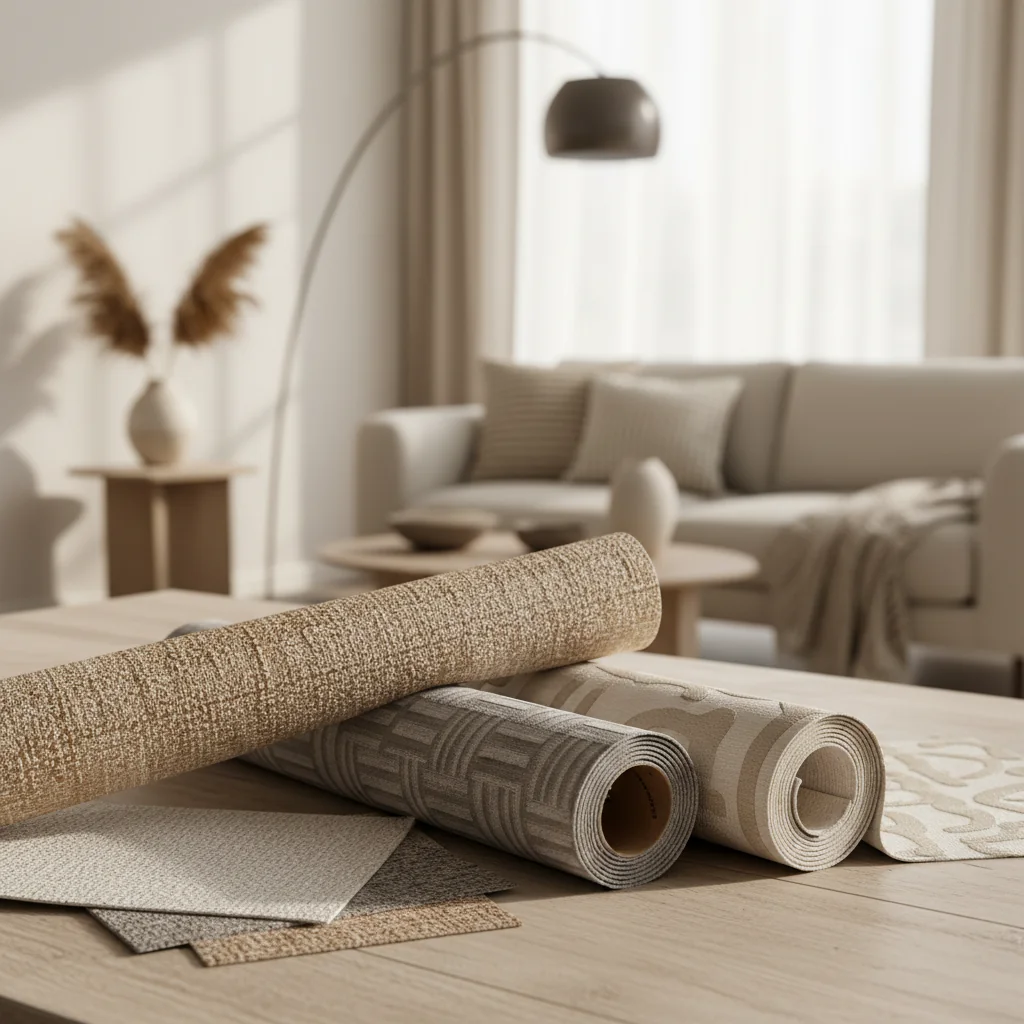
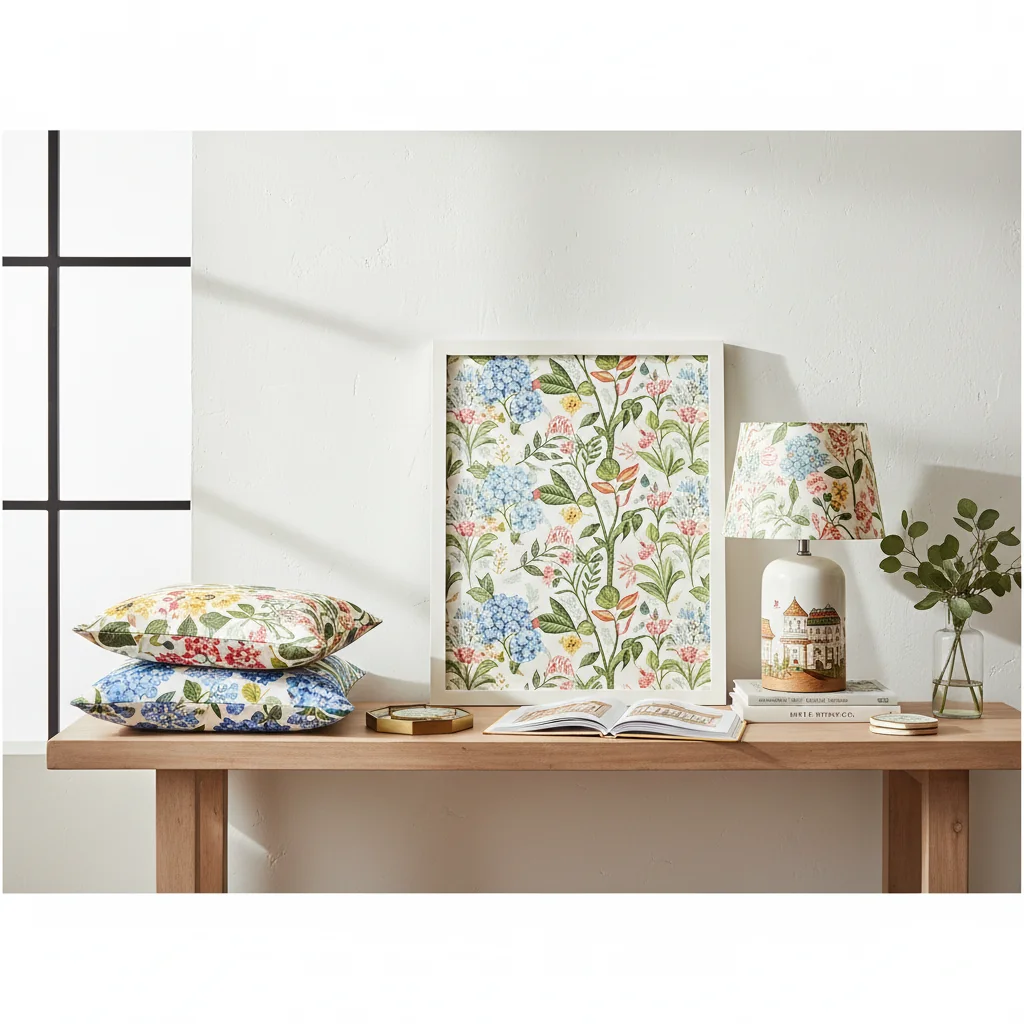
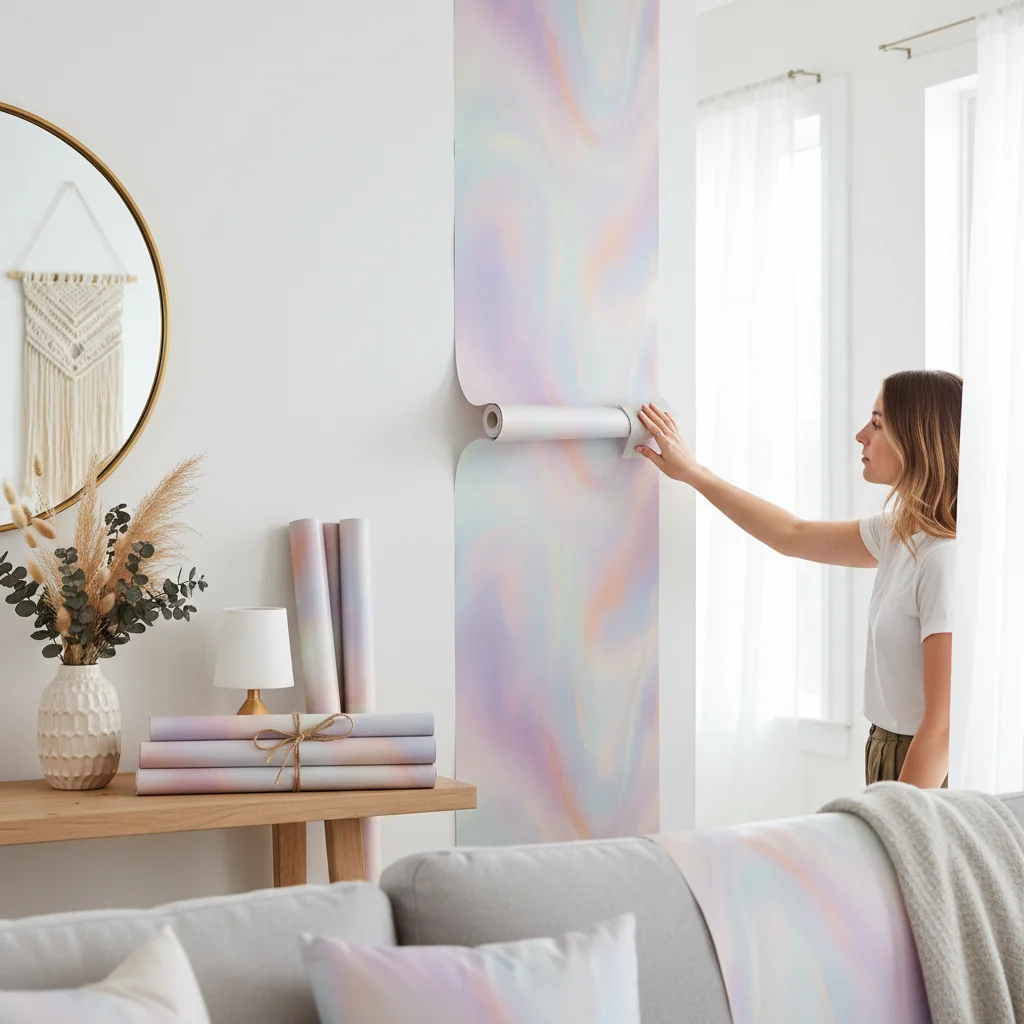
Wallpaper is a versatile and transformative wallcovering material used to enhance interior aesthetics, offering a broad spectrum of patterns, textures, and colors that elevate a space beyond what paint alone can achieve. It serves as a powerful design element, capable of defining mood, introducing visual interest, and creating distinct zones within a room, making it a cornerstone of sophisticated interior design. At Starhouse, we understand that selecting the right wallpaper involves considering its type, material, pattern, and installation method to perfectly align with your design vision and functional needs.
Key takeaways
- Wallpaper offers unparalleled versatility in transforming interiors, moving beyond simple color to introduce complex patterns, textures, and moods.
- A wide array of wallpaper types exist, including traditional paper, non-woven, vinyl, natural fibers, and modern peel-and-stick options, each with distinct properties for durability, texture, and ease of installation.
- Selecting the ideal wallpaper requires careful consideration of the room’s function, lighting, size, existing decor, and desired aesthetic, along with precise measurement to ensure adequate material.
- Proper wall preparation and understanding installation techniques, whether professional or DIY, are critical for a flawless and lasting application.
- Current trends favor large-scale murals, biophilic designs, rich textures, and sustainable materials, reflecting a desire for personalized and environmentally conscious interiors.
- Effective styling involves pairing wallpaper with furniture, lighting, and accessories, utilizing it for accent walls or full room immersion to create a cohesive and impactful design statement.
What is Wallpaper? An Enduring Design Staple
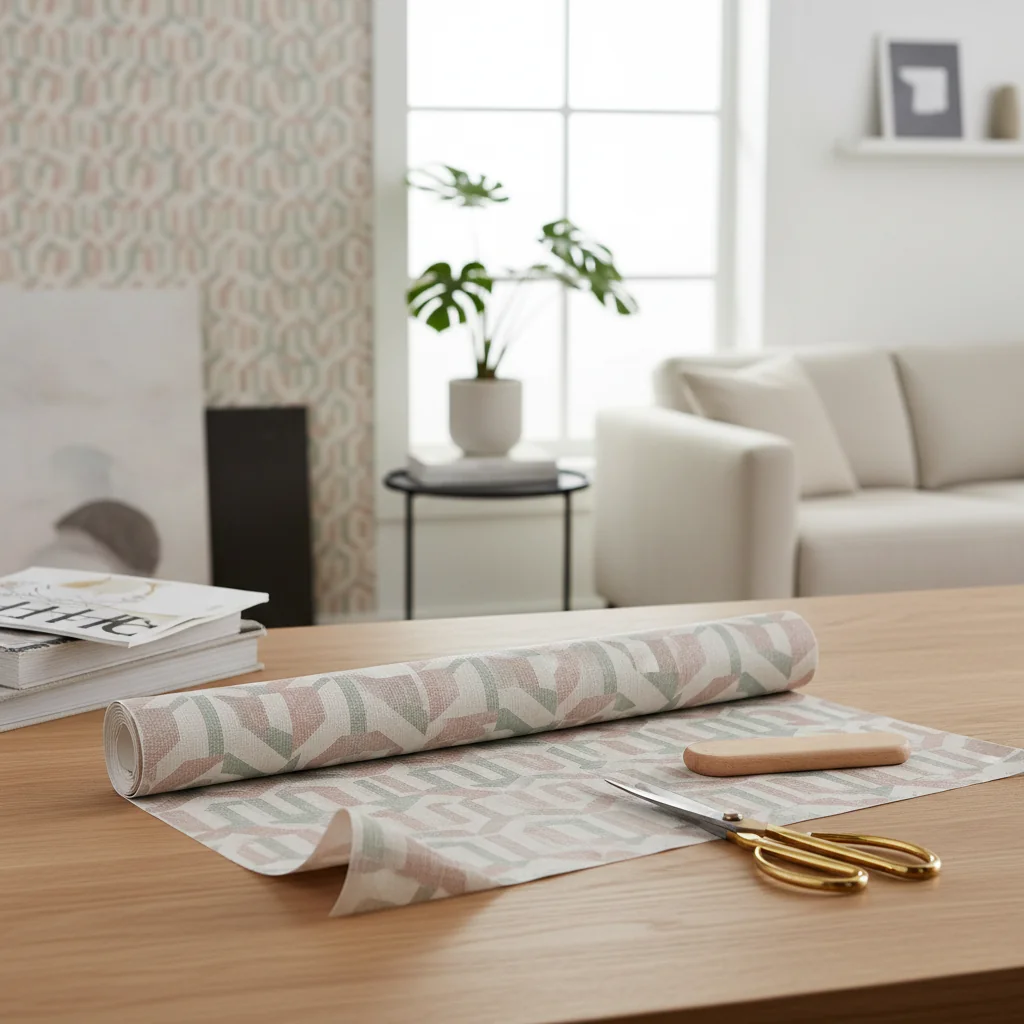
Wallpaper is a material used to cover and decorate the interior walls of homes, offices, and other buildings, typically sold in rolls and applied to walls using paste or a self-adhesive backing. It has evolved from simple printed papers to sophisticated wallcoverings that offer an unparalleled range of decorative possibilities, enhancing a room’s character, depth, and visual appeal. This design staple holds a rich history, reflecting cultural shifts and technological advancements, and continues to be a pivotal element in contemporary interior design.
Historically, wallpaper emerged in Europe as an economical alternative to tapestries and painted murals, allowing homeowners to introduce elaborate patterns and scenes into their living spaces. Early wallpapers were often hand-painted or block-printed, reserved for the affluent, but industrialization in the 18th and 19th centuries made it accessible to a broader public. Its popularity soared, waned, and has now experienced a significant resurgence, driven by innovations in materials, printing techniques, and design aesthetics.
Modern wallpaper transcends mere decoration; it is a design tool that can dramatically alter the perception of a room. It can make a small room feel larger with light colors and subtle patterns, or create intimacy in a grand space with rich textures and deep hues. Wallpaper can introduce an element of surprise, define a focal point, or unify disparate elements within an open-plan layout. Its capacity to mimic natural textures like grasscloth, wood, or stone, or to present intricate artistic murals, provides designers and homeowners with boundless creative freedom.
The term “wallcovering” is often used interchangeably with “wallpaper,” though “wallcovering” can sometimes refer to a broader category that includes more specialized, heavy-duty, or three-dimensional materials beyond traditional paper-based products. Regardless of the terminology, the essence remains: these materials are designed to transform and protect interior surfaces, adding both aesthetic value and functional benefits. At Starhouse, our curated collection embraces this expansive definition, offering everything from classic patterns to innovative, easy-to-install options.
The renewed interest in wallpaper is largely due to its ability to imbue spaces with personality and warmth that paint alone often cannot. It allows for a layered design approach, where walls become an integral part of the overall decorative scheme, rather than just a backdrop. From creating a serene bedroom retreat to a vibrant dining area, wallpaper is an essential component for crafting truly distinctive and memorable interiors.
Decoding Wallpaper Types: Materials and Construction
Understanding the various types of wallpaper, distinguished by their materials and construction, is crucial for selecting a product that not only aligns with your aesthetic vision but also meets the functional demands of your space. Each type offers unique benefits in terms of durability, texture, ease of installation, and maintenance, directly impacting its suitability for specific environments like high-traffic areas, bathrooms, or children’s rooms. Starhouse curates a diverse range of these types, ensuring a perfect match for every design and practical requirement.
Traditional Paper (Pulp) Wallpaper
Traditional paper wallpaper is crafted from paper pulp, offering a classic aesthetic and a wide array of printed designs, often featuring matte or subtle finishes. This type is generally breathable, making it suitable for living areas and bedrooms, but it is less durable and more susceptible to moisture and tearing compared to other options. Installation typically requires pre-pasting or applying paste to the back of the paper, and it can be challenging to remove without damaging walls if not properly prepped.
Non-Woven Wallpaper
Non-woven wallpaper is a modern innovation made from a blend of natural and synthetic fibers, making it one of the most user-friendly and versatile options available today. It is highly breathable, tear-resistant, and dimensionally stable, meaning it does not expand or contract when wet, which simplifies installation. This “paste-the-wall” type allows paste to be applied directly to the wall, making alignment easier and removal clean and dry, often coming off in full sheets without damaging the underlying surface.
Vinyl Wallpaper
Vinyl wallpaper is exceptionally durable and moisture-resistant, making it an excellent choice for high-traffic areas like hallways, kitchens, and bathrooms. It consists of a paper or fabric backing coated with a layer of vinyl (polyvinyl chloride, or PVC), which can be embossed to mimic textures. There are several sub-types:
- Solid Vinyl: Features a solid sheet of vinyl, making it extremely robust and washable. It is highly resistant to grease, moisture, and stains, ideal for commercial or very active residential spaces.
- Vinyl Coated Paper: This type has a paper base with a liquid vinyl coating, offering increased washability and durability compared to traditional paper, but it is not as heavy-duty as solid vinyl.
- Fabric-Backed Vinyl: Comprised of a fabric substrate laminated with solid vinyl, this is the most durable type of vinyl wallpaper, often used in commercial settings due to its extreme resilience and scrubbability.
Natural Fiber Wallcoverings (Grasscloth, Hemp, Jute, Cork, Bamboo)
Natural fiber wallcoverings are crafted from woven grasses, reeds, or plant fibers adhered to a paper backing, providing organic textures and an unparalleled sense of warmth and depth. Grasscloth, for example, is renowned for its subtle variations in color and texture, which create a sophisticated, tactile surface. These materials are breathable and environmentally friendly but are typically more delicate, less washable, and can be challenging to install due to their inherent irregularities and visible seams. They are best suited for low-traffic areas where their natural beauty can be appreciated without risk of damage. Cork and bamboo offer similar natural appeal, with cork providing sound-dampening qualities and bamboo offering a more structured, linear texture.
Mylar/Foil Wallpaper
Mylar and foil wallpapers feature a thin, reflective metallic surface laminated to a paper backing, designed to create a vibrant, light-reflecting effect. Mylar is a polyester film, while foil is typically aluminum. These types are excellent for adding glamour, drama, or an Art Deco aesthetic to a space, reflecting light to brighten a room. They can be delicate to install as creases and wall imperfections are easily visible through their reflective surface, requiring meticulous wall preparation. They are generally washable but can scratch easily.
Flocked Wallpaper
Flocked wallpaper features raised, velvet-like patterns created by adhering tiny fibers onto a paper or vinyl backing, offering a luxurious, tactile surface. This type adds significant texture and a sense of opulence, often reminiscent of historical designs. It is generally not washable and requires careful handling during installation and cleaning to preserve the delicate flocked texture.
Peel-and-Stick (Removable) Wallpaper
Peel-and-stick wallpaper, also known as removable wallpaper, features an adhesive backing that is activated by simply peeling off a liner, making it exceptionally easy to install and remove without damaging walls. This type is typically made from vinyl or non-woven materials, offering durability and washability, and is perfect for renters, temporary decor, or those who enjoy frequently updating their spaces. Its ease of use has made it incredibly popular for DIY projects and accent walls. At Starhouse, our peel-and-stick options combine convenience with high-end design.
Murals and Wallcoverings
Wallpaper murals are large-format designs printed on several panels that, when installed together, create a single, continuous image or scene, transforming an entire wall into a focal point. Unlike repeating patterns, murals offer a bespoke artistic statement, from expansive landscapes and cityscapes to abstract art or custom photographic prints. They are typically available in non-woven or vinyl materials for ease of installation and durability. Wallcoverings is a broader term encompassing all materials applied to walls for decorative or protective purposes, including specialized textiles, acoustic panels, and more robust commercial-grade products. Starhouse’s collection includes stunning murals that serve as true statement pieces.
Choosing between these types depends on your room’s function, desired aesthetic, and your comfort level with installation and maintenance. A thorough understanding of each material’s properties ensures a successful and long-lasting design outcome.
| Wallpaper Type | Primary Material | Durability & Washability | Best Use Cases | Installation Difficulty | Approx. Cost Range (per roll/sq ft) |
|---|---|---|---|---|---|
| Traditional Paper | Paper pulp | Low durability, not washable | Low-traffic areas, bedrooms, formal living rooms | Moderate (requires paste, can tear) | Low to Mid |
| Non-Woven | Synthetic & natural fibers | High durability, washable, breathable | All rooms, high-traffic areas, bathrooms (well-ventilated) | Easy (paste-the-wall, dry strippable) | Mid to High |
| Vinyl Coated Paper | Paper with liquid vinyl coating | Moderate durability, washable | Kitchens, bathrooms, children’s rooms | Moderate (requires paste, strippable) | Low to Mid |
| Solid Vinyl / Fabric-Backed Vinyl | Solid PVC on paper/fabric backing | Very high durability, scrubbable | High-traffic areas, commercial spaces, kitchens, bathrooms | Moderate to Difficult (heavy, stiff) | Mid to High |
| Natural Fibers (e.g., Grasscloth) | Woven plant fibers (e.g., grass, jute, cork) | Low durability, delicate, not washable | Low-traffic areas, accent walls, formal spaces | Difficult (visible seams, delicate) | High |
| Mylar/Foil | Metallic film on paper backing | Moderate durability, washable (carefully) | Accent walls, powder rooms, formal dining rooms | Difficult (shows imperfections, creases easily) | Mid to High |
| Flocked | Fibers adhered to paper/vinyl backing | Low durability, not washable (delicate texture) | Formal living rooms, bedrooms, accent walls | Difficult (delicate, attracts dust) | High |
| Peel-and-Stick (Removable) | Vinyl or non-woven with adhesive backing | Moderate to high durability, washable | Rentals, temporary decor, accent walls, DIY projects | Very Easy (self-adhesive, repositionable) | Mid |
| Murals | Non-woven or vinyl (multi-panel) | High durability, washable (material dependent) | Feature walls, large rooms, commercial spaces | Moderate to Difficult (requires precise alignment) | High |
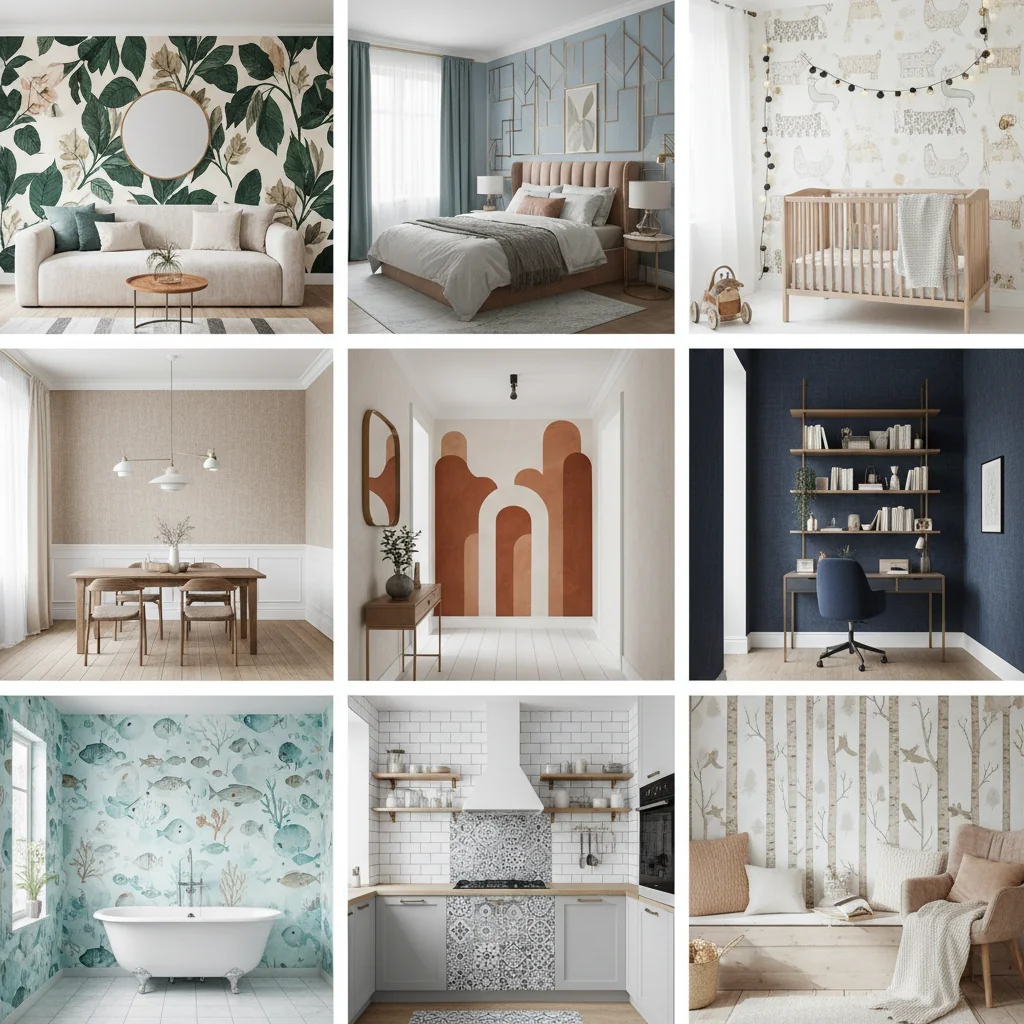
Exploring Wallpaper Styles and Aesthetics
Wallpaper styles encompass an immense spectrum of designs, from timeless classics to cutting-edge contemporary motifs, each capable of evoking a distinct mood and aesthetic within a space. Understanding these diverse styles allows you to select a pattern that harmonizes with your home’s architectural style, existing furnishings, and your personal design preferences, ultimately defining the character of your interior. Starhouse’s collection spans this entire range, ensuring you can find the perfect expression for any room.
Classic & Traditional
Classic and traditional wallpaper styles draw inspiration from historical decorative arts, often featuring intricate patterns, rich color palettes, and a sense of enduring elegance.
- Damask: Characterized by ornate, often monochromatic, woven patterns of flowers, foliage, or scrollwork, damask wallpapers exude formal sophistication. They are frequently used in dining rooms, master bedrooms, or formal living spaces to create a luxurious and stately atmosphere.
- Toile de Jouy (Toile): Originating in 18th-century France, toile patterns depict pastoral scenes, historical events, or mythological narratives in a single color (typically blue, red, or black) on a cream or white background. Toile adds a charming, rustic, yet refined touch, perfect for bedrooms, nurseries, or country-style interiors.
- Chinoiserie: This style features exotic, intricate designs inspired by Chinese art, often depicting pagodas, birds, flowers, and lush landscapes. Chinoiserie wallpaper brings a sense of delicate artistry and global elegance, ideal for creating a focal point or a sophisticated, exotic ambiance.
- Floral & Botanical (Traditional): Classic floral patterns often feature realistic or stylized depictions of flowers, vines, and leaves, arranged in repeating motifs. These can range from delicate English garden prints to bold, Victorian-era blooms, adding natural beauty and a timeless romantic appeal.
Modern & Contemporary
Modern and contemporary wallpaper styles embrace clean lines, abstract forms, and often a minimalist approach, focusing on geometric precision, innovative textures, and bold statements.
- Geometric: Defined by repeating shapes like circles, triangles, hexagons, or stripes, geometric wallpapers offer a sense of order, energy, and modern flair. They can be subtle and sophisticated or bold and graphic, suitable for contemporary living spaces, home offices, or accent walls.
- Abstract: Abstract patterns break away from representational forms, featuring fluid shapes, brushstrokes, and color fields that evoke emotion and artistic expression. These designs are perfect for creating a gallery-like feel or adding a unique, artistic touch to a modern interior.
- Minimalist: Emphasizing simplicity, clean lines, and often a monochromatic or muted color palette, minimalist wallpapers add texture or a subtle pattern without overwhelming the space. They promote a serene, uncluttered aesthetic, ideal for Scandinavian-inspired or contemporary minimalist homes.
Transitional
Transitional styles bridge the gap between traditional and modern, blending classic elegance with contemporary simplicity. These wallpapers often feature updated traditional motifs, muted color palettes, and a focus on sophisticated textures, creating a harmonious and approachable look suitable for a wide range of homes.
Bohemian
Bohemian wallpaper celebrates eclectic influences, global patterns, and a free-spirited aesthetic. Expect designs featuring intricate mandalas, ethnic prints, vibrant florals, or distressed textures, often in rich, earthy, or jewel tones. Bohemian wallpaper is perfect for creating a relaxed, worldly, and artistic vibe.
Rustic & Farmhouse
Rustic and farmhouse wallpapers mimic natural textures and materials, bringing the warmth and simplicity of country living indoors. Styles include faux wood planks, shiplap, exposed brick, distressed plaster, or subtle plaid and gingham patterns. These are ideal for creating a cozy, inviting, and authentic atmosphere in kitchens, dining rooms, or living spaces.
Art Deco
Art Deco wallpaper, popular in the 1920s and 30s, is characterized by luxurious geometric patterns, metallic accents, sunburst motifs, and streamlined forms. It evokes glamour, sophistication, and a sense of architectural grandeur, perfect for adding a touch of vintage luxury to a modern home.
Mid-Century Modern
Mid-century modern wallpaper reflects the design sensibilities of the mid-20th century, featuring organic abstract shapes, atomic patterns, bold graphic prints, and often a vibrant, optimistic color palette. It’s excellent for creating a retro-chic and sophisticated look.
Textural (Faux Finishes)
Textural wallpapers are designed to replicate the look and feel of various surfaces, adding depth and dimension without the cost or complexity of real materials.
- Faux Wood: Mimics the grain and texture of different wood types, from rustic barn wood to polished hardwoods, ideal for accent walls or creating a cozy, natural feel.
- Faux Brick: Replicates the look of exposed brick walls, offering an industrial, urban, or farmhouse aesthetic without the mess of real masonry.
- Faux Concrete/Plaster: Creates a minimalist, industrial, or wabi-sabi inspired look with subtle variations in tone and texture, perfect for modern or urban interiors.
- Faux Marble/Stone: Provides the luxurious appearance of natural stone without the weight or expense, suitable for bathrooms, kitchens, or elegant living spaces.
Botanical & Floral (Contemporary)
Contemporary botanical and floral wallpapers offer updated interpretations of nature-inspired motifs, ranging from large-scale, dramatic blooms and tropical foliage to delicate, minimalist line drawings. These designs bring the outdoors in, creating fresh, vibrant, or serene atmospheres.
Scenic & Mural
Scenic and mural wallpapers create immersive environments, transforming an entire wall into a landscape, cityscape, abstract art piece, or custom illustration. They are powerful focal points, adding depth, narrative, and a personalized artistic statement to any room.
Children’s & Playful
Designed for younger inhabitants, children’s and playful wallpapers feature whimsical patterns, cartoon characters, educational motifs, or vibrant colors. They create stimulating, imaginative, and fun environments, often with themes like outer space, fairy tales, or animal prints.
Artisan & Handcrafted
Artisan and handcrafted wallpapers often feature unique textures, hand-painted effects, or custom designs, reflecting a bespoke and artistic approach. These can include block-printed patterns, hand-stitched elements, or subtly iridescent finishes, adding a truly unique and luxurious touch.
The vast array of wallpaper styles means there is a perfect option for every design vision. By carefully considering the overall aesthetic you wish to achieve and how the pattern will interact with other elements in your room, you can select a wallpaper that truly elevates your space.
How to Choose the Perfect Wallpaper for Your Space
Choosing the perfect wallpaper involves a thoughtful process that balances aesthetic appeal with practical considerations, ensuring the selected design enhances your space while meeting its functional demands. This decision requires evaluating the room’s purpose, existing decor, lighting, and your personal style, leading to a cohesive and impactful design outcome. At Starhouse, we guide you through these considerations to help you discover a wallpaper that feels custom-made for your home.
1. Consider the Room’s Function and Traffic
The primary function of a room dictates the necessary durability and washability of your wallpaper. For high-traffic areas like hallways, entryways, or children’s playrooms, select highly durable and scrubbable options such as solid vinyl or fabric-backed vinyl. These materials withstand frequent cleaning and resist scuffs and stains more effectively. In contrast, low-traffic areas like formal dining rooms, master bedrooms, or powder rooms can accommodate more delicate materials like grasscloth, traditional paper, or flocked wallpaper, where their unique textures and intricate designs can be preserved. Kitchens and bathrooms require moisture-resistant and easily washable options due to steam and splashes; vinyl or non-woven wallpapers are ideal here.
2. Evaluate Lighting Conditions
Natural and artificial lighting significantly impact how wallpaper colors and patterns appear. In rooms with abundant natural light, darker or bolder patterns can be used without making the space feel oppressive. Conversely, in dimly lit rooms, opt for lighter colors, reflective surfaces (like mylar or metallic finishes), or patterns with a subtle sheen to help bounce light around and brighten the space. Large-scale patterns can feel overwhelming in a dark room, while smaller, delicate patterns might get lost. Always observe wallpaper samples in the actual room at different times of day to see how light transforms its appearance.
3. Account for Room Size and Ceiling Height
Wallpaper patterns can visually alter the perception of a room’s size and height.
- Small Rooms: Light-colored wallpapers with small, delicate patterns or vertical stripes can make a small room feel more expansive and taller. Avoid overly large or busy patterns, which can overwhelm the space and make it feel cramped.
- Large Rooms: Large-scale patterns, bold colors, or dramatic murals can be used effectively in spacious rooms to create visual interest and define zones without feeling overwhelming. Horizontal patterns can make a wide room feel even broader, while vertical patterns can add height.
- Low Ceilings: Vertical stripes or patterns with an upward flow can visually lift the ceiling. Avoid horizontal patterns or heavy, dark designs that can make the ceiling feel lower.
- High Ceilings: Rich, complex patterns or horizontal designs can help to bring down the perceived height, making the room feel cozier and more proportionate.
4. Harmonize with Existing Decor and Color Palette
Your chosen wallpaper should complement, not clash with, your existing furniture, textiles, artwork, and paint colors. Consider the dominant colors and undertones already present in the room. If your furniture is neutral, wallpaper can introduce a pop of color or a bold pattern. If your furniture and accessories are already quite vibrant, a more subdued or monochromatic wallpaper might provide balance. Think about the overall mood you want to create: serene, vibrant, elegant, or playful, and select a wallpaper that contributes to that atmosphere.
5. Define Your Personal Style and Desired Mood
Ultimately, your wallpaper choice should reflect your personal aesthetic and the mood you wish to cultivate. Do you lean towards classic elegance, modern minimalism, bohemian eclecticism, or rustic charm?
- For a calm and serene retreat, consider soft botanicals, subtle textures, or muted geometric patterns.
- To create an energetic and vibrant space, explore bold florals, graphic geometrics, or abstract designs.
- For a luxurious and sophisticated ambiance, damask, chinoiserie, or metallic-accented wallpapers are excellent choices.
Let your wallpaper be an extension of your personality, transforming your space into a true reflection of your style.
6. Understand Pattern Scale and Repeat
The scale of a pattern refers to its size, while the repeat is how often the pattern repeats itself vertically and horizontally.
- Large-Scale Patterns: Best for larger rooms or accent walls where the full pattern can be appreciated without being cut off too frequently. They can make a dramatic statement.
- Small-Scale Patterns: Ideal for smaller rooms or for creating a subtle backdrop. They provide texture and interest without overwhelming the space.
- Pattern Repeat: A larger pattern repeat means more waste during installation, as you’ll need to align each strip perfectly. Factor this into your quantity calculations.
7. Consider Installation Method: DIY vs. Professional
Your comfort level with installation should influence your wallpaper choice.
- DIY-Friendly: Peel-and-stick wallpaper is the easiest for beginners, offering repositionability and clean removal. Non-woven “paste-the-wall” options are also relatively straightforward.
- Professional Installation Recommended: Complex patterns, delicate materials (like grasscloth or foil), or traditional pre-pasted papers with large repeats often benefit from professional installation to ensure a flawless finish and avoid costly mistakes.
8. Factor in Your Budget
Wallpaper prices vary significantly based on material, brand, and design complexity. Natural fibers and custom murals tend to be at the higher end, while vinyl-coated papers or basic non-woven prints can be more budget-friendly. Remember to factor in not just the cost of the rolls, but also installation supplies (paste, tools) and potentially professional installation fees. Investing in higher quality wallpaper can offer greater durability and a more refined aesthetic in the long run.
9. Always Sample Before Committing
Ordering samples is arguably the most critical step. A small online image cannot convey the true color, texture, or scale of a wallpaper in your specific environment. Order several samples and tape them to your walls in the intended room. Observe them throughout the day and night, under different lighting conditions, and next to your furniture and existing finishes. This allows you to confirm that the chosen wallpaper truly enhances your space and meets your expectations before committing to a full purchase.
By systematically addressing these considerations, you can confidently select a wallpaper that not only beautifies your home but also perfectly aligns with your lifestyle and design aspirations.
As you consider the myriad possibilities for transforming your space, remember that Starhouse is dedicated to curating a collection that meets diverse aesthetic and functional needs. We invite you to explore the potential for your home.
Tell us what you’re looking for and get early access to our upcoming selections.
Mastering Measurement and Installation for Flawless Results
Achieving a professional and lasting wallpaper application hinges on meticulous measurement and a precise understanding of installation techniques, ensuring a seamless finish and maximizing your investment. Accurate calculations prevent material shortages or excessive waste, while proper installation guarantees durability and aesthetic integrity, transforming your walls into works of art. Starhouse emphasizes the importance of these foundational steps for every wallpaper project, from simple accent walls to entire room transformations.
Precise Measurement: The Foundation of Success
Accurate measurement is the most critical first step in any wallpaper project, directly impacting the quantity of rolls you need and minimizing waste. Do not guess; always measure carefully.
Tools Needed for Measuring:
- Retractable metal tape measure (at least 25 feet)
- Pencil and notepad
- Calculator
- Step stool or ladder
Calculating Square Footage:
To determine the total surface area of your walls, measure the width of each wall and its height.
- Measure Wall Height: Measure from the top of the baseboard to the ceiling molding (or to the ceiling if no molding) in several spots. Use the highest measurement for consistency.
- Measure Wall Width: Measure the width of each wall.
- Calculate Area per Wall: Multiply the height by the width for each wall to get its square footage.
- Sum All Wall Areas: Add the square footage of all walls you intend to wallpaper to get the total square footage.
Accounting for Doors, Windows, and Obstacles:
While you will cut around these features during installation, it is generally recommended to include them in your initial square footage calculation when purchasing rolls. This accounts for pattern matching and potential errors. For very large openings (e.g., a wall almost entirely covered by windows), you can subtract half of the opening’s area from the total. However, for standard doors and windows, it’s safer to include their area to ensure enough material for pattern repeats and trimming.
Pattern Repeat and Waste Factor:
Wallpaper with a distinct pattern will have a “pattern repeat” – the vertical distance before the design repeats itself. This is crucial for matching patterns across strips.
- No Match/Random Match: No pattern repeat, strips can be hung in any order. Minimal waste.
- Straight Match: The pattern matches across strips at the same height. Moderate waste.
- Drop Match (Offset Match): The pattern matches across strips but is shifted down by a certain distance on alternating strips. Highest waste, as you may need to cut significantly into a new roll to find the match.
Always add a waste factor of 15-20% to your total square footage to account for pattern matching, trimming, and potential mistakes. For large pattern repeats (over 20 inches), consider adding closer to 20-25%.
Calculating Rolls Needed:
Wallpaper rolls come in standard dimensions. In the U.S., common roll sizes are often “single rolls” (about 20.5 inches wide by 16.5 feet long, covering 28 sq ft) or “double rolls” (about 20.5 inches wide by 33 feet long, covering 56 sq ft). However, many manufacturers sell in “double roll” lengths but label them as a single unit. Always check the specific square footage covered by the roll you are purchasing.
To calculate:
- Divide your total adjusted square footage (including waste factor) by the square footage covered by one roll.
- Round up to the nearest whole number. Always buy an extra roll if you are unsure or if the pattern is complex; it is far better to have a spare than to run short and struggle to find a matching dye lot later.
For example, if your adjusted total is 400 sq ft and each roll covers 56 sq ft: 400 / 56 = 7.14. You would need to purchase 8 rolls.
Wall Preparation: The Key to a Flawless Finish
Proper wall preparation is non-negotiable for successful wallpaper installation. It ensures adhesion, prevents blemishes, and contributes to the longevity of your wallcovering.
- Clean Walls: Wash walls thoroughly with a mild detergent solution (like TSP substitute) to remove dirt, grease, and grime. Rinse well and allow to dry completely.
- Repair Imperfections: Fill any holes, cracks, or dents with spackle or joint compound. Sand smooth once dry. Wallpaper will not hide significant wall imperfections; in fact, it can highlight them.
- Remove Old Wallpaper: All old wallpaper must be removed. New wallpaper will not adhere properly to old wallpaper, and the moisture can reactivate old paste, causing bubbles or peeling.
- Prime Walls: Apply a high-quality wallpaper primer (often called a “sizing” primer) to all surfaces. Primer creates a uniform, slightly textured surface that wallpaper paste adheres to beautifully, and it seals the wall, making future removal easier without damaging the drywall. Allow primer to dry completely according to manufacturer instructions, typically 24 hours.
- Temperature and Humidity: Ensure the room temperature is between 65-75°F (18-24°C) and humidity is moderate. Extreme conditions can affect paste drying times and adhesion.
Installation Basics: A Step-by-Step Overview
While specific steps vary by wallpaper type, these general principles apply to most installations.
Essential Installation Tools:
- Utility knife with plenty of fresh blades
- Smooth plastic wallpaper smoother/squeegee
- Seam roller (for traditional papers)
- Measuring tape and plumb bob or laser level
- Large bucket for paste (if applicable) and paste brush/roller
- Clean sponges and towels
- Step ladder
- Pasting table (for traditional pre-pasted or unpasted papers)
General Installation Steps:
- Establish a Plumb Line: Start in an inconspicuous corner (or next to a door frame) and measure out the width of your wallpaper roll minus about 1/2 inch. Use a plumb bob or laser level to draw a perfectly vertical line on the wall. This first line is crucial as it ensures all subsequent strips are hung straight.
- Cut Strips: Cut your first strip of wallpaper a few inches longer than your wall height, accounting for trimming at the top and bottom. For patterned wallpaper, cut subsequent strips, aligning the pattern carefully before cutting, ensuring you have enough excess for top/bottom trimming and pattern match.
- Apply Paste (for Unpasted/Traditional): Lay the strip face down on a clean pasting table. Apply an even coat of paste to the back of the paper, working from the center outwards. “Book” the paper by folding both ends towards the center, paste-to-paste, without creasing. Let it “relax” for 5-10 minutes according to paste instructions; this allows the paper to expand before hanging.
- Hang the First Strip: Carefully carry the booked paper to the wall. Align the edge of the strip with your plumb line, leaving a few inches of excess at the ceiling and baseboard. Smooth the paper onto the wall from the center outwards using your smoother, working out any air bubbles.
- Trim Excess: Use a sharp utility knife and a straight edge (like a smoothing tool) to carefully trim the excess paper at the ceiling and baseboard. Change blades frequently for clean cuts.
- Hang Subsequent Strips: Apply paste (or peel backing for peel-and-stick) to the next strip. Align its edge precisely with the previous strip, matching the pattern where applicable. Do not overlap unless specified by the manufacturer (some specialty papers require slight overlap). Smooth out bubbles and trim. Use a seam roller gently on seams for traditional papers, but avoid excessive pressure, especially on delicate or textured wallpapers.
- Working Around Obstacles: For outlets or switches, turn off power, remove cover plates, and cut an X-shape over the opening. Trim carefully around the box. For windows and doors, hang the paper over the opening, then make diagonal cuts from the corners of the opening to the edges of the paper, trimming away the excess.
- Clean Up: Immediately wipe off any excess paste from the wallpaper surface and seams with a clean, damp sponge. Allow the wallpaper to dry completely, typically 24-48 hours, before replacing outlet covers or hanging items on the wall.
Peel-and-Stick Specifics:
Peel-and-stick wallpaper simplifies installation significantly:
- No Paste Required: The adhesive is pre-applied.
- Peel-and-Stick Application: Peel back a few inches of the liner at the top, align the strip, and slowly peel down the backing while smoothing the paper onto the wall.
- Repositionable: Most peel-and-stick wallpapers are repositionable, allowing you to lift and reapply if you make a mistake, which is ideal for DIYers.
- Clean Removal: Designed to come off cleanly without damaging walls, making it perfect for temporary decor or renters.
Whether you choose a DIY approach with peel-and-stick or opt for professional installation of more complex wallcoverings, careful planning and execution are paramount for achieving a beautifully finished space.
Current Trends in Wallpaper Design
Wallpaper design is in a constant state of evolution, reflecting broader shifts in interior aesthetics, technological advancements, and a renewed appreciation for personalized spaces. Staying informed about current trends allows you to infuse your home with contemporary style while maintaining a timeless appeal, ensuring your decor feels fresh and relevant. Starhouse continuously monitors these trends to offer designs that are both cutting-edge and enduring.
1. Biophilic Designs and Nature-Inspired Motifs
Biophilic design, which emphasizes connecting occupants with nature, remains a dominant trend. Wallpaper featuring lush botanicals, tropical foliage, delicate florals, and serene landscapes brings the calming and invigorating elements of the outdoors inside. Expect to see patterns with rich greens, earthy browns, and vibrant floral accents, creating a sense of tranquility and well-being. This trend is particularly popular in bedrooms, bathrooms, and living spaces where a connection to nature is desired.
2. Large-Scale Murals and Scenic Views
Moving beyond repeating patterns, large-scale murals are transforming walls into immersive art installations. These expansive designs depict everything from sweeping mountain ranges and tranquil seascapes to bustling cityscapes and abstract art. Murals create a dramatic focal point, add depth to a room, and offer a highly personalized artistic statement, making a significant impact in dining rooms, living areas, or even home offices.
3. Textural and Tactile Surfaces
There’s a growing desire for sensory experiences in interiors, leading to a surge in textural wallpapers. Grasscloth, jute, cork, and other natural fiber wallcoverings provide organic depth and warmth. Faux finishes that convincingly mimic brick, concrete, wood panels, or distressed plaster are also highly sought after, offering the aesthetic appeal of these materials without the cost or complex installation. These textures add subtle sophistication and a haptic quality to walls.
4. Geometric and Abstract Patterns with a Twist
While classic geometrics endure, contemporary iterations feature softer lines, organic shapes, and more fluid compositions. Abstract patterns are becoming increasingly artistic, resembling modern paintings with brushstroke effects, watercolor washes, and layered forms. These designs inject modern energy and sophistication, often in nuanced color palettes that allow them to integrate seamlessly into diverse decor styles.
5. Dark and Moody Hues
Embracing a sense of drama and intimacy, wallpapers in deep, saturated colors like emerald green, navy blue, charcoal gray, and rich burgundy are gaining popularity. These moody hues create a luxurious, enveloping atmosphere, particularly effective in bedrooms, formal dining rooms, or cozy reading nooks. They pair beautifully with metallic accents and warm lighting to create sophisticated, inviting spaces.
6. Metallic Accents and Iridescent Finishes
Metallics continue to shine, with subtle gold, silver, bronze, and copper accents incorporated into patterns. These elements catch the light, adding a touch of glamour and sophistication without being overtly flashy. Iridescent finishes and subtle shimmers also contribute to this trend, bringing a dynamic quality to walls that shifts with light and perspective.
7. Sustainable and Eco-Friendly Options
As environmental consciousness grows, so does the demand for sustainable interior products. Wallpaper made from recycled materials, responsibly sourced paper, or natural fibers, and printed with non-toxic, water-based inks, is a significant trend. Consumers are actively seeking options that contribute to healthier indoor air quality and a smaller environmental footprint.
8. Archival and Heritage Patterns with a Modern Twist
Classic designs are being reinterpreted with contemporary color palettes or simplified forms, offering a fresh take on heritage patterns. Damasks might appear in unexpected two-tone combinations, or Chinoiserie motifs might be rendered in a minimalist style. This trend celebrates history while ensuring relevance in modern homes, bridging the gap between old-world charm and contemporary aesthetics.
9. Maximalism and Bold Expression
Moving away from minimalist starkness, maximalism encourages bold, layered, and expressive interiors. This translates to wallpaper with vibrant colors, intricate patterns, and often a mix of styles within a single design. It’s about personal expression and creating spaces that feel rich, unique, and full of personality, often using wallpaper as a primary driver of this aesthetic.
These trends highlight wallpaper’s enduring appeal as a powerful design tool. By selecting designs that resonate with these movements, you can ensure your space is both stylish and reflective of contemporary interior sensibilities.
Care and Maintenance for Lasting Beauty
Proper care and maintenance are essential for preserving the beauty and extending the lifespan of your wallpaper, ensuring it continues to enhance your home for years to come. The specific cleaning methods depend heavily on the wallpaper’s material, as some are highly durable and washable, while others require delicate handling. Following manufacturer guidelines and employing gentle techniques will protect your investment and keep your walls looking fresh.
General Cleaning Principles
Regardless of wallpaper type, a few universal principles apply to daily and routine maintenance:
- Regular Dusting: Dust wallpaper surfaces regularly with a soft, dry microfiber cloth, feather duster, or a vacuum cleaner with a brush attachment. This prevents dust and cobwebs from accumulating and becoming embedded in the material.
- Act Quickly on Stains: Address spills and stains immediately. The longer a stain sits, the harder it will be to remove.
- Test in an Inconspicuous Area: Before applying any cleaning solution to a visible area, always test it on a small, hidden spot (e.g., behind furniture or near the baseboard) to ensure it doesn’t cause discoloration or damage.
- Use Gentle Motions: Always clean with light, gentle strokes. Avoid harsh scrubbing, which can damage the surface, remove color, or compromise the adhesive.
Material-Specific Care
Different wallpaper types require tailored cleaning approaches:
-
Vinyl and Non-Woven Wallpaper (Washable/Scrubbable):
These are the most durable and easiest to clean. Use a soft sponge or cloth dampened with a mild soap solution (e.g., dish soap and warm water). Gently wipe down the surface from bottom to top to avoid streaking. Rinse the sponge frequently and wipe with a clean, damp cloth to remove any soap residue. Pat dry with a clean, soft towel. For tougher stains, a diluted all-purpose cleaner might be suitable, but always test first.
-
Traditional Paper Wallpaper (Non-Washable/Delicate):
Paper wallpaper is generally not washable and should not be exposed to excessive moisture. For dust, use a dry microfiber cloth or a soft brush. For very light, non-greasy marks, a kneaded eraser can sometimes lift the stain carefully. Avoid any liquid cleaners, as they will likely cause damage, discoloration, or bubbling. Professional cleaning might be an option for significant stains, but success is not guaranteed.
-
Natural Fiber Wallcoverings (Grasscloth, Jute, Cork, Bamboo):
These delicate materials are typically not washable. Dust regularly with a soft brush or a vacuum cleaner with a soft brush attachment. For spills, blot immediately with a clean, dry cloth; do not rub, as this can spread the stain or damage the fibers. Avoid any liquid cleaners, which can cause watermarks or irreparable damage. If a stain persists, consult a professional wallcovering cleaner.
-
Mylar/Foil Wallpaper:
Mylar and foil wallpapers are usually washable but require careful handling to prevent scratching or creasing the reflective surface. Use a soft, damp cloth with a very mild soap solution. Gently wipe and immediately dry with a clean, soft cloth to prevent water spots. Avoid abrasive cleaners or scrubbing pads.
-
Flocked Wallpaper:
Flocked wallpaper is very delicate and generally not washable. Dust gently with a soft, dry brush or a vacuum cleaner with a brush attachment on a very low setting. Avoid any moisture, as it can damage the raised flocking. For stains, professional cleaning is the safest, albeit potentially costly, option.
Repairing Minor Damage
Minor damages can often be repaired to maintain your wallpaper’s appearance:
- Bubbles: For small bubbles, use a sharp utility knife to make a tiny incision in the center. Gently push out the air with a wallpaper smoother. If the adhesive has failed, carefully inject a small amount of wallpaper paste with a syringe into the incision, smooth, and wipe away excess.
- Lifting Seams: For seams that have started to lift, carefully apply a small amount of seam adhesive (available at hardware stores) underneath the lifted edge. Press firmly with a seam roller or clean cloth until the adhesive sets. Wipe away any excess immediately.
- Small Tears/Rips: If you have a matching scrap piece of wallpaper, you can perform a patch repair. Cut a piece slightly larger than the tear, align the pattern, and cut through both the patch and the damaged wallpaper. Remove the damaged section, apply paste to the back of the new patch, and carefully adhere it to the wall, aligning the pattern precisely. Smooth gently.
Preventative Measures
Proactive steps can significantly reduce the need for extensive cleaning and repairs:
- Control Humidity: Maintain consistent indoor humidity levels, especially in bathrooms and kitchens. Excessive humidity can cause wallpaper to peel or bubble, while overly dry conditions can make seams shrink. Use exhaust fans and dehumidifiers as needed.
- Protect from Direct Sunlight: Prolonged exposure to direct sunlight can cause wallpaper colors to fade. Use curtains, blinds, or UV-filtering window films in rooms with strong sun exposure to protect your wallcoverings.
- Avoid Abrasion: Position furniture carefully to avoid rubbing against wallpaper. In high-traffic areas, consider adding clear corner guards or chair rails to protect vulnerable spots.
By understanding your wallpaper’s material and adhering to these care guidelines, you can ensure your beautiful wallcoverings remain a stunning feature of your home for many years.
Styling and Pairing Wallpaper with Your Decor
Styling and pairing wallpaper effectively transforms a room from merely decorated to truly designed, creating cohesive and impactful interior statements that reflect a sophisticated aesthetic. Wallpaper acts as a foundational design element, influencing the choice of furniture, textiles, lighting, and accessories, and when thoughtfully integrated, it can elevate the entire space. At Starhouse, we believe wallpaper is a key ingredient in crafting a harmonious and aspirational home environment.
Accent Walls vs. All Four Walls
Deciding whether to wallpaper one wall or all four significantly impacts a room’s overall feel and visual dynamics.
- Accent Walls: An accent wall is a single wall covered in a bold or highly patterned wallpaper, designed to create a focal point. This approach is ideal for introducing dramatic patterns, vibrant colors, or intricate murals without overwhelming the entire space. It works well behind a bed, sofa, or dining table, drawing attention to a specific area and adding depth. For smaller rooms, an accent wall can introduce personality without making the space feel cramped.
- All Four Walls: Covering all four walls in wallpaper creates an immersive, enveloping experience. This approach is best suited for patterns that are more subtle, textural, or have a smaller, less busy repeat. It can make a large room feel cozier or add consistent elegance throughout a space. For patterns with a strong presence, using them on all walls requires careful consideration of the room’s scale and the overall desired mood to avoid visual fatigue.
Complementing Furniture and Textiles
Wallpaper should harmonize with your furniture and textiles, creating a balanced and visually pleasing composition.
- Color Coordination: Pick out a secondary or tertiary color from your wallpaper pattern and use it in your upholstery, throw pillows, or curtains. This creates a cohesive color story. Alternatively, if your wallpaper is very colorful, opt for neutral furniture to let the walls be the star.
- Pattern Play: When mixing patterns, vary their scale and type. If your wallpaper has a large-scale floral, choose a smaller geometric pattern for your cushions or a solid color with texture for your sofa. Ensure there’s enough visual “breathing room” between different patterns.
- Texture Integration: If your wallpaper is smooth, introduce textured textiles like velvet, linen, or chunky knits in your furnishings to add tactile interest. Conversely, if your wallpaper has a strong texture (e.g., grasscloth), balance it with smoother fabrics and clean-lined furniture.
Integrating with Lighting
Lighting plays a crucial role in how wallpaper is perceived, affecting its colors, textures, and overall impact.
- Enhancing Metallics: If your wallpaper features metallic accents or a subtle sheen, position lighting (such as wall sconces or table lamps) to highlight these reflective qualities, creating sparkle and depth.
- Ambient Light: In rooms with dark or moody wallpaper, ensure sufficient ambient lighting from multiple sources to prevent the space from feeling too dim or enclosed. Natural light from windows will also significantly alter how colors appear throughout the day.
Uplighting/Downlighting: Use uplights or downlights to emphasize textured wallpapers, creating dramatic shadows that enhance their three-dimensional quality.
Layering with Artwork and Mirrors
Wallpaper can serve as a captivating backdrop for artwork and mirrors, or it can be the art itself.
- Artwork on Patterned Walls: For busy wallpaper patterns, choose artwork with simple frames and a clear focal point. Large, abstract pieces or minimalist prints often stand out beautifully against intricate wallpaper. Ensure there’s enough contrast in color or style for the art not to get lost.
- Mirrors: Mirrors are excellent companions for wallpaper, especially in smaller rooms or on highly decorative walls. They reflect the pattern, doubling its impact, and also bounce light, making the space feel larger and brighter. A large, ornate mirror against a subtle wallpaper can be a striking combination.
- Gallery Walls: A gallery wall can be created over a subtle or textured wallpaper, using frames that either match the wallpaper’s aesthetic or provide a deliberate contrast.
Mixing Patterns and Textures
Mastering the art of mixing patterns and textures is key to a sophisticated, layered interior.
- Vary Scale: Combine patterns of different scales—a large-scale wallpaper with medium-scale rugs and small-scale accent pillows.
- Vary Type: Mix different types of patterns, such as a geometric wallpaper with a floral print on textiles, or a striped wallpaper with an organic pattern.
- Introduce Solids: Always include solid colors and textures to provide visual rest and anchor the patterned elements. A textured solid sofa, for example, can balance a boldly patterned wallpaper.
Ceiling Applications
Don’t overlook the “fifth wall” – the ceiling. Applying wallpaper to the ceiling can create an unexpected design statement, adding visual interest and drawing the eye upward. This works particularly well with subtle patterns, metallic finishes, or faux textures that mimic architectural details like tin ceilings or wood panels. In a small powder room, a dramatic ceiling wallpaper can create a jewel-box effect.
Small Spaces vs. Large Spaces
- Small Spaces: In powder rooms, entryways, or cozy nooks, you can be bolder with wallpaper choices. A dramatic pattern or dark color on all walls can create an intimate, jewel-box effect. Light colors and vertical patterns can make small spaces feel larger.
- Large Spaces: Large rooms can handle expansive patterns, murals, and rich textures. Use wallpaper to define different zones within an open-plan living area or to add warmth and character to vast walls.
Creating Zones
In open-concept homes, wallpaper can effectively delineate functional zones without the need for physical barriers. A distinct wallpaper pattern in the dining area can visually separate it from an adjacent living space, even within the same large room. This technique adds definition and personality to different activity areas.
By carefully considering these styling principles, wallpaper becomes more than just a wall covering; it becomes an integral part of your home’s narrative, creating spaces that are both beautiful and uniquely yours.
Common Mistakes to Avoid When Choosing and Installing Wallpaper
While wallpaper offers immense potential for transforming interiors, certain pitfalls can lead to disappointing results or costly rework. Being aware of common mistakes in both selection and installation ensures a smoother process and a more satisfying outcome, preserving your investment and design vision. Starhouse advocates for informed decisions to achieve truly impeccable wallcoverings.
1. Ignoring Room Function and Environment
A frequent error is choosing wallpaper based solely on aesthetics without considering the room’s practical demands. Installing delicate, non-washable paper in a high-traffic hallway or a steamy bathroom is a recipe for premature wear and damage. Always match the wallpaper’s durability and moisture resistance to the room’s function. Vinyl or non-woven options are essential for kitchens and bathrooms, while natural fibers are best reserved for low-humidity, low-traffic areas.
2. Not Testing Samples in the Actual Space
Relying solely on online images or small swatches in a store is a critical misstep. Wallpaper colors and textures can look drastically different under various lighting conditions and against your existing decor. Always order large samples and tape them to your wall for several days, observing them in natural daylight, artificial light, and at different times. This allows you to see how the pattern, color, and sheen interact with your room’s unique environment before committing to a full purchase.
3. Underestimating Pattern Repeat and Waste Factor
A common budgeting and quantity mistake is failing to account for pattern repeat. Wallpaper with a large drop match pattern requires significantly more material for alignment between strips, leading to greater waste. Not adding a sufficient waste factor (typically 15-20%, or more for complex patterns) can result in running out of paper mid-project, and subsequent rolls might be from a different dye lot, causing noticeable color discrepancies. Always over-order slightly.
4. Poor Wall Preparation
The success of wallpaper installation is 90% in the preparation. Skipping steps like cleaning, repairing imperfections, or priming walls leads to disastrous results. Wallpaper will not hide bumps, cracks, or old paint. Uneven surfaces will show through, poor adhesion will cause bubbling or peeling, and unprimed walls can lead to difficult removal in the future. Invest the time in thorough wall prep for a smooth, lasting finish.
5. Rushing the Installation Process
Wallpapering requires patience and precision. Rushing through steps, especially measuring, cutting, or smoothing, can lead to crooked strips, misaligned patterns, visible seams, or trapped air bubbles. Take your time, follow instructions meticulously, and don’t hesitate to reposition peel-and-stick wallpaper or carefully lift and re-apply paste-the-wall types if needed. Haste often makes waste in wallpapering.
6. Using Incorrect Tools or Supplies
Attempting wallpaper installation with inadequate or incorrect tools can compromise the quality of the finish. Using a dull utility knife will tear paper, not cut it cleanly. An improper smoothing tool can crease delicate paper. Using the wrong type of paste for your wallpaper material can lead to adhesion failure. Invest in quality wallpaper tools and the correct adhesive for your chosen wallpaper type.
7. Overlooking the Impact of Lighting
The amount and type of light a room receives can dramatically alter how wallpaper appears. A pattern that looks vibrant in bright sunlight might appear muted or even dull in a north-facing room. Similarly, a dark, rich wallpaper can feel oppressive in a poorly lit space. Consider how natural and artificial light will interact with your chosen wallpaper’s colors, textures, and sheen before making a final decision.
8. Fear of Bold Choices (or Being Too Bold)
Some homeowners shy away from bold patterns, opting for overly safe choices that don’t fully express their style, while others go too bold, creating an overwhelming space. The key is balance. If your furniture is understated, a bold wallpaper can be a stunning focal point. If your room already has many strong elements, a subtle texture or a small-scale pattern might be more appropriate. Don’t be afraid to take a calculated risk, but always use samples to gauge the impact.
By steering clear of these common mistakes, you can approach your wallpaper project with confidence, ensuring a beautiful, professional, and long-lasting result that enhances your home’s aesthetic.
Frequently Asked Questions About Wallpaper
Is wallpaper durable?
Yes, wallpaper durability varies significantly by material, with vinyl and non-woven types offering high resistance to wear, moisture, and scrubbing, making them ideal for high-traffic or humid areas. Traditional paper is less durable and not washable, while natural fibers are delicate but provide unique textures.
Can I put wallpaper in a bathroom?
Yes, you can install wallpaper in a bathroom, but it is crucial to select a moisture-resistant type like solid vinyl or non-woven wallpaper, particularly in areas exposed to splashes or high humidity. Ensure proper ventilation with an exhaust fan to minimize steam and moisture buildup, which can affect adhesion and wallpaper longevity.
How long does wallpaper last?
High-quality wallpaper, when properly installed and maintained, can last anywhere from 10 to 15 years, and sometimes even longer, depending on the material and environmental conditions. Vinyl and non-woven wallpapers are particularly long-lasting, while natural fibers may require more delicate care.
Is peel-and-stick wallpaper truly removable?
Yes, peel-and-stick wallpaper is genuinely designed to be removable without damaging the underlying wall surface, making it an excellent choice for renters or temporary decor. Its adhesive is formulated to allow for easy lifting and repositioning during installation and clean, residue-free removal when it’s time for a change.
Can wallpaper hide wall imperfections?
Wallpaper can hide minor wall imperfections, such as very small hairline cracks or slight textural variations, especially if it has a raised texture or a busy pattern. However, it will not conceal significant flaws like large holes, deep cracks, or uneven surfaces, which must be repaired and primed before wallpaper installation for a smooth finish.
What’s the difference between wallpaper and wallcovering?
“Wallpaper” typically refers to decorative paper-based or vinyl-coated paper materials. “Wallcovering” is a broader term encompassing all materials applied to walls for decorative or protective purposes, including wallpaper, but also more specialized materials like fabric-backed vinyl, natural fibers, acoustical wall panels, and commercial-grade textiles, often implying greater durability or unique properties.
How do I calculate how much wallpaper I need?
To calculate wallpaper quantity, measure the height and width of each wall to get the total square footage, then add a 15-20% waste factor for pattern matching and trimming. Divide this total by the square footage covered by one roll of your chosen wallpaper, always rounding up to the nearest whole number to ensure you have enough material.
Conclusion: Elevate Your Home with Starhouse
Wallpaper is far more than a simple decorative accent; it is a powerful design tool capable of transforming the ambiance, character, and visual narrative of any interior space. From defining a room’s mood to introducing intricate textures and patterns that paint alone cannot achieve, wallpaper offers unparalleled versatility and sophistication. By understanding the diverse types, styles, and essential installation considerations, homeowners and designers can confidently select and apply wallcoverings that reflect their unique aesthetic and enhance their living environment. The right wallpaper can make a small room feel expansive, a large room feel intimate, and every space feel uniquely yours, creating a backdrop for life’s most cherished moments.
At Starhouse, we are dedicated to curating a collection of wallpaper and wallcoverings that blend timeless elegance with contemporary trends, ensuring each piece meets our high standards for quality, design, and impact. We believe that every wall holds the potential to be a canvas, and with the right wallpaper, you can craft a home that truly inspires.
As Starhouse prepares to launch its exquisite collection, we are eager to understand what truly moves you in home design. We invite you to share your vision and design aspirations for your space.
Tell us what you’re looking for and get exclusive early access to our curated selections, tailored to bring your dream interiors to life. Let us help you discover the perfect wallpaper to elevate your home.