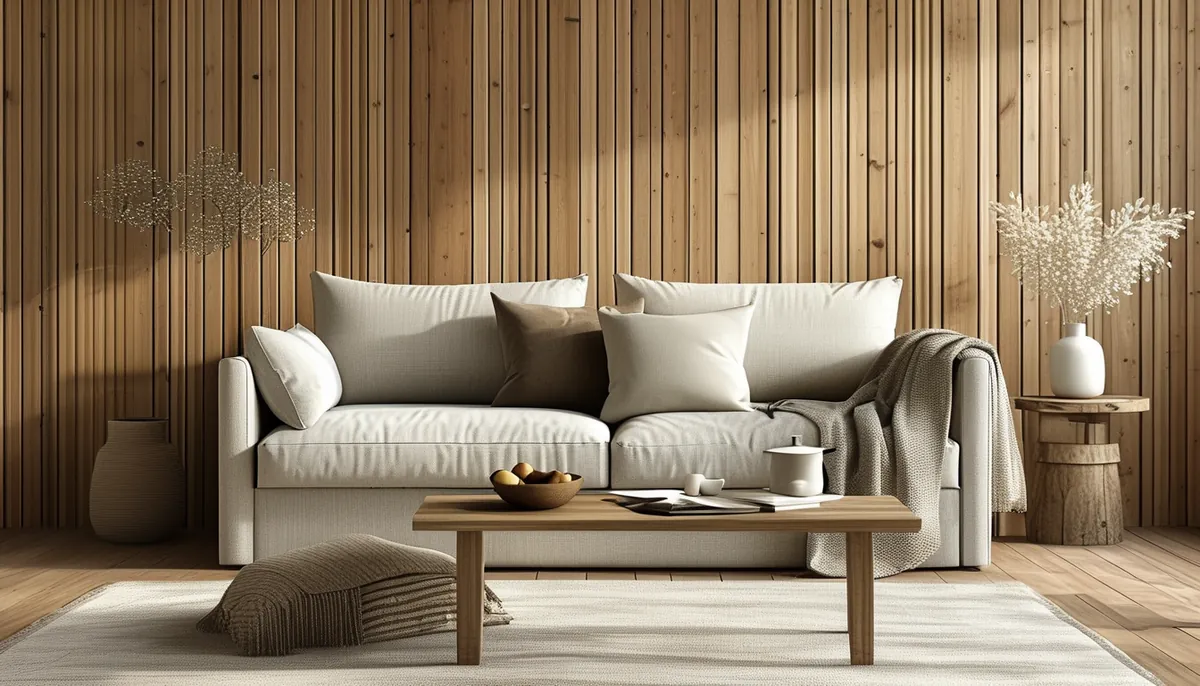
When you’re looking to add architectural interest or a specific aesthetic to a room, wallpaper panels are a compelling option. Unlike traditional wallpaper rolls, panels are designed to mimic the look of wood slats, decorative moldings, or even 3D geometric patterns. They provide a dimensional quality that flat wallpaper often can’t achieve. You’ll encounter several main categories: wood-effect panels, 3D decorative panels, and slatwall panels. Each serves a different purpose and offers a distinct visual impact.
Wood-effect wallpaper panels for a natural look
These panels are designed to replicate the appearance of natural wood, from rustic reclaimed planks to sleek modern slats. They are a fantastic alternative to actual wood paneling, which can be expensive and labor-intensive to install. Wood-effect panels are typically made from materials like PVC, MDF, or even high-quality printed vinyl. The key factor here is the realism of the print and the texture applied to mimic wood grain. Consider the finish: matte finishes often look more authentic for natural wood, while glossier finishes might suit a more contemporary or high-lacquer wood look.
Choosing the right wood effect
Think about the existing decor in your room. For a farmhouse or rustic vibe, look for panels that simulate rough-hewn wood with visible grain and knots. If your style is more mid-century modern or Scandinavian, opt for panels with clean lines and a smoother finish, perhaps in lighter wood tones like oak or birch. For a dramatic statement, dark wood effects like walnut or espresso can add depth and sophistication. Ensure the panel dimensions suit your wall space; some mimic wide planks, while others replicate narrower slats.
3D decorative wallpaper panels for modern flair
These panels go beyond simple visual replication and offer actual three-dimensional texture. They are often made from lightweight but durable materials like foam, PVC, or even gypsum composites. The designs can range from geometric patterns like squares, triangles, and waves to more abstract or organic shapes. The depth created by 3D panels can add significant visual interest and a modern edge to a room, making them ideal for accent walls in living rooms, bedrooms, or even commercial spaces like restaurants or boutiques. The installation is usually straightforward, often involving adhesive backing or a simple click-lock system, depending on the material and manufacturer.
Material matters for 3D panels
When selecting 3D decorative panels, consider the material’s durability and suitability for the intended environment. Foam panels are very lightweight and easy to cut but can be susceptible to damage in high-traffic areas. PVC panels offer more durability and are often water-resistant, making them suitable for bathrooms or kitchens (though always check manufacturer guidelines for specific moisture resistance). Gypsum-based panels are heavier and more rigid, offering a premium feel and excellent sound-dampening qualities, but they require more robust installation methods.
Slatwall and slatted wood effect panels
Slatwall panels, often referred to as slatted wood panels, feature evenly spaced vertical or horizontal ‘slats’ with grooves or ‘channels’ in between. These are incredibly popular for creating a contemporary, minimalist, or Japandi-inspired look. The effect is achieved either by mounting individual slats onto a backing board or by using pre-made panels that have the slats integrated. The material is typically MDF with a wood veneer, laminate, or a painted finish. The spacing between the slats can vary, affecting the overall density of the look.
Installation considerations for slatted panels
Slatted panels can be installed floor-to-ceiling for a dramatic effect or used as a dado panel to break up a wall. They are often mounted directly onto drywall or studs. For a truly seamless look, ensure you plan your cuts carefully, especially around windows and doors. Some systems offer track systems for easier installation or expansion. When planning, consider that the ‘depth’ of the slat adds a physical dimension to the wall, so factor this into room layout and furniture placement. For a cohesive look, you might want to match the floor or other wood elements in the room. If you’re drawn to the natural wood look but want something simpler to install, you might find the ease of easy peel and stick wallpaper appealing for other areas of your home.
How to install wallpaper panels
The installation process for wallpaper panels varies significantly based on the type and material. Always refer to the manufacturer’s specific instructions. However, some general steps apply to most types.
Preparation is key
Start by ensuring your walls are clean, dry, and smooth. Repair any cracks or holes and sand down any rough patches. Use a primer if recommended by the panel manufacturer; this helps with adhesion and can create a uniform base color. For panels that require adhesive, ensure the wall surface is not glossy, as this can hinder adhesion. If you’re using adhesive strips or panels, measure and mark your starting point carefully, using a level to ensure the first panel is perfectly vertical or horizontal.
Cutting and fitting
Most panels can be cut using a utility knife (for thinner materials), a fine-toothed saw (for MDF or thicker PVC), or even heavy-duty scissors. Always measure twice and cut once. For 3D panels, precise cuts are crucial to maintain the pattern’s integrity. When fitting panels side-by-side, look for interlocking edges or a slight overlap designed for a seamless fit. If you’re installing wood-effect panels, pay attention to the direction of the wood grain to ensure it flows consistently across the wall.
Adhesion methods
Some panels come with pre-applied adhesive. Simply peel off the backing and press firmly into place. Others require a specific wallpaper paste or a strong construction adhesive. Apply the adhesive evenly to the back of the panel or the wall, following the manufacturer’s instructions regarding coverage and drying time. For heavier panels, temporary bracing might be necessary while the adhesive sets.
Common mistakes to avoid
Several common errors can derail your wallpaper panel project. One of the most frequent is insufficient wall preparation. A poorly prepped wall will lead to adhesion problems and an uneven finish. Another mistake is not planning the layout. Failing to account for the pattern repeat or the direction of wood grain can result in a disjointed look. Over-cutting or under-cutting panels is also common; dry-fitting before applying adhesive can prevent costly mistakes. Finally, rushing the installation process is a recipe for disaster. Take your time, use your level frequently, and ensure each panel is perfectly aligned before moving to the next.
If you’re looking for simpler wall treatments that still offer a high-impact design, explore the variety of beautiful Rifle Paper Co. wallpaper or the stunning visuals offered by flowers on wallpaper.