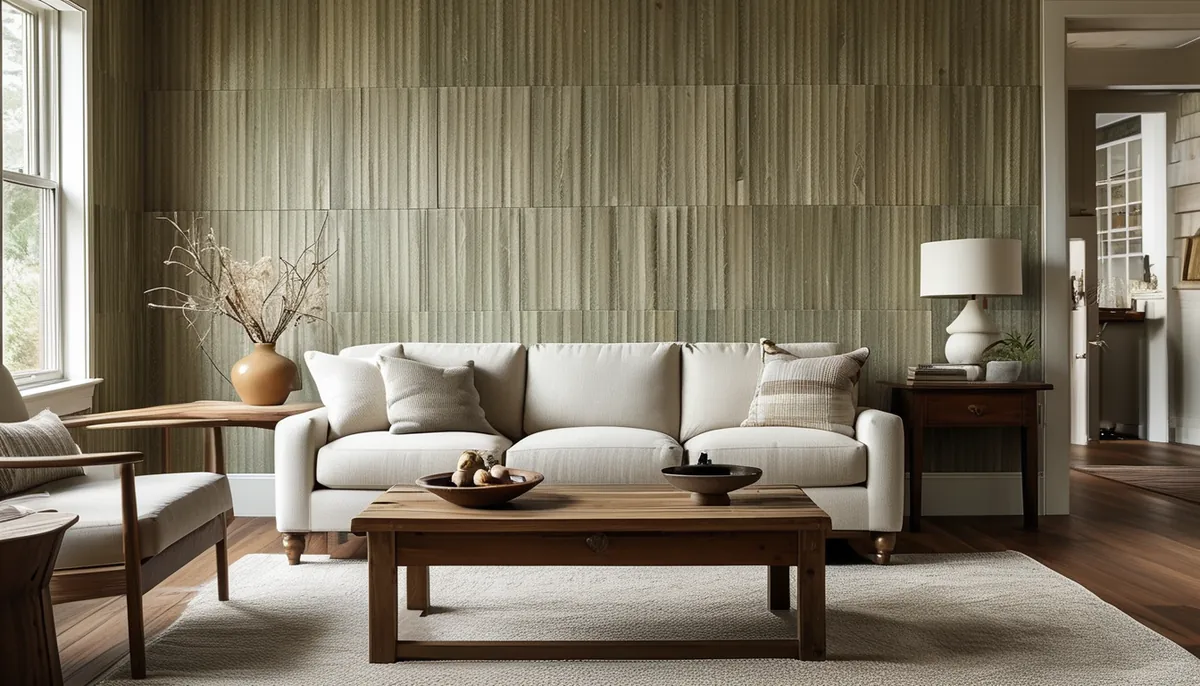
When you’re considering Lewis and Wood wallpaper, you’re looking at a brand known for its handcrafted feel and artisanal approach to wall coverings. Unlike mass-produced vinyl, many of their collections lean into natural textures and unique printing techniques. This can mean a different installation process and aesthetic than you might expect from standard peel and stick options.
Understanding Lewis and Wood materials and finishes
Lewis and Wood offers a range of materials, but they’re particularly noted for their use of natural fibers and textured papers. You’ll find collections that mimic the look and feel of linen, silk, and even grasscloth, often with subtle variations that add depth and character. Some designs are printed on a heavier, non-woven paper, which offers durability and a more substantial feel. Others might utilize traditional paper methods with artisanal inks.
The finish is also a key differentiator. Instead of a high-gloss vinyl sheen, Lewis and Wood often opts for matte or low-sheen finishes that enhance the natural texture of the material. This makes them ideal for creating a sophisticated, layered look in spaces like living rooms, dining rooms, or bedrooms. Consider how the light will hit the wall in your chosen room; a matte finish will absorb light, creating a cozy atmosphere, while a slight sheen can reflect light, making a space feel brighter.
Installation tips for Lewis and Wood wallpaper
Installation for Lewis and Wood wallpaper, especially those with natural fibers or textured papers, often differs from standard vinyl or peel-and-stick products. While some of their collections might be suitable for a paste-the-wall application, others will require traditional paste-the-paper methods. Always check the manufacturer’s specific instructions for the particular wallpaper you choose.
Preparation is critical. Your walls must be clean, dry, and smooth. Fill any holes or cracks and sand them smooth. If your walls are glossy or a dark color, you may need to apply a primer or a mist coat of wallpaper adhesive to ensure proper adhesion and prevent the old color from showing through. For textured wallpapers, ensure you have a high-quality wallpaper paste that is suitable for the specific material. A common mistake is using the wrong type of adhesive, which can lead to peeling or bubbling.
Cutting and matching. Pay close attention to the pattern repeat. Lewis and Wood often features intricate designs, and ensuring a seamless match across panels is crucial. Measure your walls carefully and order enough rolls, accounting for pattern matching and potential mistakes. It’s always better to have a little extra than to run short.
Application. When applying the paper, use a good quality smoothing brush or plastic smoother to gently press the paper onto the wall, working from the center outwards to remove air bubbles. Be careful not to overwork the paper, especially if it’s a natural fiber, as this can damage the texture or print. For designs with a noticeable texture, you might find it helpful to trim excess paste from the seams with a sharp utility knife and a straight edge after the paper has been applied.
Comparing Lewis and Wood to other wallpaper types
Lewis and Wood wallpapers stand apart from more common options like vinyl or peel-and-stick. Vinyl wallpapers are known for their durability, scrubbability, and often lower price point. They are excellent for high-traffic areas or kitchens and bathrooms where moisture resistance is key. However, they can sometimes lack the artisanal charm and unique texture that Lewis and Wood offers.
Peel and stick wallpaper, on the other hand, offers unparalleled ease of installation and removal, making it a popular choice for renters or those who like to redecorate frequently. You can explore the best high-quality peel and stick wallpaper options if this is your priority. While the technology has improved, some peel-and-stick papers might not offer the same depth of texture or handcrafted appearance as premium options like Lewis and Wood. They can also sometimes be more susceptible to damage during application if not handled carefully.
If you’re drawn to natural beauty and intricate patterns, Lewis and Wood might be your ideal choice. For a more budget-friendly or DIY-focused project, vinyl or peel-and-stick might be more practical. Consider the specific demands of the room: a busy family kitchen might fare better with durable vinyl, while a serene study could be perfectly enhanced by a textured Lewis and Wood design.
Choosing the right Lewis and Wood pattern for your space
Lewis and Wood offers a diverse range of patterns, from subtle, organic textures to bold, statement-making prints. When selecting a pattern, consider the existing decor, color palette, and scale of your room.
- Subtle textures: For a minimalist or contemporary look, opt for their wallpapers that mimic natural fibers like linen or silk. These add warmth and dimension without overwhelming the space. They can be a sophisticated alternative to paint in areas like hallways or bedrooms.
- Botanical and floral designs: If you love the beauty of nature, explore their collections featuring floral motifs or organic shapes. These can bring a sense of tranquility and connection to the outdoors. For inspiration on floral themes, you might find ideas for flowers on wallpaper useful.
- Geometric and abstract patterns: Lewis and Wood also offers more contemporary designs with geometric elements or abstract art. These can serve as a striking focal point in a room, adding personality and modern flair.
- Bold and scenic prints: For a truly dramatic effect, some of their larger-scale prints or scenic designs can transform a room. These are best used on a feature wall to avoid making a small space feel too enclosed. Consider collections like Yellowstone wallpaper designs for inspiration on immersive scenes.
Think about the mood you want to create. Do you want a calm retreat, a vibrant gathering space, or a sophisticated study? The pattern and texture of your wallpaper play a significant role in achieving that atmosphere.
Where to use Lewis and Wood wallpaper
Lewis and Wood wallpapers are versatile and can be used in various settings, but their artisanal quality shines in specific areas:
- Living rooms and dining rooms: These are spaces where you want to create an impression. A textured or subtly patterned Lewis and Wood wallpaper can add elegance and warmth, making these rooms feel more inviting.
- Bedrooms: For a tranquil and sophisticated retreat, their natural fiber-inspired designs are perfect. They create a calming backdrop that promotes relaxation.
- Home offices: A well-chosen pattern can add inspiration and personality to your workspace, making it a more enjoyable place to be productive.
- Entryways and hallways: Make a strong first impression with a bold pattern or a rich texture. These often overlooked areas can become highlights of your home’s design.
- Accent walls: If you love a dramatic design but are hesitant to cover entire rooms, an accent wall is a fantastic way to incorporate a statement piece without overwhelming the space.
While their natural textures are beautiful, consider the practicality for kitchens and bathrooms. If the wallpaper isn’t specifically rated for high-moisture environments, it’s best to stick to drier areas. For areas prone to splashes and humidity, you might want to look at more durable options or explore collections like those from Rifle Paper Co. wallpaper, which often have finishes suitable for various rooms.
Maintaining your Lewis and Wood wallpaper
Proper maintenance will ensure your Lewis and Wood wallpaper retains its beauty for years. The approach to cleaning will depend heavily on the material. For most natural fiber or textured papers, avoid harsh chemicals and excessive moisture.
Dusting: Regular dusting with a soft brush or a dry microfiber cloth is usually sufficient to keep the wallpaper looking fresh. Work gently to avoid snagging any textures.
Spot cleaning: For minor marks, test a small, inconspicuous area first. Use a slightly damp, soft cloth. Blot gently rather than rubbing. Avoid using soap or detergents unless explicitly recommended by the manufacturer for that specific product. For any specific stains, consult the manufacturer’s guidelines or a professional wallpaper cleaner.
Avoid direct sunlight: Prolonged exposure to direct sunlight can cause fading over time, especially with natural dyes or pigments. Consider using window treatments to protect your wallpaper in very sunny rooms.
By understanding the unique qualities of Lewis and Wood wallpaper, from its materials to its installation, you can make an informed decision that brings enduring beauty and character to your home.