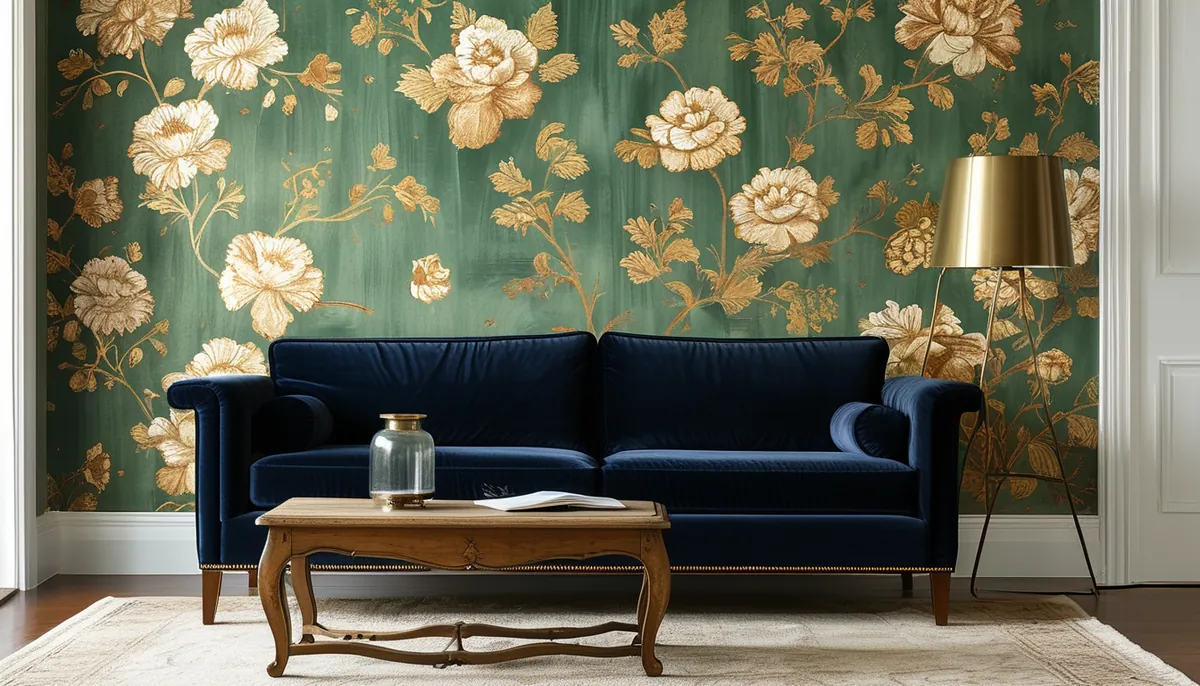
Choosing the right shade and pattern of green vintage wallpaper can dramatically alter the mood of a room. Consider the existing light and the desired ambiance. Darker greens, like emerald or forest, can create a cozy, enveloping feel, ideal for studies or bedrooms. Lighter, more muted greens, such as sage or olive, offer a sense of calm and spaciousness, working well in living areas or dining rooms.
Understanding vintage wallpaper styles
Vintage wallpaper isn’t just one look; it encompasses a range of styles that evoke different eras. Floral patterns, often seen in Victorian and Art Nouveau designs, are a classic choice. Damask patterns, with their intricate, symmetrical motifs, lend a sense of opulence and history. Geometric designs from the Art Deco period offer a bolder, more structured aesthetic. When selecting, think about how the pattern scale interacts with your room size. Large, bold patterns can overwhelm small spaces, while smaller, intricate designs might get lost in vast rooms. For a cohesive look, try to match the wallpaper’s era or style to your furniture and existing decor.
Dark green vintage wallpaper for dramatic impact
Dark green vintage wallpaper offers a sophisticated and luxurious feel. Imagine deep forest green with intricate gold damask patterns, or a rich emerald with subtle floral motifs. These wallpapers are excellent for creating accent walls or for spaces where you want to evoke a sense of drama and intimacy. They pair beautifully with darker wood furniture, brass accents, and plush fabrics like velvet. In a dining room, a dark green vintage wallpaper can make the space feel more formal and inviting for gatherings. In a bedroom, it can create a serene, cocoon-like atmosphere. Be mindful of lighting; these wallpapers absorb light, so ensure you have adequate artificial lighting, especially in rooms that don’t receive much natural sunlight. Consider using this type of wallpaper in a study or library to enhance the feeling of depth and intellectual pursuit.
Products: types of green vintage wallpaper
The market offers various types of green vintage wallpaper, each with its own characteristics and installation methods. You’ll find options in traditional paper, durable vinyl, and even modern peel-and-stick formats.
- Traditional Paper Wallpaper: This is often the most budget-friendly option. It requires paste applied to the back of the paper or to the wall. It can be delicate to handle during installation and may not be as durable or washable as vinyl options, making it less ideal for high-moisture areas or high-traffic zones.
- Vinyl Wallpaper: Known for its durability and washability, vinyl wallpaper is a practical choice for kitchens, bathrooms, and kids’ rooms. It’s resistant to moisture and stains, making it easier to clean. Many vintage designs are available in vinyl, offering both style and practicality. Installation is similar to traditional paper, often requiring paste.
- Peel-and-Stick Wallpaper: This is the easiest type for DIY installation. The backing simply peels off, revealing an adhesive that sticks directly to the wall. It’s repositionable during installation, making it forgiving of mistakes. While convenient, some peel-and-stick wallpapers may not have the same high-end texture or longevity as traditional options, and certain adhesive types could potentially damage delicate paint finishes upon removal, so testing in an inconspicuous area is recommended. It’s a great option for renters or for those who like to change their decor frequently.
- Textured Wallpaper: Some vintage designs come with embossed textures, mimicking fabric or plaster. These add a tactile dimension to your walls but can be more challenging to hang perfectly, as imperfections in the wall are more noticeable.
How to incorporate green vintage wallpaper into your design
Integrating green vintage wallpaper successfully involves more than just picking a pattern. It requires thoughtful consideration of scale, color balance, and complementary elements. A common mistake is choosing a pattern that is too large or too busy for the space, which can make the room feel cramped and overwhelming. On the other hand, a pattern that’s too small or subtle might not make the desired impact.
Start by assessing the size of your room and the amount of natural light it receives. For smaller rooms or those with limited light, opt for lighter shades of green and patterns with more negative space. Consider using lighter green vintage wallpaper on all four walls to create a sense of openness. You can explore beautiful green wallpaper ideas for inspiration on how different shades and patterns can transform a space.
If you’re aiming for a bolder statement, a dark green vintage wallpaper can be used on an accent wall. This draws the eye to a particular feature, like a fireplace or a piece of art. Pair it with neutral paint colors on the other walls to prevent the room from becoming too dark or visually heavy. For instance, a dark forest green damask wallpaper on one wall can be complemented by a soft cream or beige on the others. This approach allows the wallpaper to be the star without overpowering the entire room.
Think about the era you want to evoke. Victorian floral patterns might pair well with antique furniture and ornate details, while a mid-century modern geometric green vintage wallpaper could complement simpler, streamlined pieces. The key is to create a harmonious blend. Don’t be afraid to mix and match textures; for example, a linen sofa against a subtly textured green vintage wallpaper can add depth and sophistication. For those who appreciate specific aesthetics, exploring options like Rifle Paper Co. wallpaper can offer vintage-inspired designs with a contemporary twist.
When dealing with busy patterns, ensure your other decor elements are relatively simple. If your wallpaper features intricate details, opt for solid-colored upholstery, minimal wall art, and clean-lined furniture. Conversely, if you choose a simpler, more muted vintage green wallpaper, you can afford to incorporate more decorative elements or patterned textiles. The goal is balance, not competition, among the room’s components.
Maintaining your green vintage wallpaper
Proper care will ensure your green vintage wallpaper retains its charm for years. The maintenance required largely depends on the material of the wallpaper.
- For traditional paper: These are the most delicate. Avoid cleaning them with water or harsh chemicals, as this can cause the paper to bubble, tear, or the colors to run. Dusting gently with a dry, soft cloth or a feather duster is usually sufficient. For stubborn marks, you might try a wallpaper cleaning putty, but test it in an inconspicuous area first.
- For vinyl wallpaper: Vinyl is much more forgiving. You can typically wipe it clean with a damp cloth and mild soap. For tougher grime, a soft sponge with a solution of water and a little dish soap works well. Always rinse with a clean damp cloth afterward to remove any soap residue and dry with a soft towel. Avoid abrasive cleaners or scrub brushes, as they can scratch the surface.
- For peel-and-stick wallpaper: Most peel-and-stick wallpapers are wipeable. Use a soft, damp cloth. Some manufacturers recommend specific cleaning solutions, so check the product instructions. Avoid excessive moisture, as it can affect the adhesive over time.
Regular dusting prevents the buildup of grime that can dull the appearance of the wallpaper. In high-traffic areas or rooms prone to moisture, like kitchens or bathrooms, ensure good ventilation to prevent mold or mildew from forming, especially if using non-vinyl types. If you’re considering lighter shades, be aware that they might show marks more easily, necessitating more frequent gentle cleaning. The longevity of your wallpaper also depends on the quality of the installation and the materials used. Properly applied wallpaper, using the correct adhesive and techniques, will naturally last longer and be easier to maintain. For more ideas on green hues, you might find inspiration in light green wallpaper ideas or explore the versatility of beautiful green wallpaper in general.
Common pitfalls to avoid with green vintage wallpaper
When embarking on a wallpaper project, certain mistakes can lead to costly repairs or a less-than-ideal aesthetic. Being aware of these pitfalls can save you time, money, and frustration.
- Improper surface preparation: Walls must be clean, dry, and smooth before wallpapering. Any bumps, holes, or residual paint (especially glossy finishes) can prevent the wallpaper from adhering properly, leading to bubbles, peeling, or an uneven finish. Always clean walls thoroughly and consider applying a primer, especially if the wall is porous or has been previously painted with a dark color that might show through lighter wallpapers.
- Ignoring pattern repeat: Many vintage patterns have a specific repeat, meaning the design only aligns every certain number of inches or feet. Failing to account for the pattern repeat when cutting and hanging strips will result in a mismatched, unprofessional look. Always measure and cut with the repeat in mind, and buy extra wallpaper to accommodate this.
- Using the wrong adhesive: Different types of wallpaper and wall surfaces require specific adhesives. Using a paste that’s too weak will cause peeling, while one that’s too strong might damage the wallpaper or wall upon removal. Always follow the manufacturer’s recommendations for the type and amount of paste.
- Hanging in humid conditions: Applying wallpaper in a damp or humid environment, or in rooms with poor ventilation, can lead to issues with drying and adhesion. It also increases the risk of mold or mildew growth behind the paper. Ensure the room is well-ventilated and at a stable temperature during and after installation.
- Rushing the installation: Wallpapering is a meticulous process. Rushing through any step, from measuring and cutting to applying paste and smoothing out air bubbles, can result in visible mistakes. Take your time, work methodically, and don’t hesitate to re-do a section if it’s not quite right.
Choosing a green vintage wallpaper is an exciting way to add character and style to your home. By understanding the different types available, planning your design carefully, and avoiding common installation errors, you can achieve a beautiful and lasting result. For those seeking cohesive green themes, green stripe wallpaper ideas offer another avenue for incorporating this versatile color.