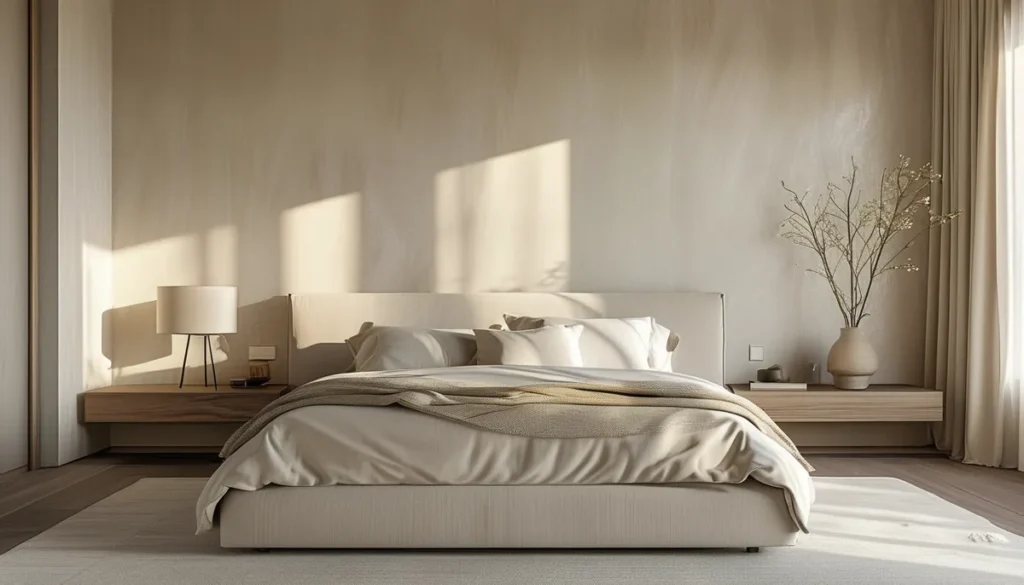
When you’re eyeing Schumacher chinoiserie wallpaper, your first decision point is often the scale of the pattern. Are you looking for a grand, sweeping landscape that dominates a room, or a more delicate, subtle motif that adds texture and a hint of elegance? Large-scale patterns, often found in Schumacher’s scenic or mural-style designs, can make a small room feel expansive by drawing the eye across the entire wall. They are ideal for dining rooms, living rooms, or entryways where you want to create a dramatic focal point. Conversely, smaller, more intricate patterns work well in bedrooms, powder rooms, or even as an accent on a single wall in a larger space. Consider the furniture and other decor in the room; an overwhelming pattern can clash with busy furnishings, while a too-small pattern might get lost.
Understanding different chinoiserie styles
Chinoiserie itself isn’t a single style, but a European interpretation of Chinese artistic traditions. Schumacher captures this diversity beautifully in their collections. You’ll find patterns that lean heavily into traditional Chinese landscapes, featuring pagodas, intricate gardens, and flowing rivers. These often come in a rich palette of blues, greens, and reds. Other Schumacher designs might focus on floral motifs, birds, or mythical creatures, drawing inspiration from Chinese porcelain and textiles. These can range from vibrantly colored and detailed to more monochromatic and stylized. Some contemporary interpretations, like those found in collections featuring chinoiserie mural wallpaper, reimagine these classic elements with modern colorways and updated aesthetics, offering a fresh take on the traditional. When choosing, think about the overall mood you want to create – serene and traditional, or bold and eclectic?
Color palette considerations for Schumacher chinoiserie
The color palette of your Schumacher chinoiserie wallpaper will significantly impact the feel of your space. Traditional chinoiserie often features deep, saturated colors like sapphire blue, emerald green, ruby red, and gold, set against a cream or white background. These bold choices can create a sense of opulence and drama, perfect for formal living areas or dining rooms. If your room gets a lot of natural light, these vibrant hues can be stunning. For spaces where you want a more calming or sophisticated atmosphere, consider Schumacher’s collections that offer softer, more muted tones. Pastels, gentle earth tones, or even monochromatic schemes in shades of grey, beige, or blush can provide the elegance of chinoiserie without the intensity. Think about how the wallpaper will interact with your existing furniture, flooring, and wall trim. A wallpaper with a lot of dark color might make a small room feel smaller unless balanced with light furnishings and ample lighting.
Material and finish options
While Schumacher is renowned for its exquisite paper-based wallpapers, understanding the material and finish is crucial for durability and application. Most of their traditional chinoiserie designs are printed on high-quality paper, often with a matte or subtly textured finish. This provides an authentic, luxurious feel. For areas prone to moisture or heavy traffic, like powder rooms or hallways, you might look for papers with a vinyl coating or consider a sealant after installation, though this can affect the visual texture. Some Schumacher collections might offer options that mimic fabric textures or have a slight sheen. The finish affects how light reflects off the paper; a matte finish absorbs light and can make colors appear richer, while a satin or gloss finish will reflect light, making the space feel brighter and potentially highlighting imperfections on the wall surface. Always check the manufacturer’s specifications for cleaning and maintenance recommendations.
Scale and repetition in pattern design
The scale of a chinoiserie pattern, referring to the size of its individual elements and the overall repeat of the design, is a critical factor in its visual impact. A large-scale pattern, often featuring grand vistas or oversized floral arrangements, can serve as a powerful statement piece. These designs are best suited for walls where they have ample space to be appreciated, such as a prominent wall in a living room or behind a bed in a master suite. They can make a room feel larger by creating a sense of depth. If you’re considering chinoiserie wallpaper elegance, think about how the pattern’s repeat will affect the installation. A wallpaper with a very large or irregular repeat might require more paper and more careful trimming to ensure the design flows seamlessly across seams. Smaller, more tightly spaced patterns, often with delicate motifs like birds or intricate floral sprigs, can add subtle texture and visual interest without overwhelming the space. These are excellent for smaller rooms or as a way to add a touch of luxury to a hallway or powder room. The repetition of the pattern dictates how often a specific motif reappears; a longer repeat means the design takes more space before it starts to look identical, often contributing to a more naturalistic and less overtly patterned feel.
Installation tips for Schumacher wallpaper
Installing Schumacher chinoiserie wallpaper, especially intricate designs, requires careful preparation and execution. First, ensure your walls are clean, dry, and smooth. Fill any holes or cracks and sand them smooth. For most Schumacher papers, you’ll need to apply wallpaper paste to the back of the paper (booking the paper) or directly to the wall, depending on the specific product instructions. Always follow the manufacturer’s guide. Measure and cut your panels carefully, allowing for a slight overlap at the ceiling and baseboard. Use a sharp blade for trimming to avoid tearing. When aligning patterns, especially with large-scale scenic designs or those with delicate details, take your time. A slight misalignment on a complex pattern can be very noticeable. If you’re working with a mural-style design, planning the panel order and ensuring the scene flows correctly from one panel to the next is paramount. For those who aren’t experienced paperhangers, consider hiring a professional, especially for complex or expensive Schumacher designs, to ensure a flawless finish. Mistakes in alignment or application can be costly to fix, particularly with high-end designer papers. For those seeking a simpler application, exploring options like Rifle Paper Co. wallpaper or other brands that offer peel-and-stick options might be a consideration, though Schumacher’s luxury lines are typically traditional paste-up.
Common mistakes to avoid
One of the most common mistakes when selecting Schumacher chinoiserie wallpaper is not ordering enough. Always account for pattern repeat and waste when calculating how many rolls you need. It’s better to have a little extra than to run out, as dye lots can vary between batches, making it impossible to get a perfect match later. Another mistake is rushing the wall preparation. Skipping steps like priming or not ensuring the surface is perfectly smooth can lead to bubbles, peeling, or an uneven finish that detracts from the beauty of the wallpaper. Underestimating the scale of the pattern is also a frequent error; a pattern that looks charming on a small sample can be overwhelming when applied to an entire room. Always try to view a larger sample or, if possible, see the wallpaper installed in a similar setting. Finally, don’t overlook the importance of the right tools and paste. Using the wrong adhesive or poor-quality tools can lead to a subpar installation that won’t last. For intricate designs featuring specific elements like flowers on wallpaper or specific animal motifs, ensure you understand how the pattern elements align across seams.
Pairing Schumacher chinoiserie with other decor
Schumacher chinoiserie wallpaper offers a rich backdrop that pairs beautifully with a variety of decor styles. For a classic, elegant look, combine it with traditional furniture, perhaps pieces with dark wood finishes, ornate carvings, or velvet upholstery. Metallic accents in gold, brass, or silver can echo the richness often found in chinoiserie palettes. If you’re aiming for a more eclectic or contemporary vibe, you can juxtapose the traditional patterns with modern furniture, clean lines, and minimalist accessories. This contrast can be striking. For example, a vibrant, traditional chinoiserie wall might be softened by a sleek, modern sofa. Consider the lighting in your room; ambient, task, and accent lighting can highlight the details of the wallpaper and create different moods. Don’t be afraid to mix textures – think about adding natural elements like rattan or bamboo, or incorporating softer textiles like linen or silk. Even with dramatic designs, like those seen in Yellowstone wallpaper designs, the principles of balancing pattern with solid colors and textures remain key to achieving a harmonious space.