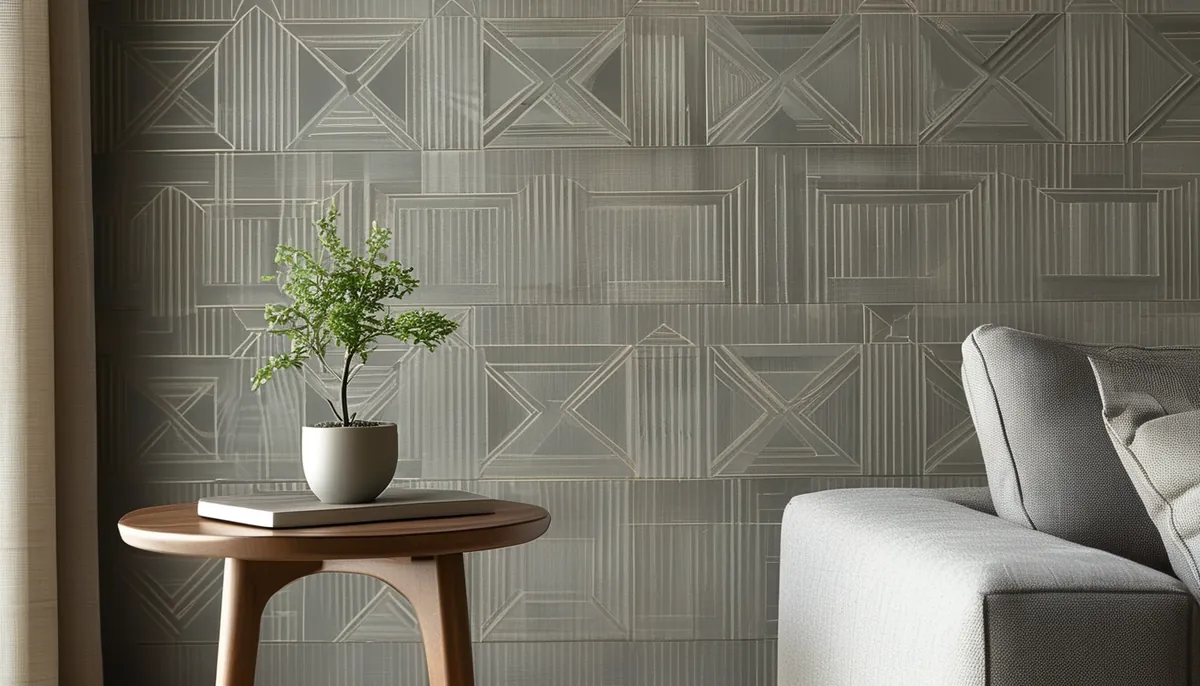
How thick is the wallpaper you’re considering? Thicker vinyl wallpapers, typically 8-12 mil (0.2-0.3 mm), offer better opacity and durability, hiding minor wall imperfections more effectively than thinner options. Paper-based wallpapers are usually thinner, around 4-6 mil (0.1-0.15 mm), and require a perfectly prepped wall.
When selecting peeling stick wallpaper, consider the material’s composition. Vinyl-based wallpapers are the most common and forgiving. They are moisture-resistant, making them suitable for kitchens and bathrooms, though not a substitute for tile in high-moisture areas like shower stalls. PVC (polyvinyl chloride) is the primary plasticizer in vinyl. Ensure the PVC content is high enough for durability without compromising air quality; look for certifications like GREENGUARD if indoor air quality is a concern.
Other common materials include fabric-backed vinyl, which adds texture and a more premium feel, and PET (polyethylene terephthalate) films, often used for more eco-friendly options, though they can sometimes be less forgiving during application. Some high-end options incorporate natural fibers like grasscloth, offering unique textures but demanding more careful handling and installation.
How to install peeling stick wallpaper
Proper surface preparation is non-negotiable for a lasting installation. Clean your walls thoroughly with a mild detergent and water solution, then rinse and allow them to dry completely. Any dust, grease, or loose paint will prevent the adhesive from bonding correctly. If your walls are glossy, lightly sand them to create a better grip for the adhesive. For new drywall, ensure it’s primed and completely dry, as unprimed drywall will absorb too much moisture from the adhesive, leading to failure.
Measure your wall and the wallpaper carefully. Most peeling stick wallpapers come in rolls of standard widths, typically 20.5 inches or 27 inches, and lengths of 33 feet. This means you’ll need to calculate how many rolls to buy. Always buy at least one extra roll to account for pattern matching and potential mistakes. Cutting the first strip slightly longer than the wall height (about 2-4 inches extra at the top and bottom) allows for trimming after application, ensuring a clean edge.
Start applying the wallpaper at the top, peeling back only a few inches of the backing paper. Align the edge of the wallpaper with the corner of the wall or ceiling and press it gently into place. Use a smoothing tool (like a plastic smoother or a squeegee) to press the wallpaper onto the wall, working from the center outwards to eliminate air bubbles. As you smooth, gradually peel away more of the backing paper. If you make a mistake, gently lift the wallpaper and reposition it. Most peeling stick wallpapers allow for repositioning within the first few minutes of application.
For subsequent strips, overlap them slightly according to the manufacturer’s instructions, usually by about 1/16 inch, or butt them up against each other if the pattern requires precise alignment. Ensure the pattern matches seamlessly between strips. Trim any excess wallpaper at the ceiling and baseboard using a sharp utility knife and a straight edge. For outlets and switches, turn off the power, remove the cover plates, and carefully cut around the opening. Once applied, run your smoother over the entire surface again to ensure good adhesion.
Common mistakes and how to avoid them
Applying wallpaper over uncleaned or unprimed surfaces is a leading cause of failure. Grease, dirt, or even dust can prevent the adhesive from sticking. Always wash and rinse your walls thoroughly. For new paint, wait at least 2-4 weeks for it to cure fully before applying wallpaper; fresh paint may not have enough adhesion for the wallpaper’s sticky back.
Not allowing enough overlap or proper pattern matching will result in visible seams and a less professional look. Pay close attention to the pattern repeat and adjust your cuts accordingly. When cutting, use a sharp blade to avoid tearing the wallpaper. A dull blade can snag the material, creating ragged edges that are difficult to trim cleanly.
Overstretching the wallpaper during application can distort the pattern and weaken the adhesive. Apply it smoothly without excessive pulling. If you encounter stubborn air bubbles that won’t smooth out, you can prick them with a fine needle and then smooth them down. Finally, don’t rush the process. Take your time, work methodically, and refer to the manufacturer’s instructions.
When to choose peeling stick wallpaper
Peeling stick wallpaper is an excellent choice for renters or homeowners who want to update their decor without making permanent changes. It’s ideal for accent walls, updating a powder room, or adding a temporary design element to a child’s bedroom. Its ease of installation and removal makes it a low-commitment option for experimenting with bold patterns or colors. You can add a fresh look with easy peeling stick wallpaper.
Consider peeling stick for areas where you might want to change the decor frequently. It’s also a fantastic option for DIY enthusiasts who want a project with a satisfying visual result without the mess of traditional paste-based wallpapers. For those seeking unique textures, options like grasscloth peeling stick wallpaper offer a natural, sophisticated look that’s relatively simple to apply. You can explore adding easy grasscloth peeling stick wallpaper for a distinctive finish.
This type of wallpaper is also suitable for covering up minor wall imperfections, such as small scuffs or fading paint, provided the wall surface itself is sound. It offers a quick and effective way to refresh a room before a party or for a seasonal update. If you’re looking to add a fresh look with easy peeling stick wallpaper, it’s a versatile solution.
Durability and maintenance
The durability of peeling stick wallpaper varies by material and quality. High-quality vinyl-based options are generally the most durable, resisting fading, tearing, and moisture better than paper-based alternatives. Expect a good quality peeling stick wallpaper to last anywhere from 3 to 10 years, depending on the environment and how it’s treated. For optimal longevity, avoid direct sunlight exposure, which can fade colors over time, and excessive moisture in areas not designed for it.
Maintenance is typically straightforward. For most vinyl and PVC-based wallpapers, a damp cloth with a mild soap solution is sufficient for cleaning. Gently wipe the surface to remove smudges or dirt. Avoid abrasive cleaners or scrub brushes, as these can damage the surface finish or the adhesive layer. Always test any cleaning solution on an inconspicuous area first. For more delicate materials like fabric-backed or natural fiber options, follow manufacturer-specific cleaning instructions, which may involve dry cleaning or specialized treatments.
When it’s time for a change, removal is usually as simple as peeling it off the wall. For stubborn adhesive, a little heat from a hairdryer can help soften it. Slowly peel the wallpaper down at a 45-degree angle to minimize damage to the wall. If any residue remains, it can often be removed with a specialized adhesive remover or a solution of warm water and soap.
Types of peeling stick wallpaper
Beyond the material composition, peeling stick wallpapers come in various finishes and designs. Matte finishes are common and offer a soft, understated look, hiding imperfections well. Satin finishes provide a slight sheen, adding a touch of elegance and reflecting more light. High-gloss finishes are less common but can create a dramatic, reflective effect, though they tend to highlight wall imperfections.
Patterned wallpapers are available in an endless array of designs, from subtle geometrics and botanical prints to bold abstracts and faux finishes like brick or wood. Faux finishes can be a cost-effective way to achieve the look of more expensive materials. For example, a well-executed faux wood peeling stick wallpaper can add warmth to a room without the cost and effort of real wood paneling.
Textured wallpapers offer a tactile dimension. These can include embossed patterns, fabric-backed options, or even materials that mimic natural textures like linen or grasscloth. These add depth and visual interest to walls, making them feel more luxurious. You can find high-quality peeling stick wallpaper for your home by considering these textural elements.
When choosing, consider the overall style of your home and the specific room. For a modern look, geometric or abstract patterns work well. For a more traditional or bohemian feel, floral or natural prints might be better suited. Always consider ordering a sample to see how the color and pattern look in your actual lighting conditions before committing to a full roll.