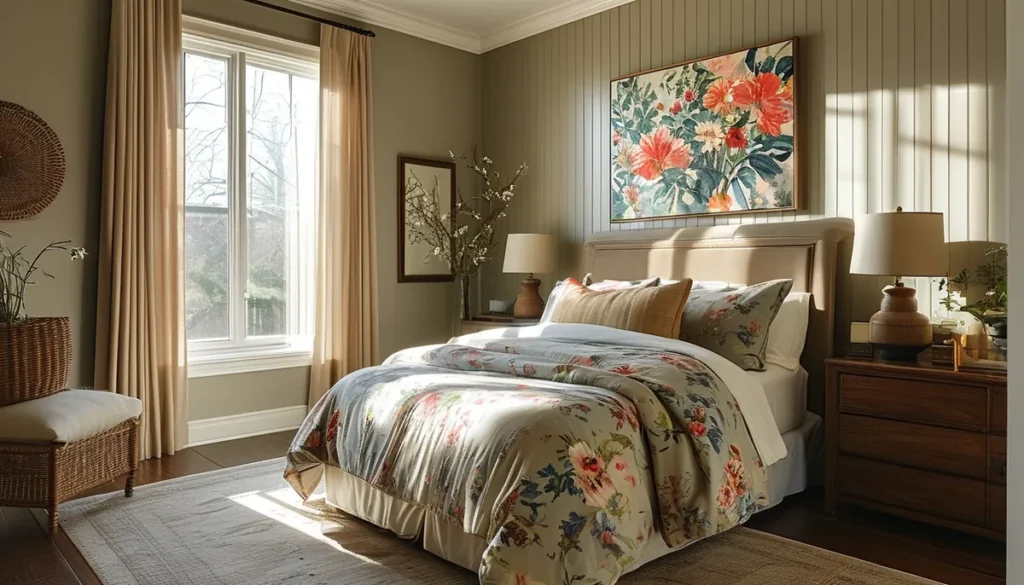
When you’re looking at modern textured wallpaper, consider the scale of the texture and how it interacts with light. A coarse weave might look great in a well-lit living room but can make a small, dim hallway feel even smaller. Conversely, a subtle, silky finish can add a touch of luxury to any space without overwhelming it.
The first decision you face is usually between different material types, each with its own benefits and drawbacks for modern aesthetics.
Understanding wallpaper material types
Modern textured wallpapers come in a variety of materials, affecting their durability, ease of installation, and final look. Your choice will depend on the room’s usage and your DIY comfort level.
Vinyl wallpapers
Vinyl wallpapers are a popular choice for high-traffic areas like kitchens, bathrooms, and kids’ rooms because they are durable, scrubbable, and resistant to moisture. The texture in vinyl wallpapers can range from subtle embossed patterns to more pronounced reliefs. Look for terms like ‘heavy-duty vinyl’ or ‘washable vinyl’ for the best performance. While often associated with traditional patterns, modern vinyl designs now feature sophisticated textures like faux grasscloth, linen, or even concrete effects.
A key advantage of vinyl is its forgiving nature during installation. It can often be wiped clean of excess paste, and many are strippable, meaning they can be removed dry without damaging the wall underneath, which is a significant plus when you decide to redecorate.
Non-woven wallpapers
Non-woven wallpapers, often called ‘paste-the-wall’ wallpapers, are made from a blend of synthetic fibers and paper. They are known for their breathability, ease of application, and eco-friendliness. For textured designs, non-woven materials can achieve a sophisticated, matte finish that mimics natural materials like linen or raw silk exceptionally well. These wallpapers tend to be more dimensionally stable than traditional paper, meaning they won’t stretch or shrink as much when wet, making them easier to align.
Installation with non-woven is often faster because you apply the paste directly to the wall, not the paper. This means no lengthy soaking time, and the sheets are generally easier to handle and reposition. Removing them is also typically straightforward; they often peel off in large strips.
Textured paper (traditional)
Traditional textured wallpapers are typically made entirely of paper. They can offer a rich tactile experience, mimicking materials like stucco, sand, or fabric. However, they are generally less durable and less resistant to moisture and stains compared to vinyl or non-woven options. These are best suited for low-traffic areas like bedrooms or formal living rooms where they won’t be subjected to heavy wear and tear.
Installation can be more challenging as paper can tear easily, and it’s crucial to allow proper soaking time for the paste to activate. Cleaning is also limited; usually, only a dry brush or a very lightly damp cloth can be used without risking damage.
Grasscloth and natural fibers
For an organic, artisanal feel, wallpapers made from natural fibers like grasscloth, cork, bamboo, or jute are excellent choices. These offer unique, irregular textures that add significant depth and warmth to a room. Because they are natural materials, each roll can have slight variations, contributing to their authentic charm. These are typically applied with a special adhesive and require careful handling.
Their natural texture means they are not washable and can be sensitive to direct sunlight, which can cause fading. They are best suited for accent walls in living rooms, dining rooms, or serene bedrooms where their unique character can be appreciated without the need for heavy cleaning.
Fabric-backed vinyl
This type combines the durability and washability of vinyl with a fabric backing for added strength and a slightly softer feel. Textures in this category can be very refined, often mimicking high-end textiles. They are a robust choice for commercial spaces or busy households where both aesthetics and performance are paramount.
Choosing the right texture for your modern space
The ‘texture’ in modern textured wallpaper can range from subtle, barely-there patterns to bold, three-dimensional reliefs. Your choice significantly impacts the room’s overall feel.
Subtle textures
Subtle textures, such as a fine linen weave, a delicate striae pattern, or a soft, matte finish, are ideal for creating a sophisticated backdrop. They add depth and visual interest without being distracting. These work well in almost any room, from a minimalist bedroom to a professional home office, and are particularly effective in smaller spaces or for clients who prefer a clean, understated look. They pair beautifully with modern furniture and art.
For a truly modern feel, consider subtle geometric weaves or abstract tonal patterns. These add a tactile element that can make a minimalist space feel more inviting and complex.
Medium textures
Medium textures include patterns that have more pronounced visual and tactile qualities, like faux grasscloth, raised damask patterns, or a pronounced wood grain effect. These add a significant layer of character and can be a focal point on their own. They work well in living rooms, dining rooms, or entryways where you want to make a statement.
When selecting medium textures, consider how they will complement other elements in the room. A bold geometric texture might clash with patterned upholstery, so balance is key.
Bold and dimensional textures
Bold textures are for those who want their walls to be the star. Think deep relief patterns, 3D geometric designs, or textures that mimic natural materials like rough stone or exposed brick. These are best used on accent walls in spacious rooms, as they can make smaller spaces feel cramped and busy. They are perfect for creating a dramatic focal point in a modern loft, a contemporary living room, or a stylish entryway.
Ensure the lighting in the room can highlight the texture effectively. Direct or accent lighting can make these bold designs truly pop.
Color palettes for modern textured wallpaper
Color is crucial when selecting modern textured wallpaper, as it dictates the mood and how the texture is perceived.
Neutrals and earth tones
Neutral colors like shades of white, grey, beige, and taupe are perennial favorites in modern design. When applied to textured wallpaper, they offer a sophisticated and versatile base. A textured wallpaper in a warm beige can bring a cozy, organic feel, while a cool grey can offer a sleek, contemporary edge. These tones allow the texture itself to take center stage, adding depth without overwhelming the senses.
These colors are also excellent for larger spaces or rooms with minimal natural light, as they help to reflect light and maintain an airy feel.
Monochromatic schemes
Using different shades and tones of a single color for both the wallpaper and surrounding decor can create a cohesive and high-end look. A deep navy textured wallpaper paired with lighter navy accents in the room offers a subtle yet impactful statement. This approach emphasizes the texture and form, creating a rich, immersive environment.
Monochromatic schemes are particularly effective with bold textures, as they prevent the design from becoming too visually chaotic.
Bold accent colors
While neutrals dominate modern design, bold accent colors can be used strategically in textured wallpapers to create a vibrant focal point. Think emerald green, deep teal, or a striking ochre. These colors are best reserved for accent walls or for clients who want a more adventurous aesthetic. They can add personality and drama to a space, but ensure they align with the overall color scheme.
When using bold colors with texture, consider the finish. A matte finish will absorb light and make the color appear deeper, while a slight sheen can make the color more vibrant.
Installation considerations for textured wallpaper
Proper installation is key to achieving a professional and lasting finish with any wallpaper, especially textured varieties.
Surface preparation
The walls must be clean, dry, and smooth. Any imperfections, such as holes, cracks, or old peeling paint, must be repaired and sanded smooth. For textured wallpaper, especially those with raised patterns, a smooth surface is critical, as imperfections can show through or even be exaggerated by the texture.
Use a high-quality primer designed for wallpaper. This helps the adhesive to bond properly and makes future removal easier. For very dark or vibrant colored wallpapers, a tinted primer might be necessary to prevent the original wall color from showing through.
Tools and supplies
You’ll need a few essential tools:
- Wallpaper adhesive (if not pre-pasted or paste-the-wall)
- Adhesive roller or brush
- Straight edge or metal ruler
- Utility knife with sharp blades
- Smoothing tool (plastic or felt)
- Seam roller (for certain types)
- Measuring tape
- Level or plumb line
- Bucket for water and adhesive
- Drop cloths to protect floors
Hanging the wallpaper
Always follow the manufacturer’s specific instructions. Generally, the process involves:
- Measure and cut: Measure the height of your wall and add 4-6 inches (10-15 cm) for trimming at the top and bottom. Cut your strips, ensuring you account for the pattern repeat if applicable.
- Apply adhesive: For non-pasted wallpaper, apply adhesive evenly to the back of the paper or directly to the wall (for paste-the-wall types). For pre-pasted, follow instructions for activating the paste (usually a water soak).
- Hang the first strip: Start in a corner or at a visually prominent point. Use a level to ensure the first strip is perfectly vertical. This is crucial, as subsequent strips will align with it.
- Smooth out bubbles: Use a smoothing tool, working from the center outwards, to push out air bubbles and excess adhesive. Be gentle with delicate textures.
- Trim excess: Once the strip is in place, use a sharp utility knife and a straight edge to trim the excess paper at the ceiling and baseboard.
- Continue hanging: Hang subsequent strips, butting the edges together carefully. For some textures, a slight overlap might be recommended by the manufacturer, but generally, a butt seam is preferred for a seamless look.
Mistake to avoid: Rushing the process and not ensuring the first strip is perfectly plumb. This will throw off the entire wall, making seams uneven and the pattern misaligned.
Maintenance and care for textured wallpaper
The longevity and appearance of your modern textured wallpaper depend on proper care.
Cleaning
For vinyl and washable non-woven wallpapers, use a soft sponge or cloth dampened with mild soapy water. Wipe gently from the bottom up to avoid streaks. Rinse with a clean, damp cloth and allow to air dry. Avoid abrasive cleaners or scrubbing, which can damage the texture or print.
For natural fiber or traditional paper wallpapers, cleaning is more limited. Dusting with a soft brush or using a vacuum cleaner with a brush attachment on a low setting is usually the safest method. For stubborn marks, consult the manufacturer’s guidelines, as spot cleaning can be risky.
Repairing minor damage
Small tears or lifting at the seams can often be repaired. For lifting seams, apply a small amount of wallpaper adhesive with a fine brush and press the seam back into place. Weigh it down with a seam roller or a clean, flat object until dry.
For small punctures or tears, carefully clean the area, apply a small amount of adhesive if needed, and press the damaged area flat. For more significant damage, it might be necessary to replace the entire strip.
When to consider professional installation
While many textured wallpapers are designed for DIY installation, some situations warrant professional help:
- Complex patterns: Wallpapers with intricate patterns or a large pattern repeat require precise alignment that can be challenging for beginners.
- Delicate materials: Natural fibers, silks, or very fine textured papers can be easily damaged during installation if handled incorrectly.
- Difficult surfaces: Walls with many angles, alcoves, or existing architectural features can be tricky to paper.
- High-impact areas: For areas like a grand entryway or a feature wall in a formal living room, you may want the assurance of a flawless finish that a professional installer can provide.
A professional installer has the experience and specialized tools to handle challenging situations and ensure a perfect, long-lasting result.
Long-term value of modern textured wallpaper
Investing in modern textured wallpaper can significantly enhance your home’s aesthetic appeal and perceived value. Unlike paint, which offers a flat finish, textured wallpaper adds depth, dimension, and a tactile quality that is difficult to replicate. It can conceal minor imperfections in walls, providing a smoother canvas than many paint jobs.
When choosing a durable material like vinyl or high-quality non-woven, you can expect your wallpaper to last 10-15 years or even longer with proper care. This longevity, combined with the ability to update your space with a wide array of contemporary designs, makes textured wallpaper a worthwhile investment for a stylish and dynamic home environment. For inspiration on how different textures can transform a room, consider exploring elegant white textured wallpaper or the impact of stunning modern floral wallpaper designs.
The variety of textures available means you can achieve looks ranging from the subtle sophistication of natural fibers to the bold statement of geometric reliefs. Whether you’re aiming for a serene retreat or a vibrant living space, modern textured wallpaper offers a versatile and impactful solution. Discover the richness of textured vinyl wallpaper and how it can elevate your home’s style and feel.