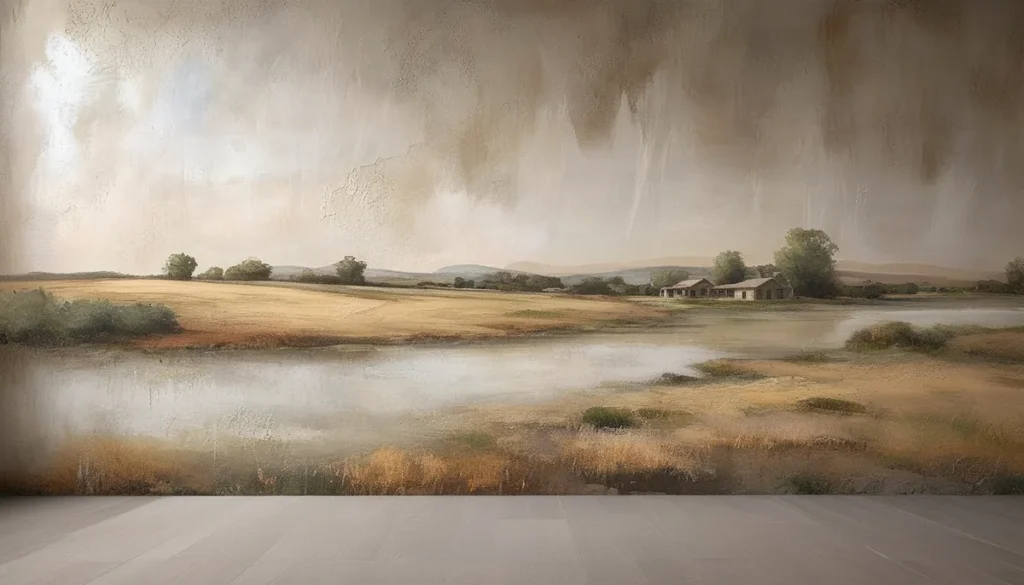
Choosing the right Magnolia Home wallpaper is your first step towards creating a space that feels both curated and comfortable. Joanna Gaines’ collection, produced in partnership with York Wallcoverings, offers a range of styles from rustic farmhouse to classic florals, each designed to add personality and depth to your walls. Before you commit to a pattern, consider the room’s function and light. A busy pattern might overwhelm a small powder room, while a lighter, airy design could feel lost in a large, open-plan living area.
Understanding Magnolia Home wallpaper types
Magnolia Home wallpaper isn’t a one-size-fits-all product. York Wallcoverings produces it in several formats, each with distinct characteristics affecting installation and durability. Understanding these differences is crucial for making an informed choice.
Vinyl-coated wallpaper
This is one of the most common and practical types. A paper or vinyl base is coated with a layer of vinyl. This coating makes the wallpaper water-resistant and scrubbable, ideal for high-traffic areas like hallways, kids’ rooms, or even kitchens where minor splatters are common. It’s forgiving for beginners, as it can often be wiped clean without damaging the pattern. The vinyl layer also adds a bit of thickness, which can help cover minor imperfections on the wall surface.
Solid vinyl wallpaper
These wallpapers are made entirely of vinyl, offering superior durability and washability compared to vinyl-coated options. They are particularly well-suited for bathrooms, kitchens, and commercial spaces where frequent cleaning is necessary. Solid vinyl is exceptionally resistant to moisture and can withstand rigorous scrubbing. Its robustness also means it tends to be a bit more expensive, but its longevity often justifies the cost.
Non-woven wallpaper
Also known as ‘paste-the-wall’ wallpaper, non-woven material is a blend of synthetic fibers and paper pulp. This construction makes it breathable, durable, and resistant to shrinking or expanding with humidity changes. The key advantage is its ease of installation: you apply the paste directly to the wall, not the paper, allowing you to position the panels precisely before they become saturated. It also peels off the wall in large, dry strips, making removal much simpler than traditional paper. Many of Joanna Gaines’ designs are available in this format, praised for their user-friendliness.
Textured wallpaper
Some Magnolia Home collections incorporate textured elements, such as raised patterns or embossed finishes. These add a tactile dimension to your walls, creating a more luxurious and dimensional look. Textures can range from subtle linen-like weaves to more pronounced raised designs. While visually appealing, textured wallpapers can sometimes be more challenging to clean and may show imperfections on the wall beneath more readily. Careful surface preparation is key for these types.
Peel and stick wallpaper
While not always a primary offering in the core Magnolia Home collections through York, the availability of peel and stick options for similar styles is growing. These are ideal for renters or those who enjoy frequent decorating changes. The adhesive backing means no paste is required, and the wallpaper can be applied and repositioned with relative ease. Discover the best high-quality peel and stick wallpaper options for your home if you prioritize convenience and temporary solutions.
Assessing the scale and repeat of your chosen pattern
The visual impact of any wallpaper hinges significantly on its scale and repeat. These two factors dictate how the pattern will look once applied to your walls and how much material you’ll need.
Pattern repeat explained
The pattern repeat is the vertical distance on the wallpaper roll where the design begins to perfectly match again. Smaller repeats mean you’ll see the same motif more frequently. Larger repeats create a more spaced-out, often more sophisticated look. For Magnolia Home, you’ll find designs with both small and large repeats. A large repeat, for instance, might be ideal for a grand entryway where the full motif can be appreciated, while a smaller, denser pattern might work better in a smaller room or a feature wall where you don’t want the pattern to dominate.
Types of pattern match
There are three main types of pattern matches:
- Random match: The pattern doesn’t need to align between strips. This is the easiest to work with, as you can cut and hang strips without worrying about matching. Many subtle textures or small-scale, all-over patterns use this.
- Straight match: The pattern elements align horizontally between adjacent strips. This is the most common type. When you hang the next strip, the design on its edge should match the design on the edge of the previous strip.
- Drop match: This is the most complex. The pattern needs to align both horizontally and vertically. With a half-drop match (the most frequent type), the pattern on the second strip will be halfway down the pattern on the first strip. This means you’ll have more waste, as you must cut strips from the roll to achieve the correct alignment. Always check the wallpaper specifications for the type of match and the repeat size.
Scale considerations
The scale of the pattern—how large or small the individual elements are—is just as important as the repeat. A large-scale floral pattern can make a dramatic statement in a large living room or dining area. Conversely, a tiny, intricate pattern might get lost in a spacious room and could be better suited for a smaller space like a study or a powder room. Consider the size of the room and the furniture within it. You want the wallpaper to complement, not compete with, your furnishings.
Calculating the amount of Magnolia Home wallpaper needed
Accurately estimating the amount of wallpaper you need is critical to avoid the frustration of running short or the expense of buying too much. Always purchase wallpaper from the same dye lot to ensure color consistency across all rolls.
Standard roll dimensions
Most standard wallpaper rolls in the US are 20.5 inches wide and 27 feet long, covering approximately 56 square feet. However, Magnolia Home wallpaper rolls, especially those from York, can vary. Always check the specific dimensions listed on the product packaging. A common size for York rolls is 20.5 inches by 33 feet, covering about 57.5 square feet, or larger rolls for specific collections.
Accounting for pattern repeat and match
This is where the pattern repeat and match type significantly impact your calculations. A large pattern repeat or a drop match will require more wallpaper because you’ll have more waste as you trim and align sections. For a straight match, you typically use about 10-15% more than the wall area suggests. For a drop match, this can increase to 20-25% or even more, depending on the drop size.
How to measure and calculate
Follow these steps:
- Measure the perimeter of the room: Add up the widths of all the walls you intend to cover.
- Measure the height of the walls: From the baseboard to the ceiling or crown molding.
- Calculate the total square footage of the walls: Multiply the room’s perimeter by the wall height.
- Determine the number of strips: Divide the room’s perimeter (in inches) by the wallpaper’s width (in inches). Round up to the nearest whole number to get the number of strips needed.
- Calculate the length of each strip: Add at least 4-6 inches to the wall height for trimming at the top and bottom.
- Estimate total linear feet needed: Multiply the number of strips by the length of each strip (in feet).
- Factor in waste: Based on your pattern match (random, straight, drop), add the appropriate percentage for waste. For drop matches, it’s essential to buy an extra roll if you’re unsure or if the pattern is particularly complex.
Example calculation (simplified): A room with a 40-foot perimeter and 8-foot high walls. Wallpaper is 20.5 inches wide. Total wall area is 320 sq ft. If using 20.5-inch wide paper, you need approximately 24 strips (40 ft x 12 in/ft = 480 inches perimeter; 480 inches / 20.5 inches/strip ≈ 23.4, round up to 24 strips). Each strip is 8 ft + 6 in = 8.5 ft. Total linear feet needed: 24 strips * 8.5 ft/strip = 204 linear feet. If a standard roll is 33 linear feet, you’d need about 204 / 33 ≈ 6.18 rolls. With waste for a straight match, aim for 7 rolls. For a drop match, you might need 8.
Always buy at least one extra roll. It’s far better to have a spare for future repairs than to be short and unable to match dye lots or patterns later. Many retailers offer a return policy on unused, unopened rolls.
Preparation is key for a flawless finish
Proper wall preparation is non-negotiable when applying any type of wallpaper, including Magnolia Home designs. Skipping these steps will lead to bubbles, peeling, and a professional installer will notice.
Cleaning and repairing walls
Start by thoroughly cleaning your walls. Remove any dust, grease, or old adhesive. Use a mild detergent and water, rinsing well. For glossy paint, lightly sand the surface to give the adhesive something to grip. Fill any holes or cracks with spackle or joint compound, let it dry, and sand smooth. Any bumps or imperfections will telegraph through the wallpaper, especially with lighter colors or thinner materials.
Priming the walls
Applying a coat of wallpaper primer is essential for several reasons. It seals porous surfaces, ensuring the wallpaper paste doesn’t soak in too quickly, which can lead to adhesion problems. It also creates a uniform surface that makes it easier to slide the wallpaper into position. Most importantly, a good quality primer will make future wallpaper removal significantly easier, preventing the paste from bonding directly to the drywall. Use a primer specifically designed for wallpaper application; it will usually have a slightly ‘tacky’ finish when dry.
Removing old wallpaper and paint
If you’re wallpapering over existing wallpaper, you must remove it completely. Use a wallpaper steamer or a scoring tool and a strong adhesive remover solution. Trying to wallpaper over old, peeling wallpaper is a recipe for disaster. If the walls were previously painted, ensure the paint is well-adhered and not peeling. If it is, you’ll need to scrape, sand, and prime those areas before proceeding.
Checking for electrical outlets and switches
Before you start hanging, turn off the power to the room at the breaker box. Unscrew the faceplates from outlets and switches. You can either cut an ‘X’ in the wallpaper to go around the opening and then trim, or carefully cut out the opening with a utility knife once the wallpaper is in place. It’s often easier to trim after the wallpaper is applied, but ensure you have enough slack to work with. Be meticulous around these areas to avoid a messy appearance.
Installation techniques for Magnolia Home wallpaper
Applying wallpaper might seem daunting, but with the right techniques and patience, you can achieve professional-looking results. The method will depend on the type of wallpaper you choose.
Hanging non-woven (paste-the-wall) wallpaper
This is often the simplest method for DIYers. Apply a generous, even coat of wallpaper adhesive directly to the wall for the first strip, extending slightly beyond the edge of where the strip will go. Use a paste brush or roller. Hang the first strip, aligning it with a plumb line or the corner. Smooth it out from the center outwards with a wallpaper brush or smoothing tool, working out any air bubbles. Trim the excess at the ceiling and baseboard with a sharp utility knife. For the next strip, apply paste to the adjacent wall section, and hang the second strip, butting its edge against the first strip. Ensure the pattern matches perfectly. Continue around the room, pasting and hanging each strip.
Hanging traditional (pre-pasted or unpasted) wallpaper
If your wallpaper is pre-pasted, follow the manufacturer’s instructions, usually involving soaking the strip in water for a specific time to activate the paste. For unpasted wallpaper, you’ll apply the adhesive to the back of the paper on a paste table. Fold the pasted paper onto itself (booking) for a few minutes to allow the paste to soak in. Then, unfold and hang the strip, smoothing and trimming as with non-woven types. Be mindful of the recommended ‘booking’ time, as too little or too much can affect adhesion.
Working with corners and obstacles
Internal corners usually require a slight overlap. Hang the wallpaper so it extends about 1/2 inch onto the adjacent wall. Then, make a relief cut vertically from the ceiling to the baseboard at the corner. Smooth the wallpaper on both walls, ensuring the corner is crisp. External corners are similar: wrap the wallpaper around the corner by about 1/2 to 1 inch, making a relief cut at the top and bottom if needed, and then trim. For windows and doors, hang the wallpaper over the opening, make an ‘X’ cut from corner to corner, and then trim the excess around the frame. For radiators or other obstacles, you might need to cut smaller pieces to fit around them.
Tips for a professional finish
Always use a sharp, fresh blade in your utility knife for clean cuts. Avoid over-handling the wallpaper, especially if it’s delicate. Work in good lighting to spot imperfections. If you make a mistake, don’t panic; most wallpapers allow for some repositioning if you act quickly, especially non-woven types. Keep a damp cloth handy to wipe away any excess paste that oozes out. A seam roller can be used carefully on straight and drop matches to ensure seams are perfectly flat, but be cautious not to crush textured papers.
Common mistakes to avoid with Magnolia Home wallpaper
Even experienced decorators can make mistakes. Being aware of common pitfalls can save you time, money, and a lot of frustration.
Insufficient wall preparation
As stressed before, skipping cleaning, repairing, or priming will almost guarantee a poor result. Walls must be smooth, clean, and dry. Any texture or imperfection will be magnified by the wallpaper.
Not buying enough wallpaper
Running out of wallpaper mid-project is a common and costly error. Always factor in extra for pattern matching, waste, and future repairs. Buying from the same dye lot is crucial; a second purchase might come from a different batch with a slight color variation.
Incorrectly measuring or cutting
This leads to waste and mismatched patterns. Always measure carefully, account for the pattern repeat, and add extra for trimming. Cut strips to the correct length, including extra for top and bottom trims.
Hanging strips with incorrect alignment
This is particularly critical for straight and drop matches. A misaligned seam is highly noticeable. Use a level or plumb line for the first strip and ensure subsequent strips align perfectly with the pattern. Don’t rush this process.
Ignoring the pattern repeat and scale
Applying a large-scale pattern in a tiny room or a busy pattern in a space with lots of visual clutter can overwhelm the area. Consider the room’s size, furniture, and overall aesthetic before selecting a pattern.
Using the wrong adhesive or not enough
Different wallpaper types require different adhesives. Using the wrong type or not applying enough can lead to peeling, especially in humid environments. Always use the adhesive recommended by the wallpaper manufacturer.
Maintaining your Magnolia Home wallpaper
Proper care will ensure your Magnolia Home wallpaper stays beautiful for years to come. The maintenance required largely depends on the material.
Cleaning methods
For washable wallpapers (vinyl-coated and solid vinyl), use a damp sponge or cloth with mild soap and water to gently wipe away marks or stains. Avoid abrasive cleaners or excessive scrubbing, which can damage the surface. For non-woven or paper-based wallpapers, spot cleaning with a soft, damp cloth is usually sufficient. Always test any cleaning method in an inconspicuous area first.
Dealing with damage
Minor tears or scuffs can sometimes be repaired with a small piece of matching wallpaper if you have spares. For larger damage, you may need to replace the affected strip. If you have an extra roll from the same dye lot, this is where it becomes invaluable. If not, you might have to re-wallpaper the entire wall for a seamless look.
Longevity and when to consider replacement
High-quality wallpaper like Magnolia Home can last 10-15 years or even longer with proper care. Consider replacement if the wallpaper is significantly faded, damaged, or if your design tastes have changed. The ease of removal will depend on the type of wallpaper and the primer used. Non-woven and paste-the-wall types are generally the easiest to remove.
Where to find Magnolia Home wallpaper
Joanna Gaines’ Magnolia Home wallpaper is widely available through authorized retailers. The primary source is through York Wallcoverings, who manufactures the line. You can find collections on their website and through numerous independent and chain home décor stores across the United States. Online retailers also carry a significant selection. When purchasing, always verify that you are buying authentic Magnolia Home products. Exploring designs similar to timeless Magnolia wallpaper can offer inspiration for your home.
Choosing between online and in-store purchases
Buying wallpaper in-store allows you to see and feel the texture and color in person, which can be invaluable for making a final decision. You can also get immediate advice from sales staff. However, online purchasing often offers a wider selection, competitive pricing, and the convenience of home delivery. When buying online, always check return policies and look at customer reviews. Beautiful Rifle Paper Co. wallpaper, for example, might be easier to visualize online due to its distinct artistic style, but seeing it in person can confirm its suitability.
The role of authorized dealers
Purchasing from authorized dealers, whether online or brick-and-mortar, ensures you are receiving genuine products and often provides access to customer support and warranty information. It also helps guarantee that the wallpaper comes from a current production run, minimizing the risk of dye lot discrepancies. This is important for any home project, whether you’re considering the classic charm of Toile wallpaper or the bold statements found in peacock wallpaper designs.