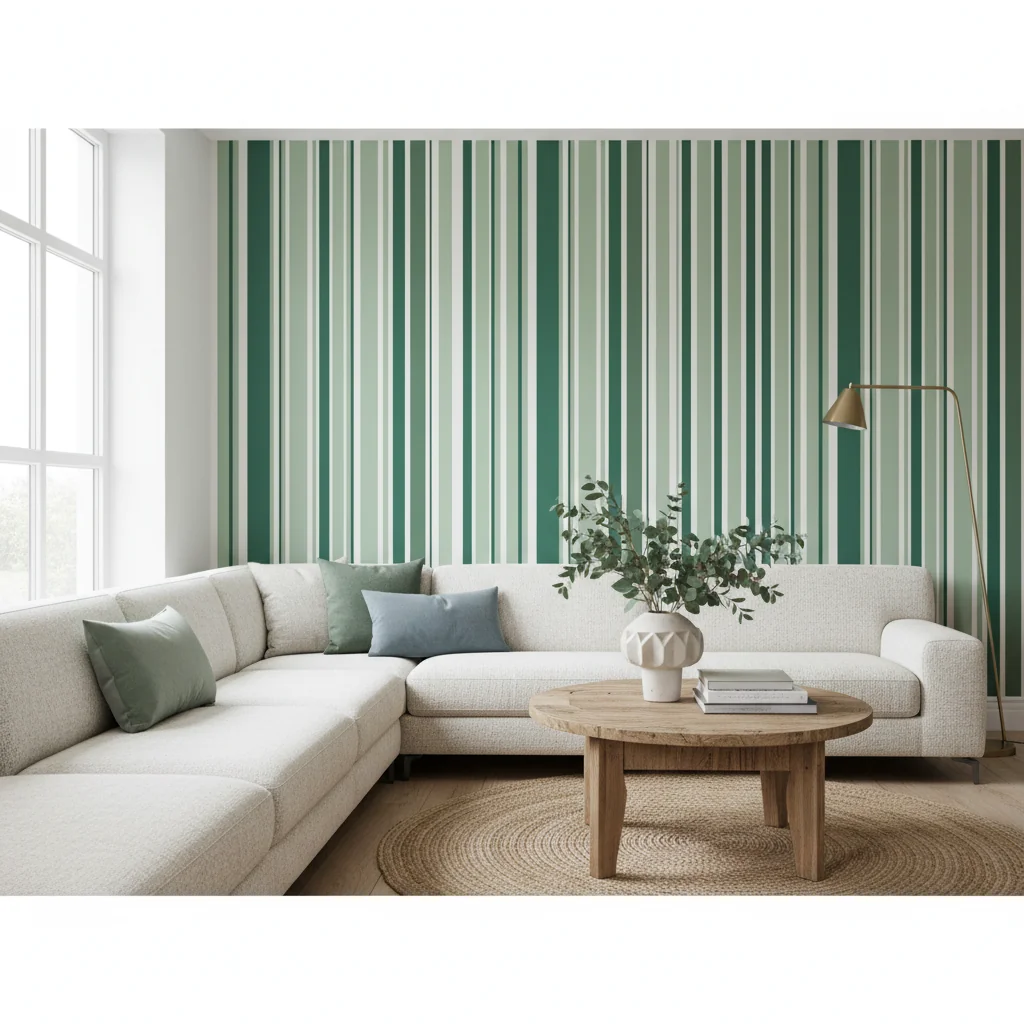
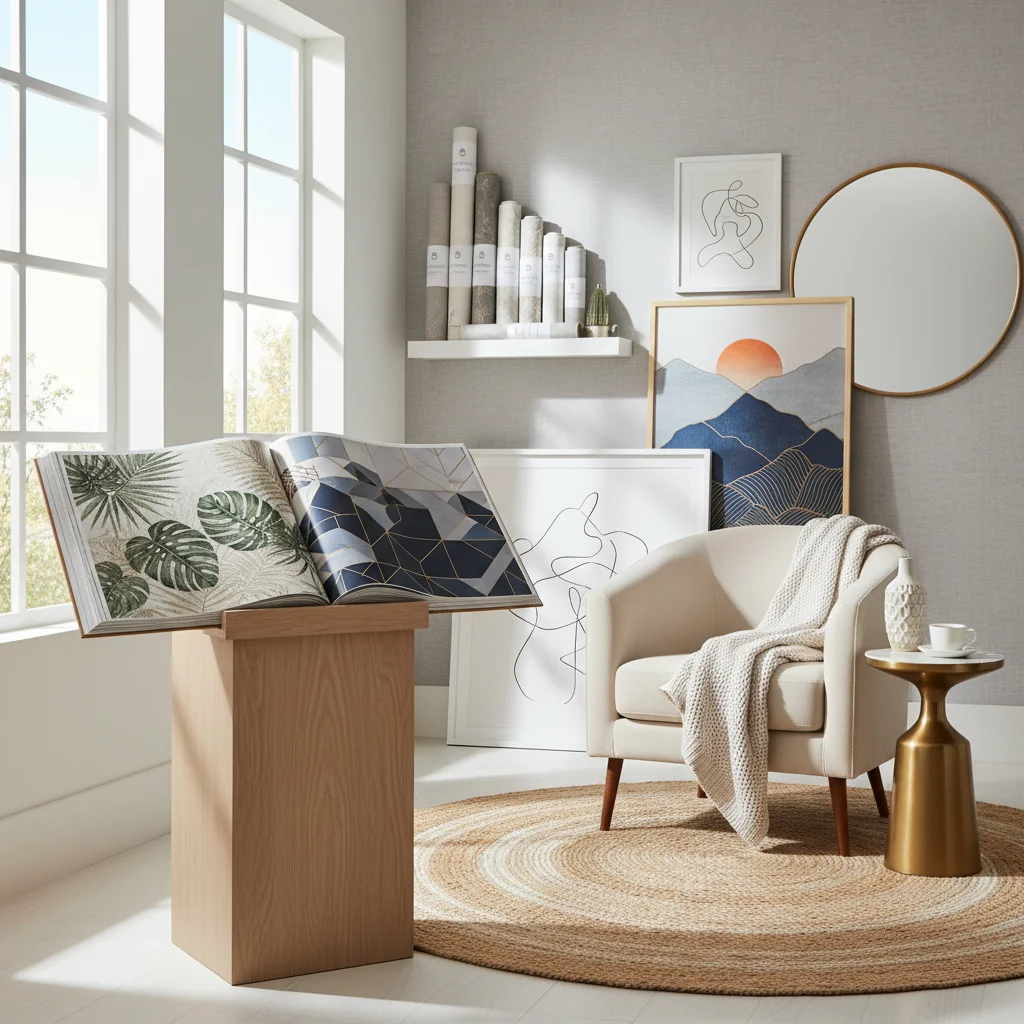
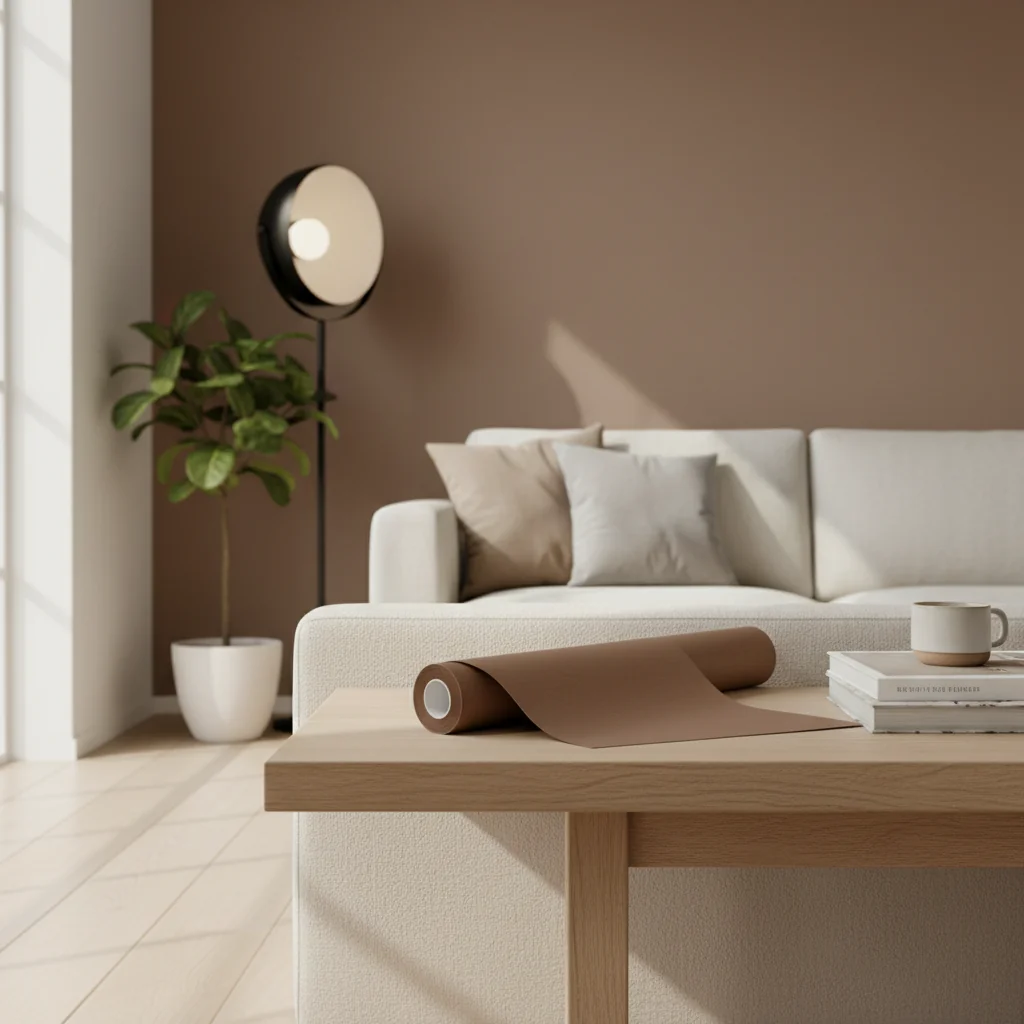
Grasscloth peel and stick wallpaper offers an exceptional solution for homeowners and designers seeking to infuse natural texture and sophisticated depth into their interiors with unparalleled ease. This innovative wallcovering combines the organic beauty and tactile richness of traditional grasscloth, meticulously woven from natural fibers, with the modern convenience of a self-adhesive, removable backing, eliminating the need for messy glues and professional installation. It represents a significant advancement in wall décor, allowing for a transformative aesthetic upgrade that is both accessible and impactful, delivering a refined, curated look that elevates any room.
Key Takeaways
- Grasscloth peel and stick wallpaper merges the timeless elegance of natural woven fibers with the practical benefits of self-adhesive, removable backing, offering a sophisticated yet user-friendly wallcovering solution.
- Unlike traditional grasscloth, the peel and stick variant requires no paste, is easier to install, and is fully removable, making it ideal for renters or those who frequently update their décor.
- Key natural fibers include jute, sisal, raffia, and hemp, each providing distinct textures, durability levels, and aesthetic qualities that influence the final look and feel of a space.
- Careful measurement, surface preparation, and the use of appropriate tools are paramount for a flawless installation, ensuring seamless results and maximizing the longevity of the wallpaper.
- While generally durable, grasscloth peel and stick wallpaper requires specific care, including gentle dusting and immediate, careful spot cleaning, to preserve its natural beauty and avoid damage from moisture or harsh chemicals.
- This versatile material adapts seamlessly to a wide range of interior design styles, from serene Japandi to bold Bohemian, serving as both a subtle backdrop and a compelling focal point.
What is Grasscloth Peel and Stick Wallpaper?
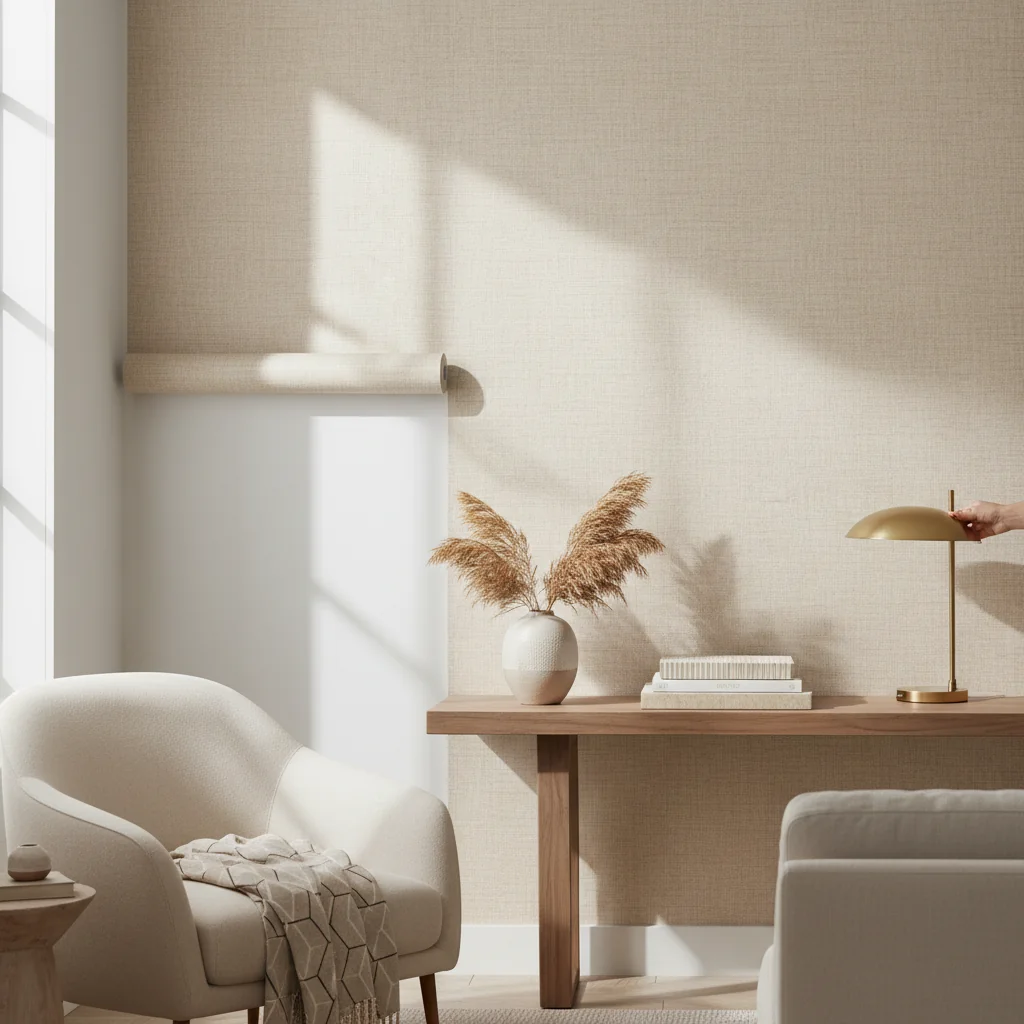
Grasscloth peel and stick wallpaper is a sophisticated wallcovering that combines the organic allure of natural woven fibers with the modern convenience of a self-adhesive, removable backing. It offers a luxurious, textured finish that instantly elevates any interior, providing visual depth and a tactile experience that traditional flat wallpapers cannot replicate. This innovative product simplifies the installation process, making the beauty of grasscloth accessible to a broader audience without the commitment or complexity associated with traditional wallcoverings.
At its core, grasscloth is a wallcovering made from natural fibers, typically derived from renewable plant sources such as jute, sisal, hemp, bamboo, or arrowroot. These fibers are meticulously hand-woven or machine-woven onto a paper backing, creating a distinctive texture and often subtle variations in color and weave that contribute to its unique character. The appeal of grasscloth lies in its inherent imperfections and organic aesthetic, which introduce an unparalleled warmth and connection to nature within a space. Each strand and weave tells a story, making every installation genuinely one-of-a-kind.
The “peel and stick” component refers to the adhesive backing that eliminates the need for external wallpaper paste. This backing is protected by a release liner, which is peeled away during installation to expose the adhesive. This design innovation transforms the application process from a multi-step, often messy, and labor-intensive task into a cleaner, faster, and more forgiving DIY project. The self-adhesive nature allows for repositioning during installation, offering a degree of flexibility that minimizes errors and ensures a smoother finish.
The Evolution of Grasscloth: From Traditional to Peel and Stick
Historically, traditional grasscloth wallpaper required professional installation due to its delicate nature, the need for specialized pastes, and the meticulous technique required to achieve seamless results. The absence of a discernible pattern repeat, coupled with natural color variations between rolls, necessitated careful planning and skilled application. While its beauty was undeniable, the barriers to entry for homeowners were significant.
The advent of grasscloth peel and stick wallpaper addresses these challenges directly. By integrating a high-quality, repositionable adhesive, manufacturers have democratized access to this premium wallcovering. Homeowners can now achieve a designer-level aesthetic without the added expense and scheduling complexities of professional installers. This evolution maintains the authentic look and feel of traditional grasscloth while vastly improving its usability and accessibility.
Key Components and Construction
Understanding the construction of grasscloth peel and stick wallpaper illuminates its advantages:
- Natural Fiber Face: This is the visible, textured layer, composed of woven plant materials. The choice of fiber dictates the texture, sheen, and overall character of the wallpaper. These fibers are often dyed, but their natural variations still show through, creating a nuanced color depth.
- Paper or Non-Woven Backing: The natural fibers are woven onto a sturdy backing, typically made of paper or a non-woven material. This backing provides stability to the delicate fibers and serves as the substrate for the adhesive layer. Non-woven backings often offer enhanced tear resistance and dimensional stability.
- Self-Adhesive Layer: This is a high-quality, pressure-sensitive adhesive applied to the backing. It is engineered to provide strong adhesion to properly prepared walls while allowing for repositioning during installation and clean removal without damaging the underlying surface.
- Release Liner: A protective film, usually silicone-coated paper, covers the adhesive layer. This liner is progressively peeled away as the wallpaper is applied to the wall.
Distinguishing Features and Benefits
Grasscloth peel and stick wallpaper offers several compelling advantages that set it apart:
- Effortless Installation: The primary benefit is the simplified application process. Simply peel off the backing and stick it to a clean, smooth, primed wall. This eliminates the need for messy glues, soaking, or specialized tools typically required for traditional wallpaper.
- Removability: Designed for temporary or long-term use, this wallpaper can be removed cleanly without leaving residue or damaging the wall surface, provided the wall was properly prepared. This makes it an excellent choice for renters, dorm rooms, or those who enjoy changing their décor frequently.
- Natural Texture and Depth: The woven fibers create a unique, three-dimensional surface that adds unparalleled warmth, sophistication, and organic character to a room. It absorbs and reflects light in interesting ways, making walls feel dynamic and inviting.
- Eco-Friendly Appeal: Many grasscloth varieties utilize renewable resources, appealing to those seeking sustainable home décor options. The natural variations mean less industrial processing for pattern matching.
- Sound Absorption: The textured, fibrous nature of grasscloth can subtly contribute to sound dampening in a room, helping to create a quieter, more tranquil environment compared to smooth, hard wall surfaces.
- Versatility: While often associated with traditional or transitional styles, the wide array of fiber types, weaves, and color treatments allows grasscloth peel and stick wallpaper to complement virtually any design aesthetic, from modern minimalist to bohemian chic.
In summary, grasscloth peel and stick wallpaper represents a harmonious blend of natural beauty and modern functionality. It provides a luxurious, textured finish that is both visually stunning and remarkably easy to install and remove, making it an ideal choice for enhancing the aesthetic appeal of any home.
Types of Natural Fibers Used in Grasscloth Wallpaper
The distinct character and aesthetic of grasscloth peel and stick wallpaper are primarily determined by the type of natural fiber used in its construction. Each fiber boasts unique characteristics in terms of texture, sheen, durability, and how it accepts dyes, directly influencing the overall look and feel it imparts to a space. Understanding these differences is crucial for selecting the perfect grasscloth to align with your design vision and functional requirements.
At Starhouse, we curate collections that showcase the rich diversity of these natural materials, ensuring that every selection provides a unique tactile and visual experience. The fibers are typically sourced from sustainable plant resources, making grasscloth a choice that aligns with eco-conscious design principles.
Common Natural Fibers and Their Characteristics:
Here, we explore the most prevalent natural fibers found in grasscloth peel and stick wallpaper, detailing their individual attributes:
-
Jute:
- Description: Jute is a long, soft, shiny bast fiber that can be spun into coarse, strong threads. It is one of the most affordable natural fibers and is widely used.
- Texture: Offers a relatively coarse, rustic texture with a subtle sheen. It can range from finely woven and soft to thicker, more pronounced strands.
- Appearance: Naturally golden-brown, jute is often dyed to achieve a wide spectrum of colors, from muted neutrals to vibrant hues. It typically has a somewhat irregular, organic appearance.
- Durability: Moderately durable; however, it can be susceptible to moisture and may shed fine fibers over time, particularly in high-traffic areas.
- Ideal Use: Excellent for creating a warm, inviting, and earthy atmosphere. Suitable for living rooms, bedrooms, and dining areas where a natural, slightly rustic aesthetic is desired.
-
Sisal:
- Description: Derived from the agave plant, sisal fibers are strong, stiff, and highly durable. They are known for their robust nature, often used in ropes and rugs.
- Texture: Features a stiffer, more structured, and often smoother texture than jute. The weave tends to be tighter and more uniform, resulting in a cleaner, more refined look.
- Appearance: Typically comes in natural off-white, beige, or light brown tones, though it can be dyed. Its tight weave gives it a more contemporary or tailored feel.
- Durability: Very durable and resistant to wear and tear. It holds up well in higher-traffic areas, though like all natural fibers, it should be protected from excessive moisture.
- Ideal Use: Perfect for adding a sophisticated, understated texture to formal living spaces, home offices, or hallways. Its durability makes it a practical choice for areas requiring a bit more resilience.
-
Raffia:
- Description: Raffia is a natural fiber derived from the leaves of the raffia palm tree, native to tropical regions of Africa. The fibers are long, pliable, and incredibly versatile.
- Texture: Known for its slightly glossy, ribbon-like texture. Raffia strands are typically wider and flatter than jute or sisal, creating a distinct, more pronounced visual pattern in the weave.
- Appearance: Ranges from pale straw to deep tan, often with a subtle natural sheen. It can be dyed in various colors. Its unique texture often gives a more exotic or artisanal feel.
- Durability: Moderately durable but can be prone to snagging if not handled carefully. Its natural pliability makes it somewhat flexible.
- Ideal Use: Excellent for bohemian, coastal, or globally inspired interiors. Ideal for accent walls in bedrooms, studies, or powder rooms where its unique texture can be appreciated without heavy wear.
-
Hemp:
- Description: Hemp fibers are derived from the cannabis plant and are renowned for their strength and sustainability. They are one of the strongest and most durable natural fibers.
- Texture: Offers a robust, somewhat coarse texture similar to linen, but often with more pronounced individual strands. It softens with age and use.
- Appearance: Naturally ranges from creamy white to dark brown, often with a slightly variegated, earthy look. Dyes well, producing rich, deep colors.
- Durability: Extremely durable and resistant to stretching and tearing. It holds up exceptionally well over time.
- Ideal Use: A strong choice for high-traffic areas or spaces where longevity is a priority. Its natural, resilient character suits rustic, industrial, or eco-conscious designs.
-
Arrowroot (Manila Hemp/Abaca):
- Description: Despite its common name, arrowroot grasscloth is often made from Abaca fiber, derived from a species of banana plant. It is highly valued for its strength and resistance to saltwater damage.
- Texture: Fine and silky, often with a subtle sheen. It can be woven very tightly, creating a smooth, almost polished surface, or more loosely for a delicate, airy feel.
- Appearance: Typically light in color, ranging from off-white to pale beige, offering a refined and elegant aesthetic. It takes dyes beautifully, resulting in sophisticated colorways.
- Durability: Strong and resilient, especially when finely woven. It maintains its integrity well over time.
- Ideal Use: Perfect for sophisticated and serene spaces, such as master bedrooms, elegant dining rooms, or luxurious home offices. Its fine texture and subtle sheen lend themselves to more formal or minimalist designs.
-
Bamboo:
- Description: Bamboo is a highly renewable resource, and its fibers are processed into fine, flexible strands for weaving.
- Texture: Can vary widely, from extremely fine, silky strands that mimic silk to thicker, more rigid strips that create a slatted or woven wood-like effect. Often has a natural sheen.
- Appearance: Naturally light, often with a subtle golden or greenish tint. It can be dyed or left in its natural state. Its versatility allows for a range of patterns, from delicate to bold.
- Durability: Generally durable, especially thicker bamboo weaves. Fine bamboo can be delicate if snagged.
- Ideal Use: Excellent for Asian-inspired, Japandi, or tropical aesthetics. Fine bamboo is ideal for tranquil bedrooms or bathrooms (with proper ventilation), while thicker weaves can make a statement in a living area.
Understanding Weave Patterns
Beyond the fiber type, the weaving pattern significantly contributes to the grasscloth’s texture and visual impact. Common weave patterns include:
- Fine Weave: Tightly woven, often resulting in a smoother, more uniform surface. This type offers a subtle texture that is elegant and understated, suitable for contemporary or minimalist designs.
- Coarse Weave: Features thicker, more pronounced fibers woven with greater spacing, creating a rugged, highly textured surface. This adds significant depth and character, ideal for rustic, bohemian, or industrial aesthetics.
- Basket Weave: A specific pattern where fibers are interwoven to resemble a basket, creating a distinct grid-like or checkerboard texture.
- Herringbone: Fibers are woven in a distinctive V-shaped pattern, adding a subtle geometric interest and directional texture.
- Vertical vs. Horizontal: While most grasscloth is woven with a vertical orientation, some styles feature horizontal weaves. This can dramatically change the perception of a room, making a wall appear wider or taller.
The natural variations inherent in grasscloth, regardless of fiber type or weave, are not manufacturing defects but rather celebrated characteristics of the material. These variations include subtle shifts in color between panels, visible seams, and occasional slubs or knots in the fibers. These elements contribute to the authentic, handcrafted appeal of grasscloth, ensuring that every installation possesses a unique, organic charm. When selecting your grasscloth peel and stick wallpaper, consider how these natural attributes will complement your overall design vision.
Exploring Styles and Aesthetic Versatility
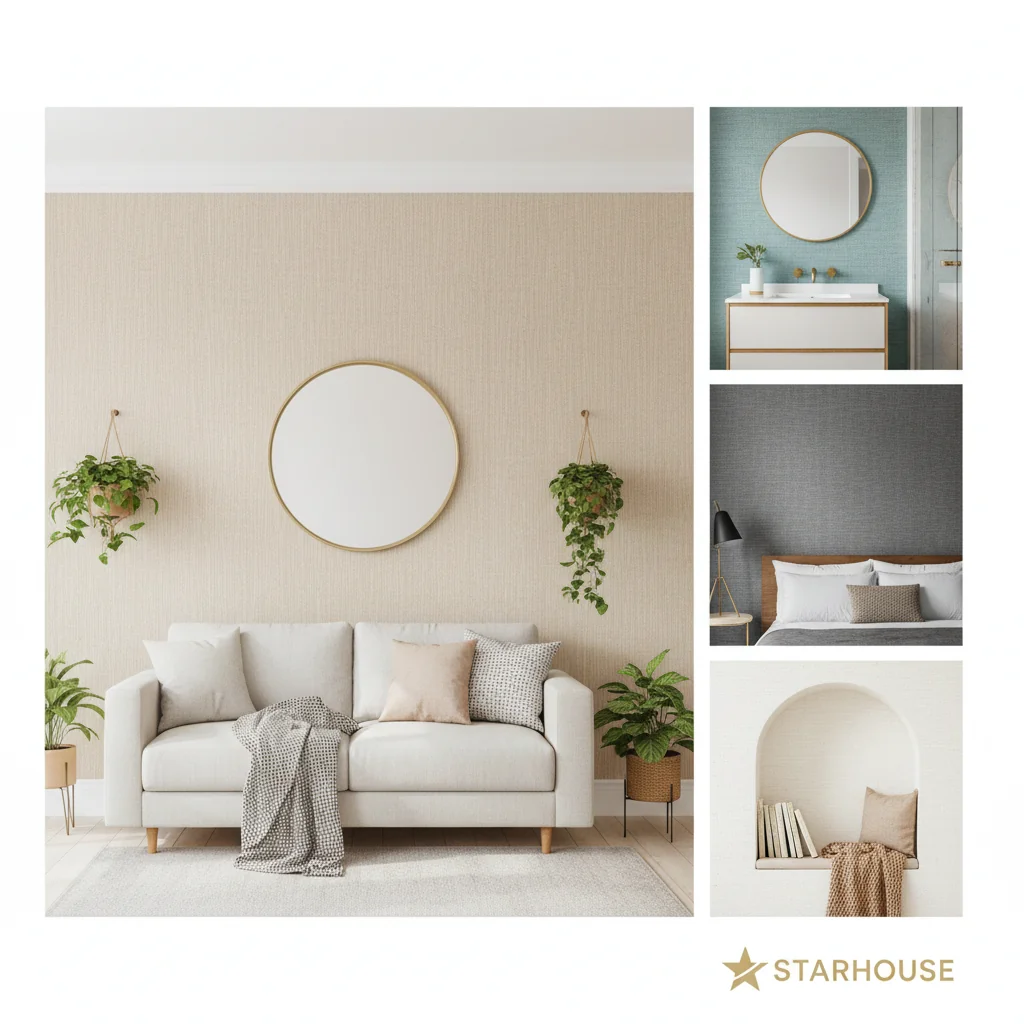
Grasscloth peel and stick wallpaper is a remarkably versatile design element, capable of seamlessly integrating into and enhancing a wide array of interior design styles, from the understated to the overtly dramatic. Its inherent natural texture and organic origins allow it to bridge gaps between different aesthetics, providing warmth, depth, and a sophisticated backdrop that can be both calming and compelling. The key lies in understanding how its unique characteristics — fiber type, weave, and color — interact with the overarching design language of a space.
This wallcovering is not merely a trend; it is a timeless material that adds an element of handcrafted artistry and connection to nature. Whether you aim for a minimalist sanctuary or a vibrant, eclectic haven, grasscloth peel and stick wallpaper can serve as a foundational layer that elevates the entire design scheme.
Integrating Grasscloth into Diverse Design Aesthetics:
Let’s delve into how grasscloth peel and stick wallpaper can be effectively utilized across various popular interior design styles:
-
Modern and Contemporary:
- Approach: In modern and contemporary settings, grasscloth introduces organic warmth and texture without disrupting clean lines or minimalist principles. Opt for fine, tightly woven sisal or arrowroot in neutral tones like cool grays, crisp whites, or muted beiges.
- Effect: It softens the often-hard edges of modern furniture and materials (glass, chrome, polished concrete), adding a layer of subtle sophistication. A vertical weave can emphasize height, while a horizontal weave can expand a space.
- Pairing: Complement with sleek, low-profile furniture, abstract art, and metallic accents. Keep other patterns minimal to let the grasscloth’s texture be the star.
-
Bohemian (Boho Chic):
- Approach: Grasscloth is a natural fit for bohemian interiors, which celebrate natural materials, global influences, and a relaxed, eclectic vibe. Coarser jute or raffia in earthy tones (terracotta, olive, ochre) or even vibrant, dyed hues work exceptionally well.
- Effect: It enhances the organic, worldly feel, providing a grounding texture that layers beautifully with other natural elements. The slight imperfections and variations inherent in grasscloth align perfectly with boho’s unpolished aesthetic.
- Pairing: Combine with rattan furniture, macramé wall hangings, layered textiles, vibrant patterns, potted plants, and artisanal crafts.
-
Coastal and Hamptons Style:
- Approach: For coastal-inspired spaces, grasscloth evokes the textures of sand, sea, and natural fibers found in beach environments. Light-colored sisal, fine bamboo, or bleached jute are ideal choices.
- Effect: It creates a serene, airy backdrop that feels both sophisticated and relaxed. The texture adds depth reminiscent of woven baskets or natural shorelines, without being overtly themed.
- Pairing: Match with crisp white trim, natural linen upholstery, weathered wood furniture, blue and white accents, and subtle nautical elements.
-
Japandi (Japanese-Scandinavian Fusion):
- Approach: Japandi design emphasizes simplicity, natural materials, functionality, and calm. Fine bamboo, subtle sisal, or muted hemp grasscloth in light, desaturated colors (greys, pale greens, off-whites) are perfect.
- Effect: It provides a quiet, understated texture that contributes to the serene, uncluttered aesthetic. The natural imperfections add Wabi-sabi charm without overwhelming the minimalist space.
- Pairing: Integrate with minimalist furniture, natural wood tones, ceramics, subtle lighting, and sparse, intentional décor. Focus on clean lines and functional beauty.
-
Transitional:
- Approach: Transitional design blends traditional elegance with contemporary comfort. Grasscloth can serve as a sophisticated bridge, offering classic texture in modern colorways. Medium-weave jute or sisal in warm neutrals, soft blues, or muted greens are excellent.
- Effect: It adds depth and interest without being too ornate or too stark, creating a balanced and inviting atmosphere that feels both current and timeless.
- Pairing: Combine with classic furniture silhouettes upholstered in modern fabrics, a mix of antique and contemporary accessories, and a balanced color palette.
-
Traditional and Classic:
- Approach: While often associated with more ornate patterns, traditional interiors can benefit immensely from the subtle luxury of grasscloth. Opt for rich, deep-toned grasscloth—perhaps a dark green jute, a deep navy sisal, or a classic beige raffia—to add an element of understated opulence.
- Effect: It provides a sophisticated, textured backdrop that enhances the richness of traditional furnishings, intricate moldings, and antique pieces. It adds a layer of warmth and historical depth.
- Pairing: Use with dark wood furniture, velvet upholstery, brass or gold accents, framed artwork, and classic drapery.
-
Mid-Century Modern:
- Approach: Mid-century modern design values organic shapes, natural materials, and functional simplicity. A fine-weave grasscloth in earthy tones (avocado green, burnt orange, mustard yellow, or classic beige) can complement this era’s aesthetic.
- Effect: It adds a natural, unpretentious texture that pairs beautifully with the iconic wood finishes and clean lines of MCM furniture, contributing to a warm and inviting retro-modern feel.
- Pairing: Feature with teak or walnut furniture, Sputnik chandeliers, geometric patterns, and vibrant pops of color in textiles and accessories.
The beauty of grasscloth peel and stick lies not only in its inherent texture but also in its ability to adapt. It can be the star of an accent wall, drawing attention to a specific architectural feature or a beloved piece of art, or it can provide a full-room envelope of subtle sophistication. When used thoughtfully, it transforms a flat surface into a dynamic, engaging element that enriches the entire interior narrative. Always consider the interplay of light, color, and surrounding furnishings to maximize its impact.
How to Choose the Right Grasscloth Peel and Stick Wallpaper for Your Space
Selecting the ideal grasscloth peel and stick wallpaper for your home involves a thoughtful consideration of several key factors, ensuring that the final choice not only aligns with your aesthetic preferences but also performs optimally within the specific environment. This process goes beyond mere visual appeal, encompassing practical considerations such as room function, light exposure, existing decor, and the desired maintenance level. Making an informed decision guarantees satisfaction and a lasting, beautiful result.
At Starhouse, we guide our customers through this selection process, emphasizing precision and context to help you discover the perfect textured backdrop for your curated interiors.
Critical Considerations for Selection:
To choose the right grasscloth peel and stick wallpaper, evaluate the following aspects systematically:
-
Room Functionality and Traffic:
- High-Traffic Areas (Hallways, Entryways, Kids’ Rooms): For spaces with frequent activity, opt for more durable fibers like sisal or tightly woven hemp. These materials are more resistant to snags and general wear. Consider darker colors or patterns that can better mask minor imperfections or scuffs over time. Ease of cleaning is also a factor; while no grasscloth is truly scrubbable, some weaves are less prone to trapping dirt.
- Low-Traffic Areas (Bedrooms, Formal Dining Rooms, Offices): In these spaces, you have more flexibility. Delicate fibers like fine bamboo or raffia can be used to introduce a refined, luxurious texture. Focus on aesthetic impact and the creation of a serene or sophisticated atmosphere.
- Bathrooms and Kitchens: Grasscloth is a natural fiber and generally not recommended for areas with high humidity or direct water exposure. While peel and stick offers some protection, constant moisture can cause fibers to warp, mold, or detach. If used, ensure excellent ventilation, avoid direct splash zones, and consider a synthetic grasscloth alternative if durability in moisture is paramount. Always check manufacturer specifications for moisture resistance.
-
Light Exposure:
- Natural Fading: All natural materials, including grasscloth, are susceptible to fading when exposed to prolonged direct sunlight. If your chosen wall receives significant direct sun, be aware that colors may lighten over time, particularly darker hues. This can be viewed as part of its natural aging process, or you might opt for lighter, more neutral tones where fading would be less noticeable.
- Impact on Color Perception: The amount and type of light (natural vs. artificial, warm vs. cool) will significantly alter how the grasscloth’s color and texture appear throughout the day. Always view samples in the actual room under various lighting conditions.
-
Color and Tone:
- Existing Palette: The grasscloth’s color should complement your room’s existing color scheme, furniture, and textiles. Consider whether you want a harmonious blend or a contrasting accent.
- Impact on Room Size: Lighter, cooler tones can make a room feel larger and more open, while darker, warmer tones can create a cozier, more intimate atmosphere.
- Natural Variation: Remember that grasscloth, by its very nature, will have subtle color variations between panels and even within a single roll. This is a desirable characteristic, contributing to its organic appeal, but it means a perfectly uniform color is not achievable or expected.
-
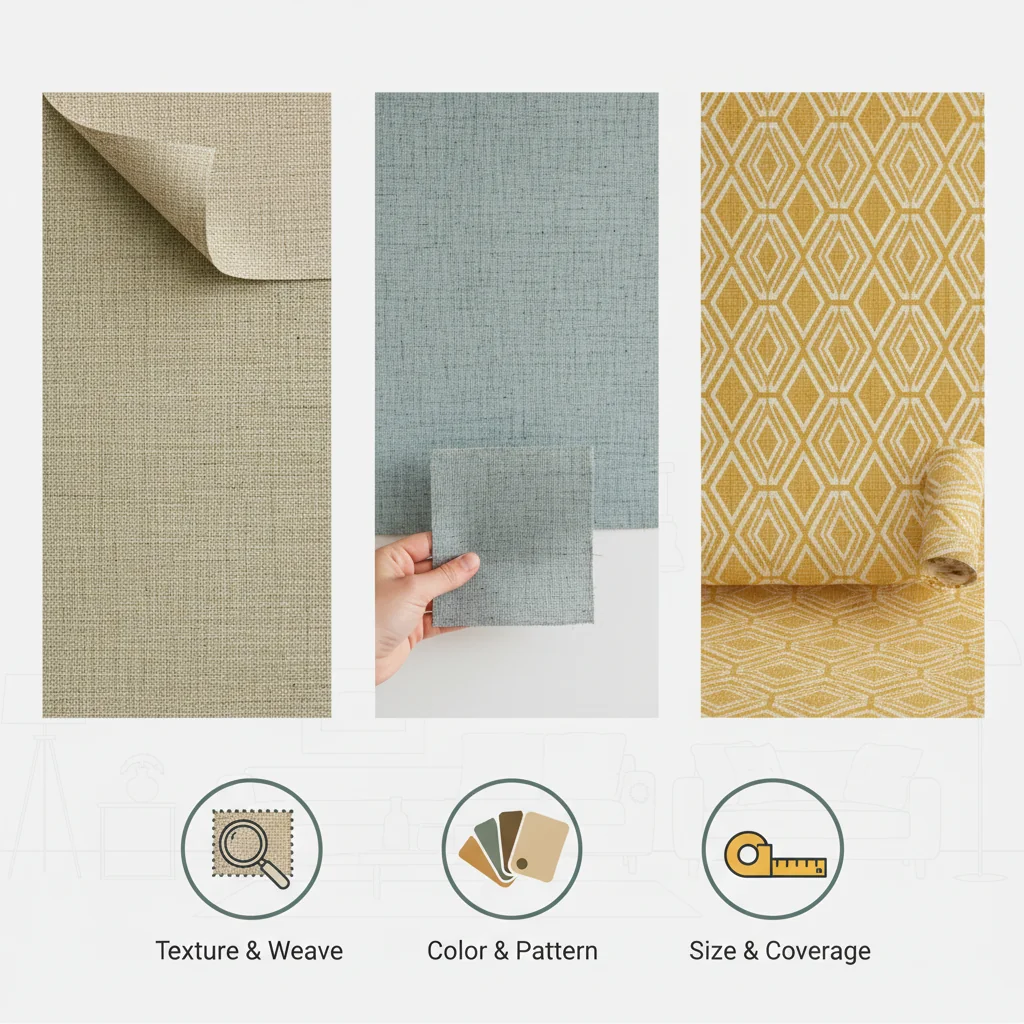
Pattern and Weave:
- Fine vs. Coarse Weave: A fine, tight weave (e.g., some sisals or arrowroots) offers a more subtle, refined texture, suitable for modern or formal spaces. A coarser, more open weave (e.g., some jutes or raffias) provides a more rustic, pronounced texture, ideal for bohemian or casual settings.
- Vertical vs. Horizontal Orientation: Most grasscloth is woven vertically. However, some designs feature a horizontal weave, which can visually widen a room or create a unique contemporary effect. Consider how the weave direction will impact the perception of your space.
- Pattern Repeat: Unlike traditional patterned wallpapers, grasscloth generally does not have a pattern repeat in the conventional sense. However, the weave direction and natural variations between panels require careful alignment and consideration during installation to ensure a cohesive look.
-
Existing Décor and Furniture:
- Complementary Textures: Consider how the grasscloth’s texture will interact with other textures in the room, such as wood grains, metal finishes, upholstery fabrics, and rugs. Aim for a balanced interplay of textures to create visual interest without overwhelming the space.
- Style Alignment: Ensure the chosen grasscloth style (e.g., rustic jute, refined sisal, exotic raffia) supports your overall design aesthetic, whether it’s coastal, Japandi, traditional, or modern.
-
Budget:
- Material Cost: The cost of grasscloth peel and stick wallpaper varies significantly based on the fiber type, weave complexity, and brand. More exotic or finely woven fibers tend to be more expensive.
- Long-Term Value: While initial cost is a factor, consider the long-term value of a durable, high-quality product that enhances your home’s aesthetic for years.
-
Testing Samples:
- Crucial Step: Always order samples of your preferred grasscloth peel and stick options. This is perhaps the single most important step in the selection process.
- In-Situ Evaluation: Place samples on your wall in the actual room where the wallpaper will be installed. Observe them at different times of the day, under various lighting conditions (natural light, evening lamps), and next to your existing furniture and decor. This allows you to accurately assess color, texture, and overall feel in context.
Comparison Table: Fiber Type Suitability
To further aid in your decision, here’s a comparative overview of common grasscloth fiber types and their suitability for various applications:
| Fiber Type | Primary Texture | Durability | Ideal Aesthetic | Best Use Areas | Considerations |
|---|---|---|---|---|---|
| Jute | Rustic, coarse, subtle sheen | Moderate | Bohemian, Rustic, Earthy, Transitional | Living Rooms, Bedrooms, Dining Rooms | Can shed fine fibers, moderate moisture sensitivity. |
| Sisal | Structured, stiff, refined, tighter weave | High | Contemporary, Transitional, Minimalist, Coastal | Hallways, Offices, Formal Living Spaces | Very durable, but still sensitive to high humidity. |
| Raffia | Glossy, ribbon-like, pronounced weave | Moderate | Bohemian, Coastal, Global, Exotic | Accent Walls, Powder Rooms, Bedrooms | Can snag, unique visual texture. |
| Hemp | Robust, coarse, linen-like | Very High | Industrial, Rustic, Eco-conscious, Transitional | High-Traffic Areas, Offices, Living Rooms | Extremely durable, can be stiffer to install. |
| Arrowroot (Abaca) | Fine, silky, subtle sheen | High | Elegant, Sophisticated, Japandi, Minimalist | Master Bedrooms, Formal Dining, Studies | Refined aesthetic, generally smoother finish. |
| Bamboo | Varied (fine to slatted), natural sheen | Moderate to High | Japandi, Asian-inspired, Coastal, Modern | Bedrooms, Accent Walls, Well-ventilated Bathrooms | Texture varies widely, can be delicate if very fine. |
By meticulously evaluating these factors and utilizing samples, you can confidently select a grasscloth peel and stick wallpaper that not only transforms your space aesthetically but also meets your practical needs, ensuring a beautiful and enduring design statement.
Precise Sizing and Measurement for Flawless Installation
Accurate sizing and meticulous measurement are the foundational steps for achieving a flawless and professional-looking installation of grasscloth peel and stick wallpaper. Underestimating or miscalculating your material needs can lead to frustrating delays, mismatched rolls, or an insufficient quantity to complete your project. Thorough preparation in this phase ensures a smooth application process and optimizes material usage, preventing costly errors.
At Starhouse, we advocate for precision at every stage, understanding that proper planning is paramount for a successful DIY endeavor. This guide provides a systematic approach to measuring your space and calculating the required wallpaper quantity, ensuring you have everything you need before you begin.
Essential Tools for Accurate Measurement:
Before you begin, gather these fundamental tools:
- Steel Measuring Tape: A retractable steel tape measure, at least 25 feet long, is essential for accurate wall dimensions. Fabric tapes can stretch and lead to inaccuracies.
- Pencil: For marking measurements on paper and lightly on walls (ensure it’s erasable).
- Paper and Calculator: To record dimensions and perform calculations.
- Step Ladder or Stool: To safely reach the top of your walls.
Step-by-Step Measurement Process:
Follow these steps to accurately measure the area you intend to wallpaper:
-
Measure Wall Height:
- Measure from the top of the baseboard to the ceiling at several points along each wall. Walls are rarely perfectly uniform.
- Record the tallest measurement for each wall. This ensures you have enough length for each strip.
- For rooms with varying ceiling heights (e.g., vaulted ceilings), measure the height at the highest point and use this as your standard, or measure each section individually.
-
Measure Wall Width:
- Measure the horizontal width of each wall you plan to cover.
- Measure the total linear perimeter if you are wallpapering an entire room.
- For walls with windows or doors, measure the total width of the wall as if these openings were not there. You will subtract these later for roll calculation, but you need the overall width to determine the number of vertical strips.
-
Calculate Total Square Footage (Optional, but useful for comparison):
- For each wall, multiply its height by its width to get the square footage (e.g., 8 ft height x 12 ft width = 96 sq ft).
- Sum the square footage of all walls to get the total area.
-
Measure Openings (Windows, Doors):
- Measure the height and width of each window and door.
- Calculate the square footage of each opening (e.g., 3 ft height x 2 ft width = 6 sq ft).
- Sum the square footage of all openings.
-
Determine the Number of Vertical Strips:
- Find the width of your chosen grasscloth peel and stick wallpaper (e.g., 20.5 inches, 24 inches, or 27 inches).
- Divide the total linear width of the walls you are covering (in inches) by the width of one roll (in inches).
- Round up to the nearest whole number. This gives you the total number of vertical strips you will need.
Example: If your wall is 144 inches wide and your wallpaper is 20.5 inches wide, you need 144 / 20.5 ≈ 7.02, so you will need 8 strips.
-
Calculate Length Needed Per Strip:
- Take the tallest wall height measurement (e.g., 96 inches or 8 feet).
- Add a minimum of 4-6 inches (or 10-15 cm) to this height for trimming at the top and bottom. This is your cut length per strip.
Example: 96 inches + 6 inches = 102 inches per strip.
-
Calculate Total Linear Feet/Yards of Wallpaper:
- Multiply the number of strips needed by the cut length per strip.
Example: 8 strips x 102 inches/strip = 816 inches total. - Convert this to feet (divide by 12) or yards (divide by 36) to match how wallpaper is sold.
Example: 816 inches / 12 inches/foot = 68 linear feet.
- Multiply the number of strips needed by the cut length per strip.
-
Determine Number of Rolls:
- Check the linear feet or square footage covered by one roll of your chosen grasscloth peel and stick wallpaper. This information is always provided by the manufacturer.
- Divide your total linear feet/yards (from step 7) by the linear feet/yards per roll.
Example: If each roll contains 18 linear feet, you need 68 / 18 ≈ 3.77 rolls. - Always round up to the nearest whole roll. In this case, you would need 4 rolls.
-
Add for Waste Factor:
- Even without a traditional pattern repeat, grasscloth has natural variations and requires careful alignment, leading to some waste. We recommend adding an additional 10-15% to your total roll count for waste, trimming, and potential future repairs.
- For the example above: 4 rolls + 15% (0.6 rolls) = 4.6 rolls. Round up to 5 rolls.
Important Note on Batch Numbers:
A batch number, also known as a dye lot, is a unique identifier printed on each roll of wallpaper, indicating that all rolls within that batch were produced together in the same manufacturing run. Due to the natural variations in fibers and the dyeing process, even subtle differences in color and tone can occur between different batches. To ensure color consistency across your entire wall, it is absolutely critical to purchase all the rolls required for your project from the same batch number. Always verify this before opening any rolls. If you end up needing an extra roll later from a different batch, you risk a noticeable color disparity.
By following these precise measurement and calculation steps, you will minimize waste, ensure color consistency, and set yourself up for a successful and visually stunning grasscloth peel and stick wallpaper installation.
Installation Guide: A Step-by-Step Approach to Peel and Stick Grasscloth
Installing grasscloth peel and stick wallpaper is a transformative DIY project that, when approached with care and precision, yields stunning, professional-level results. The self-adhesive nature simplifies the process significantly compared to traditional wallpaper, yet its natural fibers demand a thoughtful, methodical approach to ensure seamless application and lasting beauty. This detailed guide will walk you through each critical stage, from preparing your walls to the final trimming, empowering you to achieve a flawless finish.
At Starhouse, we believe that with the right preparation and technique, anyone can master the art of peel and stick wallpaper installation, bringing sophisticated texture into their home with confidence.
1. Pre-Installation Checks and Preparation (Crucial for Success)
- Acclimation: Unroll your grasscloth peel and stick wallpaper and allow it to acclimate to the room’s temperature and humidity for at least 24-48 hours prior to installation. Laying the rolls flat or loosely re-rolling them face out helps prevent curling and ensures the material is stable.
- Inspect Rolls: Carefully inspect each roll for any manufacturing defects, color discrepancies, or damage. Crucially, verify that all rolls have the same batch number (dye lot) to ensure color consistency across your wall. If any issues are found, contact your supplier immediately.
-
Gather Tools:
- Steel measuring tape
- Pencil
- Sharp utility knife with plenty of fresh blades (essential for clean cuts)
- Straightedge or metal ruler (at least 24 inches)
- Smoothing tool/squeegee (felt-edged is ideal to prevent scratching)
- Level or plumb bob and string
- Step ladder
- Clean sponge or soft cloth
- Bucket with warm water (for cleaning, not for wallpaper)
- Optional: Primer (highly recommended), painter’s tape
-
Prepare the Wall Surface: This is the most critical step for proper adhesion and clean removal.
- Clean: The wall must be impeccably clean, dry, and free of dust, grease, or grime. Wash walls with a mild detergent solution (e.g., sugar soap) and warm water, then rinse thoroughly with clean water and allow to dry completely (at least 24 hours).
- Smooth: Fill any holes, cracks, or imperfections with spackle and sand smooth. Any texture or bumps on the wall will show through the grasscloth, especially finer weaves.
- Prime (Highly Recommended): For optimal adhesion and clean removability, prime your walls with a high-quality, oil-based primer or a peel-and-stick specific primer. This creates a uniform surface, seals porous walls, and provides a surface the adhesive can grip without bonding too aggressively. Allow the primer to cure completely as per manufacturer instructions (usually 24-72 hours). Glossy or semi-gloss paints may need light sanding before priming to create a better key for the adhesive.
- Paint Condition: Ensure your wall paint is fully cured (at least 3-4 weeks for fresh paint) before priming and installing.
2. Marking Guidelines (Starting Straight is Key)
Unlike traditional wallpapers that might start in a corner, grasscloth often benefits from starting near a focal point or a less conspicuous area to manage natural variations. However, the first strip must be perfectly plumb.
- Determine Starting Point: It’s often best to start about 18-24 inches from a corner, or at the center of a prominent wall. This allows you to wrap around the corner with a partial strip, which is easier than starting precisely in the corner.
- Draw a Plumb Line: Measure the width of your wallpaper roll. From your chosen starting point, measure inwards from the corner (or outwards from the center) by the width of one roll minus about 1/2 inch. Use a level or plumb bob to draw a perfectly vertical line down the wall. This will be your guide for the edge of your first strip.
3. Cutting the First Strip
- Measure and Cut: Measure the height of your wall where the first strip will go. Add 4-6 inches to this measurement for trimming at the top and bottom. Carefully unroll your wallpaper and cut the first strip to this exact length using your straightedge and utility knife. Always use a fresh, sharp blade for clean cuts.
4. Applying the First Strip
- Peel and Position: Peel back about 6-12 inches of the release liner from the top of your first strip.
- Align: Carefully align the exposed adhesive edge of the wallpaper with your plumb line. Position the top edge so you have 2-3 inches of excess material overlapping onto the ceiling or crown molding.
- Smooth Down: Once aligned, gently press the top portion onto the wall. Work your way down, slowly peeling off more of the backing paper (in 12-18 inch increments) and smoothing the wallpaper onto the wall with your squeegee. Use firm, overlapping strokes, working from the center outwards to push out any air bubbles.
- Repositioning: If you make a mistake, gently peel the strip back and reposition it. The beauty of peel and stick is its forgiveness, but avoid excessive repositioning, especially with delicate grasscloth fibers.
5. Applying Subsequent Strips and Matching Seams
- Cut Next Strip: Cut your next strip, again adding 4-6 inches for top/bottom trimming.
- Butt Joints: Grasscloth peel and stick wallpaper is designed for “butt joints,” meaning each strip should be placed edge-to-edge directly against the previous one, without overlapping. Overlapping can create visible ridges and an unnatural look.
- Align Fibers: This is critical for grasscloth. Because of natural variations, you will need to carefully align the individual fibers as much as possible at the seam. Slight gaps or inconsistencies are inherent to grasscloth and part of its charm, but aim for the tightest, most seamless butt joint possible.
- Smooth and Press: Apply the subsequent strips using the same peel, align, and smooth technique. Pay extra attention to the seam, pressing it firmly with your squeegee to ensure good adhesion.
- Dealing with Corners: When you reach an inside or outside corner, do not try to wrap a full strip around it. Instead, cut the strip so it extends about 1/2 inch to 1 inch past the corner onto the adjacent wall. Apply this piece, smoothing it into the corner. Then, start your next full strip on the adjacent wall, aligning it with a new plumb line drawn about 1/4 inch from the corner. This creates a clean, straight edge that accommodates imperfections in the corner itself.
6. Trimming Excess (Top, Bottom, Outlets)
- Top and Bottom: Once a strip is fully adhered, use your straightedge and a very sharp utility knife to carefully trim the excess wallpaper at the ceiling line and baseboard. Press the straightedge firmly against the wall/trim and cut in one continuous motion for the cleanest edge. Change blades frequently.
-
Outlets and Switches:
- Safety First: Turn off the power to the outlets/switches at your circuit breaker before you begin.
- Remove the faceplates from the outlets/switches.
- Apply the wallpaper over the opening.
- Carefully cut an ‘X’ shape from corner to corner over the opening with your utility knife.
- Trim the excess wallpaper around the inside edge of the electrical box.
- Once trimming is complete, replace the faceplates.
7. Final Touches
After all strips are installed and trimmed, give the entire surface a final inspection. Gently smooth down any remaining small bubbles or loose edges with your squeegee. Stand back and admire your beautifully textured new walls! Remember that some slight variations in color and visible seams are characteristic of genuine grasscloth and contribute to its unique, organic appeal.
Care and Maintenance for Lasting Beauty
Proper care and diligent maintenance are essential for preserving the exquisite beauty and unique texture of grasscloth peel and stick wallpaper over time. As a natural fiber product, grasscloth requires a specific approach to cleaning and protection that differs significantly from vinyl or synthetic wallpapers. Understanding these nuances ensures your investment continues to enhance your home with its sophisticated, organic charm for years to come.
At Starhouse, we emphasize that thoughtful maintenance is key to maximizing the longevity and aesthetic appeal of all natural wallcoverings, allowing their inherent qualities to shine through without compromise.
General Care and Cleaning Guidelines:
The delicate nature of natural fibers necessitates a gentle, proactive cleaning regimen:
-
Regular Dusting:
- Frequency: Dust your grasscloth wallpaper regularly, ideally once a week or bi-weekly, to prevent dust and cobwebs from accumulating within the woven fibers.
- Method: Use a soft, dry cloth, a feather duster, or a vacuum cleaner with a brush attachment on a low setting. Gently brush downwards or lightly vacuum the surface. Avoid abrasive tools that could snag or damage the fibers.
-
Avoid Moisture and Liquids:
- Key Rule: Grasscloth is highly susceptible to water damage. Liquids can cause discoloration, staining, warping, or even mold growth. Never use wet cloths, liquid cleaners, or excessive moisture on grasscloth wallpaper.
- Humidity Control: In humid environments (like certain bathrooms or climates), ensure adequate ventilation. High, consistent humidity can weaken the adhesive and potentially lead to fiber degradation or mold. Dehumidifiers can be beneficial in such cases.
-
Spot Cleaning (Immediate Action is Crucial):
- Type of Stains: For dry, superficial dirt or smudges, try using a clean, soft white eraser (test in an inconspicuous area first) or a dry cleaning sponge (often called a “chemical sponge” or “soot sponge”). Gently blot and lift the stain.
- Liquid Spills: If a liquid spill occurs, act immediately. Blotting is a technique where you gently press a clean, absorbent material onto a spill to soak up liquid without rubbing. Use a clean, dry white cloth or paper towel to gently blot the spill, working from the outside of the stain inwards to prevent spreading. Do NOT rub, as this can embed the liquid deeper into the fibers or damage the weave. Continue blotting with fresh sections of the cloth until no more liquid is absorbed. Allow to air dry completely. Stains from liquids, especially dark ones, may be permanent.
- Avoid Harsh Cleaners: Never use abrasive cleaners, bleach, solvents, or any chemical cleaning agents on grasscloth. These will almost certainly damage the natural fibers, causing discoloration, weakening, or complete destruction of the material.
-
Protect from Direct Sunlight:
- Fading: As a natural material, grasscloth will fade over time if exposed to prolonged, direct sunlight. This is a natural process, but it can be minimized.
- Prevention: Use window treatments such as curtains, blinds, or UV-filtering shades on windows that receive intense direct sunlight. This helps protect the wallpaper from harmful UV rays.
-
Handle with Care:
- Avoid Snagging: Be mindful of sharp objects, pet claws, or rough contact that could snag, pull, or unravel the delicate fibers.
- Wall Protection: In areas where chairs or furniture might rub against the wall, consider adding clear wall protectors or positioning furniture slightly away from the surface.
Addressing Common Issues:
- Fraying Edges/Loose Fibers: It is not uncommon for natural grasscloth to have a few loose fibers or slight fraying, particularly at seams or cut edges. Use a very sharp pair of small scissors or an X-Acto knife to carefully trim away any stray threads flush with the surface. Do not pull them, as this can unravel more of the weave.
- Bubbles: If small bubbles appear after installation, gently try to smooth them out with your squeegee, working from the center of the bubble towards the nearest edge. For stubborn bubbles, a very fine needle can be used to carefully puncture the center, allowing air to escape, then smooth it down.
- Peeling Edges: If an edge begins to peel, you can attempt to re-adhere it. For peel and stick wallpaper, sometimes simply pressing it firmly back down is enough. For more persistent issues, a very small amount of a clear, heavy-duty wallpaper adhesive (applied with a fine brush or syringe) can be used sparingly under the edge, then pressed firmly. Always test in an inconspicuous area first.
By adhering to these specific care and maintenance guidelines, your grasscloth peel and stick wallpaper will retain its luxurious texture and sophisticated appeal, continuing to be a focal point of natural beauty in your home for many years. Remember, its natural variations and aging are part of its authentic charm, but proper care ensures this charm endures gracefully.
Styling and Pairing Grasscloth Peel and Stick Wallpaper
Styling grasscloth peel and stick wallpaper effectively involves understanding its unique role as a textured backdrop that can either harmonize with or subtly contrast other elements in a room. Its organic texture and often neutral palette provide an incredible foundation for layering, allowing you to build a cohesive and sophisticated interior design. The goal is to create a balanced environment where the grasscloth enhances, rather than competes with, your furnishings, lighting, and accessories.
At Starhouse, we see grasscloth as an essential tool for designers and homeowners to introduce warmth, depth, and a bespoke quality to any space, forming the perfect canvas for curated living.
Strategic Pairing for Enhanced Aesthetics:
Consider these elements when styling your space with grasscloth peel and stick wallpaper:
-
Complementary Materials:
- Wood: Grasscloth pairs exquisitely with natural wood tones, from light oak and maple to rich walnut and teak. The combination creates an earthy, inviting atmosphere. Consider wooden furniture, exposed beams, or wood flooring to echo the organic feel.
- Metal: Introduce metallic accents to add a touch of glamour and contrast. Brass, gold, and polished nickel provide warmth and sophistication, while matte black or brushed steel can offer a more contemporary or industrial edge against the natural texture.
- Stone and Ceramics: Natural stone (marble, travertine) and artisanal ceramics (vases, pottery) complement grasscloth beautifully, reinforcing the connection to natural elements and adding a sense of grounded elegance.
- Glass: Clear glass elements, such as tabletops, lighting fixtures, or decorative objects, provide a light, reflective contrast to the dense texture of grasscloth, preventing the space from feeling too heavy.
-
Color Palettes:
- Neutrals: Grasscloth excels in neutral color schemes (beiges, grays, whites, creams), adding much-needed texture without introducing additional color. This creates a serene, sophisticated, and timeless backdrop.
- Earthy Tones: Deep greens, terracotta, burnt oranges, and rich browns resonate with the natural origins of grasscloth, creating a warm, grounded, and often bohemian or rustic aesthetic.
- Cool Hues: Soft blues, muted greens, and cool grays pair beautifully with lighter grasscloth, evoking a coastal, serene, or Japandi-inspired ambiance.
- Pops of Color: Even with a neutral grasscloth, strategic use of vibrant accent colors in pillows, artwork, or decorative objects can add vitality and personality without overwhelming the natural texture.
-
Furniture Styles:
- Mid-Century Modern: The clean lines and organic curves of MCM furniture (e.g., a Danish modern credenza, an Eames lounge chair) are beautifully highlighted against a grasscloth wall, creating a sophisticated retro-modern vibe.
- Contemporary: Sleek, minimalist furniture benefits from the texture of grasscloth, which prevents the space from feeling cold or sterile, adding warmth and depth.
- Traditional/Transitional: Grasscloth provides an elegant, updated backdrop for classic furniture pieces, offering a fresh take on traditional luxury without being overly ornate.
- Bohemian/Coastal: Rattan, cane, and woven furniture, along with plush, low-slung seating, naturally complement the organic texture of grasscloth, enhancing a relaxed, worldly atmosphere.
-
Lighting:
- Enhancing Texture: Strategic lighting can dramatically enhance the tactile quality of grasscloth. Up-lighting or down-lighting placed close to the wall will create shadows and highlights that accentuate the woven texture, adding dramatic depth.
- Soft, Ambient Light: Use warm, diffused lighting (table lamps, floor lamps with fabric shades) to create a cozy, inviting glow that complements the natural warmth of the grasscloth.
- Natural Light: Observe how natural light changes the appearance of your grasscloth throughout the day. It can appear different in morning light versus afternoon sun.
-
Textiles:
- Layering: Introduce textiles with varying textures to create a rich, layered look. Linen, wool, silk, and velvet all pair well with grasscloth.
- Curtains and Drapes: Choose curtains that either blend seamlessly with the grasscloth for a cohesive look or offer a subtle contrast in color or texture. Natural fibers like linen or raw silk are excellent choices.
- Rugs and Pillows: Use area rugs and decorative pillows to introduce additional texture, pattern, and color, grounding the space and adding comfort.
-
Art and Mirrors:
- Framing: Grasscloth provides a beautiful, textured canvas for artwork. Choose frames that complement the overall aesthetic – natural wood for an organic feel, metallics for glam, or simple black/white for modern contrast.
- Hanging: When hanging art or mirrors, ensure proper anchors are used, as the grasscloth itself cannot bear significant weight. Consider the scale of the art relative to the wall and the texture.
- Reflective Surfaces: Mirrors can amplify light and expand a space, and their smooth, reflective surface offers a pleasing contrast to the grasscloth’s texture.
-
Accent Walls vs. Full Room:
- Accent Wall: Grasscloth is an excellent choice for an accent wall, drawing attention to a specific feature like a fireplace, behind a bed, or in a dining area. This allows its texture to make a statement without overwhelming the space.
- Full Room: For a more immersive and sophisticated feel, consider covering an entire room. This creates a cocooning effect, enveloping the space in natural texture and warmth. In such cases, opt for lighter, more neutral grasscloth to maintain an airy feel.
By thoughtfully curating the elements around your grasscloth peel and stick wallpaper, you can create an interior that is rich in texture, depth, and character, reflecting a sophisticated and well-considered design aesthetic. Its versatility makes it a truly invaluable tool for personalizing and elevating any room.
Are you envisioning how grasscloth peel and stick wallpaper could transform your home? At Starhouse, we are curating a collection designed to inspire and elevate every room. Tell us what you’re looking for in your space and get early access to our exclusive offerings.
Common Mistakes to Avoid When Working with Grasscloth Peel and Stick Wallpaper
While grasscloth peel and stick wallpaper offers remarkable ease of installation and a stunning aesthetic, certain pitfalls can compromise its appearance and longevity. Being aware of these common mistakes allows you to approach your project with heightened precision, ensuring a successful and satisfying outcome. Avoiding these errors is crucial for achieving the refined, professional finish that Starhouse clients expect.
Key Errors and How to Prevent Them:
-
Inadequate Wall Preparation:
- Mistake: Skipping cleaning, sanding, or priming the walls. Applying peel and stick wallpaper over dirty, dusty, textured, or freshly painted (uncured) surfaces.
- Consequence: Poor adhesion, visible imperfections (bumps, old paint colors), bubbling, peeling edges, and potential wall damage upon removal. Fresh paint can off-gas and interfere with the adhesive.
- Prevention: Thoroughly clean walls, fill and sand any imperfections, and apply a high-quality primer specifically designed for peel and stick applications. Ensure paint is fully cured (3-4 weeks) before priming.
-
Underestimating Quantity and Ignoring Batch Numbers:
- Mistake: Not ordering enough rolls or failing to check that all rolls have the same batch number.
- Consequence: Running out of wallpaper mid-project, or having noticeable color variations between panels from different dye lots, which is irreversible.
- Prevention: Accurately measure your space, add 10-15% for waste, and double-check that every roll shares the identical batch number before you begin.
-
Not Using a Plumb Line for the First Strip:
- Mistake: Starting the first strip directly from a corner, assuming the corner is perfectly straight, or freehanding the initial placement.
- Consequence: All subsequent strips will be off-kilter, resulting in crooked lines and visibly misaligned seams across the entire wall.
- Prevention: Always use a level or plumb bob to draw a perfectly vertical guideline for your first strip. This sets the foundation for a straight installation.
-
Overlapping Strips Instead of Butt-Jointing:
- Mistake: Applying strips by overlapping the edges slightly.
- Consequence: Visible seams with raised edges, which detract from the smooth, natural look of grasscloth and can lead to peeling.
- Prevention: Always use a butt-joint method, aligning each strip precisely edge-to-edge with the previous one.
-
Improper Trimming and Dull Blades:
- Mistake: Using scissors or a dull utility knife for trimming, or cutting freehand.
- Consequence: Ragged, uneven edges that look unprofessional and can fray over time.
- Prevention: Invest in a high-quality utility knife and use fresh, sharp blades for every cut. Always use a straightedge or a wide smoothing tool as a guide for precise, clean cuts at ceilings, baseboards, and around openings.
-
Rushing the Installation Process:
- Mistake: Attempting to install too quickly, leading to misalignments, bubbles, or damage to the delicate fibers.
- Consequence: A frustrating experience and a subpar finish with visible errors.
- Prevention: Take your time. Work slowly and methodically, peeling back the liner in small sections, smoothing thoroughly, and carefully aligning each strip. The repositionable nature of peel and stick allows for adjustments.
-
Ignoring Humidity and Moisture Risks:
- Mistake: Installing grasscloth in high-humidity environments (e.g., poorly ventilated bathrooms, direct splash zones in kitchens) without proper precautions or product selection.
- Consequence: Warping, discoloration, mold growth, or adhesive failure due to moisture absorption by natural fibers.
- Prevention: Use grasscloth peel and stick only in well-ventilated areas. Avoid direct water contact. Consider synthetic grasscloth alternatives for high-moisture zones if the aesthetic is desired without the natural fiber limitations.
-
Improper Cleaning and Maintenance:
- Mistake: Using wet cloths, harsh chemical cleaners, or aggressive scrubbing on grasscloth.
- Consequence: Irreversible staining, discoloration, damage to fibers, or adhesive degradation.
- Prevention: Adhere strictly to dry cleaning methods: gentle dusting, light vacuuming with a brush attachment, and immediate, gentle blotting for any liquid spills. Never use liquid cleaners.
By proactively avoiding these common mistakes, your grasscloth peel and stick wallpaper project will be a rewarding experience, resulting in a beautifully textured and enduring addition to your home’s décor. Precision and patience are your greatest allies.
Frequently Asked Questions About Grasscloth Peel and Stick Wallpaper
Is grasscloth peel and stick wallpaper durable?
Grasscloth peel and stick wallpaper exhibits good durability for a natural fiber product, particularly varieties made from sisal or hemp. Its longevity depends significantly on the fiber type, weave, and the environment in which it is installed, performing best in low-to-medium traffic areas and rooms with stable humidity.
Can I use grasscloth peel and stick wallpaper in a bathroom?
Grasscloth peel and stick wallpaper is generally not recommended for high-humidity bathrooms or areas with direct water exposure, as natural fibers are prone to warping, discoloration, or mold growth when consistently exposed to moisture. It can be used in a powder room or a very well-ventilated bathroom where it will not come into direct contact with water, provided there is excellent airflow.
How do I remove grasscloth peel and stick wallpaper?
To remove grasscloth peel and stick wallpaper, begin by carefully peeling a corner of a strip from the top or bottom of the wall. Once you have a grip, slowly and steadily pull the strip downwards at a 45-degree angle. The adhesive is designed for clean removal without residue or damage to properly primed walls, but always pull gently to avoid tearing the wall surface.
Does grasscloth peel and stick wallpaper damage walls upon removal?
When applied to a properly prepared and primed wall, grasscloth peel and stick wallpaper is designed to be removed cleanly without damaging the underlying paint or drywall. Damage typically occurs only if the wall was not primed, if the paint underneath was not fully cured, or if the wallpaper is removed too quickly or aggressively.
Can I paint over grasscloth peel and stick wallpaper?
Painting over grasscloth peel and stick wallpaper is not recommended. The natural fibers and woven texture will absorb paint unevenly, potentially causing the fibers to swell, loosen, or lose their distinct texture, resulting in an undesirable finish and compromising the integrity of the wallpaper.
How do I clean grasscloth peel and stick wallpaper?
Grasscloth peel and stick wallpaper should only be dry cleaned. Regularly dust it with a soft, dry cloth or a vacuum cleaner with a brush attachment on a low setting. For dry smudges, use a clean white eraser or a dry cleaning sponge. For liquid spills, immediately blot gently with a clean, dry cloth; never rub or use liquid cleaners, as moisture will damage the natural fibers.
Is grasscloth peel and stick wallpaper suitable for rentals?
Yes, grasscloth peel and stick wallpaper is an excellent choice for rental properties. Its temporary and removable nature ensures that it can be applied and later removed without damaging the landlord’s original wall surface, provided the wall was properly prepared and primed before installation, making it ideal for personalized, non-permanent décor upgrades.
Conclusion: Elevating Your Home with Natural Texture
Grasscloth peel and stick wallpaper stands as a testament to the harmonious blend of natural beauty and modern convenience, offering an unparalleled solution for homeowners seeking to imbue their interiors with sophisticated texture and organic warmth. From the rustic charm of jute to the refined elegance of sisal, each fiber tells a unique story, transforming flat walls into dynamic canvases that engage the senses and elevate the entire aesthetic of a room. Its ease of installation, coupled with its removability, democratizes access to a luxurious design element that was once reserved for professional applications.
As we have explored, the journey from selection to styling requires careful consideration of fiber types, room functionality, and complementary design elements, ensuring that your chosen grasscloth not only looks stunning but also performs impeccably. With proper preparation, precise measurement, and diligent care, this versatile wallcovering promises a lasting impression, creating spaces that feel curated, inviting, and deeply connected to the natural world. It is a powerful tool for self-expression, allowing you to craft an environment that reflects your unique style with confidence and ease.
At Starhouse, we are dedicated to curating collections that inspire and empower you to create the home of your dreams. We understand the transformative power of expertly chosen décor, and we are excited to bring you the finest in home furnishings and finishes.
Ready to discover how the perfect grasscloth peel and stick wallpaper can redefine your living space? We are actively building our exclusive collection to meet the discerning tastes of homeowners like you. We invite you to tell us what you’re looking for in your next home décor project and gain early access to Starhouse’s upcoming selection, tailored to bring your design aspirations to life.