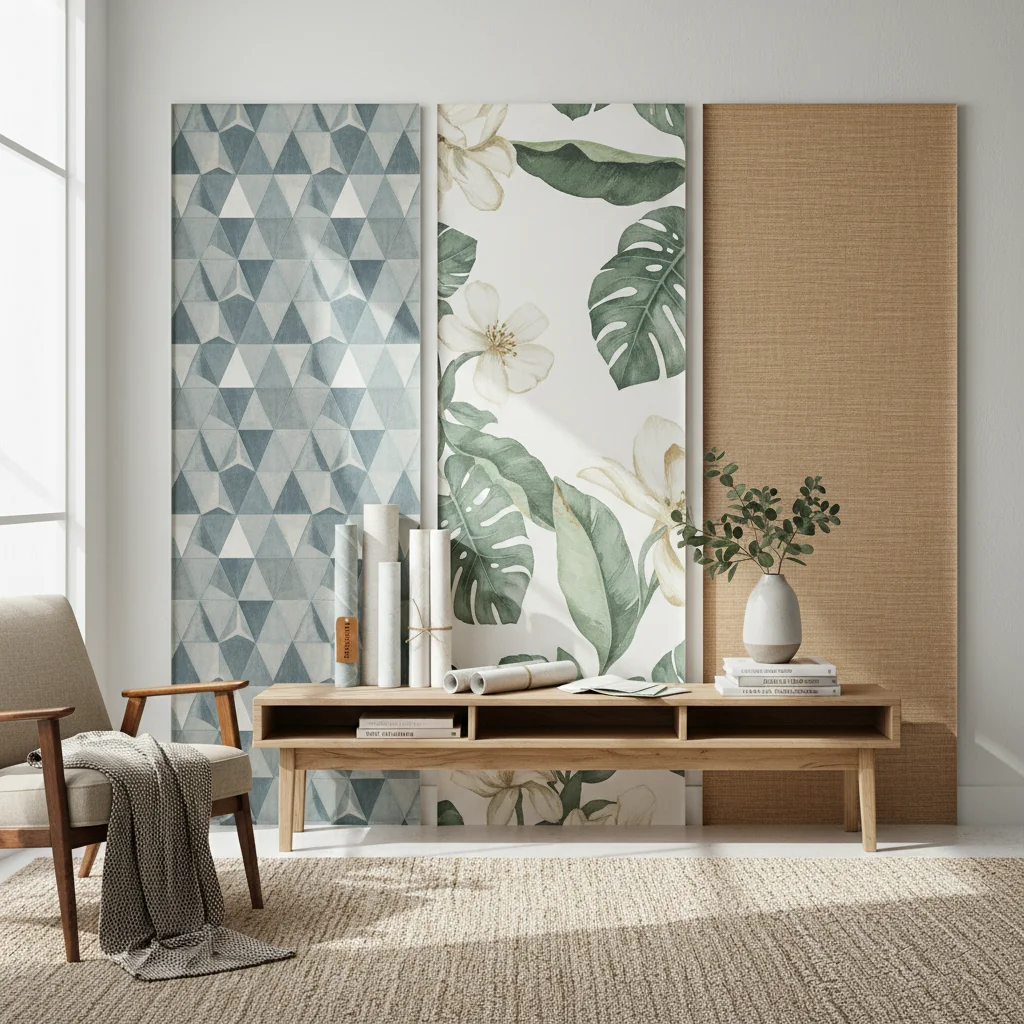
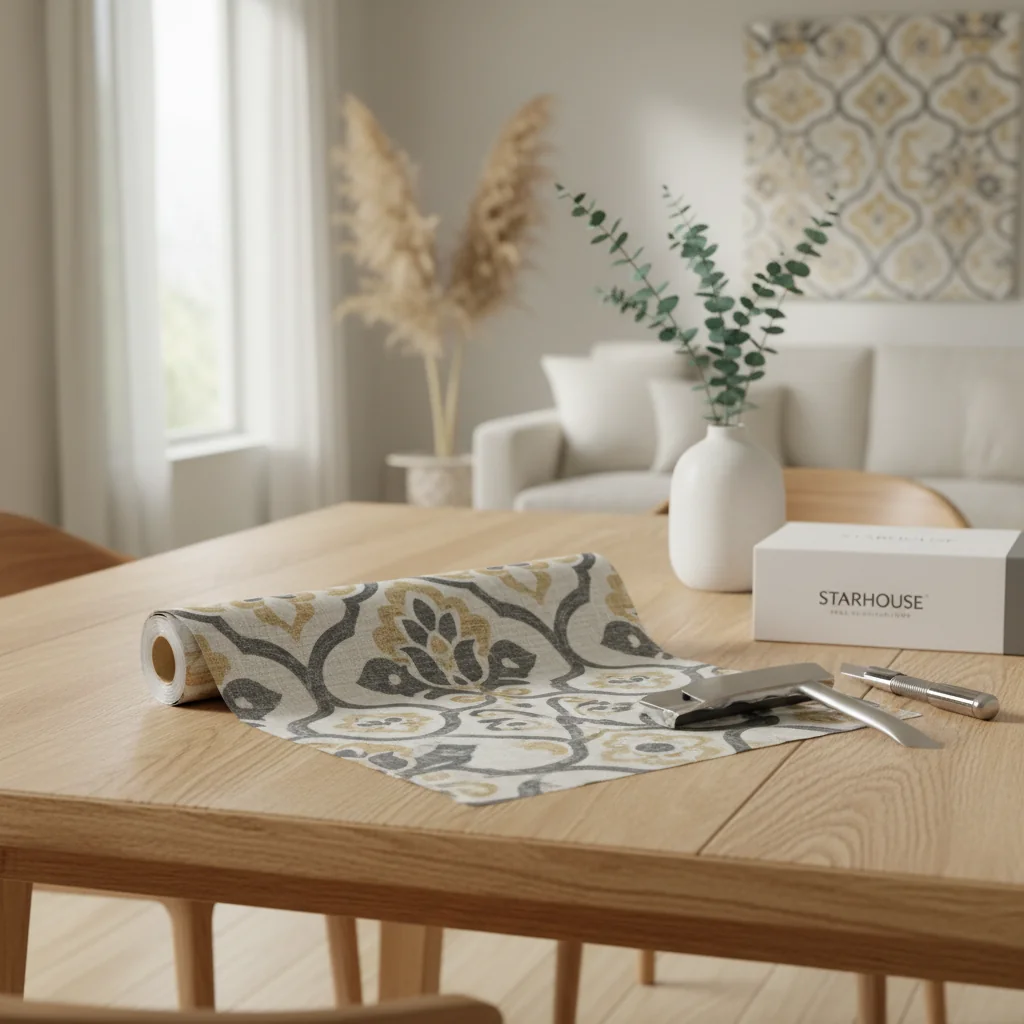
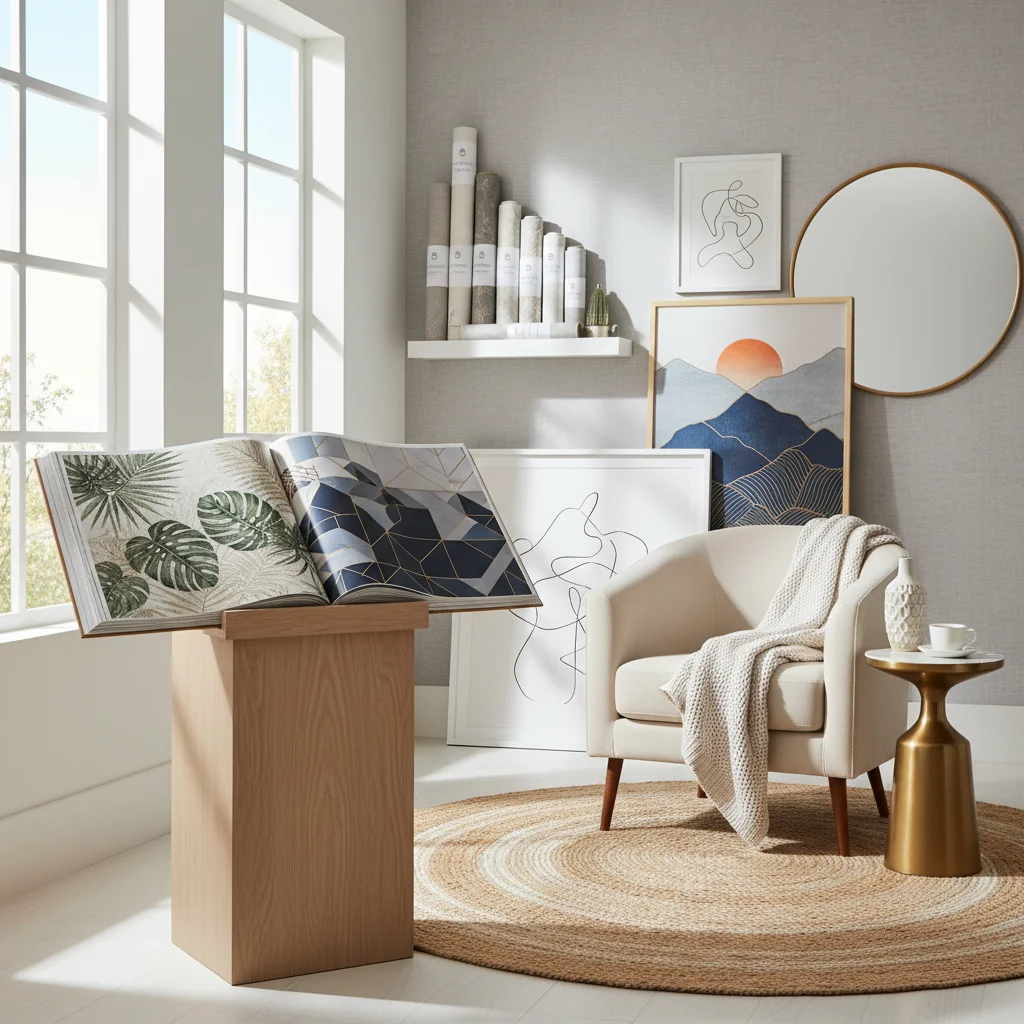
Floral wallpaper, a design element renowned for its timeless beauty and transformative power, transcends mere decoration to become a definitive statement in interior design. It is a wallcovering adorned with patterns inspired by botanical elements, ranging from delicate blossoms and intricate vines to bold, stylized foliage, designed to infuse a space with character, depth, and a connection to nature. This comprehensive guide from Starhouse delves into every facet of floral wallpaper, providing precise insights into its types, materials, measurement, installation, and sophisticated styling to ensure your selection is both informed and inspiring.
Key Takeaways
- Floral wallpaper offers unparalleled versatility, with styles ranging from classic botanical prints to contemporary abstract designs, suitable for diverse aesthetic preferences.
- Material selection, including non-woven, vinyl, and natural fibers, directly impacts durability, washability, and ease of installation, dictating suitability for various room environments.
- Accurate measurement and understanding pattern repeat are critical steps for successful installation, minimizing waste and ensuring seamless visual continuity.
- Both peel-and-stick and traditional paste methods offer distinct advantages; the choice depends on installation permanence, surface type, and DIY comfort level.
- Strategic styling, considering scale, color palette, and complementary furnishings, is essential to integrate floral wallpaper harmoniously within a room’s overall design narrative.
- Proper care, tailored to the wallpaper’s material, extends its longevity and maintains its aesthetic appeal, preventing common issues like fading or damage.
The Enduring Appeal of Floral Wallpaper: A Design Foundation
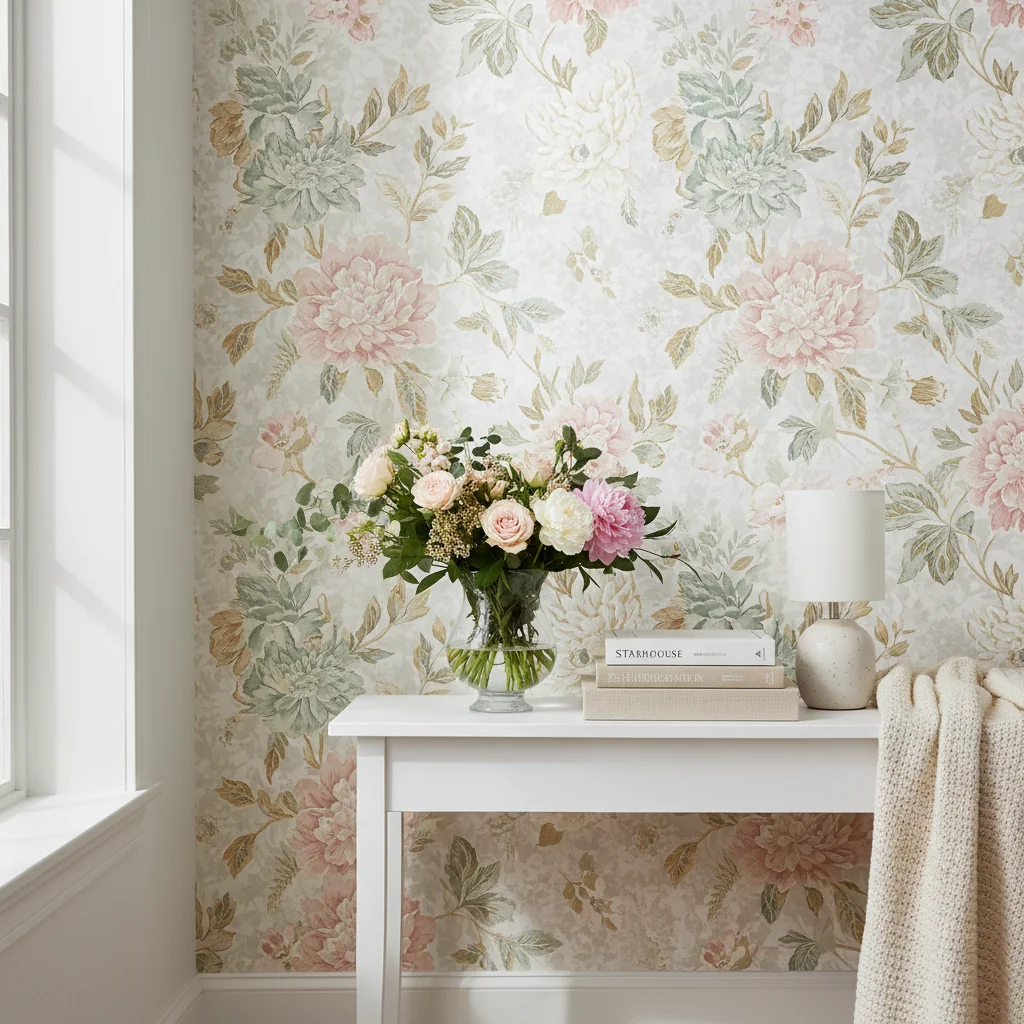
Floral wallpaper, a quintessential element in interior design, consistently captivates with its ability to imbue spaces with natural beauty, intricate detail, and a profound sense of character. Its enduring appeal stems from a rich historical lineage coupled with continuous innovation in design and material science, making it a versatile choice for contemporary interiors.
Historically, floral motifs have graced walls for centuries, evolving from hand-painted tapestries in grand estates to block-printed papers in more modest homes. The 18th and 19th centuries saw a boom in floral patterns, often reflecting botanical expeditions and horticultural fascinations, establishing them as symbols of elegance and refinement. Today, advancements in digital printing and material technology allow for unprecedented detail, color vibrancy, and textural diversity, ensuring floral wallpaper remains a relevant and dynamic choice for any design scheme.
Floral wallpaper is a wallcovering adorned with patterns inspired by botanical elements, such as flowers, leaves, vines, and other plant forms, designed to enhance the aesthetic and atmosphere of an interior space. These patterns can range from highly realistic depictions to stylized or abstract interpretations, offering a broad spectrum of visual effects.
The strategic deployment of floral wallpaper can achieve diverse design objectives. A delicate, small-scale floral print can create an intimate, romantic atmosphere in a bedroom, while a large-scale, dramatic botanical mural can serve as a striking focal point in a living room. Its capacity to introduce color, texture, and narrative into a room makes it an invaluable tool for designers and homeowners seeking to personalize and elevate their environments. The inherent connection to nature also fosters a sense of tranquility and well-being, aligning with contemporary biophilic design principles.
Understanding the fundamental types, materials, and applications of floral wallpaper is essential for making an informed selection that harmonizes with your home’s architecture and personal style. Starhouse emphasizes a precise approach to specifying wallcoverings, ensuring that each choice contributes to a cohesive and sophisticated interior narrative.
Decoding Floral Wallpaper: Types, Styles, and Aesthetic Impact
Decoding floral wallpaper involves understanding the distinct types and styles that exist, as each pattern carries a unique aesthetic impact capable of transforming a room’s mood and perceived dimensions. The choice of pattern scale, motif complexity, and artistic rendering directly influences the overall design outcome, from creating a serene sanctuary to a vibrant, energetic space.
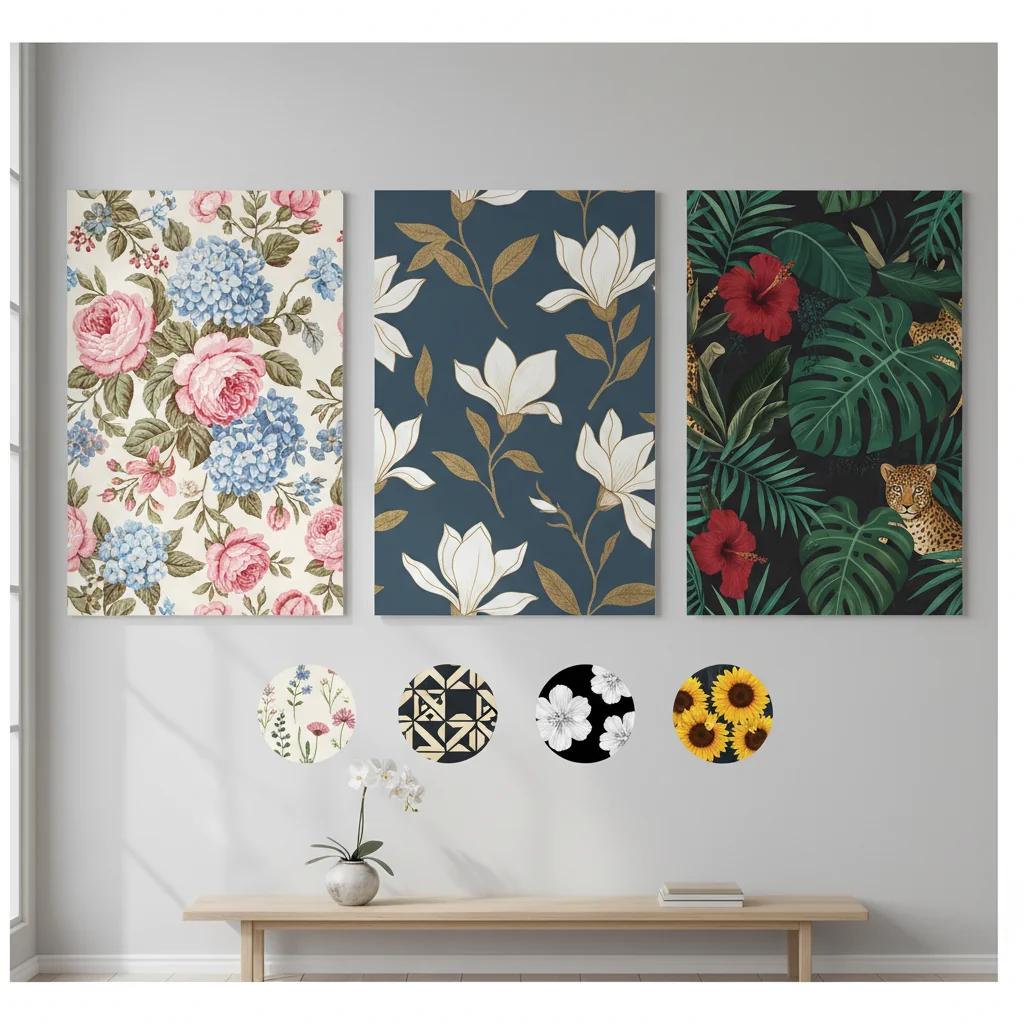
Floral wallpaper encompasses a broad spectrum of designs, each with its own historical context and contemporary application. Identifying these categories is crucial for selecting a pattern that aligns with your desired aesthetic and functional requirements.
Key Types of Floral Motifs and Their Characteristics:
- Botanical Prints: These designs feature realistic or highly detailed illustrations of specific plants, flowers, and foliage, often resembling scientific drawings or vintage botanical plates. They bring an authentic, educational, and often serene quality to a space, ideal for studies, sunrooms, or areas where a connection to natural history is desired.
- Chinoiserie: Originating from 17th-century European interpretations of Chinese and East Asian artistic traditions, Chinoiserie floral wallpapers typically depict exotic birds, pagodas, and intricate floral arrangements, often against a neutral or pastel background. These patterns are characterized by their delicate artistry, rich narrative, and luxurious, timeless appeal, frequently used in formal dining rooms or elegant bedrooms.
- Damask-Floral Hybrids: While traditional damask is a woven pattern featuring reversible motifs, wallpaper designs often incorporate damask-like structures with floral elements. These patterns are typically symmetrical, large-scale, and formal, lending a classic and opulent feel to interiors. They are particularly effective in spaces requiring a sense of grandeur, such as formal living rooms or entryways.
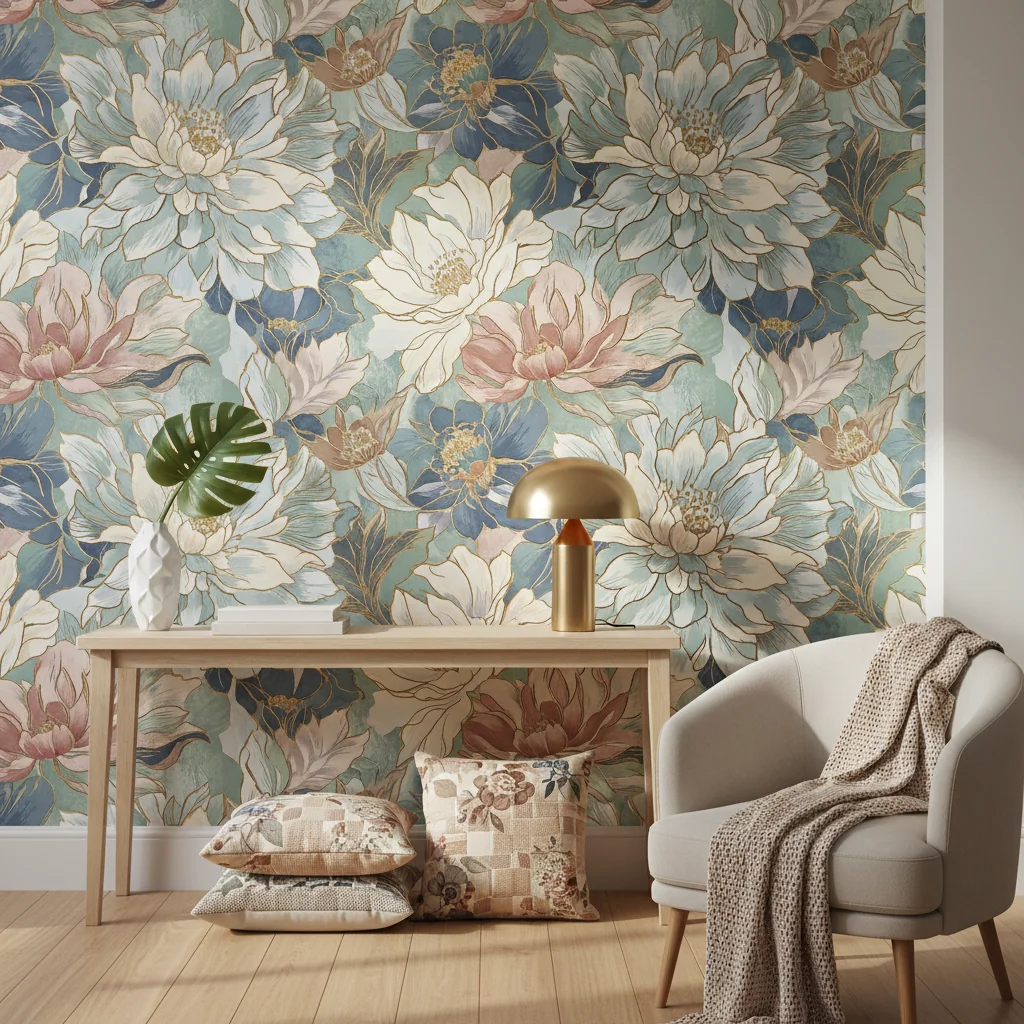
- Abstract Floral: Moving beyond literal representation, abstract floral wallpapers interpret botanical forms through color, shape, and texture, often with a modern, artistic sensibility. These designs can be highly graphic, painterly, or minimalist, offering a contemporary edge and flexibility in styling for modern, eclectic, or even industrial interiors.
- Vintage/Retro Floral: Drawing inspiration from past decades, these patterns feature styles reminiscent of the Art Nouveau period (organic, flowing lines), the mid-century modern era (stylized, geometric florals), or the vibrant, large-scale prints of the 1970s. They evoke nostalgia and character, perfect for creating a themed room or adding an unexpected, playful element.
Understanding Pattern Scale and Its Impact:
The scale of a floral pattern significantly influences how a room feels and is perceived. Precision in selecting the appropriate scale is paramount for achieving the desired visual effect.
- Large-Scale Patterns: Featuring oversized flowers or expansive botanical scenes, large-scale patterns make a dramatic statement. They work best in larger rooms or on accent walls where they can be fully appreciated without overwhelming the space. In smaller rooms, a large-scale pattern can paradoxically make the room feel more expansive by blurring its boundaries, but this requires careful consideration of the pattern’s density.
- Small-Scale Patterns: Delicate and intricate, small-scale florals create a sense of intimacy and coziness. They are ideal for powder rooms, hallways, or entire rooms where a subtle, repetitive texture is desired. These patterns are less demanding on the eye and can provide a calming backdrop without dominating the decor.
- Trailing Patterns: Characterized by vines, branches, or flowers that appear to climb or cascade, trailing patterns introduce a sense of movement and organic flow. They can visually heighten ceilings or create a continuous, enveloping effect, particularly effective in traditional or cottage-style interiors.
- Scattered Patterns: Designs where floral motifs are dispersed across the background, often irregularly, offer a light and airy feel. These patterns are versatile and can be adapted to various styles, from whimsical nurseries to relaxed living areas, providing visual interest without heavy commitment.
The aesthetic impact of floral wallpaper extends beyond its visual characteristics to influence the psychological perception of a space. A wallpaper with a dense, rich floral pattern in deep jewel tones can create an atmosphere of opulence and drama, ideal for a formal dining room or a luxurious master bedroom. Conversely, a light, airy pattern with sparse florals on a pale background can evoke feelings of serenity and openness, perfectly suited for a relaxed living area or a bright sunroom.
Color choice also plays a decisive role. Monochromatic floral patterns offer a sophisticated, subtle texture, while multi-colored designs can introduce vibrancy and serve as a foundation for a room’s color palette. Starhouse curates floral wallpaper designs that reflect both classic elegance and contemporary innovation, ensuring that every pattern offers a distinct personality and measurable impact on your interior environment.
Materials and Construction: Understanding Durability and Application
Understanding the materials and construction of floral wallpaper is fundamental to selecting a product that not only achieves your desired aesthetic but also meets practical requirements for durability, washability, and ease of installation. Each material type possesses distinct characteristics that dictate its suitability for specific environments and applications, directly impacting the longevity and maintenance of the wallcovering.
The composition of wallpaper influences everything from its texture and sheen to its resistance to moisture and abrasion. Precise material specification is crucial for ensuring optimal performance in areas such as bathrooms, kitchens, or high-traffic hallways.
Common Wallpaper Materials and Their Properties:
The selection of wallpaper material is a critical decision that balances aesthetic appeal with functional requirements.
| Material Type | Durability | Washability | Application Method | Best Use Cases | Approx. Price Range (per single roll) |
|---|---|---|---|---|---|
| Non-Woven | High; tear-resistant, dimensionally stable. | Good; typically wipeable with a damp cloth. | Paste-the-wall; easy to remove dry. | Living rooms, bedrooms, hallways; versatile. | $40 – $150 |
| Solid Sheet Vinyl | Very High; highly resistant to scratches and moisture. | Excellent; scrubbable with mild detergent. | Paste-the-paper or pre-pasted. | Bathrooms, kitchens, laundry rooms, high-traffic areas. | $30 – $100 |
| Fabric-Backed Vinyl | Extremely High; commercial-grade durability. | Excellent; scrubbable. | Paste-the-wall or paste-the-paper; professional installation often recommended. | Commercial spaces, very high-traffic residential areas. | $50 – $200+ |
| Paper (Traditional) | Moderate; less durable than vinyl or non-woven, prone to tearing. | Low; typically not washable, delicate. | Paste-the-paper; can be challenging to remove. | Low-traffic areas, formal living rooms, bedrooms (for delicate aesthetics). | $20 – $80 |
| Grasscloth/Natural Fibers | Moderate to High; durable but can be delicate to clean. | Low; not washable, spot clean only with extreme care. | Paste-the-paper; professional installation recommended. | Feature walls, formal living rooms, dining rooms (for texture and warmth). | $80 – $300+ |
| Fabric (Textile) | Moderate to High; depends on fabric type, can be delicate. | Low; typically spot clean only, not washable. | Paste-the-wall; professional installation recommended. | Luxury spaces, accent walls, bedrooms (for softness and acoustic properties). | $100 – $400+ |
In-Depth Material Overview:
- Non-Woven Wallpaper: Non-woven wallpaper is a modern wallcovering material composed of a blend of natural and synthetic fibers, making it exceptionally durable, breathable, and easy to install and remove. This material is increasingly popular due to its dimensional stability, meaning it resists shrinking and expanding when wet, which greatly simplifies installation using the “paste-the-wall” method. It is also highly tear-resistant and typically strippable dry, allowing for clean removal without damaging the wall surface. Non-woven wallpapers are generally washable with a damp cloth, making them suitable for most rooms, including living areas, bedrooms, and even light-use kitchens.
-
Vinyl Wallpaper: Vinyl wallpapers are renowned for their superior durability and moisture resistance, making them ideal for high-humidity environments and high-traffic areas. They come in two primary forms:
- Solid Sheet Vinyl: This type features a solid layer of vinyl laminated to a paper or fabric backing. It is highly scrubbable and resistant to stains, making it an excellent choice for bathrooms, kitchens, and children’s rooms. However, its non-breathable nature can sometimes trap moisture, potentially leading to mildew if not properly installed in very humid conditions.
- Fabric-Backed Vinyl: Often considered commercial grade, this wallpaper consists of a vinyl layer bonded to a sturdy fabric backing. It offers exceptional durability, making it suitable for heavy-traffic residential areas or commercial applications. Installation can be more demanding due to its weight and rigidity, often requiring professional expertise.
- Paper (Traditional) Wallpaper: Traditional paper wallpaper consists of printed paper with no vinyl coating. It offers a classic, matte finish and is generally more affordable. However, it is the least durable option, prone to tearing when wet during installation and not typically washable. Paper wallpapers are best suited for low-traffic areas and formal rooms where their delicate aesthetic can be appreciated without risk of damage. They require careful handling during installation and are usually removed by soaking and scraping.
-
Grasscloth and Natural Fiber Wallcoverings: These materials are crafted from woven natural fibers such as grass, jute, sisal, or bamboo, laminated to a paper backing. They introduce organic texture, warmth, and a unique, artisanal quality to a space. Grasscloth is distinctively non-uniform; slight variations in color and texture between panels are inherent to its natural composition, which is part of its charm. While durable, these materials are not washable and require delicate spot cleaning. Installation can be challenging, particularly matching patterns, and professional application is often recommended.
The inherent variations in natural fibers, such as those found in grasscloth, highlight the importance of material standards. The National Institute of Standards and Technology (NIST) plays a crucial role in developing and promoting measurement standards and technologies, which, while not directly regulating wallpaper, inform the consistency and quality control processes within manufacturing industries, including those that produce raw materials for wallcoverings. This ensures that even natural products meet certain specifications for dimensional stability and composition.
- Fabric (Textile) Wallcoverings: These luxurious options feature fabrics like silk, linen, or cotton adhered to a paper backing. Fabric wallcoverings offer exceptional softness, depth, and acoustic benefits, creating an opulent and inviting atmosphere. They are typically expensive and require professional installation due to their delicate nature and weight. Cleaning is usually limited to gentle vacuuming or professional dry cleaning for stains, as they are not washable.
When selecting floral wallpaper, consider the specific demands of the room. A high-moisture bathroom necessitates a vinyl option, while a formal dining room might benefit from the textural richness of grasscloth or the classic elegance of a non-woven print. Starhouse provides detailed material specifications for all its wallcoverings, empowering you to make a choice that is both beautiful and functionally appropriate for your home.
Precision in Planning: Sizing, Measuring, and Pattern Repeat
Precision in planning, encompassing accurate sizing, meticulous measuring, and a thorough understanding of pattern repeat, is the most critical phase of any wallpaper project. Inaccurate measurements or a miscalculation of pattern repeat can lead to significant material waste, visible seams, and an unprofessional finish, directly impacting the aesthetic integrity of your installation.
Before purchasing any floral wallpaper, it is imperative to calculate the exact quantity of rolls required. This process involves precise room measurements and an informed understanding of how the chosen pattern’s repeat affects material usage.
Step-by-Step Guide to Measuring Your Room:
Adhering to a systematic measurement process minimizes errors and ensures an adequate supply of wallpaper.
- Measure Wall Height: Measure from the top of the baseboard to the ceiling at several points around the room. Use the highest measurement for all cuts to accommodate any slight variations in ceiling or floor levels. Add 4-6 inches to this height for trimming at the top and bottom of each strip.
- Measure Wall Width: Measure the total linear feet of all walls you intend to cover. Do not deduct for windows or doors at this stage; these will be accounted for later in the roll calculation, but it is important to have the full wall area initially.
- Calculate Total Square Footage: Multiply the total wall height (including the 4-6 inch trim allowance) by the total linear width of the walls. This provides the total square footage to be covered.
- Account for Openings: Measure the height and width of all windows, doors, and other large openings. Calculate their individual square footage and subtract this from the total wall square footage. For very small openings (e.g., a single light switch), do not deduct, as the waste generated by cutting around them often equals the material saved.
Understanding Wallpaper Rolls and Coverage:
Wallpaper is typically sold in single or double rolls, though many manufacturers now list coverage per roll in square feet. A standard single roll in the U.S. generally measures 20.5 inches wide by 16.5 feet long, covering approximately 28 square feet. A double roll is usually 20.5 inches wide by 33 feet long, covering approximately 56 square feet. Always verify the specific dimensions and coverage area listed by the manufacturer, as these can vary significantly.
Mastering Pattern Repeat:
Pattern repeat is the vertical distance on a roll of wallpaper between the identical points of the design, indicating how often the pattern repeats itself. This measurement is crucial for ensuring that adjacent strips of wallpaper align seamlessly, creating a continuous and aesthetically pleasing design across your wall. The pattern repeat length must be factored into your material calculation to avoid running short.
There are three primary types of pattern repeats:
- Straight Match: In a straight match, the design elements at both horizontal edges of the wallpaper strip align exactly at the same height. Every strip cut from the roll will start at the same point in the pattern repeat, making it the easiest type to install, though it can generate more waste.
- Drop Match: A drop match pattern requires alternating strips to be dropped (offset) by a specific distance, typically half the pattern repeat. This creates a diagonal or staggered effect in the pattern. Drop matches are more complex to install and generally result in more waste due to the necessary alignment adjustments. Common drop match types include half-drop and multiple-drop.
- Random Match (Free Match): This type of wallpaper has no discernible pattern repeat, or the pattern is so subtle that strips can be hung without needing to align. This is the most forgiving type of wallpaper to install and produces the least waste, as you can cut strips consecutively from the roll.
Calculating Rolls Needed with Pattern Repeat:
To accurately determine the number of rolls, you must integrate the pattern repeat into your calculations. For straight or drop match patterns, add the pattern repeat length to your measured wall height for each strip. This accounts for the material needed to align the pattern across strips.
A common method for estimating is to use an online wallpaper calculator, which inputs your wall dimensions and the pattern repeat to provide an estimated number of rolls. However, it is always prudent to manually verify these calculations and purchase one extra roll for potential errors, future repairs, or pattern alignment challenges. This reserve roll, often referred to as an “attic stock,” is a standard professional practice.
For instance, if your wall height is 8 feet and your pattern repeat is 24 inches (2 feet), each strip will effectively require 10 feet of material for cutting and alignment. If a double roll yields 33 feet of usable length, it would produce approximately three strips. This meticulous approach to measurement and pattern alignment ensures a professional, high-quality finish for your floral wallpaper installation, a standard of excellence Starhouse consistently upholds.
Installation Mastery: Peel-and-Stick vs. Traditional Methods
Achieving installation mastery for floral wallpaper involves a clear understanding of the two primary methods—peel-and-stick and traditional paste—and selecting the technique best suited for your project’s permanence, surface type, and skill level. Each method presents distinct advantages and considerations regarding preparation, application, and removal, directly influencing the final appearance and longevity of your wallcovering.
The choice between peel-and-stick and traditional wallpaper dictates the entire installation process, from initial surface preparation to the tools required and the effort involved in future removal. Accurate selection ensures a smoother application and a more satisfying outcome.
Peel-and-Stick Wallpaper: Simplicity and Versatility
Peel-and-stick wallpaper, also known as self-adhesive or removable wallpaper, is a revolutionary product featuring an adhesive backing protected by a release liner. This type of wallpaper is designed for ease of application and removal, making it an ideal solution for DIY enthusiasts, renters, or those who frequently update their decor.
- Advantages:
- Ease of Installation: No separate adhesive is required; simply peel off the backing and apply. This significantly reduces installation time and mess.
- Removability: Designed to be easily removed without damaging the wall surface or leaving sticky residue, making it perfect for temporary decor or leased properties.
- Repositionable: Most peel-and-stick products allow for repositioning during installation, which is forgiving for beginners attempting to align patterns.
- Clean Application: Eliminates the need for paste tables, water trays, and extensive cleanup.
- Disadvantages:
- Surface Sensitivity: Requires a smooth, clean, and properly primed wall surface for optimal adhesion. Textured walls or those with flat paint may not provide sufficient grip.
- Durability: While many modern peel-and-stick options are quite durable, some may not withstand heavy scrubbing as effectively as traditional vinyl wallpapers.
- Cost: Can sometimes be more expensive per square foot than traditional options.
- Application Tips:
- Thoroughly clean and dry your walls. Prime with a quality primer, especially over fresh paint or porous surfaces, and allow it to cure completely (typically 3-7 days).
- Measure and cut strips slightly longer than needed, accounting for pattern repeat.
- Start at a plumb line (a perfectly vertical line) drawn on the wall to ensure straight application.
- Peel back only a few inches of the liner at a time, smoothing the wallpaper onto the wall with a squeegee or smoothing tool, working from the center outwards to push out air bubbles.
- Overlap adjacent strips by about 1/16 to 1/8 inch, then use a sharp utility knife and straightedge to create a clean double-cut seam if desired, or butt-join for an almost invisible seam.
Traditional Paste-Applied Wallpaper: Durability and Professional Finish
Traditional wallpaper, which includes non-woven, paper, fabric-backed vinyl, and natural fiber options, requires the application of a separate adhesive (paste) to either the wallpaper backing (“paste-the-paper”) or directly to the wall (“paste-the-wall”). This method typically results in a more permanent and robust installation.
- Advantages:
- Durability: Generally more robust and long-lasting, especially vinyl and non-woven varieties, which can withstand rigorous cleaning.
- Versatility of Materials: Offers a wider range of textures, finishes, and material compositions, including luxurious natural fibers.
- Professional Finish: When installed correctly, traditional wallpaper provides a seamless, high-end appearance that can last for decades.
- Adhesion: Adheres strongly to properly prepared surfaces, even slightly imperfect ones, offering a more forgiving application on older walls.
- Disadvantages:
- Installation Complexity: Requires more tools, preparation, and skill, including working with paste, booking (for paste-the-paper), and precise trimming.
- Messier Process: Involves paste, water, and often a paste table, leading to a more involved cleanup.
- Removal: Can be more challenging to remove, often requiring soaking, steaming, or specialized strippers, depending on the material and adhesive used.
- Application Tips:
- Walls must be clean, smooth, and primed with a wallpaper-specific primer to ensure good adhesion and easier future removal.
- For “paste-the-paper” types, cut strips to length, apply paste evenly, and “book” (fold paste-to-paste) for a specific time to allow the paper to relax before hanging.
- For “paste-the-wall” (common for non-woven), apply paste directly to the wall section where the strip will be hung.
- Use a plumb line for the first strip to ensure vertical alignment. Smooth out air bubbles with a wallpaper brush or plastic smoother.
- Trim excess at the ceiling and baseboard with a sharp utility knife and straightedge.
- When utilizing traditional paste-applied wallpapers, particularly those involving solvent-based adhesives, ensuring adequate ventilation is paramount to mitigate exposure to volatile organic compounds (VOCs). The Occupational Safety and Health Administration (OSHA) provides comprehensive guidelines on maintaining safe air quality and managing chemical hazards in various environments, which apply to professional installations and recommend precautions for DIY enthusiasts.
Regardless of the method chosen, careful surface preparation is non-negotiable. Walls should be clean, dry, smooth, and primed. Any imperfections will be magnified once the wallpaper is applied. Starhouse recommends investing in quality tools and, for complex installations or high-value materials, considering professional installation to guarantee a flawless finish.
Curating Your Space: Styling and Pairing Floral Wallpaper
Curating your space with floral wallpaper involves a thoughtful approach to styling and pairing it with furnishings and decor, transforming it from a mere background into a foundational element of your interior narrative. The strategic integration of floral patterns can either create a harmonious, cohesive environment or introduce a captivating contrast that defines the room’s character.
The success of floral wallpaper in a design scheme hinges on its interaction with other elements, including color palettes, furniture styles, textures, and lighting. A precise understanding of these relationships allows for the creation of a balanced and sophisticated interior.
Defining the Room’s Mood and Function:
Before selecting a floral pattern, consider the intended mood and function of the room. A delicate, muted floral can enhance a serene bedroom, while a vibrant, large-scale botanical might invigorate a dining room. The pattern’s scale and color palette are primary determinants of the emotional response it evokes.
- Romantic & Serene: Opt for small-scale, soft-hued florals (e.g., watercolor botanicals, chintz) in bedrooms or nurseries. Pair with plush textiles, antique furniture, and gentle lighting.
- Dramatic & Bold: Choose large-scale, dark-background florals or vibrant tropical prints for dining rooms, living rooms, or powder rooms. Complement with metallic accents, contemporary furniture, and strategic task lighting.
- Classic & Elegant: Traditional damask-floral patterns or Chinoiserie designs in refined colorways suit formal living areas or studies. Integrate with polished wood furniture, tailored upholstery, and classic art.
- Modern & Eclectic: Abstract florals or geometric-floral patterns in unexpected color combinations can anchor a contemporary space. Mix with minimalist furniture, industrial accents, and avant-garde lighting.
Color Harmony and Contrast:
The color palette of your floral wallpaper provides a roadmap for the rest of your room’s decor. You can either pull colors directly from the wallpaper for a cohesive look or introduce complementary or contrasting hues for visual interest.
- Cohesive Palette: Select accent colors for furniture, textiles, and accessories directly from the floral pattern. This creates a visually unified and calming effect, allowing the wallpaper to be the dominant feature.
- Complementary Contrast: Introduce colors that are opposite on the color wheel to those in the wallpaper. For example, a wallpaper with dominant green foliage could be paired with accents of deep plum or fuchsia for a lively, sophisticated contrast.
- Neutral Grounding: If your floral wallpaper is bold, ground the room with neutral furniture (grays, creams, whites, natural wood tones). This allows the wallpaper to pop without overwhelming the space, providing a sophisticated balance.
Furniture and Textile Integration:
The style and texture of your furnishings should either complement or thoughtfully contrast with the floral wallpaper.
- Scale and Form: If your wallpaper has a large, busy pattern, opt for simpler, streamlined furniture pieces to avoid visual clutter. Conversely, a subtle floral can support more ornate or textured furniture.
- Texture Play: Introduce varying textures to add depth. A smooth, glossy floral wallpaper could be paired with velvet upholstery, rough linen drapes, or a chunky knit throw. Natural materials like wood, rattan, and leather also provide grounding textures against delicate florals.
- Pattern Mixing: While challenging, mixing patterns can be highly effective. Pair a floral wallpaper with geometric pillows, striped rugs, or subtle abstract art. The key is to vary the scale of the patterns and ensure a unifying color palette or a strong neutral to tie them together.
Lighting and Accessories:
Lighting plays a crucial role in highlighting the beauty of floral wallpaper, while accessories provide the finishing touches.
- Strategic Lighting: Wall sconces or picture lights can illuminate intricate floral patterns, drawing attention to their details. Natural light will reveal the wallpaper’s true colors and textures throughout the day.
- Mirrors: A well-placed mirror can reflect a beautiful floral wallpaper pattern, effectively doubling its impact and making a room feel larger and brighter.
- Artwork: When hanging art on floral wallpaper, choose pieces that are either very simple (e.g., minimalist line art, abstract blocks of color) or those that echo a specific color or motif from the wallpaper without competing with it. Consider floating frames or clear acrylic frames to allow the wallpaper to show through.
- Greenery: Embrace the biophilic connection by incorporating live plants that complement the botanical theme of your wallpaper. This enhances the natural aesthetic and adds another layer of texture and life.
Starhouse advocates for a deliberate and measured approach to styling, ensuring that every element, from the grandest sofa to the smallest accessory, contributes to a cohesive and aspirational design narrative alongside your chosen floral wallpaper.
Longevity and Luster: Care, Maintenance, and Common Pitfalls
Ensuring the longevity and maintaining the luster of your floral wallpaper requires adherence to specific care and maintenance practices tailored to its material composition. Proper upkeep not only preserves the aesthetic appeal of your investment but also prevents common issues such as fading, staining, and damage, securing its place as a beautiful and enduring feature in your home.
Just as with any fine furnishing, understanding the specific care requirements of your wallpaper material is paramount. Neglecting these details can significantly shorten its lifespan and compromise its visual integrity.
General Care Guidelines by Material Type:
The cleaning method for floral wallpaper is directly dependent on its material. Always refer to the manufacturer’s specific instructions, typically found on the roll’s label.
- Non-Woven Wallpaper: Generally “wipeable” or “washable.” Use a soft, damp cloth or sponge with a mild, non-abrasive soap (like diluted dish soap). Avoid excessive scrubbing or harsh chemicals. Rinse with a clean, damp cloth and pat dry immediately to prevent water spots.
- Vinyl Wallpaper (Solid Sheet & Fabric-Backed): Highly durable and often “scrubbable.” These can withstand more rigorous cleaning. Use a soft brush or sponge with a mild detergent solution. Rinse thoroughly and wipe dry. For stubborn stains, a diluted all-purpose cleaner may be used, but always test in an inconspicuous area first.
- Paper (Traditional) Wallpaper: Typically “non-washable” or “delicate.” Avoid water and liquid cleaners entirely. For dust, use a soft, dry cloth or a duster. For light marks, a kneaded eraser can sometimes be used with extreme gentleness. Any liquid contact can cause staining, bubbling, or tearing.
- Grasscloth/Natural Fibers: “Non-washable” and extremely delicate. Vacuum gently with a brush attachment to remove dust. For spills, blot immediately with a clean, dry cloth; do not rub. Liquid cleaning is generally not recommended as it can cause discoloration, watermarks, or damage to the natural fibers. Professional cleaning may be an option for significant issues.
- Fabric (Textile) Wallcoverings: “Non-washable” or “delicate.” Vacuum with a soft brush attachment. For stains, consult a professional textile cleaner. Avoid liquid cleaners, which can cause watermarks or fabric damage.
Preventing Common Issues:
Proactive measures can significantly extend the life and beauty of your floral wallpaper.
- Fading: Direct, prolonged exposure to sunlight can cause wallpaper colors to fade over time, particularly with natural dyes or certain pigment types. Consider UV-protective window treatments (sheer curtains, blinds) in rooms with abundant sunlight.
- Staining: Promptly address any spills or marks according to the material’s cleaning guidelines. For kitchens or bathrooms, consider a splashguard or a more durable, washable material around high-risk areas.
- Bubbling/Peeling Seams: These issues often arise from improper installation or insufficient adhesive. For small bubbles, a wallpaper syringe can inject a small amount of adhesive, then smooth with a roller. For peeling seams, use a seam roller and a small amount of seam adhesive. Ensure walls are properly primed before installation to prevent adhesion issues.
- Tears/Damage: For minor tears, carefully glue the torn piece back into place with a clear, strong adhesive. For larger damage, a patch cut from a leftover piece of wallpaper (ideally from the same dye lot) can be applied. Align the pattern precisely before cutting and adhering the patch.
Common Mistakes to Avoid:
Avoiding these common pitfalls will safeguard your wallpaper investment and maintain its pristine appearance.
- Using Harsh Chemicals: Abrasive cleaners, strong detergents, or solvents can strip colors, damage finishes, or degrade the material, especially on non-vinyl wallpapers. Always opt for the mildest possible cleaning solution.
- Over-Wetting: Excessive moisture, particularly on paper-backed or natural fiber wallpapers, can lead to bubbling, peeling, or permanent staining. Wring out cloths thoroughly and dry surfaces immediately.
- Ignoring Manufacturer Instructions: Each wallpaper product has specific care guidelines. Deviating from these can void warranties and cause irreversible damage.
- Skipping Primer: Proper priming creates a uniform surface for adhesion and makes future removal easier, preventing damage to drywall. Never skip this crucial step.
- Improper Storage of Leftovers: Keep any leftover rolls in their original packaging, stored vertically in a cool, dry place. This preserves them for future repairs, ensuring color and pattern consistency.
By adhering to these precise care and maintenance protocols, your floral wallpaper will continue to enhance your home with its beauty and character for many years. Starhouse emphasizes that informed care is an essential component of responsible home stewardship.
At Starhouse, we are meticulously curating a collection designed to inspire and transform your living spaces. We invite you to be part of this journey: tell us what you’re looking for in your ideal home space, and gain early access to our forthcoming selections. Share your vision with us today at starhouseusa.online.
Future Blooms: Emerging Trends in Floral Wallpaper Design
The landscape of floral wallpaper design is continually evolving, with emerging trends reflecting broader shifts in interior aesthetics, technological advancements, and a renewed appreciation for nature. These future blooms in design are characterized by innovative interpretations of classic motifs, unexpected color palettes, and a strong emphasis on sustainability and bespoke artistry, offering fresh possibilities for contemporary interiors.
Staying attuned to these trends enables designers and homeowners to integrate forward-thinking elements that keep spaces feeling current, sophisticated, and deeply personal.
Key Emerging Trends in Floral Wallpaper Design:
- Biophilic Maximalism: This trend embraces an abundance of natural elements, with floral wallpaper featuring dense, lush botanical prints that cover entire walls or even ceilings. It’s a celebration of nature in its most vibrant and immersive form, often incorporating diverse plant species, birds, and insects in rich, jewel-toned palettes. This approach seeks to blur the lines between indoor and outdoor spaces, fostering a profound connection to the natural world.
- Abstract and Impressionistic Florals: Moving away from literal representations, this trend features florals rendered in abstract or impressionistic styles. Designs often utilize painterly brushstrokes, blurred forms, and unconventional color combinations to evoke the essence of flowers rather than their precise depiction. This results in highly artistic and sophisticated wallcoverings that function as large-scale art pieces, suitable for modern and minimalist interiors seeking a touch of organic softness.
- Large-Scale Murals and Panoramas: Instead of repetitive patterns, floral wallpaper is increasingly being designed as expansive murals or panoramic scenes that cover an entire wall as a single, continuous image. These bespoke designs often depict serene garden landscapes, dramatic jungle scenes, or stylized floral arrangements, creating immersive focal points that transform a room into an experiential space. Digital printing technology facilitates the creation of these custom, high-resolution installations.
- Sustainable and Eco-Conscious Materials: A significant trend is the growing demand for floral wallpapers made from environmentally friendly materials. This includes wallpapers crafted from recycled content, FSC-certified paper, or natural fibers, and those printed with water-based inks free from VOCs. Consumers are increasingly prioritizing products that align with sustainable living principles, influencing manufacturers to develop more eco-conscious options without compromising design or durability.
- Dark Academia and Moody Botanicals: This aesthetic embraces deep, rich color palettes—think forest greens, deep blues, charcoal grays, and burgundy—as backdrops for intricate, often vintage-inspired floral patterns. These moody botanicals evoke a sense of heritage, mystery, and intellectualism, perfect for studies, libraries, or sophisticated living rooms. They often feature classic floral motifs with a contemporary, dramatic twist.
- “Ghost” Florals and Subtlety: At the opposite end of the spectrum from maximalism, “ghost” florals feature patterns that are incredibly subtle, often tone-on-tone or with a very low contrast between the motif and the background. These designs provide texture and depth without overwhelming the space, offering a sophisticated, understated elegance. They are ideal for creating a serene backdrop that allows other decor elements to shine, or for adding a delicate layer of interest in minimalist settings.
These emerging trends signify a dynamic future for floral wallpaper, positioning it not merely as a decorative accent but as a central design element capable of expressing intricate narratives and profound aesthetics. Starhouse is committed to curating collections that embody these forward-thinking trends, ensuring our offerings remain at the forefront of sophisticated interior design.
Sources
- Occupational Safety and Health Administration (OSHA)
- National Institute of Standards and Technology (NIST)
Frequently Asked Questions (FAQ)
What is the best type of floral wallpaper for high-humidity areas like bathrooms?
The best type of floral wallpaper for high-humidity areas like bathrooms is solid sheet vinyl or fabric-backed vinyl wallpaper because these materials are highly resistant to moisture, humidity, and easy to clean, preventing mildew and maintaining durability.
Can I install floral wallpaper over textured walls?
Installing floral wallpaper over textured walls is generally not recommended, as the texture will show through the wallpaper, diminishing its smooth appearance and potentially affecting adhesion, especially for peel-and-stick types. For optimal results, walls should be smoothed and primed before installation.
How do I choose the right scale of floral pattern for my room?
To choose the right scale of floral pattern, consider the size of your room: large-scale patterns work best in expansive rooms or as accent walls to make a dramatic statement, while small-scale, intricate patterns are ideal for creating intimacy in smaller spaces or for a subtle, cohesive backdrop.
Is peel-and-stick floral wallpaper truly removable without damaging walls?
Yes, peel-and-stick floral wallpaper is generally designed to be truly removable without damaging walls, provided the wall surface was properly prepared (clean, smooth, and primed) and the paint underneath is in good condition; however, results can vary based on paint quality and duration of application.
What is pattern repeat, and why is it important for wallpaper installation?
Pattern repeat is the vertical distance on a roll of wallpaper between the identical points of the design; it is crucial for installation because it dictates how much extra material is needed to align the pattern seamlessly across adjacent strips, preventing a disjointed appearance and minimizing visible seams.
How do I clean delicate floral wallpapers like grasscloth or traditional paper?
To clean delicate floral wallpapers like grasscloth or traditional paper, avoid liquid cleaners entirely; instead, use a soft, dry cloth or a vacuum with a brush attachment for dust, and for any marks on paper, a kneaded eraser can be gently applied, always testing in an inconspicuous area first.
Can I mix floral wallpaper with other patterns in the same room?
Yes, you can effectively mix floral wallpaper with other patterns in the same room by varying the scale of the patterns (e.g., large floral with small geometric), ensuring a cohesive color palette, and grounding the space with neutral elements to prevent visual clutter, creating a sophisticated and layered design.
Conclusion
Floral wallpaper, with its rich heritage and continuous evolution, stands as a powerful and versatile design tool capable of profoundly transforming any interior space. From the delicate charm of a botanical print to the dramatic statement of a large-scale mural, its capacity to infuse character, depth, and a connection to nature remains unparalleled. The precise selection of material, meticulous measurement, and thoughtful styling are not merely steps in a process but essential components in curating an environment that reflects both your aesthetic aspirations and functional needs.
At Starhouse, we are dedicated to providing the definitive guidance required to navigate the nuanced world of wallcoverings. We believe that an informed choice leads to an enduringly beautiful result, elevating your home into a sanctuary of sophisticated design. We have meticulously detailed the types, materials, installation techniques, and styling considerations to empower you with the knowledge to make an impeccable selection.
As Starhouse meticulously curates a collection designed to inspire and transform your living spaces, we invite you to be an integral part of this journey. Share your vision with us: tell us what you’re looking for in your ideal home space, and gain early access to our forthcoming selections. Your insights are invaluable as we shape an offering that truly resonates with discerning homeowners across the United States. Share your vision with us today at starhouseusa.online.