Updated: June 2026
Acoustic wall covering is a sophisticated interior design solution engineered to enhance sound quality within a space by absorbing excess sound waves, thereby reducing reverberation and echo. This specialized material goes beyond mere aesthetics, playing a crucial role in creating environments that are both visually appealing and acoustically comfortable, leveraging advanced material science to manage sound frequencies effectively within a room’s architectural envelope.
For discerning homeowners and design professionals across the United States, mastering the principles of acoustic design is paramount to crafting truly livable and functional spaces. At Starhouse, we understand that a harmonious home environment extends beyond visual appeal, encompassing sensory experiences that contribute to overall well-being. This comprehensive guide delves into the essential aspects of acoustic wall coverings, from their fundamental types and materials to precise selection, installation, and styling techniques, empowering you to transform your interiors into havens of tranquility and clarity.
Key Takeaways
- Acoustic wall coverings are engineered to absorb sound, reducing echo and reverberation, distinct from soundproofing which blocks sound transmission.
- Key performance metrics include Noise Reduction Coefficient (NRC) and Sound Absorption Average (SAA), indicating a material’s effectiveness at absorbing sound across various frequencies.
- Selecting the optimal acoustic solution requires evaluating room function, existing noise issues, desired aesthetic, and specific material properties like porosity, density, and thickness.
- Materials range from fabric-wrapped panels and specialized textiles to acoustic plasters and perforated wood, each offering unique aesthetic and performance characteristics.
- Proper installation and strategic placement are critical for maximizing acoustic performance, often requiring professional measurement and calculation of coverage.
- Modern trends emphasize sustainable materials, biophilic designs, and customizable solutions that seamlessly integrate functionality with sophisticated interior aesthetics.
Understanding Acoustic Wall Coverings: Beyond Aesthetics
Acoustic wall covering is a specialized material designed to absorb sound waves, reducing reverberation and echo within a space rather than merely blocking sound transmission. This distinction is crucial: while soundproofing aims to prevent sound from entering or leaving a room, acoustic absorption focuses on improving the sound quality *within* a room by mitigating reflections off hard surfaces.
The primary function of these coverings is to manage the internal soundscape, transforming overly lively or noisy rooms into comfortable, intelligible environments. In residential settings, this translates to clearer conversations, more immersive audio experiences in home theaters, and a general sense of calm in open-plan living areas. For commercial applications, the benefits extend to improved productivity in offices, enhanced privacy in meeting rooms, and a more pleasant dining experience in restaurants.
Defining Key Acoustic Metrics
To accurately assess the performance of acoustic wall coverings, two primary metrics are universally recognized and utilized by manufacturers and acousticians:
- Noise Reduction Coefficient (NRC): NRC is a single-number rating that represents the average sound absorption performance of a material. It ranges from 0.0 to 1.0, where 0.0 indicates perfect reflection (no absorption) and 1.0 indicates perfect absorption (no reflection). An NRC of 0.80, for instance, means the material absorbs 80% of the sound energy that strikes it. Higher NRC values signify greater sound absorption. This is a critical metric for comparing the effectiveness of different acoustic products.
- Sound Absorption Average (SAA): SAA is similar to NRC but is calculated using a slightly different methodology, averaging sound absorption coefficients at twelve one-third octave bands from 200 Hz to 2500 Hz. While NRC provides a good general indicator, SAA offers a more precise average of absorption coefficients across a broader range of frequencies. Both NRC and SAA are determined through standardized testing, such as those established by ASTM International, ensuring consistent and reliable performance data.
Understanding these metrics empowers consumers and designers to make informed decisions, aligning the acoustic needs of a space with the performance capabilities of the chosen wall covering. A common misconception is that any soft material will provide significant acoustic benefits; however, true acoustic wall coverings are engineered with specific densities, porosities, and thicknesses to target and absorb sound waves across a broad frequency spectrum effectively.
The strategic deployment of these materials can dramatically improve speech intelligibility, reduce background noise, and create a more serene atmosphere, making them an indispensable element in modern interior design.
The Science of Sound: How Acoustic Materials Work
Acoustic materials primarily work by converting sound energy into heat through friction within their porous structures, effectively reducing the amount of sound reflected back into a room. When sound waves encounter a hard, reflective surface like drywall or glass, they bounce off, creating echoes and reverberation. Acoustic wall coverings, by contrast, are designed with specific physical properties that intercept and dissipate this energy.
The effectiveness of an acoustic material is fundamentally linked to three key physical characteristics: porosity, density, and thickness. Porous materials, such as open-cell foams, fibrous panels, or woven textiles, contain numerous small air pockets. When sound waves penetrate these pockets, the air molecules within vibrate and rub against the material’s fibers, generating minuscule amounts of heat and thus converting acoustic energy into thermal energy. This process reduces the sound’s intensity.
Material Properties and Sound Frequency Absorption
- Porosity: The more interconnected pores a material possesses, the better it can absorb sound. Materials like felt, polyester fibers, and mineral wool are highly porous and excel at absorbing mid-to-high frequency sounds, which are common in human speech and everyday activities.
- Density: While porosity is crucial, density also plays a significant role. A material that is too dense might reflect more sound, while one that is too light might not have enough mass to effectively dissipate sound energy. The ideal density provides structural integrity while maintaining sufficient porosity for absorption.
- Thickness: Thicker acoustic materials generally perform better at absorbing lower frequency sounds. Lower frequencies have longer wavelengths, requiring more material depth to effectively trap and dissipate their energy. For instance, a thin acoustic wallpaper might effectively reduce high-frequency chatter, but a thicker acoustic panel would be necessary to mitigate deeper bass notes. The National Institute of Standards and Technology (NIST) has conducted extensive research into the absorption coefficients of various materials, demonstrating the direct correlation between thickness and low-frequency absorption.
The performance of acoustic materials is rigorously tested under standardized conditions to ensure reliability. ASTM International, a global leader in developing and delivering international voluntary consensus standards, specifies the methodologies for measuring sound absorption. For example, ASTM C423 details the standard test method for sound absorption and sound absorption coefficients by the reverberation room method. This standardization ensures that the NRC and SAA values provided by manufacturers are consistent and comparable, allowing designers to predict acoustic performance accurately.
By understanding these scientific principles, we can appreciate that acoustic wall coverings are not merely decorative but are engineered solutions. Their ability to interact with and transform sound waves is a testament to advanced material science, making them indispensable for creating interiors with superior auditory comfort.
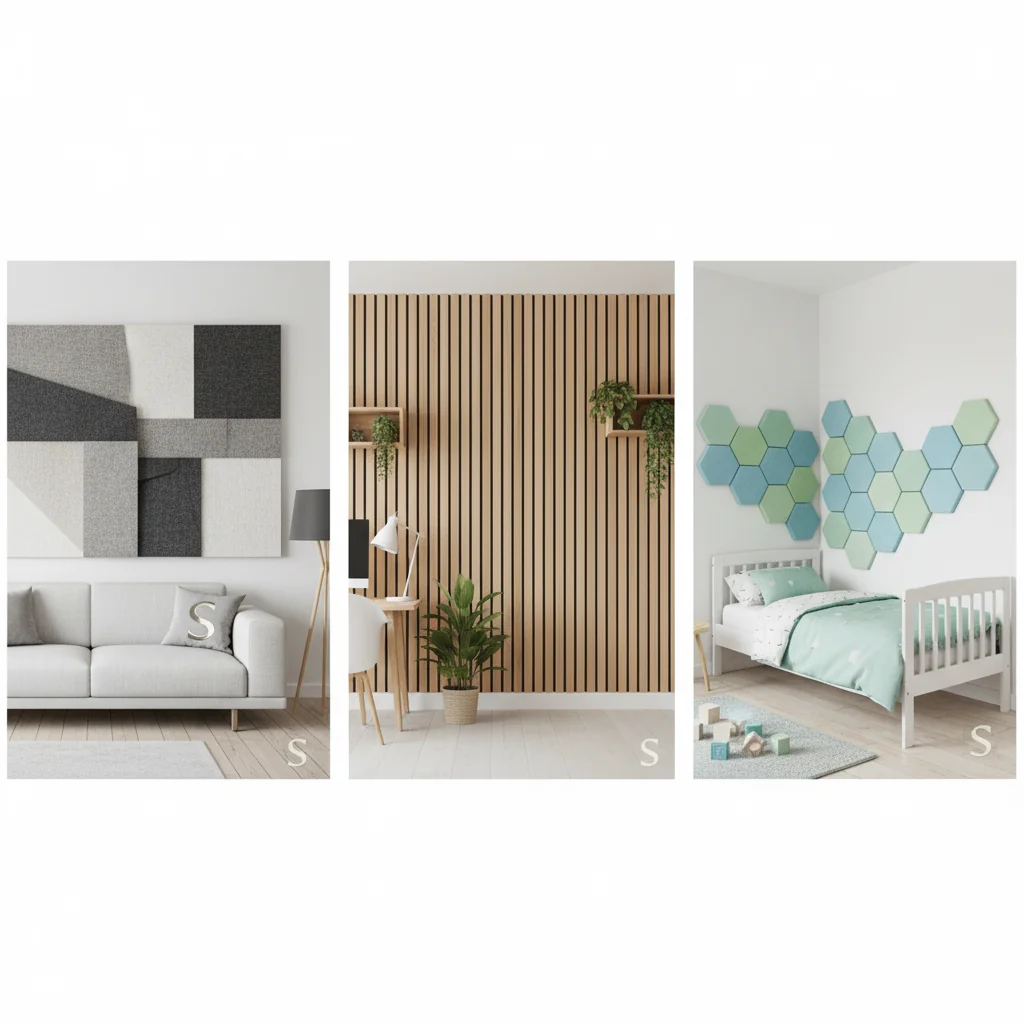
Types of Acoustic Wall Coverings: A Comprehensive Overview
Acoustic wall coverings encompass a diverse range of materials, each engineered with specific properties to mitigate noise and enhance sound quality within an interior environment. These solutions vary widely in their aesthetic appeal, performance characteristics, and installation requirements, providing tailored options for virtually any design brief.
The market offers an expansive selection, from functional panels designed for optimal sound absorption to integrated systems that blend seamlessly with high-end interior aesthetics. Understanding these categories is the first step toward selecting the ideal solution for your project.
Fabric-Wrapped Acoustic Panels
Fabric-wrapped panels are among the most common and versatile acoustic wall coverings. They consist of a rigid core (often fiberglass, mineral wool, or recycled PET felt) covered with an acoustically transparent fabric. The core material is highly porous, making these panels exceptionally effective at absorbing sound across a broad frequency range, particularly mid and high frequencies. They are available in a vast array of colors, textures, and sizes, allowing for significant design flexibility. Panels can be mounted directly to walls, suspended from ceilings, or integrated into custom architectural features. Their NRC ratings typically range from 0.60 to 1.00, depending on thickness and core material.
Acoustic Textile Wall Coverings
These coverings are essentially specialized wallpapers or wallcoverings made from sound-absorbent textiles such as felt, thick polyester, or natural wool. Unlike traditional wallpaper, they are designed with greater mass and fibrous structure to absorb sound rather than reflect it. They often come in rolls and can be adhered directly to wall surfaces. While generally offering lower NRC values than dedicated panels (typically 0.20-0.50), they provide a continuous, seamless aesthetic and are excellent for subtle acoustic improvements in residential spaces or offices where a high-performance panel might be visually intrusive. Their soft texture also adds a tactile dimension to interiors.
Perforated Wood or Metal Panels
Combining acoustic functionality with sophisticated aesthetics, perforated wood or metal panels feature an array of small holes or slots that allow sound waves to pass through to an absorbent backing material (like fiberglass or mineral wool). The perforations act as resonators, effectively trapping sound energy. These panels offer a sleek, modern, or even classic look, depending on the finish and pattern. They are particularly popular in commercial spaces, auditoriums, and high-end residential interiors where a refined, durable finish is desired. Their performance can vary significantly based on the perforation pattern and backing material, with NRCs ranging from 0.50 to 0.90.
Acoustic Plaster and Sprays
For a truly seamless and monolithic finish, acoustic plasters and sprays offer an elegant solution. These materials are applied directly to walls and ceilings, creating a smooth, textured, or even polished surface that absorbs sound. They are typically composed of mineral fibers or recycled paper pulp mixed with binders. Acoustic plaster is ideal for spaces where visual continuity is paramount and discrete acoustic treatment is preferred, such as museums, galleries, or luxury residences. While installation is more specialized, the result is an uninterrupted surface with excellent sound absorption properties, often achieving NRC values between 0.60 and 0.90.
Acoustic Art Panels and Tiles
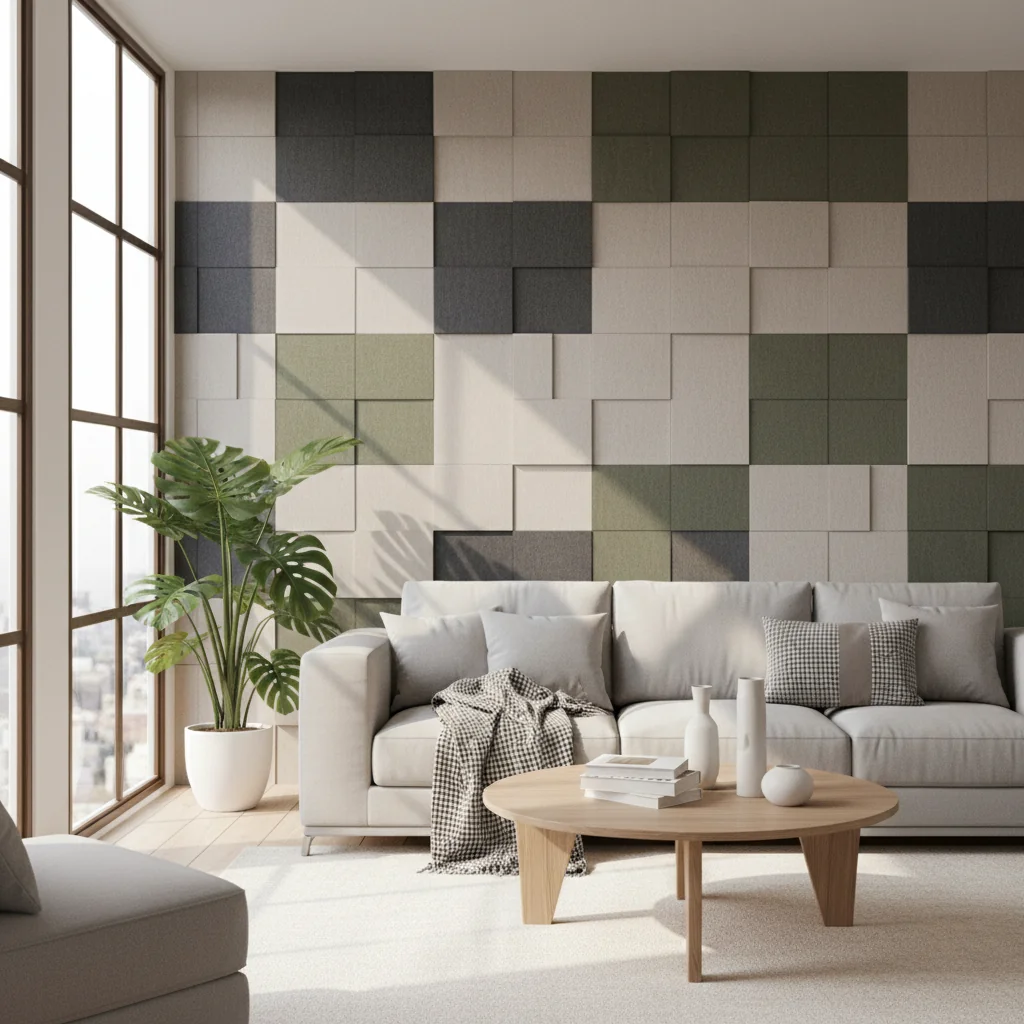
These are fabric-wrapped panels that double as decorative art. They can feature custom prints, abstract designs, or be arranged in geometric patterns to create visual interest. Acoustic tiles are smaller, modular versions that allow for creative arrangements and can be easily installed in specific areas where sound absorption is needed. They offer a highly customizable approach to acoustic treatment, blending art and function seamlessly. Their performance is similar to standard fabric-wrapped panels, with NRC ratings dependent on their construction.
Acoustic Moss Walls
An innovative and biophilic option, acoustic moss walls integrate preserved natural moss into panels or directly onto wall surfaces. The natural, porous structure of the moss, often combined with an absorbent backing, provides moderate sound absorption while introducing a striking natural element into the interior. These walls are maintenance-free, require no watering or sunlight, and contribute to a sense of calm and connection to nature. While their primary appeal is aesthetic and biophilic, they do offer measurable acoustic benefits, typically with NRC values around 0.30-0.40, making them suitable for enhancing comfort in residential or hospitality settings.
Comparison of Common Acoustic Wall Covering Types
To assist in your selection process, the following table outlines the key characteristics of popular acoustic wall covering types:
| Type | Primary Material | Typical NRC Range | Aesthetic Appeal | Ideal Application |
|---|---|---|---|---|
| Fabric-Wrapped Panels | Fiberglass, Mineral Wool, Recycled PET + Fabric | 0.60 – 1.00 | Versatile, customizable colors/textures, modern to traditional | Offices, home theaters, living rooms, studios, public spaces |
| Acoustic Textile Coverings | Felt, Polyester, Wool | 0.20 – 0.50 | Seamless, soft, textured, subtle design integration | Bedrooms, quiet living areas, residential studies, low-impact commercial |
| Perforated Wood/Metal Panels | Wood veneer, MDF, Aluminum, Steel + Absorbent Backing | 0.50 – 0.90 | Sleek, modern, architectural, high-end, durable | Auditoriums, conference rooms, high-traffic commercial, luxury residential |
| Acoustic Plaster/Sprays | Mineral Fibers, Paper Pulp, Binders | 0.60 – 0.90 | Seamless, monolithic, smooth or textured finish, minimalist | Museums, galleries, high-end residential, architectural spaces |
| Acoustic Art Panels/Tiles | Fiberglass, Recycled PET + Fabric (often printed) | 0.60 – 0.95 | Decorative, customizable imagery, artistic focal point | Creative offices, residential living rooms, children’s rooms, studios |
| Acoustic Moss Walls | Preserved Natural Moss + Absorbent Backing | 0.30 – 0.40 | Biophilic, natural, textured, unique visual appeal | Hospitality, wellness spaces, residential accents, biophilic designs |
Each type offers distinct advantages, and the optimal choice often involves balancing aesthetic goals with specific acoustic performance requirements and budget considerations. Starhouse curates solutions that integrate seamlessly into sophisticated interiors, providing both functional excellence and enduring style.
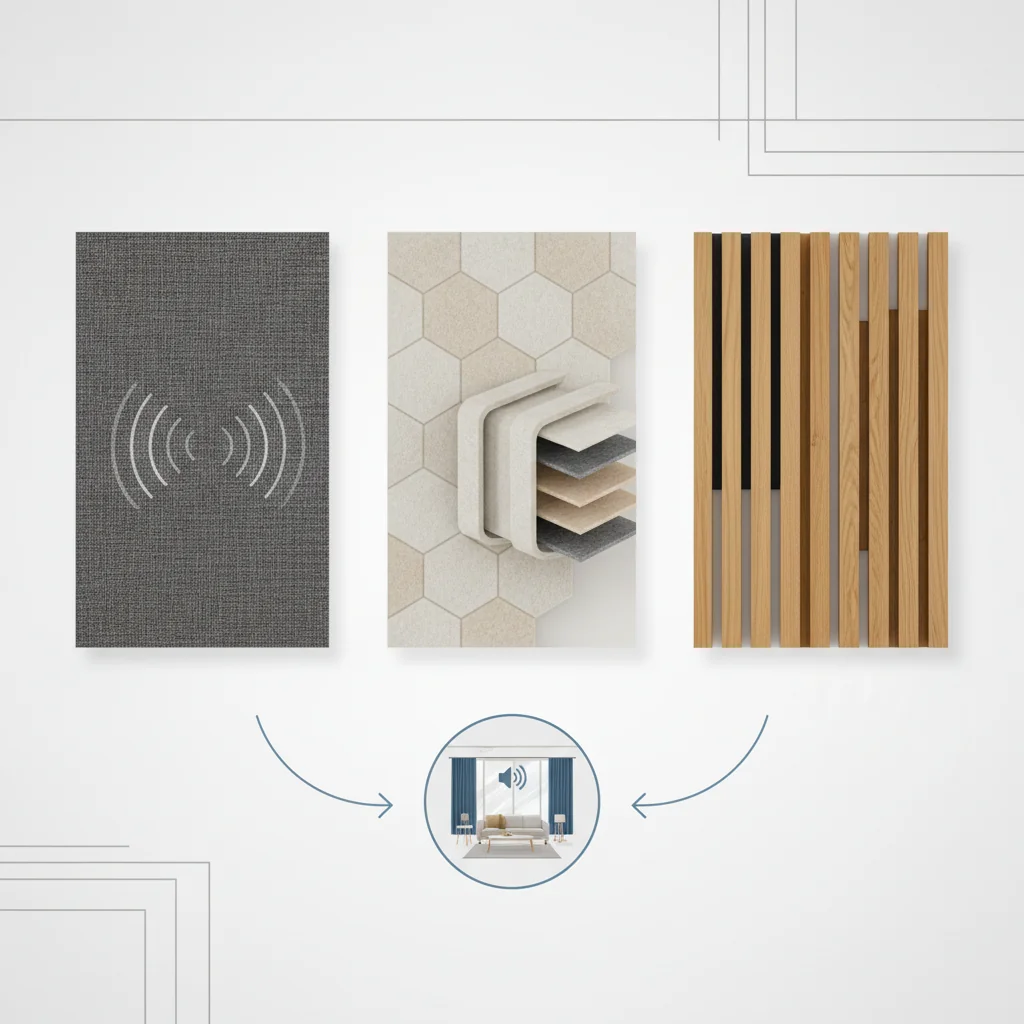
Selecting the Right Acoustic Solution for Your Space
Choosing the correct acoustic wall covering requires a careful assessment of a room’s specific acoustic challenges, its functional purpose, and the overall design aesthetic. An effective selection process ensures that the chosen materials not only mitigate noise issues but also complement the interior design vision, creating a cohesive and comfortable environment.
This decision is not merely about finding the highest NRC rating; it involves a holistic evaluation of how the materials will perform within a given space and integrate with its existing elements. We recommend a structured approach to ensure optimal results.
Key Factors for Consideration
Several critical factors influence the selection of acoustic wall coverings:
- Room Size and Geometry: Larger rooms with high ceilings tend to experience more reverberation. Irregular room shapes can sometimes diffuse sound naturally, but often require targeted treatment. Smaller rooms might need less overall absorption but benefit from materials that prevent sound from bouncing aggressively between close surfaces. The volume of the space directly impacts the amount of acoustic material required.
- Existing Noise Sources and Echo Issues: Identify the primary acoustic problems. Is it excessive echo during conversations? Noise bleeding from adjacent rooms (though this is more a soundproofing issue)? Or simply a desire for a quieter, calmer atmosphere? Understanding the specific issue dictates the type and extent of treatment needed. For instance, a home theater requires much higher performance for clarity than a quiet reading nook.
- Desired Aesthetic and Design Integration: Acoustic solutions are now integral design elements. Consider how the material’s color, texture, pattern, and installation method will harmonize with your existing furnishings, lighting, and overall style. Do you seek a bold statement piece, a subtle textural addition, or a completely seamless, invisible solution like acoustic plaster?
- Target Noise Reduction Coefficient (NRC): Based on the room’s function and severity of the acoustic problem, determine an appropriate target NRC. For general living areas, an NRC of 0.40-0.60 might suffice for comfort. For home theaters, recording studios, or busy offices, an NRC of 0.70-1.00 is often necessary. Consult with an acoustician for precise recommendations in critical listening environments.
- Budget Constraints: Acoustic materials vary significantly in cost. Panels, especially custom designs or high-performance options, tend to be more expensive than acoustic wallpapers. Consider not just the material cost but also installation expenses, particularly for specialized applications like acoustic plaster.
- Durability and Maintenance: Assess the room’s usage. High-traffic areas or spaces prone to spills might require more durable, easily cleanable materials. Fabric-wrapped panels with removable covers or robust perforated wood panels offer greater longevity and simpler maintenance in such environments.
- Environmental Factors: For areas with high humidity (e.g., bathrooms, basements), choose materials resistant to moisture and mold growth. Ensure materials meet fire safety standards, especially in commercial or multi-family residential settings.
Residential vs. Commercial Applications
The selection criteria often diverge between residential and commercial projects:
- Residential Spaces: Focus is typically on comfort, speech intelligibility, and aesthetic integration. Solutions like acoustic textile wall coverings, art panels, or thoughtfully placed fabric-wrapped panels are popular. The goal is to create a serene and enjoyable living environment without sacrificing visual appeal. Specific rooms like home offices, bedrooms, and home theaters have distinct acoustic needs. For a home office, reducing echo for video calls is key; for a bedroom, a calm, quiet atmosphere for rest is paramount.
- Commercial Spaces: Performance, durability, and compliance with building codes are often prioritized. High NRC values are essential in open-plan offices to reduce speech intelligibility issues and improve productivity. Restaurants benefit from reduced clatter and clearer conversation. Schools and healthcare facilities require specific acoustic performance for learning and healing environments. Perforated panels, acoustic plaster, and high-performance fabric panels are frequently specified. The General Services Administration (GSA) provides comprehensive guidelines on sound matters for federal buildings, emphasizing the importance of acoustic design in creating productive and healthy workspaces, which can be a valuable reference for broader commercial applications. GSA Sound Matters.
By systematically addressing these considerations, you can confidently select an acoustic wall covering that not only solves your sound challenges but also elevates the overall design and functionality of your space.
Measuring and Planning Your Acoustic Installation
Accurate measurement is critical for effective acoustic treatment, ensuring sufficient material coverage to achieve the desired sound absorption while minimizing waste. Precise planning also involves considering the optimal placement of acoustic materials to maximize their impact on sound quality within a room.
Underestimating or overestimating material needs can lead to budget overruns or, more critically, inadequate acoustic performance. A systematic approach to measurement and planning is essential for a successful outcome.
Step-by-Step Measurement Guide
Before purchasing any acoustic wall covering, meticulously measure the area you intend to treat:
- Measure Wall Dimensions: Use a retractable measuring tape to determine the length and height of each wall you plan to cover. Measure from corner to corner and from floor to ceiling. Record these measurements in feet and inches (e.g., 12 feet 6 inches).
-
Calculate Total Wall Area: For each wall, multiply its length by its height to get the square footage. Sum these values to find the total square footage of all walls.
Example: Wall 1: 10 ft (L) x 8 ft (H) = 80 sq ft. Wall 2: 12 ft (L) x 8 ft (H) = 96 sq ft. Total = 176 sq ft. - Measure Obstructions: Measure the length and height of all windows, doors, built-in shelving, or other permanent fixtures that will not be covered by the acoustic material. Calculate their individual square footage.
-
Subtract Obstruction Areas: Deduct the total square footage of obstructions from the total wall area. This gives you the net area to be covered.
Example: Total wall area = 176 sq ft. Window: 3 ft (L) x 4 ft (H) = 12 sq ft. Door: 3 ft (L) x 7 ft (H) = 21 sq ft. Total obstructions = 33 sq ft. Net area = 176 – 33 = 143 sq ft. -
Add for Waste and Pattern Matching: Always add a percentage for waste, especially with patterned materials or complex installations. A standard allowance is 10-15%. For materials like acoustic wallpaper, pattern repeat may require more.
Example: 143 sq ft + 15% waste (21.45 sq ft) = approximately 165 sq ft of material needed.
For acoustic panels, you will measure the individual dimensions of each panel and plan their layout. If covering only a portion of a wall, calculate the specific area for coverage.
Determining Coverage Percentage
It is rarely necessary or desirable to cover 100% of a room’s wall surfaces with acoustic material. The optimal coverage percentage depends on the room’s volume, existing surfaces, and desired acoustic outcome. As a general guideline:
- Light Treatment (Subtle Improvement): 15-25% of the total wall surface area. Suitable for general living spaces to reduce mild echo and add comfort.
- Moderate Treatment (Significant Reduction): 25-40% of the total wall surface area. Ideal for home offices, dining rooms, or small home theaters where clearer sound is important.
- Heavy Treatment (Critical Listening/Recording): 40-60% or more of the total wall surface area, often combined with ceiling treatment. Essential for dedicated home theaters, recording studios, or music practice rooms.
These percentages are a starting point. Rooms with many hard surfaces (tile floors, large windows, bare walls) will require a higher percentage of coverage than rooms with existing soft furnishings (carpets, heavy drapes, upholstered furniture).
Strategic Placement for Maximum Effect
Placement is as important as quantity. Consider these strategies:
- First Reflection Points: Identify the points on the walls where sound from a speaker or sound source first reflects to the listener. Treating these points significantly reduces early reflections, improving clarity. A simple mirror trick can help: sit in your listening position, have a friend hold a mirror flat against the wall, and mark the spot where you can see the speaker in the mirror.
- Opposite Hard Surfaces: Place acoustic treatments on walls opposite large, reflective surfaces like windows or bare walls to break up parallel reflections that cause flutter echo.
- Behind Speakers/Listening Area: Treating the wall behind speakers can absorb reflections that interfere with direct sound. Treating the wall behind the listener can help control rear reflections and enhance immersion.
- Distributed Coverage: Rather than concentrating all material on one wall, distribute it across multiple walls or even the ceiling for more balanced sound absorption. This prevents “dead spots” and creates a more natural sound profile.
- Corners: Corners are often culprits for bass buildup. While wall coverings are less effective for very low frequencies, thicker panels or bass traps specifically designed for corners can manage these issues.
For complex acoustic challenges or critical listening environments, professional consultation with an acoustical engineer is highly recommended. They can perform precise acoustic measurements and simulations to develop a bespoke treatment plan, ensuring optimal results for your specific space. Starhouse emphasizes that thoughtful planning is the cornerstone of an acoustically superior interior.
Aesthetic Integration: Styling Acoustic Wall Coverings
Acoustic wall coverings transcend purely functional roles, offering significant opportunities to enhance a space’s aesthetic appeal through thoughtful integration of texture, color, and form. Modern acoustic solutions are designed to be visually appealing, allowing them to become integral components of an interior design scheme rather than mere utilitarian additions.
The goal is to create a harmonious environment where acoustic performance and visual beauty coexist, elevating the overall sensory experience of a room. This requires a discerning eye and an understanding of how these specialized materials can contribute to the overarching design narrative.
Design Principles for Acoustic Integration
- Texture as a Design Element: Acoustic materials inherently possess diverse textures, from the soft, tactile feel of felt and fabric panels to the structured elegance of perforated wood or the organic appeal of moss. Embrace these textures to add depth and warmth to a room. A large felt panel can provide a soft counterpoint to hard surfaces, while a textured acoustic wallpaper can introduce subtle visual interest without overwhelming the space.
-
Color Palette Harmony: Acoustic panels and textiles are available in an extensive spectrum of colors. Utilize these to either blend seamlessly with your existing color scheme or to introduce deliberate pops of contrast.
- Monochromatic Integration: Choose colors that match or are closely related to your wall paint or existing furnishings for a subtle, integrated look. This creates a sense of calm and continuity.
- Accent Colors: Use acoustic panels in a bold or complementary color to create a focal point or delineate specific zones within an open-plan area.
-
Pattern and Form: Beyond solid colors, many acoustic products offer intricate patterns, geometric shapes, or custom-printed designs.
- Geometric Arrangements: Modular acoustic tiles can be arranged in creative geometric patterns to form striking wall art. This is particularly effective in modern or contemporary interiors.
- Custom Art Panels: Large acoustic panels can be specified with custom artwork, photographs, or abstract designs, effectively turning sound absorption into a gallery-worthy display.
- Perforated Designs: Perforated wood or metal panels offer inherent patterns through their hole configurations, adding architectural detail and visual rhythm.
Pairing with Existing Décor and Furnishings
Successful integration means considering how acoustic elements interact with other components of your interior:
- Furnishings: If your room features sleek, minimalist furniture, consider acoustic panels with clean lines and refined finishes. For a more eclectic or traditional space, fabric-wrapped panels with ornate frames or acoustic textiles in classic patterns can be more appropriate. Upholstered furniture already offers some acoustic absorption, so balance this with wall treatments.
- Lighting: Lighting can highlight the texture and form of acoustic wall coverings. Up-lighting can emphasize the three-dimensional quality of a textured panel, while carefully placed spotlights can draw attention to an acoustic art piece. Ensure that the light sources do not create harsh reflections off any less absorbent parts of the acoustic material.
- Accessories: Complement acoustic treatments with soft accessories like throw blankets, decorative pillows, and area rugs, which also contribute to sound absorption. Avoid over-accessorizing, allowing the acoustic elements to breathe and perform their function without visual clutter.
- Windows and Doors: Consider heavy drapes or curtains for windows, as they provide additional acoustic benefits. Ensure acoustic treatments do not impede the functionality of doors or access to windows.
Creating Focal Points vs. Seamless Integration
Your design intent will guide whether acoustic elements stand out or blend in:
- Focal Points: Utilize large, custom-printed acoustic art panels, a vibrant acoustic moss wall, or a striking geometric arrangement of acoustic tiles to draw the eye and define a specific area, such as a conversation zone or a home office backdrop for video calls.
- Seamless Integration: Opt for acoustic plaster, acoustic wallpaper, or fabric-wrapped panels in colors that match the surrounding walls. This creates a quiet visual backdrop, allowing other design elements to take center stage while still providing essential sound management.
The beauty of modern acoustic wall coverings lies in their dual functionality. By considering them as integral design components from the outset, you can achieve an interior that is not only acoustically optimized but also visually compelling and reflective of a sophisticated design sensibility. Starhouse believes that true elegance encompasses both form and function, delivering spaces that delight all the senses.
Maintenance and Care for Longevity
Proper maintenance is essential to preserve both the acoustic performance and the visual integrity of your wall coverings over time. Like any high-quality interior finish, acoustic materials require specific care routines to ensure their longevity, maintain their aesthetic appeal, and sustain their sound-absorbing properties.
Neglecting appropriate cleaning and care can lead to diminished performance, discoloration, or even damage, compromising your investment. Adhering to manufacturer guidelines and general best practices will keep your acoustic treatments looking and functioning optimally for years.
General Cleaning Guidelines
While specific instructions may vary by product, several general principles apply to most acoustic wall coverings:
- Regular Dusting and Vacuuming: The most fundamental step is routine removal of dust and loose debris. Use a soft brush attachment on a vacuum cleaner on its lowest suction setting to gently vacuum fabric-wrapped panels, acoustic textiles, and even perforated surfaces. For moss walls, a very gentle dust with a soft, dry cloth or a feather duster is sufficient. Regular dusting prevents accumulation that can clog pores and reduce acoustic effectiveness.
-
Spot Cleaning for Stains: Address spills and stains promptly. The method depends heavily on the material:
- Fabric-Wrapped Panels/Textiles: For most non-greasy stains, blot immediately with a clean, white cloth. Use a mild, pH-neutral detergent diluted in water. Apply the solution sparingly to a clean cloth, then gently blot the stain from the outside in. Avoid rubbing, as this can spread the stain or damage the fabric fibers. Always test any cleaning solution on an inconspicuous area first. Allow to air dry completely.
- Perforated Wood/Metal: These surfaces are generally more durable. Wipe with a damp cloth and a mild cleaner. Ensure no liquid seeps into the perforations or behind the panel, as this could damage the absorbent backing. Dry immediately with a clean cloth.
- Acoustic Plaster/Sprays: These surfaces can be delicate. Consult the installer or manufacturer for specific cleaning instructions. Often, a very gentle dry brush or light vacuuming is all that is recommended. Liquid cleaning should be approached with extreme caution, if at all, as it can damage the surface finish or acoustic properties.
- Moss Walls: These are maintenance-free and should not be watered or cleaned with liquids. Dusting is the only recommended care.
- Avoid Harsh Chemicals: Never use abrasive cleaners, strong solvents, bleach, or ammonia-based products on acoustic wall coverings. These chemicals can damage the material, alter its color, or degrade its acoustic properties. Stick to mild, pH-neutral solutions specifically designed for the material type.
- Control Humidity: Maintain consistent indoor humidity levels (typically between 30-50%) to prevent material degradation, especially for natural fibers or wood-based products. Excessive humidity can lead to mold growth or warping, while overly dry conditions can cause brittleness.
Specific Care Instructions by Material
- Felt and Wool: These natural fibers are prone to pilling with excessive friction. Use a lint roller or fabric shaver for minor pilling. For deep cleaning, professional dry cleaning services specializing in textiles may be an option, but always verify with the manufacturer.
- Recycled PET (Polyester): Highly durable and often stain-resistant. Can generally be spot cleaned with mild soap and water. Some PET-based panels may be washable; check product specifications.
- Wood Veneer: Dust regularly with a soft, dry cloth. For smudges, a slightly damp cloth followed by immediate drying is appropriate. Avoid excessive moisture.
- Fiberglass/Mineral Wool Cores: These core materials are typically protected by a fabric covering. The care focuses on the outer fabric. If the core becomes exposed, handle with care, as fibers can be irritating.
Always refer to the specific care and maintenance instructions provided by the manufacturer of your acoustic wall covering. These instructions are tailored to the unique composition and finish of the product and are the most reliable source for ensuring its longevity and performance. By committing to a consistent and gentle care regimen, you safeguard your investment and ensure your acoustically treated space remains a sanctuary of comfort and clarity for years to come.
Emerging Trends in Acoustic Design
The field of acoustic design is continually evolving, with current trends emphasizing sustainability, biophilic integration, and highly customizable solutions that blend seamlessly with modern interiors. These innovations reflect a growing awareness of the interconnectedness between environmental responsibility, human well-being, and sophisticated aesthetics.
As designers and consumers increasingly prioritize health, flexibility, and ecological impact, acoustic wall coverings are transforming from purely functional elements into dynamic components that contribute to holistic interior design. Starhouse is at the forefront of curating these forward-thinking solutions.
Sustainable Materials and Circular Design
A significant trend is the widespread adoption of sustainable and recycled materials. Manufacturers are increasingly utilizing:
- Recycled PET Felt: Made from recycled plastic bottles, PET felt is highly versatile, durable, and offers excellent acoustic properties. It is available in a vast array of colors and can be molded into various shapes, from flat panels to three-dimensional tiles. Its eco-friendly profile makes it a popular choice for environmentally conscious projects.
- Natural Fibers: Materials like wool felt, hemp, and flax are gaining traction for their inherent sound-absorbing qualities and renewable nature. These fibers often bring a soft, organic texture to interiors, aligning with a desire for natural aesthetics.
- Reclaimed and Upcycled Wood: Perforated wood panels are being crafted from reclaimed timber or certified sustainable wood sources, reducing environmental impact while maintaining a sophisticated look.
- Biodegradable Composites: Research is ongoing into acoustic materials made from agricultural waste or other rapidly renewable resources, pushing the boundaries of circular design in interiors.
The emphasis is not just on using sustainable raw materials but also on designing products that are easily recyclable at the end of their lifecycle, fostering a truly circular economy within the design industry.
Biophilic Design Integration
Connecting occupants with nature is a core tenet of biophilic design, and acoustic wall coverings are increasingly playing a role in this trend:
- Acoustic Moss Walls: As mentioned previously, preserved moss walls offer both visual and tactile natural elements, along with subtle sound absorption. They introduce greenery and organic textures into a space without the maintenance of live plants.
- Natural Patterns and Textures: Acoustic panels and wallpapers are featuring prints and textures inspired by nature—wood grains, leaf patterns, or abstract representations of geological formations. These designs evoke a sense of calm and connection to the outdoors.
- Soft, Earthy Color Palettes: A shift towards muted greens, blues, browns, and grays in acoustic materials helps to create serene environments that mimic natural landscapes, promoting relaxation and focus.
Customizable and Modular Systems
Designers and users demand greater flexibility and personalization. Acoustic solutions are responding with:
- Modular Tile Systems: Small, geometrically shaped acoustic tiles that can be arranged in endless configurations, allowing for bespoke patterns and scalable coverage. These are easy to install and rearrange.
- Custom Digital Printing: The ability to print high-resolution images or custom artwork directly onto fabric-wrapped acoustic panels transforms them into personalized art installations.
- Integrated Lighting and Technology: Some advanced acoustic panels now incorporate LED lighting, smart sensors, or even integrated speakers, blurring the lines between functional elements and technological solutions.
- Demountable and Reconfigurable Walls: For commercial spaces, acoustic panels are being designed as part of modular wall systems that can be easily moved and reconfigured to adapt to changing office layouts, offering both acoustic flexibility and spatial adaptability.
Acoustic Solutions for Wellness and Well-being
The understanding that sound impacts mental and physical health is driving demand for solutions that promote well-being:
- Calming Environments: Acoustic treatments are being specifically designed to reduce stress-inducing noise, creating tranquil spaces for meditation, relaxation, and focused work.
- Privacy Enhancement: In open-plan offices or co-working spaces, acoustic panels and dividers are crucial for establishing visual and auditory privacy, reducing distractions and improving concentration.
- Health and Safety Standards: A focus on materials with low VOC (Volatile Organic Compound) emissions and certifications like GREENGUARD is becoming standard, ensuring that acoustic solutions contribute to healthy indoor air quality.
These emerging trends highlight a future where acoustic wall coverings are not just about noise reduction but about creating dynamic, responsive, and health-conscious environments that align with contemporary values. Starhouse is committed to bringing these innovative and aesthetically compelling acoustic solutions to the homes and workplaces of our discerning clientele across the United States.
Common Mistakes to Avoid When Choosing Acoustic Wall Coverings
Even with thorough research, missteps can occur during the selection and implementation of acoustic wall coverings. Avoiding these common errors ensures that your investment yields the desired acoustic and aesthetic benefits, preventing costly rework and dissatisfaction.
Starhouse advises careful consideration at each stage, from initial assessment to final installation, to achieve optimal results.
- Underestimating Coverage Needs: A frequent mistake is applying too little acoustic material. Simply adding a few panels might offer some benefit, but it often falls short of significantly impacting reverberation in a large or highly reflective room. Acoustic performance is directly proportional to the amount of effective surface area treated. Always calculate the necessary coverage percentage based on room size, existing materials, and target NRC, rather than relying on guesswork.
- Prioritizing Aesthetics Over Performance (or vice versa): While aesthetic integration is crucial, choosing a material solely for its looks without verifying its NRC rating will likely lead to acoustic disappointment. Conversely, selecting a high-performance material that clashes with your interior design can detract from the overall ambiance. The ideal solution strikes a balance between effective sound absorption and visual harmony.
- Confusing Sound Absorption with Soundproofing: As discussed, these are distinct functions. Acoustic wall coverings absorb sound within a room; they do not block sound from entering or leaving. Expecting an acoustic panel to silence a noisy neighbor or prevent music from disturbing others is a misunderstanding of its purpose. Soundproofing requires specialized construction methods, heavier materials, and sealing gaps.
- Ignoring Room-Specific Needs: A home theater requires different acoustic considerations than a quiet bedroom or a bustling open-plan kitchen. Using a general-purpose solution for a specialized need will be ineffective. Always tailor the type, density, and placement of acoustic materials to the specific function and acoustic challenges of each room.
- Improper Installation: Even the best acoustic materials will underperform if not installed correctly. This includes improper mounting, leaving gaps, or failing to follow manufacturer guidelines regarding adhesive or fasteners. For complex installations, or materials like acoustic plaster, professional installation is often essential to ensure both performance and aesthetic finish.
- Over-Treating a Space: While less common than under-treatment, it is possible to add too much acoustic absorption, resulting in a “dead” or unnaturally quiet room. This can make conversations feel strained and music sound dull. Aim for a balanced sound environment, not complete silence. Start with recommended coverage and adjust if necessary.
- Neglecting Maintenance: Acoustic materials, especially porous ones, can accumulate dust and debris, which can reduce their effectiveness over time. Failing to follow proper cleaning and care instructions can also lead to discoloration or damage, diminishing both their performance and appearance.
- Not Considering All Surfaces: While this guide focuses on walls, ceilings and floors are also critical sound-reflecting surfaces. For comprehensive acoustic control, especially in larger rooms or critical listening environments, consider integrating acoustic ceiling tiles, baffles, or area rugs to complement wall treatments.
By being aware of these common pitfalls, you can approach your acoustic wall covering project with greater confidence and precision, ensuring a successful outcome that enhances both the auditory and visual comfort of your space.
Sources
- Advancing Acoustic Performance Through ASTM Standards | ASTM
- NIST Report 10688: Sound Absorption Coefficients of Architectural Acoustical Materials by the Reverberation Room Method | nvlpubs.nist.gov
- GSA Sound Matters (Dec 2011) | gsa.gov
Frequently Asked Questions About Acoustic Wall Coverings
What is the difference between soundproofing and sound absorption?
Soundproofing aims to block sound transmission between spaces, preventing sound from entering or leaving a room, typically achieved with heavy, dense materials and sealed constructions. Sound absorption, in contrast, focuses on improving the sound quality *within* a room by reducing echo and reverberation, using porous materials that convert sound energy into heat.
Can acoustic wall coverings completely eliminate noise?
No, acoustic wall coverings are designed to absorb sound within a room, significantly reducing echoes and reverberation, but they cannot completely eliminate all noise. Their primary function is to enhance speech intelligibility and create a more comfortable acoustic environment, not to block external sounds entirely.
Are acoustic wall coverings difficult to install?
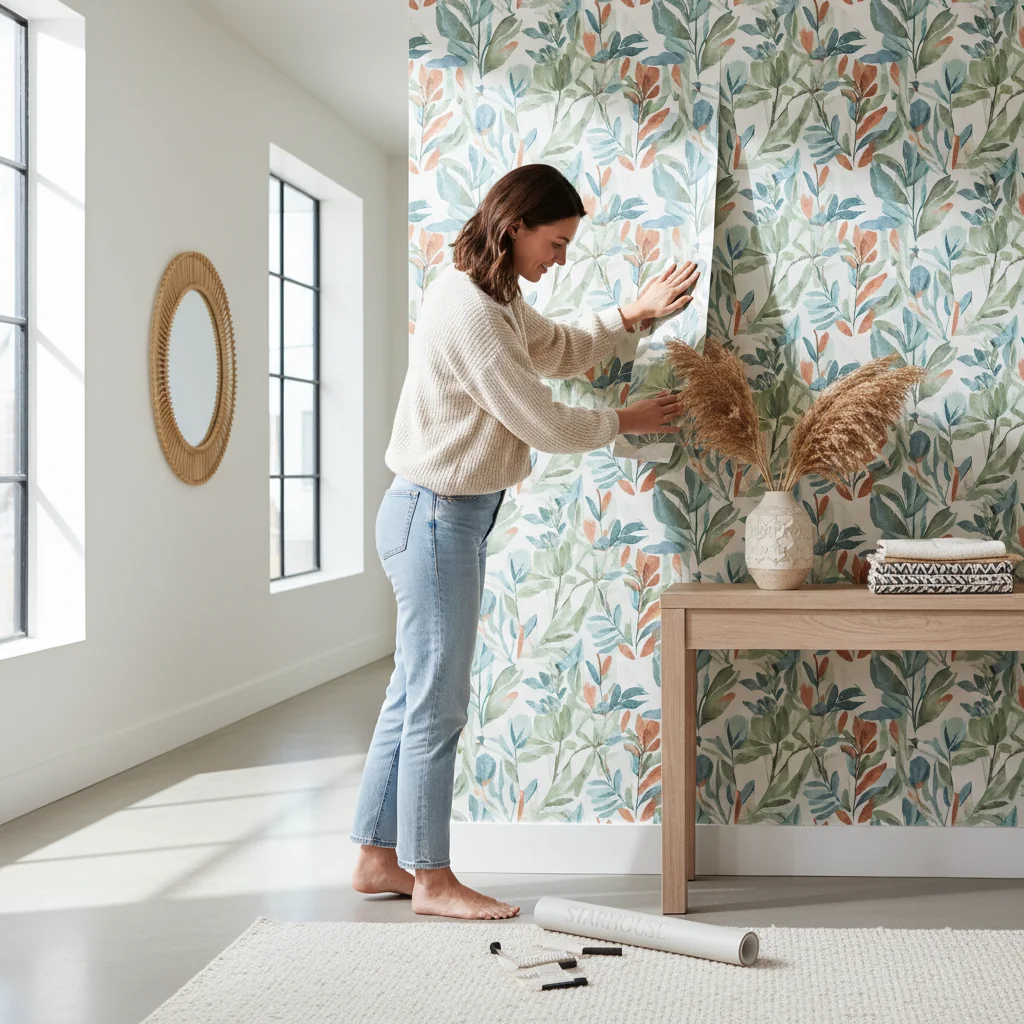
The difficulty of installation varies by type. Acoustic wallpapers and textile coverings can often be installed by experienced DIYers, similar to traditional wallpaper. Acoustic panels are typically mounted with clips or adhesives, which is straightforward for most. However, specialized solutions like acoustic plaster require professional application for optimal performance and finish due to their intricate nature.
Are acoustic wall coverings suitable for humid environments like bathrooms?
Most standard acoustic wall coverings are not ideal for high-humidity environments like bathrooms due to potential moisture absorption, which can lead to mold or material degradation. However, some manufacturers offer specialized moisture-resistant options, typically made from inorganic materials or with protective coatings. Always verify product specifications for suitability in damp areas.
How do I determine the right NRC rating for my room?
The optimal Noise Reduction Coefficient (NRC) depends on the room’s function and existing acoustic issues. For general comfort, an NRC of 0.40-0.60 is often sufficient. For spaces requiring high speech intelligibility or critical listening, such as home theaters or recording studios, an NRC of 0.70-1.00 is typically recommended. Consider consulting an acoustical professional for precise recommendations based on your room’s specific characteristics.
Do acoustic wall coverings come in different colors and patterns?
Yes, modern acoustic wall coverings are available in an extensive array of colors, textures, and patterns. Fabric-wrapped panels offer thousands of fabric choices, acoustic textiles come in various weaves and hues, and some panels can even be custom-printed with specific designs or artwork. This diversity allows for seamless integration into any interior design scheme, from minimalist to highly decorative.
Can I use acoustic wall coverings in a rental property?
Yes, many acoustic wall covering options are suitable for rental properties, especially those designed for non-permanent installation. Peel-and-stick acoustic tiles, panels mounted with removable adhesive strips, or freestanding acoustic screens offer effective sound absorption without causing damage to underlying walls. Always check your lease agreement and consult with your landlord before making any modifications.
Conclusion: Crafting Your Acoustically Harmonious Home with Starhouse
The journey to an acoustically balanced and aesthetically refined interior is a nuanced one, requiring an understanding of both sound science and design artistry. Acoustic wall coverings are no longer just functional necessities but integral components of a thoughtfully curated space, offering the power to transform the sensory experience of any room.
From mitigating the distracting echoes of an open-plan living area to enhancing the immersive quality of a home theater, these specialized materials contribute profoundly to comfort, clarity, and overall well-being. By considering the diverse types, performance metrics, and strategic placement guidelines discussed in this comprehensive guide, you are empowered to make informed decisions that resonate with your unique lifestyle and design aspirations.
At Starhouse, we believe that your home should be a sanctuary—a place where every detail, including the very soundscape, contributes to an atmosphere of refined tranquility. We are dedicated to curating a collection of acoustic wall coverings that marry exceptional performance with unparalleled style, ensuring that your interiors are not only visually stunning but also acoustically sublime. As we prepare to launch our full catalog, we invite you to be part of our journey.
We are meticulously building a collection designed to meet the highest standards of design and functionality. Your insights are invaluable as we refine our offerings to perfectly suit the discerning tastes of homeowners across the United States. Share your vision for the perfect acoustic solution and get early access to our curated selections when they become available. Tell us what you’re looking for in your space, and help us shape the future of sophisticated home décor.