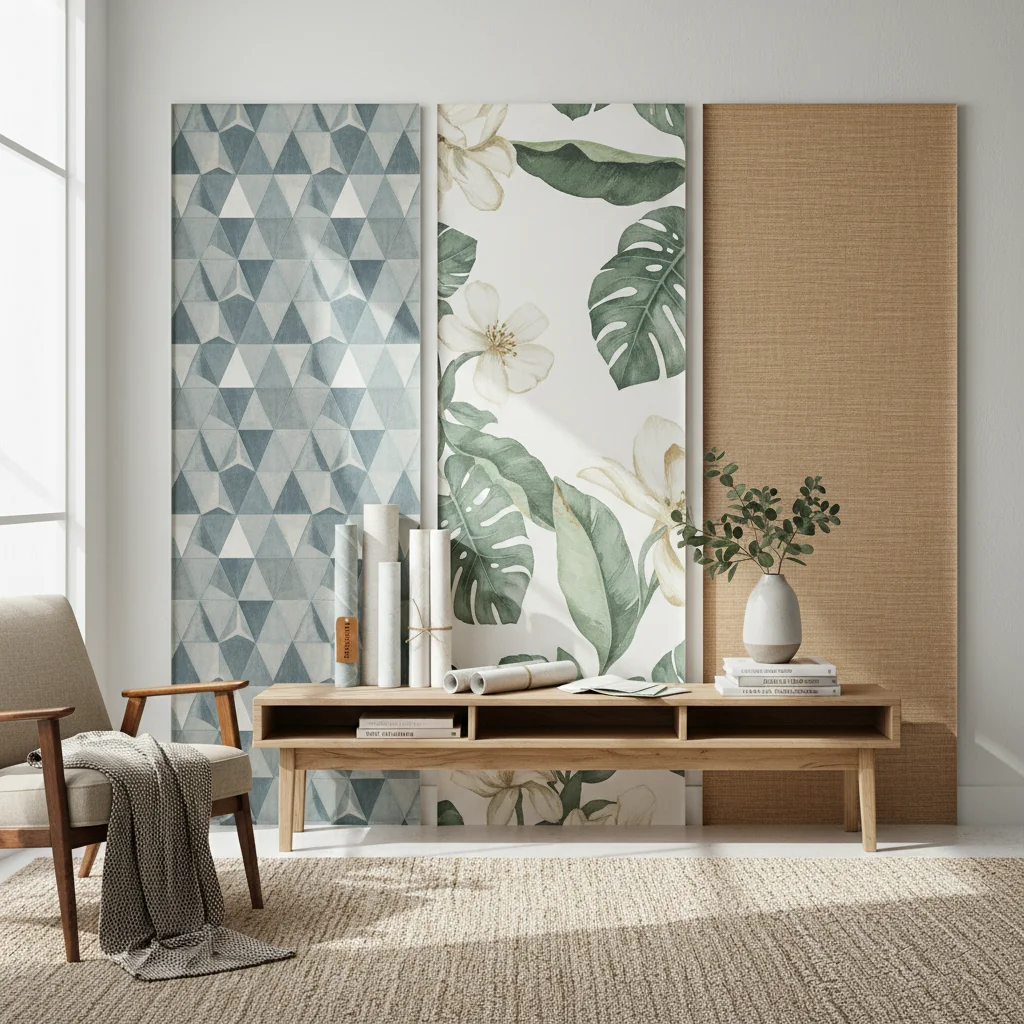
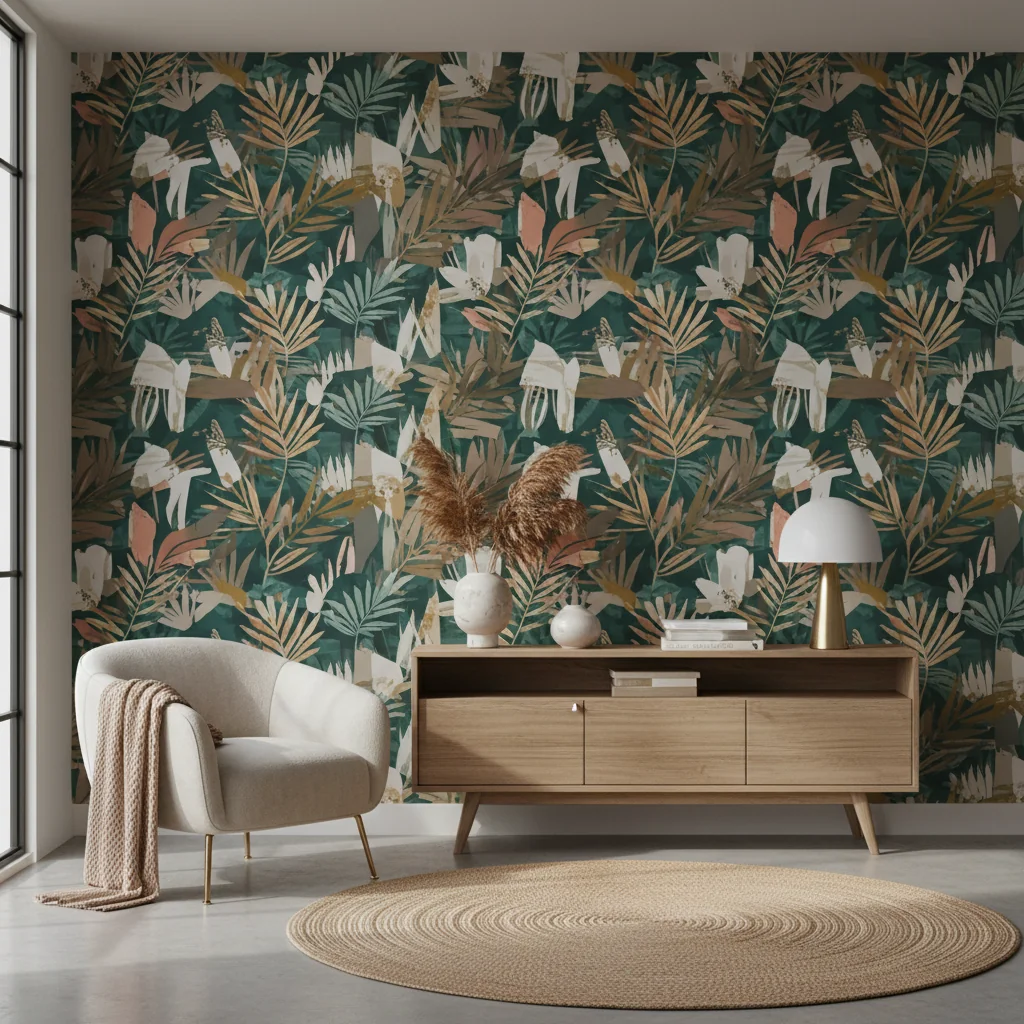
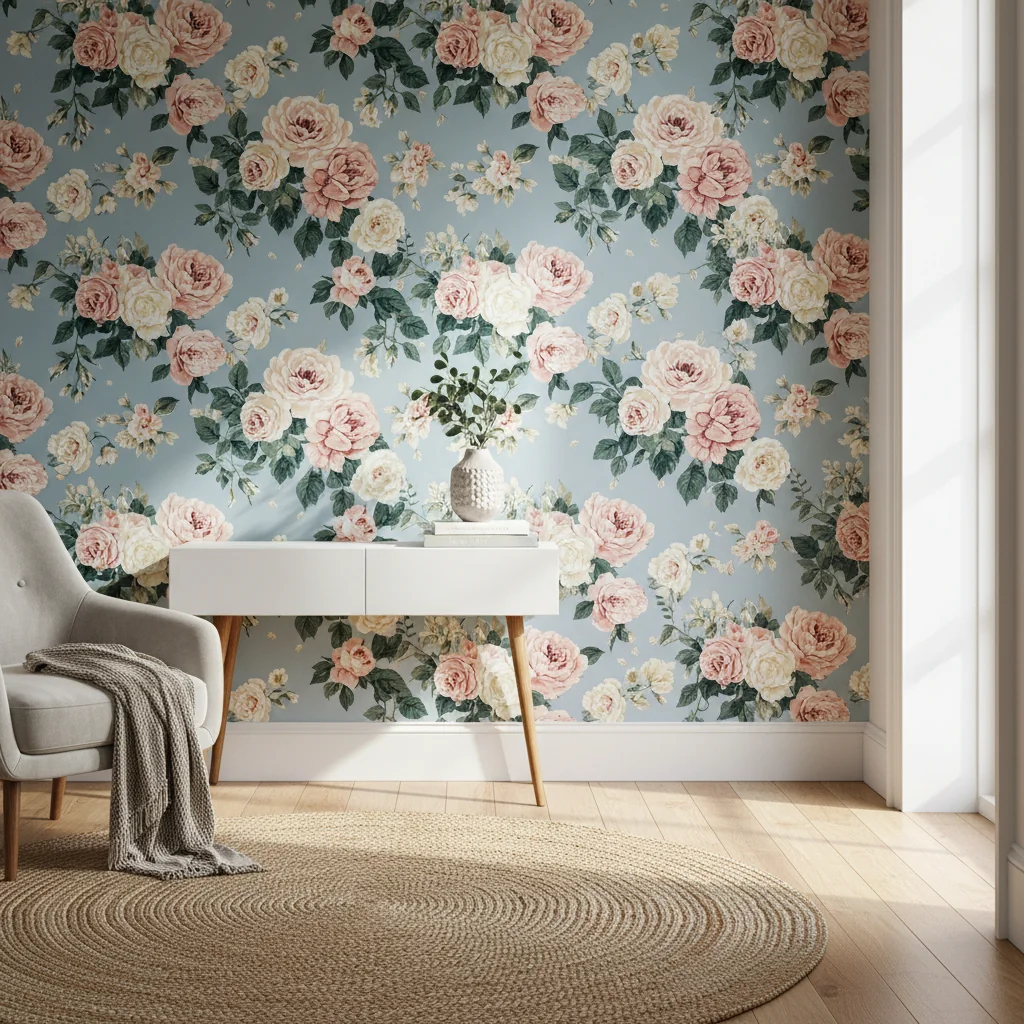
York Wallpaper Collections represent a distinguished lineage in American interior design, offering a vast and meticulously curated array of wallcoverings that combine heritage craftsmanship with contemporary aesthetic demands. For over a century, York Wallcoverings has stood as the oldest and largest wallcovering producer in the United States, manufacturing residential and commercial wallpapers from its historic factory in the Susquehanna Valley of Pennsylvania, a testament to enduring quality and design innovation (York Wallcoverings). These collections provide homeowners and designers alike with an unparalleled selection of patterns, textures, and materials designed to transform any space into a statement of personal style and refined taste.
At Starhouse, we understand that a home’s walls are its largest canvas, offering boundless opportunities for expression. York’s commitment to diverse styles—from traditional damasks and florals to modern geometrics and textured natural fibers—ensures that every design vision, from a serene bedroom retreat to a vibrant living area, can be realized with precision and elegance. This comprehensive guide delves into the world of York Wallpaper Collections, exploring their types, styles, materials, and offering expert advice on selection, measurement, care, and styling to empower you in making informed decisions for your Starhouse-curated space.
Key Takeaways
- York Wallcoverings is the oldest and largest U.S. wallcovering producer, manufacturing residential and commercial wallpapers from its Pennsylvania factory for over a century.
- Collections span a wide range of types, including traditional paper, durable non-woven, versatile vinyl, and luxurious natural textures like grasscloth, each offering distinct aesthetic and functional benefits.
- York’s design philosophy encompasses diverse styles, from timeless traditional and classic transitional to bold contemporary and intricate botanical motifs, ensuring options for every interior design vision.
- Proper selection involves considering room function, existing décor, light exposure, and the scale of patterns, while accurate measurement and surface preparation are critical for a professional finish.
- Care for York wallcoverings varies by material; most require gentle cleaning with a damp cloth, while specialized materials like grasscloth demand dry dusting and careful handling to preserve their integrity.
- Styling York wallpaper effectively involves balancing its visual impact with furnishings, textiles, and lighting, treating the wallcovering as a foundational element that defines the room’s character.
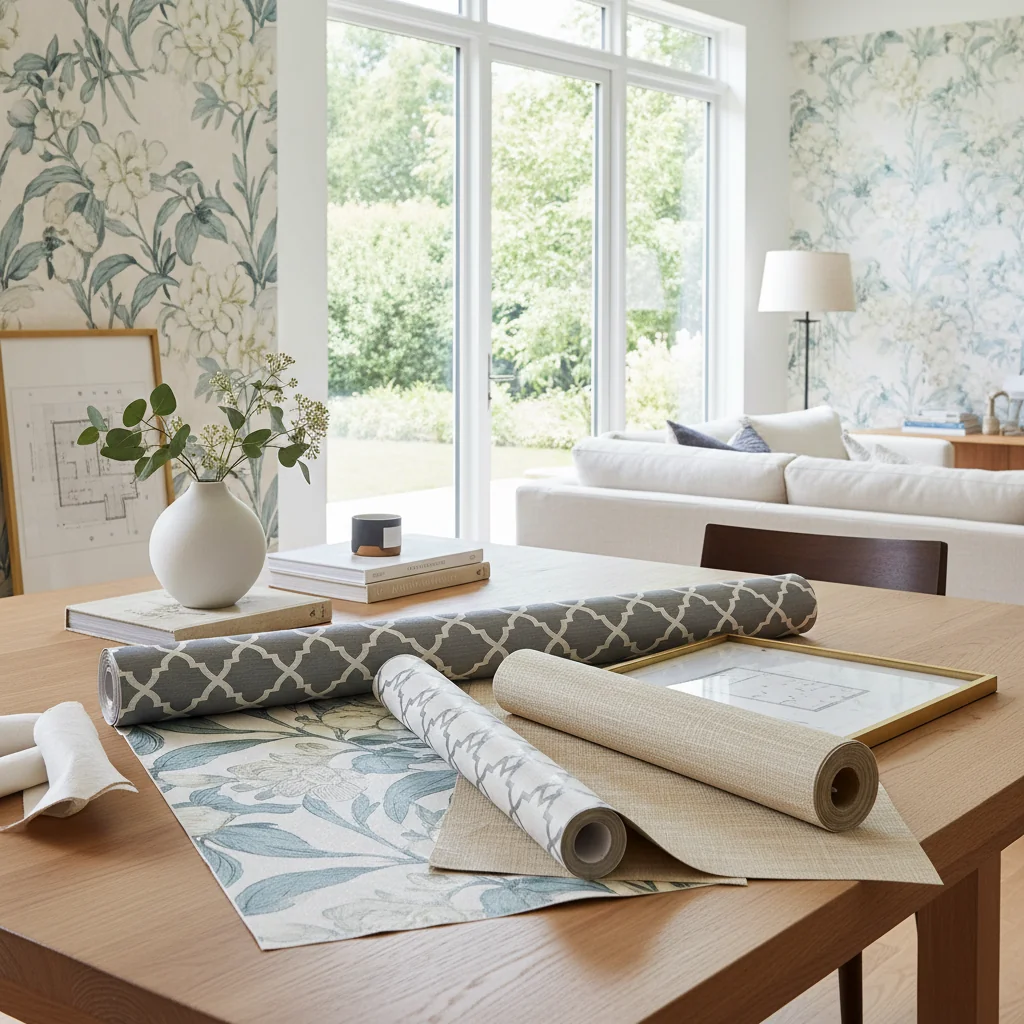
The Enduring Legacy of York Wallcoverings: A Century of Design Excellence
York Wallcoverings distinguishes itself through a rich heritage of craftsmanship and an unwavering commitment to quality that spans over a century, establishing it as a cornerstone of American interior design. Founded in 1895, the company has continuously manufactured its wallcoverings from the same historic factory in the picturesque Susquehanna Valley of Pennsylvania, a testament to its deep roots and dedication to local production. This enduring presence has allowed York to cultivate an unparalleled expertise in the art of wallcovering, blending traditional printing techniques with cutting-edge innovations to produce designs that resonate with both classic elegance and contemporary appeal.
The foundation of York’s legacy lies in its meticulous manufacturing process, which integrates time-honored methods like surface printing, gravure, and screen printing. Each technique imparts unique characteristics to the final product, from the tactile depth of surface prints to the fine detail of gravure, ensuring a superior aesthetic and durability. This technical mastery is complemented by a profound respect for design, with York collaborating with renowned artists and designers to create collections that are not merely decorative but transformative. The brand’s commitment to innovation is evident in its embrace of new materials and sustainable practices, ensuring that its products meet the evolving demands of modern homes while upholding environmental responsibility.
York Wallcoverings is recognized globally, with its products found in over 85 countries worldwide, solidifying its position as the oldest and largest wallcovering producer in the United States (Sherwin-Williams). This extensive reach is a direct result of its consistent delivery of high-quality, inspiring designs that cater to a diverse range of aesthetic preferences and functional requirements. From residential sanctuaries to commercial spaces, York wallcoverings imbue environments with character, depth, and a sense of enduring style, making them a preferred choice for discerning homeowners and design professionals who value both beauty and longevity.
The brand’s philosophy extends beyond mere decoration; it aims to inspire and create immersive experiences within a space. By offering a vast portfolio that includes everything from intricate patterns and bold graphics to subtle textures and natural fibers, York empowers individuals to express their unique vision. This dedication to variety, quality, and design excellence ensures that each York wallcovering is not just a product, but a piece of art that enriches the home and stands the test of time.
Deciphering York Wallpaper Collections: Types, Materials, and Textures
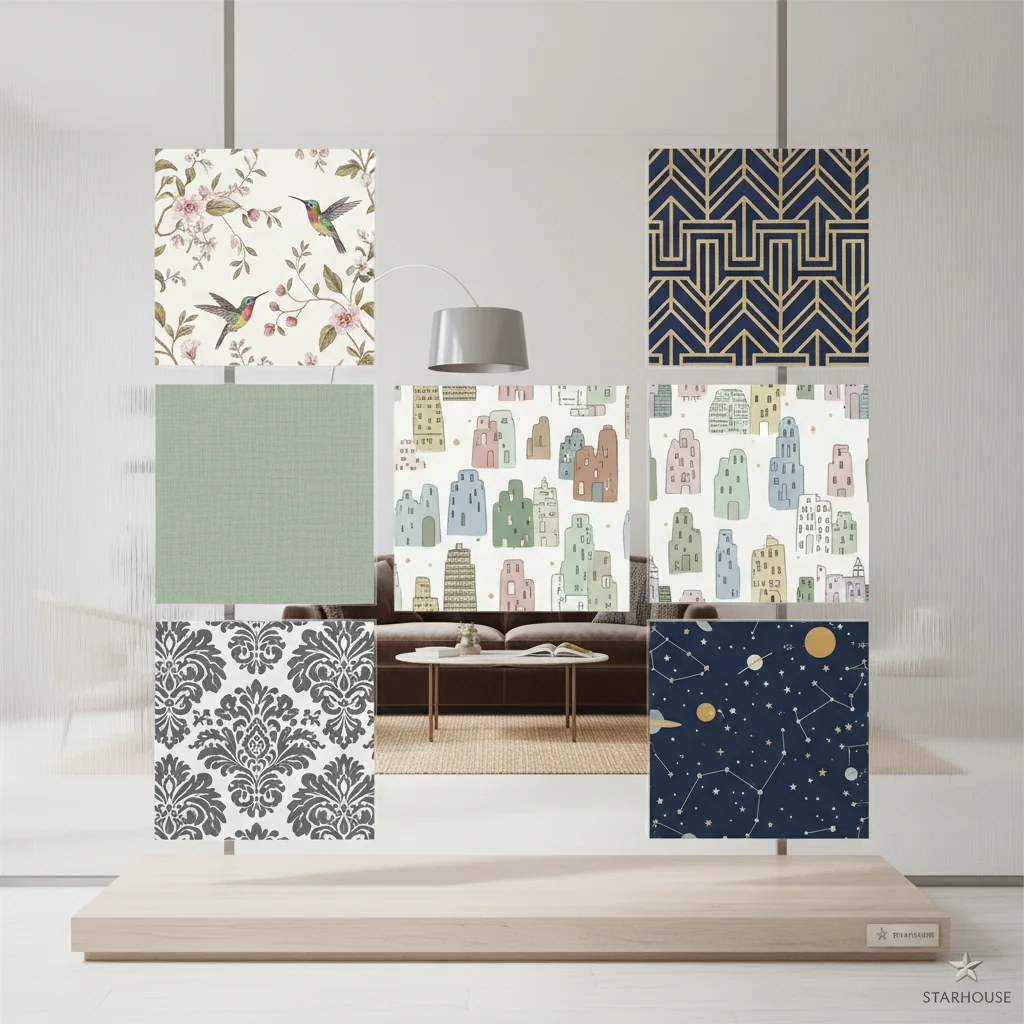
York Wallpaper Collections offer a comprehensive array of wallcovering types, each crafted from specific materials and designed to deliver distinct aesthetic and functional benefits suitable for various applications within the home. Understanding these distinctions is crucial for selecting a wallcovering that not only aligns with your design vision but also meets the practical demands of your lifestyle and the specific environment of the room. York’s commitment to innovation ensures a breadth of options, from traditional paper-based designs to highly durable and versatile modern materials.
The primary categories of York wallpaper are defined by their material composition, which dictates their durability, ease of installation, and cleaning requirements.
Traditional Paper Wallpaper
Traditional paper wallpaper consists of a decorative layer printed directly onto a paper backing. This classic type is celebrated for its rich, matte finishes and exceptional print clarity, allowing for intricate details and vibrant color saturation. Paper wallpaper often offers a luxurious feel and is ideal for low-traffic areas such as formal dining rooms, bedrooms, or studies where its delicate nature is protected. Installation typically requires pre-pasting or applying paste to the back of the paper, and it is generally considered a permanent application. While beautiful, paper wallpaper is not washable and can be more challenging to remove than newer alternatives.
Non-Woven Wallpaper
Non-woven wallpaper is a modern and highly versatile wallcovering type made from a blend of natural and synthetic fibers, offering superior durability, breathability, and ease of installation and removal. This material is increasingly popular due to its “paste-the-wall” application method, which simplifies the process by allowing paste to be applied directly to the wall rather than the wallpaper itself. Non-woven wallpapers are tear-resistant, dimensionally stable (meaning they won’t expand or contract when wet), and typically strippable, allowing for clean removal without damaging the underlying wall surface. They are often washable and suitable for a wide range of rooms, including living areas, hallways, and even bathrooms with adequate ventilation, making them a practical choice for busy households.
Solid Vinyl and Fabric-Backed Vinyl Wallpaper
Vinyl wallpapers are renowned for their exceptional durability, moisture resistance, and ease of cleaning, making them ideal for high-traffic areas and environments prone to moisture or stains.
- Solid Vinyl Wallpaper: This type features a solid layer of vinyl with a decorative surface, providing robust protection and a highly scrubbable finish. It is excellent for kitchens, bathrooms, and children’s rooms where frequent cleaning is necessary. Solid vinyl is resistant to grease, moisture, and stains, ensuring long-term aesthetic appeal in demanding spaces.
- Fabric-Backed Vinyl Wallpaper: Offering an even greater level of durability and dimensional stability, fabric-backed vinyl consists of a decorative vinyl surface laminated to a fabric substrate. This construction provides enhanced tear resistance and can help conceal minor wall imperfections. It is often chosen for commercial applications but is also highly effective in residential settings that require maximum resilience, such as active family rooms or entryways.
Both types of vinyl wallpaper are generally pre-pasted or require paste application and are designed for longevity and ease of maintenance.
Peel-and-Stick Wallpaper (Temporary/Removable)
Peel-and-stick wallpaper, often made from a durable, self-adhesive vinyl or non-woven material, provides a convenient and commitment-free way to update a space. It features an adhesive backing that is protected by a removable liner; to install, simply peel off the liner and stick the wallpaper to the wall. This type is perfect for renters, those who enjoy frequent décor changes, or for accent walls where a temporary design statement is desired. It is easy to reposition during installation and removes cleanly without leaving residue or damaging walls. While highly versatile, its adhesive nature means surface preparation is paramount for optimal adhesion and a smooth finish. York offers a growing selection of peel-and-stick designs, catering to modern preferences for flexible and accessible décor solutions.
Natural Fiber Wallcoverings (Grasscloth, Sisal, etc.)
Grasscloth wallpaper is a premium wallcovering made from natural fibers—such as jute, sisal, seagrass, or bamboo—hand-woven and typically backed with paper, offering unparalleled texture, depth, and organic beauty. These materials introduce a sophisticated, tactile dimension to walls that cannot be replicated by printed patterns. Each roll of grasscloth is unique, with subtle variations in color and weave, creating a bespoke, handcrafted feel. Ideal for creating serene, luxurious environments in living rooms, dining rooms, or master bedrooms, natural fiber wallcoverings require specialized installation due to their delicate nature and unique characteristics, such as visible seams. They are not washable and should be dry-dusted or vacuumed with a soft brush attachment. Their inherent beauty and environmental appeal make them a coveted choice for those seeking to incorporate organic elements into their design.
Specialty Wallcoverings
York also produces specialty wallcoverings that include materials like embossed papers for a three-dimensional effect, metallic finishes for added glamour, and even flocked wallpapers that feature raised, velvet-like patterns. These specialized options allow for highly customized and impactful design statements, adding unique sensory experiences to a room.
Choosing among these diverse types requires a thoughtful assessment of the room’s function, desired aesthetic, and practical considerations. York Wallcoverings’ extensive range ensures that whether you prioritize durability, ease of installation, or luxurious texture, there is a collection perfectly suited to elevate your home.
Navigating York’s Aesthetic Spectrum: Styles, Patterns, and Design Philosophies
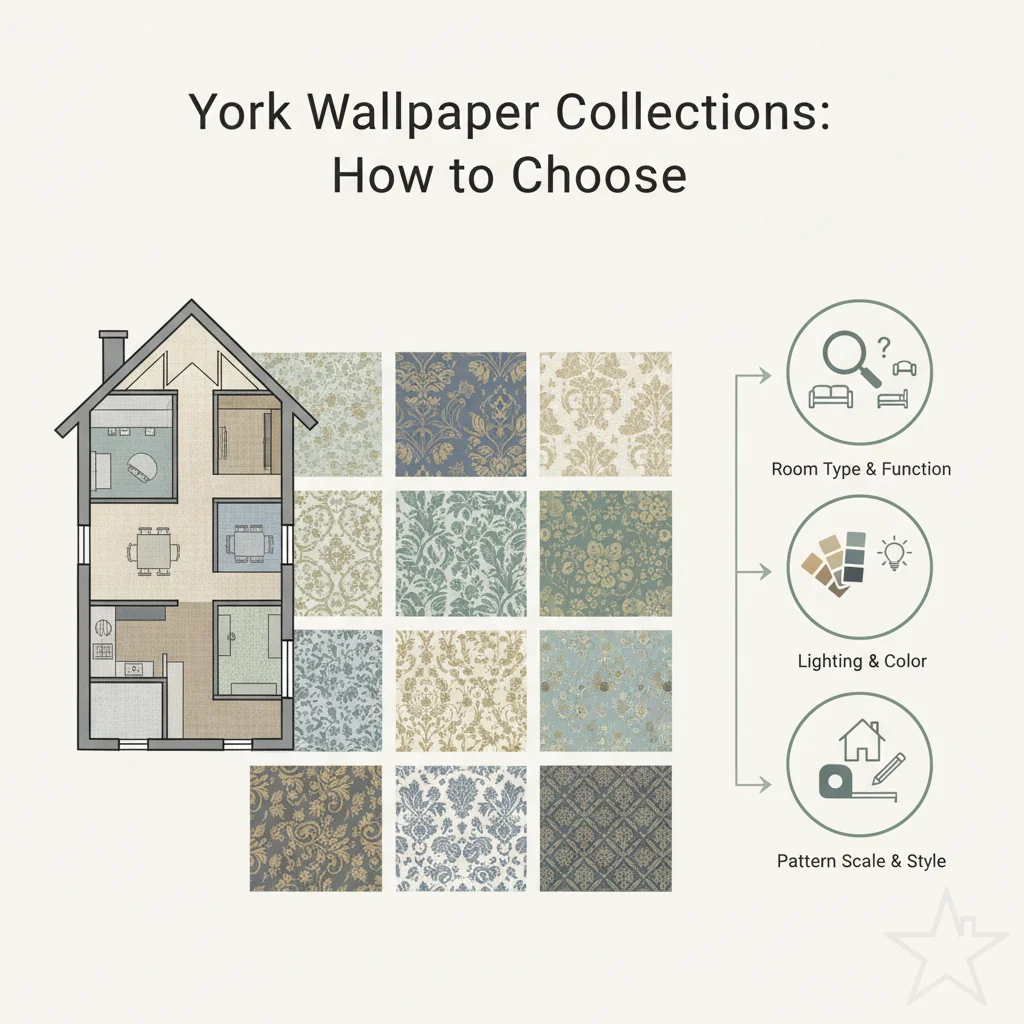
York Wallcoverings excels in offering an expansive aesthetic spectrum, encompassing a rich tapestry of styles, patterns, and underlying design philosophies that cater to virtually every interior sensibility. From time-honored traditional motifs to cutting-edge contemporary designs, York’s collections are meticulously curated to provide options that define, enhance, and transform spaces with precision and artistic integrity. This breadth allows homeowners and designers to articulate their personal style, whether seeking understated elegance or a bold, statement-making wall.
Traditional and Transitional Styles
The heart of York’s offering often lies in its traditional and transitional collections, reflecting a deep appreciation for enduring design principles.
- Traditional: These patterns draw inspiration from historical archives, featuring classic damasks, intricate toile, grand florals, and delicate stripes. Traditional York wallpapers evoke a sense of timeless sophistication and formality, often rendered in rich, muted color palettes or classic black and white. They are ideal for creating elegant dining rooms, stately studies, or serene master bedrooms that exude a sense of heritage and established taste.
- Transitional: Bridging the gap between classic and contemporary, transitional designs offer a refined blend of traditional elements with a modern twist. These patterns might feature simplified damasks, updated botanical prints, or subtly textured plains that incorporate contemporary color schemes or metallic accents. Transitional wallpapers provide versatility, allowing for a fresh yet familiar aesthetic that complements a wide range of furnishings and architectural styles.
Contemporary and Modern Styles
For those drawn to sleek lines, minimalist forms, and innovative aesthetics, York’s contemporary and modern collections offer compelling solutions.
- Contemporary: Characterized by geometric patterns, abstract designs, and a focus on texture and metallic sheens, contemporary York wallpapers are designed to create dynamic and visually striking spaces. These collections often feature bold color combinations, large-scale prints, and experimental motifs that reflect current design trends. They are perfect for urban apartments, modern living rooms, or accent walls that demand attention.
- Mid-Century Modern: York also pays homage to the iconic designs of the mid-20th century, offering patterns inspired by the era’s clean lines, organic shapes, and vibrant yet sophisticated color palettes. These designs often feature atomic-era motifs, abstract geometrics, and natural wood grain textures, bringing a sense of retro-chic cool to contemporary interiors.
Botanical and Nature-Inspired Themes
Nature provides an endless source of inspiration for York’s designers, resulting in breathtaking botanical and nature-inspired collections.
- Botanical: From lush tropical foliage and delicate wildflowers to intricate trellises and scenic landscapes, botanical wallpapers infuse spaces with organic beauty and a sense of tranquility. These designs can range from realistic depictions to stylized interpretations, offering options for creating vibrant garden rooms, serene bedrooms, or refreshing powder rooms.
- Organic Textures: Beyond literal botanicals, York offers collections that mimic natural textures like grasscloth, cork, linen, and weathered wood. These provide a subtle, tactile dimension that adds warmth, depth, and an earthy sophistication to any room, often serving as a refined backdrop for other décor elements.
Geometric and Abstract Patterns
Geometric and abstract patterns are a cornerstone of modern and contemporary design, and York offers an extensive selection to create visual interest and structure.
- Geometric: Featuring repeated shapes such as stripes, chevrons, trellises, hexagons, and intricate tessellations, geometric wallpapers introduce rhythm and order to a space. They can be bold and graphic or subtle and understated, depending on the scale and color palette, making them suitable for accent walls, hallways, or entire rooms where a strong design statement is desired.
- Abstract: These patterns move beyond literal representation, offering artistic expressions through color, form, and texture. Abstract wallpapers can evoke emotion, create a focal point, or simply add a layer of sophisticated visual interest without adhering to a specific theme. They are ideal for contemporary art-inspired interiors or spaces that benefit from an unconventional touch.
York’s design philosophy is rooted in the belief that wallpaper is an integral component of interior architecture, capable of defining mood, enhancing scale, and expressing individuality. By exploring the vast aesthetic spectrum of York Wallpaper Collections, homeowners can discover the perfect design to articulate their vision and elevate their home’s character.
As you explore the vast aesthetic spectrum of York Wallcoverings, envision how these diverse styles and patterns can transform your home. At Starhouse, we are curating a collection designed to meet your every aspiration. We invite you to tell us what you’re looking for in your dream space and gain early access to our exclusive offerings.
Selecting Your Ideal York Wallcovering: A Strategic Approach to Design and Function
Choosing the ideal York wallcovering for your space requires a strategic approach that balances aesthetic aspirations with practical considerations, ensuring the final selection perfectly complements your home’s character and your lifestyle. This meticulous process involves evaluating the room’s function, existing décor, natural light, and the overall mood you wish to create, preventing common design pitfalls and guaranteeing satisfaction with your investment. Starhouse advocates for a thoughtful selection process that considers every detail, from pattern scale to material durability.
Consider the Room’s Function and Traffic Level
The intended use of a room is paramount in guiding your wallpaper selection.
- High-Traffic Areas (Hallways, Entryways, Kitchens, Kids’ Rooms): These spaces demand highly durable and washable wallcoverings. Vinyl wallpapers (solid or fabric-backed) are an excellent choice due to their resilience against scuffs, stains, and moisture. Non-woven options also offer good durability and are often scrubbable. Avoid delicate paper-based or natural fiber wallpapers in these active zones.
- Moisture-Prone Areas (Bathrooms, Powder Rooms): In bathrooms, opt for vinyl or highly washable non-woven wallpapers that can withstand humidity and splashes. Ensure adequate ventilation to prevent mold and mildew, even with moisture-resistant options.
- Low-Traffic/Formal Areas (Bedrooms, Dining Rooms, Studies): These rooms allow for a wider range of materials, including luxurious paper-backed designs and delicate natural fibers like grasscloth, where their unique textures and finishes can be appreciated without risk of damage.
Harmonize with Existing Décor and Color Palette
Your new wallpaper should integrate seamlessly with your current furnishings, textiles, and overall color scheme.
- Complement, Don’t Compete: If your room already features busy patterns in upholstery or rugs, consider a more understated wallpaper with subtle textures or a tone-on-tone pattern. Conversely, if your décor is largely monochromatic or minimalist, a bold, patterned York wallpaper can serve as a stunning focal point.
- Color Harmony: Select a wallpaper that shares colors with your existing palette or introduces complementary hues. Use a color wheel to identify analogous (next to each other) or complementary (opposite each other) colors for a cohesive or vibrant effect. York offers collections in a vast array of colorways, making it easier to find the perfect match.
Assess Natural Light and Room Size
Light conditions and room dimensions significantly influence how a wallpaper appears and feels within a space.
- Small Rooms or Low Light: Lighter colors and smaller, delicate patterns can make a small room feel more expansive and brighter. Wallpapers with metallic accents or a subtle sheen can also reflect light, enhancing luminosity. Avoid very dark or overwhelmingly large patterns, which can make a small space feel claustrophobic.
- Large Rooms or Abundant Light: Larger rooms with ample natural light can comfortably accommodate bolder colors, larger-scale patterns, and darker tones without feeling overwhelmed. These spaces provide an excellent canvas for dramatic murals or intricate designs that demand visual attention.
Evaluate Pattern Scale and Repeat
A pattern repeat is the vertical distance on a wallpaper roll before a design element begins to repeat itself, a crucial measurement for estimating material needs and ensuring proper pattern alignment during installation. The scale of a pattern refers to the size of the design elements within it.
- Pattern Scale: A large-scale pattern can make a dramatic statement in a spacious room, while a smaller, more intricate pattern is often better suited for smaller areas or when a subtle backdrop is desired. Consider viewing a sample of the wallpaper at a distance to gauge its true visual impact.
- Pattern Repeat: Be mindful of the pattern repeat, as larger repeats mean more wallpaper waste during installation to ensure patterns align across seams. This is an important factor for budgeting and ordering sufficient material. York provides pattern repeat information for all its designs.
Texture and Tactile Appeal
Don’t underestimate the power of texture in creating a sensory experience. York offers textured wallpapers that add depth and dimension even in monochromatic schemes.
- Subtle Textures: Linen, grasscloth, or embossed patterns add a sophisticated tactile quality, creating visual interest without overwhelming the space.
- Dramatic Textures: Boldly textured wallpapers can mimic architectural elements, natural stone, or fabric weaves, providing a rich, multi-dimensional backdrop.
By systematically addressing these considerations, you can confidently navigate York’s extensive collections to select a wallcovering that not only beautifies your home but also functions seamlessly within your daily life, creating a truly personalized and inspiring environment.
Precision in Preparation: Sizing, Measuring, and Installation Best Practices for York Wallpaper
Achieving a professional and lasting finish with York wallcoverings hinges on meticulous preparation, accurate sizing, and adherence to installation best practices. Even the most exquisite wallpaper will underperform if the underlying surface is not properly prepared or if measurements are imprecise. Starhouse emphasizes that careful planning and execution during this phase are critical to the success and longevity of your wallcovering project.
Accurate Measurement: The Foundation of Your Project
Precise measurement is the first and most critical step, determining how much wallpaper you need and minimizing waste.
- Measure Wall Dimensions: Measure the height of each wall from baseboard to ceiling and the width of each wall. For walls with varying heights (e.g., sloped ceilings), measure the highest point.
- Calculate Total Square Footage: Multiply the total linear feet of all walls by the height. Subtract square footage for large openings like windows and doors (typically anything larger than 20 sq ft).
- Account for Pattern Repeat: This is crucial for patterned wallpaper. Divide the wall height by the pattern repeat length to determine how many repeats fit per strip. Round up to the nearest whole number, then multiply by the pattern repeat length to get the cut length for each strip. Add 4-6 inches (2-3 inches at the top and bottom) for trimming.
- Estimate Rolls Needed: York wallpaper typically comes in rolls of standard dimensions (e.g., a double roll might be 20.5 inches wide by 33 feet long, covering approximately 56 square feet). Divide your total adjusted square footage by the coverage area of one roll.
- Add for Waste and Future Repairs: Always add an extra 15-20% to your roll count to account for pattern matching waste, trimming, and potential future repairs. For large pattern repeats (over 20 inches), consider adding an additional roll. It is always better to have a little extra from the same dye lot than to run short and need to order more later, which might result in slight color variations.
Tip: Always refer to the specific roll dimensions and pattern repeat information provided by York for the exact collection you’ve chosen, as these can vary.
Surface Preparation: The Canvas for Your Wallcovering
A smooth, clean, and properly primed surface is essential for optimal adhesion and a flawless finish.
- Remove Old Wallcoverings: All existing wallpaper should be completely removed. Residual adhesive or paper can create bumps and prevent new wallpaper from adhering properly.
- Repair and Smooth Walls: Fill any holes, cracks, or imperfections with spackle or joint compound. Sand these areas smooth once dry. Ensure the entire wall surface is free of dust, dirt, and grease.
- Clean Walls: Wash walls with a mild detergent solution, rinse thoroughly, and allow them to dry completely.
-
Apply Primer: A high-quality wallpaper primer (often called a “sizing” or “wallcovering primer”) is indispensable. It serves multiple functions:
- Seals the surface: Prevents the wall from absorbing too much adhesive.
- Promotes adhesion: Creates a consistent surface for the wallpaper to stick to.
- Aids in future removal: Makes it easier to remove the wallpaper without damaging the drywall.
- Equalizes porosity: Ensures uniform absorption across the wall, preventing patchy drying or color variations.
Apply primer evenly and allow it to dry fully according to manufacturer instructions, typically 24 hours.
- Test Peel-and-Stick: For peel-and-stick wallpapers, ensure the wall is smooth, clean, dry, and painted with an eggshell, satin, or semi-gloss finish. Matte or flat paints can be too porous, affecting adhesion. A primer designed for peel-and-stick applications can improve adhesion on challenging surfaces.
Installation Best Practices
While professional installation is often recommended for optimal results, understanding the process helps ensure quality.
- Work from a Plumb Line: Do not rely on corners being perfectly straight. Use a plumb bob or laser level to draw a perfectly vertical line on the wall, about an inch less than the width of your first strip, from which to start.
- Match Patterns Carefully: For patterned wallpapers, dry-lay strips on the floor or carefully align them on the wall before applying paste or peeling the backing to ensure pattern continuity.
- Smooth Out Bubbles: Use a smoothing brush or plastic smoother to work out air bubbles as you apply each strip, moving from the center outwards.
- Trim Excess: Use a sharp utility knife and a straight edge to trim excess wallpaper at the ceiling, baseboards, and around windows/doors. Change blades frequently for clean cuts.
- Consider Professional Installation: For intricate patterns, delicate materials like grasscloth, or complex architectural features, hiring a professional wallpaper installer is a wise investment. They possess the tools, expertise, and experience to ensure a flawless and efficient installation, guaranteeing the beauty and longevity of your York wallcoverings.
Comparison of York Wallpaper Types for Installation & Durability
| Wallpaper Type | Installation Ease | Durability | Washability | Ideal Use Cases |
|---|---|---|---|---|
| Traditional Paper | Moderate (paste required, can tear) | Low to Moderate | Not Washable (wipe gently with dry cloth) | Low-traffic areas: Bedrooms, Formal Dining Rooms, Studies |
| Non-Woven | High (paste-the-wall, easy to remove) | Moderate to High | Washable (scrubbable) | Versatile: Living Rooms, Hallways, Bedrooms, Bathrooms (with ventilation) |
| Solid Vinyl | Moderate (paste required, robust) | High | Highly Washable (scrubbable, grease resistant) | High-traffic areas: Kitchens, Bathrooms, Kids’ Rooms, Entryways |
| Peel-and-Stick | Very High (self-adhesive, repositionable) | Moderate (surface dependent) | Washable (damp cloth) | Temporary updates: Accent Walls, Renters, DIY projects |
| Grasscloth/Natural Fiber | Low (delicate, visible seams, professional recommended) | Low to Moderate (fragile) | Not Washable (dry dust only) | Luxury spaces: Master Bedrooms, Formal Living Rooms, Dining Rooms |
By investing time in precise measurements and thorough surface preparation, you ensure that your chosen York wallpaper not only looks stunning upon installation but also maintains its beauty and integrity for years to come, truly transforming your space into a Starhouse-worthy environment.
Mastering the Art of Display: Styling, Pairing, and Care for Your York Wallcoverings
Mastering the art of displaying York wallcoverings extends beyond mere installation; it involves thoughtfully styling and pairing them with existing décor and understanding their specific care requirements to ensure their beauty endures. Wallpaper is a foundational design element, capable of dictating a room’s mood and aesthetic, and proper integration with furnishings, lighting, and accessories is key to a cohesive and sophisticated interior. Starhouse believes that a well-styled and maintained wallcovering elevates the entire home.
Styling and Pairing York Wallpaper
Wallpaper acts as the backdrop or focal point for your room, influencing how all other elements interact.
-
Define Your Focal Point:
- Statement Wall: If using a bold, large-scale pattern or a mural, designate one wall as the focal point. Keep other walls neutral or painted in a complementary color pulled from the wallpaper. This prevents the room from feeling overwhelming.
- All Walls: For subtle textures, tone-on-tone patterns, or small-scale prints, applying wallpaper to all four walls can create an immersive, enveloping effect, adding depth without overpowering the space.
-
Balance with Furnishings:
- Patterned Wallpaper: If your York wallpaper features a prominent pattern, select furniture with clean lines and solid colors or subtle textures. This creates visual harmony, allowing both the wallpaper and furniture to shine without competing.
- Textured/Subtle Wallpaper: For grasscloth, linen-look, or subtly patterned wallcoverings, you have more freedom to introduce patterned upholstery, rugs, or decorative pillows to add layers of interest.
-
Coordinate with Textiles:
Textiles such as curtains, rugs, and throw pillows are essential for softening a space and reinforcing the color palette established by your wallpaper. Choose fabrics that complement the colors in your wallpaper, either by matching dominant hues or introducing harmonious secondary colors. Consider the texture of your textiles; a smooth vinyl wallpaper might be beautifully contrasted with plush velvet curtains or a woven rug.
-
Integrate with Lighting:
Lighting can dramatically alter the perception of your wallpaper. Metallic or subtly textured wallpapers shimmer under direct light, enhancing their reflective qualities. Strategically placed sconces or picture lights can highlight specific patterns or textures, adding drama and depth. Ensure your lighting scheme is conducive to showcasing the wallpaper’s unique characteristics.
-
Accessorize Thoughtfully:
Art and decorative accessories should enhance, not hide, your beautiful York wallcovering. For busy patterns, choose simple, framed art or mirrors that allow the wallpaper to peek through. For subtle wallpapers, art with bold colors or intricate details can provide a striking contrast and visual anchors. Consider the scale of accessories relative to the pattern; avoid tiny items that get lost against a large print.
Caring for Your York Wallcoverings: Maintenance and Longevity
Proper care ensures the longevity and pristine appearance of your York wallcoverings. Maintenance routines vary significantly based on the wallpaper material. Always consult the specific care instructions provided by York for your chosen collection, typically found on the roll label.
General Care Guidelines:
- Dust Regularly: Use a soft, dry cloth or a feather duster to gently remove dust and cobwebs from all types of wallpaper. For textured surfaces, a soft brush attachment on a vacuum cleaner can be effective.
- Address Stains Promptly: The faster you address a stain, the better your chances of complete removal.
- Avoid Harsh Chemicals: Never use abrasive cleaners, scouring pads, or strong chemical solvents, as these can damage the wallpaper’s surface, fade colors, or remove finishes.
- Test in an Inconspicuous Area: Before applying any cleaning solution to a visible area, always test it on a small, hidden section of the wallpaper (e.g., behind a piece of furniture or near the baseboard) to ensure it doesn’t cause discoloration or damage.
Material-Specific Care:
- Traditional Paper Wallpaper: These are generally not washable. For light dirt, gently blot with a barely damp, clean cloth (not wet). For stains, professional cleaning may be required, or spot treatment with a dry art gum eraser can sometimes lift marks. Avoid any liquid saturation.
- Non-Woven Wallpaper: Most non-woven wallpapers are washable. Use a soft sponge or cloth dampened with a mild soap and water solution. Gently wipe the affected area, then wipe with a clean, damp cloth to remove any soap residue. Pat dry.
- Solid Vinyl and Fabric-Backed Vinyl Wallpaper: These are highly washable and scrubbable. They can withstand more vigorous cleaning. Use a mild detergent and warm water solution with a sponge or soft brush. Rinse thoroughly with a clean, damp cloth and dry. For stubborn stains, a diluted all-purpose cleaner might be used, but always test first.
- Peel-and-Stick Wallpaper: Typically washable with a soft, damp cloth and mild soap. Avoid excessive scrubbing, which could lift the edges or damage the surface.
- Natural Fiber Wallcoverings (Grasscloth, Sisal): These are delicate and not washable. They are highly susceptible to water damage and staining. Dry dust regularly with a soft cloth or use a vacuum cleaner with a brush attachment. For spills, blot immediately with a clean, dry cloth; do not rub. Professional cleaning for significant stains is the safest option. Protect these wallcoverings from direct sunlight to prevent fading.
By meticulously styling your York wallcoverings and adhering to their specific care instructions, you ensure they remain a vibrant and cherished part of your home décor for years, preserving the investment in beauty and design they represent.
Common Mistakes to Avoid When Selecting and Installing York Wallpaper
While York Wallcoverings offer unparalleled beauty and quality, certain common mistakes in selection and installation can diminish their impact and longevity. Being aware of these pitfalls allows homeowners to approach their wallpaper project with informed precision, ensuring a successful and satisfying outcome. Starhouse emphasizes proactive avoidance of these errors to protect your investment and achieve the desired aesthetic.
Selection Mistakes:
- Ignoring Pattern Scale in Relation to Room Size: A large, bold pattern can overwhelm a small room, making it feel cramped. Conversely, a tiny, intricate pattern might get lost in a vast space, failing to make a statement. Always consider the scale of the pattern in proportion to the room’s dimensions and ceiling height.
- Disregarding Lighting Conditions: Wallpaper colors and textures react differently under various lighting. A pattern that looks vibrant in a brightly lit showroom might appear dull in a north-facing room with limited natural light. Always view samples in your home, at different times of day, to assess how light interacts with the design.
- Underestimating Material Durability for Room Function: Choosing a delicate paper wallpaper for a high-traffic entryway or a moisture-prone bathroom is a common oversight. Match the wallpaper material’s durability and washability to the demands of the room. Vinyl and non-woven options are best for active or humid areas, while natural fibers are reserved for more protected spaces.
- Failing to Order Enough Rolls: Running short of wallpaper mid-project is frustrating and can lead to issues with dye lot variations if reordering. Always calculate your needs meticulously, adding an extra 15-20% for waste, pattern matching, and future repairs.
- Not Considering Existing Décor: Selecting a wallpaper that clashes with existing furniture, flooring, or architectural details creates visual discord. The wallpaper should complement, not compete with, the room’s existing elements, either by harmonizing colors and styles or by providing a well-considered contrast.
- Only Viewing Small Samples: A small swatch does not fully represent how a pattern will look across an entire wall. Obtain larger samples (if available) or visualize the pattern repeat to get a better sense of its overall impact.
Installation Mistakes:
- Inadequate Wall Preparation: This is arguably the most critical error. Applying wallpaper over dirty, uneven, unprimed, or improperly sealed walls will lead to poor adhesion, visible imperfections, and potential mold growth. Thorough cleaning, patching, sanding, and priming are non-negotiable steps.
- Not Using a Plumb Line: Starting the first strip without a perfectly vertical plumb line can result in crooked panels that become increasingly noticeable as you progress across the wall. Never assume walls or corners are perfectly straight.
- Incorrect Adhesive Application: Using the wrong type of adhesive or applying too much/too little can cause wallpaper to bubble, peel, or stain. Always use the adhesive recommended by York for your specific wallpaper type and follow application instructions precisely. For peel-and-stick, ensure the surface is compatible and properly cleaned.
- Poor Pattern Matching: For patterned wallpapers, failing to carefully align the pattern repeat between strips creates a disjointed and unprofessional look. Take your time, dry-fit if necessary, and ensure each strip is perfectly matched before permanent adhesion.
- Trapping Air Bubbles: Rushing the smoothing process can leave unsightly air bubbles. Use a proper smoothing tool to work bubbles out from the center to the edges of each strip immediately after application.
- Using Dull Blades for Trimming: A dull utility knife blade will tear and fray the wallpaper edges, resulting in uneven cuts and a messy finish. Change blades frequently for crisp, clean lines at ceilings, baseboards, and around openings.
- Overlooking Professional Installation for Complex Projects: For expensive materials, intricate patterns, or rooms with challenging architectural features, attempting a DIY installation without sufficient experience can lead to costly mistakes. Investing in a professional installer ensures a flawless finish and peace of mind.
By avoiding these common pitfalls, you ensure that your York wallpaper project is not only beautiful but also a testament to thoughtful design and expert execution, enhancing your home’s aesthetic appeal for years to come.
Sources
- York Wallcoverings. Shop Wallpaper by Collection | York Wallcoverings
- York Wallcoverings | Sherwin-Williams
Frequently Asked Questions (FAQ)
What makes York Wallcoverings a leading brand in the wallpaper industry?
York Wallcoverings is recognized as the oldest and largest wallcovering producer in the United States, distinguished by over a century of continuous manufacturing from its Pennsylvania factory, a commitment to diverse design styles, and the integration of traditional printing techniques with modern materials.
Are York wallpapers suitable for bathrooms or kitchens?
Yes, many York wallpapers are suitable for bathrooms and kitchens, particularly their solid vinyl and non-woven collections, which offer superior durability, moisture resistance, and washability. It is crucial to select wallpapers specifically rated for high-humidity or high-traffic environments and ensure adequate room ventilation.
Can York wallpaper be removed easily?
The ease of removal for York wallpaper depends on the material type and proper installation. Non-woven wallpapers are often “strippable,” meaning they can be removed in full sheets without damaging the wall. Peel-and-stick options are designed for clean, residue-free removal. Traditional paper wallpapers, while beautiful, are generally more challenging to remove and may require steaming or soaking.
How do I calculate how many rolls of York wallpaper I need?
To calculate the number of rolls, first measure the total square footage of the walls you intend to cover, subtracting large openings. Then, divide this total by the square footage covered by a single roll of your chosen wallpaper (refer to York’s product specifications). Always add an extra 15-20% to this calculation to account for pattern matching, trimming waste, and potential future repairs, especially for patterns with large repeats.
What is the difference between traditional and non-woven York wallpaper?
Traditional wallpaper is typically paper-backed, offering rich finishes but generally requiring pre-pasting and being less washable. Non-woven wallpaper, made from synthetic and natural fibers, is more durable, breathable, tear-resistant, often washable, and features a convenient “paste-the-wall” application method, making it easier to install and remove cleanly.
Can I install York wallpaper myself, or should I hire a professional?
While some York wallcoverings, particularly peel-and-stick and some non-woven types, are suitable for experienced DIYers, professional installation is strongly recommended for optimal results, especially for intricate patterns, delicate materials like grasscloth, or projects involving complex architectural features. Professionals ensure precise pattern matching, seamless application, and a flawless finish.
How do I care for my natural fiber York wallpaper, such as grasscloth?
Natural fiber wallpapers like grasscloth are delicate and not washable. Care involves regular, gentle dry dusting with a soft cloth or a vacuum cleaner with a brush attachment. Avoid any liquid contact, as it can cause permanent staining or damage. For spills, blot immediately with a clean, dry cloth; professional cleaning is recommended for significant stains.
Conclusion: Crafting Your Vision with York Wallcoverings and Starhouse
York Wallpaper Collections offer an unparalleled resource for transforming any house into a home imbued with style, personality, and enduring beauty. From its century-old legacy of American craftsmanship to its diverse range of materials, patterns, and design philosophies, York provides the foundational elements for creating spaces that truly inspire. Understanding the nuances of each collection—from durable vinyls for high-traffic zones to luxurious natural fibers for serene retreats—empowers you to make informed decisions that align with both your aesthetic vision and practical needs.
At Starhouse, we believe that every detail contributes to the narrative of your home. The careful selection, precise measurement, and thoughtful styling of York wallcoverings are pivotal steps in curating an environment that reflects your unique taste and aspirations. By embracing the insights provided in this guide, you are well-equipped to navigate the rich world of York designs, ensuring that your walls become a testament to sophisticated design and lasting quality.
As Starhouse continues to curate an exceptional collection of home décor, we are eager to understand what truly resonates with you. We invite you to tell us what you’re looking for in your ideal living spaces. Share your design dreams and gain early access to our meticulously selected offerings, designed to complement the timeless elegance of York Wallcoverings and complete your Starhouse vision.