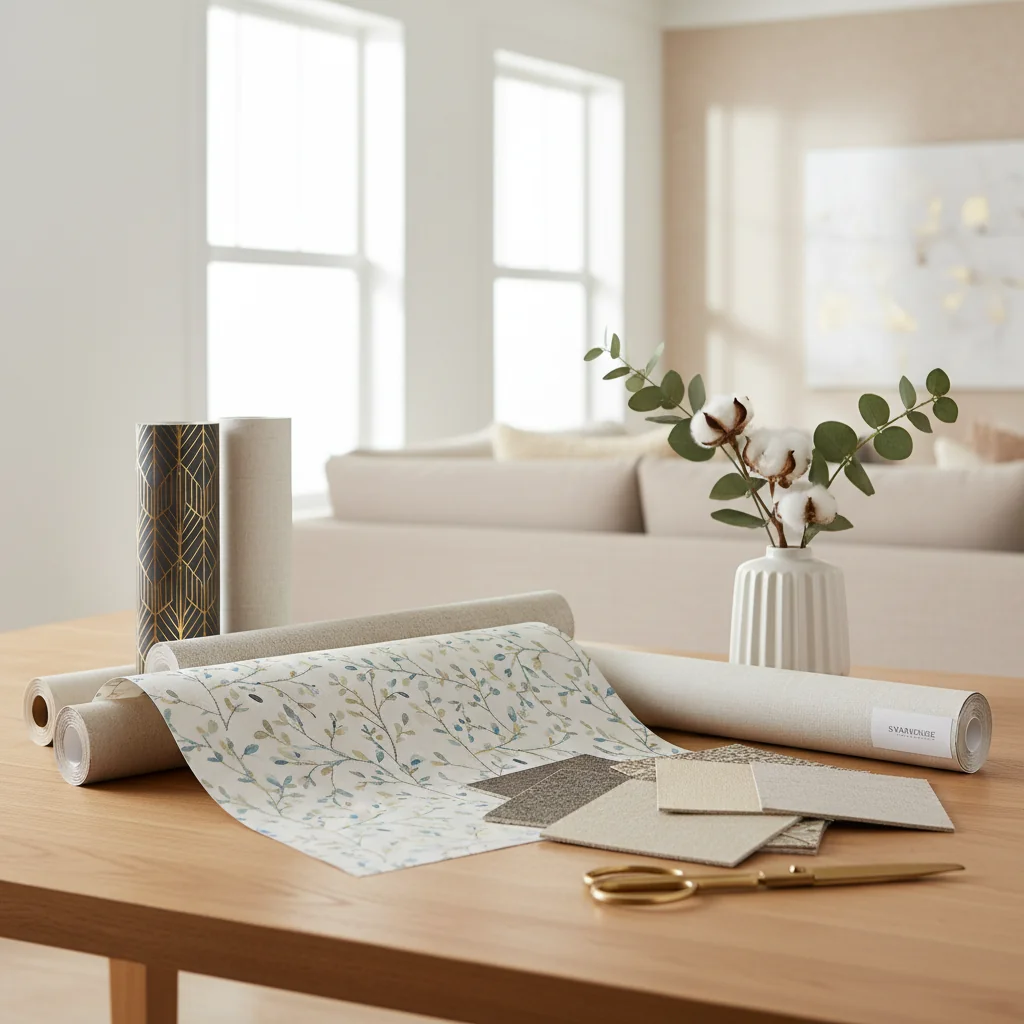
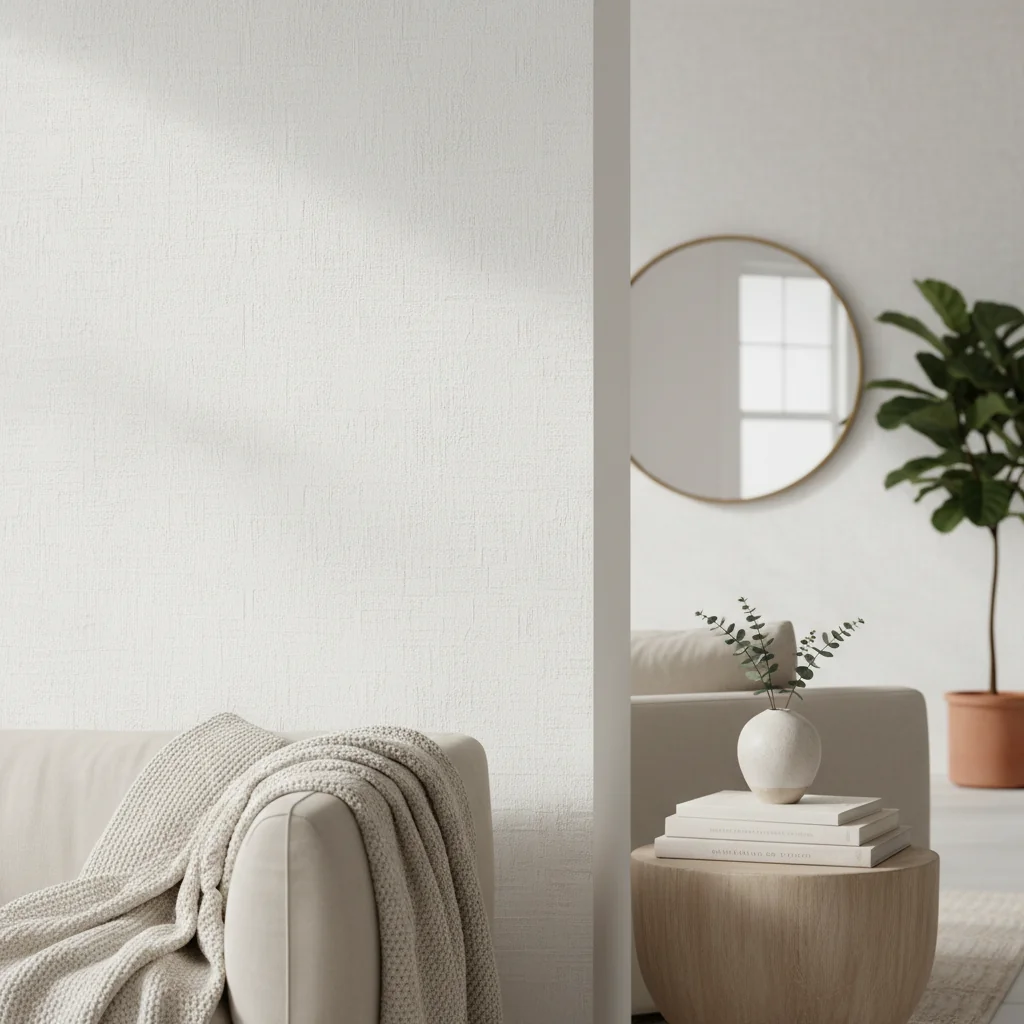
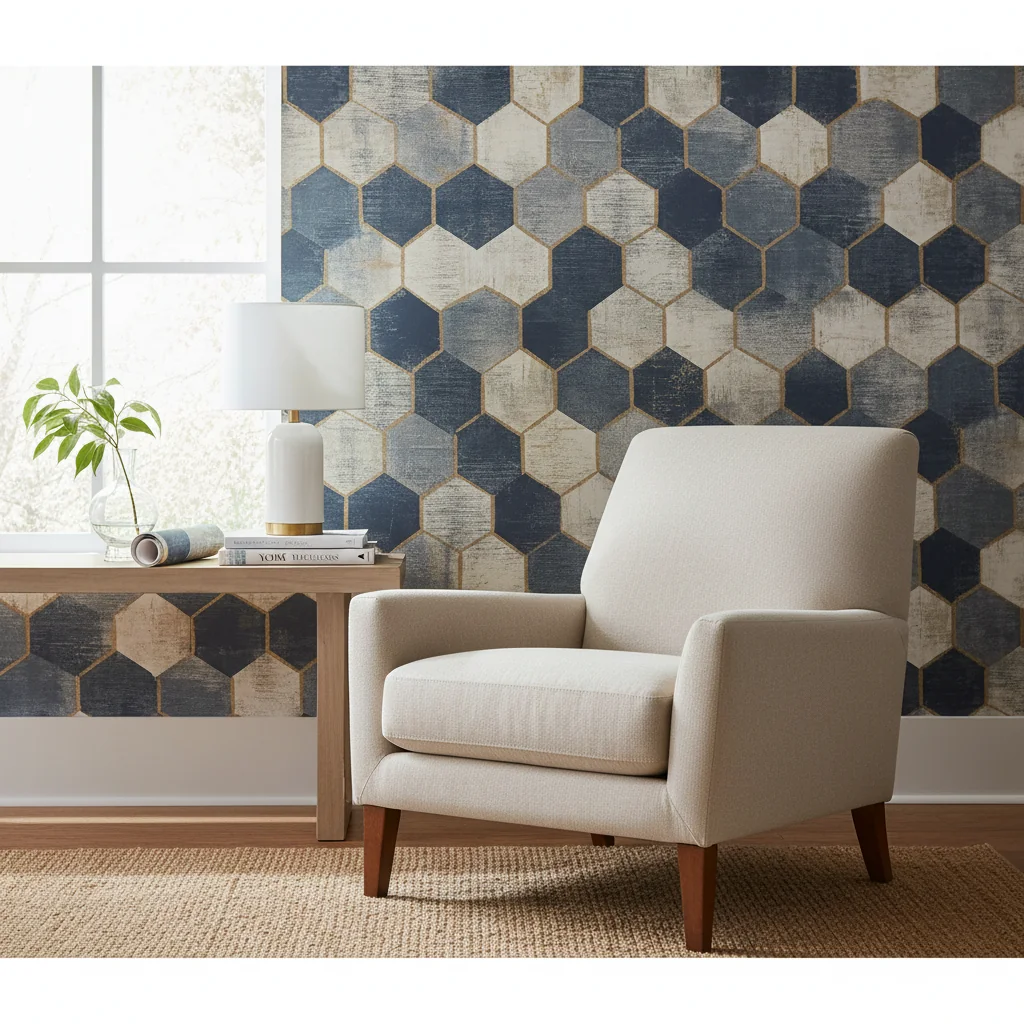
Boho wallpaper is a design choice that embodies a relaxed, eclectic, and globally-inspired aesthetic, transforming living spaces with organic patterns, earthy palettes, and textural depth. It serves as a foundational element for cultivating environments that feel both free-spirited and thoughtfully curated, reflecting personal journeys and an appreciation for artisan craftsmanship. Starhouse curates an expansive selection that captures the essence of this versatile style, from subtle botanicals to bold, tribal motifs, ensuring every home can achieve its unique bohemian vision.
Key Takeaways
- Boho wallpaper infuses spaces with a relaxed, globally-inspired aesthetic through organic patterns, earthy colors, and rich textures.
- Key types include peel-and-stick for flexibility, traditional for durability, and murals for immersive visual impact.
- Popular styles range from botanical and geometric to global ethnic prints and subtle textural designs like faux grasscloth.
- Material choices like vinyl, non-woven, and natural fibers dictate durability, ease of maintenance, and tactile qualities.
- Accurate measurement, including pattern repeat and a 10-15% buffer, is critical for seamless installation and minimizing waste.
- Proper care, tailored to the wallpaper material, ensures longevity and preserves the aesthetic integrity of your investment.
What is Boho Wallpaper? Decoding the Aesthetic
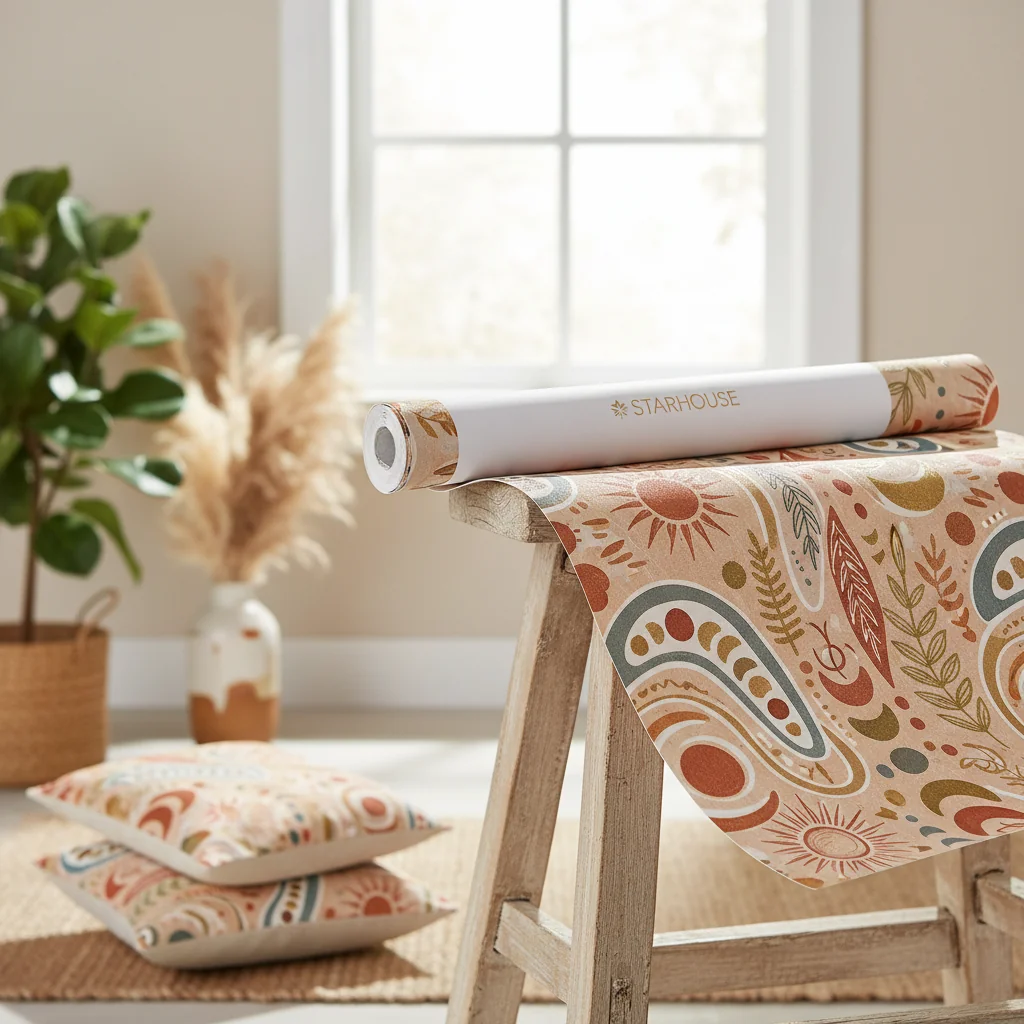
Boho wallpaper is a decorative wall covering characterized by its relaxed, free-spirited, and often globally-inspired aesthetic, drawing heavily from bohemian design principles to create warm, inviting, and eclectic spaces. It distinguishes itself through organic patterns, earthy and muted color palettes, and a focus on natural textures, reflecting a connection to nature and diverse cultural influences. This style is not merely a trend but a philosophy, celebrating individuality and a well-traveled, collected look.
The term “bohemian” originated in the 19th century, describing unconventional artists, writers, and travelers who lived outside societal norms, embracing an artistic and nomadic lifestyle. This ethos translated into their living spaces, which were often filled with items collected from travels, handmade crafts, and natural elements. Boho wallpaper encapsulates this spirit, offering patterns that evoke a sense of wanderlust, artistic expression, and connection to the natural world.
Key characteristics of boho wallpaper include:
- Organic Patterns: Expect to find designs featuring botanical elements like palm fronds, wildflowers, or intricate mandalas. These patterns often showcase fluid lines and natural motifs, moving away from rigid geometric precision.
- Earthy Color Palettes: The dominant colors are typically warm and grounded, including shades of terracotta, sage green, mustard yellow, dusty rose, cream, and various browns. These hues create a calming and natural backdrop that feels both serene and inviting.
- Textural Depth: Many boho wallpapers mimic natural textures such as grasscloth, rattan, macrame, or woven fabrics. Even smooth vinyl or non-woven papers often feature visual textures that add dimension and tactile appeal, contributing to the layered aesthetic central to bohemian design.
- Global Influences: Patterns frequently draw inspiration from cultures worldwide, incorporating elements like Moroccan tiles, Indian block prints, African mudcloth, or Turkish kilim rug motifs. This global fusion creates a sense of history and adventure within the space.
- Eclectic and Layered Aesthetic: Boho design thrives on mixing and matching. Wallpaper in this style often serves as a rich backdrop, allowing for layering with diverse furniture, textiles, and accessories to build a narrative of collected treasures.
Boho wallpaper is more than just a decorative choice; it is a statement of style that prioritizes comfort, personality, and a relaxed ambiance. It transforms a simple wall into a canvas that tells a story, inviting occupants and guests to unwind and feel at home in a space that feels authentically lived-in and deeply personal. Its versatility means it can adapt to various interpretations, from minimalist bohemian to maximalist eclectic, making it a powerful tool for interior designers and homeowners alike.
The Diverse World of Boho Wallpaper Types
Boho wallpaper is available in several distinct types, each offering unique installation methods, durability, and suitability for different applications, allowing for tailored design solutions based on a project’s specific needs and desired permanence. Understanding these variations is crucial for selecting the appropriate product that aligns with both aesthetic preferences and practical considerations, ensuring a successful and satisfying outcome. Starhouse offers a curated selection of each type, prioritizing quality and ease of use.
Peel-and-Stick Wallpaper
Peel-and-stick wallpaper, also known as removable or self-adhesive wallpaper, is a highly popular choice due to its user-friendliness and non-permanent nature. This type features an adhesive backing protected by a removable liner; installation simply involves peeling off the liner and pressing the wallpaper onto a clean, smooth surface. It is ideal for renters, temporary installations, or those who enjoy frequently updating their decor, as it can be removed without damaging the underlying wall surface.
- Installation: Simple DIY application, requiring no paste or professional tools. Panels are typically repositionable during installation.
- Removal: Designed for clean, damage-free removal, making it perfect for apartments or transient design preferences.
- Durability: Generally made from vinyl or fabric-backed vinyl, offering good durability and washability, making it suitable for moderate traffic areas like bedrooms, living rooms, and offices.
- Ideal Use: Accent walls, nurseries, rental properties, temporary decor, and DIY projects.
- Considerations: Requires a very smooth, clean, and primed wall for optimal adhesion and seamless appearance. Textured walls are generally not suitable.
Traditional Wallpaper (Pre-pasted and Unpasted)
Traditional wallpaper refers to wall coverings that require adhesive for installation, offering a more permanent and often more durable solution compared to peel-and-stick options. This category includes both pre-pasted papers, which have a dried adhesive activated by water, and unpasted papers, which require a separate adhesive applied to the paper or the wall. Traditional wallpaper often provides a more luxurious finish and greater longevity.
- Pre-pasted Wallpaper: Features a dry adhesive on the back that is activated by dipping the paper in water. This method simplifies the application process compared to unpasted options.
- Unpasted Wallpaper: Requires a separate wallpaper paste to be applied to the back of the paper (paste-the-paper) or directly to the wall (paste-the-wall). This method offers greater control over adhesive application and can be more forgiving for pattern matching.
- Installation: More involved than peel-and-stick, often requiring tools like a smoothing brush, seam roller, and a cutting knife. Professional installation is frequently recommended for unpasted types.
- Removal: Varies by material; some modern non-woven traditional wallpapers are strippable, while others may require steaming or soaking for removal.
- Durability: Highly durable, especially vinyl-coated varieties, making them suitable for high-traffic areas, bathrooms, and kitchens. They often have a longer lifespan than peel-and-stick options.
- Ideal Use: Permanent installations, high-traffic areas, bathrooms, kitchens, and formal living spaces where longevity and a sophisticated finish are paramount.
Wallpaper Murals
Wallpaper murals are large-format wall coverings designed to create a single, continuous image or scene across an entire wall or section of a wall, offering an immersive and impactful design statement. Unlike repeating patterns, murals tell a visual story, often featuring expansive landscapes, abstract art, or large-scale botanical illustrations that fit perfectly within the boho aesthetic. They are available in both peel-and-stick and traditional paste-required formats.
- Installation: Typically comes in numbered panels that are installed sequentially to form the complete image. Requires precise alignment to ensure the mural appears seamless.
- Visual Impact: Delivers a dramatic focal point, transforming a room with a single, cohesive design.
- Customization: Many murals can be custom-sized to fit specific wall dimensions, ensuring a perfect fit without awkward cropping.
- Ideal Use: Feature walls in living rooms, bedrooms, dining areas, or creative spaces where a strong artistic statement is desired.
- Considerations: Requires careful measurement and planning to ensure the design scales appropriately for the wall.
Liquid or Fabric-Backed Wallpaper
Liquid wallpaper, also known as “silk plaster” or “cotton plaster,” is a unique wall covering applied as a liquid mixture, resulting in a seamless, textured finish resembling fabric or plaster. Fabric-backed wallpaper, on the other hand, is a traditional roll-form wallpaper with a textile backing, offering enhanced durability and a luxurious, soft tactile quality. These options provide advanced textural depth and a premium feel, elevating the boho aesthetic with their sophisticated finishes.
- Liquid Wallpaper: Applied with a trowel or sprayer, it dries to a seamless, often soft-textured finish. It can be breathable and offers sound insulation properties.
- Fabric-Backed Wallpaper: Often made with linen, silk, or other natural fibers on a non-woven or paper backing. It provides a luxurious feel, superior durability, and can help mask minor wall imperfections.
- Installation: Liquid wallpaper requires specific application techniques, often best handled by professionals. Fabric-backed wallpaper is installed similarly to traditional unpasted wallpaper but may require a heavy-duty adhesive.
- Durability: Both offer excellent durability. Fabric-backed options are highly resistant to tearing and abrasion.
- Ideal Use: High-end residential projects, areas where sound dampening is desired, or spaces requiring a sophisticated, tactile finish.
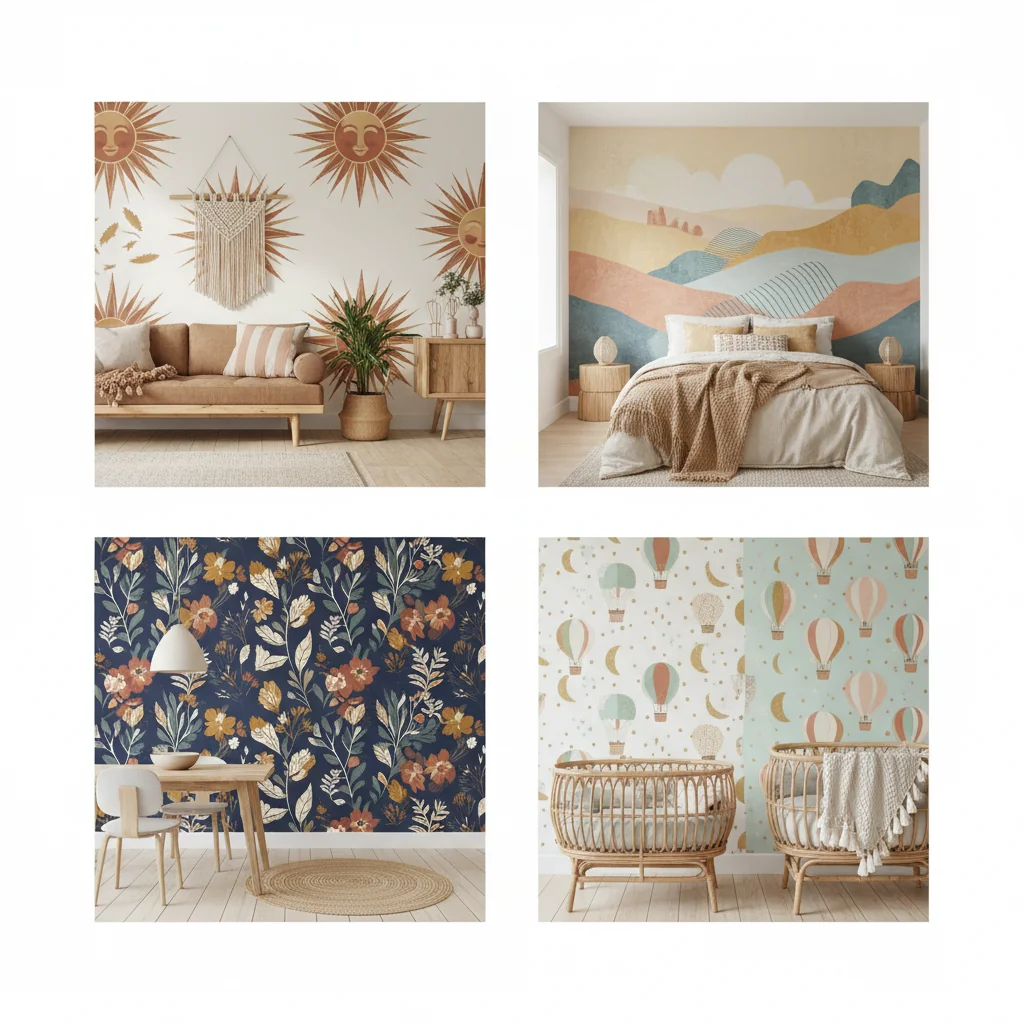
Each type of boho wallpaper offers distinct advantages, allowing designers and homeowners to select the best fit for their project’s scope, budget, and desired aesthetic longevity. Starhouse emphasizes providing clear guidance to help navigate these choices, ensuring that your selection perfectly complements your vision for a bohemian-inspired space.
Exploring Boho Wallpaper Styles and Patterns
Boho wallpaper encompasses a rich tapestry of styles and patterns, each contributing a unique character to the bohemian aesthetic, from nature-inspired motifs to intricate global designs. These diverse visual elements allow for significant personalization, enabling homeowners to curate spaces that range from subtly serene to vibrantly eclectic. Understanding the nuances of these styles is key to selecting a wallpaper that perfectly resonates with your desired interior mood and existing décor.
Botanical and Floral Motifs
Botanical and floral boho wallpapers celebrate the beauty of the natural world, featuring lush foliage, delicate wildflowers, and exotic plant life. These patterns often showcase a hand-drawn or painterly quality, emphasizing organic forms and vibrant, yet often muted, color palettes. They bring an undeniable sense of tranquility and connection to nature indoors, fostering a serene and refreshing atmosphere.
- Palm Fronds and Tropical Leaves: Large, sweeping palm leaves or monstera patterns evoke a relaxed, resort-like feel, perfect for creating an oasis in a bedroom or living room.
- Wildflowers and Meadow Prints: Dainty, scattered floral patterns in soft pastels or earthy tones bring a whimsical, cottage-core bohemian charm, ideal for nurseries or cozy reading nooks.
- Mandalas and Henna-Inspired Designs: While often geometric, these intricate patterns derive from spiritual and natural symbolism, offering a meditative and globally-inspired floral interpretation.
- Ideal Mood: Serene, refreshing, whimsical, exotic, and grounding.
Geometric and Abstract Patterns
Geometric and abstract boho wallpapers introduce structure and rhythm while maintaining the free-spirited essence of the style, often drawing from ancient cultural symbols and natural formations. These patterns use repetitive shapes, lines, and abstract forms to create visual interest and depth, ranging from subtle textures to bold, statement-making designs. They offer a contemporary edge to the bohemian aesthetic, blending modern lines with organic sensibilities.
- Moroccan Tile and Lattice: Intricate tessellations and openwork patterns inspired by North African architecture add a touch of exotic elegance and refined geometry.
- Tribal and Aztec-Inspired Prints: Bold, repetitive geometric shapes and symbols, often in contrasting earthy tones, evoke a sense of heritage and artisanal craftsmanship.
- Abstract Brushstrokes and Organic Shapes: Free-flowing, non-representational patterns with soft edges and painterly textures provide a modern, artistic take on bohemian design.
- Ideal Mood: Rhythmic, sophisticated, cultural, and subtly dynamic.
Textural and Woven Effects
Textural and woven effect wallpapers are designed to mimic the tactile qualities of natural materials, adding significant depth and warmth to a space without the maintenance demands of actual natural fibers. These patterns are crucial for achieving the layered, sensory richness characteristic of bohemian interiors, making a room feel more inviting and grounded. They are particularly effective in creating a subtle, sophisticated backdrop.
- Faux Grasscloth and Raffia: Replicating the woven appearance of natural grasses, these wallpapers add an organic, textural warmth and a subtle, sophisticated pattern.
- Rattan and Cane Webbing: Patterns that mimic the intricate weave of rattan or cane bring a natural, airy, and vintage-inspired bohemian charm, often seen in furniture and lighting.
- Macrame and Woven Tapestry: Designs that replicate the knots and textures of fiber art introduce a handcrafted, artistic element, celebrating traditional craft forms.
- Ideal Mood: Warm, inviting, organic, tactile, and natural.
Global and Ethnic Prints
Global and ethnic prints are at the heart of the boho aesthetic, directly reflecting the style’s origins in travel and cultural appreciation by incorporating designs from around the world. These patterns are characterized by their rich history, symbolic meanings, and often vibrant or contrasting color combinations, instantly infusing a space with a sense of adventure and storytelling. They celebrate diversity and the beauty of handcrafted traditions.
- Ikat: A dyeing technique that creates blurred, feather-like patterns, often with geometric or abstract motifs, originating from various cultures including Indonesian, Indian, and Central Asian.
- Mudcloth (Bogolanfini): Inspired by traditional Malian fabric, these patterns feature abstract symbols and geometric shapes, often in black and white or earthy tones, embodying a raw, artisanal feel.
- Block Print: Originating from India, these designs feature repetitive patterns created using hand-carved wooden blocks, often with floral or intricate geometric motifs, giving a slightly imperfect, handcrafted appeal.
- Kilim and Berber Motifs: Patterns inspired by flat-woven rugs from various Middle Eastern and North African cultures, characterized by bold geometric shapes and rich, often warm, color palettes.
- Ideal Mood: Adventurous, culturally rich, eclectic, and historically resonant.
Solid and Subtly Textured Walls
While often associated with intricate patterns, boho design also embraces solid colors and subtle textures to create a calming foundation or to highlight other decorative elements. Wallpaper that mimics natural materials like linen, plaster, or concrete, but in a plain or nearly plain design, provides a sophisticated backdrop that still aligns with the bohemian preference for natural, organic elements. These options offer versatility and a serene atmosphere.
- Linen or Hemp Texture: Wallpapers that replicate the subtle weave of natural fabrics, often in muted, earthy tones, add warmth and a soft visual texture without overt pattern.
- Faux Plaster or Concrete: These designs offer an industrial-chic edge while maintaining an organic, raw feel that complements the bohemian aesthetic, particularly in more minimalist boho interpretations.
- Subtle Metallic Washes: A touch of understated metallic sheen on an otherwise plain or textured wallpaper can add a hint of glamour and sophistication, reflecting light and adding depth.
- Ideal Mood: Serene, minimalist, sophisticated, and grounded.
The beauty of boho wallpaper lies in its ability to blend these diverse styles, allowing for creative layering and personal expression. Whether you lean towards lush botanicals or intricate global prints, Starhouse offers an array of options to help you define your unique bohemian narrative.
Materials and Finishes: Crafting Durability and Texture
The material and finish of boho wallpaper significantly influence its durability, ease of maintenance, and overall aesthetic impact, dictating how it feels, looks, and performs in a given space. Selecting the right material is as crucial as choosing the pattern, as it affects everything from installation complexity to long-term resilience and the tactile quality it brings to a room. Starhouse prioritizes materials that offer both beauty and practical benefits for diverse home environments.
Common Wallpaper Materials
The core composition of a wallpaper roll determines its primary characteristics.
- Vinyl Wallpaper: Vinyl wallpaper is a highly durable and washable wall covering characterized by a paper or fabric backing coated with a layer of polyvinyl chloride (PVC), making it resistant to moisture and stains. It is exceptionally robust, making it a popular choice for high-traffic areas, bathrooms, and kitchens. Vinyl can convincingly mimic textures like grasscloth or wood grain.
- Non-Woven Wallpaper: Non-woven wallpaper is a modern, breathable wall covering made from a blend of natural and synthetic fibers, known for its ease of installation and strippable removal. It is celebrated for being tear-resistant, dimensionally stable (meaning it won’t shrink or expand), and easy to install using the “paste-the-wall” method. Many premium boho designs are crafted from non-woven materials due to their flexibility and matte finish.
- Paper Wallpaper: Paper wallpaper is a traditional wall covering made from printed paper, offering a classic aesthetic and eco-friendly appeal, though it is less durable and washable than synthetic alternatives. While less durable than vinyl or non-woven, pure paper wallpapers offer a classic, often matte, finish and can be more eco-friendly. They are best suited for low-traffic areas like bedrooms or formal living rooms.
- Fabric Wallpaper: Featuring a textile face (e.g., silk, linen, cotton) on a paper or non-woven backing, fabric wallpaper offers a luxurious, tactile experience and excellent sound-dampening properties. It is a high-end option requiring careful installation and maintenance, often found in sophisticated boho settings.
- Natural Fiber Wallpaper: Materials like grasscloth, cork, or bamboo are woven onto a paper backing, providing unparalleled texture and an organic, earthy feel. Each roll is unique, offering subtle variations that enhance the handmade aesthetic. These are delicate, typically not washable, and require specialized installation.
Finishes and Textures
Beyond the base material, the finish applied to the surface of the wallpaper dramatically impacts its visual and tactile qualities.
- Matte Finish: A non-reflective finish that absorbs light, providing a soft, sophisticated, and contemporary look. Matte wallpapers often enhance the perceived texture of the design and are excellent for creating a serene, understated boho aesthetic.
- Metallic Finish: Incorporates metallic inks or foils to create a subtle shimmer or bold reflective accents. This can add a touch of glamour and sophistication, catching light and adding depth to geometric or abstract boho patterns.
- Embossed/Textured Finish: Features a raised pattern or texture that adds a three-dimensional quality to the wallpaper. This finish is excellent for mimicking natural textures like grasscloth, plaster, or fabric weaves, enhancing the tactile experience of the wall.
- Smooth Finish: A flat, even surface without any discernible texture. While visually simple, a smooth finish allows intricate patterns or vibrant colors to stand out sharply.
- Pearlescent/Iridescent Finish: Contains particles that create a subtle, shifting luster, appearing to change color slightly with different lighting angles. This adds an ethereal, delicate quality to botanical or abstract boho designs.
The National Institute of Standards and Technology (NIST) plays a vital role in establishing and promoting measurement standards that can indirectly influence the quality and performance of materials used in home decor, including wallpaper. While NIST does not directly certify wallpaper, its work in material science and performance testing contributes to the broader understanding of product durability and safety, which manufacturers often leverage in their development processes. For example, standards for fire resistance or VOC emissions in building materials can be informed by such research, ensuring products meet acceptable health and safety benchmarks.
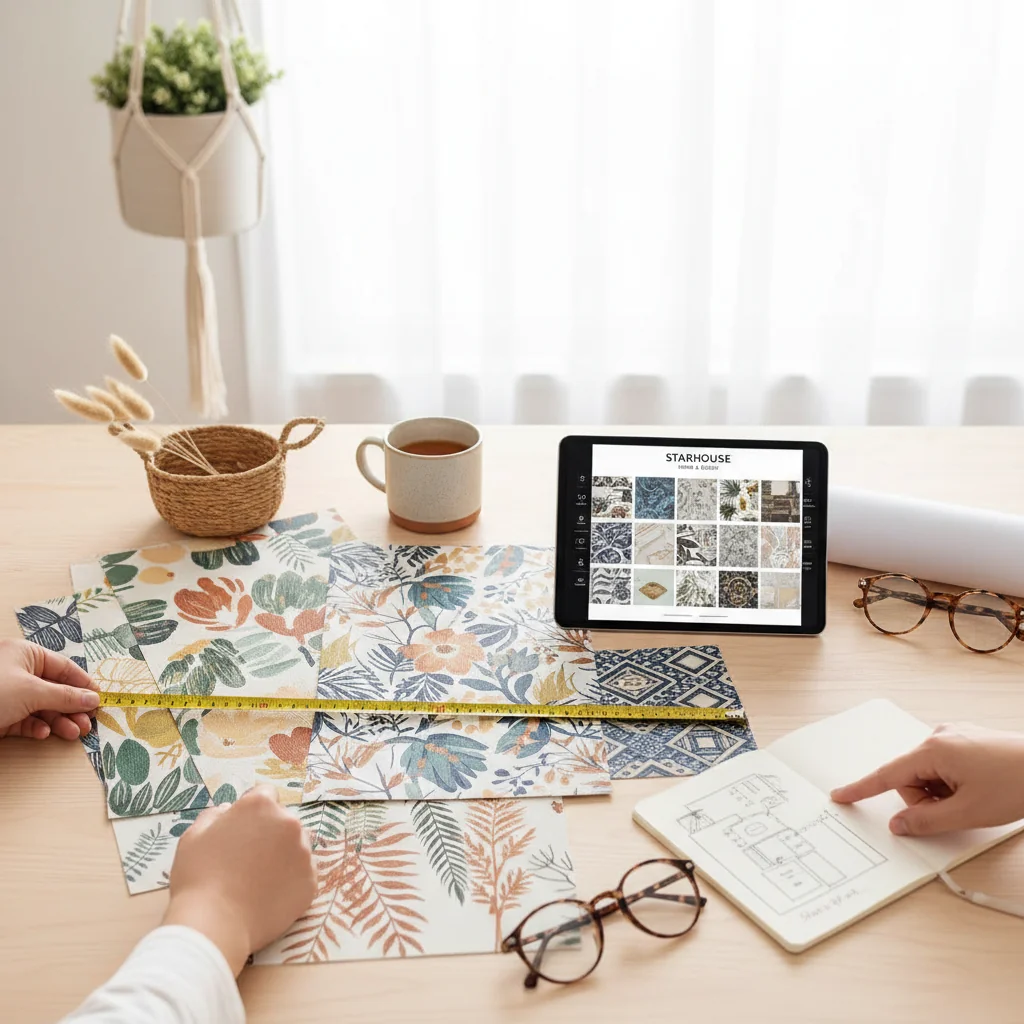
Comparison of Common Boho Wallpaper Materials
| Material Type | Durability & Washability | Installation Complexity | Texture & Finish | Ideal Use Case |
|---|---|---|---|---|
| Peel-and-Stick (Vinyl/Fabric-backed) | Good; often washable, tear-resistant. | Very Easy (DIY-friendly, removable). | Smooth, matte, subtle textures. | Rentals, accent walls, nurseries, temporary decor. |
| Traditional (Non-Woven) | Excellent; washable, breathable, dimensionally stable. | Moderate (paste-the-wall, DIY possible). | Matte, smooth, embossed, subtle sheen. | Most rooms, high-traffic areas, long-term decor. |
| Traditional (Paper) | Fair; less washable, delicate. | Moderate (paste-the-paper, requires care). | Matte, smooth, often with fine detail. | Low-traffic areas, bedrooms, formal spaces. |
| Natural Fiber (e.g., Grasscloth) | Fair; not washable, delicate, can fray. | High (requires specialized adhesive & technique). | Highly textured, organic, unique variations. | Feature walls, low-traffic areas, sophisticated spaces. |
| Fabric-Backed | Excellent; highly durable, often washable. | High (heavy-duty adhesive, professional recommended). | Luxurious, soft, tactile, often with subtle sheen. | High-end residential, areas requiring sound dampening. |
Choosing the right material and finish for your boho wallpaper is an informed decision that balances aesthetic appeal with practical considerations for your home. Starhouse provides detailed specifications for each product, empowering you to make choices that ensure both beauty and lasting performance.
How to Choose the Perfect Boho Wallpaper for Your Space
Choosing the perfect boho wallpaper involves a thoughtful assessment of your room’s characteristics, existing decor, and personal aesthetic preferences to ensure a harmonious and impactful design outcome. The selection process extends beyond simply liking a pattern; it requires considering scale, color, texture, and practicality to create a cohesive and inviting bohemian sanctuary. Starhouse recommends a systematic approach to narrow down the vast array of options.
1. Assess Your Room’s Size and Light
The dimensions and natural light of your room significantly influence which patterns and colors will be most effective. Large-scale patterns can overwhelm small spaces, while tiny motifs might get lost in expansive rooms.
- Small Rooms or Low Light: Opt for lighter color palettes and smaller, more delicate patterns to prevent the space from feeling cramped. Consider wallpapers with a subtle sheen or metallic accents to reflect light and create an illusion of openness.
- Large Rooms or Abundant Light: You have more flexibility with bolder patterns and darker, richer colors. Large-scale botanicals, intricate murals, or prominent geometric prints can make a grand statement without overwhelming the space.
- Ceiling Height: Vertical patterns or stripes can visually elongate walls, while horizontal patterns can make a room feel wider.
2. Consider Your Existing Decor and Color Palette
Your new boho wallpaper should integrate seamlessly with your current furniture, textiles, and overall color scheme, acting as a complementary element rather than a conflicting one. Take stock of the dominant colors and textures already present in your room.
- Complementary Colors: Choose wallpaper with colors that are already present in your room or are directly complementary to your existing palette (e.g., a terracotta wallpaper to complement a sage green sofa).
- Texture Harmony: If your room is rich in natural textures (rattan, linen), select a wallpaper that either mimics these textures or provides a smooth contrast. Avoid introducing too many competing textures.
- Style Cohesion: Ensure the wallpaper’s specific boho style (e.g., tropical boho, minimalist boho, global boho) aligns with your furniture and accessories.
3. Define Your Desired Mood and Ambiance
Wallpaper is a powerful tool for setting the emotional tone of a room. Before choosing, decide what feeling you want to evoke in the space.
- Relaxed & Serene: Opt for muted, earthy tones, soft botanical prints, or subtle textural wallpapers like faux grasscloth.
- Vibrant & Energetic: Explore bolder global patterns, rich jewel tones, or large-scale, colorful floral murals.
- Sophisticated & Artistic: Consider abstract designs, intricate Moroccan patterns, or wallpapers with a metallic or pearlescent finish.
- Grounded & Natural: Choose wallpapers that mimic raw materials, such as faux plaster, cork, or designs with strong biophilic elements.
4. Evaluate Installation Type and Your DIY Comfort Level
Your willingness and ability to undertake a DIY installation, or your budget for professional help, will dictate the most practical wallpaper type.
- DIY-Friendly: Peel-and-stick wallpaper is the easiest for beginners. Pre-pasted traditional wallpaper is also manageable for experienced DIYers.
- Professional Installation Recommended: Unpasted traditional wallpaper, natural fiber wallpapers (like grasscloth), and large-scale murals often benefit from professional installation due to their complexity and the need for precision.
- Permanence: Decide if you want a temporary change (peel-and-stick) or a long-term solution (traditional wallpaper).
5. Always Order Samples
This is arguably the most critical step in the selection process. Colors and textures can appear vastly different on a screen compared to how they look in your home’s unique lighting conditions.
- Test in Place: Order large samples (8×10 inches or larger) and tape them to your wall for several days. Observe them at different times of day and under various lighting conditions (natural, artificial, day, night).
- Check Against Elements: Place samples next to your furniture, flooring, and paint swatches to ensure complete harmony.
- Feel the Texture: Samples allow you to physically feel the material and appreciate its texture, which is vital for boho designs.
By meticulously addressing these considerations, you can confidently select a boho wallpaper that not only enhances your aesthetic but also transforms your space into a reflection of your unique style and comfort. Starhouse encourages this thoughtful approach, knowing that the perfect choice will bring lasting joy and beauty to your home.
Accurate Sizing and Measuring for Flawless Installation
Accurate sizing and meticulous measuring are paramount for a flawless wallpaper installation, ensuring you purchase the correct quantity, minimize waste, and achieve a seamless, professional finish. Underestimating these steps can lead to frustrating pattern mismatches, visible seams, or insufficient material, compromising the entire aesthetic of your boho-inspired space. Starhouse provides precise guidelines to help you master this critical preparatory phase.
Essential Tools for Measurement
Before you begin, gather these fundamental tools:
- Steel Measuring Tape: A retractable tape measure, at least 25 feet long, ensures accuracy and ease of use for wall dimensions.
- Pencil: For marking measurements directly on the wall or a notepad.
- Notebook and Calculator: To record dimensions and perform calculations.
- Level (Optional but Recommended): A long level (2-4 feet) or a laser level helps verify straight lines for more accurate measurements, especially in older homes with uneven walls.
Step-by-Step Measuring Process
1. Measure Wall Height and Width
Measure every wall you intend to cover, even if they appear to be the same size. Variations of an inch or more are common and can impact pattern matching.
- Height: Measure from the top of your baseboard to the ceiling line. Take at least three measurements across the width of the wall (left, center, right) and use the tallest measurement to ensure you have enough length for each strip.
- Width: Measure the width of the wall from corner to corner. Again, take multiple measurements (top, middle, bottom) and use the widest measurement.
- Obstructions: For walls with windows or doors, measure the total height and width of the wall as if the obstruction wasn’t there. You will cut around these later, but you need the full wall dimensions for calculating total wallpaper needed.
2. Account for Pattern Repeat
Pattern repeat is the vertical distance between where a pattern exactly repeats itself on a roll of wallpaper, and it is a critical factor in determining how much wallpaper you need. This dimension is usually listed on the product specifications or label.
- Understanding Repeat: A larger pattern repeat means you will need more wallpaper to ensure the pattern aligns seamlessly across strips. For example, a 24-inch pattern repeat will require more waste per strip than a 12-inch repeat.
- Calculation Impact: This factor is incorporated into the manufacturer’s coverage estimates, but it’s essential to be aware of it, especially for complex designs.
3. Calculate Square Footage (Sq Ft)
Multiply the height of each wall by its width to get the total square footage for that wall. Sum these values for all walls to get the total area to be covered.
- Example: A wall that is 8 feet (96 inches) tall and 12 feet (144 inches) wide has a surface area of 96 inches * 144 inches = 13,824 square inches. To convert to square feet: 13,824 sq inches / 144 sq inches/sq ft = 96 sq ft.
- For Obstructions: While you measure the full wall for initial calculation, you can later subtract the square footage of large, unpapered areas (like a large window or door) if they are over 20 square feet. However, it is safer to include them and use the excess as your buffer.
4. Add a Buffer for Waste and Error
Always purchase extra wallpaper beyond your calculated square footage to account for cutting mistakes, pattern matching, future repairs, or slight wall irregularities. A 10-15% buffer is standard.
- For Simple Patterns (Small/No Repeat): A 10% buffer is usually sufficient.
- For Complex Patterns (Large Repeat): A 15% buffer is strongly recommended, as large repeats require more trimming to align properly, leading to more waste.
- Example: If your total calculated area is 500 sq ft, add 10% (50 sq ft) for a total purchase of 550 sq ft. If the wallpaper comes in rolls covering 50 sq ft each, you would need 11 rolls.
5. Consult Manufacturer’s Coverage Information
Each wallpaper roll or bolt will specify its total square footage coverage. Use this information in conjunction with your calculated needs.
- Roll Dimensions: Note the width and length of the rolls. Standard U.S. rolls are typically 20.5 to 27 inches wide and 33 feet long (covering approximately 50-70 sq ft per single roll).
- Double Rolls: Wallpaper is often sold as “double rolls” (sometimes called “bolts”) which are essentially two single rolls packaged together, offering twice the length and coverage. Always clarify whether the stated coverage is for a single or double roll.
By following these precise measuring guidelines, you ensure that your Starhouse boho wallpaper project proceeds smoothly and results in a stunning, professional-quality finish that enhances the beauty of your home. Taking the time to measure accurately is an investment in the success of your design vision.
Current Trends in Boho Wallpaper Design (Updated: June 2026)
The bohemian aesthetic continues to evolve, and current trends in boho wallpaper design reflect a sophisticated blend of nature-inspired motifs, artisan craftsmanship, and a deepening commitment to sustainability. As of June 2026, designers and homeowners are gravitating towards designs that offer both visual richness and a sense of calm, moving towards more refined and intentional expressions of the free-spirited style. Starhouse observes these shifts, curating collections that capture the essence of contemporary bohemian living.
1. Elevated Biophilic Designs
Biophilic design, which emphasizes connecting occupants with nature, remains a cornerstone of boho, but with an elevated, more artistic approach. Expect to see intricate botanical illustrations, lush jungle scenes, and abstract representations of natural elements.
- Painterly Flora and Fauna: Wallpapers featuring hand-drawn or watercolor-style depictions of exotic plants, birds, or subtle wildlife, often in muted greens, deep blues, and earthy browns.
- Abstracted Landscapes: Interpretations of desert vistas, forest canopies, or ocean waves using soft, flowing lines and organic color gradients, creating a serene and immersive backdrop.
- Large-Scale Botanicals: Oversized palm fronds, banana leaves, and tropical blooms that create a dramatic, yet sophisticated, focal point, often in muted or desaturated tones rather than bright, bold colors.
2. Earthy, Muted Palettes with Depth
While bright colors have their place, the dominant trend leans towards a more grounded and sophisticated color palette. These hues create a calming and timeless foundation for bohemian spaces.
- Terracotta, Rust, and Clay: Warm, sun-baked tones that evoke desert landscapes and artisanal pottery. These colors add warmth without being overly vibrant.
- Sage Green and Olive: Natural, soothing greens that bring the tranquility of nature indoors, pairing beautifully with natural wood and cream tones.
- Dusty Rose and Muted Peach: Soft, romantic hues that add a touch of feminine charm without being overtly sweet, often used in botanical or abstract patterns.
- Rich Tans and Browns: Deeper, grounding neutrals that provide a sophisticated base, reminiscent of natural fibers and aged leather.
3. Artisan-Inspired Textures and Tactile Finishes
The desire for authenticity and handcrafted appeal drives the popularity of wallpapers that mimic natural textures, adding a sensory dimension to walls. This trend emphasizes visual and tactile richness.
- Faux Plaster and Limewash Effects: Wallpapers that replicate the subtle variations and soft, matte finish of hand-applied plaster or limewash, adding an organic, aged quality.
- Woven and Textile Replicas: Designs that convincingly mimic the intricate weaves of grasscloth, rattan, linen, or even macrame, providing textural depth without the fragility or cost of true natural materials.
- Subtle Embossing: Wallpapers with a raised, tactile surface that enhances the dimensionality of patterns, making them feel more authentic and luxurious.
4. Maximalist Patterns with Thoughtful Layering
While minimalism has its place, the current boho trend often embraces a thoughtful maximalism, where diverse patterns and textures are layered to create a rich, collected aesthetic. The key is intentionality and a cohesive color story.
- Pattern Mixing: Combining a bold botanical wallpaper with a more subtle geometric textile, or pairing a global print with a faux-textured wall. The trick is to ensure a common thread, often a shared color or underlying aesthetic.
- Eclectic Global Motifs: Blending patterns inspired by different cultures—think Moroccan tiles alongside Indian block prints or African mudcloth—to create a curated, well-traveled look.
- Artistic Murals: Large-scale, immersive murals that tell a story or create a captivating scene, serving as the ultimate statement piece in a maximalist boho room.
5. Sustainable and Eco-Conscious Materials
As consumers become more environmentally aware, there is a growing demand for wallpapers produced with sustainable practices and materials. This aligns perfectly with the boho ethos of connecting with nature.
- Recycled Content: Wallpapers made from recycled paper or post-consumer materials.
- FSC-Certified Paper: Ensuring that the paper used comes from responsibly managed forests.
- Low VOC Inks: Utilizing water-based or low-VOC (Volatile Organic Compound) inks to minimize indoor air pollution.
- PVC-Free Options: Non-woven wallpapers, which are often PVC-free, are favored for their breathability and environmental profile.
These current trends highlight a movement towards a more refined, enduring, and conscious bohemian style. Starhouse is committed to sourcing and curating collections that not only embody these aesthetics but also uphold the quality and ethical standards our discerning customers expect, ensuring your space remains stylish and relevant for years to come.
Care and Maintenance: Preserving Your Boho Wallpaper’s Beauty
Proper care and routine maintenance are essential for preserving the beauty and extending the lifespan of your boho wallpaper, protecting your investment and ensuring your space remains vibrant and aesthetically pleasing. The specific cleaning methods depend significantly on the wallpaper’s material and finish, underscoring the importance of understanding product specifications. Starhouse emphasizes diligent care to maintain the pristine condition of your chosen wall covering.
General Care Guidelines
Regardless of the material, certain practices promote longevity for all types of wallpaper:
- Dust Regularly: Use a soft, dry cloth, a feather duster, or a soft brush attachment on your vacuum cleaner to gently remove surface dust. This prevents accumulation that can dull the appearance over time.
- Avoid Direct Sunlight: Prolonged exposure to direct sunlight can cause wallpaper colors to fade, especially with darker or vibrant hues. Consider using curtains, blinds, or UV-protective window films in rooms with strong sun exposure.
- Control Humidity: High humidity can cause wallpaper seams to lift or encourage mold growth, particularly in bathrooms. Ensure adequate ventilation (e.g., using an exhaust fan) in moisture-prone areas. Conversely, excessively dry conditions can sometimes lead to shrinkage or cracking.
- Handle with Care: Avoid abrasive contact, sharp objects, or dragging furniture against wallpapered walls to prevent tears, scuffs, or indentations.
Material-Specific Cleaning Instructions
Always refer to the manufacturer’s specific cleaning recommendations, typically found on the product label or website. If in doubt, test any cleaning solution on an inconspicuous area first.
For Vinyl and Non-Woven Wallpapers (Washable/Scrubbable)
These are the most durable and easiest to clean, making them ideal for high-traffic areas or spaces prone to splashes.
- Spot Cleaning: For minor marks, gently wipe the area with a soft cloth dampened with warm water and a small amount of mild, non-abrasive soap (like dish soap). Rinse the cloth and wipe again to remove soap residue, then gently pat dry with a clean, dry cloth.
- Deep Cleaning: For larger areas, lightly dampen a sponge with the mild soap solution and wipe down sections of the wall. Avoid saturating the wallpaper. Always work from bottom to top to prevent dirty water streaks, and then rinse from top to bottom.
- Stubborn Stains: For tougher stains, some vinyl wallpapers can tolerate a slightly stronger solution, but always test first. Avoid harsh chemical cleaners, abrasive scrubbers, or bleach, as these can damage the finish or color.
- Ventilation: When using any cleaning agents, even mild ones, ensure proper ventilation in the room. This practice aligns with general workplace safety guidelines from organizations like the Occupational Safety and Health Administration (OSHA), which emphasizes good air quality and safe chemical handling.
For Paper Wallpaper (Delicate/Non-Washable)
Pure paper wallpapers are the most fragile and generally not washable. They require the most gentle care.
- Dry Cleaning Only: Use a soft, dry cloth or a clean, white art gum eraser to gently lift smudges or marks. Rub very lightly to avoid tearing or damaging the paper.
- Avoid Moisture: Do not use any liquid cleaners or damp cloths, as water can stain, warp, or tear paper wallpaper.
- Professional Cleaning: For significant stains, consult a professional wallpaper cleaner who specializes in delicate materials.
For Natural Fiber Wallpapers (e.g., Grasscloth, Cork)
These materials offer unique texture but are highly absorbent and delicate, making them challenging to clean.
- Dry Cleaning Only: Primarily use a soft brush attachment on a vacuum cleaner or a dry, soft cloth to remove dust and loose debris.
- Spot Cleaning (Extreme Caution): For very minor, non-greasy marks, some sources suggest gently dabbing with a barely-damp cloth (water only, no soap), but this carries a high risk of staining or watermarks. Always test extensively in an unseen area. Most manufacturers advise against any wet cleaning.
- Avoid Liquids: Water or liquid cleaners will likely stain, discolor, or damage natural fibers.
- Professional Advice: For any significant spills or stains, seek immediate advice from a professional wallpaper or textile cleaner.
By adhering to these specific care instructions, your Starhouse boho wallpaper will continue to provide a beautiful and inspiring backdrop for your home for years to come, reflecting both your personal style and your commitment to thoughtful maintenance.
Styling and Pairing: Integrating Boho Wallpaper into Your Home
Integrating boho wallpaper into your home is an art of layering and intentional curation, where the wallpaper acts as a foundational element that informs and enhances the selection of furniture, textiles, lighting, and accessories. The goal is to create a cohesive yet eclectic space that feels effortlessly collected and deeply personal, embodying the relaxed and globally-inspired essence of bohemian design. Starhouse offers guidance on harmonizing your wallpaper with other decor elements to achieve a truly captivating interior.
1. Harmonizing with Furniture
The furniture you choose should complement the organic and natural aesthetic of boho wallpaper, favoring pieces with relaxed forms, natural materials, and a sense of handcrafted authenticity.
- Natural Woods: Opt for furniture made from light-colored woods like rattan, bamboo, mango wood, or reclaimed timber. Their organic textures and warm tones perfectly match the earthy palette of boho wallpaper.
- Woven Elements: Rattan chairs, cane-back sofas, or woven side tables reinforce the bohemian texture story, creating visual continuity with wallpaper that mimics similar textures.
- Upholstered Pieces: Choose sofas and armchairs in natural fabrics like linen, cotton, or velvet, in muted, earthy colors (creams, sage, terracotta) or jewel tones that pick up subtle hues from the wallpaper. Look for relaxed, comfortable silhouettes.
- Vintage and Antique Finds: Incorporate unique, pre-loved pieces that add character and a sense of history, reflecting the “collected” aspect of boho design.
2. Layering with Textiles
Textiles are crucial for adding warmth, comfort, and tactile richness to a boho space, creating a sense of coziness and depth against your wallpaper backdrop. Layering is key.
- Rugs: Introduce area rugs made from natural fibers like jute, sisal, or wool, often featuring tribal patterns, distressed finishes, or intricate mandalas. A large rug can anchor the room and define zones.
- Cushions and Throws: Mix and match pillows and blankets in various textures (macrame, embroidered, tasseled, faux fur) and patterns (ikat, mudcloth, geometric). Choose colors that either complement or provide a thoughtful contrast to your wallpaper.
- Curtains: Opt for sheer, flowy curtains in linen or cotton to allow natural light to filter through, or choose heavier, textured drapes in earthy tones for added warmth and privacy.
- Wall Hangings: Macrame, woven tapestries, or framed textile art can be layered over wallpaper, adding another dimension of texture and artistic interest.
3. Illuminating with Thoughtful Lighting
Lighting in a boho space should be warm, inviting, and often incorporate natural materials or handcrafted designs, enhancing the ambiance created by your wallpaper.
- Rattan or Woven Pendants: Ceiling lights made from natural fibers cast beautiful patterns on walls and ceilings, reinforcing the organic aesthetic.
- Table and Floor Lamps: Look for lamps with ceramic bases, wooden stands, or fabric shades that diffuse light softly. Lamps with intricate cut-outs can create interesting shadow play.
- Fairy Lights and Candles: Add strings of warm LED fairy lights or strategically placed candles (in safe holders) to create a magical, intimate glow, especially in the evenings.
4. Accessorizing with Global Artifacts and Botanicals
Accessories are the finishing touches that truly personalize a boho space, telling a story of travels and passions. They should feel authentic and well-loved.
- Indoor Plants: Abundant greenery is non-negotiable in boho design. Large floor plants (e.g., Fiddle Leaf Fig, Monstera), hanging plants (e.g., Pothos, Spider Plant), and small potted succulents add life, purify air, and soften edges.
- Collected Objects: Display items gathered from travels or local artisan markets—carved wooden bowls, ceramic vases, woven baskets, decorative mirrors, or framed art prints with cultural motifs.
- Books and Art: Stack books on shelves or tables, and hang unique art pieces that resonate with your personal style. Consider gallery walls that mix framed art, mirrors, and small wall hangings.
- Mirrors: Mirrors with rattan frames or intricate carvings can reflect light and expand the sense of space, especially in rooms with darker boho wallpaper.
By thoughtfully pairing your Starhouse boho wallpaper with these elements, you can create a layered, inviting, and deeply personal environment that celebrates creativity, comfort, and a connection to the world. Remember, the essence of boho is authenticity, so choose pieces that genuinely speak to you and your unique style.
Common Mistakes to Avoid When Choosing and Installing Boho Wallpaper
While boho wallpaper offers immense potential for transforming spaces, several common pitfalls can detract from its intended beauty and impact, ranging from aesthetic misjudgments to technical installation errors. Being aware of these mistakes allows homeowners and designers to approach their projects with greater precision, ensuring a successful and satisfying outcome that aligns with the sophisticated Starhouse aesthetic. Avoiding these errors is key to achieving a truly polished bohemian interior.
1. Ignoring the Scale of the Pattern
A frequent mistake is selecting a wallpaper pattern whose scale is inappropriate for the size of the room or the wall it will adorn. A large, bold botanical print, while stunning, can overwhelm a small powder room, making it feel claustrophobic. Conversely, a tiny, delicate pattern can get lost on an expansive living room wall, failing to make the desired statement.
- Solution: For smaller rooms or accent walls, consider medium-sized patterns or subtle textures. In larger rooms, embrace grander designs and murals that can truly shine. Always visualize the pattern in context, ideally with a large sample.
2. Underestimating Pattern Repeat and Waste
Many first-time wallpaper installers fail to adequately account for pattern repeat when calculating the amount of wallpaper needed, leading to insufficient material and visible seams. Pattern repeat requires extra length per strip to ensure seamless alignment, generating waste.
- Solution: Always add a 10-15% buffer to your total square footage calculation. For wallpapers with large or complex pattern repeats (e.g., over 20 inches), lean towards the 15% buffer. Purchase all rolls from the same dye lot to ensure color consistency.
3. Skipping Samples and Testing
Deciding on wallpaper based solely on an online image or a small swatch is a significant oversight. Colors can vary dramatically between screens and actual printed material, and the appearance of a pattern changes under different lighting conditions.
- Solution: Always order large samples (at least 8×10 inches). Tape them to your wall and observe them throughout the day and night under various lighting. This allows you to see how the color interacts with your room’s natural and artificial light, and how the pattern feels in the space.
4. Neglecting Proper Wall Preparation
Improper wall preparation is a leading cause of installation failure, resulting in bubbling, peeling, or visible imperfections beneath the wallpaper. Applying wallpaper over dirty, uneven, or unprimed surfaces compromises adhesion and the final finish.
- Solution: Ensure walls are clean, dry, smooth, and free of dust, grease, and debris. Fill any holes or cracks and sand them smooth. Apply a high-quality wallpaper primer (specifically designed for wallpaper) to create a uniform, porous surface that promotes better adhesion and easier removal in the future.
5. Over-Committing to a Fleeting Trend
While incorporating trends is part of refreshing a home, choosing an overly specific or extremely bold trend for a large, permanent installation can lead to design fatigue. Boho design is eclectic, but some interpretations can be very niche.
- Solution: For large areas or long-term installations, opt for timeless boho elements like classic botanicals, subtle textures, or versatile earthy palettes. Save bolder, more trend-driven patterns for smaller accent walls, removable peel-and-stick applications, or accessories that are easier to change.
6. Disregarding the Room’s Function
Selecting a wallpaper material without considering the room’s function can lead to premature wear and difficult maintenance. A delicate paper wallpaper, for instance, is unsuitable for a high-moisture bathroom or a busy kitchen.
- Solution: For bathrooms, kitchens, or children’s rooms, choose durable, washable, and moisture-resistant materials like vinyl or scrubbable non-woven wallpaper. Reserve delicate paper or natural fiber wallpapers for low-traffic, dry areas like bedrooms or formal living rooms.
By being mindful of these common mistakes, you can approach your boho wallpaper project with confidence, ensuring that your Starhouse selection is beautifully installed, perfectly suited to your space, and a lasting source of aesthetic pleasure.
Sources
Frequently Asked Questions About Boho Wallpaper
What rooms are best suited for boho wallpaper?
Boho wallpaper is highly versatile and suitable for almost any room in the home, including bedrooms, living rooms, dining areas, nurseries, home offices, and even bathrooms. Its adaptability stems from the diverse range of patterns, from subtle textures to bold botanicals, allowing it to complement various functions and moods within a space.
Can I use boho wallpaper in a rental property?
Yes, peel-and-stick boho wallpaper is an excellent choice for rental properties because it is designed for easy, damage-free removal, making it ideal for temporary decor updates. Always confirm with your landlord before installation, and ensure the wall surface is clean, smooth, and properly primed to guarantee clean removal without leaving residue or damaging paint.
Is boho wallpaper difficult to install myself?
The difficulty of installation depends on the type of boho wallpaper. Peel-and-stick wallpaper is generally considered the easiest for DIY enthusiasts, requiring no separate adhesive. Traditional unpasted wallpaper, especially those with large pattern repeats or delicate materials like natural fibers, can be more challenging and often benefits from professional installation to achieve a flawless finish.
How do I choose the right color palette for my boho wallpaper?
To choose the right color palette, consider the existing colors in your room (furniture, textiles, flooring) and the mood you wish to create. Boho palettes typically feature earthy tones like terracotta, sage green, cream, and mustard yellow, which create a calming and grounded atmosphere. You can also introduce pops of muted jewel tones for a richer, more eclectic feel, ensuring they harmonize with the wallpaper’s primary hues.
Can I mix different boho wallpaper patterns in one room?
Mixing different boho wallpaper patterns can create a dynamic and layered look, but it requires careful consideration to avoid visual clutter. The key is to find a common thread, such as a shared color palette, a consistent scale (e.g., one large pattern, one small), or complementary thematic elements (e.g., two different botanicals). Use one dominant pattern and a secondary, more subtle pattern, or confine patterns to different walls or areas of the room for balance.
How do I clean and maintain my boho wallpaper?
Cleaning and maintenance depend on the wallpaper material. Vinyl and non-woven wallpapers are generally washable and can be gently wiped with a damp cloth and mild soap. Paper and natural fiber wallpapers (like grasscloth) are typically not washable and require only dry dusting or very careful spot cleaning with a clean, dry cloth. Always refer to the manufacturer’s specific care instructions for your particular wallpaper to avoid damage.
What’s the difference between a boho wallpaper and a mural?
Boho wallpaper typically features a repeating pattern that extends across the wall, creating a continuous decorative surface. A boho mural, on the other hand, is a large-format wall covering designed to create a single, non-repeating image or scene, often depicting expansive landscapes, abstract art, or large-scale botanicals, transforming an entire wall into a singular artistic statement. Both can embody the bohemian aesthetic, but a mural offers a more immersive visual experience.
Conclusion: Embrace the Bohemian Spirit
Boho wallpaper offers an unparalleled opportunity to infuse your living spaces with a sense of freedom, natural beauty, and global sophistication. From the intricate patterns that tell stories of distant lands to the soothing textures that ground your home in nature, each choice contributes to an environment that is uniquely yours—a true reflection of a well-traveled spirit and an appreciation for authentic design. At Starhouse, we understand that your home is a canvas for your personal narrative, and the right wallpaper can be the brushstroke that brings that vision to life.
As you embark on your journey to discover the perfect boho wallpaper, remember that every detail, from material selection to pattern scale, plays a crucial role in crafting a cohesive and inviting sanctuary. We are dedicated to curating a collection that not only meets the highest standards of quality and design but also inspires you to create spaces that resonate with comfort, character, and timeless appeal. Let your walls speak to your soul, inviting warmth, creativity, and a touch of wanderlust into every corner of your home.
We are meticulously curating our debut collection of exceptional home & décor pieces, designed to elevate every room. We invite you to share what you’re looking for to complete your space and get early access to our exclusive offerings. Tell us what you’re looking for and be among the first to experience the Starhouse difference.