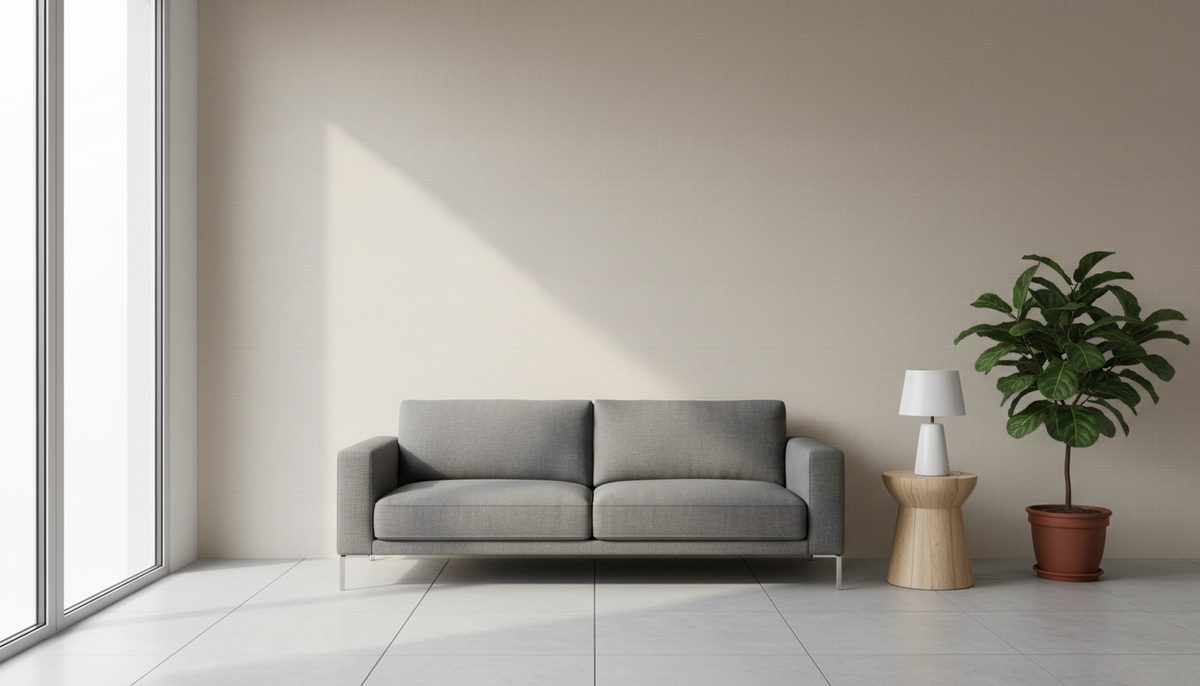
When selecting vinyl coated wallpaper, understanding its construction and performance metrics is key to a successful installation and lasting aesthetic. The ‘coating’ refers to a protective layer applied to the face of the wallpaper, typically a vinyl compound, over a paper or fabric substrate. This coating is what provides enhanced durability, washability, and resistance to moisture and stains, making it suitable for a wider range of applications than traditional paper-backed wallpapers.
Understanding vinyl coating types and their impact
The type of vinyl coating directly influences the wallpaper’s characteristics. Most vinyl coated wallpapers fall into a few main categories:
- Solid Vinyl: This is the most robust type. The entire wallpaper is made from vinyl, or a vinyl layer is fused to a paper backing. Solid vinyl wallpapers offer excellent durability, are highly scrubbable, and can withstand significant moisture, making them ideal for kitchens, bathrooms, and high-traffic areas. They often have a thicker feel and can mimic textures like fabric or grasscloth.
- Vinyl Coated Paper: Here, a layer of vinyl is applied to the surface of a paper wallpaper. While more durable and washable than uncoated paper, they are less resilient than solid vinyl. They are a good choice for moderate-traffic areas like dining rooms or bedrooms where enhanced cleanability is desired but extreme durability isn’t paramount.
- Expanded Vinyl: This type uses a foamed vinyl layer that creates a textured, often embossed, surface. It’s lightweight and can hide minor wall imperfections well. While it offers some washability, it’s generally less durable than solid vinyl and may not be suitable for areas prone to heavy wear or significant moisture.
The thickness of the vinyl coating, often measured in mils (thousandths of an inch), is a good indicator of its durability. A thicker coating generally means better resistance to scuffs, tears, and moisture penetration. For commercial applications or high-moisture zones like bathrooms, aim for a coating thickness of 5 mils or more. For less demanding residential areas, 3-4 mils might suffice.
Performance metrics: Durability, washability, and fire ratings
When evaluating vinyl coated wallpaper, look beyond just the aesthetic. Consider these performance factors:
- Scrubbability: This refers to how well the wallpaper can withstand cleaning with a brush and mild detergent. High-quality vinyl coated wallpapers are typically rated as ‘scrubbable’ or ‘highly scrubbable.’ Test a small, inconspicuous area if unsure.
- Peelability: This indicates how easily the wallpaper can be removed from the wall. Most vinyl wallpapers are ‘strippable,’ meaning they can be removed in large pieces or strips, often leaving the backing behind for easier clean-up. Some are ‘peelable,’ where the vinyl layer separates from the paper backing, leaving the backing adhered to the wall for re-papering.
- Moisture Resistance: Essential for kitchens, bathrooms, and laundry rooms. Most vinyl coated wallpapers are resistant to moisture, but check the manufacturer’s specifications. Solid vinyl offers the best protection against water damage and mold/mildew growth, provided it’s properly installed and sealed.
- Fire Rating: Particularly important for commercial installations and public spaces, and often a building code requirement. Look for wallpapers that meet ASTM E84 Class A or Class B fire ratings, indicating low flame spread and smoke development.
Installation considerations for vinyl coated wallpaper
Proper installation is crucial for the longevity and appearance of any wallpaper, especially vinyl coated types. The substrate of the wall must be clean, dry, and smooth. Minor imperfections can often be hidden by thicker, textured vinyl wallpapers, but significant cracks or holes will need to be repaired with drywall compound and sanded smooth.
Substrate Preparation:
- Ensure walls are free of old adhesive, grease, or mildew.
- Prime the walls with a high-quality wallpaper primer. This seals the surface, prevents the adhesive from soaking through, and makes future removal easier.
- For very glossy or slick surfaces, a specialty primer might be necessary for adequate adhesion.
Adhesive Choice:
- Use a heavy-duty vinyl wallpaper adhesive, often referred to as ‘clear’ or ‘white’ vinyl adhesive. Avoid general-purpose glues.
- For vinyl coated wallpaper, ‘paste-the-wall’ options are increasingly popular. This method involves applying adhesive directly to the wall, not the wallpaper back. It’s faster, cleaner, and often easier, especially for thicker vinyl materials.
- Follow the manufacturer’s instructions regarding ‘booking time’ – the period the adhesive needs to penetrate the wallpaper (if applicable) before hanging. Over-wetting or under-wetting can lead to issues.
Hanging and Seam Alignment:
- Start by hanging your first strip plumb (perfectly vertical). Use a level or plumb bob for accuracy.
- Butt seams tightly together, ensuring no overlap, unless the manufacturer specifically indicates an overlap is required (rare for modern vinyls). Use a seam roller gently to ensure good adhesion without damaging the surface.
- Match patterns carefully. For patterned vinyl coated wallpapers, pattern repeat is a critical measurement. A large pattern repeat means you’ll use more wallpaper per square foot, as you’ll need to cut and discard sections to align the pattern.
Dealing with Obstacles:
- Cut carefully around outlets and switches using a sharp utility knife. Always turn off the power at the breaker first.
- For windows and doors, cut relief slits to allow the paper to conform to the frame, then trim precisely.
Cleaning and maintenance for longevity
The primary advantage of vinyl coated wallpaper is its ease of maintenance. Regular cleaning can keep it looking fresh for years.
- Routine Cleaning: For light dust and dirt, a soft-bristle brush or a dry, soft cloth is usually sufficient.
- Spot Cleaning: For smudges or minor marks, use a damp sponge or cloth with a mild soap solution. Avoid abrasive cleaners or harsh chemicals, which can damage the vinyl surface or print.
- Stubborn Stains: For tougher stains, you might need a slightly stronger detergent or a non-abrasive cleaner. Always test in an inconspicuous area first. For grease or crayon marks, a paste of baking soda and water can sometimes be effective, applied gently and wiped clean.
- Drying: After washing, gently pat the area dry with a clean, soft cloth to prevent water spots.
Avoid excessive scrubbing, which can wear down the surface or remove the print. For very delicate finishes or premium wallpapers, always refer to the manufacturer’s specific cleaning instructions. Discover the durability and style of vinyl wallpaper for your home.
Where vinyl coated wallpaper excels
The versatility and resilience of vinyl coated wallpaper make it a top choice for various environments:
- Kitchens and Bathrooms: Its moisture resistance and washability are invaluable in these high-humidity, prone-to-splatter areas.
- Children’s Rooms and Playrooms: The ability to withstand crayon marks, sticky fingers, and frequent cleaning makes it practical for lively spaces.
- Hallways and Entryways: These high-traffic zones benefit from the wallpaper’s scuff and abrasion resistance.
- Commercial Spaces: Restaurants, hotels, hospitals, and offices often require durable, cleanable, and fire-rated wallcoverings, which vinyl coated options provide. Check out options for textured vinyl wallpaper for added design versatility.
- DIY Projects: While professional installation is recommended for the best results, many vinyl coated wallpapers are designed for easier DIY application, especially paste-the-wall varieties.
Understand the revolutionary world of click vinyl wallpaper for a different approach to wall coverings.
Potential drawbacks and alternatives
While highly functional, vinyl coated wallpaper isn’t without potential downsides:
- Breathability: Vinyl is impermeable, meaning it doesn’t ‘breathe.’ In very humid environments with poor ventilation, this can potentially trap moisture between the wallpaper and the wall, leading to mold or mildew if leaks occur or if the wall itself is damp.
- Environmental Concerns: The production and disposal of vinyl can raise environmental questions for some consumers. Look for manufacturers who offer eco-friendly vinyl options or consider alternatives.
- Less Natural Feel: Some people find that vinyl can look and feel less natural or luxurious compared to natural materials like grasscloth or silk wallpapers.
If breathability is a major concern, consider natural fiber wallpapers (like grasscloth or linen) or certain types of breathable paper or fabric wallpapers. For a different kind of durability and style, explore options like Rifle Paper Co. wallpaper for distinct patterns.