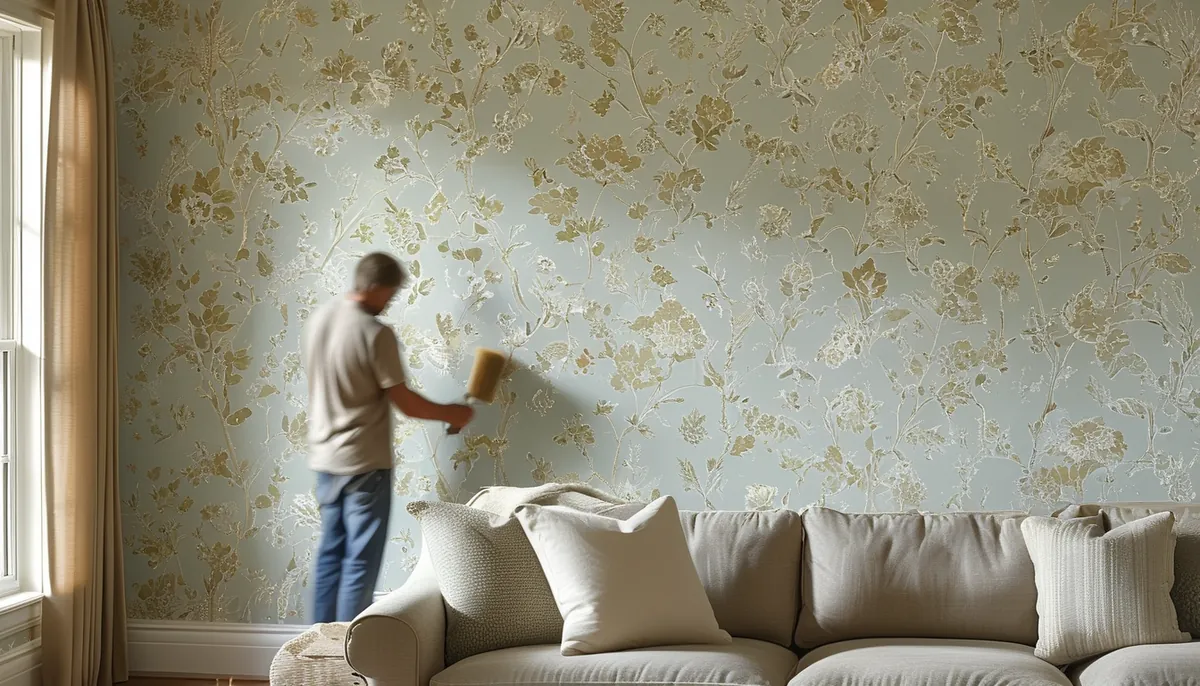
Clear wallpaper glue is your best bet for lighter-colored wallpapers, vinyl, or any material where you don’t want adhesive marks to show through. Unlike its colored counterparts, clear paste dries transparent, preventing visible lines or stains that can ruin the aesthetic of your newly papered wall. This is particularly crucial for delicate patterns, metallic finishes, or thin papers where any discoloration from the glue would be immediately apparent.
When choosing a clear wallpaper glue, consider the type of wallpaper you’re installing. Most clear glues are water-based and suitable for standard vinyl, foil, grasscloth, and even some fabric-backed wallpapers. However, always check the manufacturer’s recommendation for both the wallpaper and the adhesive. Some heavy-duty papers might require a more specialized adhesive, even if you want a clear finish.
Understanding adhesive types
Clear wallpaper glues primarily fall into a few categories based on their composition and intended use. The most common is a pre-mixed, water-based adhesive, often derived from vinyl ethers or similar polymers. These are generally ready to use straight from the container, offering convenience for DIYers. You’ll also find clear, concentrated pastes that require mixing with water. These allow for more control over consistency and can be more economical for larger projects.
For projects involving heavier materials like natural fiber wallpapers or textured vinyl, a clear, heavy-duty formula might be necessary. These often contain additional polymers for increased tack and durability. Always check the product label for specific wallpaper types it’s designed for. For extremely demanding applications, like exterior wallpaper or areas with high humidity, you might need a specialized clear adhesive designed for those conditions, though these are less common for typical residential interior projects.
When to use clear wallpaper glue
The primary reason to opt for clear wallpaper glue is to avoid unsightly glue marks. This is especially important for:
- Light-colored or white wallpapers: Any colored adhesive will show as a yellow or brown stain.
- Delicate patterns: Intricate designs can be marred by dark adhesive lines bleeding through.
- Metallic or glossy finishes: These surfaces are highly reflective, making any adhesive residue visible.
- Thin or translucent wallpapers: Materials like rice paper or certain silks will reveal adhesive color.
- Peel and stick wallpaper: While peel and stick uses its own adhesive, some users opt for supplemental clear glue in corners or edges for extra security. However, this is generally not recommended unless the manufacturer specifies it, as it can damage the wallpaper or the wall surface. If you are exploring easy-to-use options, consider exploring easy peel and stick wallpaper.
If you’re working with vibrant, dark-colored wallpapers, a standard clear glue might still be preferable simply because it’s easier to clean up any excess without leaving a cloudy residue. However, the urgency is less critical compared to lighter papers.
Key considerations when buying
When you’re in the store or browsing online, look for these specifics:
Drying time and workability
Clear wallpaper glue varies in its open time – the window you have to position the wallpaper correctly before the glue sets. A longer open time is beneficial for beginners, allowing more adjustment. However, too long can lead to the paper sagging. Aim for a balance. Check the product description for terms like ‘long open time’ or ‘extended workability’.
Adhesion strength
Ensure the glue provides strong, long-lasting adhesion suitable for your wallpaper type. For standard vinyl or paper wallpapers, a general-purpose clear adhesive will suffice. For heavier or more porous materials, you’ll need a product with higher tack and bonding strength. Roman PRO 880 Clear Wallpaper Paste, for instance, is known for its robust adhesion, making it a reliable choice for various wallpaper types, including commercial-grade vinyl.
Ease of cleanup
Even with clear glue, it’s essential to wipe away excess before it dries. Most clear wallpaper glues clean up easily with a damp sponge or cloth. Look for products specifically mentioning easy cleanup. This prevents any potential haziness or residue from forming on the wallpaper surface.
Coverage
Check how much area a container covers. This is usually listed in square feet or linear feet of wallpaper. A standard 32 oz container of a good quality clear paste, like Roman PRO 880, can typically cover approximately 350-400 square feet of single-ply wallpaper or about 4-6 double rolls, depending on the application and paper porosity. This helps you estimate how many containers you’ll need for your project, preventing last-minute trips to the store.
How to apply clear wallpaper glue
Proper application is key to a professional finish. Here’s a general guide:
Preparation is paramount
Ensure your walls are clean, dry, and smooth. Remove any old wallpaper, paint, or debris. Fill any holes or cracks and sand them smooth. If your wall is porous (like unpainted drywall), you may need to prime it with a wallpaper primer. This ensures even glue absorption and makes future removal easier. For a cohesive look with any wallpaper choice, consider exploring options like Rifle Paper Co. wallpaper or Yellowstone wallpaper designs for inspiration.
Mixing (if applicable)
If you purchased a concentrated clear paste, follow the manufacturer’s instructions precisely for mixing with water. Use clean water and a mixing bucket. Aim for a smooth, lump-free consistency, often described as similar to pancake batter or thin cream. Too thick, and it’s hard to spread; too thin, and it won’t adhere properly.
Applying the glue
Apply an even coat of clear wallpaper glue to the back of the wallpaper panel, extending slightly beyond the edges. Use a roller or a large brush specifically designed for wallpaper paste. Avoid over-applying, as excess glue will squeeze out at the seams and can be difficult to remove cleanly, even if it’s clear. Some installers prefer to ‘paste the wall’ instead of pasting the paper, especially with certain types of wallpaper. This involves applying the glue directly to the wall where the panel will go. Check your wallpaper’s instructions to see which method is recommended.
Booking the paper
Once pasted, most wallpapers (except some vinyls and peel-and-stick types) need to be ‘booked’. This involves folding the pasted paper onto itself, paste-to-paste, without creasing. Let it sit for the time recommended by the manufacturer (usually 5-10 minutes). This allows the adhesive to penetrate the paper’s backing, making it more pliable and preventing it from stretching unevenly on the wall.
Hanging the wallpaper
Carefully unfold the booked paper and position it on the wall, starting from the top. Use a wallpaper brush or smoother to gently work out air bubbles and ensure good contact with the wall. Work from the center outwards. Trim any excess paper at the ceiling, baseboard, and around windows or doors with a sharp utility knife and a straight edge.
Cleaning up
Immediately wipe away any excess glue that squeezes out at the seams or edges with a clean, damp sponge or cloth. Rinse your sponge frequently. If you have particularly stubborn or dried-on glue, a mild soap solution might be needed, but test it in an inconspicuous area first. Thorough cleanup prevents a sticky residue that can attract dust and dirt over time.
Common mistakes to avoid
Even with clear wallpaper glue, mistakes can lead to a less-than-perfect result:
- Using the wrong type of glue: Applying a general-purpose clear glue to a specialty wallpaper (like heavy fabric or foil) designed for a specific adhesive can lead to failure. Always read the wallpaper manufacturer’s guidelines.
- Over-thinning or over-thickening: Incorrect glue consistency affects adhesion and workability.
- Skipping the booking process: This can lead to bubbles, uneven drying, and seams that pull apart.
- Not cleaning excess glue promptly: While clear, dried glue can still leave a dull or sticky residue that’s hard to remove later.
- Applying glue too thinly or unevenly: This results in poor adhesion, leading to peeling edges or bubbles.
Choosing the right clear wallpaper glue and applying it meticulously will ensure your wallpaper installation looks professional and lasts for years. Whether you’re looking at bold designs like flowers on wallpaper or subtle textures, the right adhesive is fundamental.