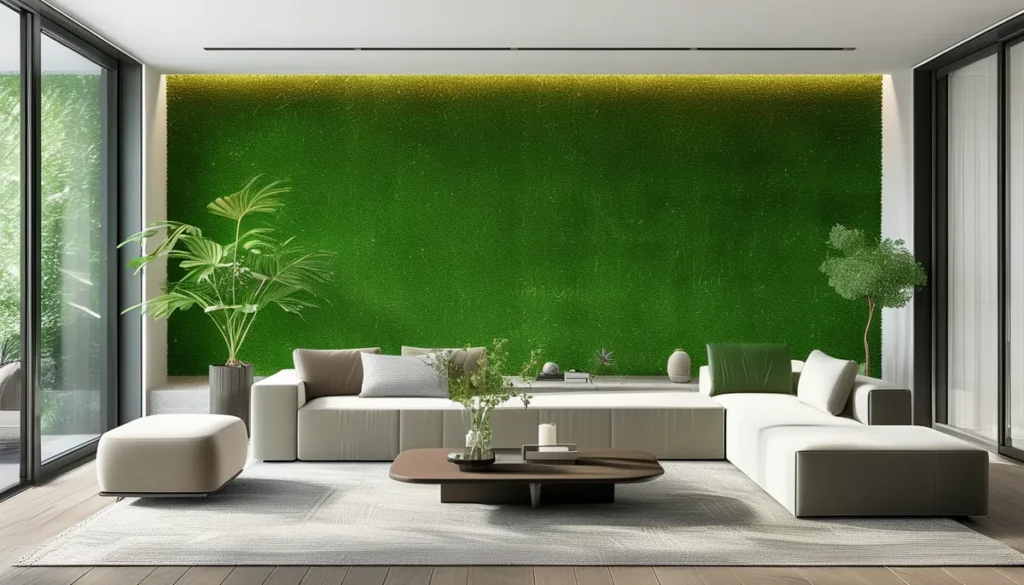
Peel and stick wallpaper from Hobby Lobby can seem like an easy fix for a room refresh, but not all options are created equal. Before you commit, you need to know what you’re buying. The biggest factor differentiating peel and stick wallpapers is the material composition. Most fall into two main categories: PVC-based and non-PVC (often fabric or paper-based). PVC vinyl wallpapers are generally more durable, thicker, and easier to clean. They offer better resistance to moisture, making them suitable for kitchens or bathrooms, provided they aren’t subjected to direct water. Non-PVC options, like some fabric or textured paper types, can offer a more premium feel and a matte finish, but they may be less forgiving during installation and less resistant to stains or moisture.
When looking at Hobby Lobby’s selection, pay close attention to the product description. If it doesn’t specify the material, assume it’s likely a standard vinyl. For a more premium look or feel, you might need to look at higher-end specialty brands, which Hobby Lobby sometimes carries, but they will come at a higher price point. The thickness of the material matters for installation. Thicker wallpapers are more forgiving; they don’t stretch as easily when you reposition them, reducing the risk of tearing. Thinner wallpapers can show imperfections on your wall, like nail pops or uneven drywall patches. Always inspect the roll for consistency in thickness and color.
Understanding adhesive quality and repositionability
The ‘stick’ in peel and stick wallpaper refers to its adhesive backing. Hobby Lobby offers a range of products, and the adhesive strength can vary significantly. A good quality peel and stick wallpaper should have an adhesive that is strong enough to hold the paper securely over time without peeling at the edges, but also gentle enough to be repositioned during installation without damaging your walls. Low-quality adhesives can either be too weak, causing the paper to fall off within days, or too aggressive, ripping off paint and drywall paper when you try to remove it, even after a short period. Always test a small, inconspicuous area first if you’re concerned about wall damage upon removal.
When installing, you’ll likely need to reposition strips as you get them perfectly aligned. Cheaper options often lose their stickiness after being peeled and re-stuck a couple of times. You might find yourself struggling to get a seamless finish if the adhesive weakens too quickly. Look for descriptions that emphasize ‘repositionable’ or ‘easy to remove.’ If the product description is vague, consider the price point; extremely cheap options are more likely to have inferior adhesive. For a reliable experience, explore brands known for quality, even if they aren’t exclusive to Hobby Lobby. You can discover the best high-quality peel and stick wallpaper for your home on our guide.
Installation challenges and common mistakes
Installing peel and stick wallpaper is a DIY-friendly project, but common mistakes can turn a simple update into a frustrating ordeal. One of the most frequent errors is not preparing the wall surface adequately. Walls must be clean, dry, and smooth. Any dust, grease, or texture will prevent the wallpaper from adhering properly. Wash your walls with a mild detergent and let them dry completely. Fill any holes, sand down bumps, and ensure the surface is as smooth as possible. Paint should be fully cured; if you’ve recently painted, wait at least 2-4 weeks for the paint to off-gas and harden, otherwise, the wallpaper adhesive could pull the paint off.
Another critical mistake is not measuring and cutting accurately. Always measure your wall height and add a few extra inches (about 4-6 inches total) for trimming at the ceiling and baseboard. When cutting, use a sharp blade for a clean edge. A dull blade will tear the material. Aligning the pattern can also be tricky. Most wallpapers have a repeat pattern, meaning you need to match the design on the next strip. Start at a corner or a prominent focal point and work your way across. Use a level or a plumb line to ensure your first strip is perfectly vertical; if the first strip is off, all subsequent strips will be misaligned, creating a noticeable gap or overlap. Don’t rush this step. Take your time to align patterns precisely.
Overlapping versus butting the edges is another point of confusion. For most peel and stick wallpapers, you’ll want to ‘butt’ the edges together – meaning they meet precisely without overlapping. Overlapping can create a visible ridge, especially with thicker wallpapers, and can make removal more difficult. However, some very thin, flexible wallpapers might benefit from a slight overlap, but this is less common. Always check the manufacturer’s instructions. For detailed guidance and to see examples of successful installations, check out our guide on how to update your space with easy peel and stick wallpaper.
Comparing Hobby Lobby’s offerings to specialty retailers
Hobby Lobby offers convenience and often has sales that make peel and stick wallpaper more affordable. Their selection can be great for smaller projects or for trying out a new design. However, specialty online retailers or dedicated wallpaper stores typically offer a wider variety of higher-quality materials, more sophisticated designs, and better information about the product’s performance and durability. These retailers often stock brands known for superior adhesion, thicker vinyl, and more accurate pattern matching, which are crucial for a professional-looking finish.
When comparing prices, consider the total cost. A cheaper roll from Hobby Lobby might require more effort to install, be less durable, and may even damage your walls upon removal, leading to extra repair costs. Specialty retailers might have a higher upfront cost per roll, but the quality of the material and adhesive can save you time, frustration, and potential wall damage in the long run. If you’re undertaking a large project or want a specific high-end look, it’s often worth exploring options beyond the big box craft stores. For instance, if you’re interested in a natural texture, consider grasscloth peel and stick wallpaper, which is more commonly found with specialty providers.
Durability and longevity considerations
The lifespan of peel and stick wallpaper from Hobby Lobby, or any retailer, depends heavily on the material, the quality of the adhesive, and the environment it’s installed in. Vinyl-based wallpapers generally last longer than paper-based ones, especially in areas prone to moisture or high traffic. If you install it in a low-traffic area with stable temperature and humidity, like a guest bedroom, it could last for several years. However, in a busy hallway, a kitchen, or a bathroom, expect it to show wear and tear more quickly, potentially lasting only 1-3 years before needing replacement.
Direct sunlight can also fade the colors over time, regardless of the brand. If the wall isn’t properly prepared, or if the adhesive is low quality, edges may start to peel within months, especially in humid conditions. For areas where durability is paramount, such as rental properties or high-traffic zones, investing in a thicker, higher-grade vinyl product is advisable. You can learn more about selecting the best high-quality options for your home in our comprehensive guide.
Removal process and potential wall damage
The main appeal of peel and stick wallpaper is its temporary nature and ease of removal. However, this isn’t always straightforward. The removal process can range from peeling off in large sheets to requiring scraping and even steaming, depending on the adhesive’s strength and how long it’s been on the wall. Products from Hobby Lobby, particularly the more budget-friendly ones, may leave behind a sticky residue or pull off paint. This is more likely if the wall wasn’t prepped correctly or if the paint is old and brittle.
To minimize damage during removal, try using a hairdryer on a low heat setting to warm the adhesive. This often makes the wallpaper easier to peel. Start in a corner and pull gently at a 45-degree angle. If resistance is met or the paint starts to lift, stop and reapply heat. For stubborn residue, a commercial adhesive remover or a solution of warm water and dish soap can be effective, but always test it in an inconspicuous area first to ensure it doesn’t damage the underlying wall surface. For a hassle-free experience with removal and installation, explore options covered in our guide to updating your home with easy peel and stick wallpaper.
When you’re looking for the best peel and stick wallpaper, consider where it’s made and the specific materials. While Hobby Lobby is a convenient option for many DIYers, understanding these nuances will help you make a more informed purchase. For a truly effective and lasting result, consider the factors outlined here and explore resources that detail specific product qualities, like those that help you update your home with easy peel and stick wallpaper.