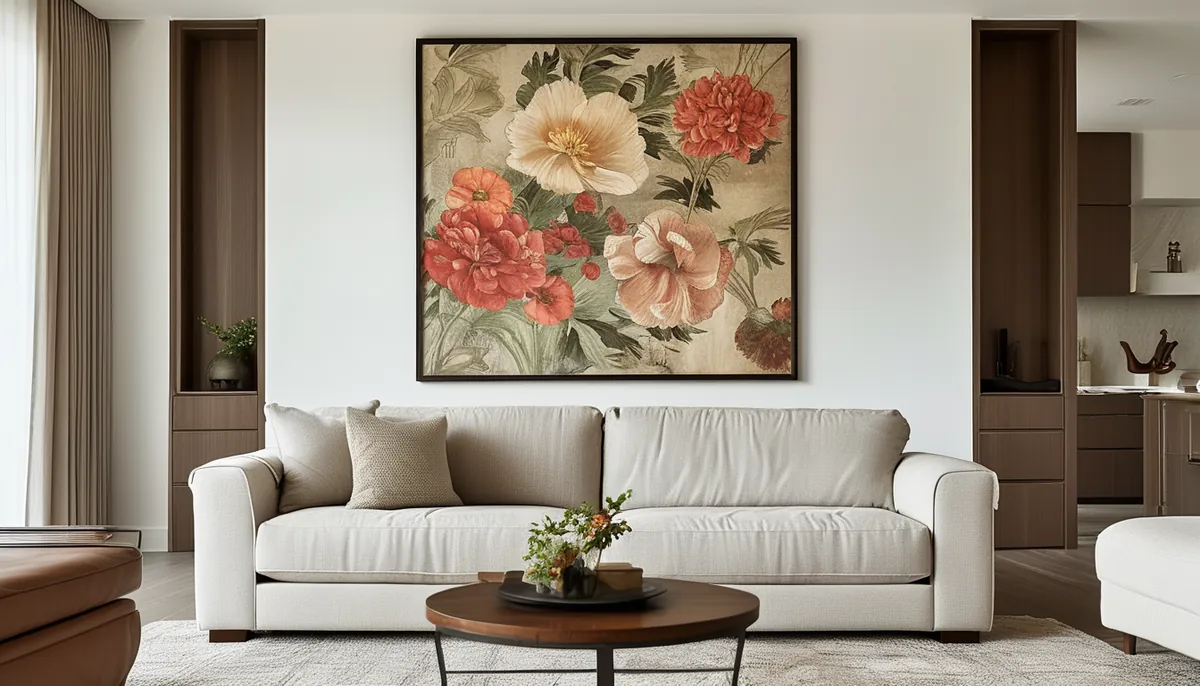
Framing vintage wallpaper allows you to incorporate a beloved pattern without committing to covering an entire room. This technique turns a piece of wallpaper into a focal point, like a painting or a large photograph. You can achieve this using a ready-made frame, custom framing, or even by mounting the wallpaper directly onto a panel for a more integrated look.
Choosing the right vintage wallpaper for framing
Not all vintage wallpaper patterns are ideal for framing. Consider the scale of the design and its visual impact when enlarged or isolated. Busy, intricate patterns might become overwhelming in a large frame, while simpler, graphic designs can stand out beautifully. Look for wallpapers with a strong motif, a balanced color palette, and a design that tells a story or evokes a specific era. High-quality, durable papers are best, especially if you plan to handle them extensively during the framing process. Papers with metallic accents or raised textures can add a luxurious feel to your framed piece.
Think about the room where the framed wallpaper will hang. Will it complement the existing decor, or will it be a contrasting statement piece? For a cohesive look, choose a vintage pattern that echoes colors or themes already present in the room. If you’re aiming for a bolder statement, select a pattern that offers a distinct contrast. Consider the era of the wallpaper and how it aligns with your home’s architectural style or your desired aesthetic. For instance, Art Deco patterns pair well with mid-century modern interiors, while Victorian florals might suit a more traditional setting.
Types of vintage wallpaper suitable for framing
- Floral prints: Classic and versatile, floral vintage wallpapers can range from delicate rose patterns to bold, graphic blooms.
- Geometric designs: Art Deco or mid-century modern geometric patterns offer a clean, sophisticated look.
- Scenic or landscape patterns: These can create a captivating focal point, transporting viewers to another time or place.
- Damask and damask-inspired prints: Timeless and elegant, damask patterns add a touch of luxury.
- Novelty prints: Whimsical and charming, these can include anything from animals to vintage advertisements, adding personality.
When selecting your vintage wallpaper, check its condition. Tears, fading, or water damage can be difficult to hide once framed. If you’re buying antique wallpaper, inspect it carefully. For modern reproductions, ensure the quality is high. You can find excellent vintage-inspired designs in our collection of Rifle Paper Co. wallpaper, which often capture that nostalgic charm with contemporary flair.
Methods for framing vintage wallpaper
There are several ways to frame vintage wallpaper, each offering a different aesthetic and level of permanence. The most common method involves using a traditional picture frame. This is ideal for smaller pieces or for creating a gallery wall effect.
Using traditional picture frames
For this method, you’ll need a frame that is at least as large as the piece of wallpaper you want to display. Measure your wallpaper carefully. If the wallpaper is too large for a standard frame, consider cutting it to fit or using multiple frames. You can mount the wallpaper onto a backing board, such as acid-free matboard or foam core, before placing it in the frame. This prevents the wallpaper from sagging and provides a stable surface. Use a conservation-grade adhesive or spray mount to attach the wallpaper to the backing, ensuring it’s smooth and free of bubbles.
When choosing a frame, consider its depth and style. A shadow box frame can add dimension, especially if your wallpaper has any texture. For a more minimalist look, a simple wood or metal frame works well. Ensure the frame includes a protective glass or acrylic front to shield the wallpaper from dust and damage. UV-filtering glass is recommended to prevent fading over time, especially if the framed piece will be exposed to sunlight.
Custom framing options
Custom framing offers the most professional and polished look. A custom framer can help you select the perfect matting, frame, and protective glass for your vintage wallpaper. They can also handle delicate or unusually sized pieces with expert care. This is often the best option for valuable or fragile antique wallpapers.
Custom framers can advise on archival methods to ensure the longevity of your wallpaper. They can use acid-free materials throughout the framing process, including the mat, backing, and any adhesives used. They can also create custom-sized frames to perfectly fit your chosen wallpaper section, eliminating the need for cutting or compromising the design.
DIY mounting techniques
For a more budget-friendly or hands-on approach, consider DIY mounting. One popular method is to adhere the wallpaper directly to a piece of plywood or MDF, cut to your desired size. You can then paint the edges of the board or add a simple border. This creates a solid, frameless piece of art that can be hung directly on the wall.
Another DIY option is to use a large, lightweight canvas or board as a backing. Apply a strong, clear adhesive to the board, carefully position the wallpaper, and smooth it out to remove any air bubbles. For a more finished look, you can seal the wallpaper with a clear, matte sealant once it’s dry. This protects the paper and gives it a uniform appearance. If you’re working with a paper that has a repeating pattern, you might be able to achieve a seamless look by carefully aligning multiple pieces on a larger board.
Installation tips for framed vintage wallpaper
Once your vintage wallpaper is framed or mounted, careful installation is key to showcasing your artwork. The location you choose will significantly impact its visibility and how it integrates with your room’s design.
Placement and hanging
Hang framed vintage wallpaper at eye level, typically around 57 to 60 inches from the floor to the center of the piece. If you’re hanging it above furniture, leave about 6 to 10 inches of space between the top of the furniture and the bottom of the frame. Consider the wall space available and the overall balance of the room. A single, large framed piece can be a dramatic focal point, while a collection of smaller framed sections can create a more dynamic display.
If you’re mounting wallpaper directly onto a panel without a frame, ensure the panel is securely attached to the wall. Use appropriate hardware for the weight of the panel, such as D-rings and picture wire, or French cleats for heavier items. For any framed piece, ensure you use sturdy wall anchors if you’re not drilling directly into a stud. This is especially important for larger or heavier frames to prevent them from falling.
Maintaining and cleaning
Vintage wallpaper, especially older or more delicate types, requires gentle care. Avoid hanging framed pieces in areas with high humidity or direct sunlight, as this can cause fading and damage. If your frame has glass or acrylic, you can clean it according to the manufacturer’s instructions. For the wallpaper itself, unless it’s sealed or protected by glass, it’s best to avoid direct cleaning. A feather duster can be used very gently for any accessible areas, but caution is advised.
If the wallpaper is behind glass, dust the glass regularly. For unframed, sealed pieces, a slightly damp cloth can be used sparingly on the sealant layer, but always test in an inconspicuous area first. The best way to maintain vintage wallpaper is through preventative measures: proper framing, careful placement, and avoiding harsh environmental conditions.
When to consider framing vintage wallpaper
Framing vintage wallpaper is an excellent solution when you fall in love with a pattern but can’t commit to a full room installation. It’s perfect for renters who want to add personality to their space without making permanent changes. You can also use this technique to display a treasured remnant from a past renovation or a unique find from an antique shop.
It’s also a great way to incorporate bold patterns or colors into a neutral scheme without overpowering the room. If you’re looking for unique wall art that tells a story, framed vintage wallpaper offers an artistic and historical dimension. It allows you to experiment with different styles and eras before deciding on a larger wallpaper project. For those who appreciate the artistry of wallpaper design, framing transforms it into a gallery-worthy piece. You can find inspiration for unique patterns in collections like Yellowstone wallpaper designs, which often feature rich textures and historical motifs.
This technique is also ideal for highlighting specific design elements, such as a particularly striking floral motif or a repeating geometric sequence. It allows you to curate a specific look. If you’re interested in the ease of application and removal often associated with modern papers, consider how framing can showcase the beauty of traditional designs with the practicality of a framed art piece. Many modern wallpapers, including easy peel and stick wallpaper, offer stunning patterns that can also be framed.
For those seeking high-quality options, exploring the best high-quality peel and stick wallpaper can also lead to designs suitable for framing. The durability and ease of handling of many modern vinyl-based wallpapers make them excellent candidates for framing projects, offering both aesthetic appeal and longevity.