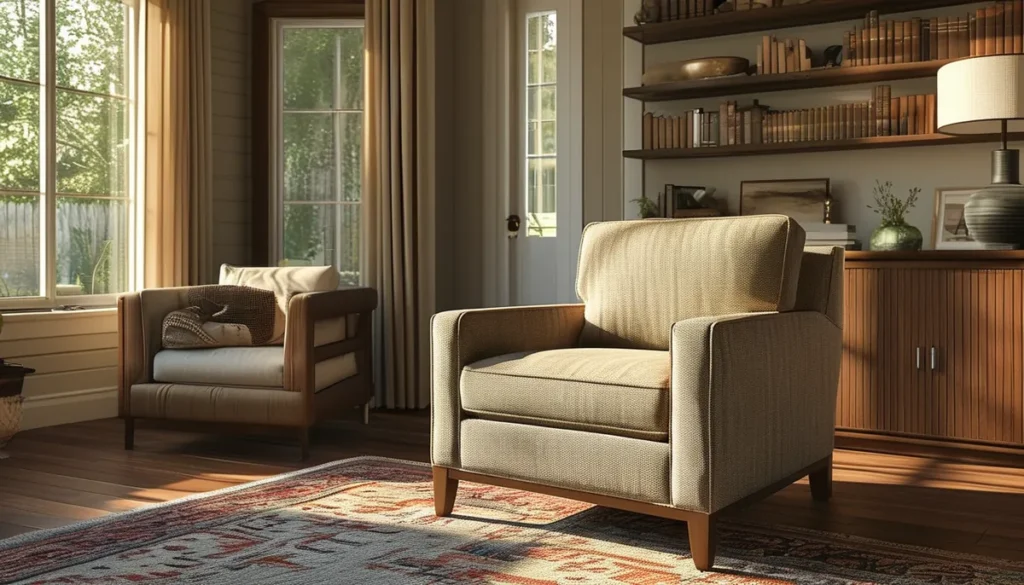
Beige grasscloth wallpaper offers a universally appealing blend of natural texture and understated color. It’s not just a wall covering; it’s an upgrade to your room’s atmosphere, adding warmth and depth without overpowering your existing decor. Understanding the nuances of this material will help you make the right choice for your project.
Understanding grasscloth construction and types
Grasscloth wallpaper is made from natural plant fibers, most commonly jute, hemp, or ramie, woven together and backed with paper. The fibers are typically hand-stitched onto a paper backing, which gives each roll its unique, artisanal quality. The slight variations in the weave and color are part of its charm.
The primary types of grasscloth are distinguished by the fiber used and the weave pattern:
- Jute: This is the most common and often the most affordable type. Jute fibers are relatively thick and have a distinct texture. The color can range from a light, straw-like beige to a deeper tan.
- Hemp: Hemp fibers are generally finer than jute, resulting in a smoother, more refined texture. It often has a more uniform color, appearing as a soft, creamy beige.
- Ramie: Ramie is known for its strength and a subtle sheen. It tends to have a very fine weave and can appear almost silky, offering a more luxurious feel.
- Silk-grasscloth: This is a premium option where silk threads are woven in with the grass fibers, adding a delicate shimmer and enhancing the visual depth.
Beyond the fiber, the weave itself varies. Some have a very tight, uniform weave, while others feature a looser, more irregular pattern. The width of the strips also changes, from narrow, delicate strands to wider, more prominent ones. These variations impact the overall look and feel significantly.
Why choose beige grasscloth wallpaper?
The popularity of beige grasscloth wallpaper stems from its incredible versatility and its ability to create a serene, sophisticated environment. Here’s why it’s a top choice:
- Natural Texture: The inherent texture of grasscloth adds a tactile dimension to your walls that paint or standard vinyl wallpaper can’t replicate. It brings a touch of nature indoors.
- Warm Neutrality: Beige is a cornerstone of neutral palettes. It’s warm, inviting, and complements a wide range of colors, from soft pastels to deep jewel tones. A beige wallpaper guide can offer more inspiration on its use.
- Adds Depth and Interest: Unlike flat surfaces, the woven nature of grasscloth creates subtle shadows and highlights, adding visual depth and preventing walls from looking bland.
- Timeless Appeal: Grasscloth is a classic material that transcends trends. Its natural elegance ensures it looks stylish for years to come. You can discover more about the timeless elegance of grasscloth wallpaper for your home.
- Hides Imperfections: The texture and pattern of grasscloth can effectively camouflage minor imperfections on your walls, making it a forgiving choice for older homes or DIY installations.
Where to use beige grasscloth wallpaper
Beige grasscloth wallpaper is incredibly adaptable. Its natural aesthetic makes it suitable for a variety of rooms and design styles.
Living rooms and family rooms
In these high-traffic areas, beige grasscloth creates a welcoming and relaxed atmosphere. It serves as a beautiful backdrop for art, photographs, and furniture. Its texture adds a layer of sophistication that elevates the entire space. If you’re considering this for a family room, its forgiving nature is a bonus.
Bedrooms
For bedrooms, beige grasscloth promotes a sense of calm and tranquility. The natural fibers and soft color create a serene retreat, perfect for unwinding. It pairs wonderfully with natural wood tones and soft textiles for a cozy, hygge-inspired look.
Dining rooms
A dining room clad in beige grasscloth can feel both elegant and intimate. It provides a warm, inviting ambiance for meals and conversations. It can be used on all walls or as a striking accent wall.
Home offices
In a home office, the natural texture can foster a focused yet comfortable working environment. It’s a sophisticated choice that feels less sterile than a plain painted wall, while still maintaining a professional look.
Entryways and hallways
These transitional spaces benefit from the immediate warmth and visual interest grasscloth provides. It sets a refined tone from the moment guests step inside.
Installation considerations for grasscloth
Installing grasscloth wallpaper requires care due to the natural fibers and paper backing. It’s a material that rewards patience and precision.
Surface preparation
Ensure your walls are clean, dry, and smooth. Minor imperfections can be hidden, but significant cracks or holes should be repaired. Use a high-quality primer, preferably one designed for natural fiber wallpapers, to ensure good adhesion and prevent excessive moisture absorption.
Adhesive
Use a heavy-duty clear adhesive or a paste specifically recommended for grasscloth and natural fiber wallpapers. Avoid standard wallpaper paste, which may be too wet and damage the fibers. Always follow the manufacturer’s instructions regarding paste type and application.
Application technique
Grasscloth is not pre-pasted. You’ll need to apply the adhesive to the back of the wallpaper. Allow a brief ‘booking’ time for the paste to penetrate the paper backing (usually 5-10 minutes, check product instructions). Hang the panels carefully, ensuring they are level and the seams align. Use a smooth wallpaper brush or roller to gently smooth out bubbles and ensure adhesion, working from the center outwards. Avoid excessive pressure, which can crush the fibers.
Seam matching
Due to the natural variations in the fibers, achieving a perfectly invisible seam can be challenging. Many installers recommend a butt seam (hanging panels edge-to-edge) rather than an overlap. A slight gap or slight overlap might be unavoidable and is often considered part of the material’s character. Some designers recommend using a coordinating beige paint for the seams on the wall beneath the grasscloth to minimize their visibility.
Trimming
Use a sharp, high-quality razor knife and a straight edge for trimming. Trim excess wallpaper at the ceiling, baseboard, and around windows and doors immediately after hanging each strip while the paste is still wet. This prevents the paper from tearing or becoming difficult to cut once dry.
Peel and stick grasscloth alternatives
For those seeking the look of grasscloth with easier installation and removal, peel and stick options are available. These wallpapers mimic the texture and appearance of traditional grasscloth but come with a self-adhesive backing. They are ideal for renters or for those who like to change their decor frequently. Transforming your space with easy grasscloth peel and stick wallpaper can be a great DIY project.
Maintaining your beige grasscloth wallpaper
Proper maintenance will ensure your grasscloth wallpaper remains beautiful for years.
Cleaning
Grasscloth is delicate and should not be cleaned with water or harsh chemicals. Regular dusting with a soft brush or a vacuum cleaner attachment (on a low setting) is the best way to keep it clean. For spot cleaning, use a very lightly dampened cloth or a specialized wallpaper cleaner, testing it on an inconspicuous area first.
Sunlight exposure
Direct, prolonged sunlight can cause natural fibers to fade over time. Consider using window treatments like blinds or curtains to protect your walls from harsh UV rays, especially in south-facing rooms.
Common mistakes to avoid
When working with beige grasscloth, a few common pitfalls can lead to a less-than-ideal result.
- Using the wrong adhesive: As mentioned, standard wallpaper paste can be too wet and damage the natural fibers. Always use a recommended adhesive.
- Over-handling or excessive smoothing: Being too aggressive with smoothing tools can crush the delicate fibers, flattening the texture and reducing the visual appeal.
- Skipping the primer: A good quality primer is crucial for adhesion and preventing the wall from absorbing too much moisture from the paste.
- Trying to achieve perfect seams: Understand that minor seam variations are inherent to grasscloth. Focus on a neat, clean butt seam rather than expecting invisibility.
- Using water for cleaning: Water can stain and damage natural fibers. Stick to dry dusting methods.
Beige grasscloth wallpaper provides an organic, textural foundation that adds warmth and sophistication to any room. Its natural beauty and versatility make it a lasting choice for creating serene and inviting interiors. For more inspiration on incorporating beige into your design, explore a comprehensive beige wallpaper guide.