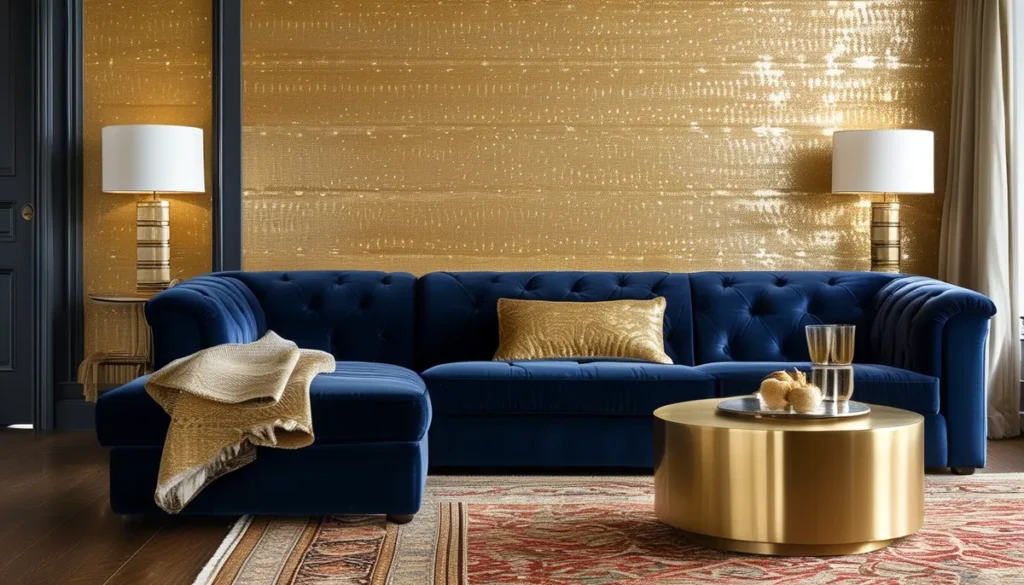
The decision to use accent wall paper often comes down to creating a focal point without overwhelming the space. Before you even think about patterns, consider the room’s function and existing decor. A busy pattern might work in a dining room but could be too distracting in a home office. Think about the scale of the pattern relative to the room size; large, bold designs can make a small room feel even smaller if not used judiciously.
Understanding different types of accent wall paper
Not all wallpaper is created equal. The material dictates durability, ease of installation, and suitability for different areas.
Peel and stick wallpaper
This is a DIYer’s best friend. Peel and stick wallpaper features a strong adhesive backing, meaning no separate paste is required. You simply peel off the backing and apply it directly to a clean, smooth wall. It’s forgiving, allowing you to reposition it during installation if you make a mistake. Most are made from vinyl or a vinyl-coated paper. They are generally water-resistant, making them suitable for kitchens and bathrooms, though not in areas with direct, prolonged moisture like inside a shower. Removal is typically easy, often peeling off in large sheets without damaging the underlying drywall. This makes it ideal for renters or those who like to change their decor frequently. Thickness varies, but generally, it’s thinner than traditional wallpaper, which can sometimes make it more prone to showing wall imperfections if the surface isn’t perfectly smooth.
Traditional peel-and-stick
This category can be a bit confusing as ‘peel and stick’ is often used as a blanket term. Traditional peel-and-stick refers to wallpapers that come with their own adhesive. They are typically made from vinyl or a PVC-based material. They are durable, wipeable, and offer a wide range of designs, including textures that mimic wood or fabric. Installation involves peeling off a protective liner and applying the paper. Removal is usually straightforward, often coming off in one piece if applied correctly to a properly primed wall. These are great for high-traffic areas or rooms where durability is key.
Traditional wallpaper (paste-applied)
This is the classic wallpaper that requires a separate wallpaper paste, which you apply either to the wall or the back of the paper, depending on the type (pre-pasted, paste-the-wall, or paste-the-back). These papers are often made from heavier materials like vinyl, fabric-backed vinyl, or even natural fibers like grasscloth. They tend to be more durable and can conceal minor wall imperfections better than thinner peel-and-stick options due to their thickness. However, installation is more involved, requiring careful application of paste, precise alignment of seams, and a more challenging removal process that often involves steaming or special removers. They are excellent for creating a high-end, lasting look but require more skill and patience for installation.
Prepasted vs. paste-the-wall
Within the paste-applied category, you’ll find variations. Prepasted papers come with a dry adhesive activated by water. Paste-the-wall papers require you to apply the adhesive directly to the wall surface before hanging the paper. Paste-the-wall is generally considered easier and less messy than applying paste to the paper itself, as it reduces the risk of over-wetting the paper and causing it to stretch or tear. It also allows for easier pattern matching and repositioning.
Material considerations
Vinyl: Durable, wipeable, and water-resistant. Excellent for kitchens and bathrooms. Can be heavy, so ensure good adhesion.
Non-woven: Breathable and often more eco-friendly. Easier to hang and remove than traditional paper. Good for most rooms.
Textured (grasscloth, fabric): Adds depth and luxury. Can be more delicate, harder to clean, and more expensive. Best for low-traffic areas.
Key factors for choosing your accent wall paper
Selecting the right accent wall paper involves balancing aesthetics, practicality, and the room’s specific needs. Don’t rush this step; the right choice makes a significant difference.
Color and pattern
The color and pattern of your accent wall paper are the most immediate visual elements. Consider the existing color palette of your room. Do you want the accent wall to complement existing colors, provide a bold contrast, or introduce an entirely new hue? For a calming effect, opt for muted tones and subtle patterns. For a dramatic statement, go for bold colors, large-scale prints, or strong geometric designs. If you’re drawn to nature, consider floral or landscape designs. For example, wallpaper with flowers can bring a garden feel indoors, while designs inspired by natural landscapes, like those found in Yellowstone wallpaper designs, can evoke a sense of adventure and grandeur.
Scale of pattern
The size of the pattern matters immensely. A small, intricate pattern can add subtle texture and visual interest without being overwhelming, making it suitable for smaller rooms or when you want a background element. Conversely, a large-scale, bold pattern makes a strong statement and can become the room’s dominant feature. In a small room, a large pattern can sometimes make the space feel more intimate or even a bit cramped if not balanced carefully. In larger rooms, large patterns can fill the expanse and add character.
Room size and ceiling height
For smaller rooms, lighter colors and smaller, less complex patterns tend to make the space feel larger and more open. Vertical stripes can also create an illusion of height, making ceilings appear taller. In larger rooms, you have more flexibility. You can use bolder patterns, darker colors, and even large-scale murals. If you have very high ceilings, a dramatic, large-scale pattern or a mural can help to bring the focus down and make the room feel more grounded and proportionate.
Light exposure
Consider how natural and artificial light hits the wall you plan to cover. Glossy or metallic finishes can reflect light, making a room feel brighter and more spacious. Matte finishes absorb light, offering a more subdued and sophisticated look. If a room is naturally dim, a lighter color and a finish that bounces light will be more effective than a dark, matte pattern.
Durability and maintenance
Think about the room’s use. For high-traffic areas like hallways, or rooms prone to moisture and grease like kitchens and bathrooms, choose durable, washable, and water-resistant materials like vinyl. For a formal living room or a bedroom, you might prioritize aesthetics over extreme durability and opt for a more delicate material like grasscloth or a fabric-backed paper. Always check the manufacturer’s recommendations for cleaning and maintenance.
Style of your home
Your accent wall paper should harmonize with your home’s overall architectural style and interior design. A modern home might suit geometric patterns or abstract designs. A traditional home could be enhanced by damask, floral, or classic stripes. Farmhouse styles often pair well with subtle textures or vintage-inspired prints. If you’re unsure, consider a versatile pattern that bridges styles, or look at specific collections like Rifle Paper Co. wallpaper, known for its distinctive, often whimsical, yet classic aesthetic.
Preparing your wall for accent wall paper
Proper wall preparation is critical for a professional-looking finish and the longevity of your wallpaper. Skipping these steps often leads to bubbles, peeling, and a frustrating installation experience.
Clean the wall thoroughly
The wall surface must be clean, dry, and free from dust, grease, or any residue. Use a mild detergent and water, or a degreaser if necessary. Rinse thoroughly and allow the wall to dry completely. Any lingering dirt or oils can prevent the adhesive from bonding properly.
Repair imperfections
Fill any holes, cracks, or dents with spackling compound. Sand these areas smooth once dry. Pay close attention to seams in the drywall; these should be smooth and free of any bumps or ridges. Any imperfection, no matter how small, can show through the wallpaper, especially with lighter colors or thinner materials.
Sand and prime
Lightly sand the entire surface of the wall to create a smooth, uniform finish. This also helps to dull any existing sheen, which can interfere with adhesion. After sanding, wipe down the wall with a damp cloth to remove all dust. For best results, apply a coat of wallpaper primer. Primer seals the wall, prevents the drywall from absorbing too much moisture from the paste (which can cause bubbling or warping), and makes future removal easier. Ensure the primer is suitable for wallpaper application and is completely dry before proceeding.
Remove old wallpaper (if applicable)
If you’re applying new wallpaper over old, it must be completely removed. Use a wallpaper steamer or a scoring tool and a removal solution. Never wallpaper over existing wallpaper unless it’s specifically designed to be papered over (rare) and the underlying layer is in perfect condition. Even then, it’s a gamble that often leads to adhesion issues.
How to install accent wall paper: step-by-step
Installing accent wall paper can be a rewarding DIY project if you follow these steps carefully. Patience and precision are key.
Measure and cut your wallpaper
Measure the height of your wall from the ceiling to the baseboard. Add an extra 4 to 6 inches (10-15 cm) to this measurement – 2-3 inches (5-7.5 cm) for the ceiling and 2-3 inches (5-7.5 cm) for the baseboard. This overlap allows for trimming and ensures full coverage. If your wallpaper has a pattern repeat, you’ll need to account for that when cutting subsequent panels. Lay the wallpaper flat, pattern side up, and use a long straight edge and a sharp utility knife or scissors to make clean cuts. For patterned papers, ensure the pattern matches across panels before cutting the next strip.
Apply adhesive (if necessary)
For peel-and-stick, you’ll skip this step. For paste-applied papers:
- Prepasted: Submerge the strip in warm water according to the manufacturer’s instructions, typically for a specific amount of time, then book (fold the pasted sides together) for a few minutes to allow the adhesive to activate.
- Paste-the-wall: Apply an even coat of wallpaper paste directly to the wall using a roller or brush. Cover an area slightly wider than your wallpaper strip, ensuring no dry spots.
- Paste-the-back: Apply paste evenly to the back of the wallpaper strip.
Always follow the specific instructions provided by the wallpaper manufacturer, as application methods can vary.
Hang the first strip
Start in a corner or at a prominent point. For peel-and-stick, carefully align the top edge with a slight overlap at the ceiling and press it into place. For paste-applied, position the strip on the wall, allowing the excess to overlap at the ceiling and baseboard. Use a smoothing tool (like a wallpaper brush or a plastic smoother) to press the paper onto the wall, working from the center outwards to remove air bubbles and wrinkles. Overlap the edges of adjacent strips slightly if using a pattern that requires it, or butt them together for a seamless look if the pattern allows and the paper type permits.
Continue hanging subsequent strips
Hang the next strip, ensuring the pattern matches perfectly with the previous strip. If there’s a pattern repeat, you’ll need to allow for that by sliding the paper up or down until the design aligns. Overlap the edges as recommended by the manufacturer, or butt them together. Use your smoothing tool to press each strip firmly into place, working out any air bubbles. A seam roller can be used for traditional wallpapers to ensure seams lie flat and are well-adhered. If using peel-and-stick, overlap the edge of the previous strip by about 1/16 inch (1.5 mm) if the pattern is solid, or butt the edges if the pattern requires it to avoid a visible seam.
Trim excess
Once a strip is in place and smoothed, use a sharp utility knife and a straight edge to carefully trim the excess wallpaper at the ceiling and baseboard. Change your blade frequently for a clean cut. Be extra careful around outlets and switches; turn off the power, remove the cover plates, and carefully trim the wallpaper around the opening.
Clean up
Wipe away any excess paste immediately with a damp sponge or cloth. For peel-and-stick, if any adhesive gets on the surface, wipe it gently with a damp cloth. Allow the wallpaper to dry completely, following the manufacturer’s recommendations.
Common mistakes to avoid with accent wall paper
Even with the best intentions, common pitfalls can sabotage your accent wall paper project. Knowing these upfront can save you a lot of hassle.
Inadequate wall preparation
This is the number one cause of wallpaper failure. Walls that aren’t clean, smooth, and properly primed will lead to adhesion problems, bubbles, and an unprofessional finish. Don’t skimp on prep work; it’s the foundation of a good installation.
Using the wrong type of wallpaper for the room
Putting a delicate, non-washable wallpaper in a busy kitchen or a child’s playroom is a recipe for disaster. Conversely, using a very thick, textured paper on a wall with many outlets and switches can make trimming difficult.
Not accounting for pattern repeat
If your wallpaper has a pattern repeat, failing to account for it means your pattern won’t align from one strip to the next, making the whole wall look mismatched and messy. Always check the pattern repeat measurement and factor it into your calculations when cutting.
Cutting corners on adhesion
For paste-applied papers, not using enough paste, or using the wrong kind of paste, will result in strips falling off. For peel-and-stick, not pressing firmly enough or not ensuring the wall surface is smooth and clean will compromise the bond.
Ignoring manufacturer’s instructions
Every wallpaper is slightly different. Manufacturers provide specific instructions for their products regarding paste type, application, booking time, and trimming. Deviating from these instructions can lead to poor results.
Trying to rush the process
Wallpapering requires patience. Rushing through cutting, aligning, smoothing, and trimming will almost certainly lead to mistakes. Take your time, especially if you’re a beginner.
Accent wall paper and room transformations
An accent wall paper is more than just decoration; it’s a powerful tool for transforming a space. Whether you’re looking to make a master bedroom more luxurious, add personality to a living room, or create a vibrant entryway, the right wallpaper can achieve it.
For instance, a bold geometric pattern can modernize a traditional space. A subtle textured wallpaper can add warmth and depth to a minimalist room. For those looking to create a truly personalized sanctuary, consider exploring collections that offer unique artistic designs. This is especially true for a master bedroom wallpaper accent wall, where you can choose a design that reflects your personal style and creates a relaxing or inspiring atmosphere. Similarly, an accent wallpaper for bedroom can turn a simple sleeping space into a statement of personal taste.
The impact of an accent wall is amplified by careful consideration of the surrounding elements. Furniture, lighting, and even textiles should work in harmony with the chosen wallpaper to create a cohesive and visually appealing design. When done correctly, an accent wall paper doesn’t just decorate; it redefines the character of the entire room.