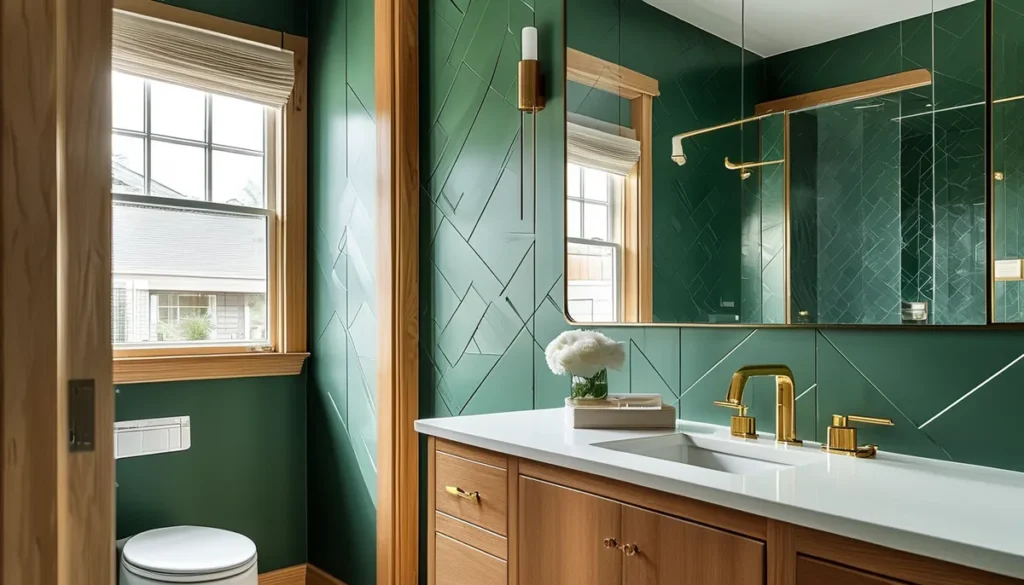
You want wallpaper in your bathroom, but worry about moisture causing it to peel and bubble. This is a valid concern, as not all wallpapers are created equal, especially when exposed to high humidity and potential splashes. However, with careful selection and proper installation, wallpaper can absolutely create a stylish sanctuary. The key lies in understanding which types of wallpaper can withstand bathroom conditions and how to prepare your walls effectively.
Choosing the right wallpaper for your bathroom
The most crucial factor is the wallpaper’s material. Vinyl-coated wallpapers are your best bet for bathrooms. Their non-porous surface resists moisture penetration and is generally washable, making them ideal for damp environments. Look for labels indicating “washable,” “scrubbable,” or “vinyl.” Other suitable options include certain types of metallic or foil wallpapers, which also have a less porous surface. If you’re opting for fabric-backed vinyl wallpaper, ensure it’s specifically rated for kitchens and bathrooms. Avoid traditional paper-backed or unsealed natural fiber wallpapers, as they absorb moisture readily and are prone to damage.
Vinyl wallpaper
Vinyl wallpaper, often called “washable vinyl,” is coated with a protective vinyl layer. This makes it highly durable and resistant to moisture, steam, and even direct splashes. It’s also easy to clean with a damp cloth, which is essential in a bathroom. Most vinyl wallpapers come in rolls and can be applied with a standard wallpaper paste. The vinyl surface prevents the paste from soaking through too quickly, giving you more working time and reducing the risk of bubbles.
Vinyl-coated wallpaper
Similar to vinyl wallpaper, vinyl-coated options offer excellent moisture resistance. The vinyl coating is applied to a paper backing. While still durable, they might not be as robust as solid vinyl if constantly exposed to water. However, for most bathroom applications, especially powder rooms or areas away from direct shower spray, vinyl-coated wallpaper is a great, often more affordable, choice.
Other suitable options
Metallic and foil wallpapers: These can be surprisingly good in bathrooms due to their non-porous, reflective surfaces. They don’t absorb moisture easily. However, be aware that imperfections on the wall underneath might show through, so wall preparation is paramount.
High-quality paper-backed vinyl: Some premium paper-backed vinyl wallpapers are designed with enhanced durability and moisture resistance, often marketed for high-traffic areas or commercial use. Check the manufacturer’s specifications.
Peel and stick wallpaper: Many modern peel and stick wallpapers are made from vinyl or PVC materials, making them a viable option. Look for ones specifically advertised as suitable for bathrooms or kitchens. Their ease of installation and removal also makes them a popular choice for renters or those who like to change their decor frequently. You can discover the best high-quality peel and stick wallpaper for your home.
When to avoid wallpaper in a bathroom
While wallpaper can work, certain bathroom conditions demand caution. If your bathroom has poor ventilation (no exhaust fan, no windows) and experiences constant, heavy steam, even the most resistant wallpaper might struggle over time. Direct water exposure from a shower or tub without adequate protection (like a shower curtain or enclosure) is also a major risk. In very steamy or splash-prone areas, consider using wallpaper only on walls that are further from the shower or sink, or use a protective sealant over the wallpaper if recommended by the manufacturer.
Preparing your bathroom walls for wallpaper
Proper wall preparation is non-negotiable for any wallpaper installation, but it’s especially critical in a bathroom. You need a clean, smooth, and dry surface.
Clean thoroughly
Remove all old wallpaper, paint, and any residue. Wash the walls with a TSP (trisodium phosphate) substitute or a strong detergent to remove grease, soap scum, and mildew. Rinse thoroughly and allow the walls to dry completely. Check for any signs of mold or mildew and treat them with a bleach solution or a specialized mold killer before proceeding.
Repair imperfections
Fill any holes or cracks with spackle or joint compound. Sand smooth once dry. In bathrooms, it’s highly recommended to seal any repairs or even the entire wall with a mold-resistant primer. This adds an extra layer of protection against moisture and ensures your wallpaper adheres properly.
Prime the walls
Apply at least one coat of a high-quality, stain-blocking, mold-resistant primer. This seals the surface, prevents moisture from penetrating the drywall, and provides a uniform surface for the wallpaper adhesive. For extra protection in very humid areas, consider using a specialized “moisture-barrier” primer.
Wallpaper installation tips for bathrooms
The installation process requires attention to detail, especially in a bathroom.
Measure and cut carefully
Measure your walls and calculate the number of rolls needed, adding a little extra for pattern matching and potential mistakes. When cutting, ensure you align patterns accurately. Mistakes here are costly and visually distracting.
Apply paste correctly
If using traditional wallpaper, follow the manufacturer’s instructions for paste application. Use a good quality, vinyl-specific adhesive. “Booking” the paper (allowing the paste to soak in for the recommended time) is crucial for proper adhesion. Some peel and stick wallpapers don’t require paste, but ensure the surface is clean and dry for optimal adhesion.
Hang the first strip straight
Use a plumb bob or a level to ensure your first strip is perfectly vertical. This is the foundation for the entire installation. Subsequent strips will align with the first.
Smooth out air bubbles
Use a wallpaper brush or smoother to work out air bubbles and excess paste as you hang each strip. Start from the center and work outwards. Small bubbles may disappear as the paste dries, but larger ones need to be addressed immediately.
Handle seams with care
Ensure seams are butted together tightly, especially with vinyl wallpapers, to prevent moisture from seeping into the gaps. Use a seam roller gently over the seams once the paper is in place.
Around fixtures and obstacles
Cut carefully around outlets, windows, and doors. For areas near the tub or shower, consider leaving a small gap at the ceiling and baseboard and sealing it with a clear, mildew-resistant caulk after the wallpaper is fully dry. This provides an extra waterproof barrier.
Maintenance of wallpaper in bathrooms
Regular cleaning will help your bathroom wallpaper last longer.
Wipe spills immediately: Don’t let water or toothpaste splashes sit on the wallpaper.
Gentle cleaning: For routine cleaning, use a soft, damp cloth. For tougher spots, use a mild soap solution and rinse with a clean, damp cloth. Avoid abrasive cleaners or scrub brushes, which can damage the wallpaper surface.
Monitor for peeling: Periodically check the edges and seams for any signs of lifting. Address any loose areas promptly with a suitable wallpaper adhesive.
By selecting the right materials, preparing your walls meticulously, and installing with care, you can successfully use wallpaper in your bathroom. It’s a fantastic way to add personality and style. For stunning options, explore designs like Rifle Paper Co. wallpaper or vibrant flower-themed wallpapers to bring life to your walls. If you’re considering options that are easy to work with, you might want to explore Yellowstone wallpaper designs or other beautiful peel and stick wallpaper.