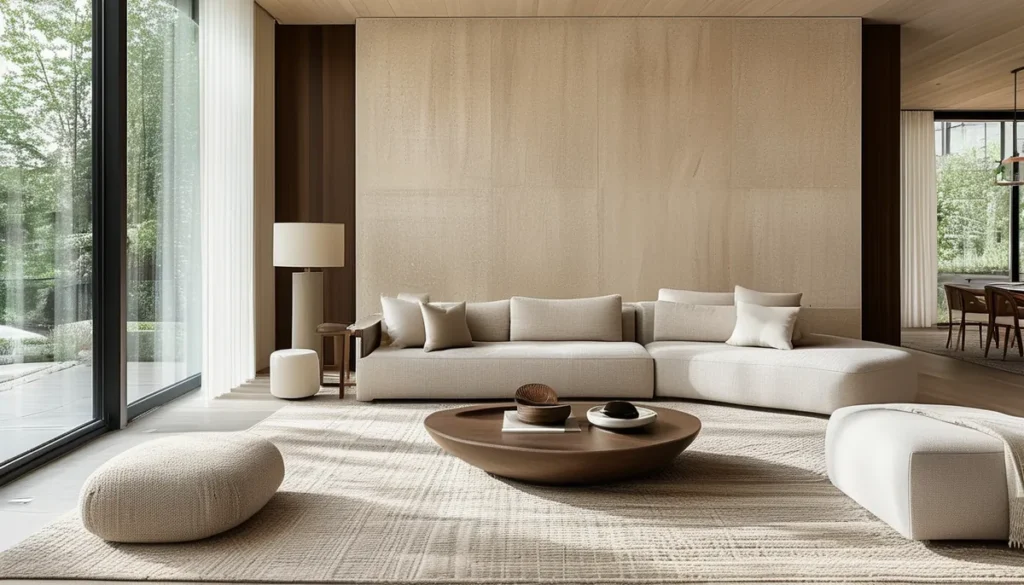
Your walls are a blank canvas. Choosing custom design wallpaper lets you dictate the entire artwork, unlike mass-produced patterns. This guide covers everything from picking the right material to ensuring a flawless installation for your unique vision.
Understanding your custom wallpaper options
Custom wallpaper isn’t a single product; it’s a service. You can get custom wallpaper designs in several formats, primarily differing in material and application method. The two main categories you’ll encounter are traditional paste-the-wall and the increasingly popular peel-and-stick varieties.
Traditional Paste-the-Wall Wallpaper
This is the classic method. The wallpaper itself is typically made from paper or a vinyl-coated paper. You’ll need to apply wallpaper paste to the wall or the back of the paper (depending on the specific product instructions) before hanging each strip. It’s durable and can last for decades if properly installed and cared for.
- Pros: Excellent durability, wide range of textures available, can hide minor wall imperfections well.
- Cons: Requires messy paste application, longer installation time, more difficult to remove, professional installation often recommended for best results.
Peel-and-Stick Wallpaper
This type uses a strong adhesive on the back of a vinyl or fabric-like material. You simply peel off the backing and apply it directly to the wall. It’s favored for its ease of installation and removal, making it ideal for renters or those who like to redecorate frequently. The vinyl material is generally water-resistant and washable.
- Pros: Easy DIY installation and removal, no paste needed, repositionable during initial application, good for high-moisture areas like bathrooms and kitchens.
- Cons: May not adhere well to heavily textured walls, can be more expensive per square foot than traditional options, potential for paint to peel off walls upon removal if the paint is not well-adhered.
Choosing the right material for your custom design
The base material of your custom wallpaper significantly impacts its look, feel, and performance. Here are common choices:
Vinyl-Coated Paper
This is a popular choice for traditional wallpaper. A layer of vinyl is applied to the paper backing. It offers increased durability and moisture resistance compared to plain paper, making it suitable for kitchens and bathrooms. It’s scrubbable, which is a big plus for busy households.
Solid Vinyl
These wallpapers are made entirely of vinyl, often with a fabric backing for added strength. They are extremely durable, waterproof, and highly washable. This makes them the best option for high-traffic areas, commercial spaces, or rooms prone to moisture and soiling. Custom designs printed on solid vinyl will last a long time.
Non-Woven Fabric
This material is a blend of synthetic and natural fibers. It’s breathable, making it less prone to bubbling and tearing during application. Non-woven wallpapers are also easier to remove than traditional paper. Many high-quality peel-and-stick wallpapers use a non-woven fabric base, offering a more premium feel.
Textured Materials
Some custom wallpaper providers offer materials with inherent textures, such as linen, grasscloth, or even embossed patterns. These add another dimension to your design, creating a sophisticated and tactile finish. Be aware that textured wallpapers can be more challenging to align perfectly, especially with intricate custom designs.
How to get your custom design wallpaper
There are two primary routes to obtaining custom design wallpaper:
1. Upload Your Own Image or Artwork
This is the ultimate form of personalization. You provide a high-resolution digital file—your own photograph, a piece of digital art, or a graphic you’ve designed. The wallpaper company then prints your design onto their chosen material.
- Resolution is Key: You need a very high-resolution image. Most services recommend at least 300 DPI at the full size you want it printed. A low-resolution image will result in a blurry, pixelated print that looks unprofessional. Think about the final scale: an image that looks good small might not translate well when blown up to wall size.
- File Formats: Common accepted formats include JPEG, PNG, TIFF, and sometimes PDF or AI. Always check the specific requirements of your chosen provider.
- Color Matching: Be aware that colors on your screen may not perfectly match the printed output due to differences in monitor calibration and printing inks. Some services offer color proofing for an additional fee.
2. Choose from Designer Collections or Customization Tools
Many companies offer extensive libraries of designs created by artists and designers. You can often select a base design and then customize it. This might involve changing the color palette, scaling elements, or repeating patterns in a specific way. You might find inspiration in collections like our Yellowstone wallpaper designs or explore the elegance of peacock wallpaper designs.
- Color Customization: This is the most common customization. You can often pick any color from a CMYK or Pantone chart to match your existing decor.
- Scale and Layout: Adjusting the size of motifs or the overall pattern repeat allows you to tailor the design to the specific dimensions and focal points of your room.
- Curated Collections: Explore services that offer curated selections, perhaps focusing on themes like coastal living with nautical wallpaper coastal designs, or sophisticated patterns such as those found in our designer wallpaper guide and striped wallpaper designs.
Key considerations before ordering
Once you’ve decided on the type of wallpaper and the design, several practical factors come into play:
Measure your walls accurately
This is non-negotiable. Measure the width and height of each wall where the wallpaper will be applied. Add an extra 4-6 inches to both the width and height to account for trimming and potential pattern matching errors. It’s always better to have a little extra than to run short. For example, a wall that is 10 feet wide and 8 feet tall would require a piece at least 10’4” x 8’4”.
Calculate the amount needed
Wallpaper is sold in rolls or by the square foot/yard. If sold by the roll, check the dimensions of each roll (e.g., 20.5 inches wide by 33 feet long). Custom wallpaper ordered by the square foot or panel will often be printed to fit your specific wall dimensions, simplifying calculations. Always round up to the nearest whole roll or panel if necessary.
Consider the pattern repeat
The pattern repeat is the distance between a repeated element in the wallpaper design. A larger repeat means you’ll need more wallpaper to ensure the pattern aligns across seams. If you’re uploading your own image, you control the repeat. If using a pre-made design, the company will specify the repeat measurement. This is crucial for seamless results.
Check the wallpaper’s durability and maintenance
Think about where the wallpaper will be installed. High-traffic areas, kitchens, and bathrooms require washable, scrubbable, and potentially moisture-resistant materials. Peel-and-stick vinyl is often a good choice here. For a formal living room or bedroom, a more delicate non-woven or textured material might be suitable.
Understand the installation process
Are you a DIY enthusiast, or will you hire a professional? Peel-and-stick is generally considered beginner-friendly. Traditional paste-the-wall requires more precision, tools (like a paste brush, seam roller, and smoothing tool), and potentially more time. If hiring, get quotes and check references. Improper installation can ruin even the most beautiful custom design.
Common mistakes to avoid
Even with the best intentions, mistakes can happen. Here are a few to steer clear of:
- Using low-resolution images: This is the fastest way to ruin a custom wallpaper project. Always ensure your source image is high enough quality for the intended print size.
- Inaccurate measurements: Underestimating wall dimensions or forgetting to add extra for trimming will lead to frustrating shortages and misaligned patterns.
- Ignoring the pattern repeat: Failing to account for the pattern repeat when ordering traditional wallpaper can lead to visible seams where the pattern doesn’t match up.
- Choosing the wrong material for the location: Installing delicate paper in a steamy bathroom or a busy kitchen is a recipe for premature failure.
- Rushing the installation: Especially with paste-the-wall, taking your time to properly prepare the wall, apply the paste evenly, and smooth out air bubbles is critical for a professional finish.
Maintaining your custom wallpaper
Proper care will ensure your custom design remains vibrant for years.
- Cleaning: For washable wallpapers (vinyl or vinyl-coated), use a damp cloth with mild soap. Avoid abrasive cleaners or excessive water, especially on seams. For non-woven or textured papers, consult the manufacturer’s instructions—spot cleaning is usually best.
- Avoid direct sunlight: Prolonged exposure to direct sunlight can cause colors to fade over time, regardless of the material. Consider using blinds or curtains to protect your walls.
- Check seams periodically: Especially in humid environments or with paste-the-wall installations, check that seams remain adhered. A little extra paste can sometimes secure a lifting edge.
Custom design wallpaper transforms a house into a home that uniquely reflects your personality and style. By understanding your options and planning carefully, you can achieve stunning results that you’ll love for years to come.