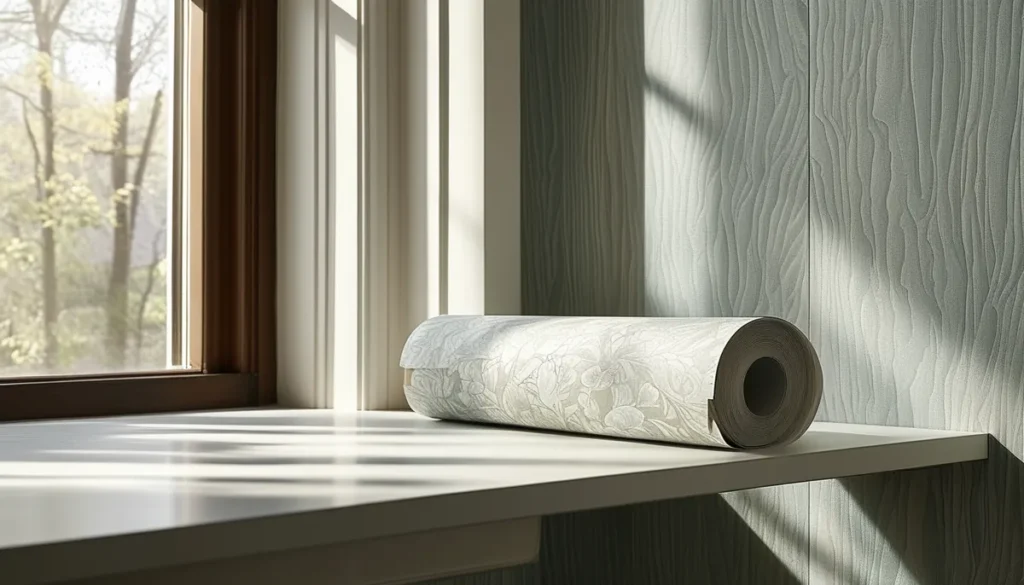
Picking dog wallpaper for walls means deciding on the scale and style of the pattern first. A small, repeating pattern of dachshunds might work well in a powder room or laundry area, offering a subtle nod to your love for dogs. For a bolder statement in a living room or playroom, consider larger, more graphic illustrations of various breeds or even a mural-style design.
Think about the overall aesthetic you want to achieve. Do you prefer realistic portrayals of dogs, cartoonish illustrations, or abstract silhouettes? Realistic patterns can add a touch of sophistication, while cartoon styles inject fun and playfulness. Silhouettes offer a modern, minimalist appeal.
Choosing the right wallpaper material
Wallpaper for walls comes in several materials, each with pros and cons. For dog wallpaper, especially in high-traffic areas or rooms prone to moisture, vinyl is often the best choice. It’s durable, scrubbable, and moisture-resistant, making it ideal for kitchens, bathrooms, or playrooms where spills or smudges might occur. You can find vinyl wallpaper in various finishes, from matte to high-gloss.
Peel-and-stick wallpaper is another popular option, particularly for renters or those who like to change their decor frequently. This type of wallpaper has an adhesive backing, so no paste is required. It’s generally easier to apply and remove than traditional wallpaper, though it might not be as durable as vinyl in the long run. Ensure the walls are properly prepped for good adhesion.
Prepasted wallpaper is a middle ground. You activate the adhesive by soaking it in water. It’s easier to handle than unpasted options but requires more careful application than peel-and-stick. Traditional unpasted wallpaper requires a separate wallpaper paste and is generally considered the most durable but also the most challenging to install and remove.
Pattern scale and repetition
The scale of your dog wallpaper pattern is crucial. A large-scale pattern can make a small room feel even smaller, while a tiny, intricate pattern might get lost in a large, open space. For living rooms or bedrooms, a medium-scale pattern often strikes the right balance. Consider how the dogs are depicted – are they clustered together, or spaced out evenly?
Repetition is key to how a pattern reads on the wall. Most repeating patterns are designed to be matched at the seams. For dog wallpaper, check if the dogs appear to be cut off at the edges of the pattern repeat. A well-designed repeat will ensure that a dog’s head, body, or tail seamlessly continues into the next panel, creating a continuous visual flow.
Understanding pattern match
There are three main types of pattern matches: straight, half-drop, and random. For dog wallpaper, a straight match is most common, where the pattern elements align horizontally between strips. This means the top of one strip will match the top of the next.
A half-drop match, often used for more complex or geometric patterns, requires you to drop the pattern on the second and subsequent strips by half the pattern repeat. This can create a more intricate overall look but requires more wallpaper and careful cutting. While less common for dog-themed prints, it’s worth knowing if you encounter it.
Random match wallpaper requires no pattern alignment between strips, making it the easiest to hang. However, most dog-themed wallpapers are designed with a specific match in mind to ensure the animals look their best on your walls.
Considering the room and its function
When selecting dog wallpaper for walls, think about the room’s function and the amount of natural light it receives. In a room with minimal natural light, a lighter-colored wallpaper with smaller, more spaced-out dog motifs can help brighten the space. Conversely, a darker, moodier pattern might be suitable for a well-lit den or study.
For a child’s bedroom or playroom, choose durable and washable options. Playful dog breeds, cartoon characters, or even educational patterns showing different breeds can be engaging. Ensure the design isn’t too busy, which can be overwhelming for young children.
In a more formal living area or dining room, opt for subtle dog silhouettes, elegant damask patterns with dog accents, or realistic prints of classic breeds. These can add personality without being overly whimsical. If you’re considering using wallpaper liner first, check out our guide on how to unlock flawless walls with wallpaper liner.
Installation tips for dog wallpaper
Proper wall preparation is paramount for any wallpaper installation. Ensure your walls are clean, dry, and smooth. Fill any holes or cracks and sand them down. If you have textured walls, you might need to skim-coat them smooth or consider using a wallpaper liner, as detailed in our guide to wallpaper liner.
When hanging dog wallpaper, pay close attention to the pattern match. Start in a visible corner and work your way around the room, ensuring each strip aligns correctly with the previous one. Use a smoothing tool to remove air bubbles and ensure good adhesion. For peel-and-stick, you can often reposition strips if you make a mistake, but it’s best to get it right the first time.
Trim excess wallpaper carefully with a sharp utility knife and a straight edge. For areas around windows and doors, cut relief slits and fold the wallpaper into place before trimming. If you’re using paintable wallpaper as a base, remember to check out our guide on transforming your walls with paintable wallpaper.
Where to use dog wallpaper
Dog wallpaper isn’t just for nurseries or kids’ rooms anymore. Consider using it as an accent wall in a living room to create a focal point. It can also add personality to a home office, a mudroom, a guest bathroom, or even a staircase landing. For those who love dogs but want a more sophisticated look, subtle patterns like tonal prints or repeating silhouettes can be very effective.
If you’re looking for specific textures or colors, you might find inspiration in our article on teal grasscloth wallpaper for depth and texture, or explore the timeless elegance of damask wallpaper if you want to incorporate dog motifs into a classic design.
Ultimately, the best place to use dog wallpaper for walls is wherever it brings you joy. Whether it’s a bold statement or a subtle detail, it’s a fantastic way to express your love for canines and personalize your living space. For a broader overview of wallpaper options, our ultimate guide to wallpaper for walls covers many styles and applications.