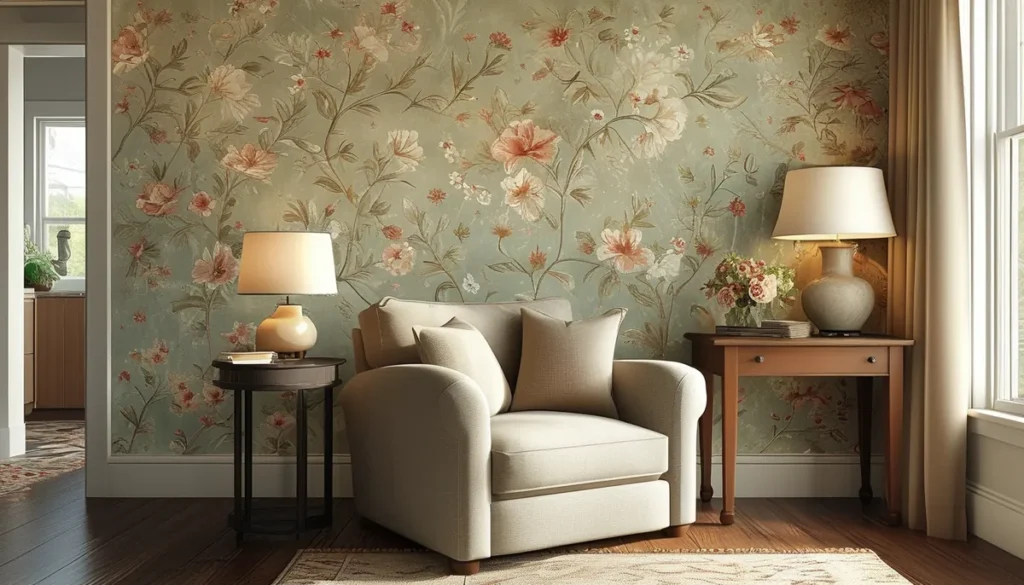
Deciding on floral wallpaper for your walls involves more than just picking a pretty pattern. You need to consider the material, the scale of the print, and how it will integrate with your existing decor. Get these details wrong, and even the most beautiful floral design can look out of place.
Understand the scale of the floral pattern
The size of the floral motifs relative to your wall and room dimensions is critical. A large-scale floral pattern can make a small room feel even smaller if not used carefully, but it can also create a dramatic focal point. Conversely, a small, ditsy floral print might get lost in a large, open space and can sometimes appear too busy or dated.
Rule of thumb: For smaller rooms or areas where you want a subtle effect, opt for smaller floral designs. For larger rooms or as a statement wall, consider larger, bolder floral prints. Measure your walls and visualize the pattern repeat – this is the distance before the pattern starts over. A larger repeat can sometimes work better in larger spaces, while a smaller repeat might be more forgiving in smaller areas.
Material matters: exploring floral wallpaper options
Floral wallpapers come in various materials, each with its pros and cons regarding durability, installation, and aesthetics. You’re likely choosing between:
Peel-and-stick floral wallpaper
This is the most DIY-friendly option. It’s essentially a large sticker you apply directly to your wall. It’s forgiving, allowing you to reposition it during application, and it usually doesn’t damage your walls upon removal, making it ideal for renters or those who like to change their decor frequently. However, peel-and-stick can be less durable than traditional options and may not adhere well to heavily textured walls. Ensure your walls are clean and smooth for best results.
Traditional paste-the-wall floral wallpaper
This is the classic choice. You apply wallpaper paste to the wall and then hang the paper. It’s generally more durable and offers a wider range of textures and finishes than peel-and-stick. Once hung correctly, it can last for many years. The installation process requires more precision and patience, as you can’t easily reposition the paper once the paste is applied. Mistakes in alignment or bubbles are harder to fix.
Non-woven floral wallpaper
A popular middle ground, non-woven wallpaper is made from a blend of natural and synthetic fibers. It’s more breathable than vinyl, easier to hang than traditional paper (often paste-the-wall), and more durable than many standard papers. It’s also relatively easy to remove when dry. Many designer floral patterns are available in non-woven formats.
Vinyl floral wallpaper
Vinyl is highly durable, scrubbable, and moisture-resistant, making it a good choice for high-traffic areas like hallways or even kitchens and bathrooms. The plastic coating provides excellent protection against stains and wear. However, it can be less breathable, and the sheen of vinyl can sometimes look less sophisticated than other materials.
Grasscloth and textured floral wallpaper
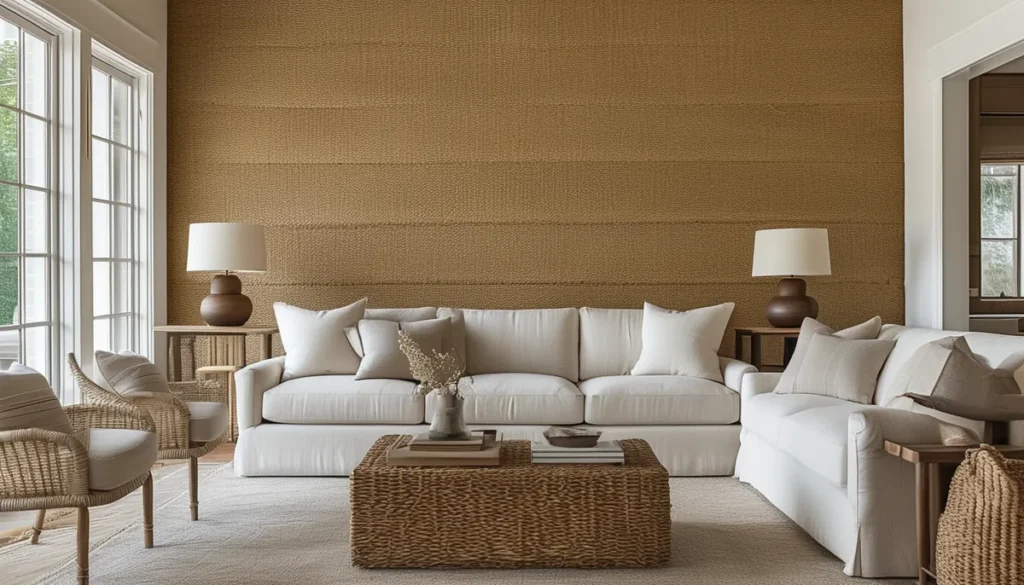
For those seeking natural texture and a more organic feel, consider floral grasscloth wallpaper. These wallpapers incorporate natural fibers like jute, sisal, or seagrass, often with a printed floral design layered on top. They offer a unique tactile quality and subtle variations in color and texture. They are delicate, however, and require careful handling during installation. They are best suited for low-traffic, quiet areas like bedrooms or living rooms.
Choosing the right floral style
Beyond scale and material, the style of your floral print will dictate the overall mood of the room. Consider these popular styles:
Modern floral wallpaper
These designs feature stylized, abstract, or graphic interpretations of flowers. They often use bold colors, geometric shapes, and clean lines. Perfect for contemporary spaces, they offer a fresh take on traditional floral motifs. You can find stunning examples in our guide to modern floral wallpaper designs.
Classic floral wallpaper
Think traditional chintz, William Morris-inspired patterns, or timeless botanical prints. These designs often feature intricate details, a richer color palette, and a sense of heritage. They work well in more traditional homes, studies, or dining rooms, adding an air of elegance and history. Explore the enduring appeal of classic floral wallpaper.
Bold and dramatic floral wallpaper
These are for those who want to make a statement. Large, vibrant, and often highly detailed floral designs that command attention. They can be used on a single accent wall to create a focal point or in a room where you want to express a strong personality. Consider dramatic floral prints for a room you want to feel truly special.
Subtle and muted floral wallpaper
If bold isn’t your style, opt for softer, more muted floral patterns. These might feature delicate blooms in pastel colors or monochromatic designs. They add a touch of charm and warmth without overpowering the space. Hydrangea wallpaper, for example, can offer a beautiful, soft floral accent, as seen in our hydrangea wallpaper post.
Installation tips for floral wallpaper
Proper installation is key to achieving a professional look, whether you’re a seasoned DIYer or tackling it for the first time. Here are some crucial steps:
- Prepare your walls: This is non-negotiable. Walls must be clean, dry, and smooth. Remove old wallpaper, fill any holes or cracks, and sand them smooth. Prime the walls with a wallpaper primer – this helps with adhesion and makes future removal easier.
- Read the manufacturer’s instructions: Every wallpaper is different. Pay close attention to the specific instructions for your chosen material regarding paste type, soaking time (if applicable), and seam treatment.
- Use the right tools: You’ll need a sharp utility knife, a smoothing tool (like a plastic smoother or brush), a level, a measuring tape, a stepladder, and possibly a seam roller.
- Cut your strips accurately: Measure the height of your wall and add a few inches (4-6 inches) for trimming at the ceiling and baseboard. Ensure your pattern is aligned before cutting subsequent strips, paying attention to the pattern repeat.
- Apply paste correctly: If using paste-the-wall, apply an even layer of paste to the wall, working in sections that you can cover with a strip before the paste dries. If using paste-the-paper, follow the manufacturer’s instructions for applying paste to the back of the paper and allowing it to book (sit for a few minutes).
- Hang the first strip straight: Use a level to draw a plumb line on the wall before hanging your first strip. This is the most critical step for ensuring the rest of your wallpaper goes on straight.
- Smooth out bubbles: As you hang each strip, use your smoothing tool to work from the center outwards, pushing out any air bubbles or wrinkles.
- Trim edges: Once the strip is in place and smoothed, use your sharp utility knife to carefully trim the excess paper at the ceiling and baseboard.
- Match seams: Ensure the pattern on the next strip aligns perfectly with the previous one. Overlap seams slightly if recommended by the manufacturer, or butt them together for a seamless look. Use a seam roller gently if needed for traditional wallpaper.
- Clean up: Wipe away any excess paste immediately with a damp sponge.
For more detailed guidance on bringing floral patterns into your home, explore our posts on floral wallpaper designs and modern floral wallpaper designs.