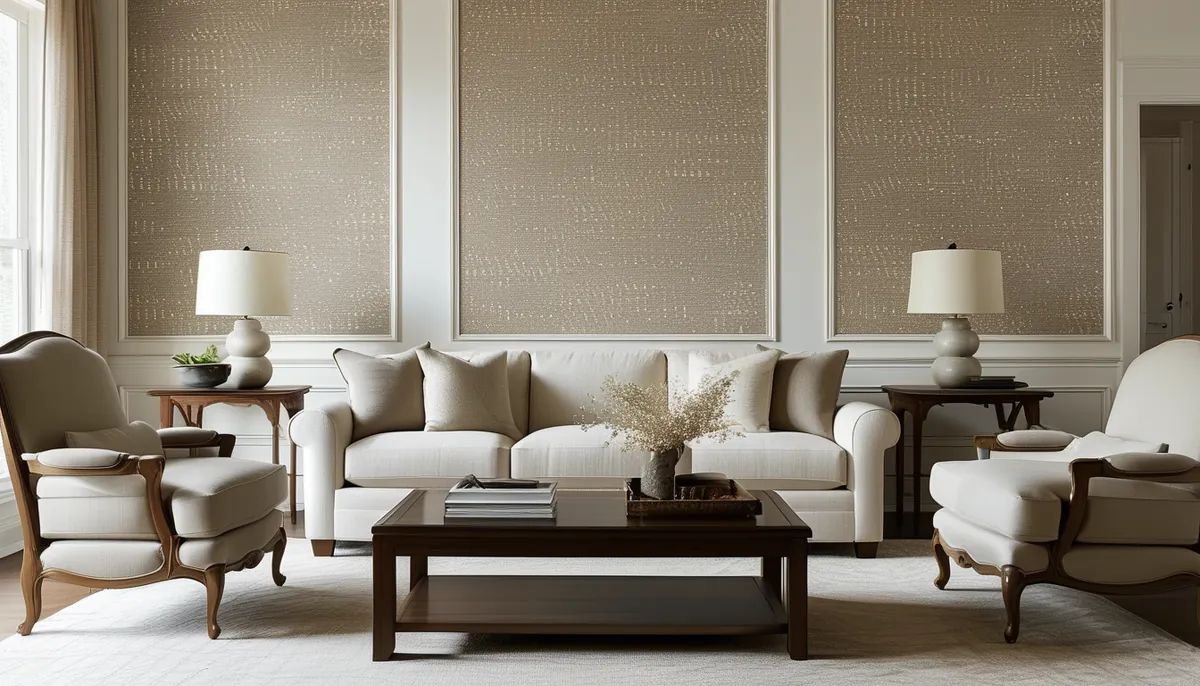
When selecting Lee Jofa wallcoverings, consider the fabric’s composition first. Many of their designs are based on woven textiles, which offer a rich texture unmatched by paper or vinyl. The weight and weave of the fabric will affect how it hangs and its durability. For high-traffic areas like hallways or living rooms, look for robust weaves. For bedrooms or more formal spaces, delicate silks or linens might be suitable, though they require more careful installation and maintenance.
Understanding pattern scale and repeat
The scale of a Lee Jofa pattern is crucial for its impact in a room. A large-scale floral might be stunning in a grand foyer but overwhelming in a small powder room. Conversely, a tiny geometric could get lost on a vast wall. Pay close attention to the pattern repeat. A larger repeat means you’ll need more wallpaper to achieve a seamless look, and the pattern will be more visually prominent. Always check the pattern repeat measurement (e.g., 27 inches) to estimate how many rolls you’ll need and how to best align the design across seams.
Material types and their characteristics
While many Lee Jofa wallcoverings are fabric-based, they also offer designs printed on alternative substrates. Some are printed on a durable paper backing, offering the look of fabric with easier installation. Others might feature vinyl coatings for enhanced washability and moisture resistance, making them suitable for kitchens or bathrooms, though this is less common for their signature textile-inspired collections. Always verify the material on the product specifications. A vinyl-coated paper will perform differently than a pure linen or a woven silk.
Installation considerations for fabric and textured wallcoverings
Installing wallcoverings with natural fibers or complex weaves requires a different approach than standard vinyl. You’ll likely need a heavier-duty adhesive, often a clear or clay-based paste, to properly bond the material to the wall. Unlike peel-and-stick options, these wallcoverings typically require paste applied directly to the back of the paper or to the wall itself. Seams are critical; ensure you align patterns precisely. For very delicate fabrics, some professionals recommend a double-cut method at the seams to prevent fraying and ensure a clean line. If you’re new to wallpaper installation, consider hiring a professional, especially for intricate or expensive Lee Jofa designs.
Tools and preparation
Proper wall preparation is non-negotiable. Walls must be clean, dry, and smooth. Remove old wallpaper, fill any holes or cracks, and sand them smooth. Applying a primer is often recommended, especially over dark colors or glossy paint, to ensure good adhesion and facilitate future removal. You’ll need tools like a sharp utility knife with extra blades, a smoothing brush or squeegee, a measuring tape, a level, and a seam roller. For fabric wallcoverings, a soft brush is often preferred over a plastic squeegee to avoid damaging the fibers.
Where to use different Lee Jofa patterns
Lee Jofa wallcoverings are often chosen for their sophisticated aesthetic, making them ideal for accent walls, formal dining rooms, living areas, and master bedrooms. Their designs can add significant character and depth to a space. For areas prone to moisture or heavy use, carefully review the product’s suitability. While some may have enhanced durability, they are generally not as robust as commercial-grade vinyl. Consider using them in areas where their beauty can be appreciated without constant wear and tear. For example, a stunning silk-look wallcovering would be perfect behind a bed or on a wall that doesn’t have direct contact with furniture or frequent traffic.
Comparing with other designer wallcoverings
When comparing Lee Jofa wallcoverings to other designer brands, consider the brand’s heritage and typical aesthetic. Lee Jofa is known for its luxurious, often traditional or classic patterns, frequently inspired by vintage textiles. If you’re seeking a more contemporary or minimalist look, other brands might offer a better fit. The price point for Lee Jofa is typically in the luxury segment, reflecting the quality of materials and design. Ensure the pattern and feel align with your overall interior design vision. For other high-end options, you might explore brands like York Wallcoverings, which offers a vast range of styles and materials, from classic to modern.
Durability and maintenance
The longevity of your Lee Jofa wallcovering depends heavily on the material and its placement. Fabric wallcoverings, especially natural fibers, can be susceptible to fading from direct sunlight. Avoid hanging them on walls that receive intense, prolonged sun exposure unless they are specifically treated for UV resistance. Cleaning typically involves gentle dusting or vacuuming with a soft brush attachment. Spot cleaning should be done with extreme caution, using a slightly damp white cloth and dabbing gently, never rubbing. Always test any cleaning method in an inconspicuous area first. For areas that require frequent cleaning, consider a more practical alternative or a vinyl-backed option if available within the Lee Jofa range.
Estimating quantity and managing waste
Accurate measurement is key to avoiding excessive waste. Measure the width and height of each wall. Always round up to the next whole roll when purchasing. Account for the pattern repeat: if your pattern repeat is 27 inches and your wall height is 10 feet, you’ll need to cut multiple segments from each roll, potentially increasing waste. It’s always better to have a little extra wallpaper for mistakes or future repairs than to run short. A common guideline is to add 10-15% to your calculated total to cover trimming, pattern matching, and potential errors.
Understanding the design process behind Lee Jofa
Lee Jofa often draws inspiration from its extensive archive of antique textiles and documents, reinterpreting classic motifs for contemporary interiors. This heritage provides a unique depth and authenticity to their collections. When you choose a Lee Jofa wallcovering, you’re not just selecting a pattern; you’re bringing a piece of design history into your home. Understanding this design philosophy can help you appreciate the intricacy and artistry involved, guiding you toward selections that resonate with your personal style and the intended atmosphere of your space. If you appreciate classic design, you might also find inspiration in the timeless elegance of beautiful wallcoverings.
Budgeting for luxury wallcoverings
Lee Jofa wallcoverings are an investment. Prices can range significantly based on the material and complexity of the design, often starting in the hundreds of dollars per roll. Factor in the cost of professional installation, which can add a substantial amount to the total project cost. When budgeting, consider the impact the wallcovering will have on the room’s overall aesthetic. A statement wall can be more cost-effective than covering all four walls. For those looking for high-quality but perhaps more accessible options, exploring other designer brands or different lines within those brands might be necessary. Remember that quality materials often result in a more durable and visually appealing finish that lasts longer.
Troubleshooting common installation issues
Bubbles or “`air pockets`” are common if the adhesive isn’t applied evenly or if the wallpaper isn’t smoothed properly. Use your smoothing brush or squeegee systematically from the center outwards. Seam separation can occur if the adhesive dries too quickly or if the seams aren’t butted together correctly. Ensure you’re using the correct adhesive for the material. If a pattern isn’t aligning perfectly, don’t force it; sometimes, slightly overlapping and then trimming the excess can create a cleaner match than trying to force misaligned edges. For stubborn issues or very delicate materials, consulting resources on installing wallpaper or seeking professional help is advisable.
When to use bold patterns
Bold patterns from Lee Jofa can transform a room, adding personality and acting as a focal point. They are excellent for creating a dramatic effect on an accent wall in a living room, dining room, or even a home office. Consider the room’s existing decor: if you have a lot of intricate furniture or art, a very busy wallpaper might create visual clutter. Conversely, a simple, neutral room can be brought to life with a striking Lee Jofa design. Ensure the scale of the pattern complements the size of the room and the furniture within it.
When to choose subtle textures
Subtle textures offer a sophisticated alternative to bold patterns. Lee Jofa’s woven grasscloths, linens, and textured silks can add warmth, depth, and an artisanal feel to a space without overpowering it. These are excellent choices for bedrooms, studies, or spaces where a calm and elegant atmosphere is desired. They provide visual interest through their material rather than a distinct graphic design, making them versatile and timeless. These textures can also help to mask minor imperfections in the wall surface. For more insights into using texture, you might find inspiration from York Wallcoverings.
Considering eco-friendly options
While not all Lee Jofa wallcoverings are explicitly marketed as eco-friendly, many are produced using natural fibers and traditional printing methods that can have a lower environmental impact than synthetic materials. Always check the product details for information on the materials used and the manufacturing process. For the most environmentally conscious choice, look for certifications or descriptions that highlight sustainable sourcing and production. If sustainability is a top priority, you may also want to research other brands that specialize in green building materials or explore options like low-VOC paints as an alternative or complement.
Where to find expert advice
For personalized recommendations and expert advice on selecting and installing Lee Jofa wallcoverings, consult with interior designers or reputable wallpaper retailers. Many showrooms offer samples, allowing you to see and feel the materials firsthand. Understanding the specific requirements for each product will help ensure a successful and beautiful application. You can also find valuable information and inspiration at the York Wallcoverings corporate office, which serves as a hub for exploring various wallcovering options and design trends.