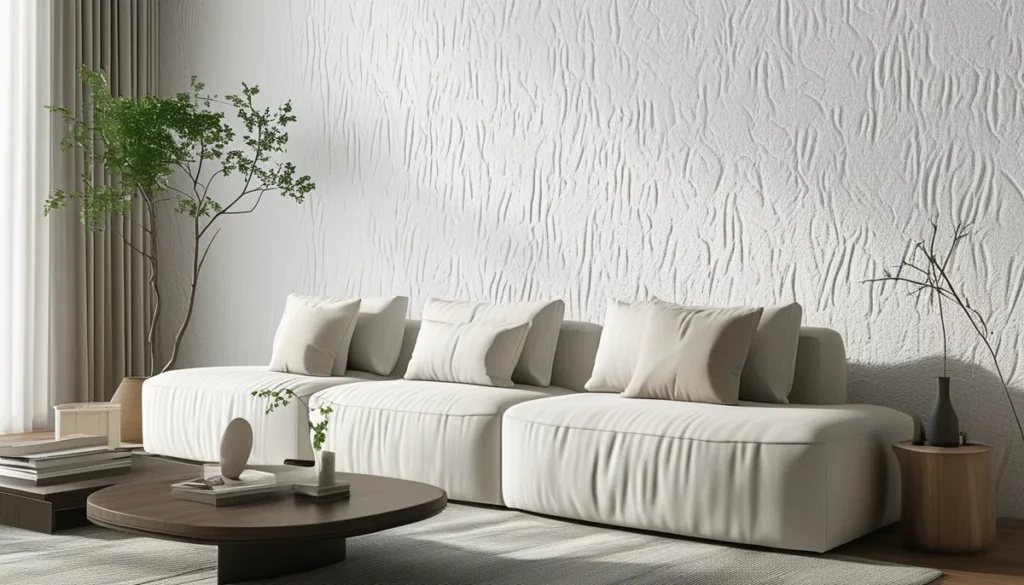
Choosing the right wall mural panels can dramatically alter the feel of a room. Unlike traditional wallpaper, panels often offer a more substantial, textured, or three-dimensional effect. The decision often comes down to the material, the scale of the design, and how you plan to install them.
Understanding panel materials
Wall mural panels are available in a variety of materials, each with its own characteristics, durability, and aesthetic. Knowing these differences is crucial before you buy.
Vinyl panels
Vinyl panels are a popular choice due to their durability and ease of cleaning. They are resistant to moisture, making them suitable for kitchens and bathrooms, though you should still avoid direct, prolonged contact with water. Vinyl panels can mimic the look of other materials, such as wood or fabric, at a lower cost. They are typically applied with a strong adhesive. Look for heavy-duty vinyl for better longevity.
Wood or MDF panels
Panels made from solid wood or Medium Density Fiberboard (MDF) offer a premium, natural look. These are often used for their texture and the warmth they bring to a space. Wood panels can be stained or painted to match your decor. MDF panels are more affordable and stable than solid wood but are susceptible to moisture damage. Installation usually involves screws or specialized paneling adhesive. These panels are best suited for living rooms, bedrooms, and dining areas where moisture is not a concern.
Textured plaster or gypsum panels
These panels provide a sophisticated, architectural feel. Often made from a gypsum composite or a textured plaster-like material, they can feature intricate patterns or a subtle, refined texture. They add depth and character to walls. Installation typically requires professional expertise due to their weight and the need for seamless integration, often involving specialized adhesives and finishing techniques. They are ideal for high-end living spaces, entryways, or feature walls.
Fabric or textile panels
For a softer, more luxurious feel, fabric panels are an excellent option. These can range from simple linen textures to elaborate embroidered or patterned textiles. They add acoustic benefits and a cozy ambiance. However, fabric panels are generally less durable than vinyl or wood and are prone to staining. They are best suited for low-traffic areas like bedrooms or formal living rooms and are usually installed with adhesives or sometimes framing systems.
Peel and stick panels
This category often overlaps with the materials above, but the ‘peel and stick’ designation refers to the installation method. These panels come with an integrated adhesive backing, making them a DIY-friendly option. While convenient, the adhesive strength can vary, and they may not be as durable or long-lasting as panels requiring traditional adhesives or mechanical fasteners, especially in humid environments or on textured walls.
Key considerations when choosing wall mural panels
Beyond the material, several other factors influence your choice and the final outcome of your project.
Design and scale
The design of your wall mural panels should complement your existing decor. Consider the scale of the pattern and how it will fit the dimensions of your wall. A large, intricate pattern might overwhelm a small room, while a simple design could get lost in a large space. For large-scale murals, ensure the panel seams align correctly to maintain the integrity of the image or pattern. You can use stunning wall mural wallpaper and panels to alter your space by carefully selecting designs that enhance the room’s proportions.
Durability and maintenance
Think about the intended use of the room. High-traffic areas or rooms prone to spills and smudges, like hallways or children’s playrooms, benefit from durable, easy-to-clean materials like vinyl. For more serene spaces like bedrooms or studies, you might opt for materials that prioritize aesthetics over extreme durability, such as fabric or textured plaster.
Installation complexity
Are you planning a DIY installation, or will you hire a professional? Peel and stick panels are generally the easiest to install yourself. Wood, MDF, and textured plaster panels often require more specialized tools and skills. Poor installation can lead to visible seams, uneven surfaces, or panels falling off the wall, so assess your comfort level and budget for professional help.
Budget
The cost of wall mural panels varies significantly based on material, brand, and complexity of the design. Vinyl and MDF panels are typically more budget-friendly, while solid wood, high-end textured plaster, or custom-designed fabric panels can be considerably more expensive. Factor in the cost of adhesive, tools, and potential professional installation when calculating your total budget.
Installation best practices for wall mural panels
Proper installation is critical for the longevity and appearance of your wall mural panels. Here’s what you need to know:
Prepare the wall surface
This is perhaps the most crucial step. The wall must be clean, dry, smooth, and free of any dust, grease, or old wallpaper adhesive. Any imperfections on the wall will likely show through the panels, especially with thinner materials. Use a primer if recommended by the manufacturer to ensure proper adhesion. For textured walls, consider a skim coat of joint compound to create a smoother surface before applying panels.
Measure and plan your layout
Before cutting or applying any panels, measure your wall accurately. Plan the layout, paying attention to where seams will fall, especially if the design is directional or patterned. It’s often best to start from a central point or a prominent corner to ensure a balanced look. If your mural has a specific scene or repeating pattern, ensure the panels align perfectly.
Cutting and fitting
Use a sharp utility knife and a straight edge for precise cuts. For vinyl or plastic panels, scoring the back and snapping can yield clean breaks. For wood or MDF, a miter saw or jigsaw might be necessary. Always measure twice and cut once. Test fit panels before applying adhesive to ensure they align correctly with adjacent panels and any architectural features like outlets or windows.
Applying adhesive
Follow the manufacturer’s instructions for the adhesive. Some adhesives are spread on the wall, while others are applied to the back of the panel. Use the recommended trowel or roller for even application. Avoid applying too much adhesive, which can ooze out at the seams, or too little, which can lead to poor adhesion.
Seaming and finishing
Once a panel is in place, gently smooth it from the center outwards to remove air bubbles. Use a seam roller for materials like vinyl to ensure edges are pressed down firmly and align seamlessly with the next panel. For textured panels, you might need to use a flexible caulk to fill any minor gaps at the seams for a smooth transition, then paint over it if necessary. If you are working with intricate designs, consider the beauty of chinoiserie mural wallpaper, which often requires precise panel alignment.
Allowing for expansion and contraction
Some materials, especially wood and MDF, can expand or contract with changes in humidity and temperature. Leave a small gap (typically 1/8 inch or 3mm) around the perimeter of the wall or where panels meet trim, which can later be covered with caulk or baseboard.
Common mistakes to avoid with wall mural panels
Even experienced DIYers can make errors. Being aware of these pitfalls can save you time and money.
Skipping wall preparation
As mentioned, a poorly prepared wall is the leading cause of panel failure. Skipping cleaning, sanding, or priming can result in panels that don’t adhere properly, peel away, or show imperfections.
Incorrectly aligning seams
For patterned murals, misaligned seams are glaringly obvious and detract from the overall look. Take your time and use guide marks to ensure perfect alignment, especially with repeating patterns or large scenic designs. This is also crucial when you have stunning wall murals.
Using the wrong adhesive
Different panel materials require specific adhesives. Using a general-purpose adhesive on a specialty panel, or vice-versa, can lead to adhesion problems. Always use the adhesive recommended by the panel manufacturer.
Over-trimming or under-trimming
Cutting panels too short will leave gaps, while cutting them too long will make fitting them difficult and can cause buckling. Measure carefully and make precise cuts. Consider that wallpaper murals also require careful cutting around edges and obstacles: stunning wallpaper murals.
Not accounting for ventilation in wet areas
While vinyl is water-resistant, prolonged exposure to moisture without adequate ventilation can still cause issues, especially with the adhesive. Ensure bathrooms and kitchens have proper ventilation systems when using panels.
By understanding the materials, planning your design, and following best installation practices, wall mural panels can provide a stunning and long-lasting enhancement to any room. Whether you choose the modern convenience of peel and stick or the classic appeal of wood, the right panels will stunning mural wallpaper.