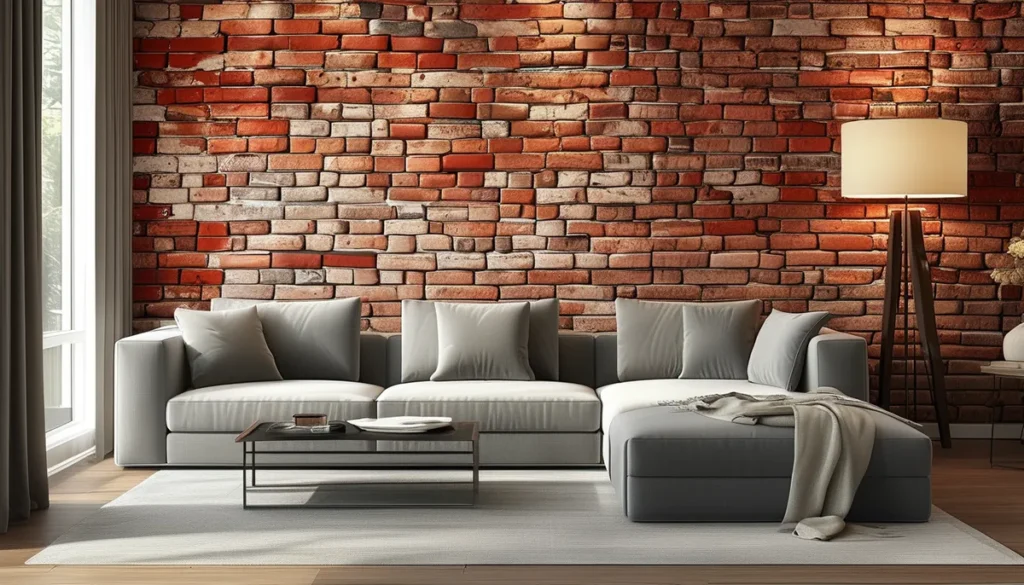
When you’re looking for wallpaper for a wall with price as a primary concern, the first step is understanding how different materials affect the final cost and look. Prices can range from under $20 per roll for basic vinyl to over $200 per roll for high-end designer papers or custom murals.
Understanding wallpaper types and their costs
The material of your wallpaper significantly impacts its durability, ease of installation, and, of course, its price. Here’s a breakdown:
Vinyl wallpaper
Vinyl wallpaper is one of the most common and affordable options, especially for high-traffic areas or rooms prone to moisture, like kitchens and bathrooms. It’s durable, scrubbable, and often comes with a paper or fabric backing.
- Pros: Very durable, moisture-resistant, easy to clean, relatively inexpensive.
- Cons: Can look less sophisticated than other materials, may not be breathable, can be heavier and harder to hang than non-vinyl options.
- Price range: $20 – $60 per roll (typically covering about 56 sq ft).
Non-woven wallpaper
Made from a blend of natural and synthetic fibers, non-woven wallpaper is a step up in quality and price from basic vinyl. It’s breathable, eco-friendly, and easier to hang and remove than traditional paper. Many peel-and-stick options are also non-woven.
- Pros: Breathable, easy to hang and remove (especially peel-and-stick), good durability, available in many designs.
- Cons: Can be more expensive than vinyl, may not be as scrubbable.
- Price range: $40 – $100 per roll.
Textured wallpaper
This category includes wallpapers with embossed patterns, grasscloth, cork, or fabric textures. They add depth and a tactile element to your walls but often come with a higher price tag and more specialized installation requirements.
- Pros: Adds visual and tactile interest, can hide minor wall imperfections.
- Cons: Can be expensive, may require professional installation, cleaning can be difficult depending on the material.
- Price range: $70 – $200+ per roll.
Designer and specialty wallpapers
These encompass high-end brands, custom murals, and wallpapers made from unique materials like silk, metal, or wood veneer. They offer unparalleled aesthetic appeal but are the most costly.
- Pros: Unique, high-end look, statement pieces for any room.
- Cons: Very expensive, often require professional installation, may have specific care instructions.
- Price range: $150 – $500+ per roll or per panel for murals.
Calculating wallpaper needs and costs
To accurately estimate the wallpaper for a wall with price, you need to calculate how many rolls you’ll need. This involves measuring your walls.
How to measure your walls for wallpaper
1. Measure the width of each wall you plan to cover. Add these widths together to get the total linear feet of your walls. For example, a room with four walls, each 10 feet wide, has a total width of 40 feet.
2. Measure the height of the walls from the baseboard to the ceiling. Note any variations.
3. Determine the coverage per roll. Most standard rolls are 20.5 inches wide and 27 feet long, covering approximately 56 square feet. However, always check the manufacturer’s specifications, as sizes vary.
4. Account for pattern repeat. This is crucial. A pattern repeat is the vertical distance before the pattern starts to repeat. Larger pattern repeats mean more waste. For example, a 24-inch repeat will require more paper than a 12-inch repeat for the same wall height.
5. Calculate the number of strips needed. Divide the total wall width (in inches) by the wallpaper width (in inches). For a 40-foot wall (480 inches) and 20.5-inch wide wallpaper, you’d need about 480 / 20.5 = 23.4 strips. Round up to 24 strips.
6. Calculate the number of strips per roll. Divide the length of the roll (in inches) by the wall height plus the pattern repeat (in inches). For a 27-foot roll (324 inches), a 10-foot wall (120 inches), and a 24-inch pattern repeat, you’d get (120 + 24) = 144 inches per strip length. So, 324 / 144 = 2.25 strips per roll. Round down to 2 strips per roll.
7. Determine the number of rolls needed. Divide the total number of strips needed by the number of strips per roll. In our example, 24 strips / 2 strips per roll = 12 rolls. It’s always recommended to buy at least one extra roll to account for mistakes or future repairs.
Cost estimation
Once you know the number of rolls, multiply that by the price per roll. For 12 rolls at $50 each, the wallpaper cost would be $600. Don’t forget to factor in the cost of supplies like adhesive (if not pre-pasted), primer, a smoothing tool, a utility knife, and potentially a professional installer.
Installation costs and DIY considerations
The price of wallpaper for a wall with price also depends on whether you install it yourself or hire a professional.
DIY installation
DIY installation saves on labor costs. However, it requires time, patience, and the right tools. For beginners, peel and stick wallpaper is an excellent choice. It allows for repositioning and is much more forgiving than traditional pasted wallpaper. You can learn more about it in our Peel and Stick Wallpaper Guide.
Essential tools for DIY wallpapering:
- Wallpaper primer
- Adhesive (if not pre-pasted)
- Smoothing tool (a plastic smoother or brush)
- Sharp utility knife or razor blade with extra blades
- Straight edge or ruler
- Measuring tape
- Level or plumb bob
- Stepladder
- Drop cloth or plastic sheeting
The average cost for DIY supplies (excluding the wallpaper itself) can range from $50 to $150.
Professional installation
Hiring a professional wallpaper installer ensures a flawless finish, especially for complex patterns or delicate materials. Their fees vary by region and the complexity of the job, but typically range from $100 to $300 per wall, or $30 to $50 per hour.
- Pros: Professional finish, saves you time and effort, handles tricky areas and patterns expertly.
- Cons: Adds significantly to the overall cost.
For a large room, professional installation can add several hundred to over a thousand dollars to your project’s total cost.
Factors influencing wallpaper price
Beyond the material, several other factors influence the cost of wallpaper for a wall:
Brand and designer
Well-known brands and designer collaborations command higher prices due to their reputation, quality, and exclusive designs. For instance, wallpapers from brands like Rifle Paper Co. often come with a premium.
Design complexity and scale
Intricate patterns, large-scale designs, or murals that require careful alignment can be more expensive to produce and install. If you’re interested in specific aesthetics, explore options like Rifle Paper Co. wallpaper or thematic designs such as Yellowstone wallpaper.
Durability and washability
Wallpapers designed for high-traffic areas or commercial use, offering superior durability and washability, are often priced higher. This is particularly relevant for kitchens and bathrooms.
Origin and manufacturing
Wallpapers made from premium materials or sourced from specific regions known for quality craftsmanship can also influence the price.
Making the best choice for your budget
When balancing wallpaper for a wall with price, consider the longevity and impact of your choice. A cheaper wallpaper that needs replacing sooner or looks dated quickly might cost more in the long run.
Prioritize high-impact areas
If your budget is tight, consider using more expensive wallpaper for an accent wall where it will have the most visual impact, and a more affordable option for the remaining walls.
Look for sales and discounts
Keep an eye out for seasonal sales, clearance events, or discount codes from online retailers. Buying slightly more than you need upfront is often cheaper than buying an extra roll later, as patterns and dye lots can change.
Consider the long-term value
A well-chosen, durable wallpaper can last 10-15 years or more. Investing a bit more in quality materials and a timeless design can offer better value over time than frequently changing cheaper options. For example, beautiful floral patterns can add lasting charm, as seen in flowers on wallpaper designs.
Factor in future changes
If you’re in a rental or anticipate moving soon, peel-and-stick options offer an easy, temporary solution that won’t damage walls, making them a cost-effective choice for short-term decoration. Explore stunning options like peacock wallpaper designs in removable formats.
Ultimately, finding the right wallpaper for your wall with price in mind requires careful planning. By understanding the materials, calculating your needs accurately, and considering installation costs, you can achieve a beautiful and budget-friendly transformation for your home.