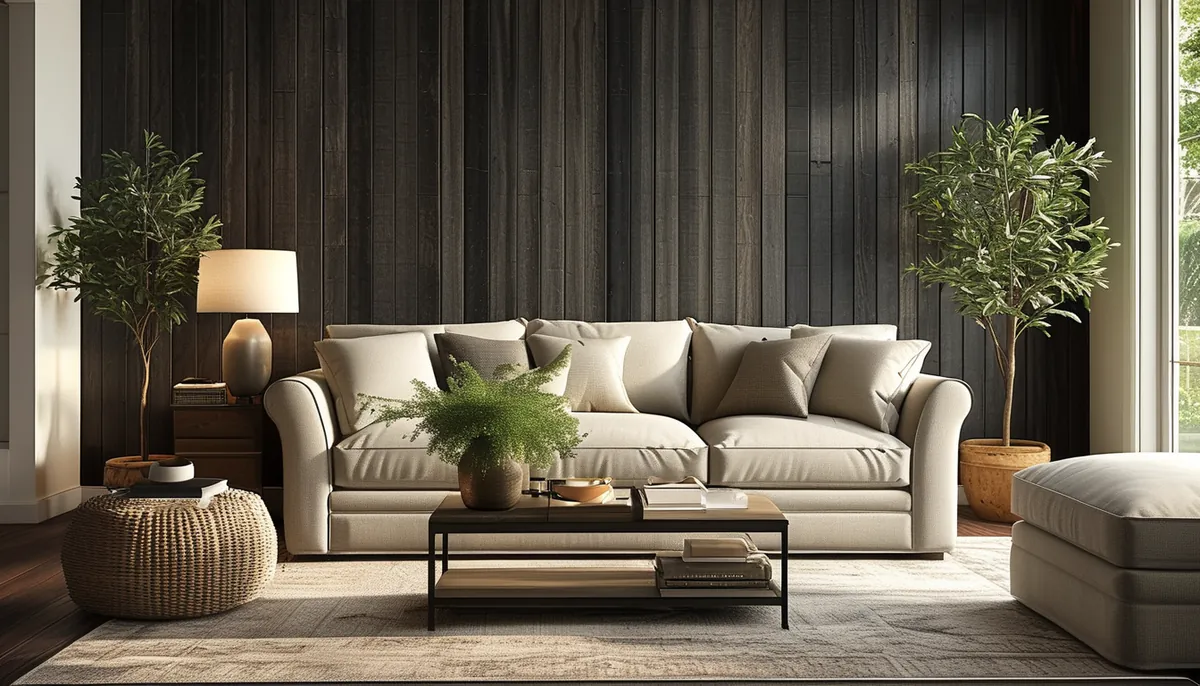
Adding a wooden panel wall paper can instantly elevate a room’s aesthetic, bringing warmth, texture, and a touch of rustic or modern charm. Unlike traditional wood paneling, wallpaper offers a more accessible and often DIY-friendly way to achieve a similar look without the cost or complexity of solid wood installation. You’re not just looking at a flat image; many of these products mimic the grain, knots, and even the rough texture of real wood, creating a convincing illusion.
Understanding different types of wood wallpaper
The world of wooden panel wallpaper isn’t monolithic. You’ll encounter several types, each offering a distinct look and feel. Knowing the differences helps you choose the best fit for your project.
Realistic faux wood grain wallpaper
This is what most people picture when they think of wood panel wallpaper. These designs use high-resolution printing to replicate the appearance of natural wood planks, often with intricate details like knots, grain patterns, and even slight imperfections that make them look incredibly authentic. They come in various styles, from the rustic charm of reclaimed barn wood to the sleek sophistication of modern stained oak. The key here is the printing quality; a good faux wood wallpaper will have subtle variations in color and tone across different ‘planks’ to avoid a repetitive, unnatural look.
3D textured wood wallpaper
While still printed, these wallpapers incorporate physical texture to enhance the realism. You might feel subtle ridges that mimic the wood grain or even raised knots. This adds a tactile dimension that flat prints can’t match. The texture can range from a light, barely-there feel to more pronounced relief. This type is excellent for creating a more immersive and convincing wood panel effect.
Shiplap and plank style wallpaper
This category focuses on mimicking the popular shiplap or plank wall look. These wallpapers are designed to look like horizontal boards laid side-by-side. They often feature the characteristic gaps or bevels between the ‘planks’ for added realism. You can find them in various colors, from classic white or natural wood tones to painted finishes. This is a great way to achieve the shiplap aesthetic without the actual installation of individual boards.
Peel and stick wood panel wallpaper
This is less a style and more a format, but it’s a crucial distinction for DIYers. Peel and stick wallpaper features a strong adhesive backing, allowing you to apply it directly to your wall without messy pastes or glues. It’s also generally removable, making it ideal for renters or those who like to change their decor frequently. Many realistic faux wood and plank designs are available in this convenient format. For more on this type, check out our comprehensive guide to easy peel and stick wallpaper.
Wood effect wallpaper with other elements
Sometimes, wood paneling is combined with other design elements. You might see wood plank designs overlaid with floral patterns, geometric shapes, or even distressed finishes that incorporate paint or other textures. This offers a more decorative approach, blending the natural feel of wood with other aesthetic trends. Explore beautiful floral designs on wallpaper here.
Key considerations before buying
Choosing the right wooden panel wallpaper involves more than just picking a pattern you like. Several factors influence the final look, durability, and ease of installation.
Scale and proportion of the pattern
The size of the wood planks or grain pattern on the wallpaper should be proportionate to the size of your room. In a small bathroom or powder room, a very large, bold plank design might feel overwhelming. Conversely, in a large living room or great room, a very small, delicate wood grain might get lost and fail to make a statement. Look for samples or detailed product photos to gauge the scale. Consider how the pattern repeats; a tighter repeat can sometimes feel more cohesive in smaller spaces.
Color and finish
The color and finish of the wallpaper will dramatically impact the mood of your room. Light, natural wood tones can make a space feel airy and bright, ideal for bedrooms or kitchens. Darker woods, like walnut or espresso, add drama and sophistication, working well in dining rooms, studies, or as accent walls. Consider the existing color palette of your room and the kind of ambiance you want to create. Some wallpapers have a matte finish, while others might have a slight sheen that mimics the natural luster of wood. A matte finish generally looks more authentic for rustic or natural wood looks.
Material and durability
Most wood panel wallpapers are made from paper, vinyl, or non-woven materials. Vinyl wallpapers are generally more durable, easier to clean (often scrubbable), and more resistant to moisture, making them a good choice for kitchens and bathrooms. Non-woven wallpapers are breathable and often easier to remove than traditional paper. Consider the intended location. For high-traffic areas or rooms prone to moisture, opt for a more robust material.
Adhesive type
This ties into whether you choose traditional paste-the-wall or peel-and-stick. Paste-the-wall (or paste-the-paper) requires a separate adhesive applied to the wall or the back of the paper. Peel-and-stick comes with its own pre-applied adhesive. For ease of installation and removability, especially for renters or DIY beginners, peel-and-stick is often the preferred choice. However, traditional methods can sometimes offer a more permanent and robust bond.
Print quality and realism
This is paramount for faux wood designs. Look for high-definition printing that captures the subtle variations in color, grain, and knots found in real wood. Blurry or overly repetitive patterns will quickly give away the illusion. Check reviews and order samples whenever possible to see the print quality up close.
Where to use wooden panel wallpaper
Wooden panel wallpaper is incredibly versatile and can be used in almost any room of the house to achieve different effects.
Accent walls
This is perhaps the most popular application. A single wall covered in wood panel wallpaper can add significant depth and visual interest to a room without overwhelming the space. It’s a great way to introduce texture and warmth, especially in living rooms, bedrooms, or dining areas. Consider a dramatic dark wood or a striking reclaimed wood look for a statement wall.
Full room coverage
For a more immersive experience, you can cover all four walls. This is particularly effective with lighter wood tones or shiplap styles to create a cozy, cabin-like atmosphere or a bright, beachy feel. Be mindful of the room’s size and natural light when deciding on full coverage, especially with darker wood patterns.
Kitchens and bathrooms
Vinyl or scrubbable non-woven wood effect wallpapers are suitable for kitchens and bathrooms. They can mimic the look of wood paneling without the susceptibility to moisture damage that real wood would face. A light, clean wood tone can brighten up a smaller bathroom, while a slightly more textured design could add character to a kitchen backsplash area (ensure it’s heat and moisture resistant if behind a stove or sink).
Bedrooms
Wooden panel wallpaper can create a serene and cozy retreat in a bedroom. A subtle wood grain behind the headboard can add a sophisticated touch, or a full wall of lighter wood can enhance a tranquil, natural vibe. For stunning bedroom inspiration, explore Yellowstone wallpaper designs, which often feature natural and rustic elements.
Entryways and hallways
These transitional spaces can benefit greatly from the warmth and character that wood panel wallpaper provides. It sets a welcoming tone as soon as someone enters your home. A textured wood or a classic plank design can make a hallway feel more intimate and stylish.
Ceilings
For a truly unique design statement, consider applying wood panel wallpaper to your ceiling. This unexpected application can add architectural interest and a sense of grandeur, especially in rooms with high ceilings. It draws the eye upward and can create a cozy, enveloping feel.
Installation guide for wooden panel wallpaper
Installing wooden panel wallpaper, especially peel-and-stick, is a manageable DIY project. Here’s a general guide:
Preparation is key
Clean the walls: Ensure your walls are clean, dry, and smooth. Remove any old wallpaper, dust, grease, or loose paint. A smooth surface is crucial for proper adhesion. If you have textured walls, consider applying a primer or a smoothing compound.
Measure and plan: Measure the area you intend to cover. Calculate how many rolls you’ll need, accounting for pattern repeat and potential mistakes. It’s always better to have a little extra. Plan your starting point – usually a corner or a prominent wall – to ensure the pattern aligns well.
Gather your tools: You’ll typically need a sharp utility knife or craft knife, a smoother tool (like a plastic smoother or a squeegee), a measuring tape, a pencil, and possibly a step ladder.
Applying peel-and-stick wooden panel wallpaper
- Start at the top: Peel back a few inches of the backing paper from the top of the first panel.
- Align carefully: Position the top edge of the wallpaper against the ceiling or corner. Ensure it’s straight; this first panel is critical for the rest of the installation.
- Smooth as you go: Slowly peel away the backing paper while simultaneously using the smoother tool to press the wallpaper onto the wall. Work from the center outwards to push out any air bubbles.
- Trim excess: Once you reach the end of a wall or an obstacle (like a window frame or outlet), use your utility knife to carefully trim the excess wallpaper. For outlets, you might need to cut an ‘X’ and then trim carefully around the opening.
- Overlap or butt joints: Depending on the specific wallpaper instructions, you may need to slightly overlap panels or butt them up directly against each other. Check the manufacturer’s recommendations to avoid gaps or ridges.
- Continue the process: Repeat the process for each subsequent panel, ensuring the pattern aligns as seamlessly as possible with the previous panel. Take your time aligning the wood grain and plank lines.
Tips for a professional finish
- Work in good light: Adequate lighting helps you see air bubbles and ensure proper alignment.
- Don’t stretch the paper: Especially with vinyl or non-woven types, stretching can distort the pattern and compromise adhesion.
- Handle corners carefully: For inside corners, fold the wallpaper into the corner and then cut it at an angle. For outside corners, wrap it around and then trim if necessary.
- Use a sharp blade: A dull blade will tear the wallpaper, resulting in a messy cut. Change blades frequently.
- Don’t be afraid to reposition: Most peel-and-stick wallpapers allow for some repositioning if you make a mistake, especially within the first few minutes of application.
Common mistakes to avoid
Even with a straightforward product, mistakes can happen and detract from the final result.
Not preparing the wall surface
Applying wallpaper over a dirty, dusty, or uneven surface is a recipe for disaster. The adhesive won’t stick properly, leading to peeling, bubbling, or an uneven finish. Always clean and prep your walls thoroughly.
Incorrectly aligning the pattern
With wood panel designs, aligning the grain and plank lines is crucial for realism. Misaligning panels can create obvious seams and a choppy, unnatural look. Take your time with each panel to ensure a seamless flow. If you’re struggling with alignment, consider exploring designs with more subtle textures or patterns that are more forgiving, like some of the Rifle Paper Co. options, which offer beautiful, often floral, designs that can complement wood tones: Transform Your Home with Beautiful Rifle Paper Co. Wallpaper.
Using a dull blade for trimming
This is a common oversight that leads to jagged, torn edges instead of clean cuts. Always use a sharp blade for trimming wallpaper. This is especially important when cutting around intricate areas like outlets or trim.
Overstretching the wallpaper
When trying to smooth out bubbles or fit the paper into a tight spot, you might be tempted to pull and stretch. This can warp the pattern, change the color, and weaken the adhesive bond, leading to future peeling.
Not ordering enough wallpaper
Running out of wallpaper mid-project is frustrating. Always factor in pattern repeat and add at least 10-15% extra for cuts, mistakes, and future repairs. It’s much better to have a little left over than to have to try and match a discontinued pattern later.
Maintaining your wooden panel wallpaper
Keeping your wood panel wallpaper looking its best is generally easy, especially with vinyl or scrubbable non-woven materials.
Cleaning
For most vinyl wallpapers, a soft, damp cloth is sufficient for cleaning. You can use mild soap and water for tougher marks, but always test a small, inconspicuous area first. Avoid abrasive cleaners or harsh chemicals, which can damage the print or the material. For non-woven papers, follow the manufacturer’s specific cleaning instructions.
Touch-ups
Minor scuffs or marks can often be gently wiped away. If a small section gets damaged, and you have extra material from your initial purchase, you might be able to carefully cut out the damaged piece and replace it with a fresh section, ensuring the pattern matches perfectly.
Longevity
Well-installed and maintained wood panel wallpaper can last for many years. Peel-and-stick options, while convenient, might have a slightly shorter lifespan than professionally pasted, permanent options, but they are easily replaced when the time comes. The durability also depends on the quality of the material and the specific environment (e.g., high humidity can affect adhesion over time).