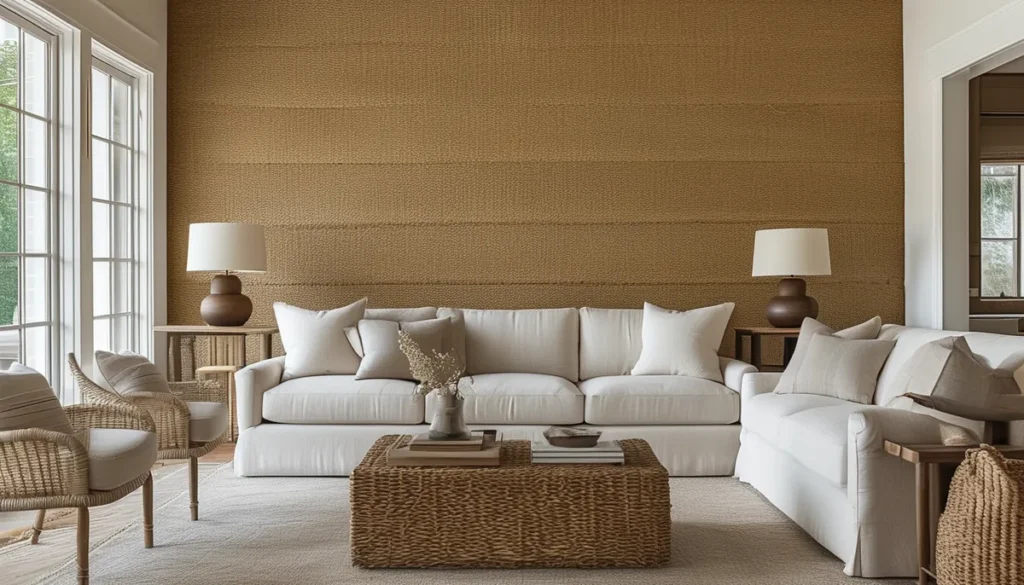
Adding vintage cowboy wallpaper to your space brings a unique blend of nostalgia and rugged style. Unlike a fleeting trend, these designs tap into a timeless aesthetic that evokes open ranges, iconic Western imagery, and a sense of adventure. Whether you’re aiming for a full-blown Western theme or just want to inject a bit of personality into a room, cowboy wallpaper offers a bold and memorable statement.
Choosing the right vintage cowboy wallpaper pattern
When selecting vintage cowboy wallpaper, consider the overall mood you want to create. Patterns range from subtle, repeating motifs of horseshoes and lassos to more dramatic scenes depicting cowboys, ranches, and desert landscapes. Think about the scale of the pattern in relation to your room size. A large, intricate mural might overwhelm a small powder room, while a smaller, repeating pattern could get lost on a vast wall.
Scenic Western murals
These are often the most impactful. Look for designs that capture the essence of the West: dusty plains, rugged mountains, and solitary cowboys against a sunset. These murals can serve as a stunning focal point, especially in a living room or a dedicated den. Ensure the colors complement your existing furniture and decor. A sepia-toned mural offers a classic, historical feel, while a more vibrant, stylized design can feel more contemporary.
Repeating cowboy motifs
For a less overwhelming look, consider wallpapers with smaller, repeating elements like cowboy boots, hats, cacti, or galloping horses. These are versatile and can work in various settings, from a home office to a guest bedroom. They offer a consistent theme without dominating the space, making them a good choice if you plan to incorporate other decorative elements.
Abstract and stylized Western designs
Some modern interpretations of vintage cowboy themes exist, using more abstract shapes or a limited color palette to evoke the West. These can be a great option if you love the cowboy aesthetic but want a more sophisticated or minimalist approach. Think subtle textures that mimic leather or distressed wood, or geometric patterns inspired by Native American art.
Where to use vintage cowboy wallpaper
The versatility of vintage cowboy wallpaper means it can be used in many areas of your home. Its bold nature makes it particularly effective as an accent wall, but don’t shy away from using it on all four walls if the pattern is subtle enough or if you’re fully committing to a Western theme.
Living rooms and dens
These are prime locations for making a statement. A large scenic mural can transform a living room into a cozy, rustic retreat. In a den or study, it can add character and a sense of adventure, pairing well with leather furniture and dark wood accents. Consider pairing this with stunning Yellowstone wallpaper designs for a cohesive Western vibe.
Bedrooms
For a unique twist, use cowboy wallpaper in a bedroom. A repeating pattern of horseshoes or stars can create a charming, themed guest room. For a master bedroom, a more subdued, textured design can add warmth and personality without being too overpowering. It’s a great way to add character to a space meant for relaxation.
Entryways and hallways
These transitional spaces are perfect for smaller doses of bold patterns. A strip of vintage cowboy wallpaper on an accent wall in an entryway can immediately set the tone for your home’s style. In a hallway, it can add visual interest and prevent the space from feeling mundane. This is also a good place to experiment with easy peel and stick wallpaper for a temporary or changeable decor solution.
Home bars and man caves
This is arguably the most natural fit. Cowboy wallpaper instantly evokes a classic saloon or rustic lodge feel, perfect for a dedicated entertainment space. Combine it with vintage barware, leather seating, and wood finishes for an authentic experience.
Installation considerations
Installing wallpaper, especially vintage-inspired designs, requires attention to detail. Always prepare your walls properly by cleaning them and ensuring they are smooth. For most traditional wallpapers, you’ll need adhesive. However, modern peel-and-stick options offer a simpler installation process, making them ideal for DIY enthusiasts.
Peel and stick vs. traditional wallpaper
Peel and stick wallpaper is applied by removing a backing and adhering it directly to the wall. It’s forgiving, allowing you to reposition it during application. This makes it a fantastic choice for renters or those who like to change their decor frequently. You can find high-quality high-quality peel and stick wallpaper that mimics the look and feel of traditional options. Traditional wallpaper requires paste applied either to the wall or the paper itself, and it’s generally less forgiving if mistakes are made. For vintage designs, ensure you choose a method that best suits your skill level and long-term decorating plans.
Matching patterns
When using patterned wallpaper, especially large-scale or scenic designs, pattern matching is crucial. You’ll need to overlap panels slightly and align the design so that it flows seamlessly from one strip to the next. This often means you’ll need to purchase more wallpaper than your wall measurements suggest to account for waste during pattern matching. Always check the wallpaper’s instructions for specific matching requirements (e.g., straight match, drop match).
Surface preparation
A smooth, clean, and dry surface is paramount for any wallpaper installation. Any imperfections on the wall—bumps, holes, or old adhesive—will show through the wallpaper, especially lighter colors or thinner materials. Fill any holes, sand down rough spots, and ensure the wall is free of grease or dirt before you begin. For particularly glossy paint, a light sanding can help the adhesive grip better.
Styling your vintage cowboy wallpaper
Once your walls are adorned with vintage cowboy wallpaper, consider how to complement the theme with your furnishings and decor. The goal is to enhance the Western feel without creating a cluttered or kitschy space.
Color palette
Draw inspiration from the wallpaper’s colors. Earth tones like browns, tans, rust, and deep reds often work well. You can also incorporate muted blues or greens found in desert landscapes. Use these colors in your furniture, textiles, and accessories.
Materials and textures
Incorporate natural materials like wood (especially distressed or reclaimed wood), leather, and rough-spun fabrics (like denim or canvas). These textures add depth and authenticity to a Western-themed room.
Furniture and accessories
Consider furniture with a rustic or vintage feel. Leather armchairs, wooden tables, and wrought-iron accents can enhance the theme. Accessories like antique spurs, cowboy hats, framed vintage photographs, or even beautiful Rifle Paper Co. wallpaper used as accents in frames can tie the look together. For a touch of softer beauty, consider incorporating flowers on wallpaper in a complementary color scheme for contrast.
Maintaining your vintage cowboy wallpaper
The durability of your wallpaper will depend on the material and the quality of the installation. Most vinyl-backed wallpapers are washable, allowing you to gently wipe away dust or minor marks with a damp cloth. Always test cleaning methods on an inconspicuous area first. For paper-backed wallpapers or delicate designs, dusting with a soft brush or a vacuum cleaner attachment is often the best approach.
Choosing vintage cowboy wallpaper is a fantastic way to infuse your home with personality and a unique sense of style. With careful selection and proper installation, these wallpapers can create a warm, inviting, and conversation-starting space that reflects a love for the American West.