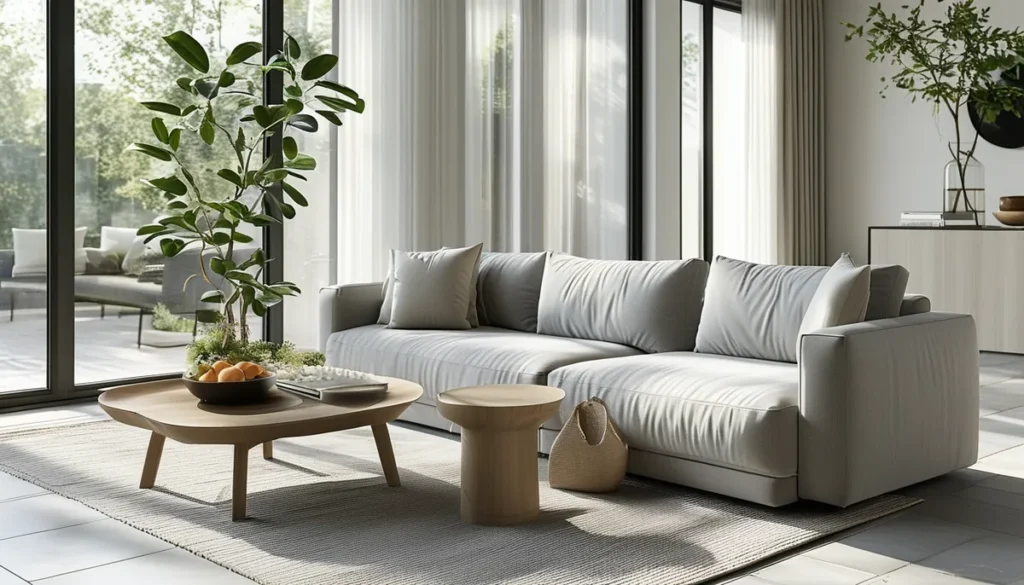
A designer wallpaper mural is a bold statement for any room. Unlike standard wallpaper, murals are large-scale designs intended to be the focal point of a wall. When selecting one, consider the material first, as it dictates durability, installation ease, and the final look.
Wallpaper mural materials and their pros and cons
Most designer wallpaper murals are made from either paper, vinyl, or non-woven materials. Each has distinct characteristics affecting performance and appearance.
Paper-based murals
These are the most traditional and often the most affordable option. They consist of printed paper, sometimes with a smooth or textured finish. Paper murals are generally eco-friendly and offer vibrant print quality. However, they are less durable than other options. They can tear easily during installation and are susceptible to moisture damage, making them unsuitable for high-humidity areas like bathrooms or kitchens. Cleaning is also a challenge, as scrubbing can damage the print. For paper murals, ensure walls are perfectly smooth, as any imperfections will show through.
Vinyl-coated murals
Vinyl murals offer significantly more durability. The paper base is coated with a layer of vinyl, making them resistant to moisture, stains, and tearing. This makes them a practical choice for busy areas, hallways, and even commercial spaces. Vinyl murals are also easier to clean – a damp cloth usually suffices. The vinyl coating can sometimes create a slight sheen, which might affect the depth of the design depending on the finish. Installation is typically straightforward, though heavier than paper.
Non-woven (or ‘paste-the-wall’) murals
Non-woven murals are a modern favorite for good reason. They are made from a blend of paper and synthetic fibers, offering a balance of durability and breathability. The key advantage is their ‘paste-the-wall’ application. You apply the adhesive directly to the wall, then hang the dry mural panels. This method is faster, cleaner, and reduces the risk of stretching or tearing the paper during application. Non-woven murals are also more forgiving regarding wall imperfections than paper-based options. They are generally washable and can be removed in full strips, leaving less residue. Many high-end designer wallpaper murals utilize this construction for ease of use and superior finish.
Textured murals
Beyond the base material, consider texture. Some murals have embossed textures mimicking fabric, grasscloth, or even plaster. These add a tactile dimension and can enhance the overall design, especially for sophisticated or traditional aesthetics. Textured murals often use non-woven or vinyl bases for durability.
Choosing your designer wallpaper mural design
The design is paramount. Consider the room’s purpose, existing decor, and the mood you want to create.
Scale and detail
A large, intricate design can overwhelm a small room. Conversely, a simple design might get lost on a vast wall. Pay attention to the scale of the elements within the mural relative to your wall dimensions. Some murals are designed to be viewed from a distance, while others offer intricate details best appreciated up close.
Color palette
The mural’s colors should complement or intentionally contrast with your existing color scheme. A mural with a limited, neutral palette can be easier to integrate than one with bold, clashing colors. Think about natural light in the room; bright colors can feel intense in direct sunlight, while dark colors might make a room feel smaller if it lacks natural light.
Subject matter
From abstract art and geometric patterns to photorealistic landscapes and botanical prints, the subject matter sets the tone. For a calming bedroom, a serene landscape or soft floral might work. For a dynamic living room or office, consider bold abstract art or a graphic pattern. You can find exquisite designer wallpaper that truly speaks to your style.
Specific styles
For those seeking a unique aesthetic, explore specialized styles. Chinoiserie mural wallpaper offers intricate, exotic scenes inspired by East Asian art, perfect for adding a touch of refined drama. Other popular styles include Art Deco, botanical, watercolor, and vintage maps. The key is to select a design that resonates with you and enhances the intended atmosphere of the space.
Installation considerations for designer wallpaper murals
Proper installation is crucial for a seamless, professional look. Most designer wallpaper murals come in panels that need to be hung in a specific sequence. Always check the manufacturer’s instructions, as they can vary by material and brand.
Wall preparation
This is non-negotiable. The wall must be clean, dry, and smooth. Remove old wallpaper, fill any holes or cracks, and sand them smooth. If you’re applying over a painted surface, ensure the paint is well-adhered and lightly scuff-sanded for better adhesion, especially if it’s a glossy finish. For non-woven murals, primer is often recommended to ensure even paste absorption and easy removal later.
Measuring and cutting
Carefully measure your wall. Most murals are designed to be trimmed to fit. You’ll typically need to trim excess paper from the top, bottom, and sides. Some murals include a slight overlap between panels, while others are designed for butt joints. Ensure you understand which type you have. Cutting with a sharp utility knife and a straight edge is essential for clean edges.
Hanging the panels
For paste-the-wall (non-woven) murals, apply an even coat of wallpaper adhesive to the wall section where the first panel will go. Hang the panel, ensuring it is straight using a level, and smooth it out from the center towards the edges with a smoothing tool to remove air bubbles. For paste-the-paper murals, apply adhesive evenly to the back of the paper, book the paper (fold it onto itself briefly to let the adhesive penetrate), and then hang. Always align subsequent panels carefully to match the pattern and ensure butt joints are tight without overlapping.
Trimming and finishing
Once all panels are hung, use a sharp blade to trim any excess material at the ceiling line, baseboard, and corners. For tricky areas like outlets or light switches, carefully cut an ‘X’ and then trim outwards. Allow the adhesive to dry completely according to the manufacturer’s recommendations before cleaning any excess paste with a damp sponge.
Common mistakes to avoid with designer wallpaper murals
Even with the best intentions, certain mistakes can detract from your mural’s beauty and longevity.
Inadequate wall preparation
This is the number one mistake. A poorly prepared wall—even with minor imperfections—will lead to adhesion issues, visible seams, and a less-than-perfect finish. Don’t skip sanding, cleaning, or priming if recommended.
Mismatching panels
Failing to align panels correctly will result in a broken pattern and visible seams that draw the eye. Take your time and use a level for each panel. For murals with complex patterns, pay extra attention to matching repeat elements.
Using the wrong adhesive
Different mural materials require specific adhesives. Using a general-purpose paste for a high-quality non-woven mural might lead to poor adhesion or difficulty with removal. Always use the adhesive recommended by the manufacturer.
Overworking the paper
Excessive smoothing or repositioning can stretch paper-based or some non-woven papers, leading to distortion or tearing. Work efficiently and gently, especially when the paper is wet with adhesive.
Ignoring room conditions
Installing a delicate paper mural in a high-traffic, high-moisture area without considering its limitations is a recipe for disaster. Choose materials appropriate for the environment. For instance, while a beautiful mural wallpaper can improve a space, its durability must match the room’s use.
Where to use designer wallpaper murals
Designer wallpaper murals are versatile and can be used in almost any room to create a specific atmosphere. They are particularly effective in:
- Living rooms: As a statement wall behind a sofa or fireplace.
- Bedrooms: Behind the headboard for a serene or dramatic backdrop.
- Dining rooms: To create an elegant or conversation-starting ambiance.
- Home offices: To inspire creativity and add personality to your workspace.
- Entryways/Hallways: To make a memorable first impression.
- Kids’ rooms: With playful, educational, or whimsical designs.
No matter the room, a well-chosen wall mural wallpaper can significantly impact the space. You can create stunning wallpaper murals, making it uniquely yours.