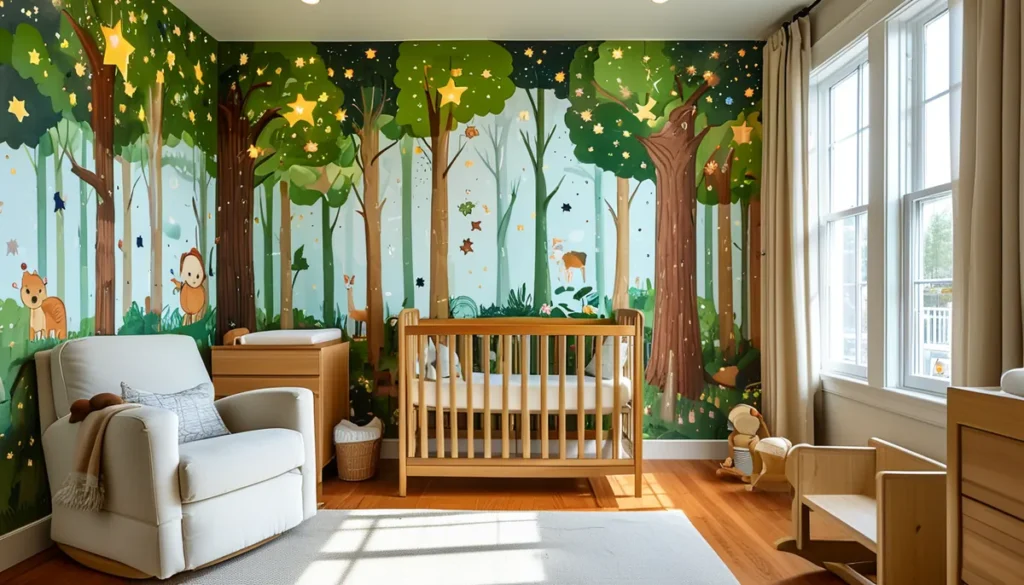
Large floral peel and stick wallpaper is your shortcut to creating a dramatic, high-impact focal point in any room. Unlike smaller, daintier patterns, these oversized blooms and botanicals make a bold statement, commanding attention and defining the space. Before you commit, understand how scale, color, and pattern repeat will affect your room’s overall feel.
Deciding if oversized florals are right for your space
The impact of large floral peel and stick wallpaper hinges on proportion. Too large for a tiny powder room, it can overwhelm the space, making it feel even smaller. Conversely, a diminutive floral in a grand living room might get lost, failing to deliver the intended wow factor. Consider the ceiling height and the overall square footage. In rooms with high ceilings or ample wall space, large-scale patterns can add grandeur and personality. For smaller rooms, a large floral can still work, but you might need to be more strategic, perhaps using it on an accent wall rather than all four.
Think about the existing decor. Is your furniture modern and minimalist, or more traditional and ornate? Large floral patterns can bridge styles. A bold, graphic floral can modernize a traditional room, while a softer, more romantic floral can add charm to a contemporary setting. The key is balance. If the wallpaper is very busy, consider simpler furnishings and decor to let the pattern shine. If your room already has a lot of texture or other strong design elements, a very complex floral might compete too much.
Your personal style is paramount. Do you gravitate towards maximalism, or do you prefer a more understated aesthetic? Large floral peel and stick wallpaper is inherently a maximalist choice, but the specific design can be adapted. Some large florals are vibrant and energetic, while others are muted and sophisticated. Choose a design that genuinely excites you and reflects your personality. This is your space, and the wallpaper should make you happy every time you see it.
Understanding pattern repeat and its impact
Pattern repeat refers to the distance from one point in the design to the next identical point. For large floral wallpapers, the repeat can be significant, sometimes measuring 20 inches or more. This means you’ll need more wallpaper than you might initially calculate, as you’ll often need to cut away parts of the pattern to ensure a seamless look across panels. A large repeat on a large-scale pattern means fewer instances of the full motif on any given panel, which can be both a blessing and a curse. It might make the design feel less busy, but it also requires careful alignment during installation.
The pattern repeat also influences how you buy. If the repeat is, say, 24 inches, you’ll need to buy enough rolls so that each subsequent panel can be aligned with the previous one. Always order more than you think you need to account for trimming, mistakes, and future repairs. A good rule of thumb is to add 10-15% to your total square footage calculation, especially with large, complex patterns.
Consider the visual effect of the repeat. Some large florals have a very obvious, repeating element that, if misaligned, becomes glaringly apparent. Others are designed with more organic flow, where the repeat is less noticeable. If you’re new to wallpapering, a design with a shorter or more forgiving repeat might be easier to work with, even if the florals aren’t as dramatically large.
Choosing the right color palette for your room
The color palette of your large floral wallpaper will dramatically influence the mood of your room. Bright, saturated colors like vibrant reds, deep blues, or sunny yellows can create an energetic and lively atmosphere. These are excellent choices for living rooms, dining rooms, or even a bold home office where you want to feel inspired.
On the other hand, softer, muted tones such as pastels, earth tones, or monochromatic schemes can evoke a sense of calm and tranquility. These are ideal for bedrooms, nurseries, or spaces where relaxation is the priority. A large floral in shades of sage green, dusty rose, or soft grey can bring elegance and serenity without being overpowering.
Consider how the wallpaper’s colors will interact with your existing furniture, flooring, and decor. If you have dark furniture, a wallpaper with lighter background colors and floral elements can create a pleasing contrast. If your room is already filled with color, you might opt for a floral design where the colors are more subtle or complementary to your existing palette.
Don’t forget about natural and artificial light. Colors can appear very different in varying light conditions. A wallpaper that looks vibrant in a showroom might appear washed out in a room with little natural light, or too intense in a brightly lit space. It’s often wise to order a sample and test it in the intended room at different times of day before committing to a full order.
Peel and stick vs. traditional wallpaper: key differences
The primary advantage of peel and stick wallpaper is its ease of installation and removal. Unlike traditional wallpaper, which requires messy paste and can be difficult to remove, peel and stick wallpaper has an adhesive backing. You simply peel off the backing and apply the paper directly to your wall. This makes it an excellent option for renters, or for those who like to change their decor frequently. For a comprehensive overview of its benefits, check out our guide to easy peel and stick wallpaper.
Removal is just as straightforward. Most peel and stick wallpapers can be gently pulled off the wall without damaging the paint underneath, provided the wall surface is properly prepared and the wallpaper has not been in place for an excessively long time in extreme conditions. This DIY-friendly nature significantly reduces installation costs and complexity.
Traditional wallpaper, while offering a vast array of patterns and textures, requires a more involved process. It necessitates the use of wallpaper paste, precise cutting, and often, booking (folding the pasted paper to let it relax). Removal can be a strenuous task, often involving steaming and scraping, and can sometimes lead to wall damage if not done carefully. While some high-end traditional papers offer unparalleled texture or durability, for most homeowners seeking a decorative update, the convenience of peel and stick is hard to beat. You can learn more about selecting quality options in our guide to the best high-quality peel and stick wallpaper for your home.
Material considerations for large floral peel and stick
Most large floral peel and stick wallpapers are made from vinyl or a vinyl-coated paper. The thickness and durability of the material are important factors, especially for large patterns that can be heavy and may require repositioning during installation.
Vinyl: This is a common and durable material. It’s often slightly thicker, making it more forgiving during application and more resistant to moisture, which is beneficial for kitchens or bathrooms (though not all vinyl wallpapers are rated for high-moisture areas). Vinyl is generally washable, making it easy to clean off fingerprints or smudges.
Textured Vinyl: Some peel and stick wallpapers mimic textures like grasscloth, linen, or even fabric. For large floral designs, a subtle texture can add depth and sophistication, making the pattern feel more integrated into the wall rather than just a print on a flat surface. Our guide on easy grasscloth peel and stick wallpaper offers insights into these options.
Fabric-like Materials: Some higher-end peel and stick options use a fabric-like material that offers a more premium feel and richer color depth. These can be excellent for creating a truly luxurious look, but they might be less forgiving with repositioning and potentially more expensive.
The quality of the adhesive is also crucial. A good quality peel and stick wallpaper will have an adhesive that is strong enough to hold the paper securely but also allows for repositioning during the initial application without losing its stickiness. Avoid papers that feel flimsy or have a weak adhesive, as they can lead to installation headaches and a less-than-perfect finish.
Measuring your space and calculating wallpaper needs
Accurate measurement is critical for any wallpaper project, but especially for large floral designs where pattern matching is essential. Start by measuring the width and height of each wall you plan to cover. Measure the width at the top, middle, and bottom of the wall, as walls are rarely perfectly straight. Use the widest measurement for your calculations. Then, measure the height from the ceiling to the baseboard.
Multiply the width by the height to get the square footage of a single wall. Do this for all walls you intend to wallpaper. Add these square footages together to get the total area. Now, you need to account for the wallpaper’s pattern repeat. Let’s say your wall height is 8 feet and the wallpaper pattern repeat is 24 inches (2 feet). Each strip of wallpaper will cover 8 feet in height, but you’ll need to cut subsequent strips so that the floral motif aligns perfectly with the strip next to it. This often means discarding a portion of the top or bottom of a strip.
Most peel and stick wallpaper is sold in rolls of specific dimensions (e.g., 20.5 inches wide by 33 feet long). Divide the total width of your walls by the width of the wallpaper roll to determine how many strips you’ll need. Then, divide your total wall height by the height of the design repeat to estimate how many full pattern repeats fit on a single strip. This calculation helps ensure you buy enough paper to cover the entire area with continuous pattern flow. A common recommendation is to add 15% to your total order to account for trimming, waste, and potential errors. For a detailed walkthrough, refer to our guide to easy peel & stick wallpaper.
Preparing your walls for optimal adhesion
Proper wall preparation is non-negotiable for successful peel and stick wallpaper installation. Any imperfections on the wall surface can affect adhesion and the final look. Start by thoroughly cleaning the walls. Use a mild detergent and water to remove any dirt, grease, or grime. If you have recently painted, ensure the paint is fully cured—this can take several weeks. Fresh paint can sometimes react with the adhesive, causing peeling.
Sanding is often necessary. If your walls have a glossy finish, lightly sand them to create a smoother, more porous surface for the adhesive to grip. Wipe away all sanding dust with a damp cloth. Fill any holes or cracks with spackle, let it dry, and then sand it smooth. Uneven surfaces will telegraph through the wallpaper, especially with lighter colors or thinner materials.
Priming is also a crucial step. Use a high-quality primer specifically designed for wallpaper adhesion. A good primer seals the wall, provides a uniform surface, and ensures the wallpaper can be removed cleanly later without taking the paint with it. Avoid using oil-based paints or primers, as the adhesive on peel and stick wallpaper may not adhere well to them. Water-based primers are generally recommended.
Installation tips for a flawless finish
Take your time and work methodically. Begin by applying the first strip in a corner or at a prominent starting point, ensuring it is perfectly plumb using a spirit level. Peel back only a few inches of the backing paper at a time. Smooth the wallpaper onto the wall using a smoother tool (like a squeegee or a wallpaper brush), working from the center outwards to push out any air bubbles. As you move down the wall, continue peeling the backing and smoothing.
For large floral patterns, pay close attention to pattern matching at the seams. Overlap the edges slightly if recommended by the manufacturer, or butt them up tightly, depending on the specific product. Use a sharp utility knife and a straight edge to trim any excess wallpaper at the ceiling, baseboard, and around windows or doors. Change your blade frequently for clean cuts; a dull blade will tear the paper.
If you make a mistake, don’t panic. Most peel and stick wallpapers allow for gentle repositioning within the first few minutes of application. Carefully peel the strip back and reapply, ensuring you maintain the correct alignment. It’s helpful to have a second person assist, especially with larger rolls and patterns, to help hold the paper and guide the application.
Common mistakes to avoid with large floral peel and stick
One of the biggest mistakes is inadequate wall preparation. Applying wallpaper over dirty, greasy, or uneven walls will lead to poor adhesion and an unprofessional appearance. Always clean, sand (if necessary), and prime your walls before starting.
Another common error is not ordering enough wallpaper. Always factor in the pattern repeat and add at least 10-15% extra for waste, trimming, and potential future repairs. Running out of wallpaper mid-project is frustrating and can be impossible to fix if the dye lot has changed.
Forgetting to check the pattern repeat and alignment is a recipe for disaster with large floral designs. Misaligned patterns are highly visible and detract from the overall aesthetic. Take the time to align each strip carefully before applying it. Also, be mindful of the direction of the pattern; ensure all your floral elements are oriented correctly.
Using a dull blade for trimming is another common pitfall. This results in jagged edges and torn paper. Invest in a sharp utility knife and change the blades frequently. Finally, rushing the process is a sure way to make mistakes. Patience and precision are key to achieving a beautiful, seamless finish with large floral peel and stick wallpaper.
Maintaining and cleaning your large floral wallpaper
Large floral peel and stick wallpaper is generally easy to maintain. For routine cleaning, a soft, dry cloth is usually sufficient to remove dust. If you encounter smudges or light marks, you can gently wipe the area with a damp cloth. Use a mild soap solution if necessary, but always test a small, inconspicuous area first to ensure it doesn’t damage the print or the material.
Avoid abrasive cleaners, harsh chemicals, or excessive moisture, as these can degrade the adhesive and the printed design. For areas prone to fingerprints, such as near light switches or in high-traffic hallways, occasional gentle cleaning will keep the wallpaper looking fresh. If your wallpaper is vinyl or has a protective coating, it will be more resilient to cleaning. Always refer to the manufacturer’s care instructions for the most accurate guidance.
When to consider professional installation
While peel and stick wallpaper is designed for DIY installation, there are situations where hiring a professional is advisable. If you have a very large room with complex architectural features like vaulted ceilings, numerous windows, or intricate molding, professional installation can ensure a perfect finish. Professionals have the tools, experience, and techniques to handle challenging spaces efficiently.
For very large or intricate floral patterns, precise alignment is crucial. If you’re not confident in your ability to achieve perfect pattern matching across vast expanses, a professional installer can save you time and prevent costly mistakes. They can also ensure the wallpaper is applied smoothly without bubbles or creases, especially on high walls where ladders and scaffolding might be needed.
If you have a limited budget but a complex project, the cost of professional installation might seem high. However, consider the cost of fixing mistakes if you attempt a difficult DIY installation and it goes wrong. Sometimes, the peace of mind and guaranteed result from a professional are well worth the investment. You can explore different quality options by reading our guide to easy peel and stick wallpaper.