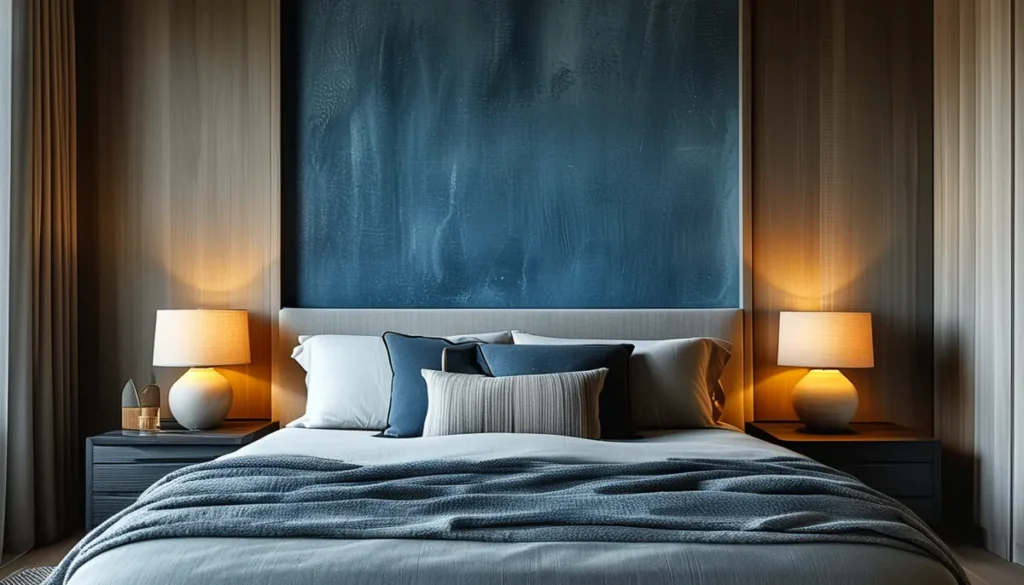
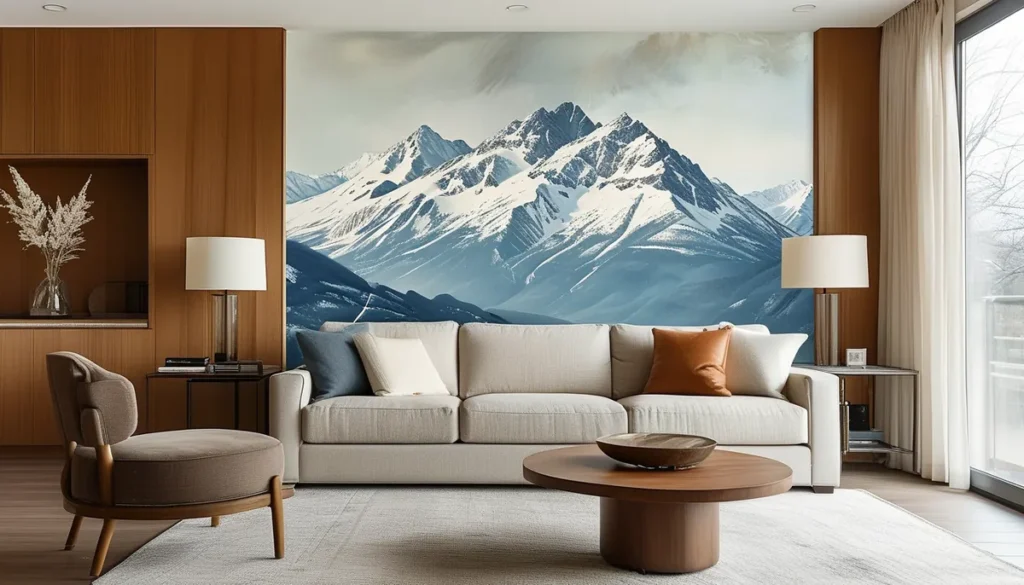
The depth and warmth of brown wallpaper textured can ground a room and create a cozy atmosphere. But not all textured browns are created equal. Your choice hinges on how the texture interacts with light and the scale of your pattern relative to your room’s dimensions.
Understanding texture types in brown wallpaper
Texture adds a tactile dimension that flat color can’t replicate. For brown wallpapers, this can mean anything from a subtle, linen-like weave to a raised, tactile pattern mimicking wood grain, grasscloth, or even brick. The material of the wallpaper itself significantly influences its texture and durability.
Vinyl wallpapers: durability and ease of care
Vinyl wallpapers, especially expanded vinyl, offer a significant raised texture that can mimic materials like grasscloth or fabric. These are excellent choices for high-traffic areas like hallways or powder rooms because they are scrubbable and water-resistant. Look for heavy-gauge vinyl for the most substantial texture. A common construction involves a paper or fabric base with a vinyl coating and embossed surface. The thickness can range from a thin coating to a substantial, raised design, typically between 0.10mm and 0.35mm.
Non-woven wallpapers: breathability and modern appeal
Non-woven wallpapers, made from a blend of natural and synthetic fibers, offer a more subtle texture. They are often matte and breathable, making them suitable for bedrooms and living areas. While not as scrubbable as vinyl, they are generally easier to remove than traditional paper. The texture here comes from the printing process and the fiber blend, offering a sophisticated, understated finish. Thickness varies but is often between 0.15mm and 0.30mm.
Textured paper wallpapers: traditional charm
Traditional paper wallpapers can also feature embossed textures, often mimicking patterns like damask or floral motifs with a raised surface. These offer a classic aesthetic but are less durable and water-resistant than vinyl or non-woven options. They are best suited for low-traffic areas like formal dining rooms or adult bedrooms. The texture is typically achieved through an embossing process on the paper surface, with thickness usually around 0.10mm to 0.20mm.
Grasscloth and natural fibers: organic, artisanal look
For a truly organic and artisanal feel, consider wallpapers made from natural fibers like grasscloth, bamboo, or cork. These inherently possess a distinct texture due to the natural materials used. They bring a unique, earthy element to a space but require careful handling during installation and are not washable. Expect significant variation in texture and color. The thickness can be highly variable, often ranging from 0.5mm to 2mm or more, depending on the weave.
Choosing the right brown shade and pattern scale
Brown itself offers a vast spectrum, from light tans and beiges to deep chocolates and near-blacks. The chosen shade, combined with the pattern’s scale, will drastically alter the room’s feel.
Light browns and subtle textures
Light brown shades, like taupe, beige, or tan, paired with subtle textures such as a fine linen or a gentle weave, can create a sense of spaciousness and calm. These are excellent for smaller rooms or for spaces where you want a neutral yet warm backdrop. The texture here should be understated, adding depth without overpowering the space. Think of a light brown textured wallpaper that mimics a natural fiber – it adds interest without making the room feel smaller.
Medium browns and moderate patterns
Medium brown tones, like walnut or caramel, work well with moderate patterns. Think of a subtle damask or a geometric pattern with a raised finish. These can add personality and visual interest to living rooms, dining rooms, or home offices. A medium brown with a slightly raised, matte finish can feel sophisticated and grounding. The pattern scale should be balanced; too large might overwhelm, too small might get lost in the texture.
Dark browns and bold textures/patterns
Deep chocolate, espresso, or mahogany browns, especially with bolder textures or patterns, can create a dramatic and luxurious effect. These are best used in larger rooms or as accent walls to avoid making the space feel too dark or enclosed. Consider a dark brown wallpaper with a raised geometric pattern, a faux wood grain, or even a rich, velvety texture. The scale of the pattern can be larger here, as the dark color absorbs light. A dark chocolate brown wallpaper with a subtle texture can still be very effective in adding depth.
Pattern scale and room size
A general rule: smaller rooms benefit from smaller, more subtle patterns and lighter colors. Larger rooms can handle larger, bolder patterns and darker, richer hues. A large-scale pattern in a small room will make it feel even smaller, while a tiny, intricate pattern in a vast room can get lost. Measure your walls accurately and consider the visual impact before committing. For brown textured wallpaper, the texture itself can act as a subtle pattern, so a busy pattern on top of a strong texture might be too much.
Installation considerations for brown textured wallpaper
Installing textured wallpaper, especially heavier types like vinyl or grasscloth, requires attention to detail. Proper preparation and technique ensure a professional finish.
Wall preparation is crucial
Start by ensuring your walls are clean, dry, and smooth. Fill any holes or cracks with spackle and sand them smooth once dry. If the existing wall surface is glossy, lightly sand it to provide some ‘tooth’ for the adhesive to grip. Prime the walls with a quality wallpaper primer. This seals the surface, prevents the wallpaper from adhering too strongly (making future removal easier), and ensures even adhesion. For very heavy or textured papers, a specialized primer might be recommended by the manufacturer.
Adhesive choice and application
The type of adhesive depends on the wallpaper material. Vinyl and heavy-duty papers often require a thicker, stronger adhesive, sometimes called ‘clear paste’ or ‘heavy-duty paste.’ For non-woven and traditional paper, a standard clear or ‘all-purpose’ wallpaper paste is usually sufficient. Always follow the manufacturer’s recommendations. You can apply paste to the wallpaper (booking it – folding the pasted sides together without creasing for 5-10 minutes) or directly to the wall, depending on the paper type. For textured papers, ensure paste gets into the crevices of the texture for maximum adhesion.
Cutting and matching patterns
When measuring and cutting your wallpaper panels, allow for an extra 2-4 inches at the top and bottom for trimming. If your brown wallpaper textured has a pattern repeat, you’ll need to account for this. The pattern repeat is the vertical distance before the design starts to look the same. You’ll lose a portion of the wallpaper with each subsequent strip to ensure the pattern aligns. For heavily textured papers, the pattern match might be less critical visually, but for papers with a distinct design on top of texture, precise matching is essential.
Smoothing and trimming
As you hang each strip, use a smoothing brush or a plastic smoother to work out air bubbles and ensure the paper adheres evenly. Start from the center and work outwards. Overlap seams slightly if recommended by the manufacturer, or butt them tightly together. For trimming, use a sharp, new utility knife or a razor blade. Trim the excess at the ceiling and baseboard carefully. For very thick textures, you might need to make multiple passes with the blade.
Where to use brown textured wallpaper
Brown textured wallpaper can add warmth, sophistication, and character to various rooms. Consider its effect on the mood and function of the space.
Living rooms and dens
In a living room or den, brown textured wallpaper can create a cozy, inviting atmosphere. A subtle linen texture in a warm tan can make the space feel more intimate. A bolder pattern in a deep chocolate brown can serve as a dramatic accent wall, grounding the room and providing a sophisticated backdrop for furniture and art. Think about pairing it with complementary colors like cream, olive green, or deep blues. You can explore options for beautiful textured wallpaper in various shades.
Bedrooms
Brown is a naturally calming color, making it ideal for bedrooms. A soft, textured brown can promote relaxation and sleep. Consider a light taupe with a subtle weave for a serene retreat, or a richer mocha with a matte finish for a more luxurious feel. For a truly unique look, consider a natural fiber wallpaper for a spa-like ambiance. It can create a sense of groundedness and peace.
Dining rooms
A dining room can benefit from the richness and elegance that brown textured wallpaper can bring. A damask pattern in a deep brown with a raised finish can add a touch of formality and sophistication. For a more modern approach, a subtle geometric texture in a warm walnut shade can provide visual interest without being overwhelming. This is a space where you can be a bit bolder with pattern and texture.
Home offices
For a home office, brown textured wallpaper can foster a sense of focus and stability. A medium brown with a subtle, professional texture like a fine weave or a matte finish can create a productive environment. It offers warmth without being distracting, making it easier to concentrate on tasks. Darker browns can add a sense of gravitas and professionalism.
Hallways and entryways
Hallways and entryways are often the first impression a home makes. A durable, scrubbable brown vinyl textured wallpaper can be a practical and stylish choice. A faux grasscloth in a natural brown can add immediate warmth and character. These high-traffic areas benefit from textures that can withstand a bit of wear and tear. Consider a red and brown wallpaper combination if you want to add a bit more vibrancy to these transitional spaces.
Common mistakes to avoid with brown textured wallpaper
Even with the best intentions, certain mistakes can detract from the beauty and longevity of your brown textured wallpaper installation.
Ignoring the lighting
The way light hits textured wallpaper is critical. A dark, heavily textured brown might look amazing in a dimly lit showroom but can make a naturally dark room feel claustrophobic. Conversely, a lighter texture might get washed out in a very bright room. Always test a sample in the intended space at different times of day to see how the light affects the color and texture.
Overlooking pattern repeat costs
Patterns with a large repeat require more wallpaper to cover the same area. You’ll be buying more rolls to ensure the pattern aligns correctly, leading to increased cost and more waste. Calculate your needs carefully, factoring in the pattern repeat, especially for complex or large-scale designs.
Using the wrong adhesive
Using a standard paste on heavy vinyl or a specialty adhesive on delicate non-woven paper can lead to peeling, bubbling, or difficulty in removal. Always adhere strictly to the wallpaper manufacturer’s guidelines for adhesive type and application.
Poor wall preparation
Hanging wallpaper over uneven, unprimed, or dirty walls is a recipe for disaster. The texture of the wallpaper will highlight any imperfections on the wall beneath it. Take the time to properly clean, repair, and prime your walls for a smooth, professional finish that will last.
Choosing a texture too overwhelming for the space
While texture adds interest, an overly aggressive or complex texture in a small room can make it feel cramped. Likewise, a very subtle texture might not be noticeable enough in a large, open space. Match the scale and intensity of the texture to the size and purpose of the room. Sometimes, a beautiful textured vinyl wallpaper can provide the perfect balance.
Selecting brown wallpaper textured involves more than just picking a shade. It’s about understanding how the material, finish, and pattern scale will interact with your specific room, lighting conditions, and desired aesthetic. By carefully considering these factors, you can successfully introduce the warmth and depth of textured brown wallpaper to elevate your home’s interior design.