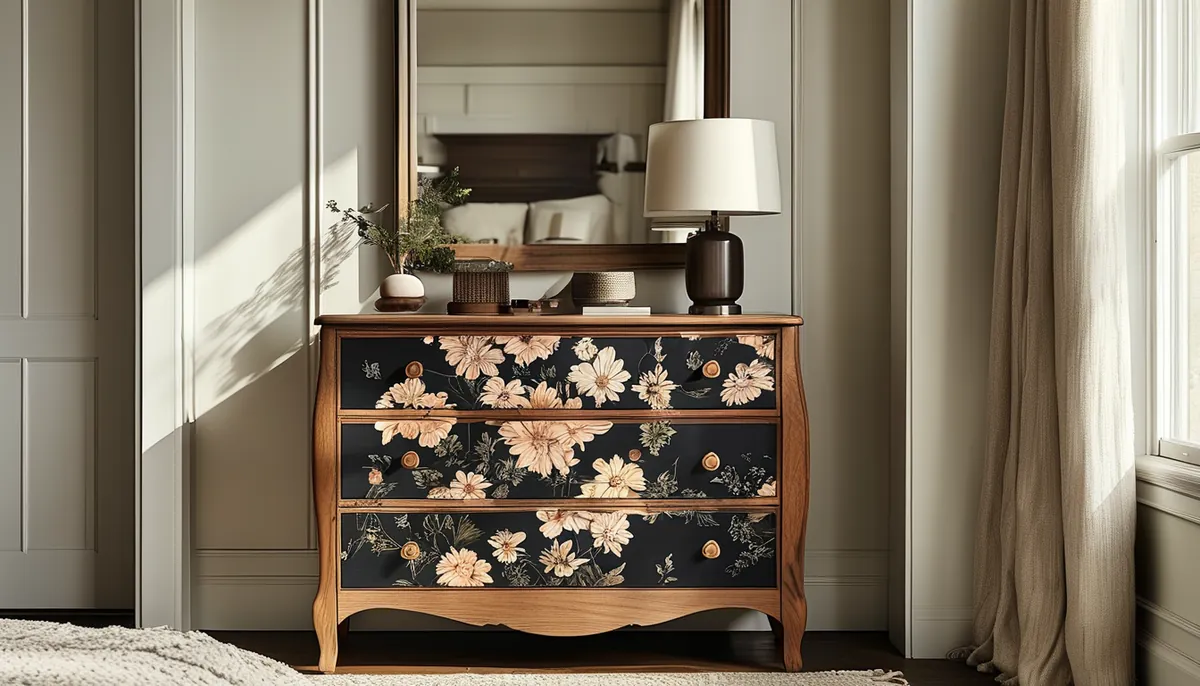
Updating a dresser with wallpaper is a fast, affordable way to change its look. You don’t need to be a professional to get great results, but knowing your options helps avoid costly mistakes.
Choosing the right wallpaper for your dresser
Not all wallpapers are created equal, especially when applying them to furniture. For dressers, you’ll primarily want to consider peel and stick options. These are typically made from materials like vinyl, PVC, or a fabric-based adhesive. Traditional paste-the-wall or self-adhesive papers designed for walls can be too thick, too sticky, or leave residue.
Vinyl-based peel and stick: This is a durable and water-resistant option, making it suitable for dressers in any room, including high-moisture areas like bathrooms or kitchens. It’s often forgiving during application, allowing you to reposition it. Look for vinyl papers at least 5-6 mil thick for best results.
PVC peel and stick: Similar to vinyl, PVC offers excellent durability and water resistance. It’s a common choice for furniture applications because it’s easy to clean and can withstand moderate wear and tear. The thickness is comparable to vinyl.
Fabric-based peel and stick: These offer a more premium feel, often with textured surfaces. While beautiful, they might be less durable and harder to clean than vinyl or PVC. They can be a great choice for a dresser in a low-traffic area, like a guest room or a decorative piece.
MDF (Medium-Density Fiberboard) drawers: If your dresser has MDF drawer fronts, ensure the wallpaper adhesive is strong enough to bond. Some textured or fabric-based wallpapers might struggle to adhere to very smooth or sealed MDF. Test a small, inconspicuous area first.
Considerations for dresser wallpaper application
When you’re applying wallpaper to a dresser, think about the surface area and the potential for wear and tear. Drawer fronts get touched frequently, and the edges are prone to scuffs. You’ll want a material that can handle this.
- Durability: Opt for wallpapers rated for high traffic or with a clear protective coating. Vinyl and PVC wallpapers generally win here.
- Adhesive strength: Ensure the adhesive is strong enough to stick well but not so strong that it damages the dresser’s original finish or leaves stubborn residue when removed. Many quality peel and stick wallpapers are designed for temporary application and removal.
- Thickness: Thicker wallpapers (5-7 mil) are more forgiving during installation and less likely to tear. They also offer better coverage over minor imperfections on the dresser surface.
- Finish: Matte finishes tend to hide imperfections better than glossy ones. Glossy finishes can highlight any bumps or air bubbles.
Popular dresser wallpaper designs and patterns
The design choice is where you can truly let your creativity shine. Whether you’re aiming for a modern update or a vintage feel, there’s a wallpaper pattern for you.
Geometric patterns
These offer a clean, modern look. Think chevrons, hexagons, or intricate tessellations. Geometric wallpaper can add a graphic punch to a plain dresser, especially in bold colors or metallic accents. For a subtle look, choose smaller-scale patterns in muted tones.
Floral and botanical prints
Bring the outdoors in with vibrant floral or delicate botanical designs. These can make a dresser a stunning focal point. For a dramatic effect, consider large-scale floral prints. For a softer aesthetic, opt for smaller, daintier patterns. You can explore beautiful options in flowers on wallpaper collections.
Abstract and artistic designs
If you’re looking for something unique, abstract patterns or artistic prints can be a great choice. These can range from watercolor effects to bold, painterly strokes. They add a touch of personality and sophistication to furniture.
Solid colors and textures
Don’t underestimate the power of a good solid color or a subtle texture. A faux wood grain, linen texture, or a deep, rich solid color can elevate a dresser without overwhelming it. This is a safe and stylish bet if you’re unsure about busy patterns. Consider the impact of specific collections, like Yellowstone wallpaper designs, for a touch of nature-inspired elegance.
Metallic accents
Metallic sheens, whether gold, silver, or copper, can add a touch of glamour. They work well in geometric patterns, damasks, or even as subtle highlights in floral designs. Be mindful that metallic finishes can sometimes show imperfections more readily.
How to apply wallpaper to a dresser: Step-by-step
Applying wallpaper to a dresser is a rewarding DIY project. Follow these steps for a smooth finish.
Preparation is key
Before you even think about peeling the backing, proper preparation is crucial. This step prevents issues down the line.
- Clean the dresser: Thoroughly clean the surface of the dresser with a mild cleaner and water. Ensure it’s completely dry. Remove any dust, grime, or grease.
- Repair imperfections: Fill any dents, scratches, or holes with wood filler. Sand the repaired areas smooth once dry.
- Sand lightly (optional): If the dresser has a very glossy or slick finish, a light sanding with fine-grit sandpaper (220-grit) can help the wallpaper adhere better. Wipe away all dust afterward.
- Remove hardware: Take off any drawer pulls, knobs, or hinges. This will make application much easier and give a cleaner finish.
- Measure and cut: Measure each drawer front (or the area you’re covering) carefully. Add an extra inch or two on all sides for trimming. Cut your wallpaper pieces. If your pattern requires matching, lay out your pieces to ensure the design flows correctly before cutting.
Application
Take your time during this stage. Patience is your best friend.
- Peel and stick: Start by peeling back a few inches of the backing paper from the top edge.
- Align and apply: Carefully align the top edge of the wallpaper with the top edge of the drawer front. Gently press the exposed adhesive strip onto the surface.
- Smooth as you go: Gradually peel away the backing paper with one hand while smoothing the wallpaper onto the surface with the other. Use a smoother tool (like a plastic scraper, credit card, or a dedicated wallpaper smoother) to push out any air bubbles and ensure good adhesion. Work from the center outwards.
- Handle corners and edges: For corners, you can either wrap the wallpaper around or make a precise cut. For edges, fold the excess wallpaper over the edge of the drawer front and smooth it down.
- Trim excess: Once the wallpaper is applied and smoothed, use a sharp craft knife or utility knife to carefully trim away the excess wallpaper along the edges.
Finishing touches
After applying wallpaper to all surfaces:
- Reinstall hardware: Once the wallpaper is set (check the manufacturer’s recommendation, but usually immediate reinstallation is fine), carefully poke holes through the wallpaper for the hardware and reinstall your knobs or pulls.
- Seal edges (optional): For extra durability, especially on high-wear areas like drawer fronts, you can apply a clear sealant or a furniture-grade topcoat over the wallpaper. Test this in an inconspicuous area first, as some sealants can alter the wallpaper’s finish or color.
Mistakes to avoid when wallpapering a dresser
Even with simple peel and stick, there are common pitfalls that can ruin your project.
- Not cleaning the surface: Dust, grease, or residue will prevent the wallpaper from sticking properly and can cause bubbles or peeling later.
- Not removing hardware: Trying to wallpaper around knobs and handles leads to messy cuts and an unprofessional look.
- Rushing the smoothing process: Not smoothing out air bubbles as you go will result in a lumpy, unsightly finish.
- Using a dull blade for trimming: A dull knife will tear the wallpaper instead of cutting it cleanly, leaving a ragged edge.
- Forgetting pattern matching: If you’re using a patterned wallpaper, failing to match the pattern between panels or on different sections of the dresser will look jarring and unprofessional.
- Using wallpaper not designed for furniture: Wallpapers intended for walls might have adhesives that are too weak or too strong, or they might not be durable enough for furniture surfaces. Stick to products specifically marketed for furniture or as high-quality peel and stick. If you’re looking for versatile options, easy peel and stick wallpaper is a great starting point.
Dresser wallpaper vs. other furniture update methods
While painting or staining are traditional methods, wallpaper offers unique advantages.
- Speed: Wallpapering a dresser is significantly faster than a multi-coat paint job, especially considering drying times.
- Design variety: You get access to an incredible range of patterns and textures that are hard to replicate with paint alone.
- Reversibility: High-quality peel and stick wallpaper can often be removed without damaging the original finish, allowing for future changes. This is a significant advantage over paint, which is a more permanent alteration.
- Cost: For complex patterns or intricate finishes, wallpaper can be more cost-effective than specialized paints or veneers.
For a wide selection of high-quality options, explore the best high-quality peel and stick wallpaper for your home. If you’re drawn to specific aesthetics, you might also enjoy the distinct styles found in collections like Rifle Paper Co. wallpaper.