Paper Decals: Where They Work, Where They Fail, and How to Apply Them
A paper decal and a vinyl decal look identical in a photo and behave nothing alike on a wall. The face stock is what decides which one belongs in your room.
Read more →

A paper decal and a vinyl decal look identical in a photo and behave nothing alike on a wall. The face stock is what decides which one belongs in your room.
Read more →

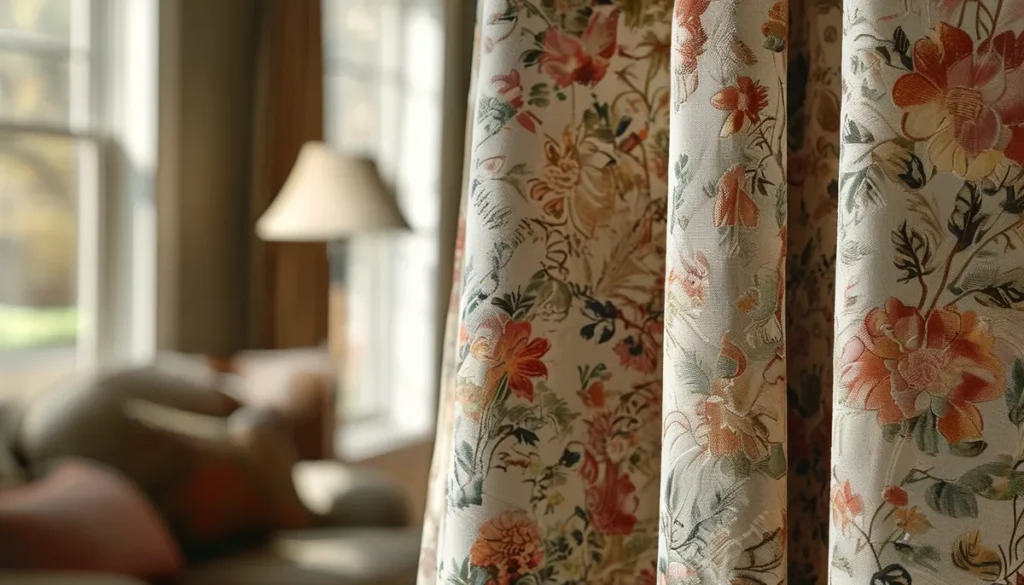
A yard of forty-year-old barkcloth can be perfect or it can shred in your hands, and the difference shows up in a ten-second test you can do at the booth.
Read more →
A period-correct fabric on the wrong frame reads as a costume. Getting retro upholstery right is half era research and half a wear rating nobody reads.
Read more →
A mural is printed once at a fixed size, so the arch lands where the printer put it. Measure and scale it before you order, not after.
Read more →
Most beach murals fail for one of two reasons: the wall was measured once instead of three times, or the horizon line ended up behind the headboard.
Read more →
A custom mural is non-returnable, so the measuring tape decides more than the artwork does. Here is the sequence that keeps a living room mural from arriving four inches short.
Read more →
Most board and batten looks wrong for one reason: the spacing was chosen to suit the lumber instead of the wall. Ten minutes of arithmetic before the first nail fixes it.
Read more →
Every board and batten wall that looks wrong got its spacing from a photo instead of a calculator. The layout math takes ten minutes and it is the whole job.
Read more →
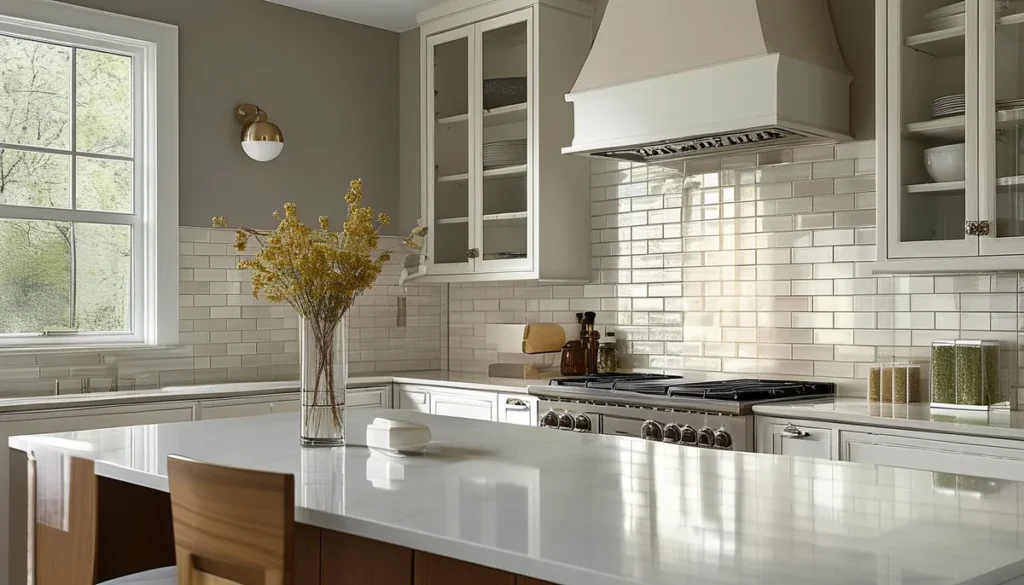
The tile install that looks wrong from across the kitchen almost never failed at the trowel. It failed twenty minutes earlier, when someone decided where the first tile went.
Read more →
Pull one drawer all the way out and turn it over. Thirty seconds with the drawer box in your hands tells you more than an hour of reading the product description.
Read more →