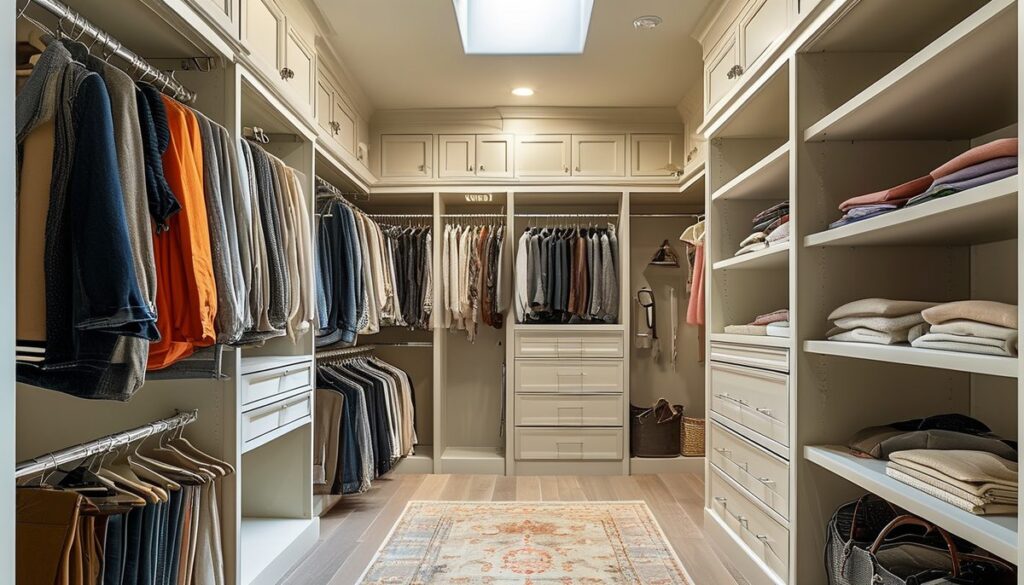
When choosing a bookshelf, consider the primary function: is it for heavy textbooks, delicate collectibles, or just a few paperbacks? This dictates the depth, shelf spacing, and material strength. For a home library or a space needing robust storage, solid wood or heavy-duty particle board with a durable laminate or veneer is best. Expect to pay more, but the longevity and stability are worth it for significant weight loads.
For lighter loads, such as decorative items or paperback books, thinner MDF or even lighter composite materials can suffice. These are often more budget-friendly and come in a wider variety of finishes. Always check the weight capacity per shelf; manufacturers often list this, and it’s a critical factor to avoid sagging or structural failure.
Assess your space and its needs
Before buying or building, measure the intended area. Note the height of your ceilings and the width of the wall. This will help you decide between a tall, narrow bookshelf that maximizes vertical space or a wide, low unit that can double as a media console or bench. Consider the overall room flow; a bulky bookshelf can obstruct pathways.
Think about the existing style of your home. A modern apartment might suit a minimalist, floating bookshelf or a sleek metal-and-glass unit. A farmhouse or traditional home might call for a rustic wood bookshelf with visible grain or classic detailing. Don’t be afraid to mix and match, but ensure a cohesive feel. For a pop of color, consider incorporating wallpaper behind your shelves; blue and white wallpaper can offer a timeless backdrop, while coral wallpaper designs add vibrancy.
Types of bookshelves and their construction
Freestanding bookshelves are the most common. They come in various heights, widths, and depths. Assembly is usually required, and they are generally less stable than built-in options, often needing wall anchors for safety, especially in homes with children or pets.
Built-in bookshelves offer a seamless look, appearing as if they are part of the home’s architecture. They can be custom-made to fit any space perfectly. While more expensive and labor-intensive, they provide superior stability and a high-end finish. This is a great option if you have an awkward alcove or want to utilize an entire wall.
Floating bookshelves appear to be attached directly to the wall with no visible brackets. They offer a clean, modern look but are typically best for lighter items, as their weight capacity is limited by the mounting hardware and wall structure. Ensure these are installed into wall studs for maximum support.
Modular bookshelves allow you to customize the configuration. You can add or rearrange units as your needs change, offering flexibility for growing collections or evolving room layouts.
Material matters: pros and cons
Solid wood (oak, pine, walnut): Durable, strong, beautiful. Can be expensive and prone to warping if not properly sealed. Offers a classic, warm aesthetic.
MDF (Medium-Density Fiberboard): Cost-effective, smooth surface for painting or laminating. Less durable than solid wood, can sag over time with heavy loads, and susceptible to water damage.
Particle board: The most budget-friendly option. Least durable, prone to sagging and damage from moisture. Often used in inexpensive, ready-to-assemble furniture.
Metal: Durable, modern, industrial look. Can be heavy and may require specific wall anchors. Often combined with wood or glass shelves.
Manufactured wood products (plywood, composite): Offer a balance of cost and durability. Plywood is stronger than particle board and MDF. Finishes vary widely, from laminate to wood veneer.
DIY bookshelf ideas to save money and add personality
Building your own bookshelf can be a rewarding project. Simple designs include using pre-cut lumber and basic joinery. For instance, two vertical planks with several horizontal shelves screwed in place create a functional unit.
Consider using reclaimed wood for a rustic, eco-friendly look. Pallet wood, old barn wood, or salvaged lumber can be sanded, treated, and assembled into unique bookshelves. Remember to check for any treatments or pests in reclaimed materials before using them indoors.
Another popular DIY approach involves using crates or boxes. Stack and secure wooden crates or even sturdy cardboard boxes to create an eclectic shelving unit. This is a quick and easy method that can be customized with paint or wallpaper. For a more finished look, consider adhering wallpaper to the inside of the crates; blue plaid wallpaper can add a cozy texture.
An industrial-chic option is to use pipes and fittings as the support structure for wooden shelves. This requires more tools but results in a very sturdy and stylish bookshelf.
Placement strategies for optimal impact
Living room: A large bookshelf can be a focal point, housing books, decor, and even a television. Consider built-ins flanking a fireplace or a wide, low unit under a window.
Bedroom: Use a bookshelf to create a reading nook. Place it next to your bed for easy access to nighttime reads, or use a taller unit in a corner to display cherished items.
Home office: Maximize vertical space with tall, narrow bookshelves to store files, reference books, and office supplies. Floating shelves can also work well above a desk.
Small spaces and apartments: Corner shelves or narrow, wall-mounted units are excellent for maximizing space without overwhelming the room. Over-the-door organizers or thin, tall bookshelves can also be lifesavers.
Customization and finishing touches
Once your bookshelf is assembled, consider how to make it your own. Painting or staining the wood allows you to match it to your decor. For a bolder statement, consider painting the back panel of the bookshelf a contrasting color or applying wallpaper. A fun pattern like lovestockletany background ideas can add a personal touch.
Adjustable shelves offer flexibility for different-sized books and items. Ensure the shelf pins are securely in place. For added stability, especially with freestanding units, use anti-tip hardware to secure the bookshelf to the wall. This is a non-negotiable safety measure for any home with children or pets.
Organize your books by color, size, or genre for a visually appealing display. Mix in decorative items like plants, picture frames, and sculptures to break up the monotony of books. Lighting can also enhance your bookshelf; consider adding LED strip lights underneath shelves for a modern glow.
When selecting wallpaper for the back of your shelves, think about the overall mood you want to create. For a calming effect, consider subtle patterns or textures. For a more dramatic look, opt for bold colors or intricate designs. Green stripe wallpaper can add a touch of sophistication.
The depth of shelves should accommodate most of your books. Standard bookshelves are typically 10-12 inches deep, which is sufficient for most hardcover and paperback books. Deeper shelves might be needed for oversized art books or binders.
Consider the weight of your collection. If you have many heavy art books or encyclopedias, opt for solid wood or metal construction with reinforced shelves. Particle board or MDF shelves can sag under such weight, requiring additional support or replacement.
The spacing between shelves is also crucial. Adjustable shelves offer the most versatility, allowing you to customize heights. If shelves are fixed, measure your tallest books and ensure adequate clearance. Aim for at least 1-2 inches of space above each book for easy removal and a less cramped appearance.