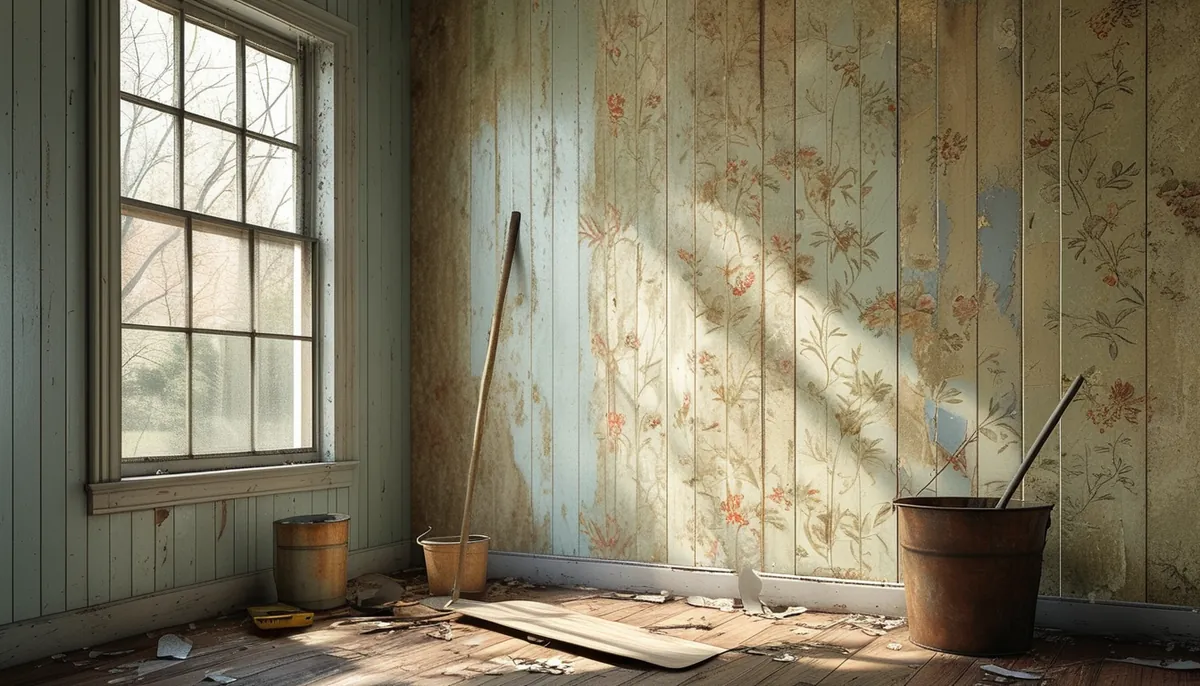
Before you start, confirm what type of wallpaper you’re dealing with. Vinyl, foil, and fabric-backed wallpapers are generally strippable. If you can peel a corner and it comes off cleanly, leaving a paper layer behind, you have strippable paper. If it tears and leaves a lot of the backing on the wall, it’s non-strippable and requires a different approach.
For strippable wallpaper, start by scoring the surface. Use a scoring tool to create small perforations across the entire wall. This allows water or stripper solution to penetrate the paper. Be careful not to press too hard, especially on drywall, as you don’t want to damage the paper underneath.
Using hot water and dish soap
A simple and often effective solution for removing wallpaper is hot water mixed with a bit of dish soap. Fill a bucket with hot water and add a generous squirt of dish soap. Dip a sponge or a garden sprayer into the solution and generously apply it to a section of the wall. Let it soak for 10-15 minutes. The water should loosen the adhesive. You can then use a putty knife or a wallpaper scraper to gently lift the edges and peel the paper off. Work in small sections.
When to use a chemical stripper
If hot water and soap aren’t cutting it, a commercial wallpaper stripper is your next best bet. These come in liquid or powder form. Follow the manufacturer’s instructions precisely for dilution and application. Typically, you’ll mix the stripper with water and apply it with a garden sprayer or a sponge. Let it sit for the recommended time – usually 15-20 minutes – to soften the adhesive. Then, scrape the wallpaper off. Always wear gloves and eye protection, and ensure good ventilation.
Some strippers are designed for specific types of wallpaper or adhesives. For example, a ‘difoliant’ stripper breaks down the glue itself, while others are more general-purpose. If you’re unsure, test a small, inconspicuous area first.
Dealing with stubborn adhesive
Even after removing the wallpaper, you’ll likely have adhesive residue left on the walls. This needs to be cleaned off completely before you paint or apply new wallpaper. A solution of hot water and white vinegar (50/50 ratio) is a good option. You can also use a specialized adhesive remover. Apply your chosen cleaner with a sponge and scrub gently. Rinse the wall thoroughly with clean water and allow it to dry completely. If the walls feel sticky, you haven’t removed all the adhesive.
Tools you’ll need
Gather your supplies before you begin. You’ll need:
- Scoring tool
- Putty knife or wallpaper scraper (a 4-inch wide scraper is ideal)
- Garden sprayer or large sponge
- Buckets for water and solution
- Ladder or step stool
- Gloves and eye protection
- Rags or old towels
- Plastic sheeting or drop cloths to protect floors
Peel and stick wallpaper removal
If you’re removing peel and stick wallpaper, the process is often much simpler. Most peel and stick wallpapers are designed to be removed cleanly. Start by lifting a corner and slowly pulling the wallpaper down at a 45-degree angle. If it’s proving difficult, you can use a hairdryer on a low heat setting to warm the adhesive slightly, making it more pliable. This is a significant advantage over traditional wallpaper, making it a popular choice for renters and frequent redecorators. Discover the best high-quality peel and stick wallpaper for your home.
What if the wallpaper is painted over?
If your wallpaper has been painted over, especially with a high-gloss paint, removal becomes significantly harder. The paint acts as a barrier, preventing water or stripper from soaking through. In this case, scoring is even more crucial. You may need to use a stronger chemical stripper and be prepared for a more labor-intensive process. Sometimes, if the paint is thick and the wallpaper is very old and brittle, it might be easier to skim coat the wall with joint compound to create a smooth surface over the wallpaper, then sand and prime before painting. However, for a truly professional finish, removing the wallpaper is always recommended.
Avoiding damage to drywall
The biggest mistake DIYers make is damaging the drywall underneath. When scraping, hold your scraper at a low angle and apply steady pressure. Avoid gouging the wall. If you do nick the drywall, you can repair it with joint compound after the wall is clean and dry. Small imperfections can be filled, sanded smooth, and then primed before you apply new wall treatments, whether that’s paint or a new layer of beautiful Rifle Paper Co. wallpaper.
When to call a professional
If you’ve tried multiple methods and the wallpaper simply won’t budge, or if you’re dealing with extensive damage or multiple layers of old wallpaper, it might be time to call a professional wallpaper removal service. They have specialized tools and experience to handle even the most challenging situations, saving you time and frustration. They can also ensure the wall is properly prepped for whatever you plan to do next, such as installing stunning Yellowstone wallpaper designs or perhaps wallpaper with beautiful flowers on wallpaper.
Taking the time to remove wallpaper correctly is a crucial step in any renovation. A clean, smooth surface will make your next project—be it painting or hanging new wallpaper—look significantly better and last longer.