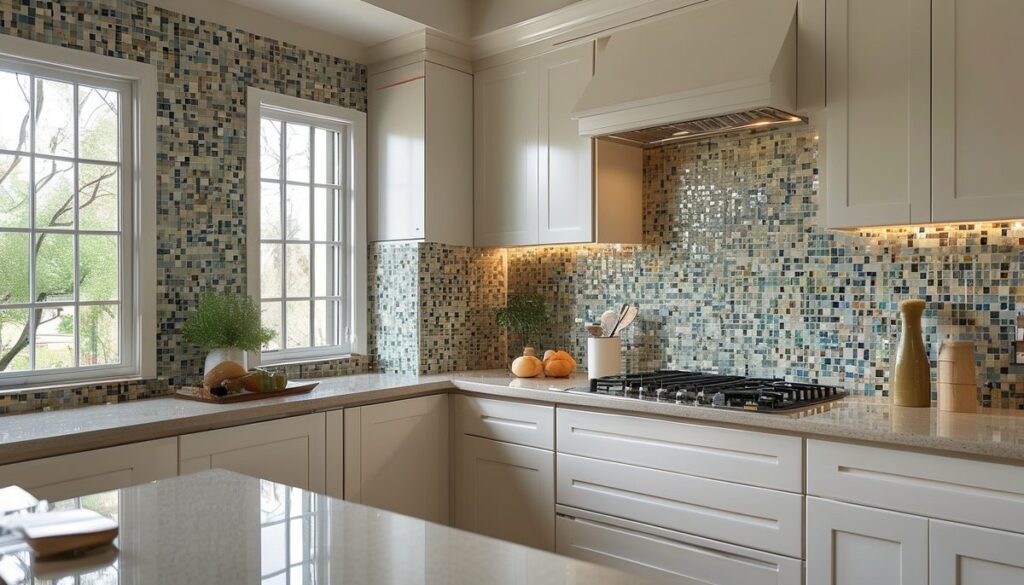
Choosing the right apartment wallpaper is a crucial decision, especially when you’re renting. The primary consideration for most renters is removability. You need wallpaper that won’t damage the walls underneath when you move out, otherwise, you risk losing your security deposit. This immediately points you towards peel and stick wallpaper. Unlike traditional, paste-applied wallpaper, peel and stick has an adhesive backing that allows you to simply peel it off the wall when you’re ready to move or redecorate.
When selecting peel and stick apartment wallpaper, consider the surface of your walls. Most peel and stick wallpapers adhere best to smooth, painted surfaces. If your apartment has textured walls (like popcorn ceilings or heavily textured drywall), you might encounter adhesion issues. Some manufacturers offer specific products designed for textured surfaces, but these are less common and can be more expensive. Always check the manufacturer’s recommendations regarding wall surface compatibility before purchasing.
The thickness and quality of the material are also important. Cheaper, thinner vinyl wallpapers can be flimsy, making them difficult to apply without air bubbles or tears. They can also be more prone to showing imperfections on the wall beneath. Look for materials that feel substantial, usually around 6-10 mil thickness. Higher quality vinyl or fabric-backed options will offer better durability and a more professional finish. This is where investing a little more upfront can save you frustration during installation and ensure a better final look.
Another factor is the adhesive strength. Manufacturers often categorize their peel and stick wallpapers by the strength of their adhesive. For renters, a medium-strength adhesive is usually ideal. It needs to be strong enough to stay on the wall without peeling at the edges, but not so strong that it pulls off paint or damages the drywall when removed. Some products are specifically marketed as ‘rental-friendly’ or ‘easy-remove,’ which is a good indicator of appropriate adhesive levels.
The actual design and finish of the wallpaper are, of course, paramount to achieving your desired aesthetic. Consider the size of your apartment and the room you’re decorating. Bold, large-scale patterns can make a small room feel even smaller, while subtle, smaller patterns might get lost in a larger space. Matte finishes tend to be more forgiving of wall imperfections than glossy finishes, which can highlight every bump and bubble. Think about the overall style you want to achieve – modern, bohemian, minimalist, or something else. Different patterns and colors can drastically alter the mood of your apartment.
Assessing your walls before buying apartment wallpaper
Before you even start browsing for apartment wallpaper, take a good look at your walls. Are they painted? What is the condition of the paint? Are there any holes, cracks, or blemishes? Most peel and stick wallpapers are designed to cover minor imperfections, but significant damage will likely show through. You may need to do some minor drywall repair and repainting before installation for the best results. If your landlord requires a specific paint color or finish, ensure your repairs match it as closely as possible.
Check the existing paint finish. Flat or matte paints are generally the best surfaces for peel and stick wallpaper. Satin or eggshell finishes can also work, but glossy finishes can sometimes compromise adhesion. If your walls have a high-gloss paint, you might need to lightly sand them or use a primer to create a surface the wallpaper can grip. Again, always consult the wallpaper manufacturer’s guidelines. Some brands specifically advise against glossy surfaces.
Consider the environment. Is the wall in a high-moisture area like a bathroom or kitchen? While many modern vinyl wallpapers are water-resistant, prolonged exposure to steam and moisture can affect adhesion and potentially cause the wallpaper to peel or bubble over time. Look for wallpapers specifically rated for use in kitchens and bathrooms if this is a concern. Standard vinyl peel and stick is usually fine for living rooms, bedrooms, and hallways.
Measure your walls accurately. You’ll need the total square footage of the area you plan to cover. Most wallpaper is sold in rolls, and manufacturers provide the dimensions of each roll and the approximate square footage it covers. Always buy a little extra – at least 10-15% more – to account for pattern matching, potential mistakes during installation, or future repairs. It’s much better to have a bit left over than to run out mid-project and find that the batch you need is no longer available.
Peel and stick wallpaper types for apartments
The vast majority of apartment-friendly wallpapers are peel and stick. However, there are variations within this category, each with its own characteristics:
Vinyl peel and stick
This is the most common type. Vinyl peel and stick wallpaper is durable, often water-resistant, and relatively easy to clean. The adhesive is typically strong enough to hold well but removable. It’s a versatile option suitable for most rooms in an apartment. The thickness can vary, impacting how well it hides wall imperfections and how easy it is to handle during application. Thicker vinyl is generally preferred for a premium feel and better coverage.
Fabric-backed vinyl peel and stick
These wallpapers offer a more textured and luxurious feel compared to standard vinyl. The fabric backing adds a layer of thickness and robustness, making them easier to reposition during installation and more forgiving of minor wall imperfections. They often have a more premium appearance, mimicking the look of traditional fabric wallpapers but with the convenience of peel and stick. They can be slightly more expensive but offer a significant upgrade in aesthetics and durability.
Textured peel and stick
Some peel and stick wallpapers are designed with surface textures, such as faux linen, grasscloth, or even embossed patterns. These add visual and tactile interest to your walls. When choosing textured options, ensure the texture isn’t so deep that it traps dirt or is difficult to clean. For apartment use, a subtle texture is often best. These can elevate a space dramatically and add a designer touch.
Mylar or metallic finish peel and stick
These wallpapers feature a shiny, reflective surface, often with metallic foil elements. They can dramatically enhance light in a room and create a glamorous effect. However, the reflective nature means they are less forgiving of wall imperfections. Any bumps or air bubbles will be highly visible. They are best suited for smooth walls and can be a stunning choice for accent walls or smaller spaces where you want to make a bold statement.
Removable wallpaper vs. Temporary wallpaper
It’s important to distinguish between ‘removable’ and ‘temporary.’ While often used interchangeably, ‘removable’ generally refers to wallpaper designed to come off cleanly without damaging the underlying surface. ‘Temporary’ might imply a shorter lifespan or a less secure adhesion. For apartment dwellers, you are almost always looking for removable wallpaper. Always check product descriptions to ensure it explicitly states ‘removable’ and is suitable for rental properties.
Installation guide for apartment wallpaper
Proper installation is key to a successful wallpaper project, especially in a rental. Taking your time and following these steps will ensure a professional-looking result and minimize the risk of wall damage.
Preparation is paramount
1. Clean the walls: Thoroughly clean the walls with a mild detergent and water solution to remove any dirt, grease, or dust. Rinse with clean water and allow the walls to dry completely. Any residue can prevent the adhesive from sticking properly.
2. Repair imperfections: Fill any holes or cracks with spackle or joint compound. Sand smooth once dry and wipe away the dust. Touch up with paint if necessary, trying to match the existing wall color and finish as closely as possible.
3. Test a small area: Before committing to a large section, apply a small piece of wallpaper to an inconspicuous area (like inside a closet or behind a door). Let it sit for 24-48 hours, then attempt to remove it. This will give you a good indication of how well it adheres and how cleanly it removes from your specific walls.
4. Gather your tools: You’ll need a smoothing tool (like a squeegee or wallpaper smoother), a sharp utility knife or craft knife with extra blades, a measuring tape, a pencil, a stepladder, and possibly a spray bottle with water (for some types) or a damp cloth.
Applying the wallpaper
1. Measure and cut your panels: Measure the height of your wall and add an extra 4-6 inches (10-15 cm) to each panel for trimming at the top and bottom. If your wallpaper has a pattern, ensure you account for pattern repeat when cutting subsequent panels. It’s often easier to cut panels slightly longer than you think you’ll need.
2. Start from a corner or a straight line: For a professional look, it’s best to start from an inside corner or a straight vertical line. Use a level or a plumb bob to draw a perfectly vertical guideline on the wall. This ensures your first panel is straight, and subsequent panels will align correctly.
3. Peel and stick: Carefully peel back about 6-12 inches (15-30 cm) of the backing paper from the top of the panel. Align the top edge of the wallpaper with the ceiling or guideline you marked. Press the exposed adhesive strip onto the wall.
4. Smooth as you go: Slowly peel away the backing paper with one hand while using the smoothing tool with the other hand to press the wallpaper onto the wall. Work from the center outwards to push out any air bubbles. Overlap panels slightly if recommended by the manufacturer, or butt them up against each other for a seamless look. Avoid stretching the wallpaper, as this can distort the pattern and weaken the adhesive.
5. Trim the excess: Once a panel is applied and smoothed, use your sharp utility knife to carefully trim the excess wallpaper at the ceiling and baseboard. For a cleaner cut, you can gently press the wallpaper into the corner with your smoothing tool, creating a crease, then cut along the crease.
6. Repeat for subsequent panels: Continue this process for each subsequent panel, paying close attention to pattern matching if applicable. Ensure each panel is aligned with the previous one and smoothed thoroughly.
Dealing with obstacles
Outlets and switches: Before wallpapering an outlet or switch area, turn off the power at the breaker box. Remove the cover plate. Apply the wallpaper over the opening. Make a small cut in the wallpaper where the opening is, then carefully trim around the outlet or switch. It’s often easier to make a star-shaped cut and then trim to fit. Reinstall the cover plate, which will hide any imperfect trimming.
Windows and doors: For windows and doors, cut the wallpaper leaving a few inches of excess around the frame. Make relief cuts (diagonal cuts from the edge of the wallpaper towards the corner of the opening) to help the wallpaper lay flat. Then, carefully trim the excess with your utility knife, cutting just to the edge of the frame.
Corners: Inside corners can be tricky. Apply the wallpaper so it slightly overlaps the adjacent wall (about 1/2 inch or 1 cm). Use your smoothing tool to press it into the corner. For outside corners, wrap the wallpaper around the corner by about 1 inch (2.5 cm) and smooth it down firmly. You may need to make a relief cut at the top and bottom if there’s a lot of excess material.
Removing apartment wallpaper
The true test of apartment wallpaper is how easily and cleanly it removes. Most reputable peel and stick wallpapers should come off without damaging your walls if installed correctly and removed within a reasonable timeframe (typically within 1-2 years of application, though some can last longer).
When to remove
It’s best to remove wallpaper before you move out, giving yourself ample time. Attempting removal on your last day can be stressful. If the wallpaper has been up for a long time, especially in areas with high humidity, the adhesive might become more permanent. In such cases, a little extra care might be needed.
Removal process
1. Start in a corner: Gently lift a corner of the wallpaper with your fingernail or a plastic scraper (avoid metal, which can scratch walls). Slowly pull the wallpaper down at a 45-degree angle.
2. Pull slowly and steadily: If the wallpaper comes off easily, continue pulling slowly. If you encounter resistance or feel the paint starting to lift, stop. You may need to use a hairdryer on a low heat setting to warm the adhesive gently. This can help loosen its grip. Hold the hairdryer a few inches away from the wall and move it constantly.
3. Address stubborn adhesive: If there’s any adhesive residue left on the wall, you can usually remove it with a damp cloth, a mild soap solution, or a specialized adhesive remover. Test any remover in an inconspicuous spot first to ensure it doesn’t damage the paint or drywall.
4. Clean the walls: Once all the wallpaper and residue are removed, clean the walls thoroughly with a damp cloth to ensure they are clean and ready for inspection or repainting.
Design ideas for apartment wallpaper
Wallpaper can completely change the feel of an apartment. Here are some ideas to get you started:
Accent walls
An accent wall is a fantastic way to introduce a bold pattern or a dramatic color without overwhelming the space. Choose one wall in a room – perhaps behind the sofa, the bed, or a fireplace – and apply wallpaper there. This draws the eye and adds a focal point. For smaller apartments, an accent wall is a great way to incorporate a high-impact design without committing to covering all walls.
Hallways and entryways
These transitional spaces are often overlooked but offer a great opportunity to make a statement. A well-chosen wallpaper in a hallway can create a welcoming atmosphere or add a touch of personality. Consider patterns that guide the eye or create a sense of depth.
Small spaces
Don’t shy away from wallpaper in small rooms like powder rooms or small bedrooms. A light, airy pattern can actually make the space feel larger. Alternatively, a darker, bolder pattern can create a cozy, intimate feel. Think about how the pattern repeat affects the perception of space. If you’re looking for patterns that incorporate natural elements, you might want to explore flowers on wallpaper.
Rental-friendly patterns
When choosing patterns, consider how they will work with your existing furniture and decor. Geometric patterns, subtle textures, and abstract designs are often versatile and timeless. If you love the look of Rifle Paper Co., you can transform your home with beautiful Rifle Paper Co. wallpaper. For those seeking something unique and inspired by nature, consider the stunning designs available, such as Yellowstone wallpaper designs.
The importance of quality
Investing in high-quality apartment wallpaper, particularly from trusted brands that specialize in removable options, is crucial. Cheaper alternatives might seem appealing but can lead to costly mistakes during installation or removal, potentially jeopardizing your security deposit. Look for wallpapers specifically designed for renters or those that explicitly state their removability. For guidance on selecting top-tier products, check out our guide to the best high-quality peel and stick wallpaper. For a general overview of easy application, our guide to easy peel and stick wallpaper can also be helpful.
Our next recommendations
When selecting apartment wallpaper, prioritize ease of removal and wall protection above all else. Always read reviews and check manufacturer specifications for durability and adhesive type. Consider the overall aesthetic you wish to achieve and how the wallpaper will complement your existing furnishings. Samples are your best friend; order them to see how the color and texture look in your apartment’s lighting before committing to a full purchase. Remember, the goal is to enhance your living space without incurring penalties when it’s time to move.
Bring a touch of design to your inbox
Signing up for newsletters from reputable wallpaper brands or interior design blogs can provide ongoing inspiration and special offers. Many services provide tips on installation, removal, and the latest design trends, tailored specifically for apartment dwellers. This can be a valuable resource for future decorating projects and ensuring you stay within your landlord’s guidelines.